Bitterness is the only taste that is universally rejected at first and widely sought out later, which makes it the most interesting of the five and the hardest to use well. Here are sixteen.
1. There Are Far More Bitter Receptors Than Any Other
The human tongue carries around two dozen distinct receptors for bitterness against roughly one or two for sweetness, which is a striking asymmetry.
A warning system needs to detect many different threats; a reward system only needs to detect one thing. Receptor asymmetry is the bitterness fact that explains what the sense is for.
Like our content? Follow us for more.
2. Bitterness Is a Plant Defence
A great many bitter compounds in plants exist to deter animals from eating them, which is why the taste triggers rejection rather than interest.
This is a real signal rather than an arbitrary preference, which is worth respecting. Defensive bitterness is the reason the aversion exists at all.
3. Nobody Is Born Liking It
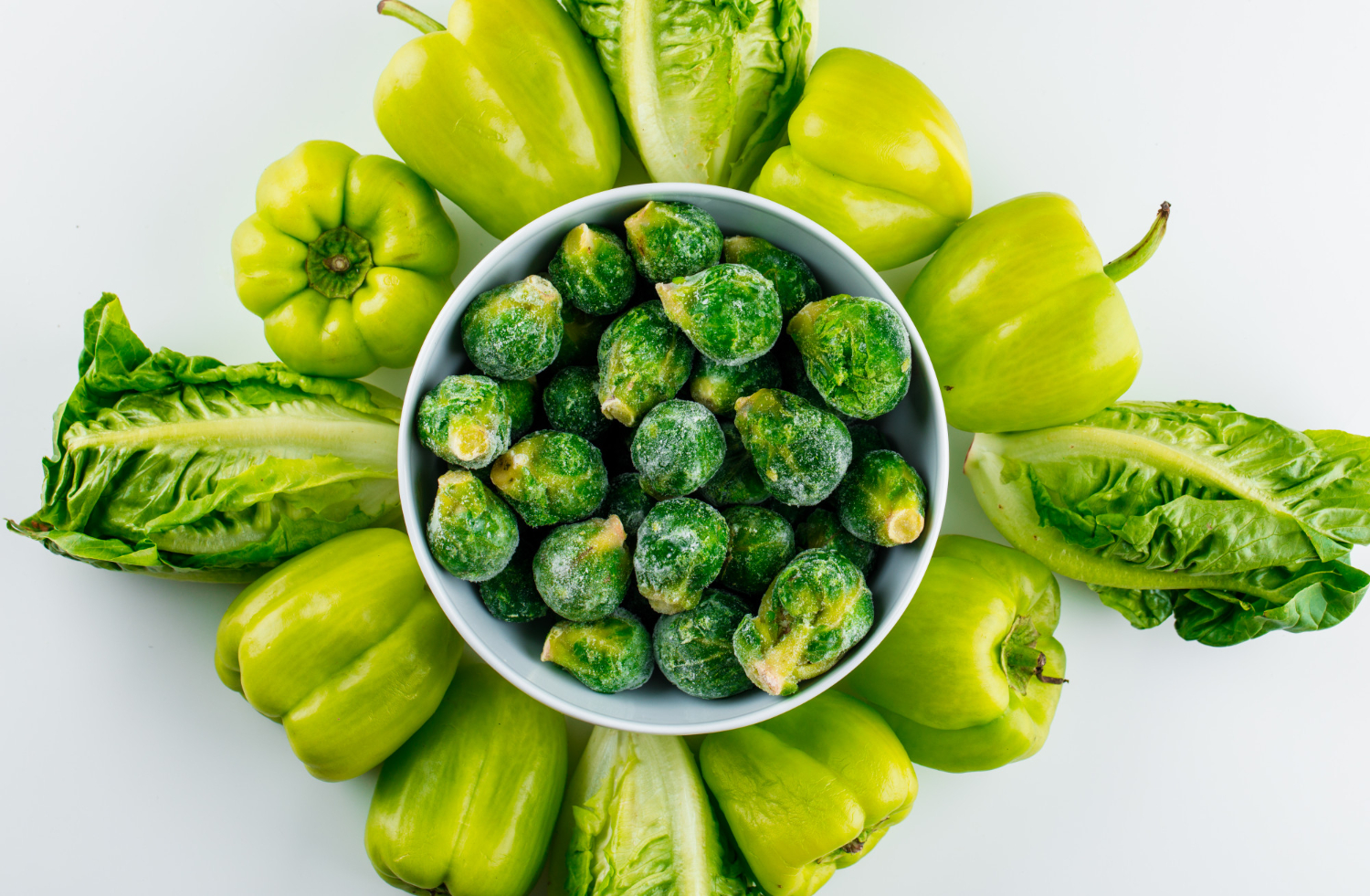
Infants reject bitter tastes reliably and across cultures, and every adult who enjoys bitter food learned to, generally through repeated exposure in a context that made it worthwhile.
It is the clearest example of an acquired taste there is. Learned appreciation is the bitterness characteristic that separates it from every other flavour.
4. Breeding Has Removed a Great Deal of It
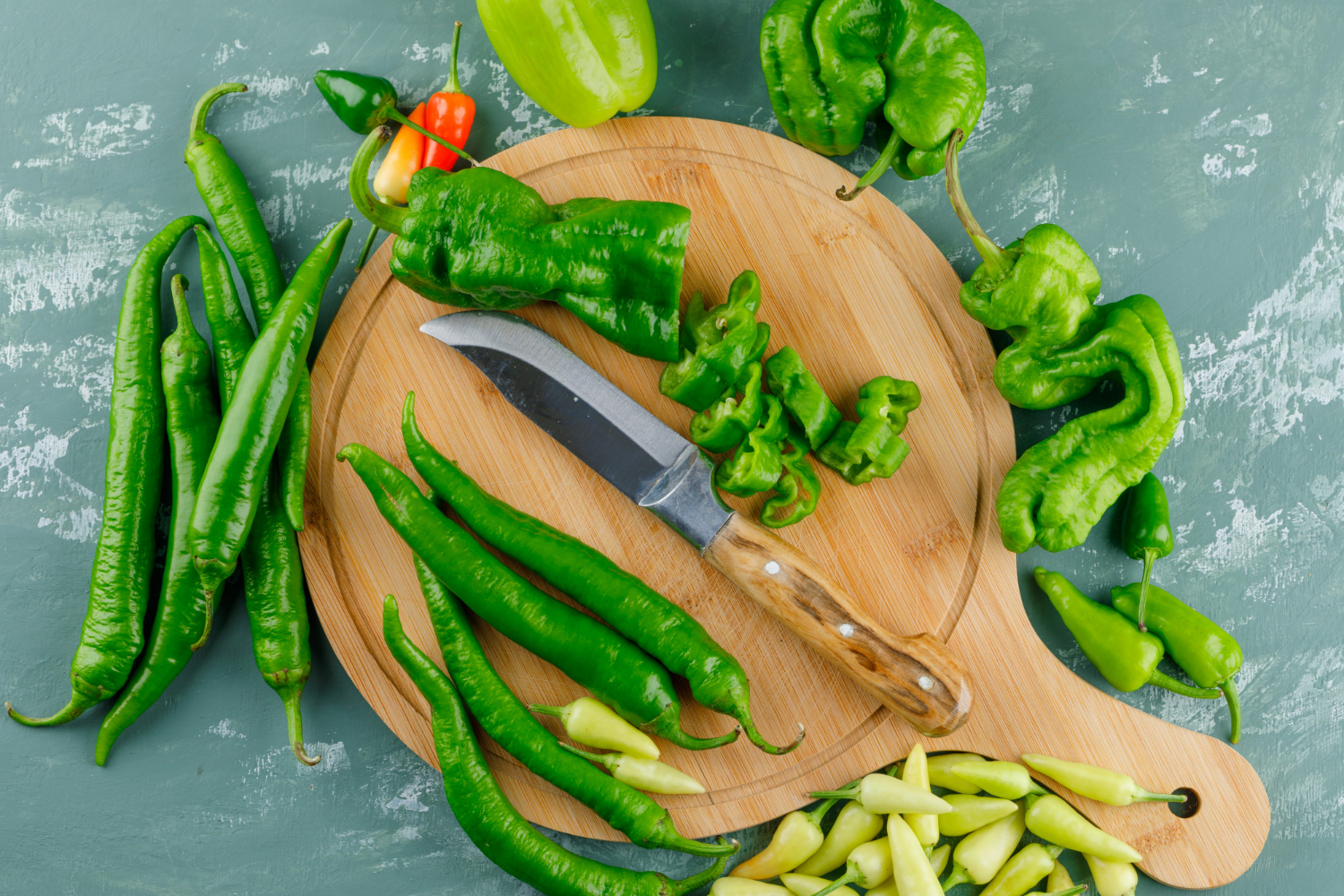
A very large number of vegetables and fruits were substantially more bitter historically and have been progressively bred toward mildness over centuries.
Some heritage varieties are startling to anyone used to the modern ones. Selective breeding is the reason contemporary produce tastes different from what recipes assumed.
5. People Perceive It Differently
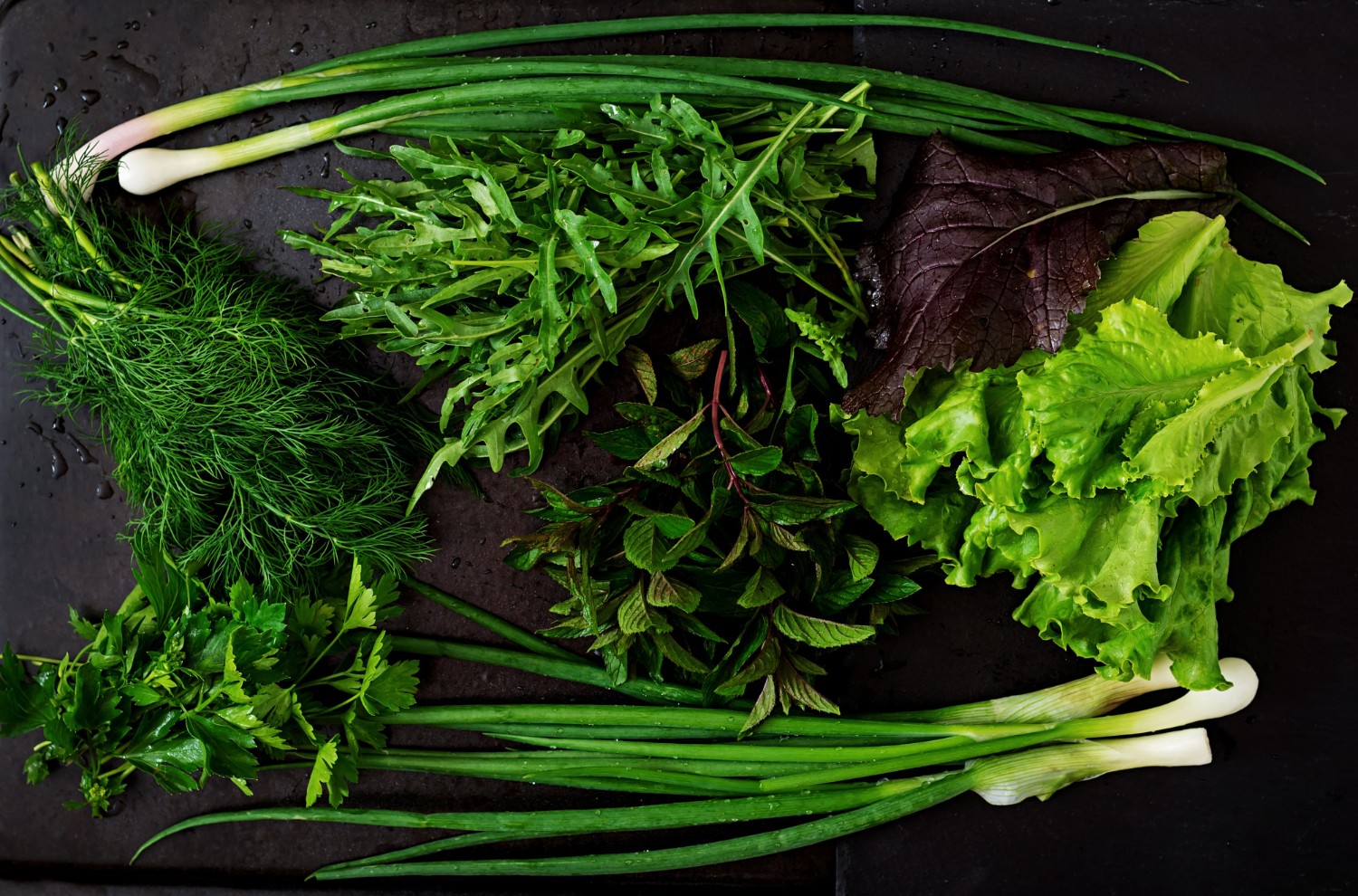
Genetic variation affects how strongly individuals detect certain bitter compounds, so the same vegetable is mildly interesting to one person and unpleasant to another.
Neither is being fussy or brave; they are receiving different signals. Perceptual variation is the bitterness fact that ends a great many arguments at the table.
6. It Balances Fat and Sweetness
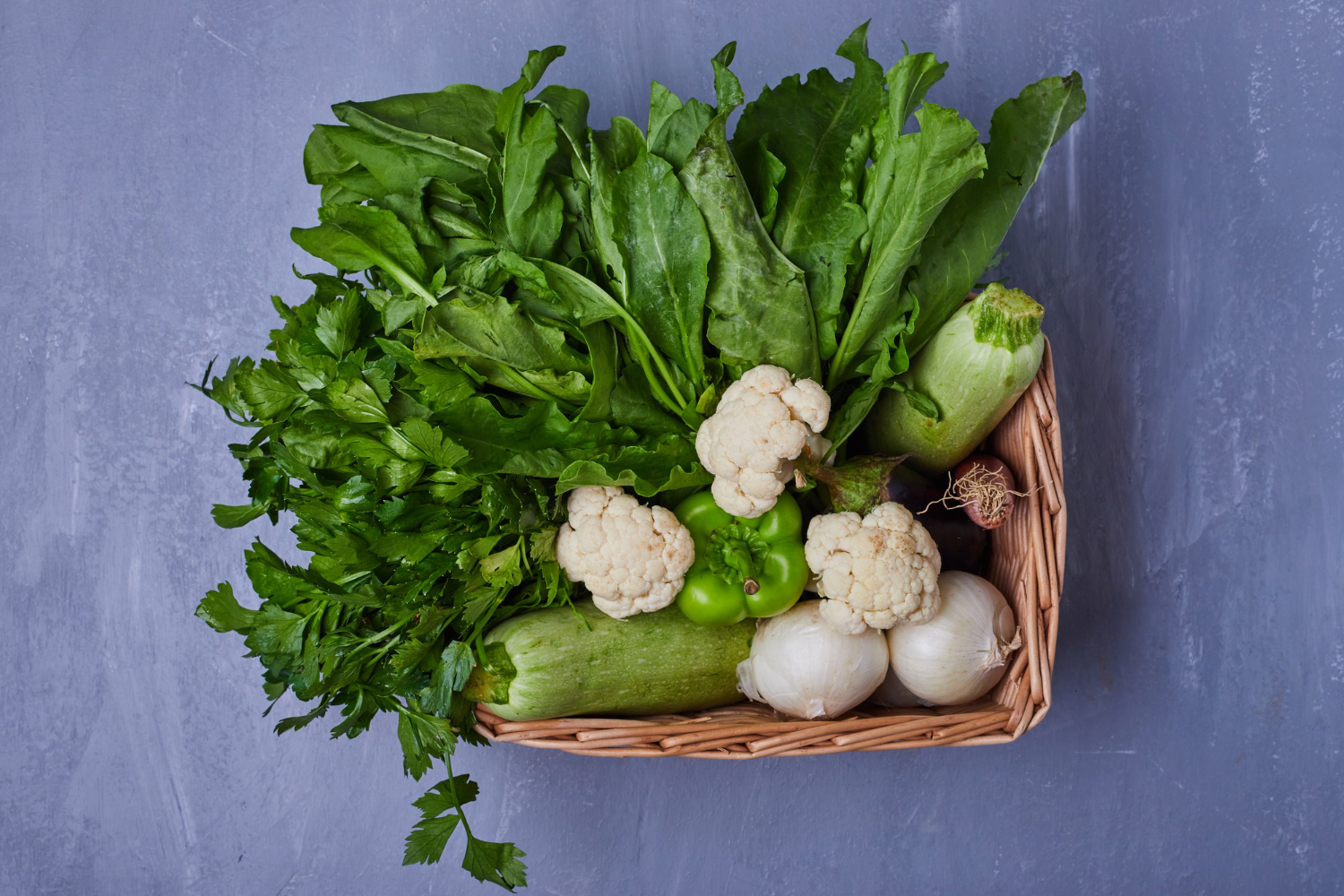
Bitterness cuts richness in a way acid does not quite manage, which is why bitter elements appear alongside fatty and sweet components across unrelated cuisines.
It provides contrast rather than flavour of its own. Balancing richness is the culinary job bitterness does best.
7. It Frequently Appears at the Beginning or End
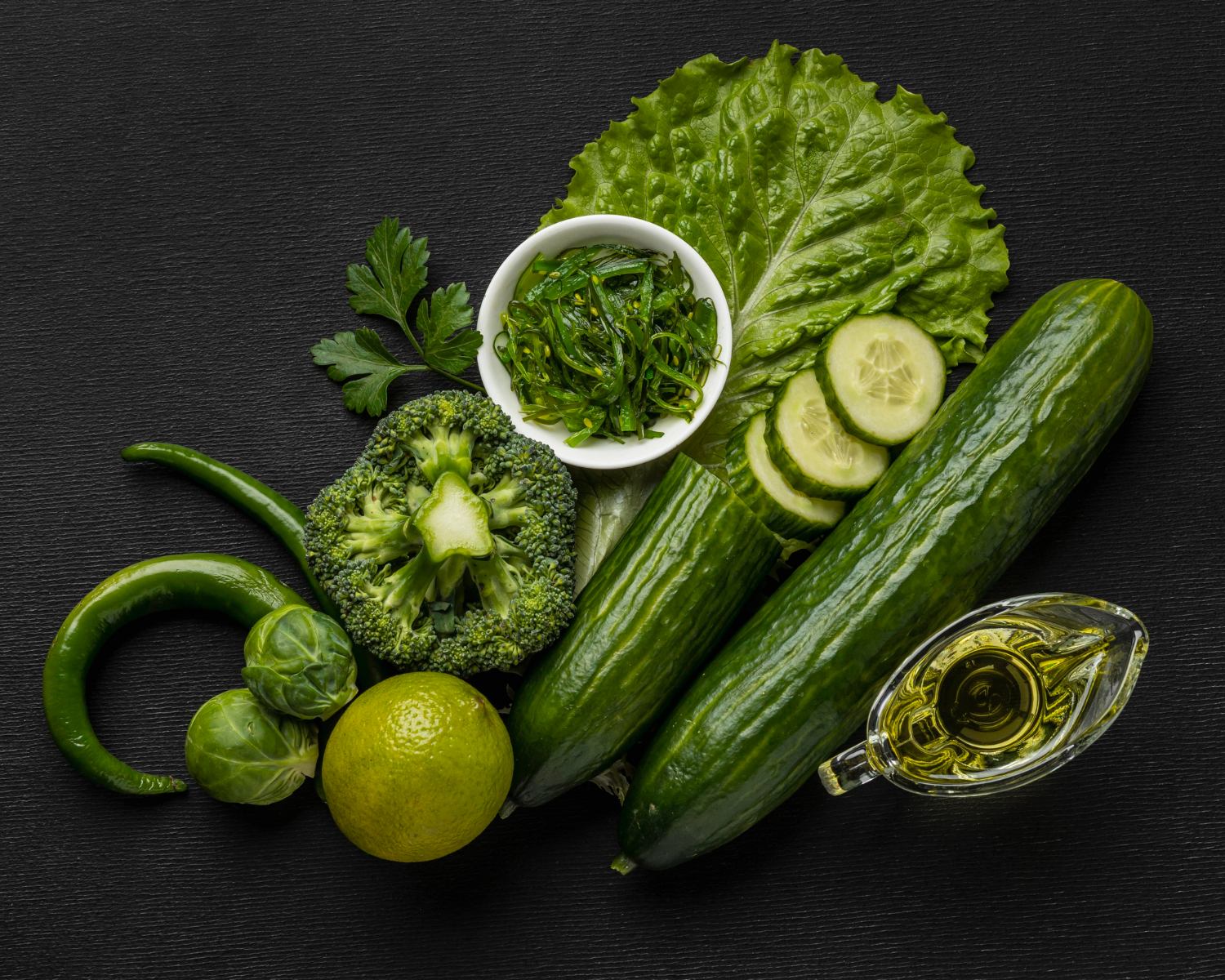
Bitter elements cluster at the start and finish of meals across many traditions, rather than in the middle where the substantial dishes sit.
The placement is consistent enough to look like a shared conclusion. Positional placement is the bitterness convention several cuisines arrived at separately.
8. Roasting and Charring Create It
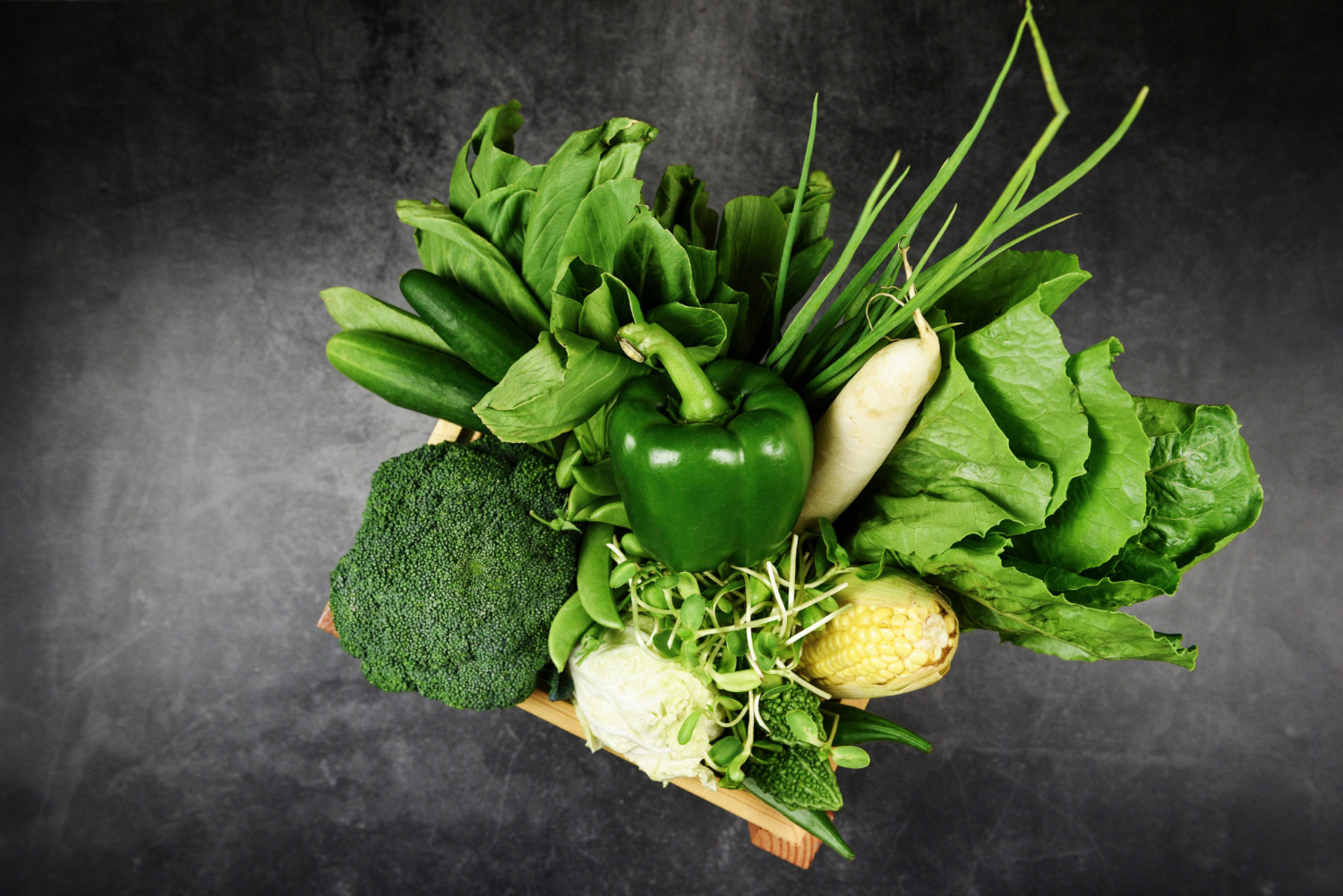
Applying high heat generates bitter compounds that were not present in the raw ingredient, which is why deeply browned food carries an edge that lightly cooked food does not.
A few seconds separates pleasant depth from acrid. Heat-generated bitterness is the version the cook creates rather than selects.
9. Salt Suppresses It
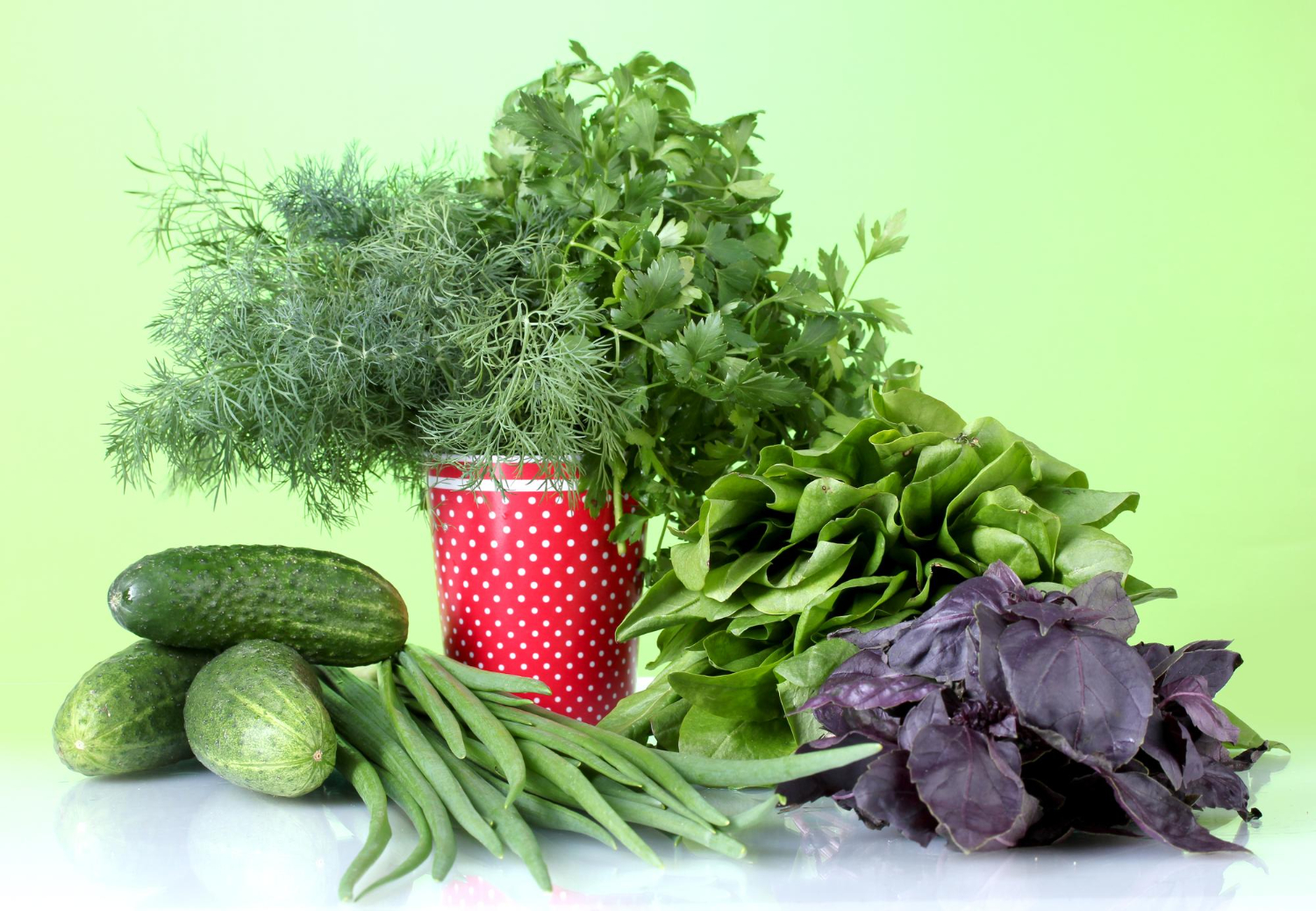
Salt reduces perceived bitterness substantially, which is why bitter vegetables are frequently salted and why the seasoning does more than add flavour.
It is a real interaction between tastes rather than masking. Salt suppression is the bitterness technique used constantly and rarely explained.
10. Soaking and Blanching Draw It Out
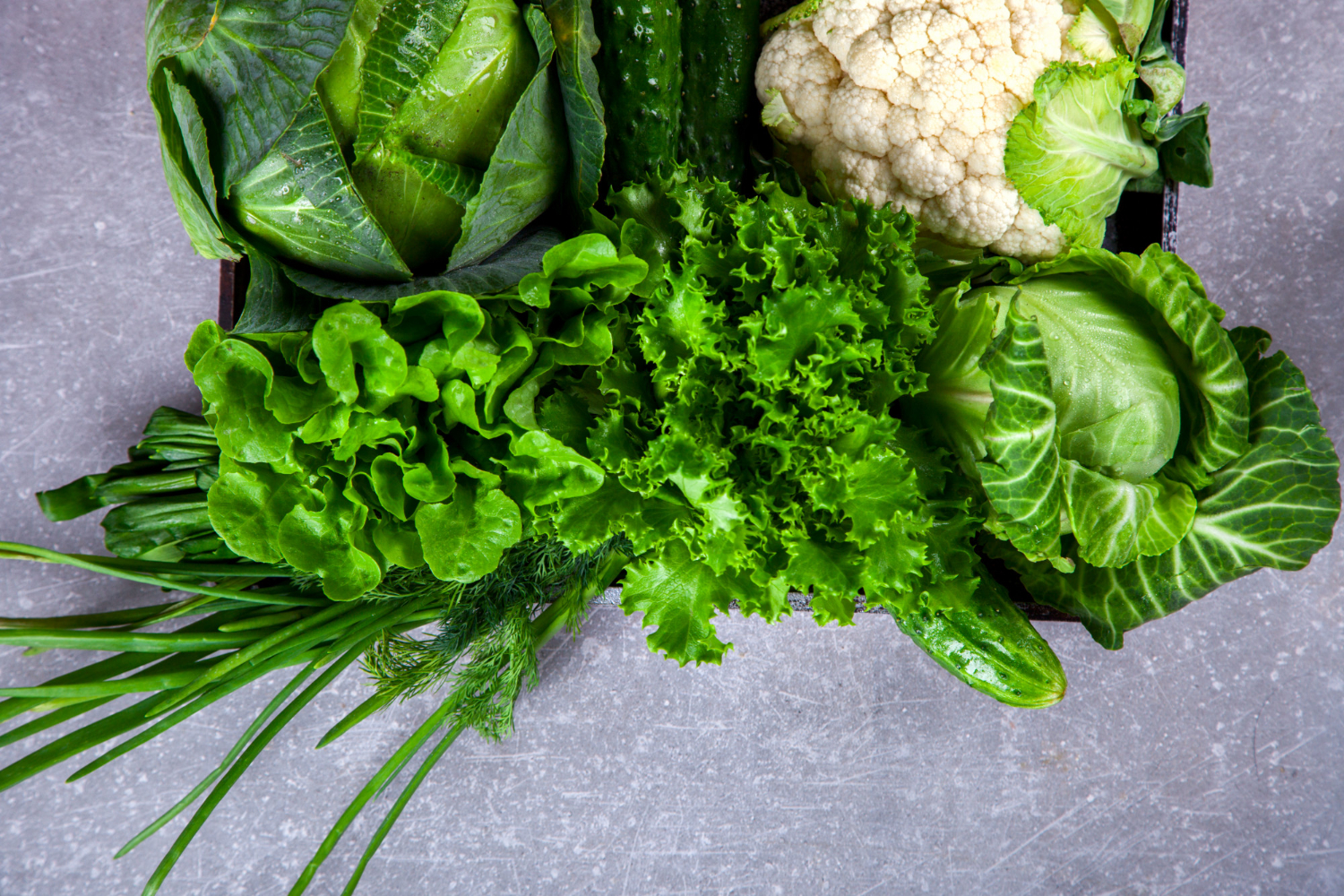
Bitter compounds are frequently water-soluble, so soaking, salting or brief boiling removes a proportion of them, and traditions differ on how much should go.
Removing all of it defeats the purpose of using the ingredient. Extraction techniques are the bitterness controls that let a cook choose the level.
11. Fermentation Transforms It
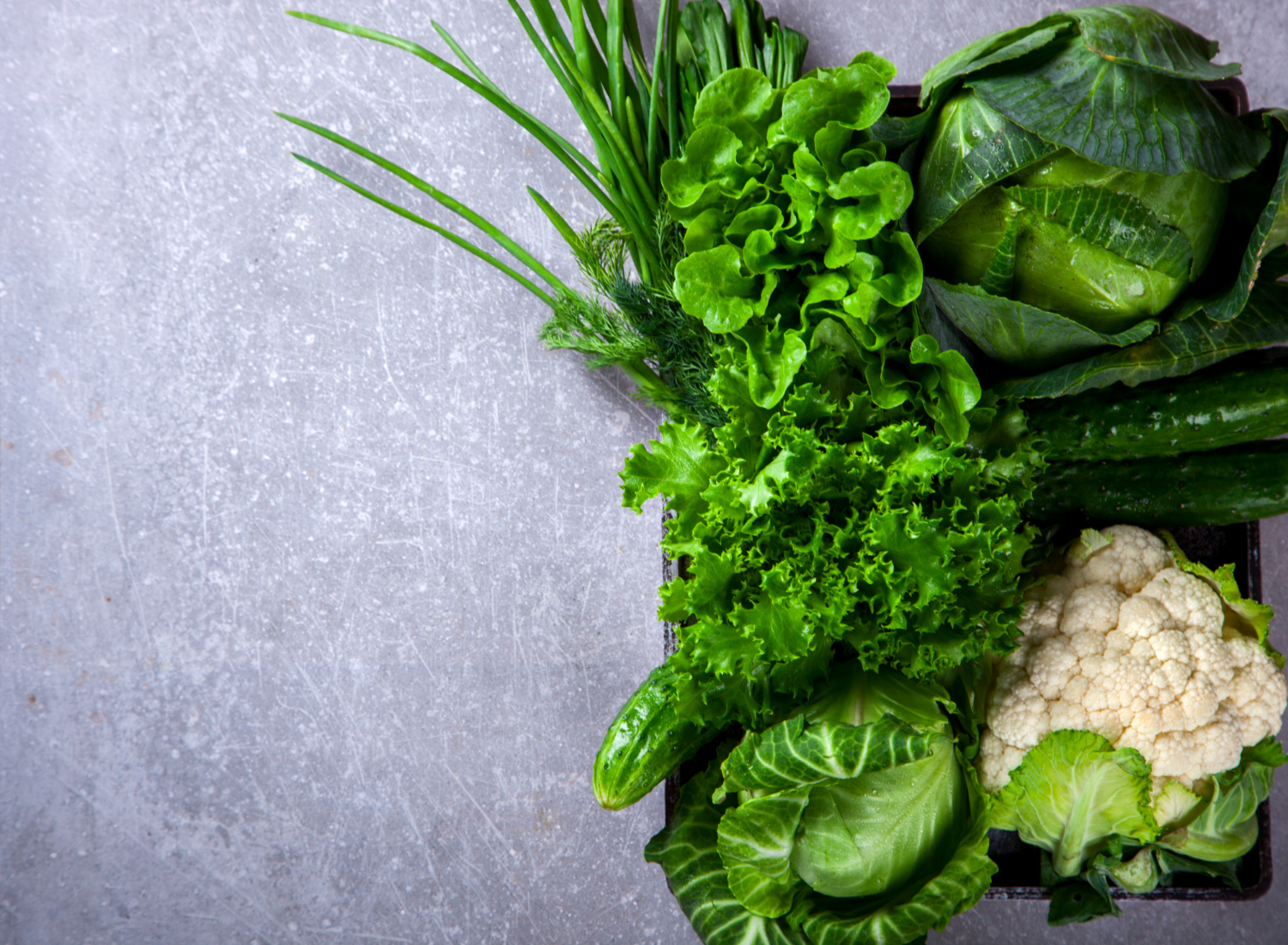
Fermenting bitter ingredients converts some compounds and generates others, producing a result that is bitter in an entirely different way from the raw material.
Several staple ingredients exist only because fermentation made a bitter plant usable. Fermented bitterness is the version that required a process to invent.
12. Some Cuisines Treat It as a Fifth Element
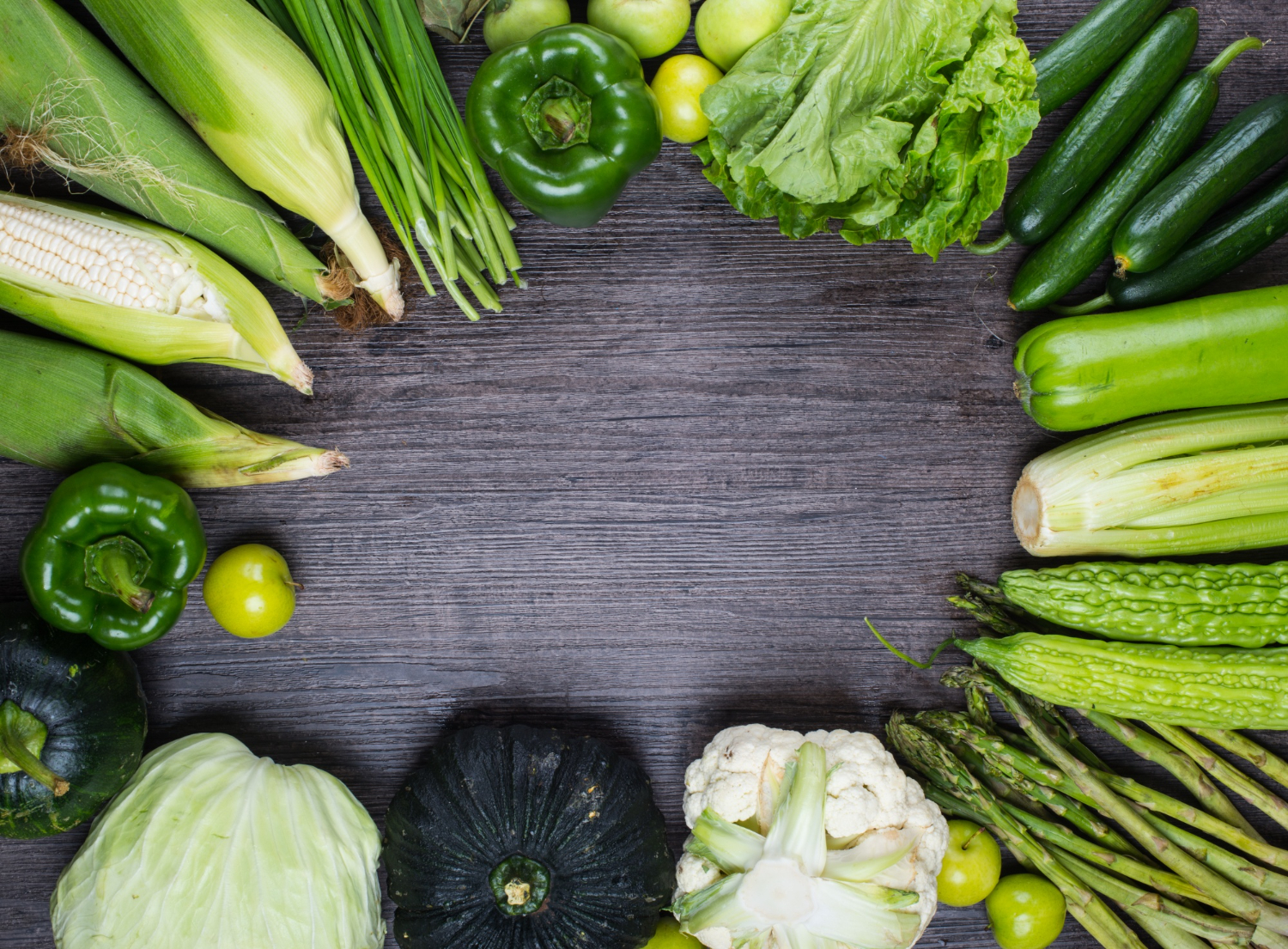
A number of culinary traditions explicitly name bitterness as one of the components a complete meal should contain, alongside sweet, sour, salty and savoury.
Where that framework exists, a meal without a bitter element is regarded as incomplete. Structural bitterness is the approach that treats it as a requirement rather than an option.
14. The Bitter Green Family
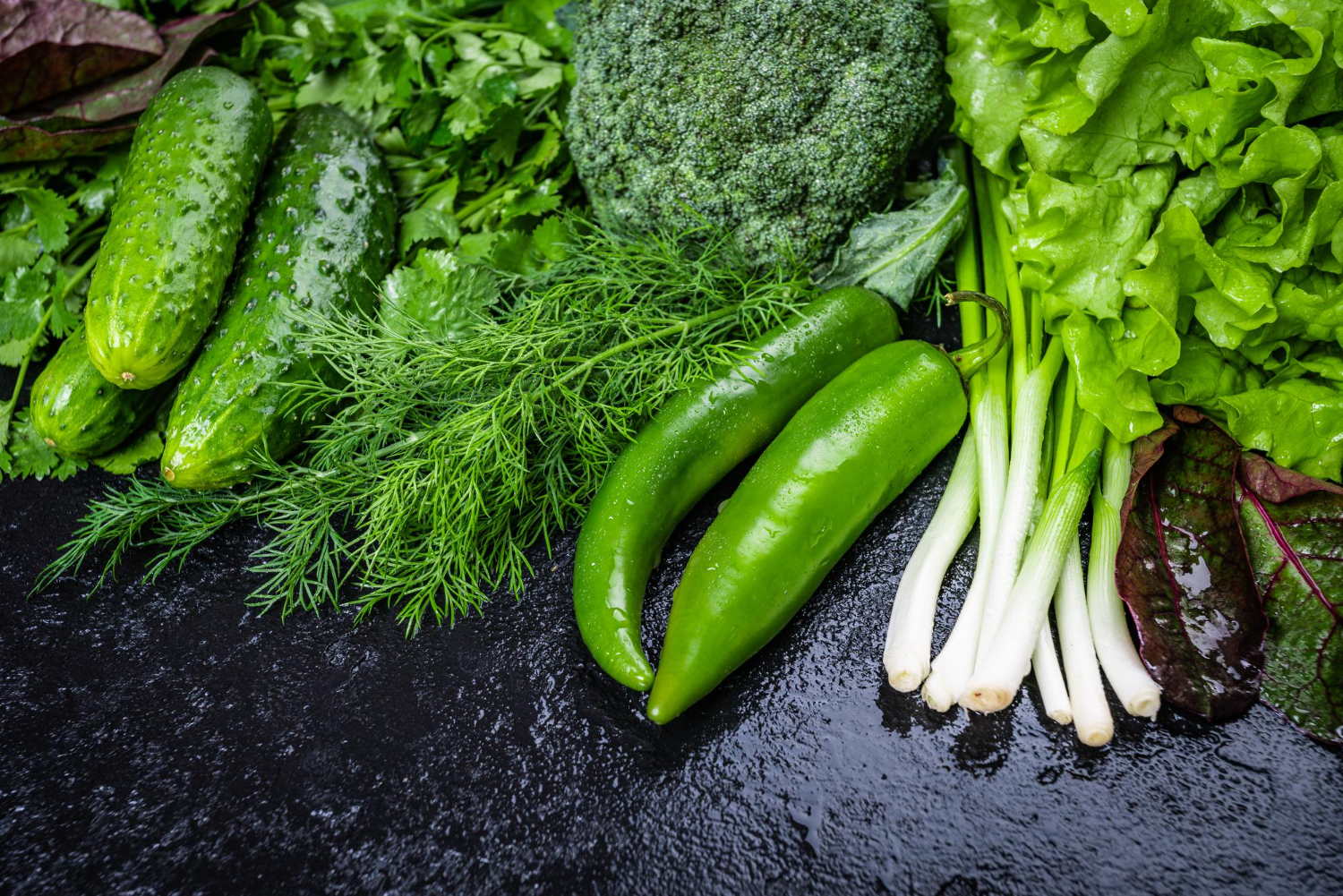
Chicories, endives, dandelion-type leaves and their relatives form a large group used specifically for their bitterness, frequently paired with fat, salt or sweetness.
They are among the few vegetables selected for the quality rather than despite it. Bitter greens are the produce grown deliberately for the thing everyone else breeds out.
15. Citrus Peel and Pith
The bitter fraction of citrus sits in the peel and the white pith rather than the flesh, which is why zest and marmalade taste nothing like juice.
Whether to include the pith is a decision with a large effect. Citrus bitterness is the case where the bitter part and the sweet part are the same fruit.
16. It Reads as Grown-Up
Bitterness carries a strong cultural association with adulthood and sophistication, which is a social fact rather than a culinary one.
That association probably explains more preferences than anybody would admit. The maturity association is the bitterness effect that happens outside the mouth entirely.
A Warning System Everyone Learned to Enjoy
The whole subject rests on one tension: bitterness evolved to make animals stop eating, and humans built entire cuisines around overriding that. Every technique here is a way of managing how much of the warning gets through.
The practical value of understanding this is diagnostic. A dish that tastes flat is frequently missing a bitter element rather than salt or acid, and a dish that tastes harsh has usually had heat applied a few seconds too long. Both are the same variable, and it is the one most home cooks never think about deliberately.
Like our content? Follow us for more.