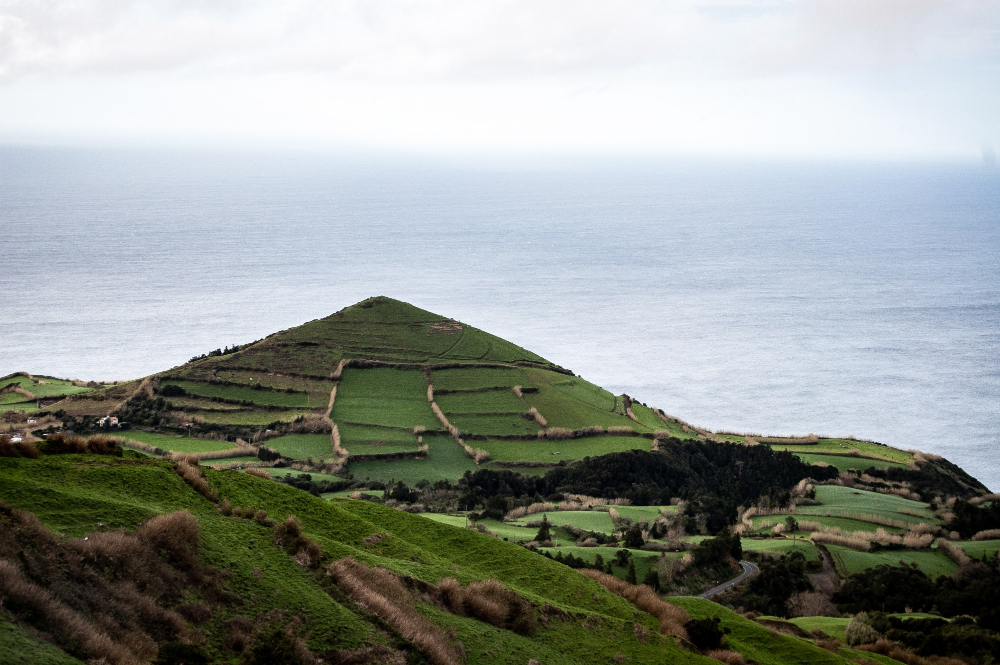
Every terraced landscape is an enormous piece of engineering built by hand over generations, and every element of it answers a specific problem with a slope. Here are seventeen.
1. Water Running Downhill Takes Soil With It
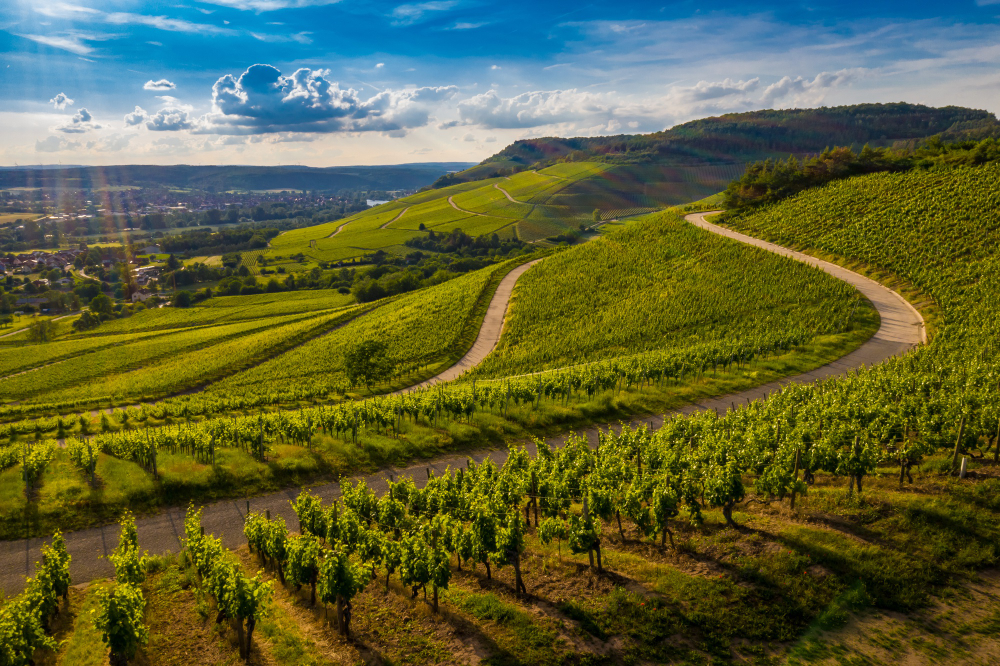
Rain on a slope flows downward, and moving water carries particles, so an unprotected slope loses its soil steadily and the steeper it is the faster it goes.
Soil loss and water loss are the same problem. Runoff is what terracing exists to stop.
Like our content? Follow us for more.
2. A Level Surface Stops the Flow
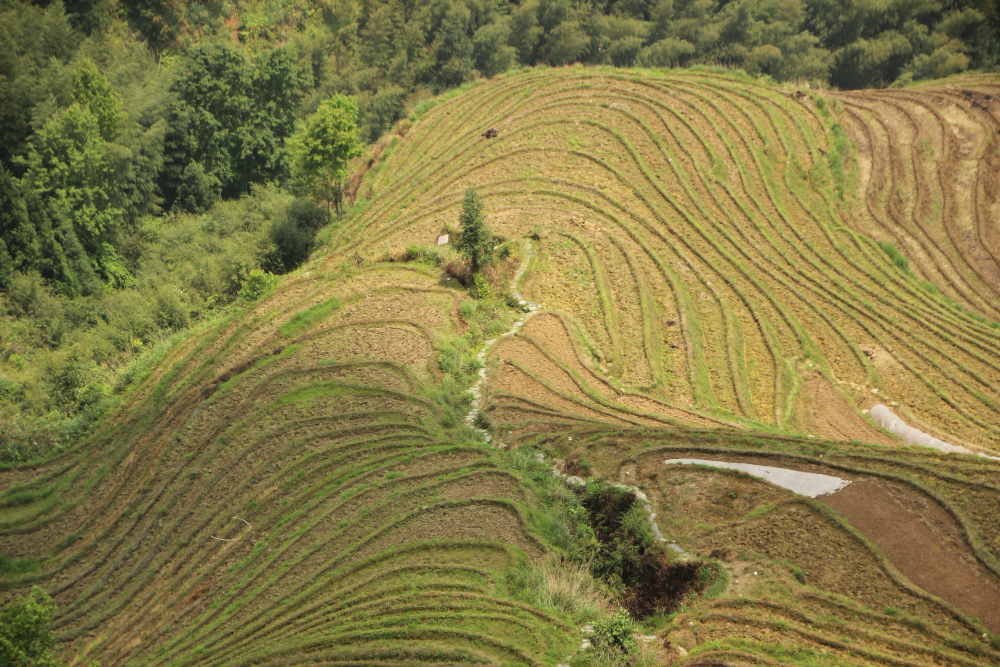
Water arriving on a flat bed spreads and soaks in rather than running on, which holds both the water and whatever it was carrying.
Flatness is the mechanism. Level ground converts runoff into infiltration.
3. Which Is Why Irrigation Needs It
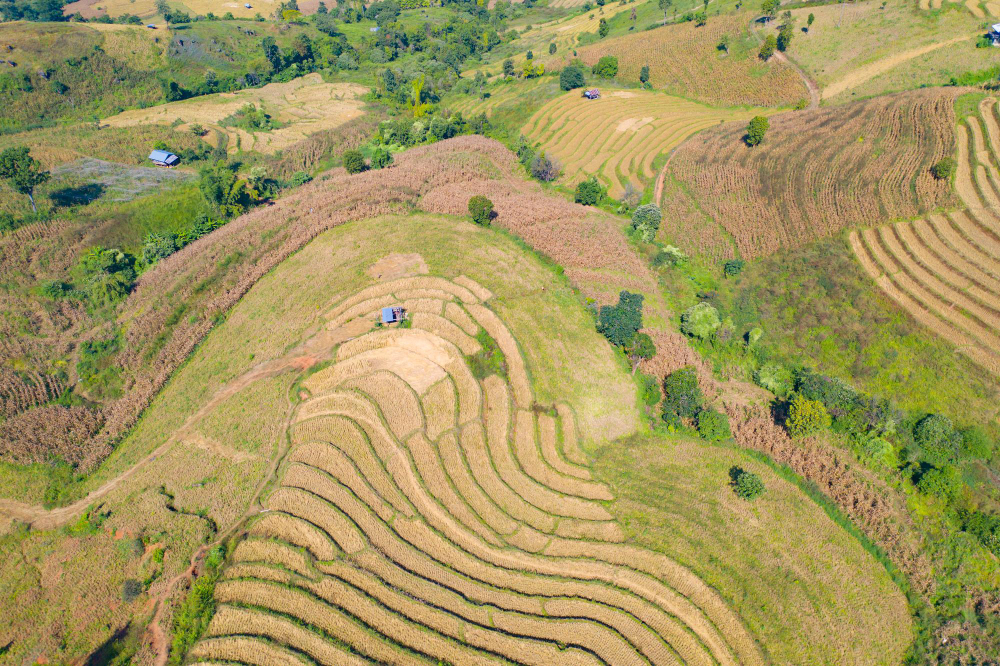
Water released onto a slope runs straight off, while water released onto a level bed spreads across it – so irrigating a hillside requires levelling it first.
Sloping fields cannot be flooded. Irrigation dependence is why many terraced systems exist at all.
4. The Wall Is a Retaining Structure
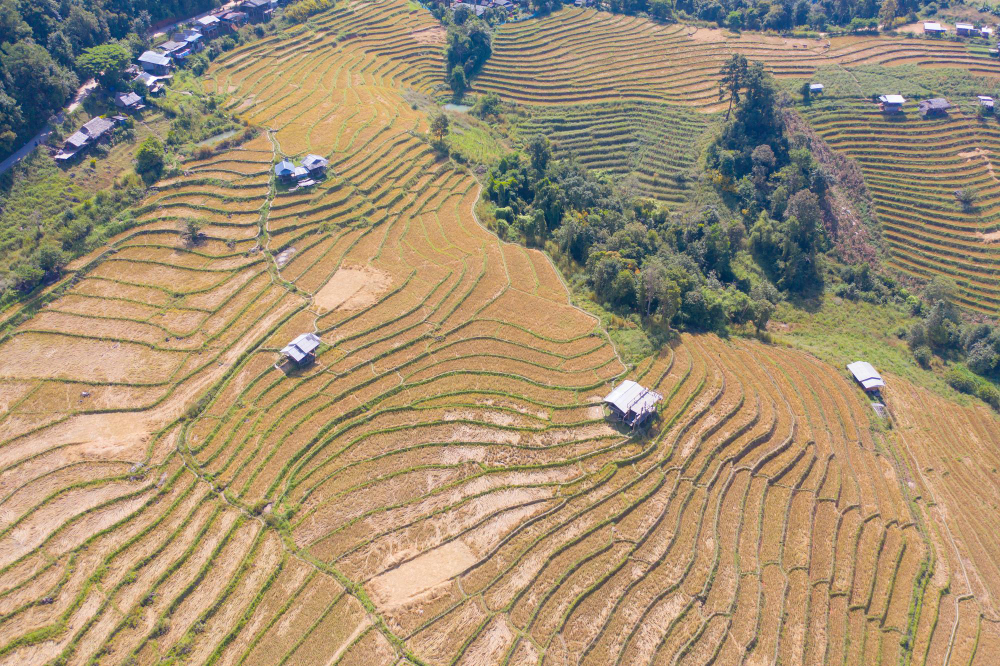
Each wall holds back the weight of soil and water behind it, which is a far greater load than its size suggests and rises sharply when the ground is saturated.
It is structural rather than decorative. Retaining function is the wall real job.
5. Drainage Behind the Wall Is Critical
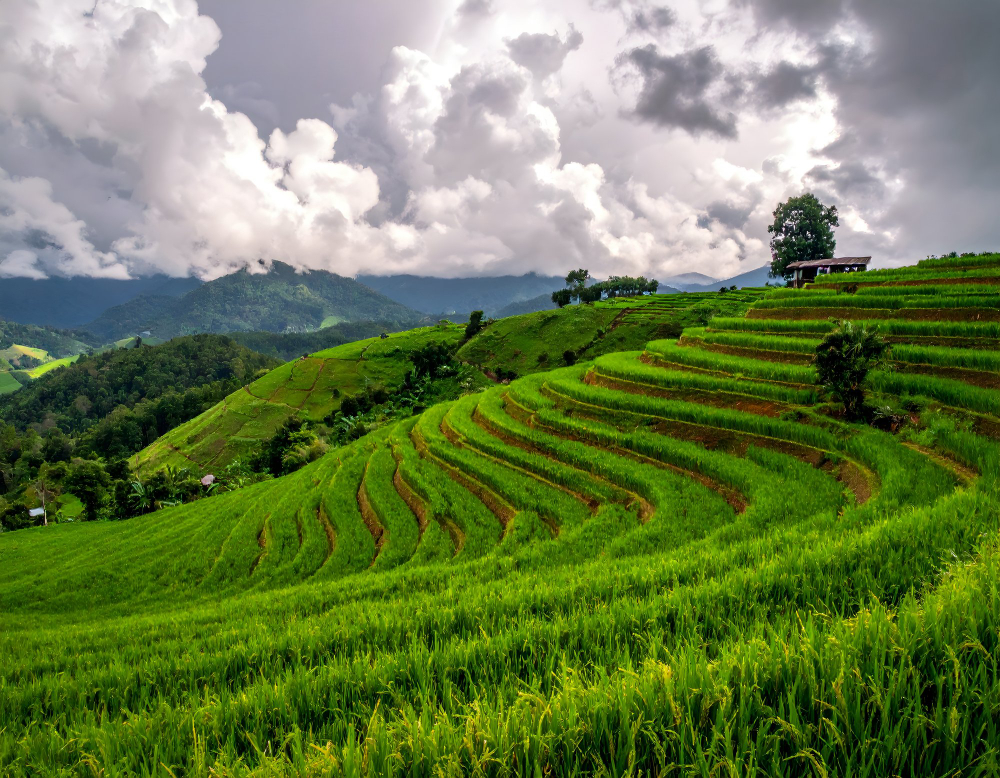
Water trapped behind a retaining wall exerts enormous pressure, so gaps, loose construction and drainage channels are built in to let it escape.
A sealed wall fails. Relieved water pressure is what keeps the structure standing.
6. Dry Stone Walls Drain Themselves
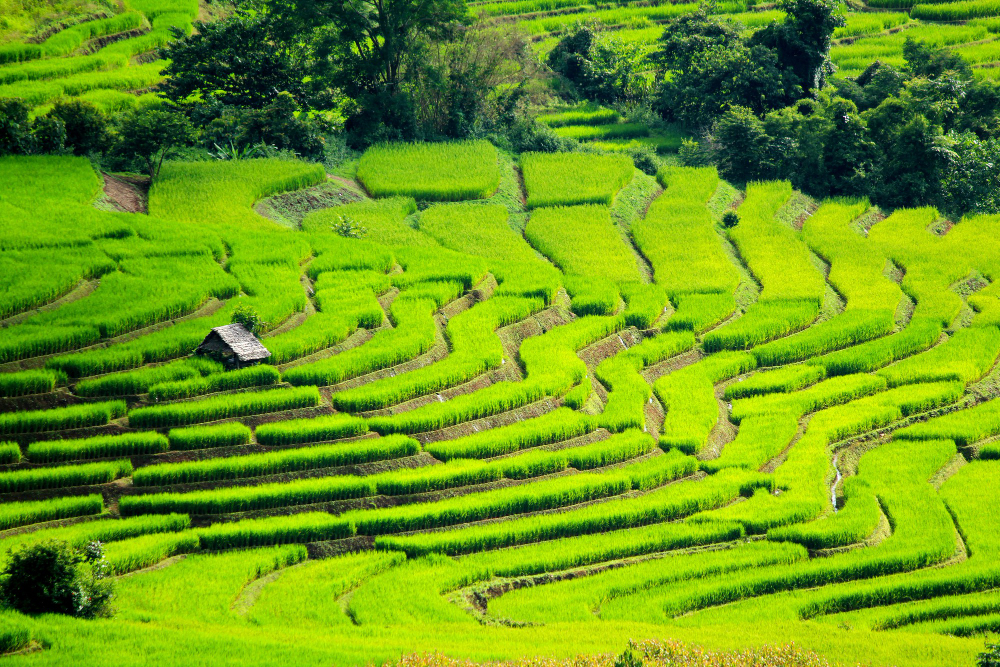
Walls built without mortar let water pass through the joints continuously, which is why so many terrace walls are built that way even where mortar was available.
The gaps are the drainage. Unmortared construction is a deliberate hydraulic choice.
7. Where There Is No Stone, There Are Banks
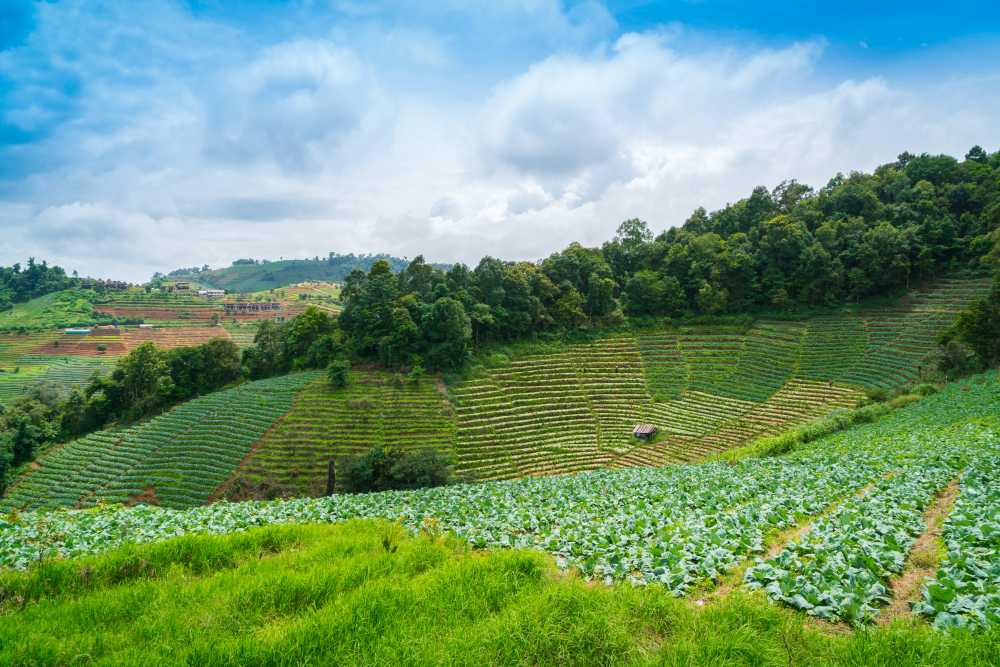
In places without stone, terraces are formed as earth banks held together by grass and roots, which works and requires different maintenance.
The material was whatever was local. Vegetated banks are the soft version of the same idea.
8. The Soil on Top Was Built
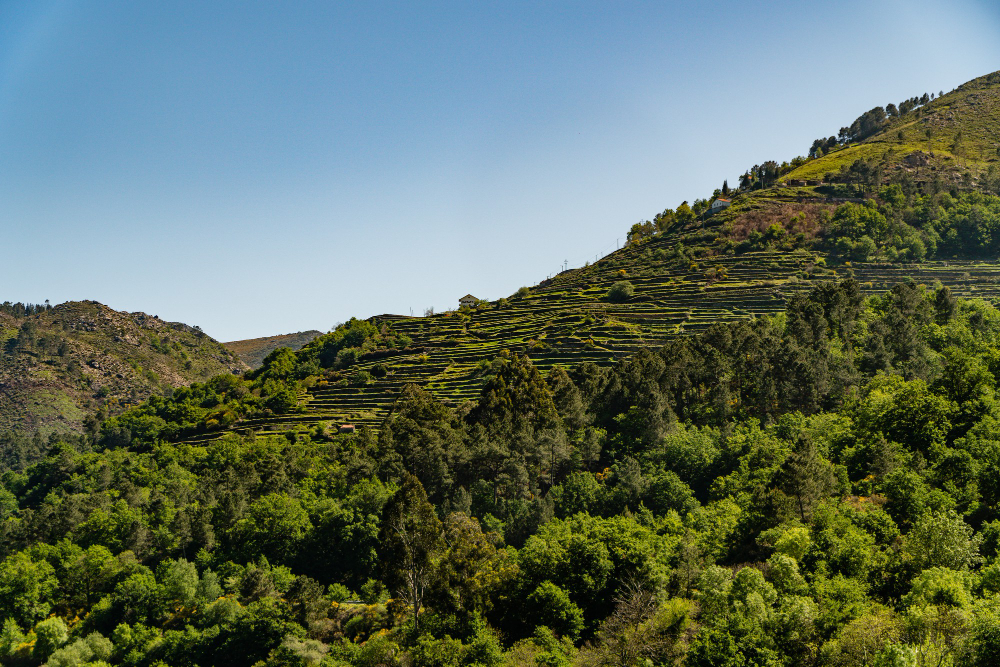
Terrace soil is frequently deeper and better than the natural soil, because material was carried up, added and improved over generations.
It is a constructed medium. Made soil is the invisible half of the work.
9. Terraces Trap Heat
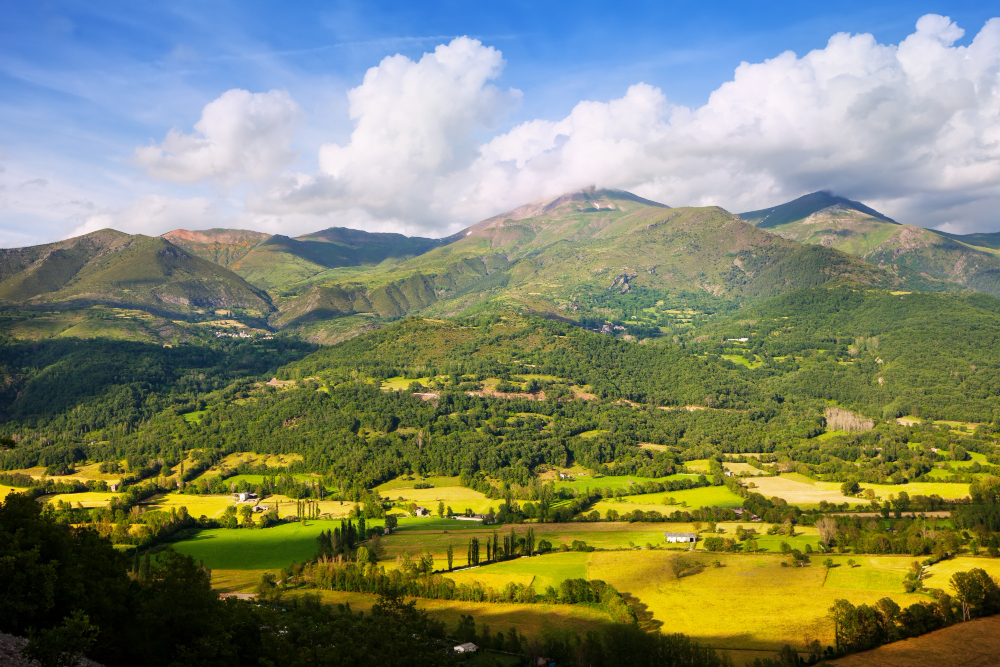
A wall facing the sun absorbs heat during the day and releases it at night, which raises the temperature of the bed in front of it.
It extends what can be grown. Thermal mass is a side benefit of building in stone.
10. And They Shelter What Grows There
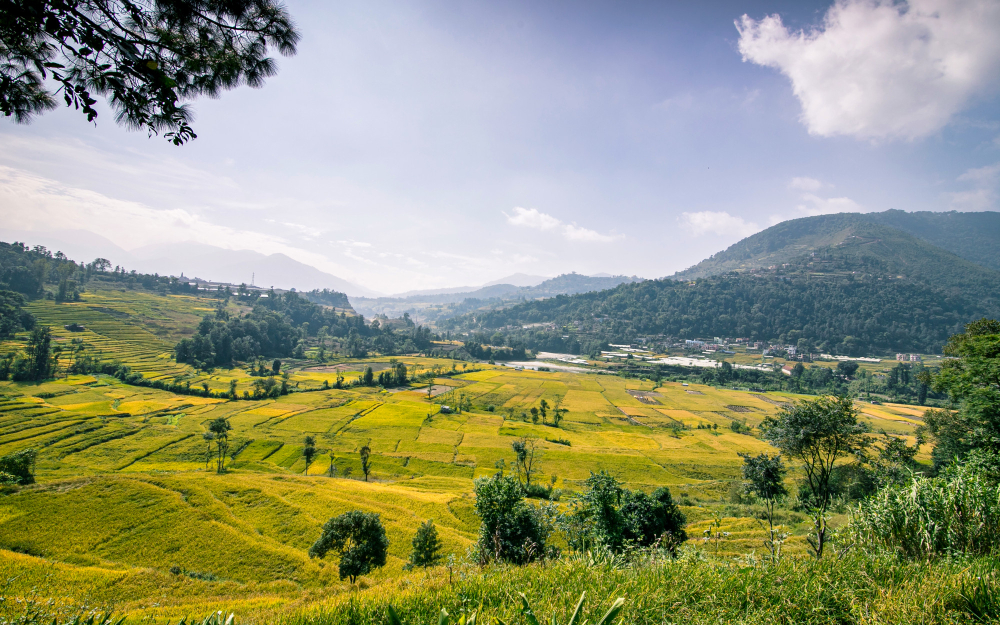
Each level sits below the one behind it, which reduces wind exposure substantially compared with an open slope.
The steps break the wind. Shelter is part of why terraces outperform flat ground nearby.
11. The Steps and Paths Are Part of the Design
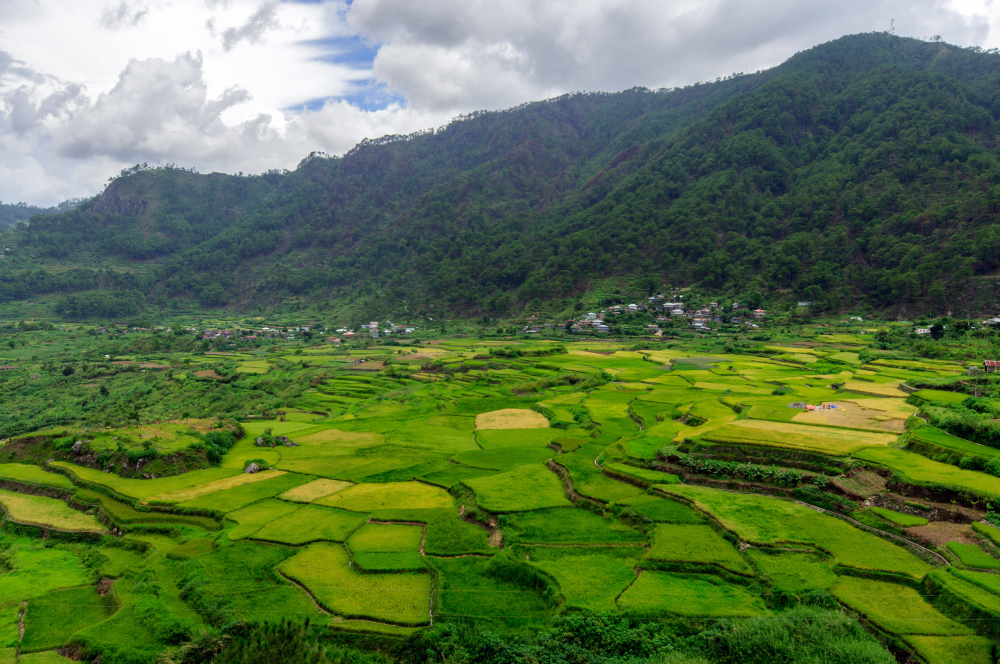
Access between levels has to be built in, since a terraced slope is otherwise impassable, which is why stairs, ramps and narrow paths are integrated from the start.
Getting to the field is a design problem. Built-in access is what makes the system usable.
12. Everything Has to Be Carried
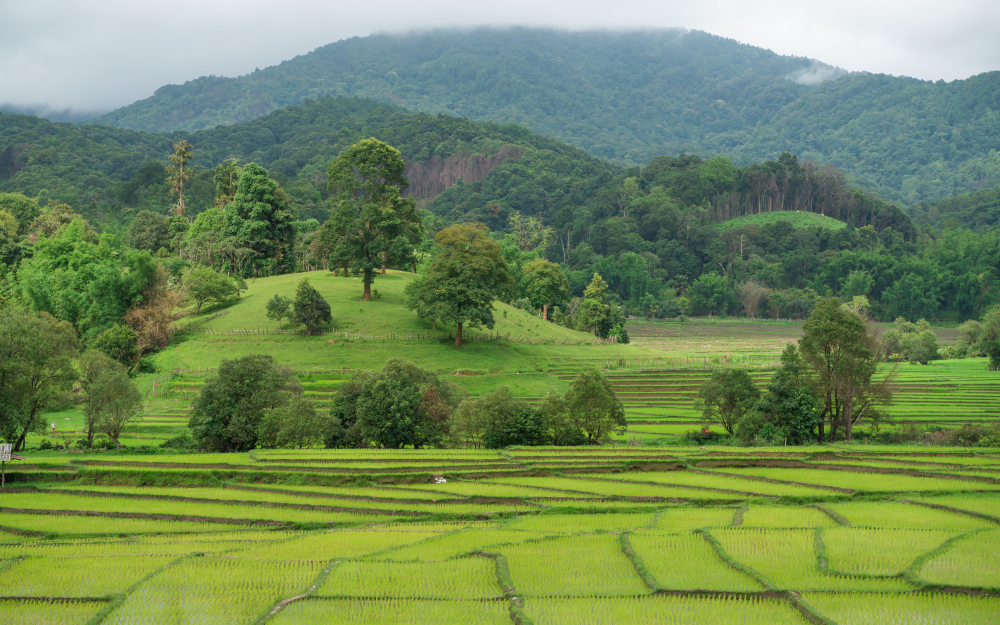
Terraces are too narrow and too steep for most equipment, so material, crops and tools move by hand or by animal – which shapes the whole agricultural system around them.
Mechanisation largely cannot reach them. Manual access is why terraced farming stayed labour-intensive.
13. The Labour Involved Is Enormous
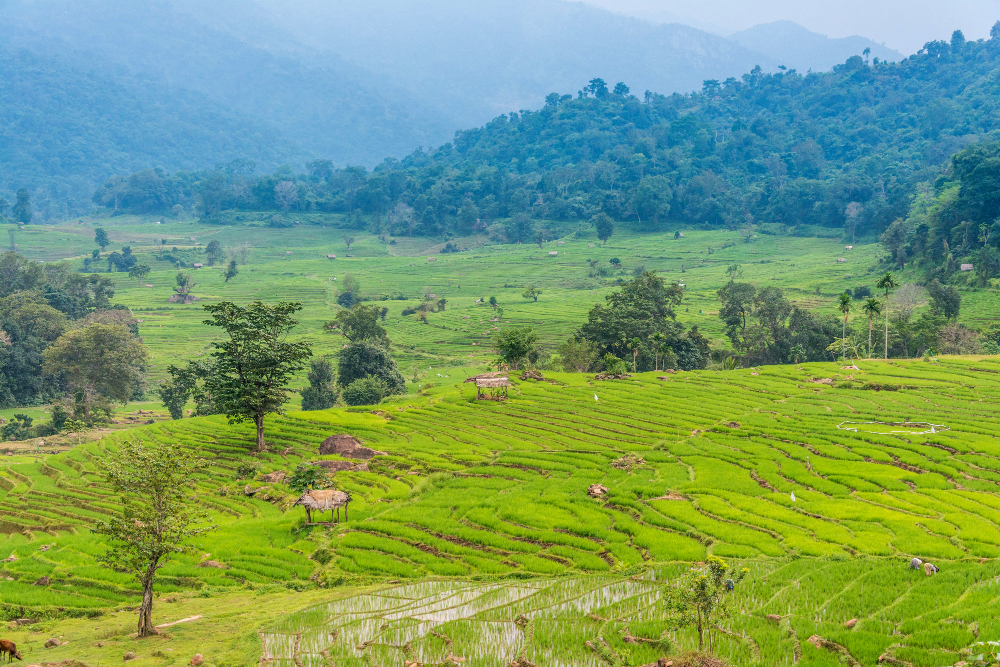
Building a terraced hillside represents an extraordinary quantity of work, which means such landscapes indicate either a large population or a very long period.
Nobody builds them quickly. Accumulated labour is what a terraced slope records.
14. They Fail From the Bottom Up
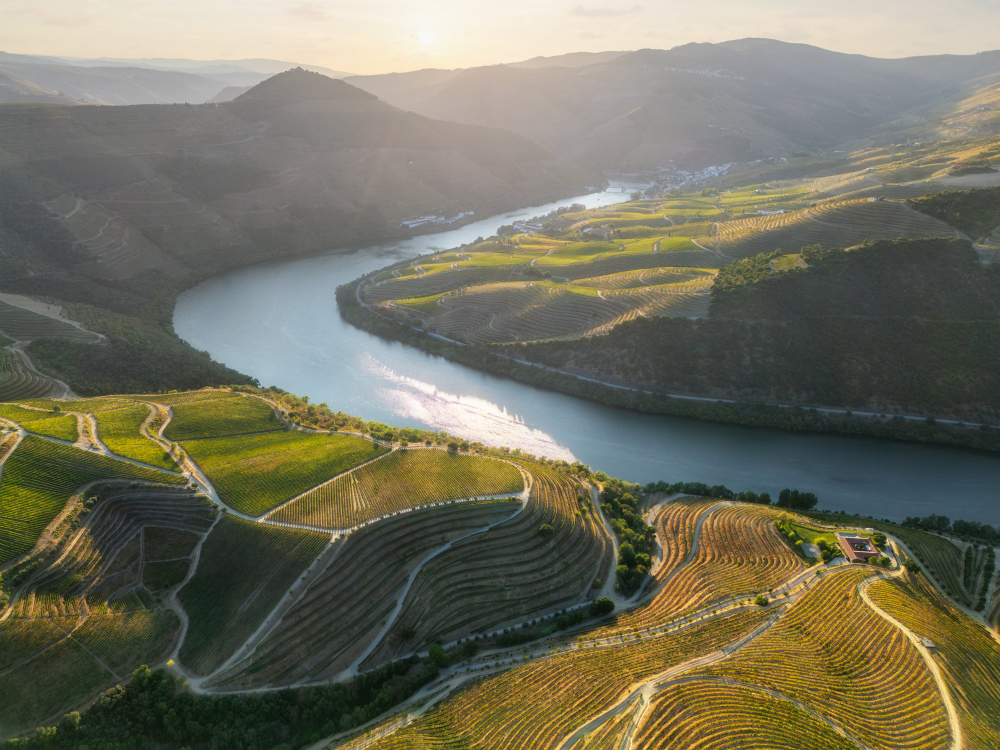
A wall that collapses releases the soil behind it onto the terrace below, which then carries more load than it was built for and frequently fails in turn.
Damage cascades downhill. Progressive failure is why one breach matters so much.
15. Abandonment Is Visible Quickly
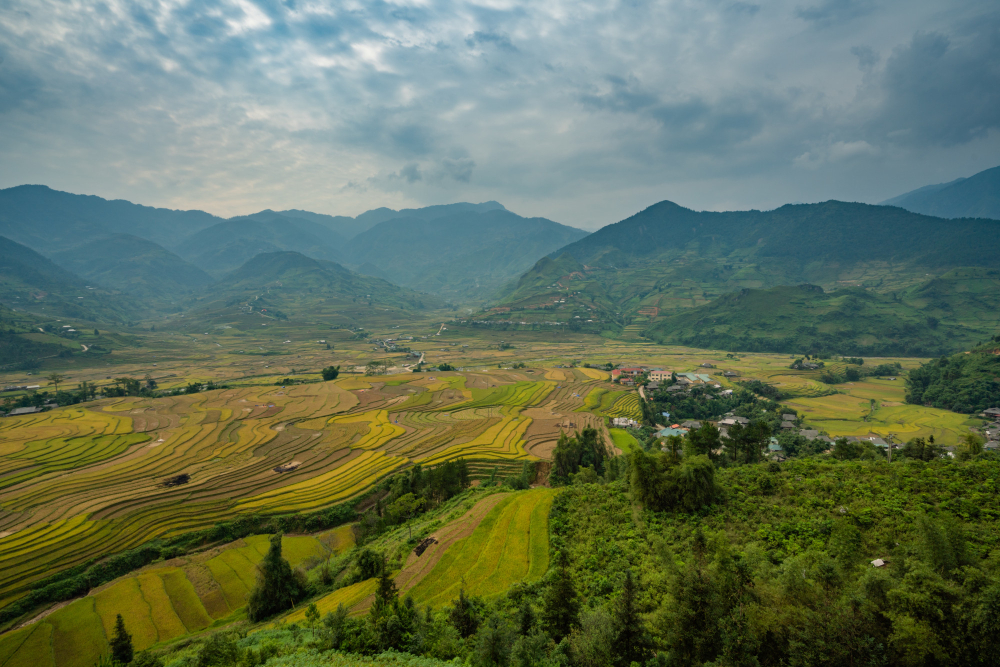
Without maintenance, walls bulge, drainage blocks, vegetation prises stones apart and the levels slump – and an abandoned terrace is recognisable within a few years.
They require continuous attention. Rapid decline is what happens when the work stops.
16. The Outlines Survive Long After
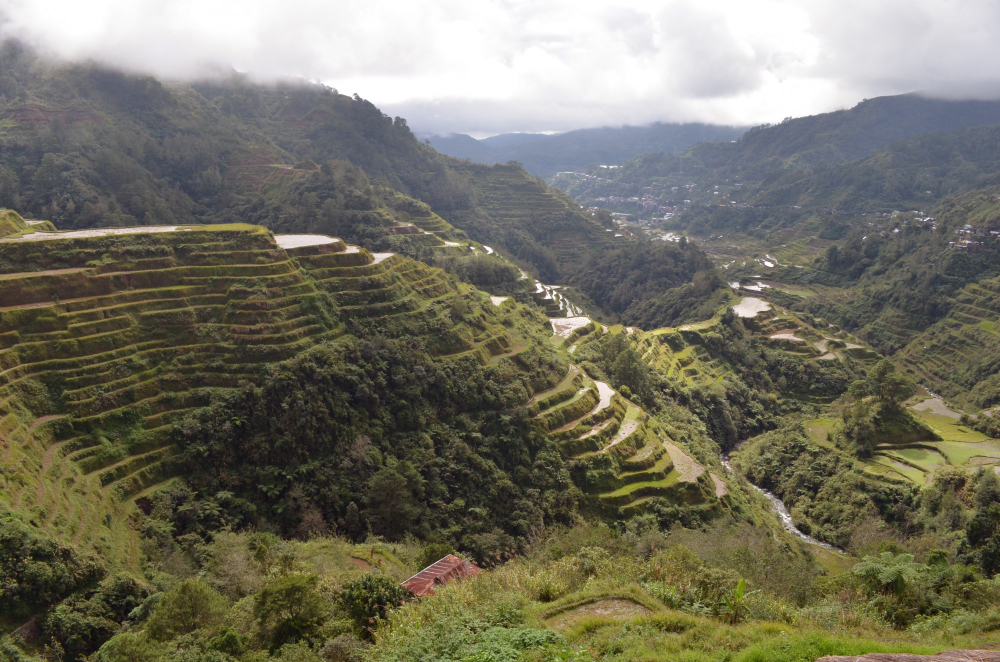
Even where walls have gone entirely, the stepped profile of the hillside persists, so terraces abandoned centuries ago remain visible as lines across a slope.
The shape outlasts the structure. Relict terracing is readable long after use.
17. They Are Not Only for Crops
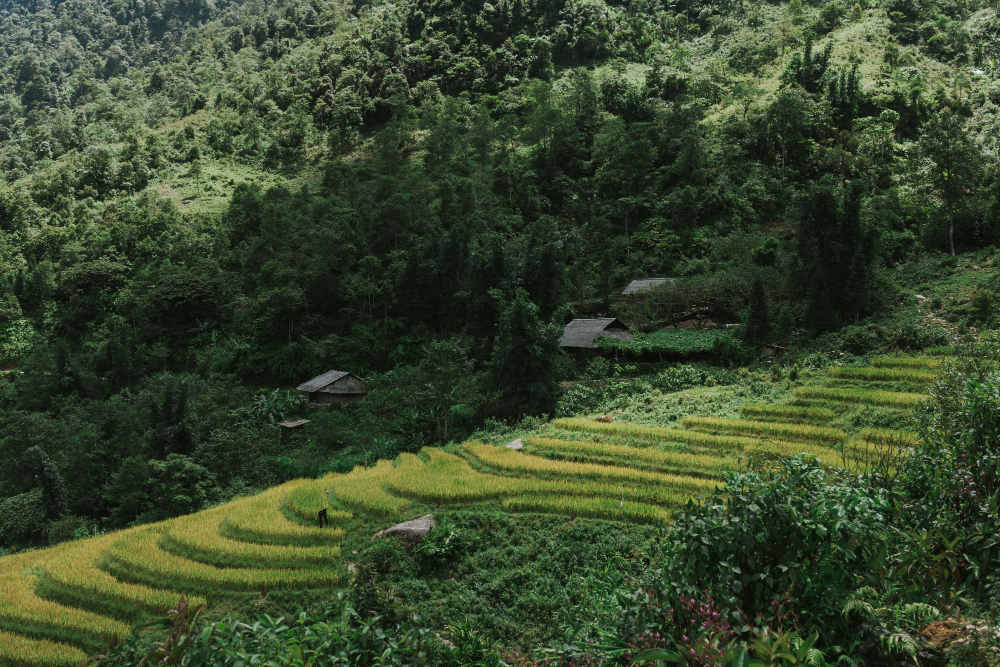
The same technique is used to stabilise slopes, to build roads and railways across hillsides and to create level ground for buildings, using identical principles.
The problem is the same everywhere. Slope stabilisation is terracing applied to other ends.
Holding Soil, Water and a Hillside in Place
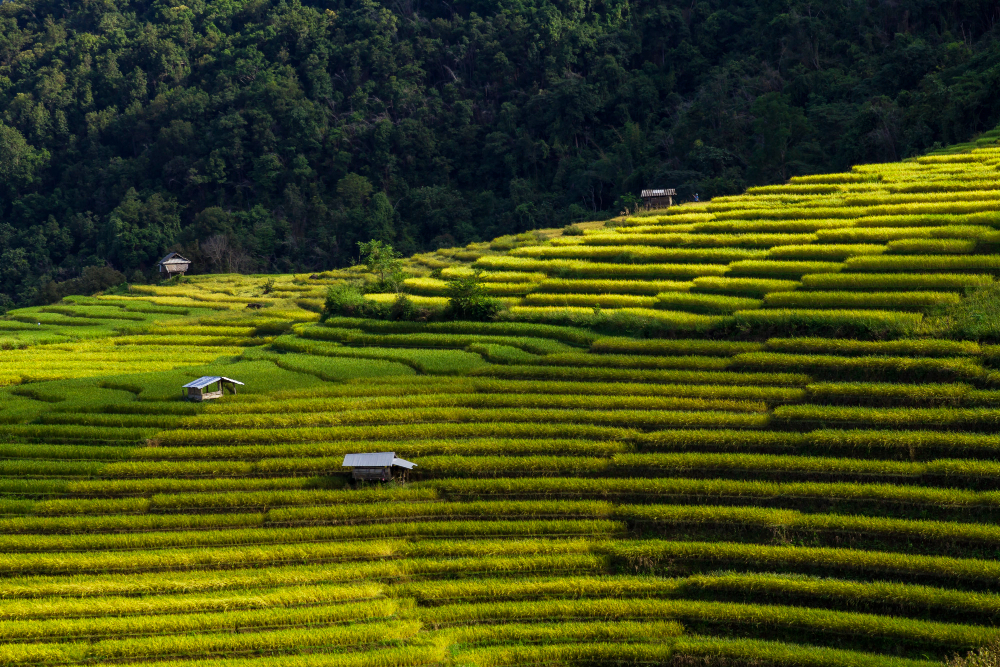
Runoff that takes soil with it, level beds that hold water, walls carrying enormous loads, drainage that keeps them standing and a stepped outline that survives the walls themselves.
Practical notes: old terrace walls are frequently unstable, particularly where they are bulging or where vegetation has rooted into them; abandoned terraces can be undermined and collapse under weight; and the drop from one level to the next is consistently larger than it appears when looking down a slope.
Like our content? Follow us for more.