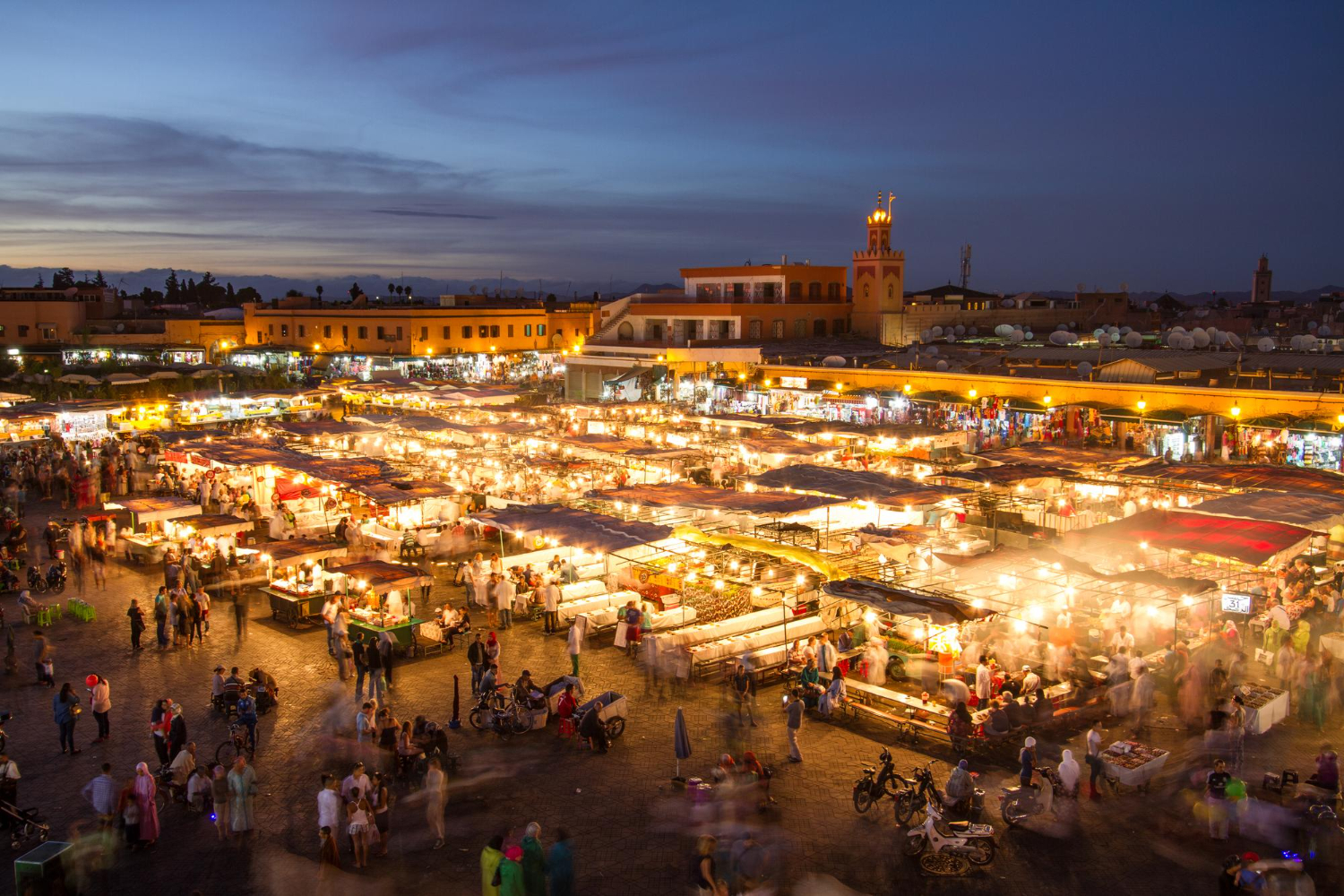
What distinguishes these from a street of shops is that somebody built a roof over the whole thing on purpose, and then trade organised itself underneath. Here are seventeen.
1. The Grand Bazaar, Istanbul, Turkey
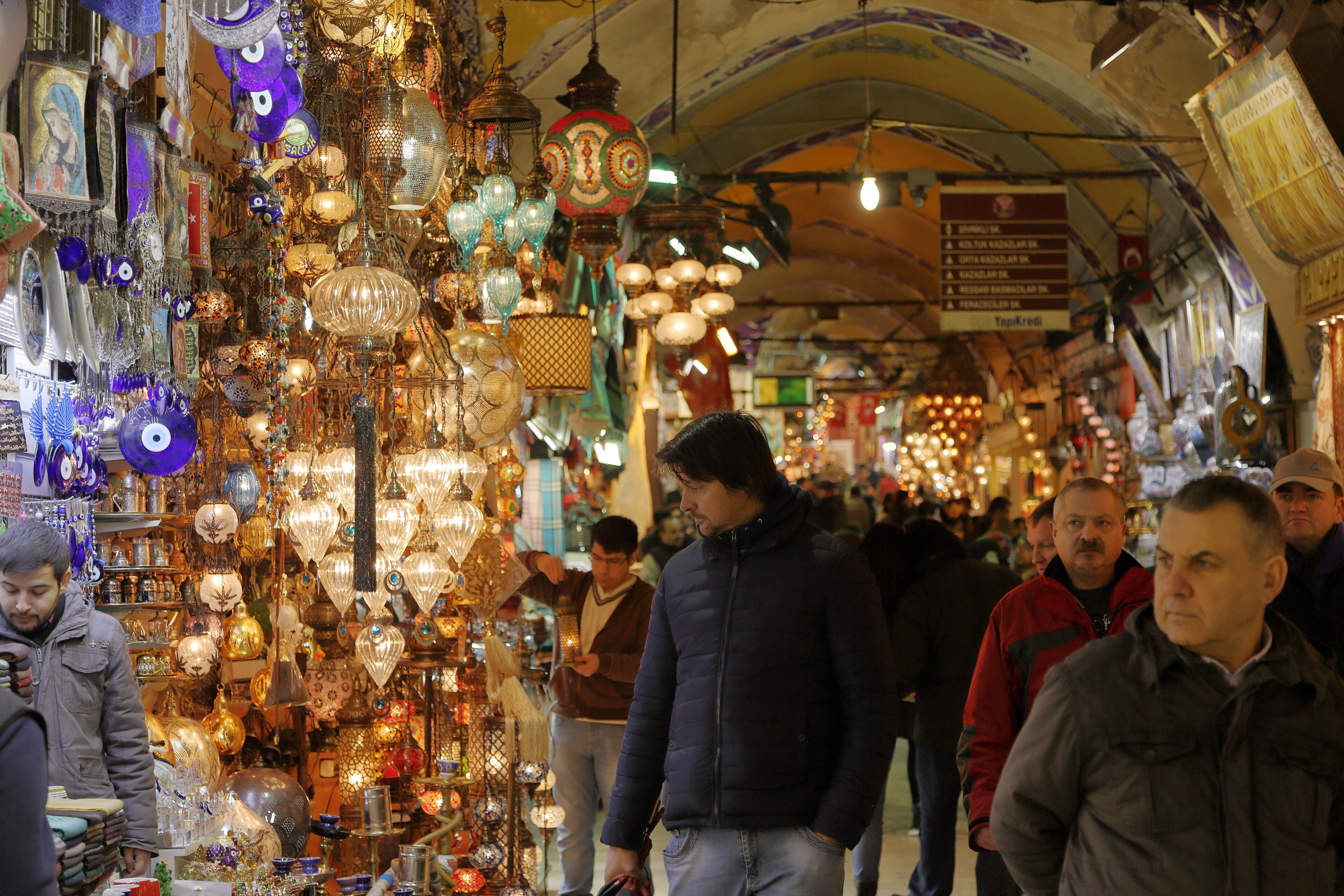
One of the largest and oldest covered markets in the world, a labyrinth of vaulted streets with thousands of shops arranged historically by trade.
The organisation by craft rather than by category still partly survives. The Grand Bazaar is the covered market whose layout records a medieval guild system.
Like our content? Follow us for more.
2. The Spice Bazaar, Istanbul, Turkey
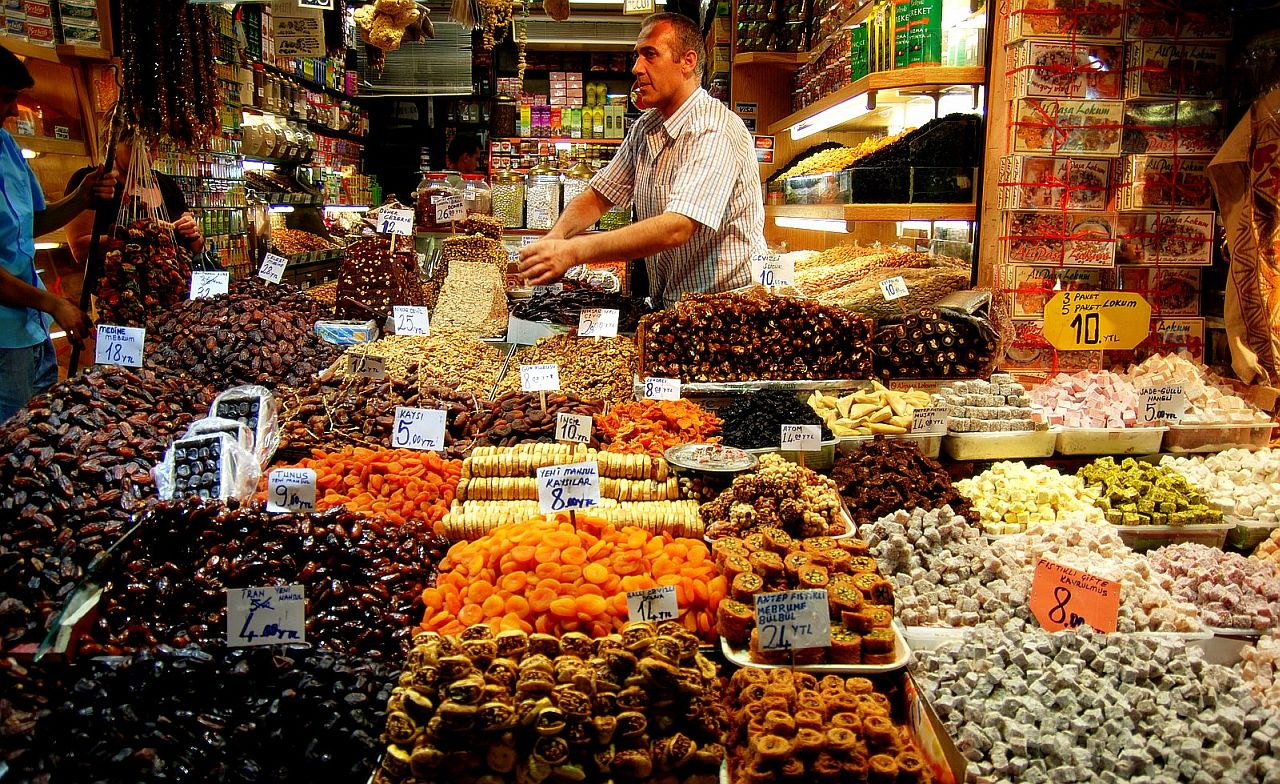
A smaller L-shaped hall built as part of a mosque complex, funded by trade revenues, with high vaulted ceilings and dense stalls.
It was constructed as an endowment rather than as a commercial venture. The Spice Bazaar is the covered market built to fund a religious foundation.
3. The Tehran Grand Bazaar, Iran
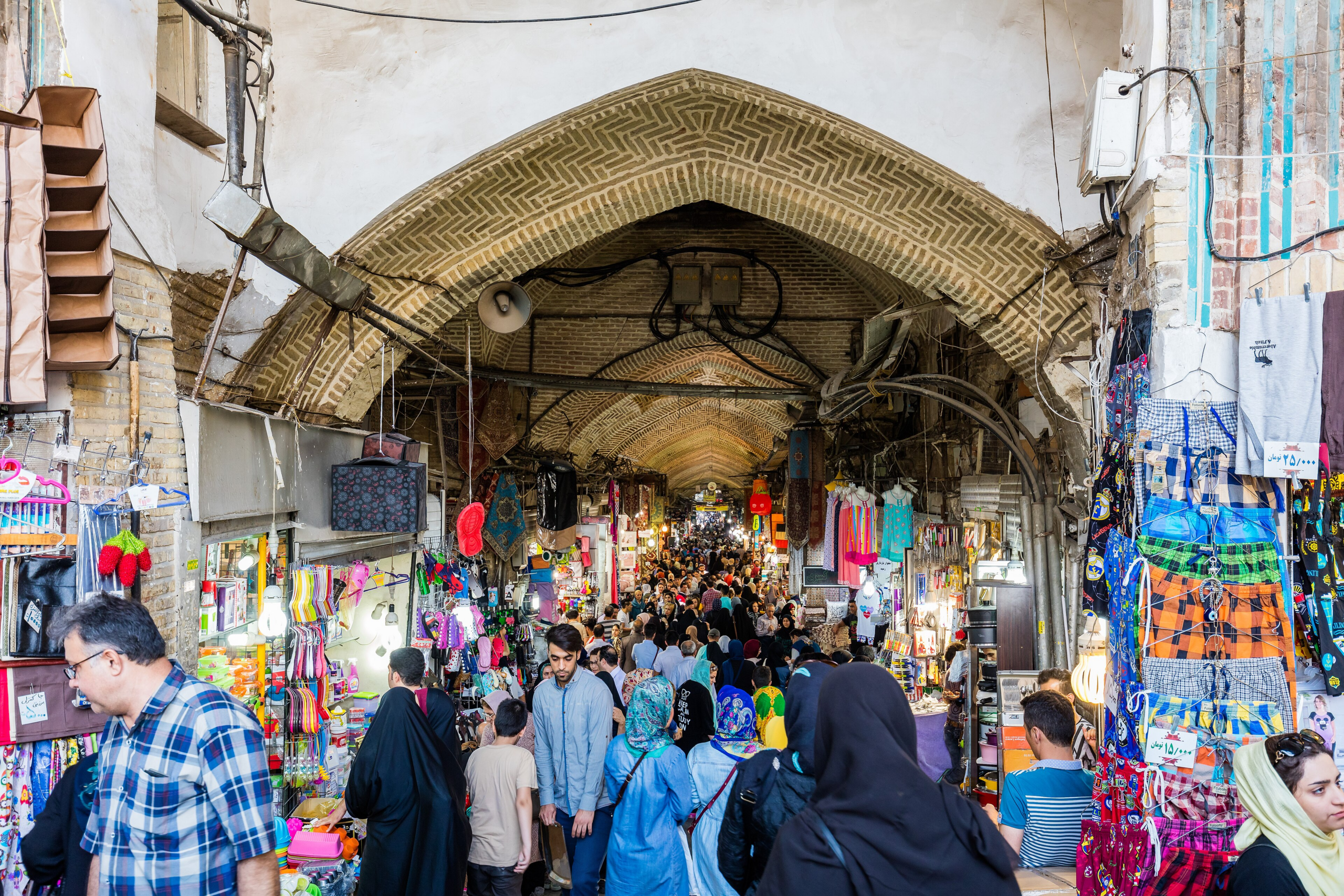
An enormous covered network of corridors extending for kilometres, historically the commercial heart of the city and functioning as such rather than as a visitor attraction.
It contains mosques, banks and guesthouses within the market structure itself. The Tehran bazaar is the covered market that operates as a district.
4. The Boqueria and the Iron Market Halls of Barcelona, Spain
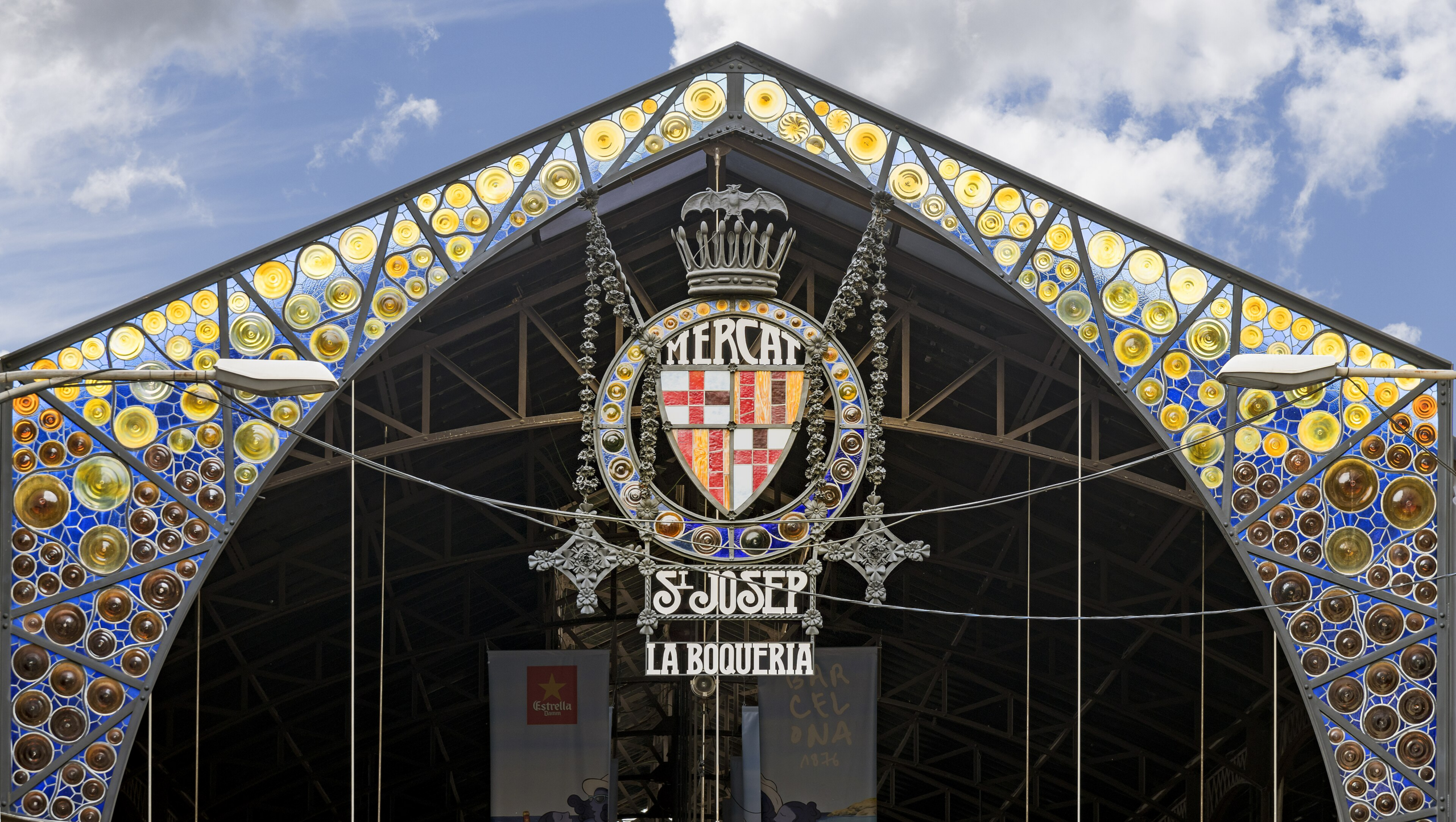
A nineteenth-century iron and glass market hall with a decorative entrance, part of a city-wide network of similar structures built in the same period.
The ironwork architecture was a deliberate municipal programme rather than a one-off. Barcelona’s market halls are the covered markets built as a coordinated civic project.
5. Mercado Central, Valencia, Spain
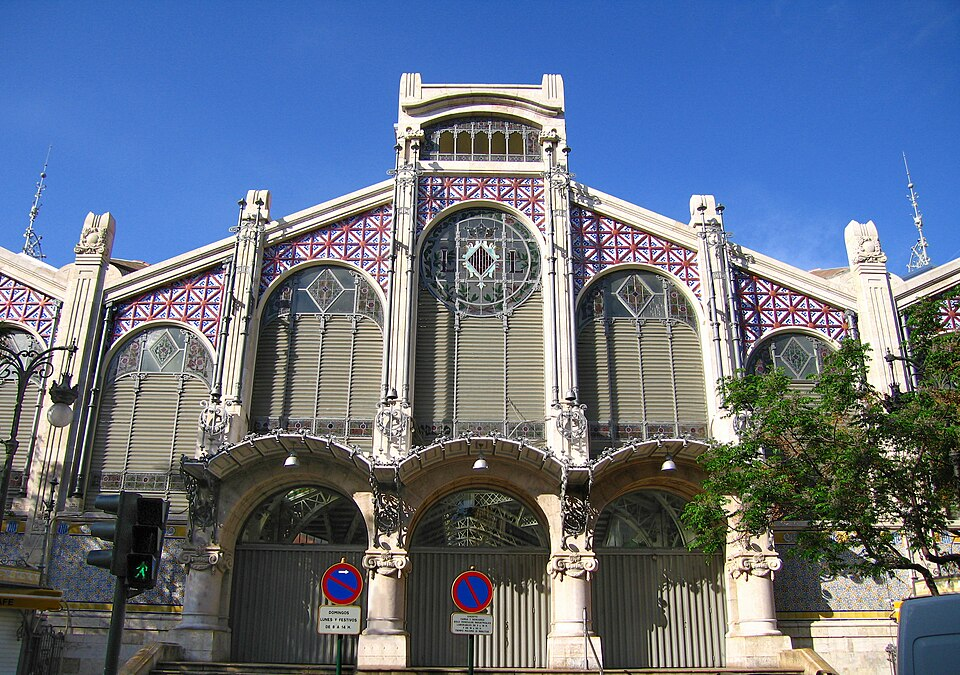
A modernist market building with a tiled dome, stained glass and ceramic decoration, purpose-built in the early twentieth century.
The architecture is the reason many visitors come and the produce is the reason locals do. Valencia’s central market is the covered market designed as an art nouveau building.
6. The Great Market Hall, Budapest, Hungary
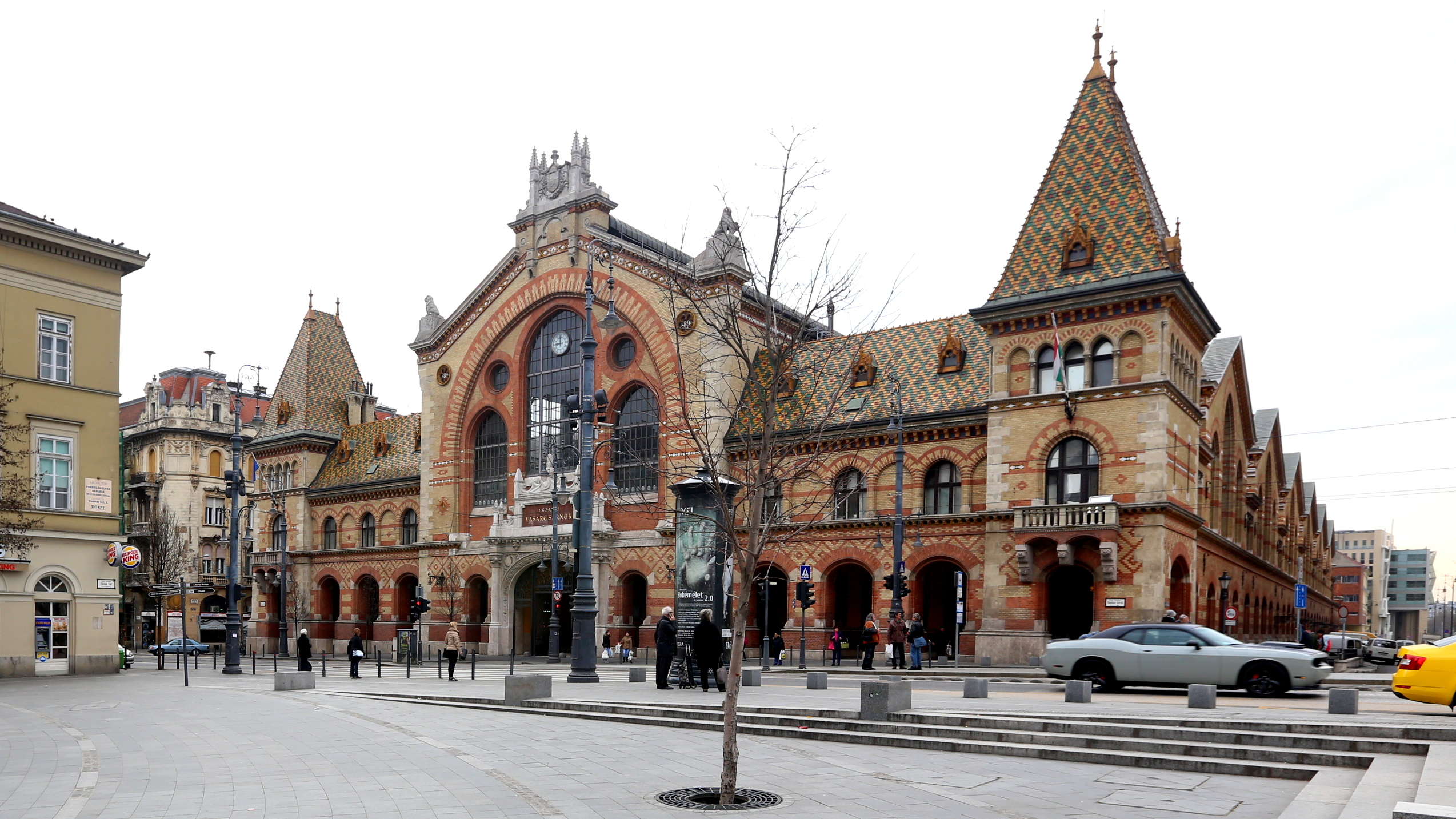
A large nineteenth-century hall with a coloured tiled roof and iron structure, arranged over several floors with produce below and other trades above.
It was built as part of a wave of municipal market construction across Europe. Budapest’s market hall is the covered market where the roof tiles are the landmark.
7. Borough and the London Market Halls, England
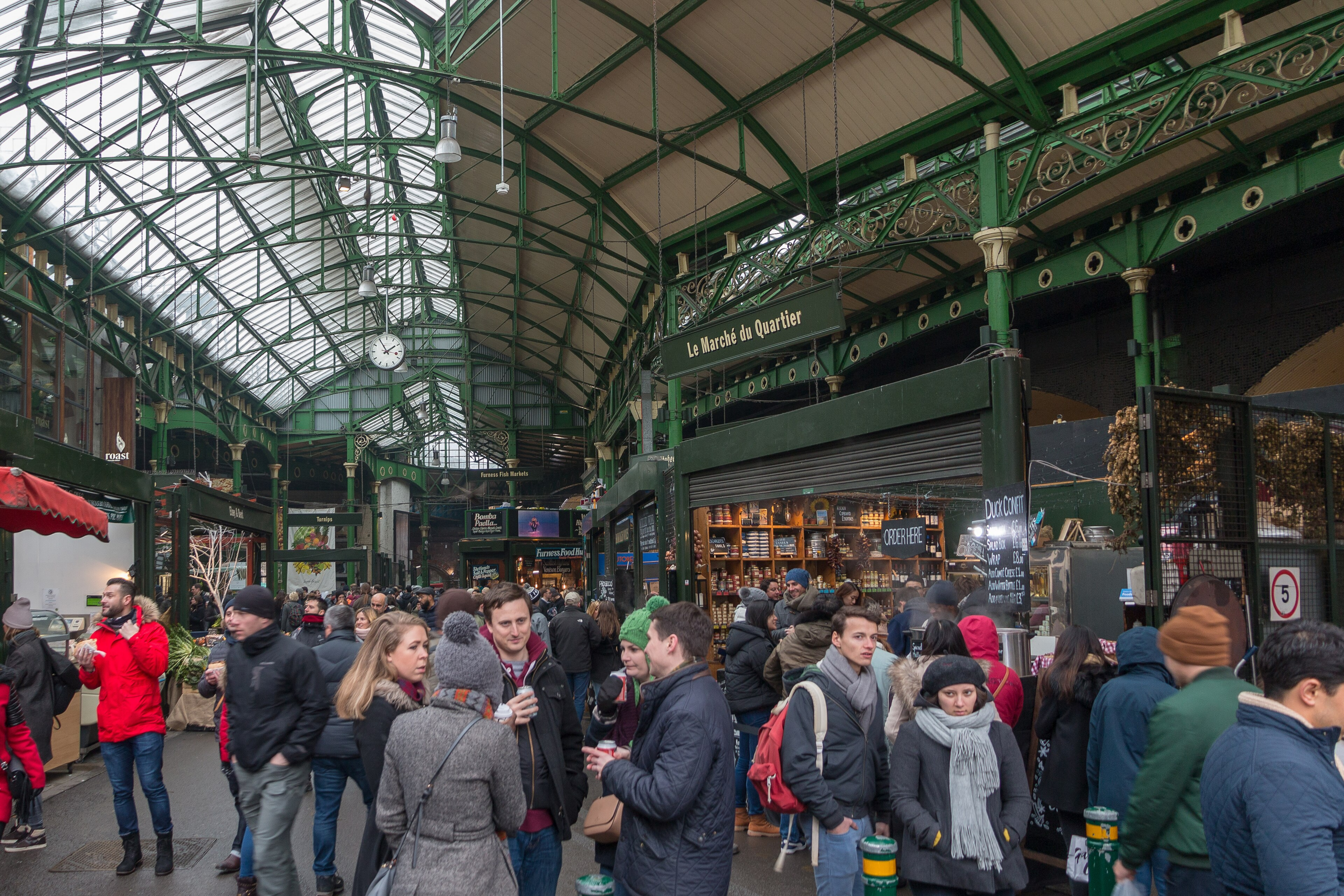
Historic market sites operating under Victorian iron and glass structures, some occupying the same ground for many centuries.
Several have shifted from wholesale to retail and prepared food over recent decades. London’s market halls are the covered markets that changed trade without changing buildings.
8. The Souks of Marrakech, Morocco
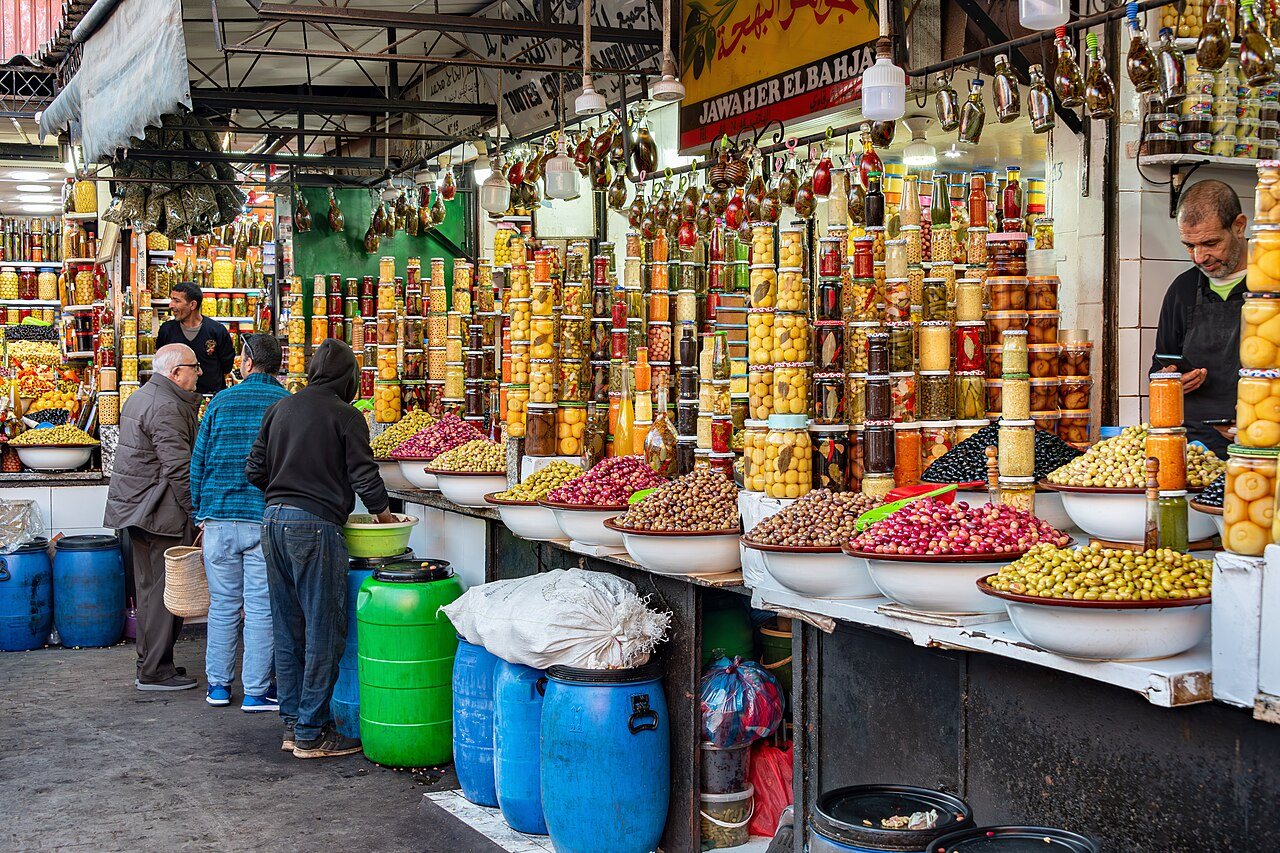
Covered lanes roofed with slatted timber that admits strips of light, organised historically by craft, in a dense network beside the main square.
The slatted roofing is a specific architectural solution to heat and light. The Marrakech souks are the covered markets roofed to filter the sun rather than block it.
9. Khan el-Khalili, Cairo, Egypt
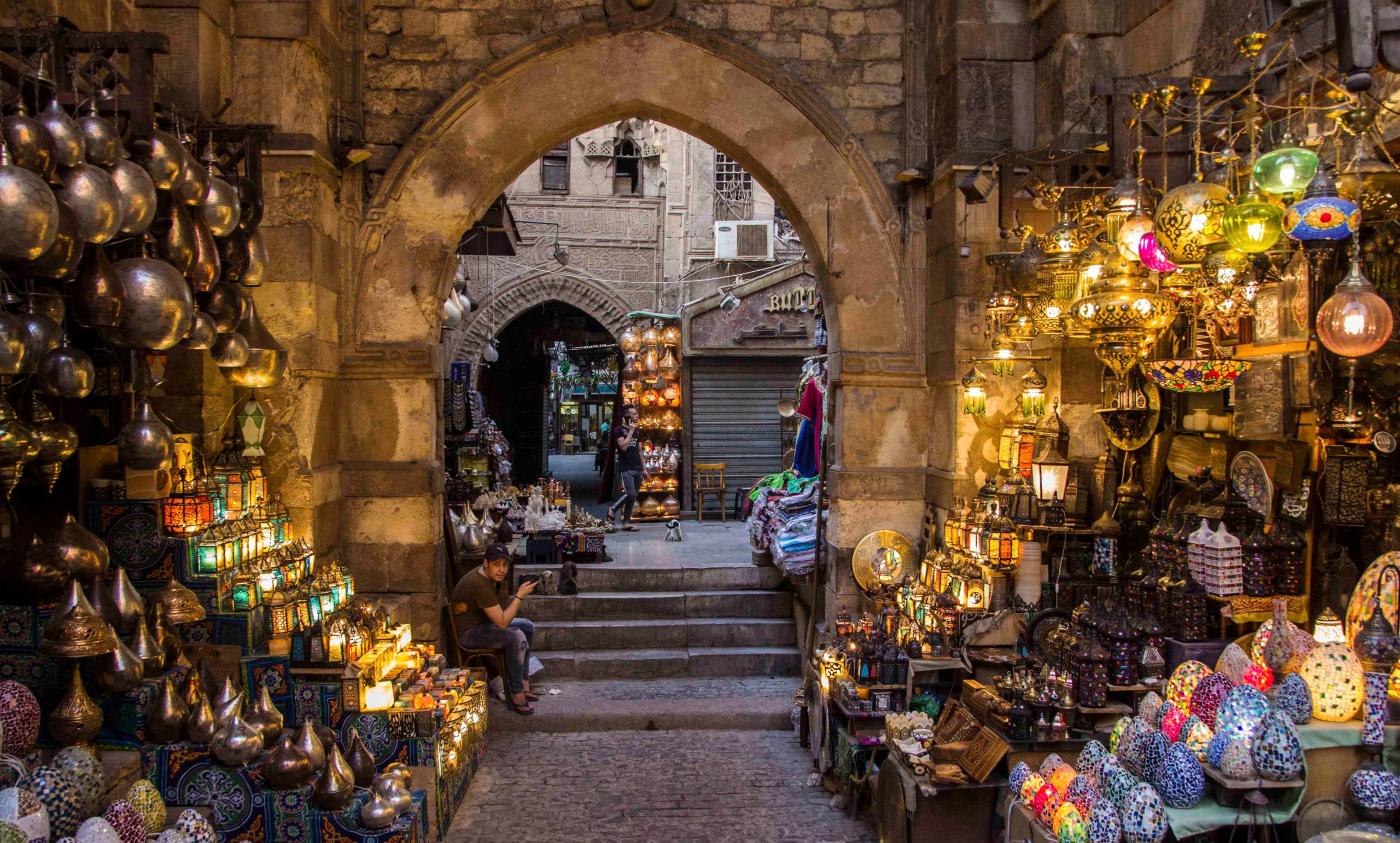
A market district of covered lanes and gateways dating to the medieval period, with sections of monumental stonework surviving among the stalls.
The gates are architectural features of a former caravanserai complex. Khan el-Khalili is the covered market built into the remains of a merchants’ inn.
10. The Chandni Chowk Covered Lanes, Delhi, India
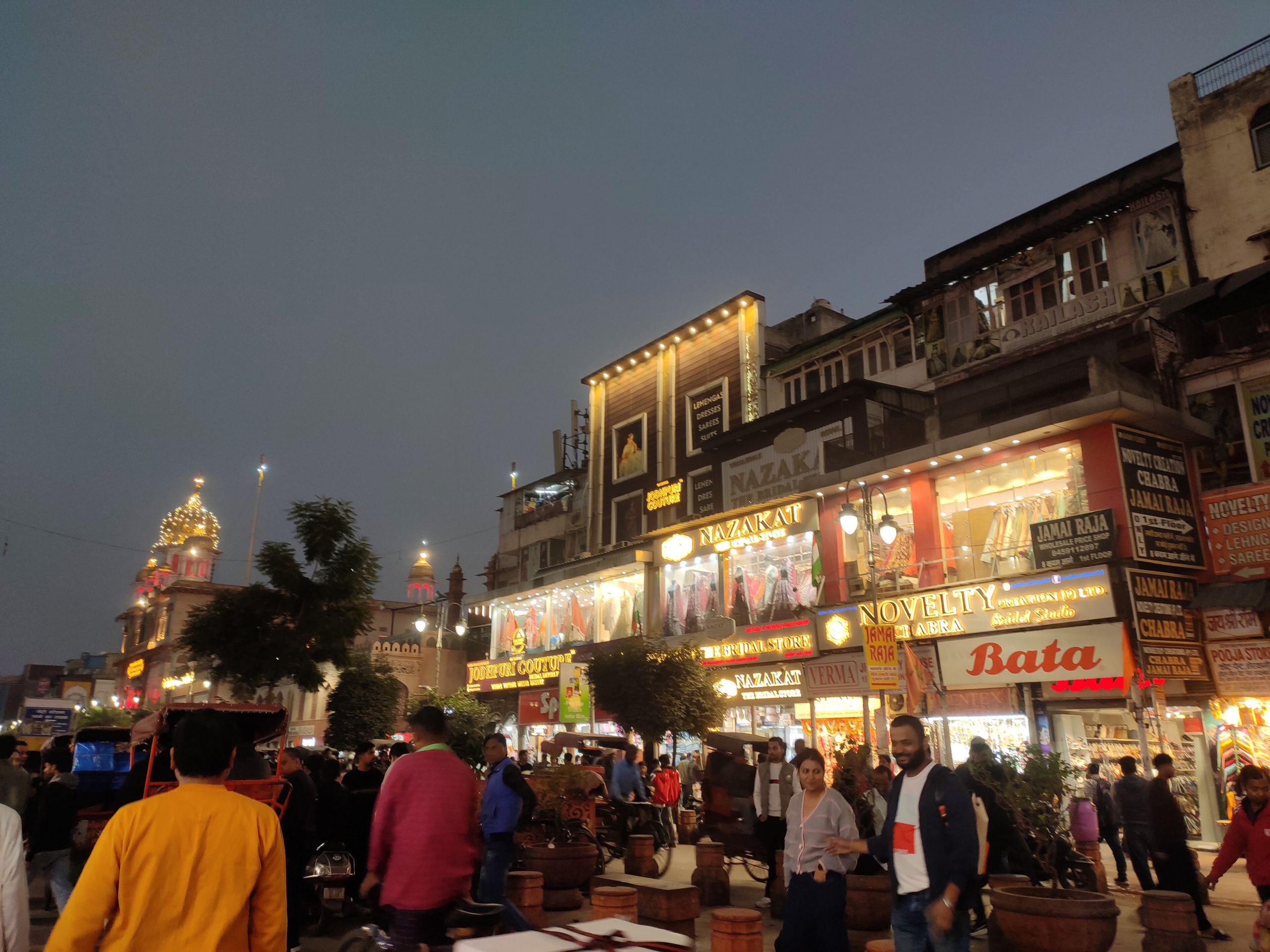
Dense covered and semi-covered market lanes specialising narrowly by product – one lane for silver, another for spices, another for paper.
The specialisation is extreme and long established. Delhi’s covered lanes are the markets where each street sells one thing.
11. The Mercado de San Juan and the Mexican Market Halls
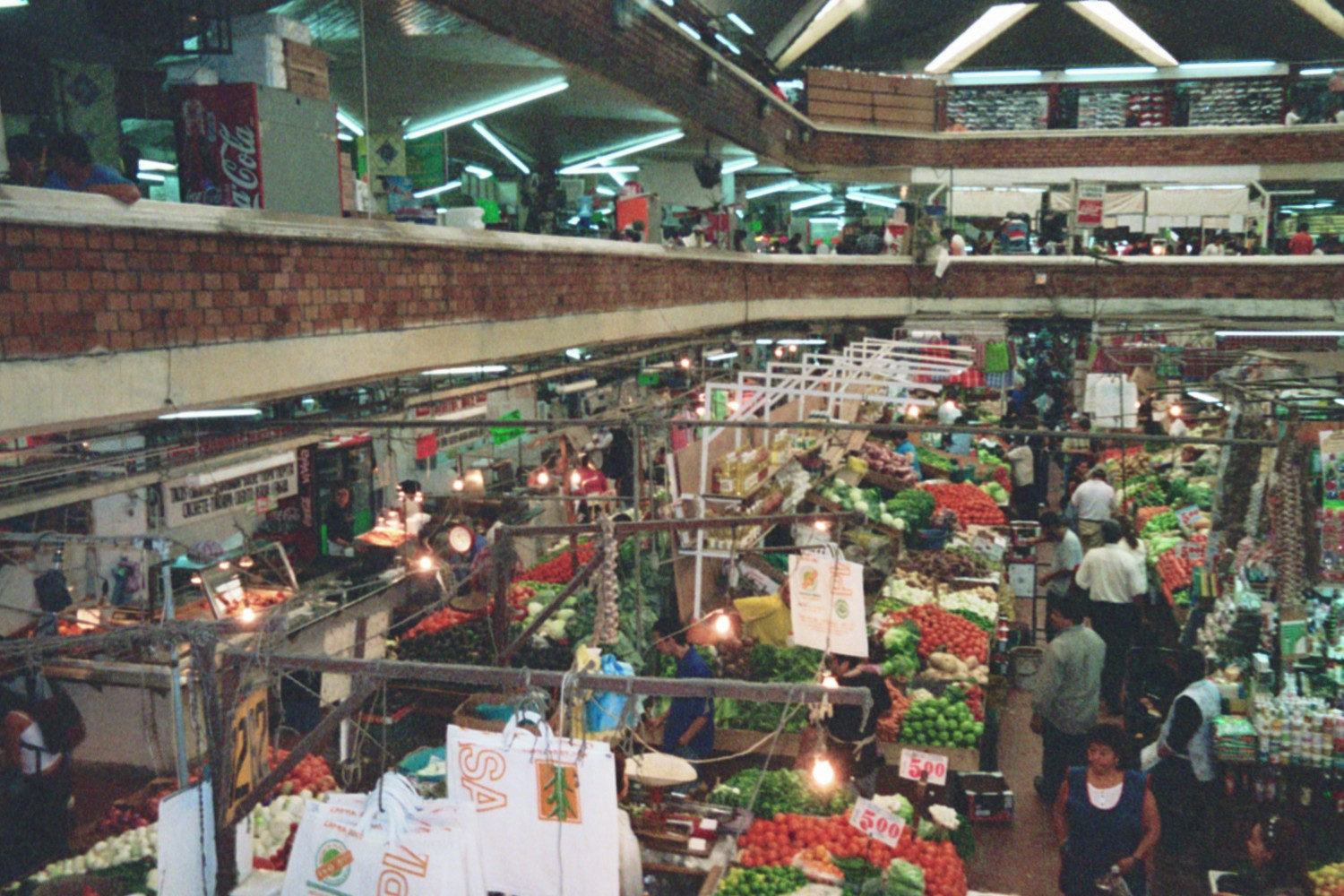
Purpose-built covered markets across Mexican cities, frequently with murals, and organised into sections by product type.
They function as everyday food shopping rather than as attractions. The Mexican market halls are the covered markets that are still where people buy dinner.
12. The Tsukiji Outer Market and the Japanese Covered Shopping Streets
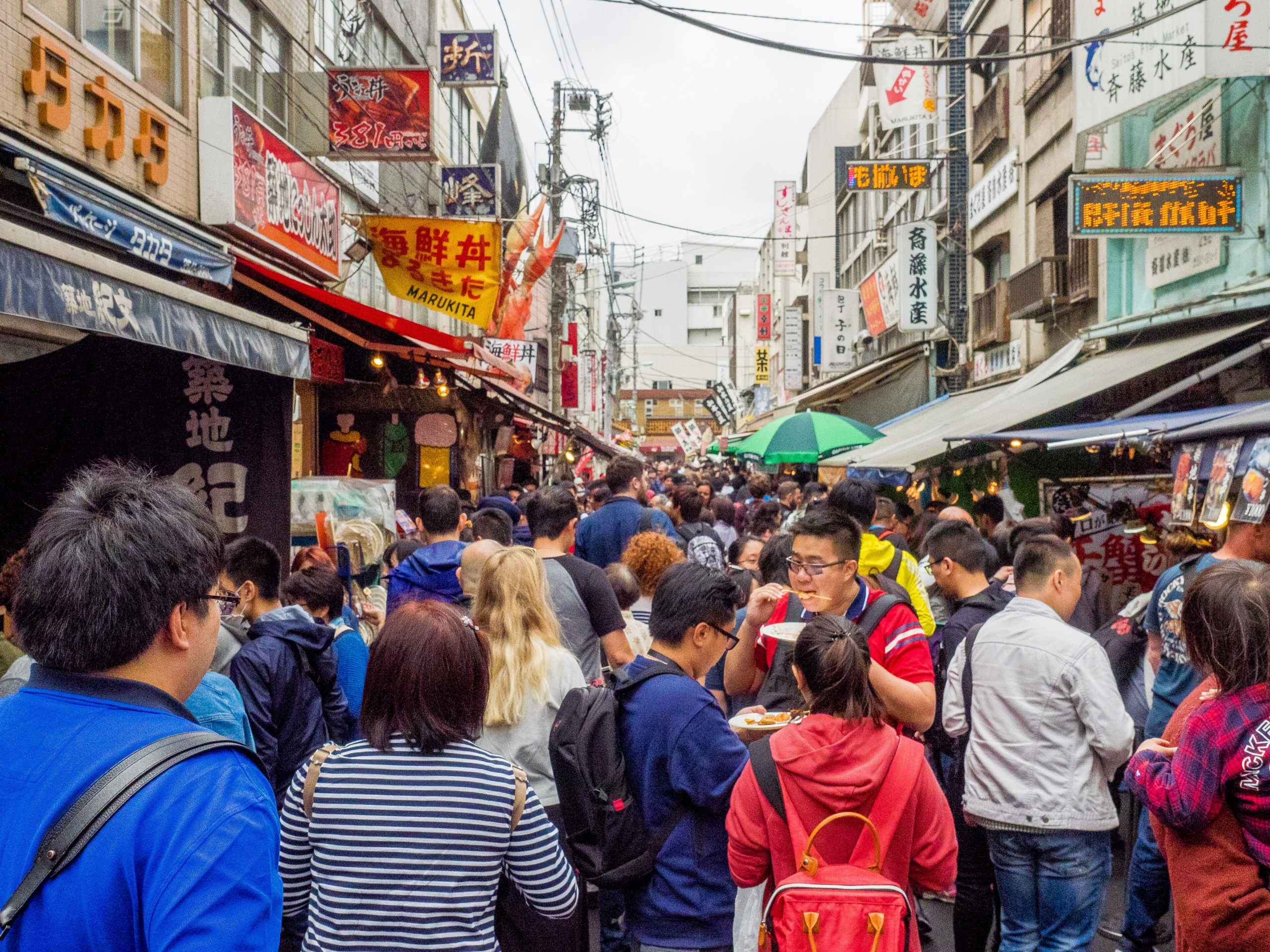
Roofed shopping streets, known as shotengai, run through Japanese towns and cities, covering a whole street of small independent shops.
The covering makes an ordinary street usable in any weather without becoming a mall. The Japanese covered streets are the markets that roofed the road rather than replacing it.
14. The Galleria Vittorio Emanuele II, Milan, Italy
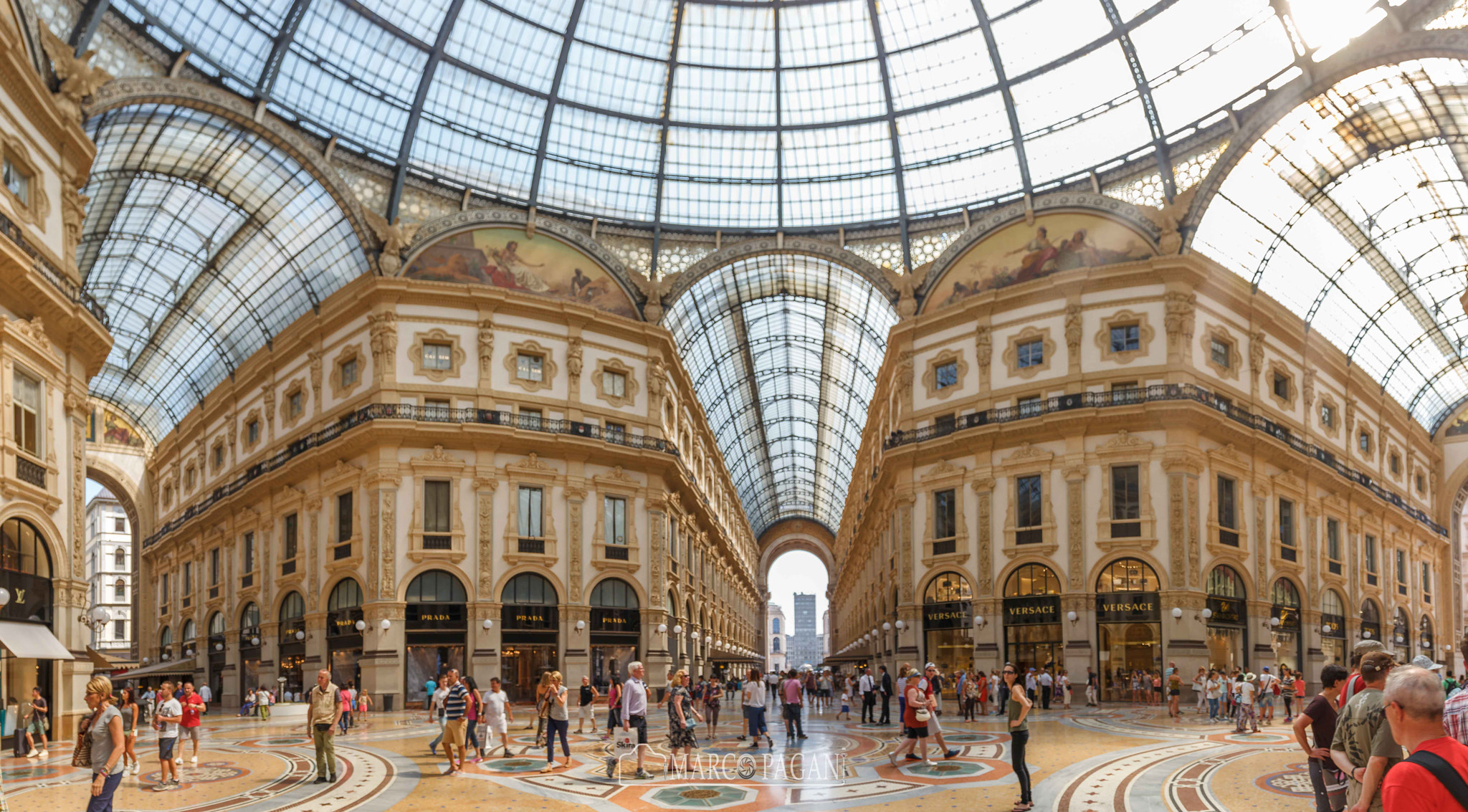
A glass-vaulted arcade of shops and cafes built in the nineteenth century, cruciform in plan with a central glazed dome.
It is the ancestor of the shopping arcade and of a great deal that followed. Milan’s galleria is the covered market that became the template for the shopping centre.
15. The Covered Bazaar of Isfahan, Iran
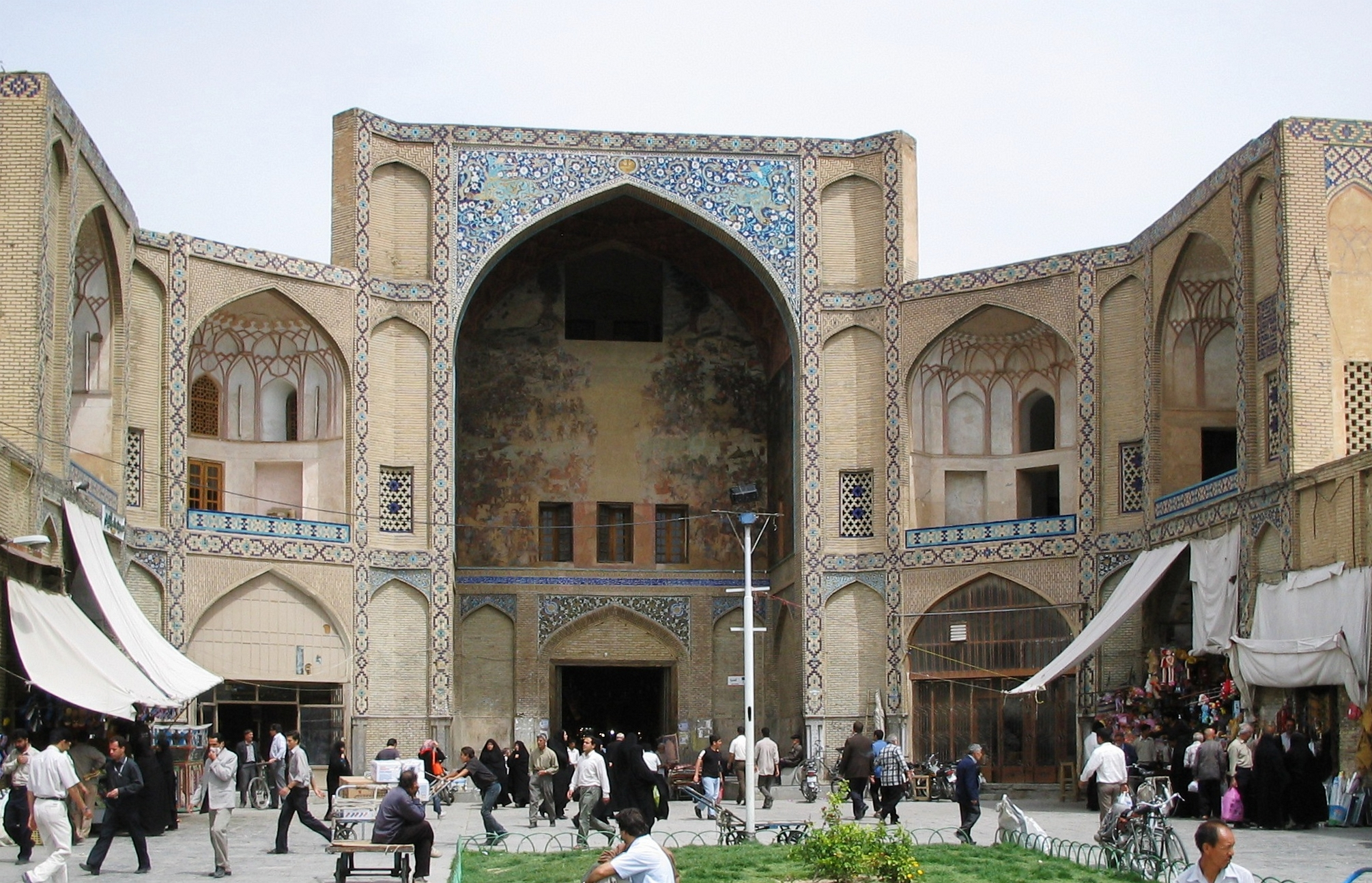
A long vaulted bazaar linking a historic square to a mosque, with domed intersections and light admitted through openings in the brick vaults.
The lighting through the vault openings is the architectural signature. Isfahan’s bazaar is the covered market lit entirely through holes in the ceiling.
16. The Arcades of Paris, France
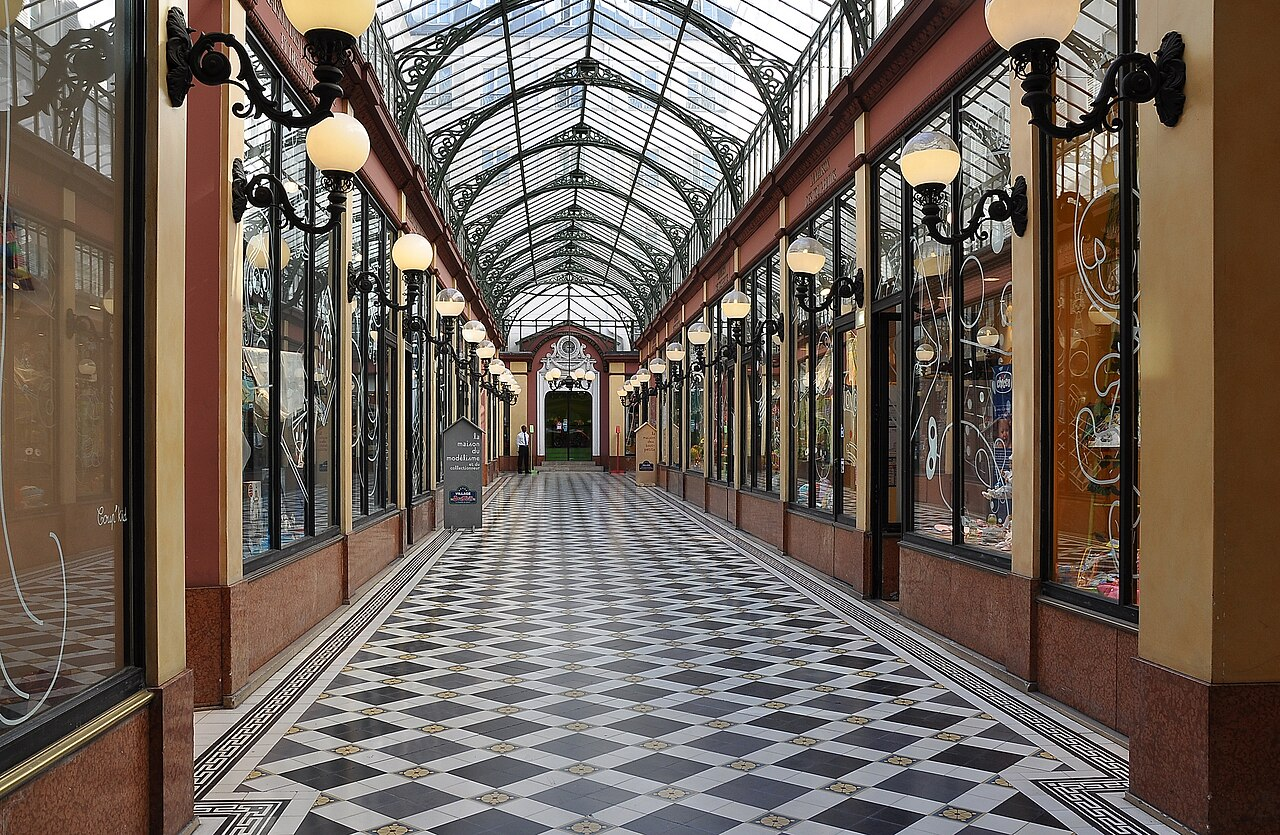
Nineteenth-century glass-roofed passages cutting between streets, lined with small shops, several of which survive in near-original condition.
They were built speculatively and became the subject of considerable later writing about urban life. The Paris arcades are the covered markets that made shopping a form of walking.
17. The Wet Markets and Covered Halls of Southeast Asia
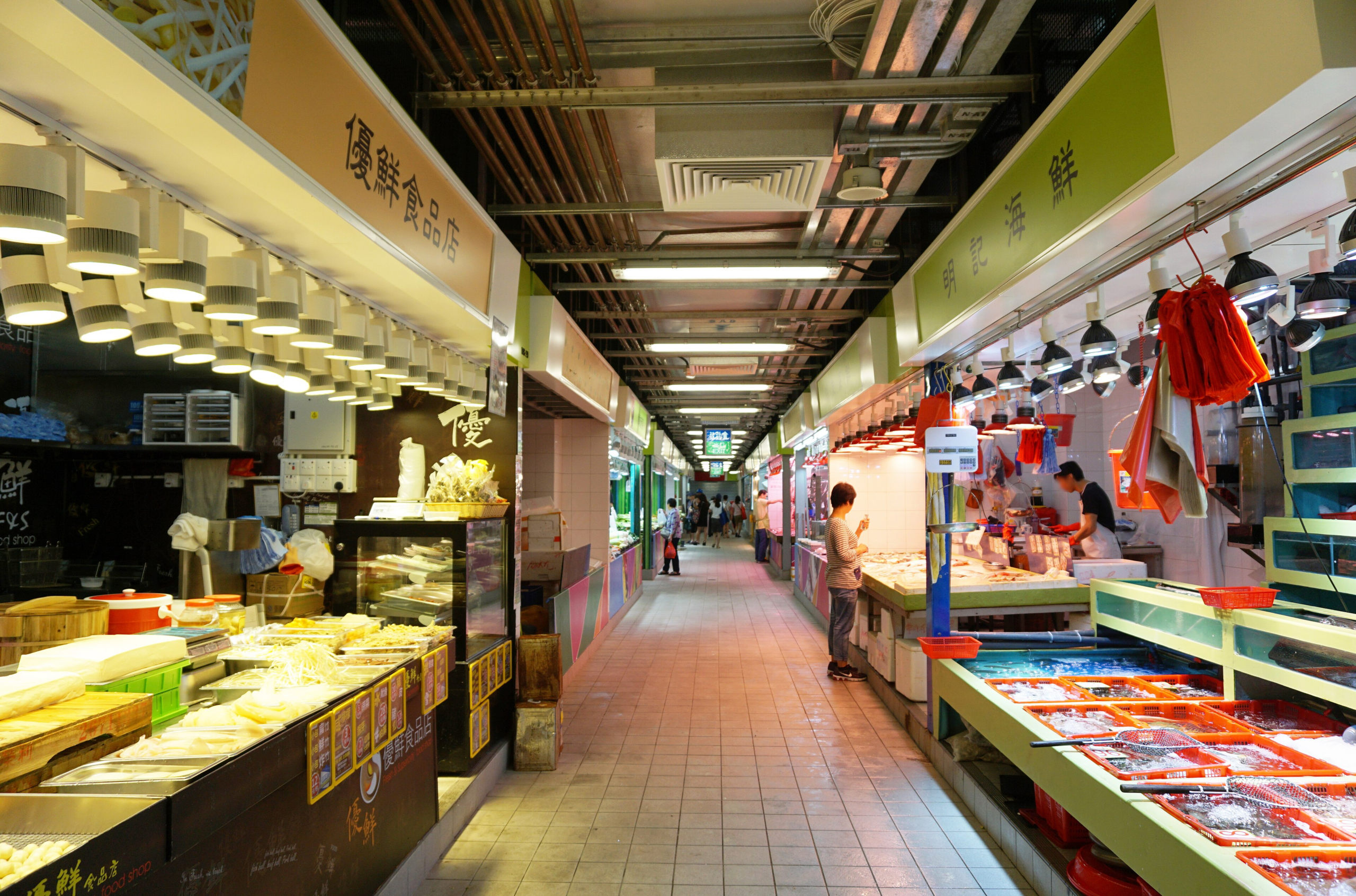
Purpose-built covered halls across the region, structured for fresh produce with drainage, ventilation and open frontage rather than enclosure.
The architecture responds to climate and to the requirements of selling fresh food daily. The Southeast Asian market halls are the covered markets designed around what they sell.
A Roof Over the Trade
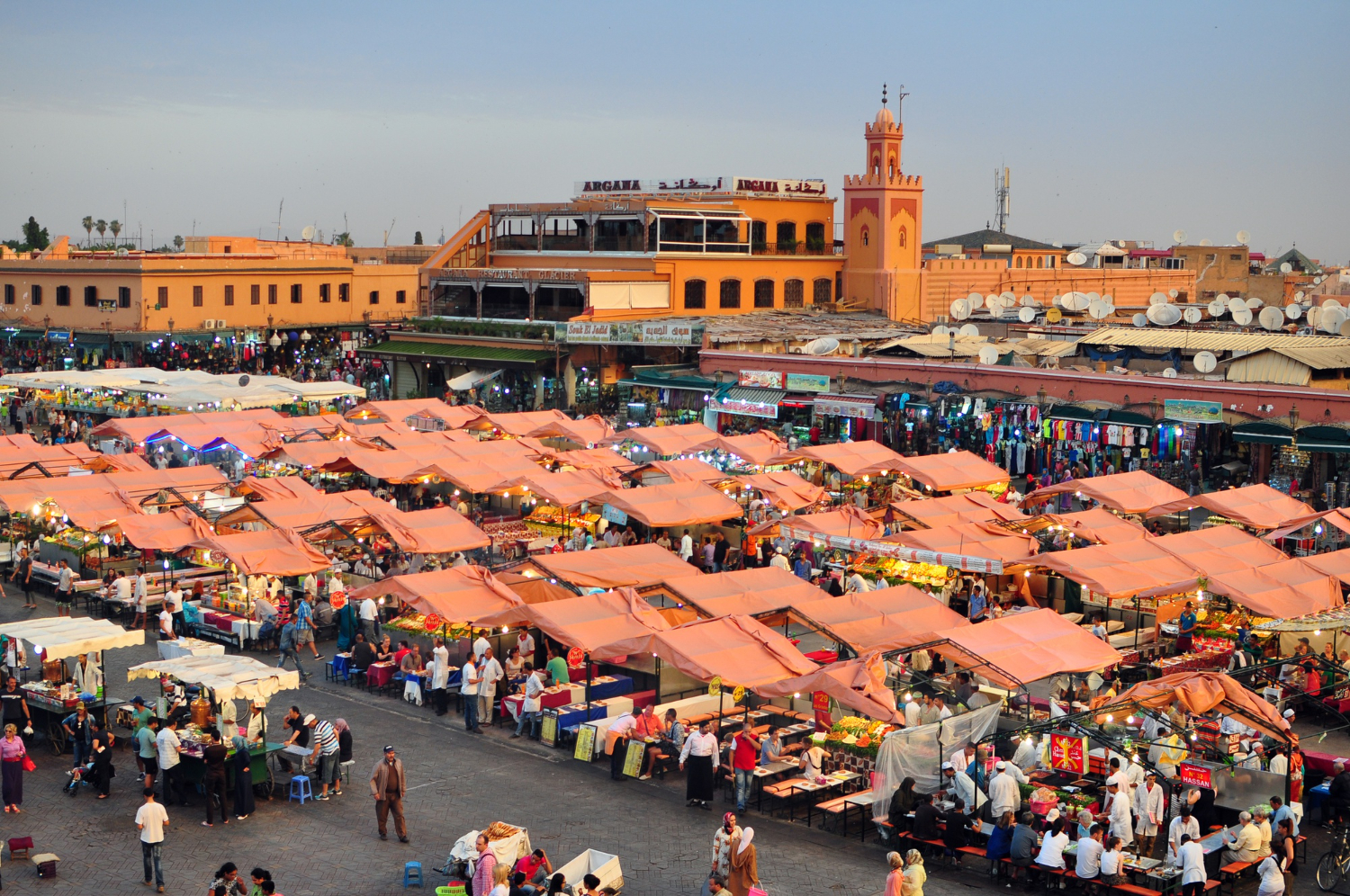
The recurring insight is that covering a market changes it. Trade organises by craft, buildings acquire permanence, and what began as stalls in a street becomes a piece of architecture that outlasts every business inside it.
Practical notes: opening hours vary enormously and many are closed on a specific day of the week; produce markets are best early and largely finished by lunchtime; several are working markets where photographing traders and produce should be asked about rather than assumed; and prices in the most visited are not the prices locals pay. Go early, buy something, and look up, because the roof is usually the reason the building is famous.
Like our content? Follow us for more.