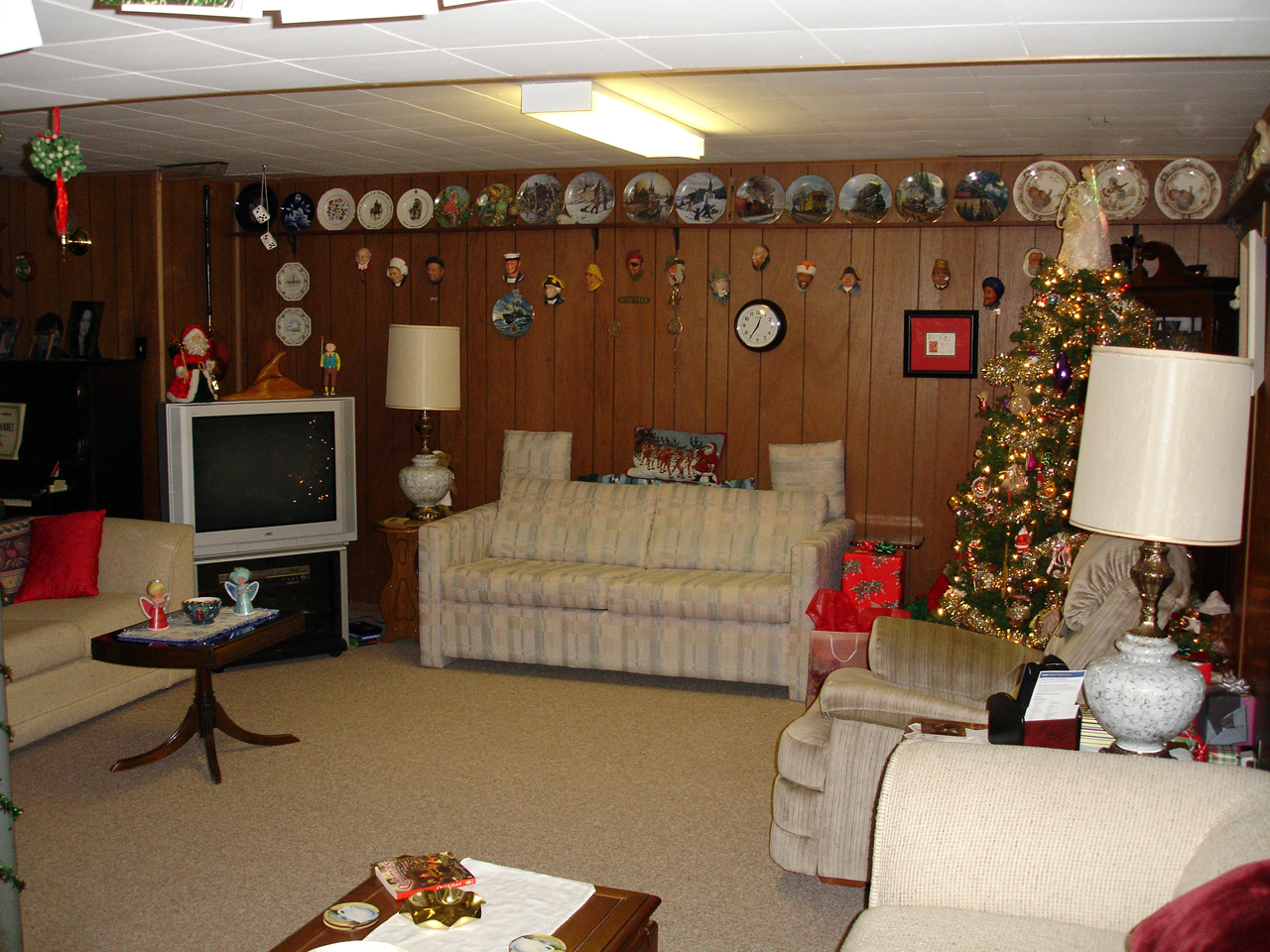
Crumbling white lagging, a side of beef, and a bar nobody ever used. Here are seventeen.
1. A Furnace Wrapped in White Tape That Nobody Was Allowed to Touch
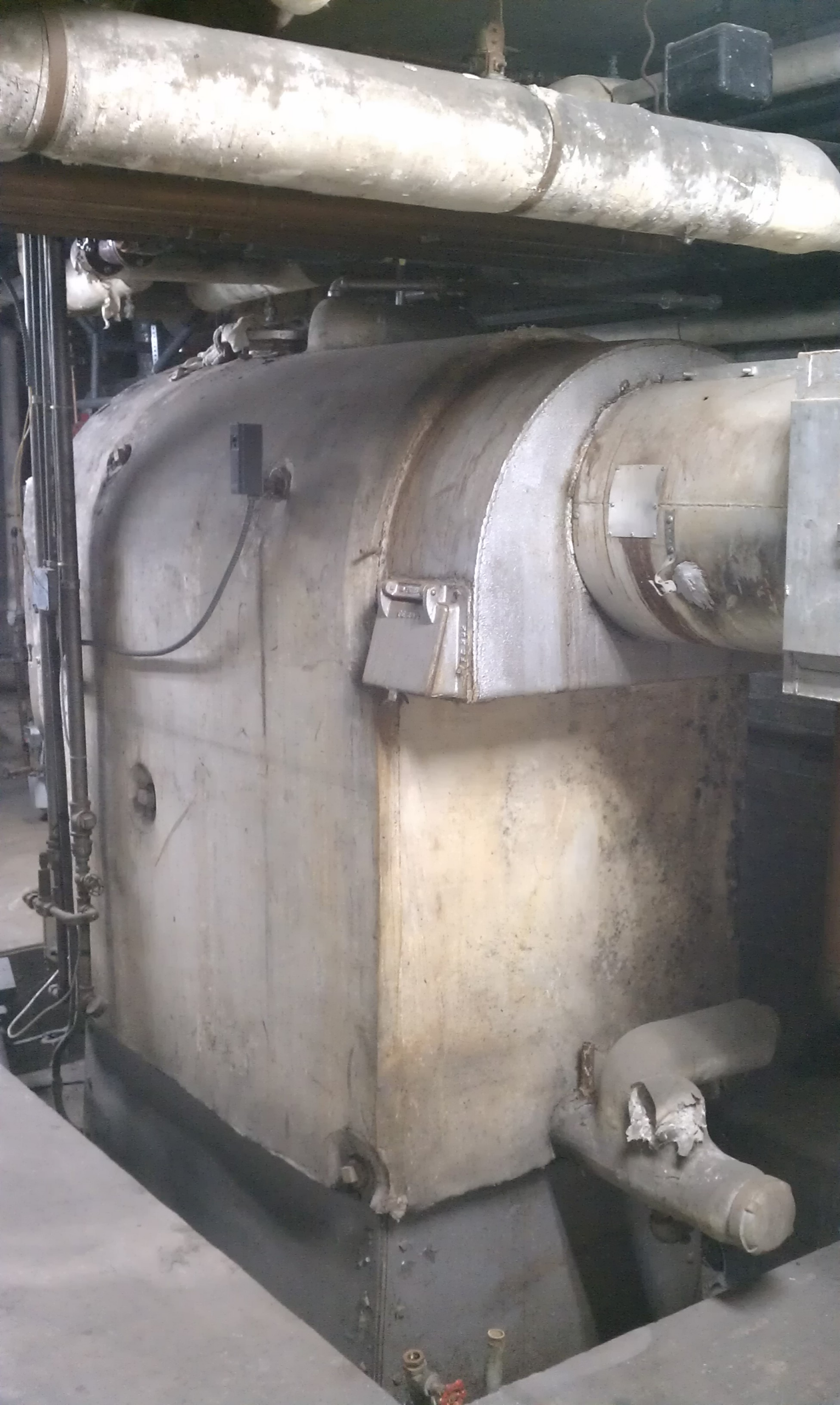
The ducts and the pipes were lagged in a white fibrous material wrapped in bands, it was crumbling at the joints, and the standing instruction was to leave it alone.
The instruction was correct and the reason was not explained to anybody under eighteen. That lagging is the single most consequential object in an American basement of the period, and it is the reason a modern renovation of a 1974 house begins with a survey rather than a sledgehammer.
Like our content? Follow us for more.
2. A Chest Freezer With a Side of Beef in It
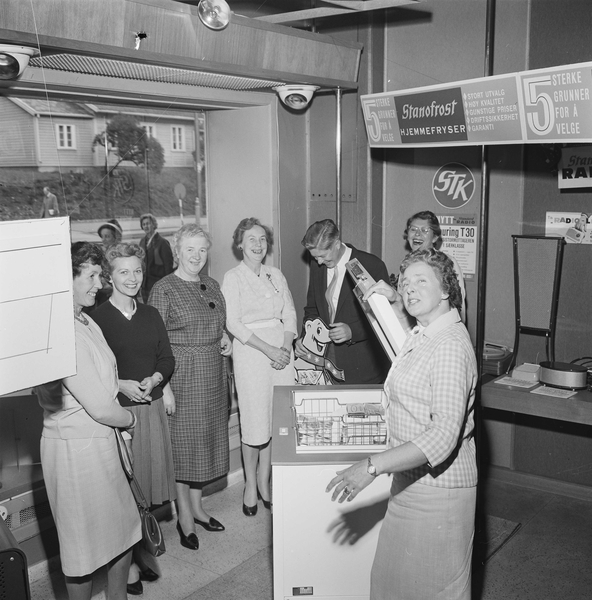
It ran constantly, it was the size of a small boat, and it held a quantity of meat bought in bulk from a locker plant or a farmer, portioned and wrapped in white paper with the cut written on in grease pencil.
Bulk freezing was a household economic strategy rather than a convenience. A family bought an animal, had it cut, and ran the freezer for a year, which only makes sense when the appliance is cheap to run and the alternative is paying retail weekly.
3. A Bar That Nobody Over the Age of Forty Had Ever Drunk At
Laminate top, vinyl padded front, three stools, a mirror behind it, a row of bottles that never went down and a set of glasses with a design on them.
The basement bar is the most misunderstood object of the period. It was built for entertaining that largely did not happen, and it survives in photographs far more than it survived in use – a stage set for a kind of socialising that the house’s owners aspired to rather than practised.
4. Wood Paneling That Was Not Wood
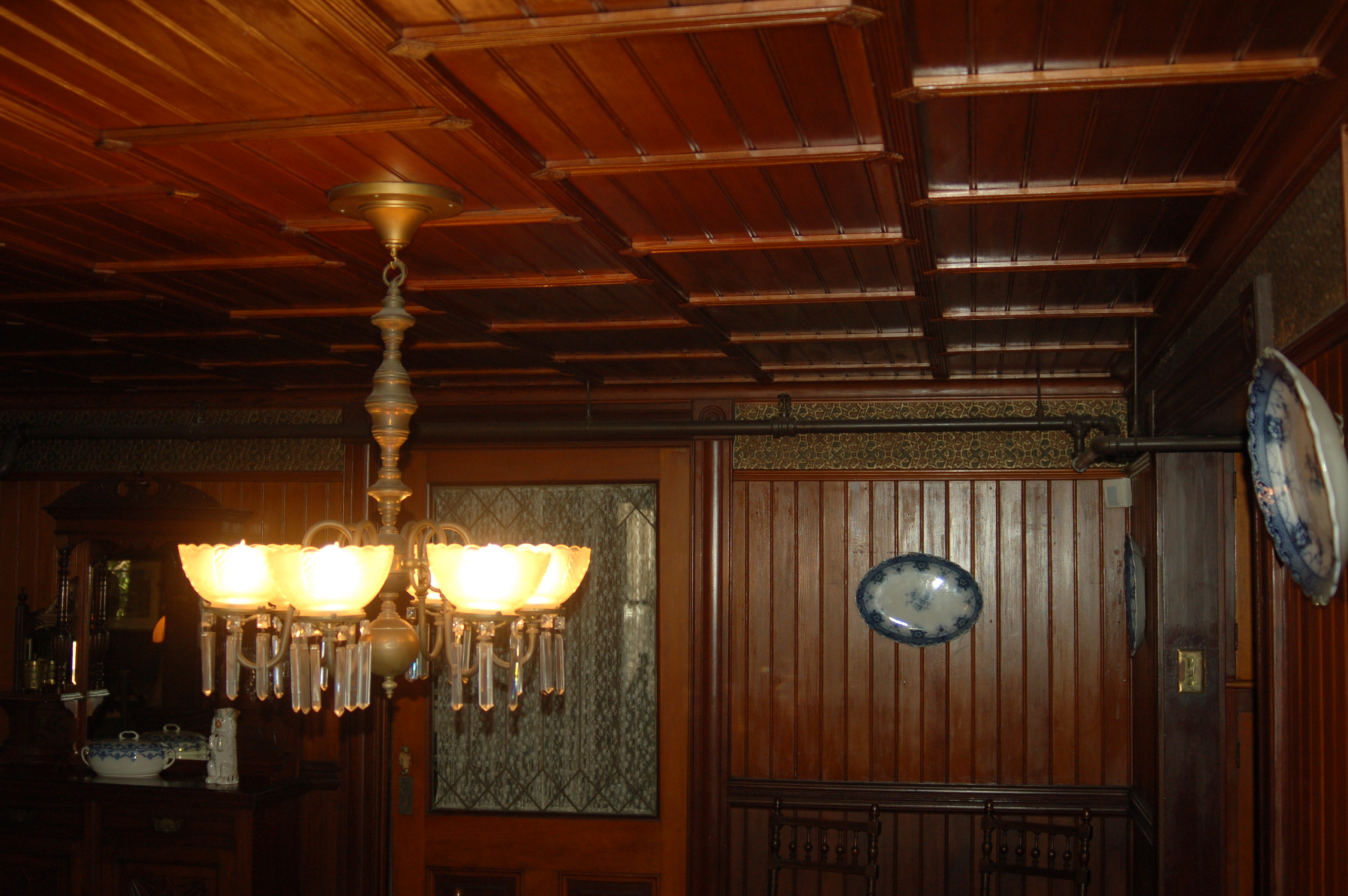
Four-by-eight sheets of thin board with a printed grain, nailed straight to the studs, with a groove routed every few inches to suggest planks.
It is the single most recognisable interior surface in American domestic history and it was chosen because it was cheap, fast and forgiving of an uneven wall. One person could panel a basement in a weekend, which is precisely why so many basements were panelled in one.
5. An Indoor-Outdoor Carpet Laid Directly on Concrete
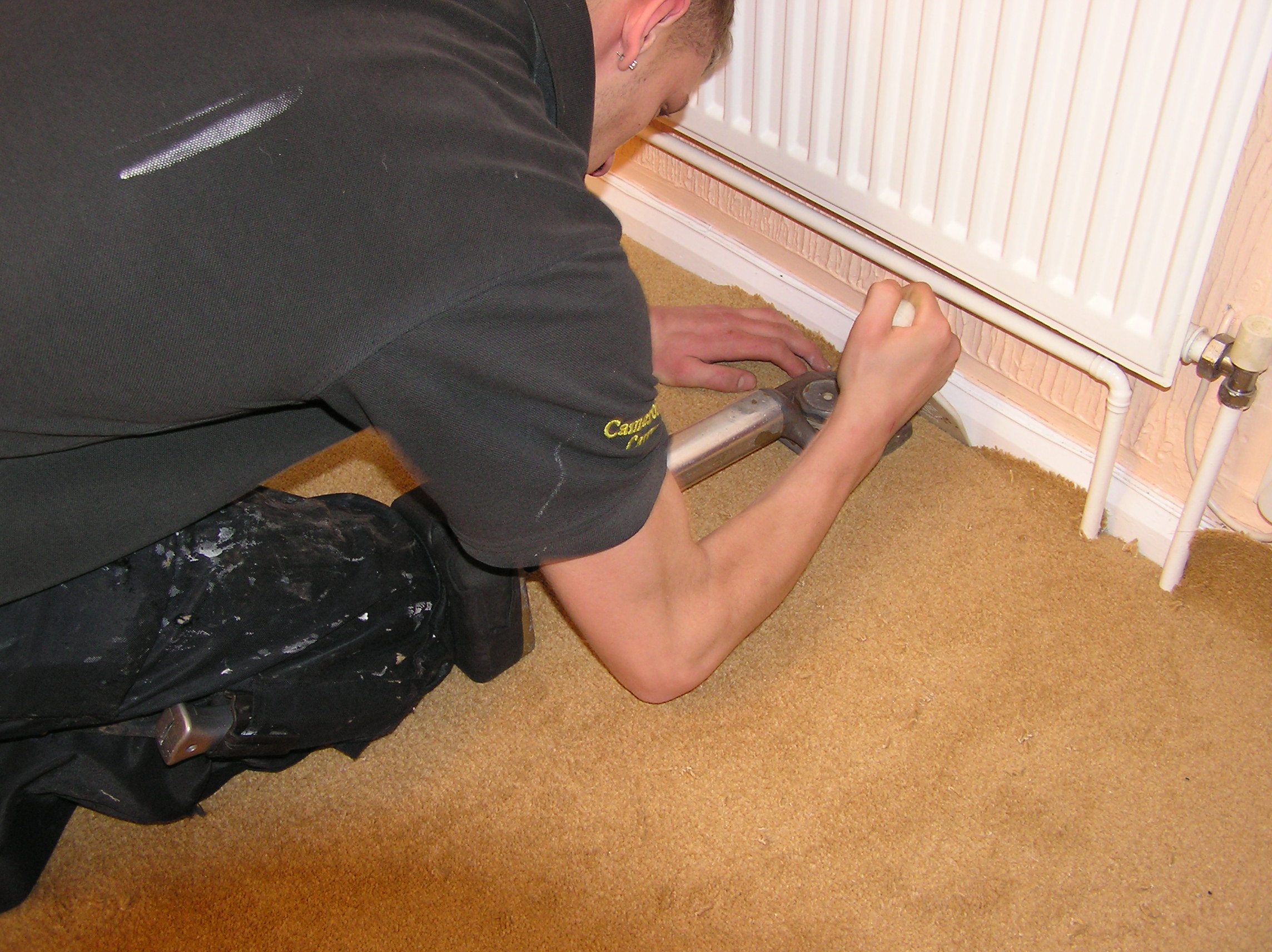
A thin, hard, usually dark carpet with no underlay, glued or simply laid onto the slab, chosen because it could be hosed if the basement took water.
The choice tells you the builder expected the floor to get wet. That expectation was correct, and the fact that it was designed in rather than fixed is why so many basements of the period smell the way they do.
6. A Ping-Pong Table That Was Never Used for Ping-Pong
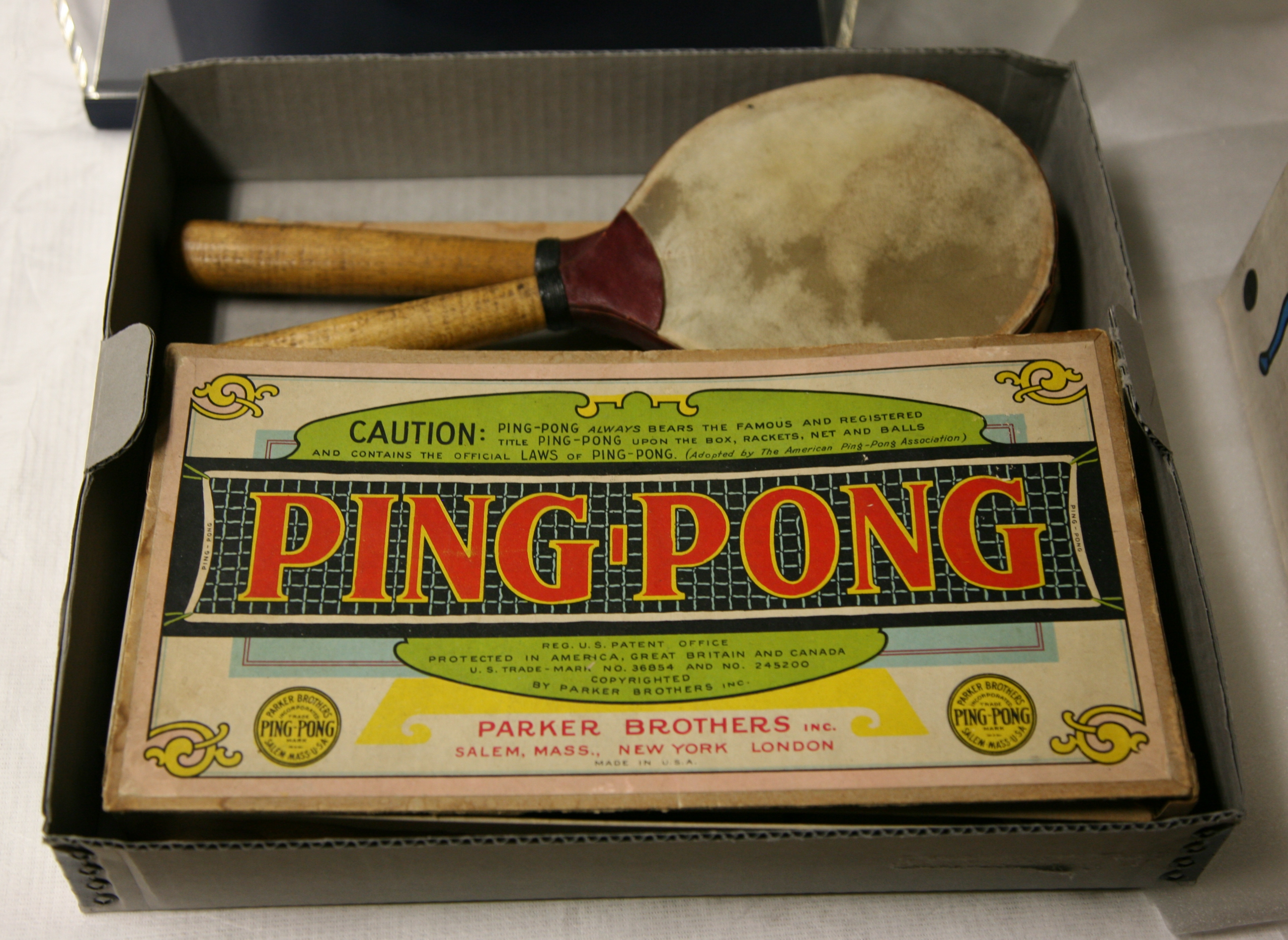
It was bought with intent, it was set up once, and it then became the surface on which laundry, Christmas decorations, model projects and anything without another home accumulated permanently.
Every household with one tells the same story, which makes it one of the most reliable artefacts of the decade. The table was aspirational furniture and it converted immediately into storage, and nobody ever folded it away.
7. A Sump Pump in a Hole With a Loose Lid
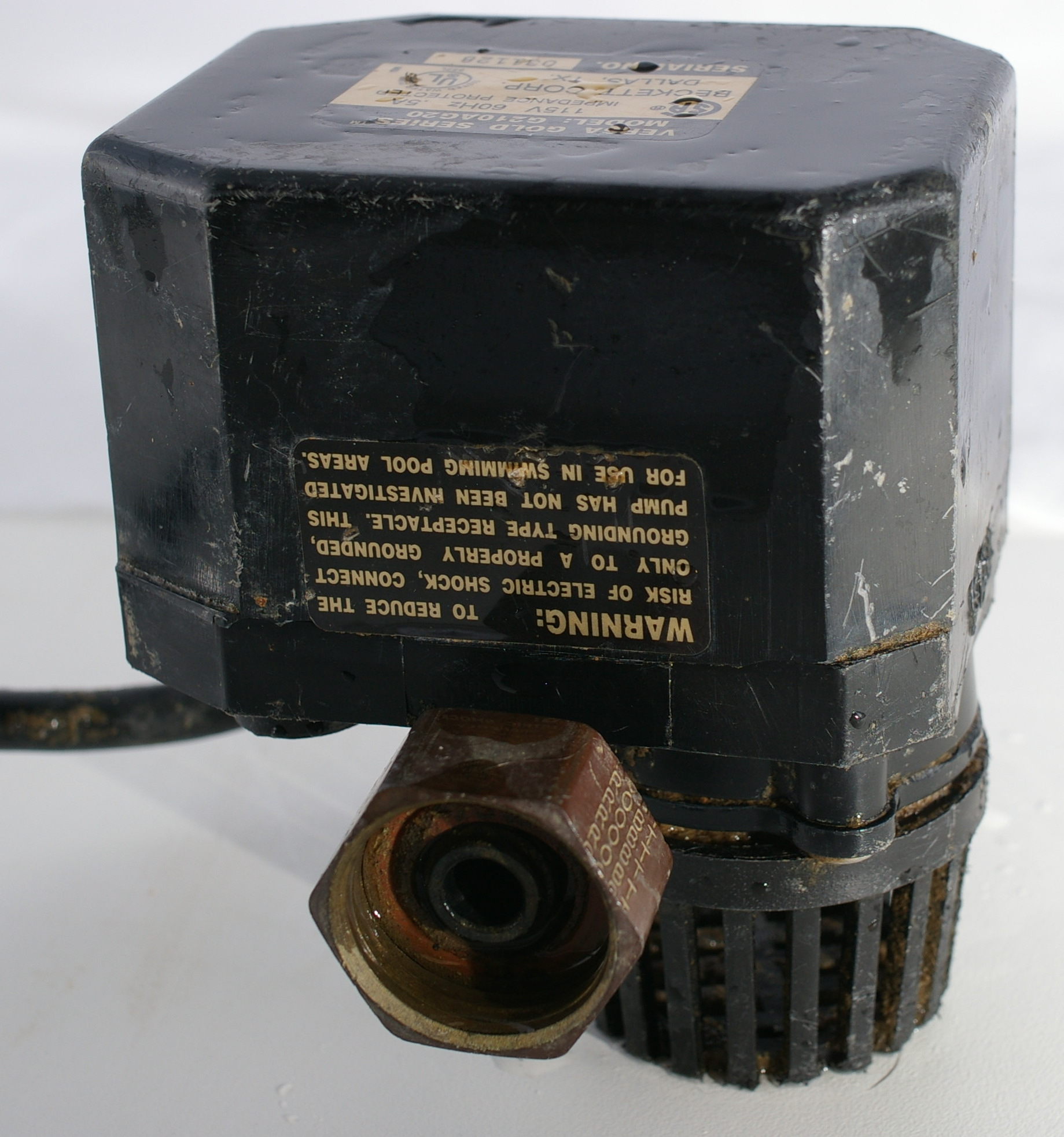
A pit cut into the slab at the lowest corner, with a pump in it, a float switch and a discharge pipe, and a piece of plywood over the top.
It ran on its own schedule and everybody in the house knew the sound. The pit is the admission that the basement is below the water table and that the building is managing an ongoing situation rather than having solved one.
8. Wiring That Had Been Added To Four Times
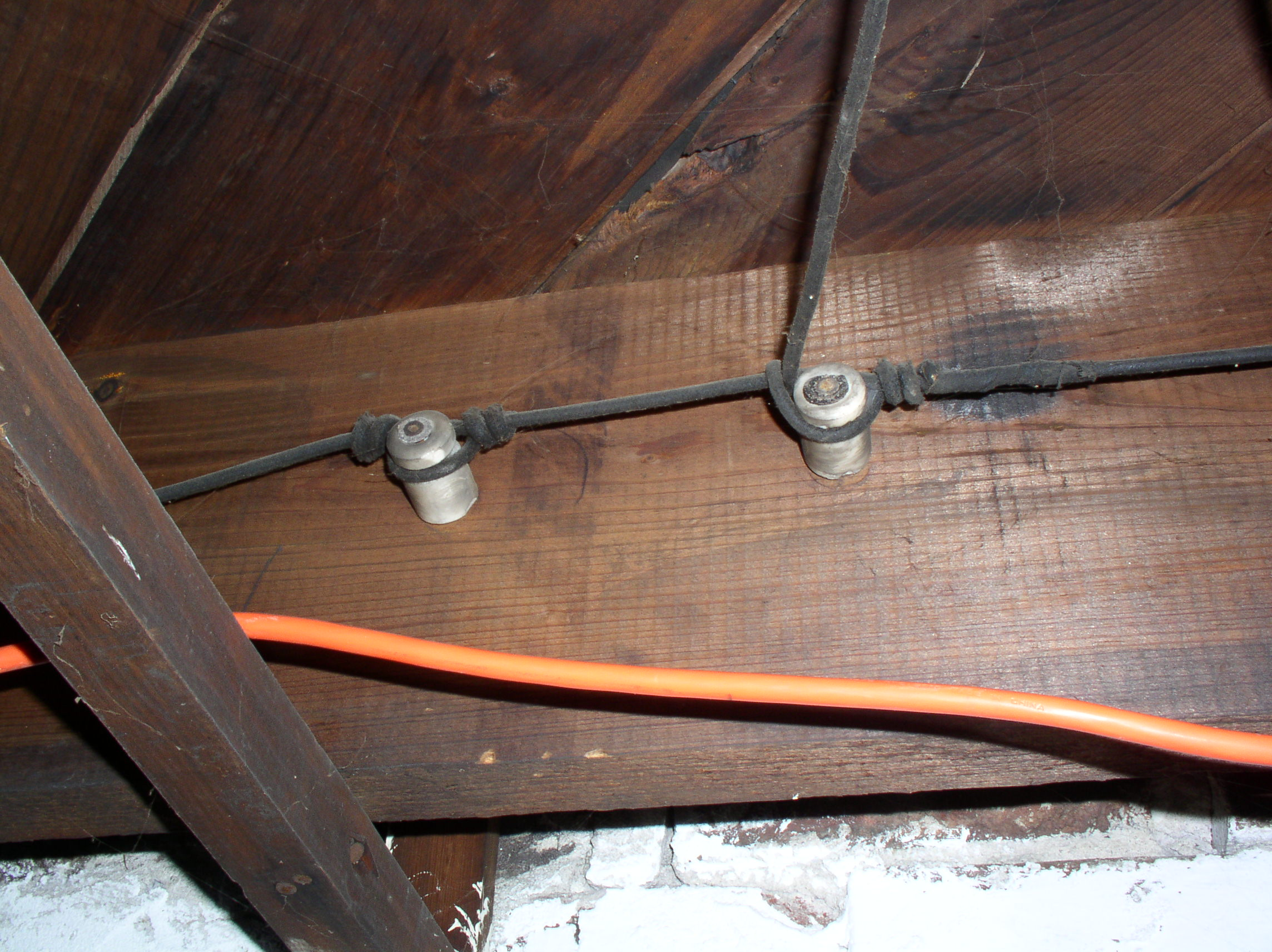
An original circuit, then extensions for the freezer, the bar, the workshop light and the television, run in whatever was to hand, spliced in boxes and in some cases not in boxes at all.
Basements were where American homeowners did their own electrical work, because the joists were open and nothing was hidden. That accessibility is why so much of it was added by hand and why an electrician entering a basement of this vintage starts by tracing rather than by testing.
9. A Workbench With a Vise and a Coffee Can of Mixed Hardware
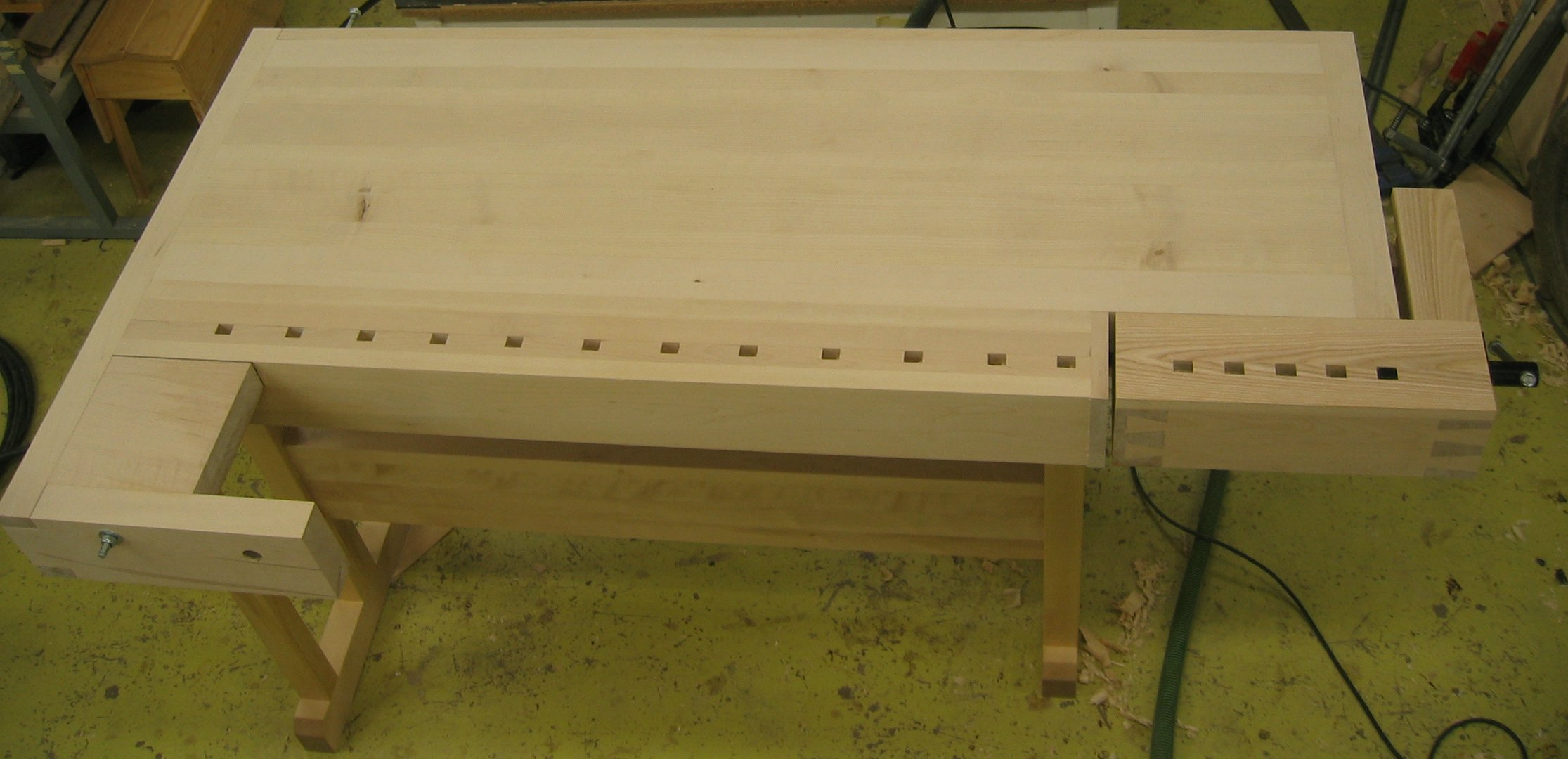
The bench was built in place from framing lumber, the vise was bolted to one end, and above it a pegboard held tools on hooks drawn around in marker.
The marker outline is the detail that dates it exactly. Pegboard with a traced silhouette for every tool is a 1950s industrial housekeeping idea that arrived in American homes through workshop magazines, and it was taken entirely seriously.
10. A Spare Refrigerator From Two Houses Ago
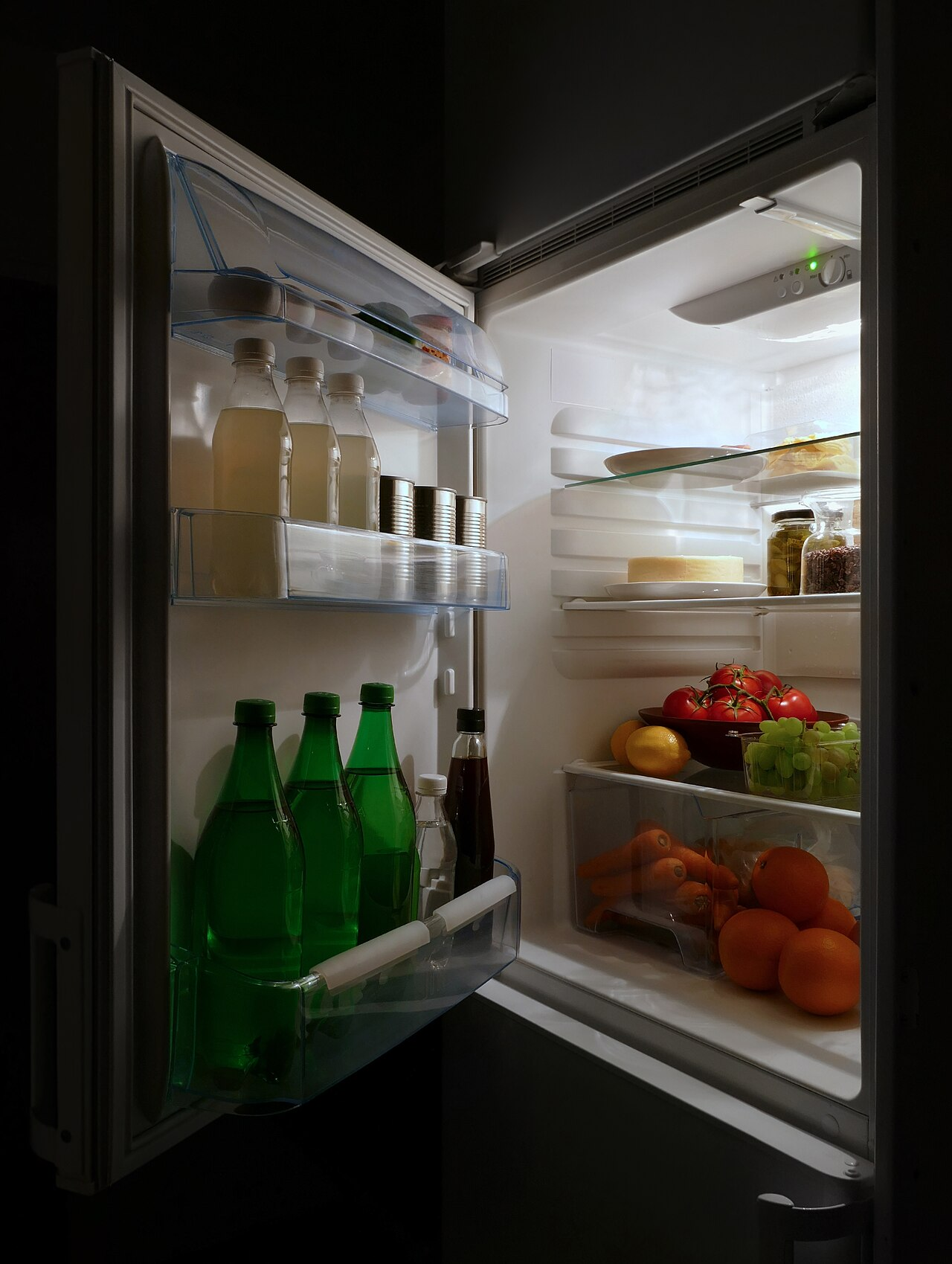
It was superseded upstairs, carried down, and kept running for decades holding drinks, bulk purchases and whatever did not fit in the kitchen.
The second refrigerator is an American domestic institution and the basement is where it lived. It ran at a fraction of the efficiency of the one that replaced it, which nobody calculated, because the appliance was free and the electricity was cheap.
11. A Set of Metal Shelves Holding Home Canning
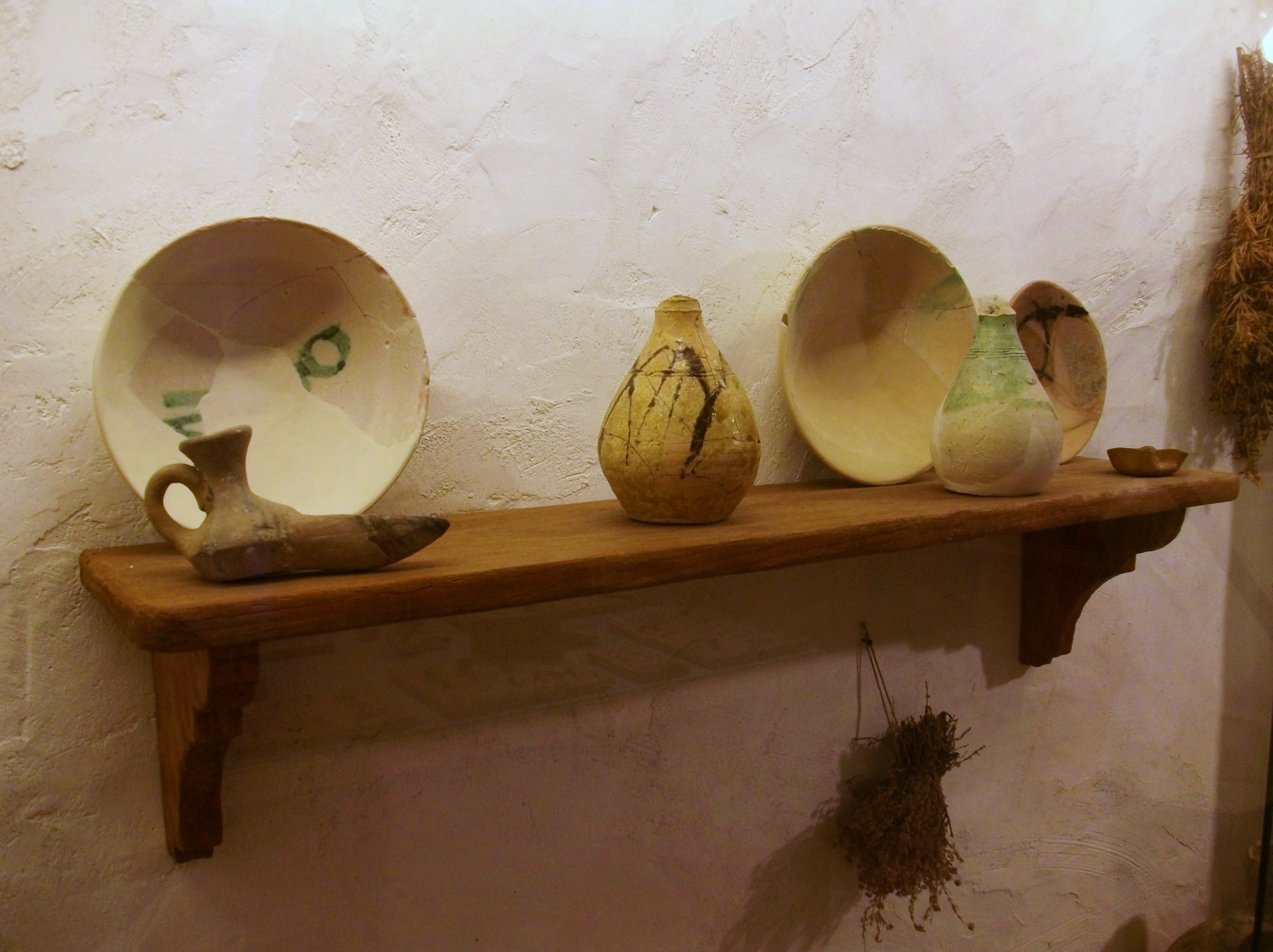
Jars with rings and lids, dated in pencil on masking tape, in quantities that assumed the household would eat what the garden produced.
Home preserving was still a mainstream American activity in 1974 rather than a revival, and the basement was the correct place for it – cool, dark and temperature-stable. The shelves usually outlasted the practice by thirty years.
12. A Laundry Area With a Line Strung Across It
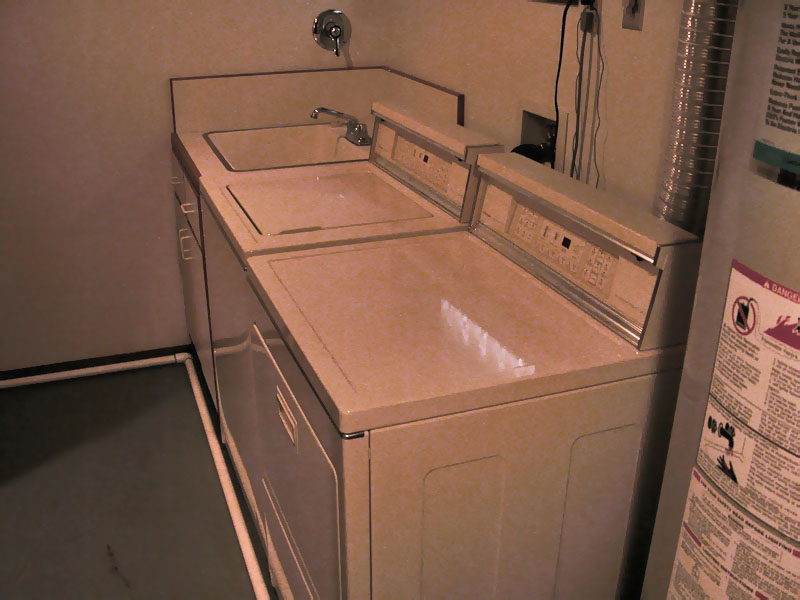
The washer, a utility sink, a folding surface and a cord or a set of wires stretched between the joists for anything that could not go in the dryer.
The indoor line is the part people forget. A basement line was used all winter and for every delicate item all year, and the reason a basement is a good place for it is the same reason it is a good place for canning.
13. A Cardboard Box Labelled in Marker That Was Never Opened
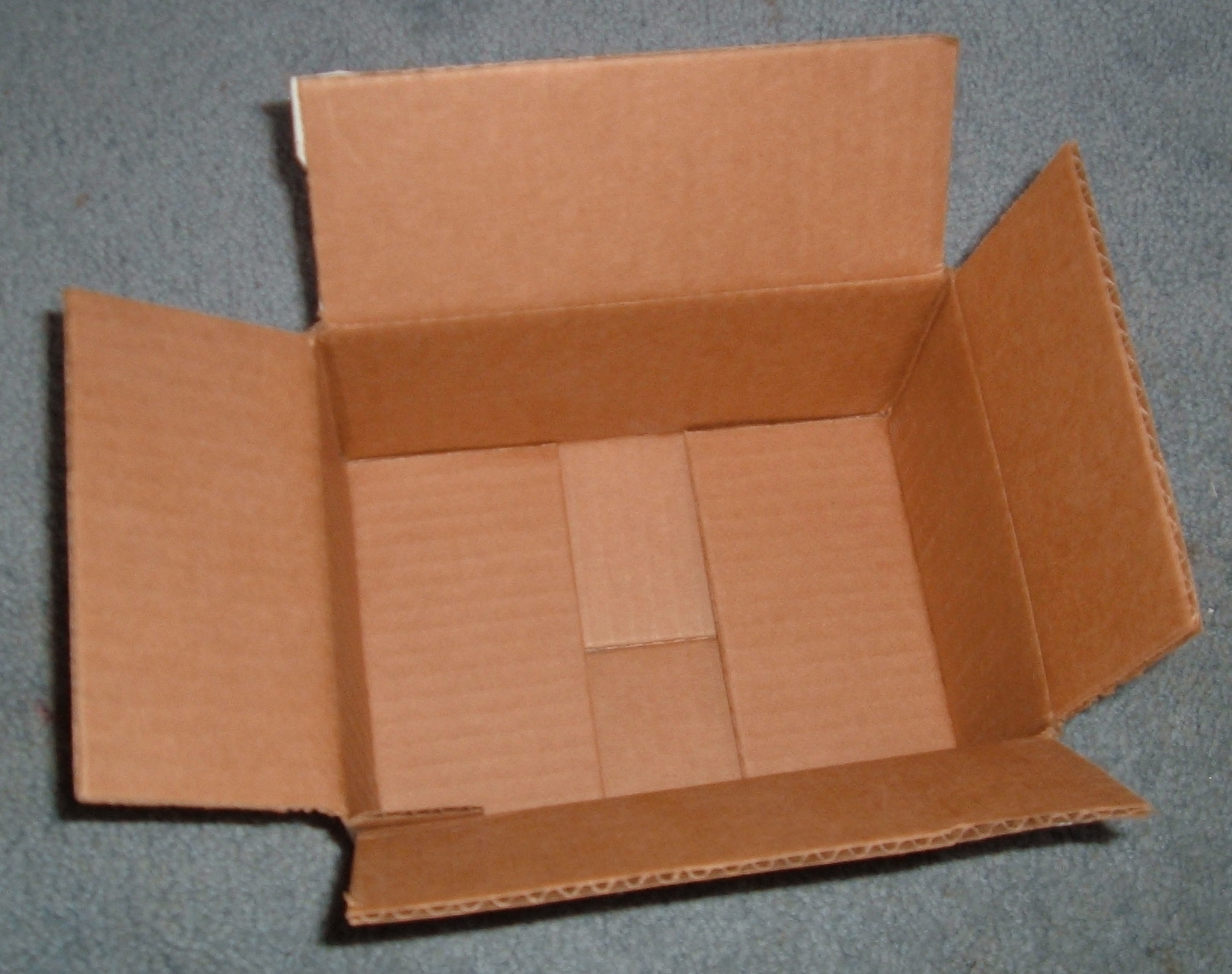
It came from a previous house, it was labelled with a room that no longer existed, and it was moved twice more without anybody looking inside.
The unopened box is the emotional centre of every American basement and it is a structural consequence of having one. A house with storage accumulates things nobody has to decide about, and the decision gets deferred for as long as the space exists.
14. A Shelf of Paint Cans in Colours No Longer in the House
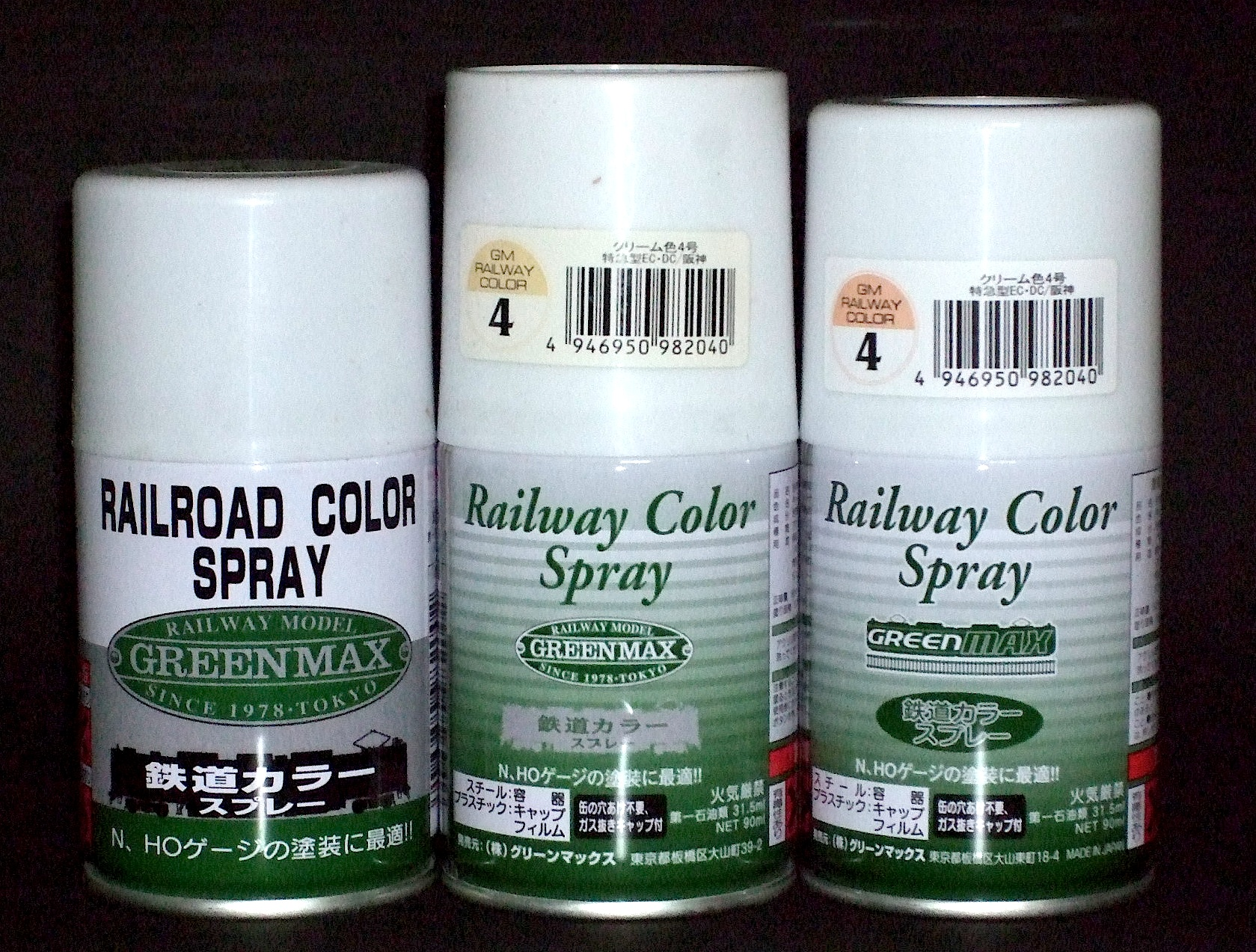
Half-full cans, lids hammered back on, labelled with a strip of tape, kept on the reasoning that a touch-up might one day be needed.
None of it was usable after the first year and all of it was kept. It is also, along with the solvents and the pesticides beside it, the reason municipal hazardous waste collection days exist and why a 1974 basement clear-out is a trip to a county facility rather than to a skip.
15. A Television That Was Put Down There Rather Than Thrown Away
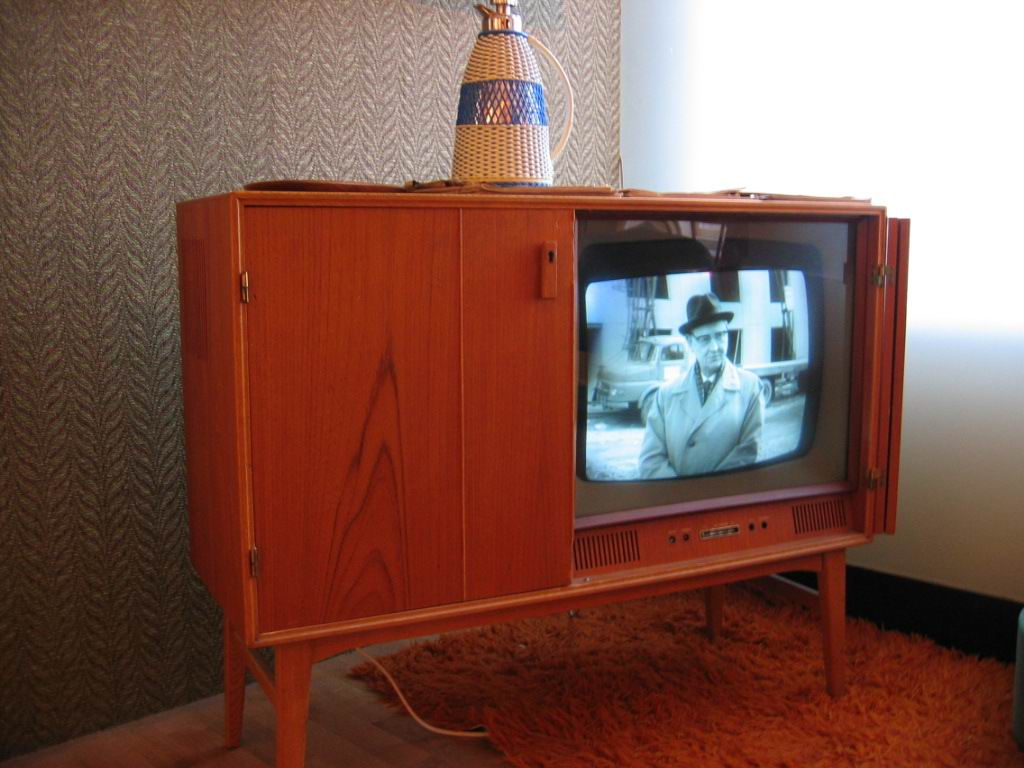
It still worked, the picture had gone slightly wrong in some specific way, and it was the set anybody under fifteen was allowed to use without negotiation.
The basement set is how a generation of American children got unsupervised viewing, and it arrived by the same route as the refrigerator – superseded upstairs, too functional to discard, and therefore carried down the stairs by two people.
16. A Door at the Top of the Stairs That Was Kept Shut
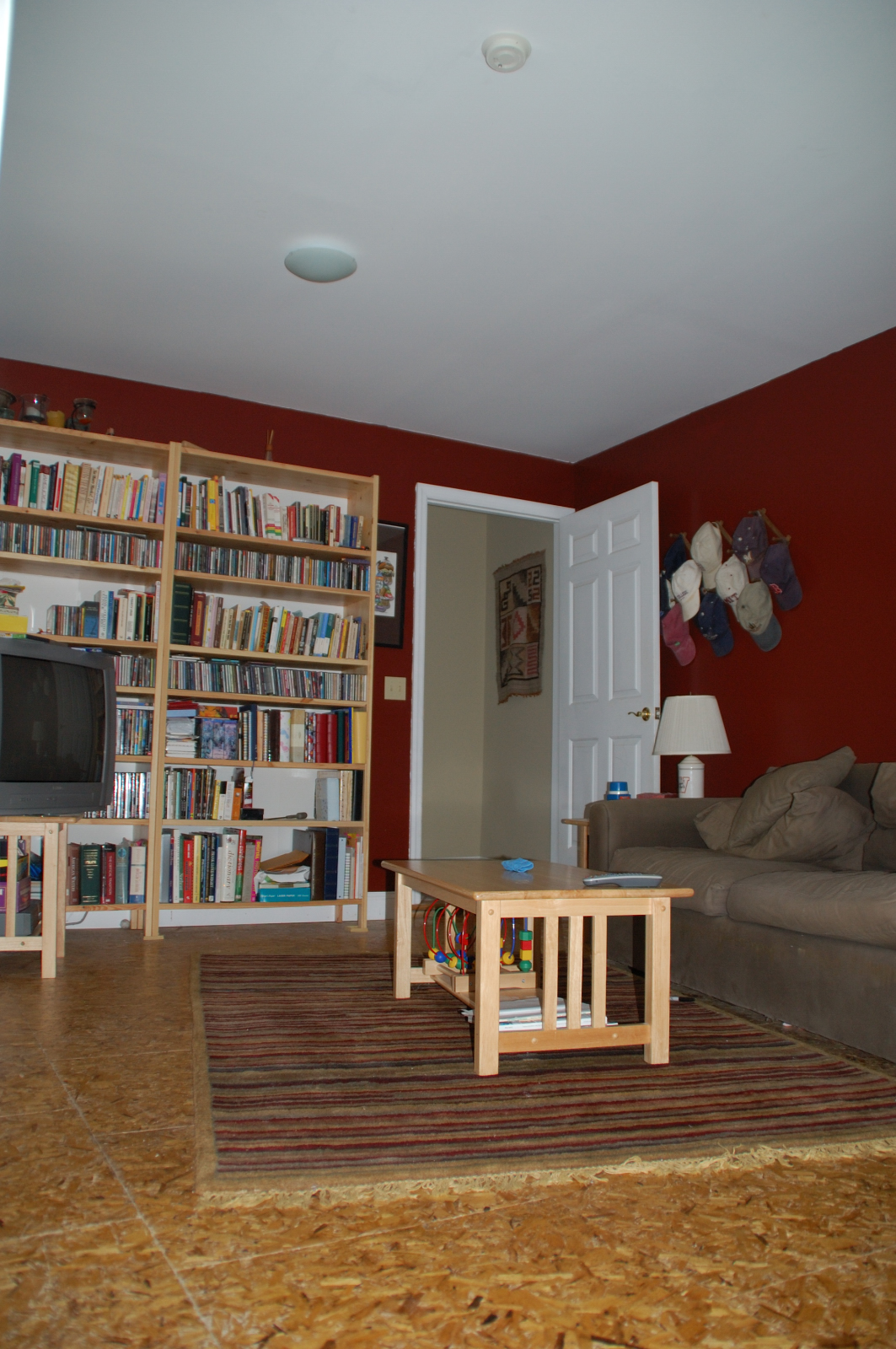
The basement was treated as outside the house proper: a different temperature, a different smell, a different set of rules, with a door between it and the living space.
That boundary is the thing that made the basement what it was. A space that is inside the building and outside the household is where the overflow goes, where the work happens, and where a child could be for two hours without anybody checking.
17. Almost Everything Down There Was Something the House Could Not Throw Away
Read the list again. The second refrigerator, the superseded television, the paint, the boxes, the ping-pong table, the canning shelves and the bar.
A basement is not a room with a purpose. It is the consequence of having volume that does not have to justify itself, and an American house of 1974 had more of that than almost any dwelling in the world. Which is why the basement is where the household’s real history ended up, and why clearing one out is such a specific kind of afternoon.
Volume That Did Not Have to Justify Itself
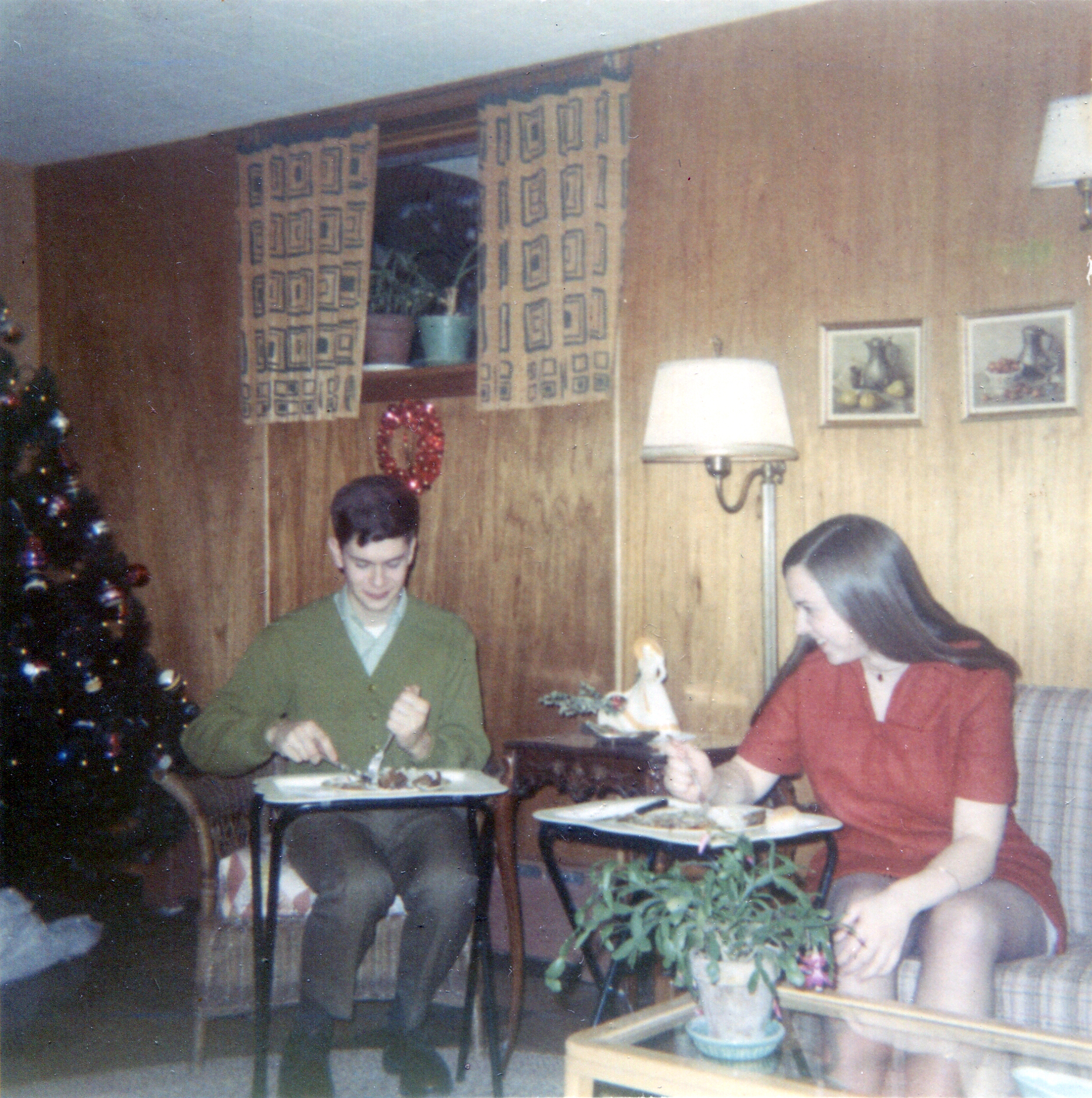
The American basement is a product of the frost line. In most of the country a foundation has to go below the depth at which the ground freezes, which means a hole has already been dug – and once you have dug it, finishing the walls and pouring a floor is comparatively cheap. A European house on a shallow foundation does not get the space for nearly free, which is most of why this list has no equivalent anywhere else.
What that free volume produced was a room with no assigned function, and the list is the result. The second refrigerator, the paint shelf, the unopened boxes and the ping-pong table all exist because nobody had to decide about them. The bar, the panelling and the carpet exist because the space could be finished cheaply by one person at a weekend. And the furnace lagging, the wiring, the sump and the paint exist because this was also the mechanical room, and the mechanical room was where a homeowner did his own work.
Four items on the list – the lagging, the older wiring, the paint and solvents, and in some houses the pipework itself – are now handled under rules that did not exist when they were installed. That is not a comment on the people who put them there. It is what happens when a space is used for forty years before anybody writes a rule about it.
Anybody who grew up with one knows the smell and the sound of the sump going on at two in the morning. The boxes are probably still there.
Like our content? Follow us for more.