Peat forms where the ground is too wet and too acidic for dead plant material to rot completely, so it piles up instead. That single condition produces a landscape that is also an archive. Here are seventeen.
1. Nothing Rots Properly
Waterlogged ground has almost no oxygen, and the decomposers that break down plant material cannot work without it – so material accumulates rather than disappearing.
That is the whole mechanism. Incomplete decomposition is why peat exists at all.
Like our content? Follow us for more.
2. It Builds at About a Millimetre a Year
Accumulation is extremely slow, which means a metre of peat represents something in the order of a thousand years of vegetation.
A deep peat face is a very long record. Slow accumulation is what makes the depth meaningful.
3. The Bottom Is the Oldest Part
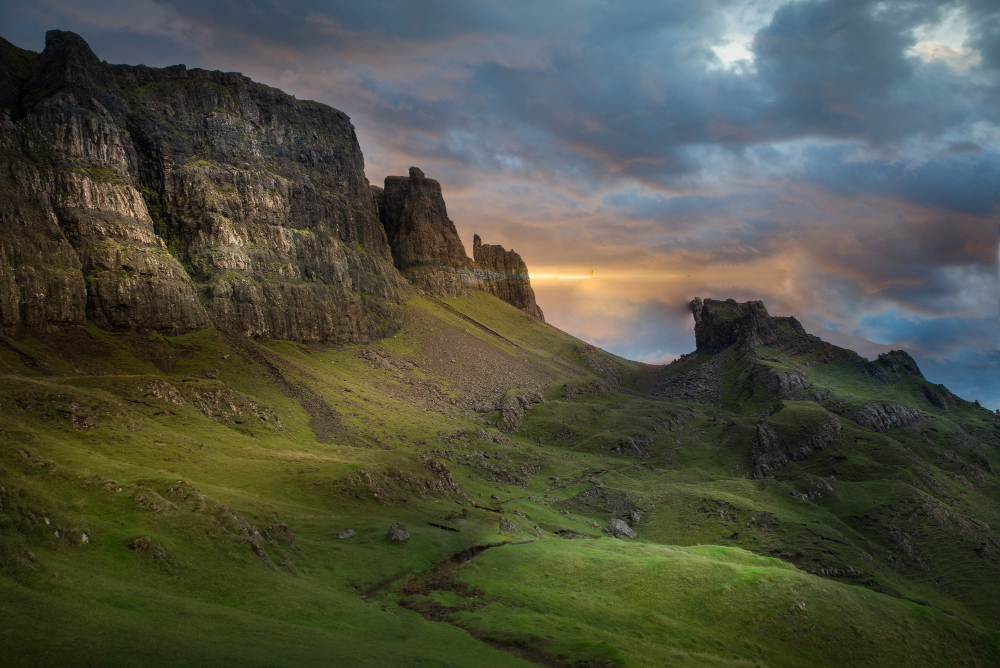
Because it builds upward, the sequence runs in order – the deepest material is the earliest, and a vertical face reads as a timeline.
It is stratigraphy in vegetation rather than rock. Ordered accumulation is why cores are taken.
4. The Pollen Is Still In It
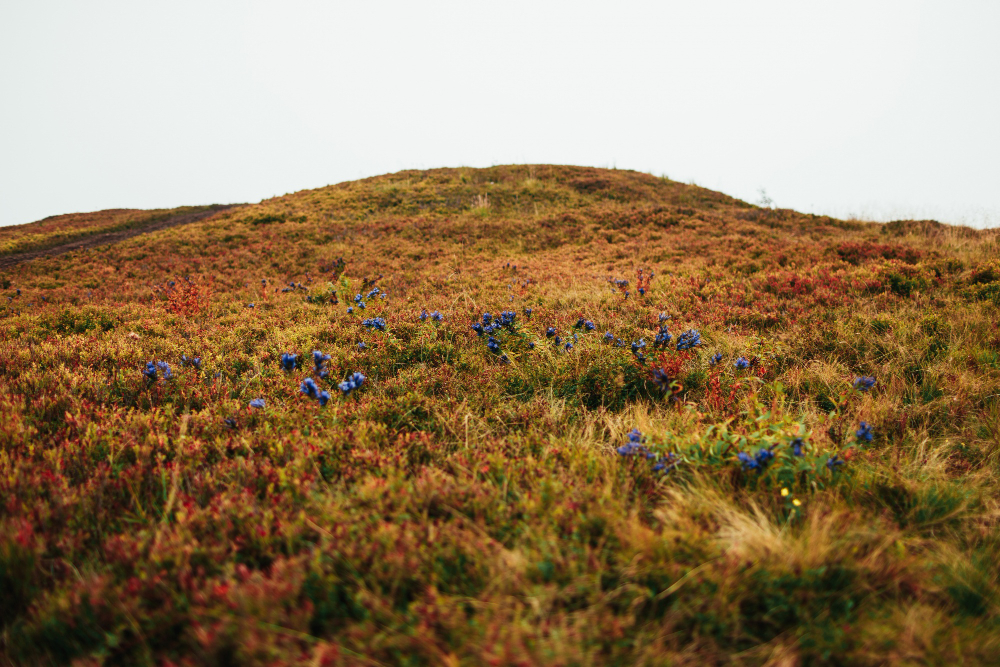
Pollen grains have durable outer coats and survive in the acidic waterlogged conditions, which means each layer holds a sample of what was flowering when it formed.
Identifying it reconstructs the vegetation. Preserved pollen is the specific record peat keeps.
5. There Are Tree Stumps Underneath
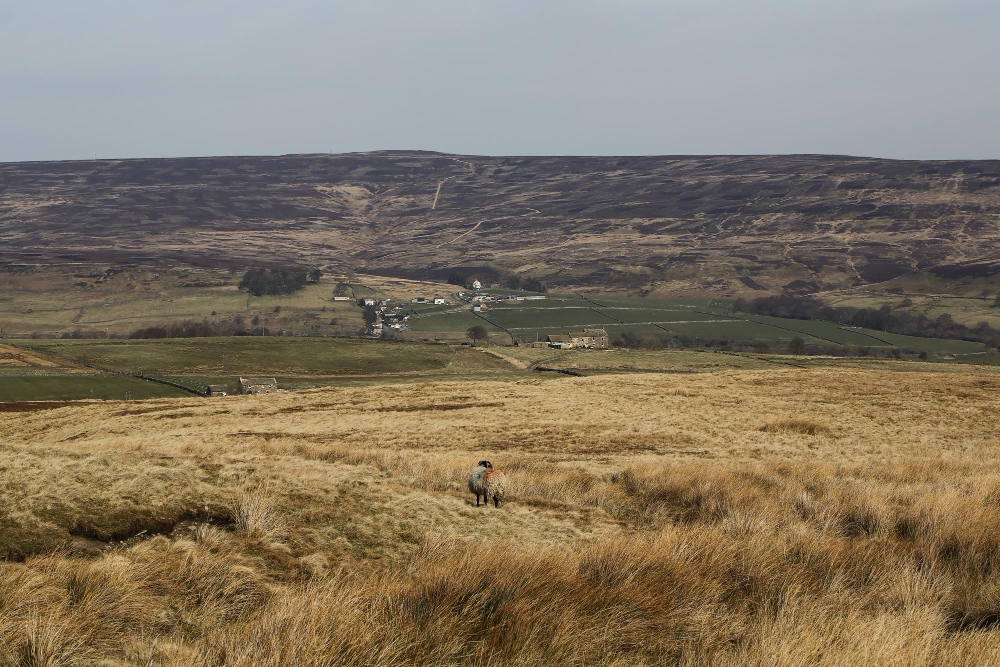
Beneath the peat in a great many places are the preserved stumps and roots of trees, which grew on the ground before conditions became too wet.
They emerge where peat erodes away. Buried woodland is the direct evidence that the moor is not the original state.
6. The Moor Is Younger Than It Looks
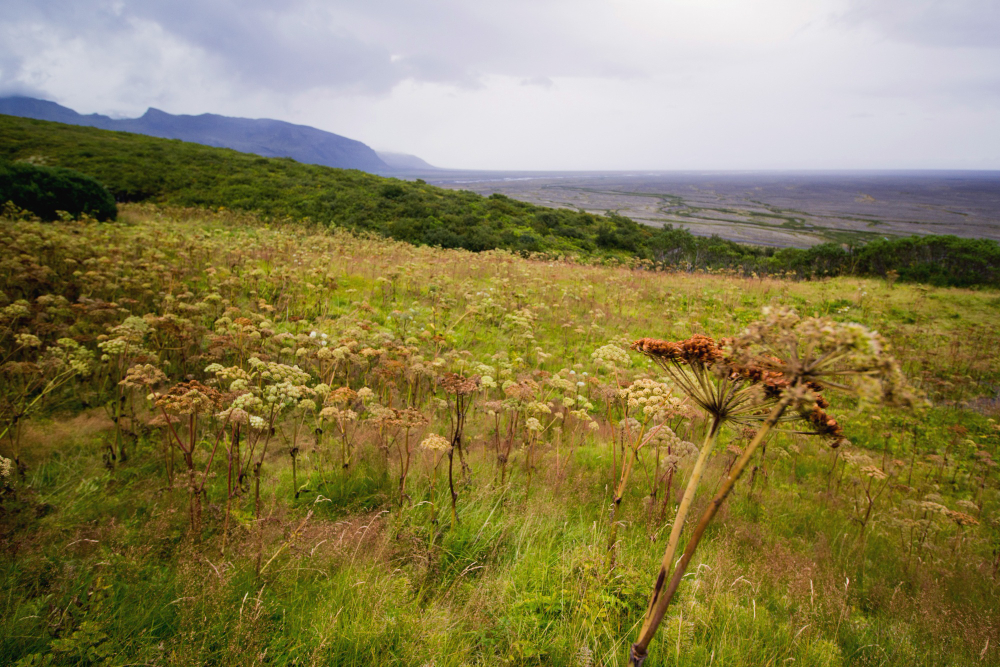
The combination of dated peat and buried trees establishes that these landscapes developed over the last few thousand years, replacing woodland rather than predating it.
They look ancient and are comparatively recent. Recent formation is the fact that reframes the whole landscape.
7. It Is Mostly Water
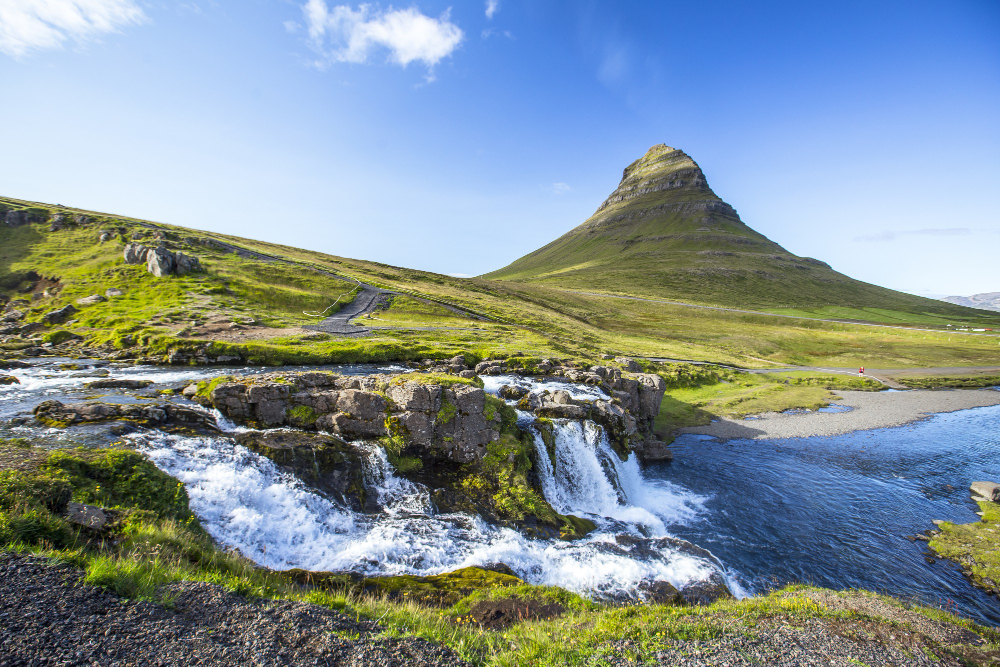
Peat is water by a very large proportion of its volume, held within the structure of partly decayed plant material rather than sitting on top of it.
It behaves like a saturated sponge. High water content is why the ground moves underfoot.
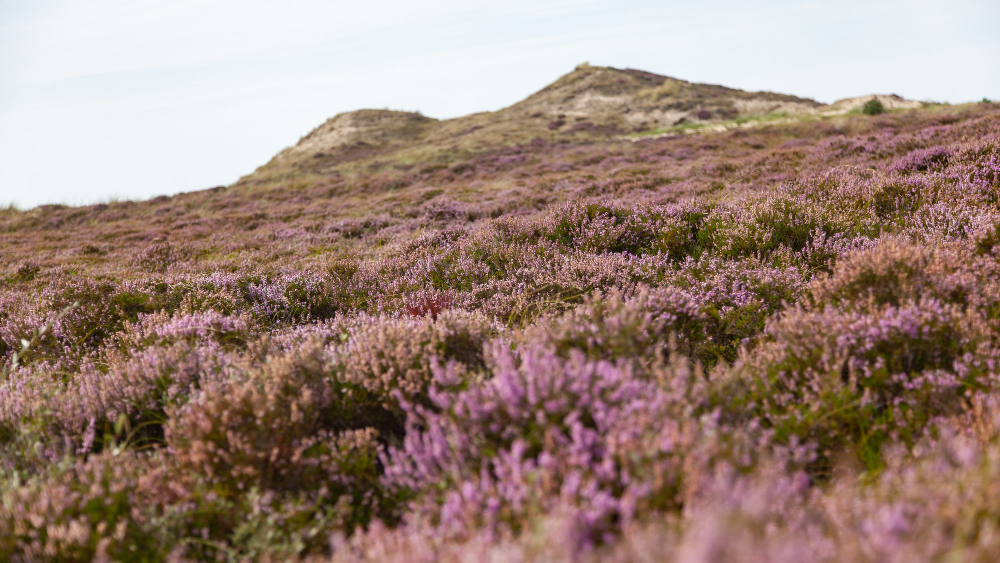
8. The Heather Is There Because of Management
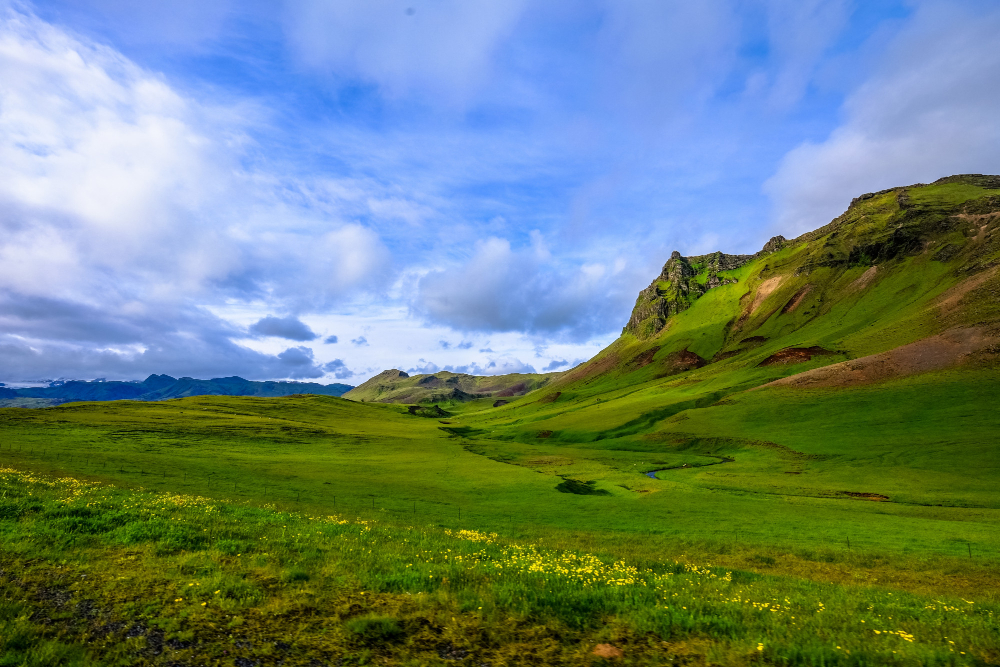
Moorland vegetation is maintained by grazing and periodic burning, and without them a substantial proportion would revert through scrub toward woodland.
The plant community reflects the treatment. Managed vegetation is why the moor looks uniform.
9. And the Uniformity Is the Clue
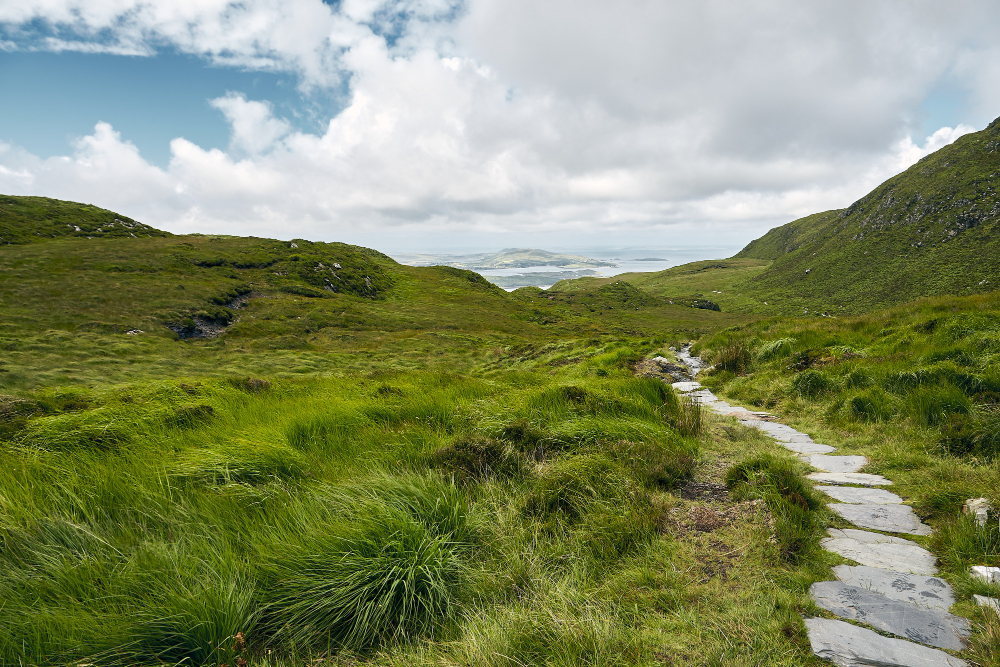
A landscape dominated by one or two plant species across an enormous area is generally being managed rather than finding its own balance.
Natural communities are more varied. Species uniformity is the visible signature of management.
10. The Straight Ditches
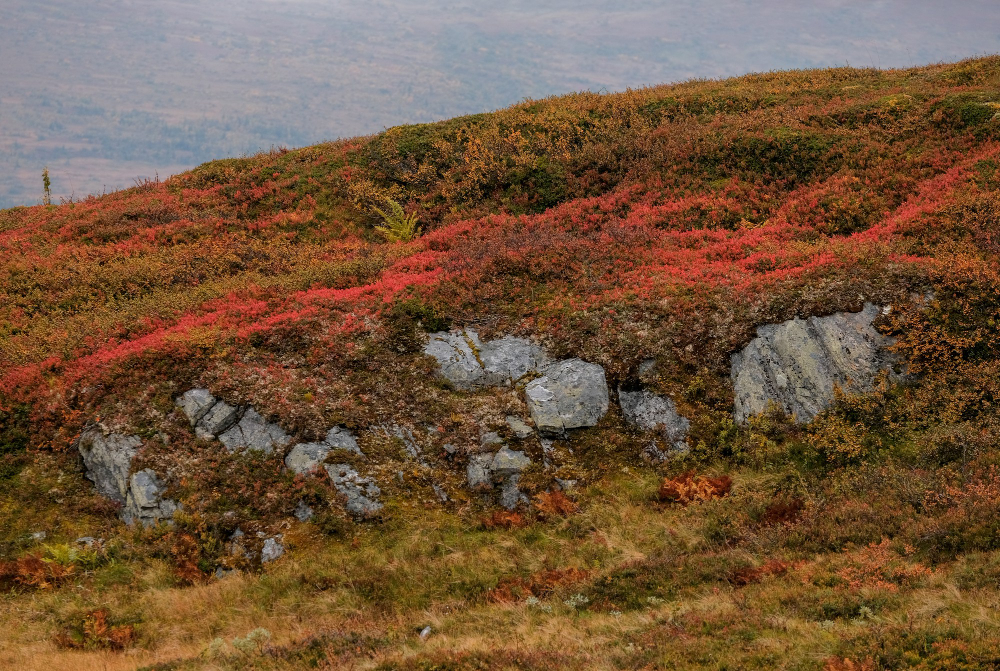
Narrow channels cut in straight lines across the surface were dug to drain the ground for grazing, and a great many are now deliberately blocked again.
They are unmistakably artificial. Drainage channels are the most visible intervention on any moor.
11. The Gullies That Cut Down to the Rock
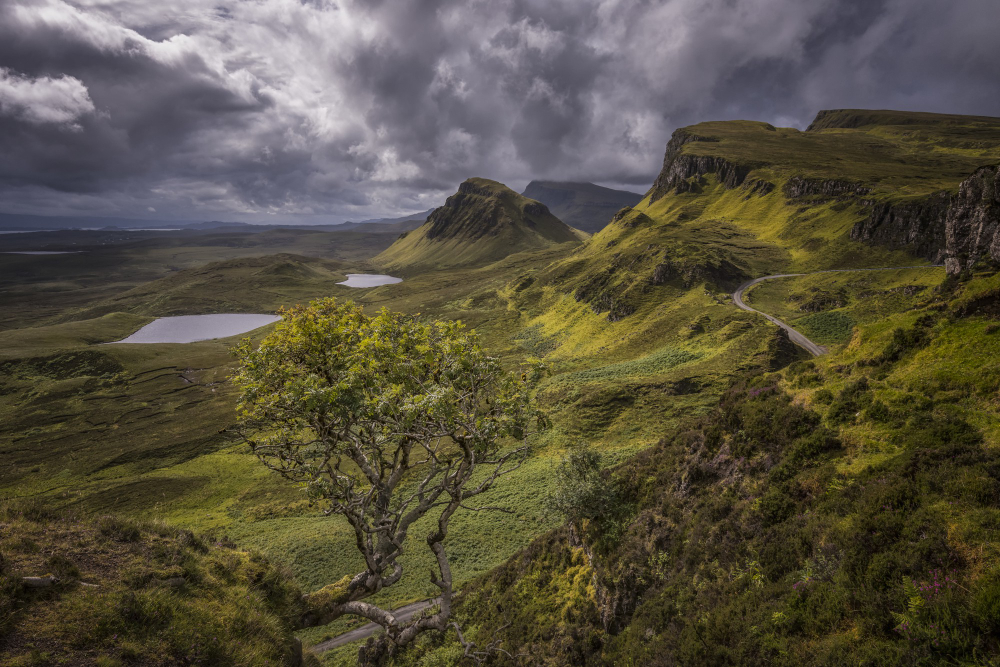
Where the surface has been breached, water erodes channels through the peat, sometimes down to the mineral ground beneath, exposing the full depth.
Those faces are where the record is readable. Erosion gullies are the cross-sections the landscape cuts itself.
12. The Isolated Lumps Left Standing
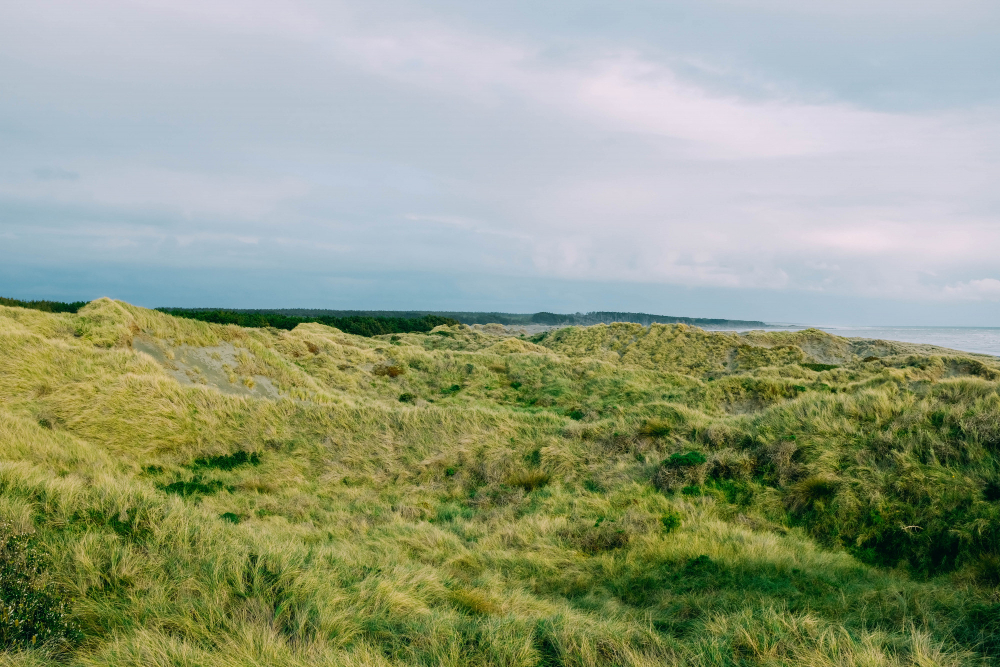
Where erosion has removed most of a surface, isolated remnants stand above the surrounding ground, capped with the vegetation that used to cover everything.
They show the former level. Peat hags are the measure of what has gone.
13. The White Tufts in Summer
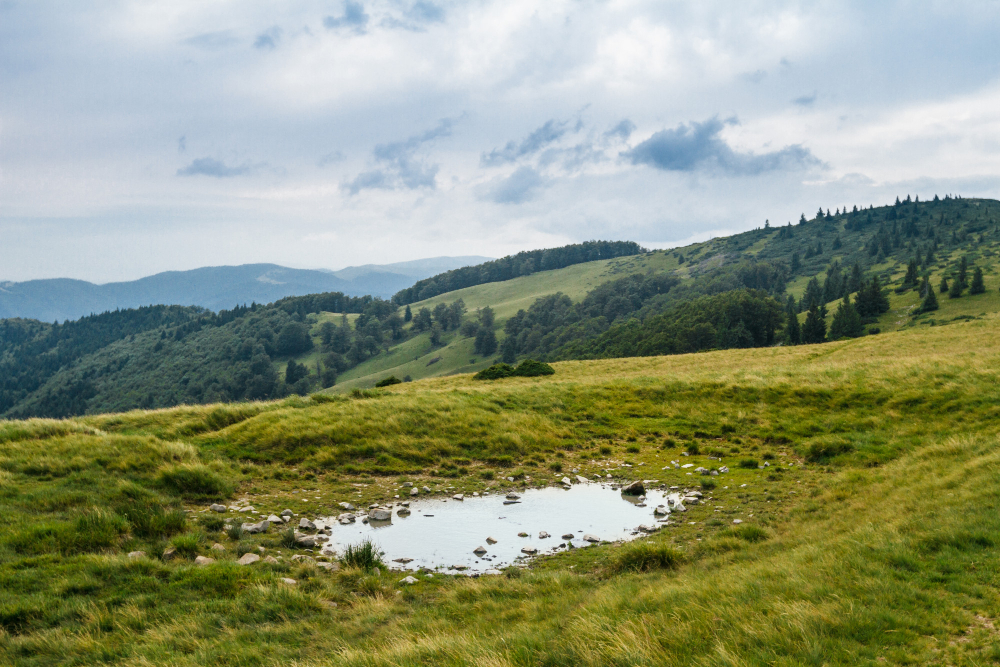
Certain plants with conspicuous seed heads grow specifically in the wettest ground, which makes them a reliable indicator of where not to walk.
They mark the worst going. Wetness indicators are the vegetation telling you about the ground.
14. The Moss That Builds It
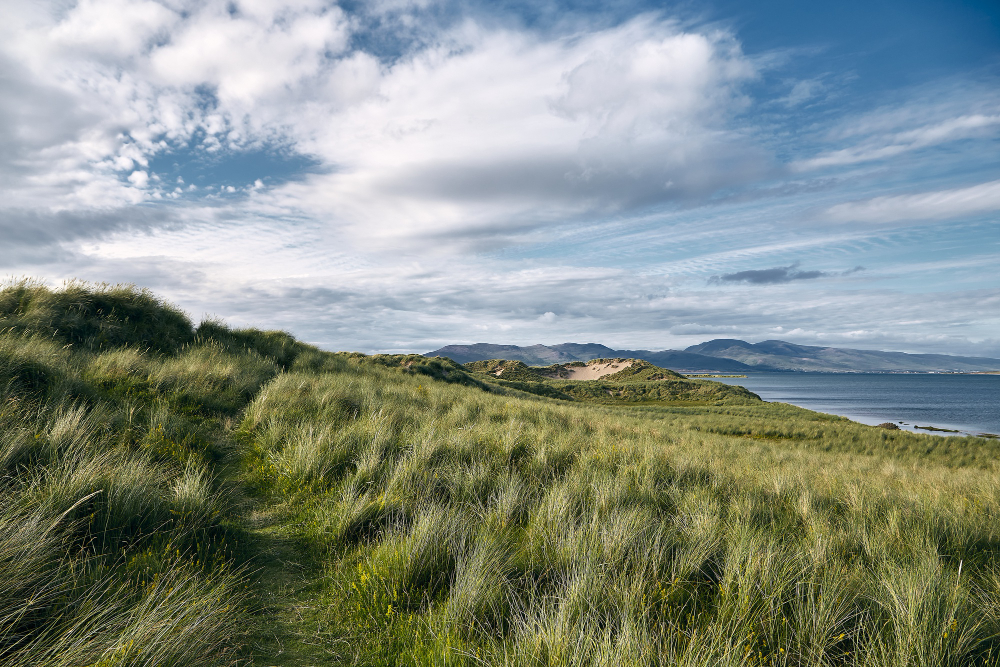
A particular group of mosses holds many times its own weight in water, acidifies its surroundings and forms the bulk of the material that becomes peat.
It is the engineer of the whole system. The bog moss is the plant the landscape is made of.
15. The Water Running Off It
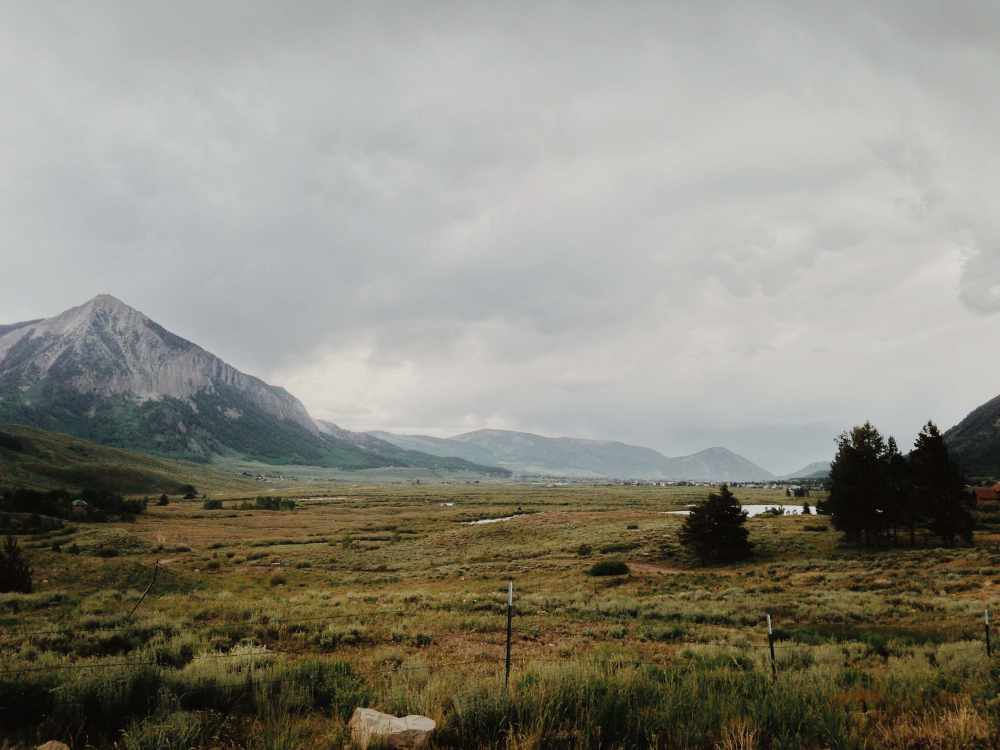
Upland peat holds and releases water slowly, and its condition affects how quickly rain reaches the rivers below – which is why the state of the ground matters far downstream.
Intact and eroded peat behave differently. Water regulation is the function that operates outside the moor entirely.
16. The Colour of the Streams
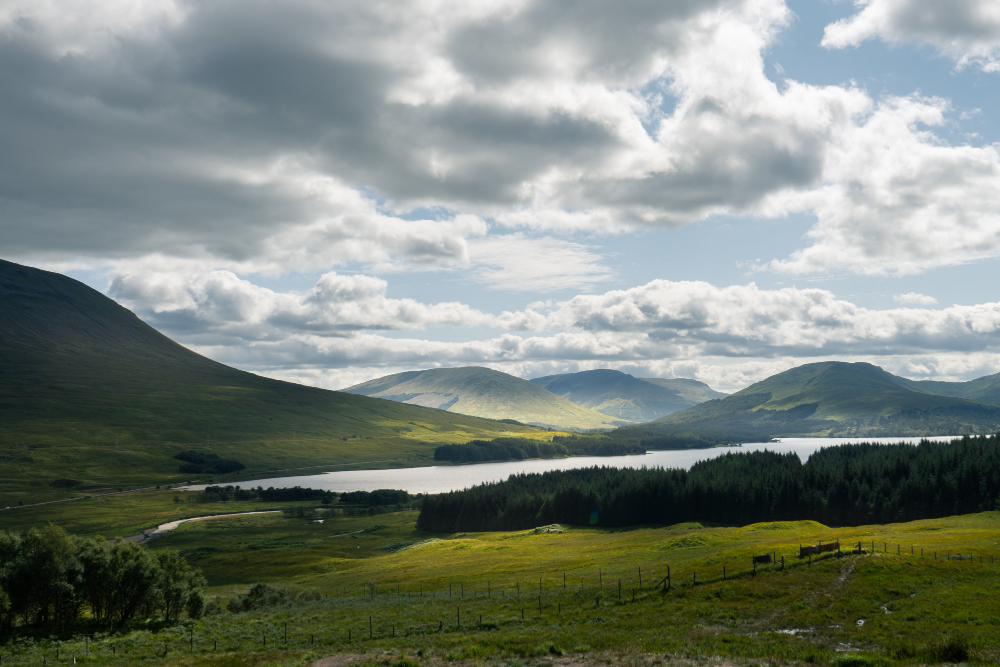
Water draining from peat carries dissolved organic material that stains it brown, which is characteristic and entirely natural.
It is the peat in solution. Stained water is the moor visible in the rivers.
17. An Enormous Amount of Carbon Is Stored In It
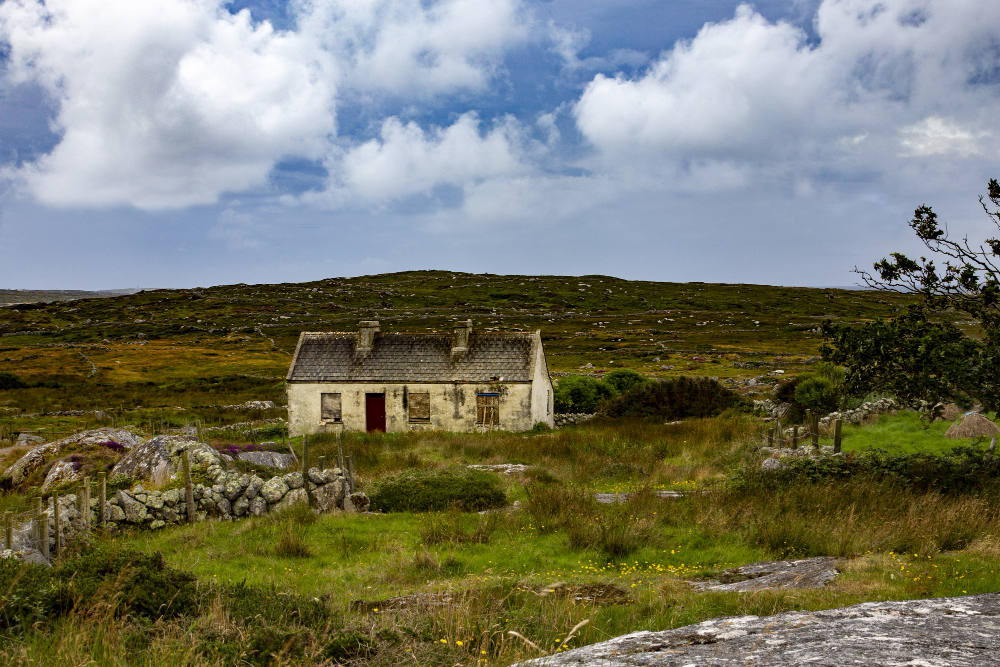
Because the material is accumulated plant matter that never decomposed, peatland holds a very large quantity of carbon by volume – more than the vegetation growing on top of it.
That is a physical property of the material. Stored carbon is what several thousand years of incomplete rotting amounts to.
A Landscape That Kept Its Own Record
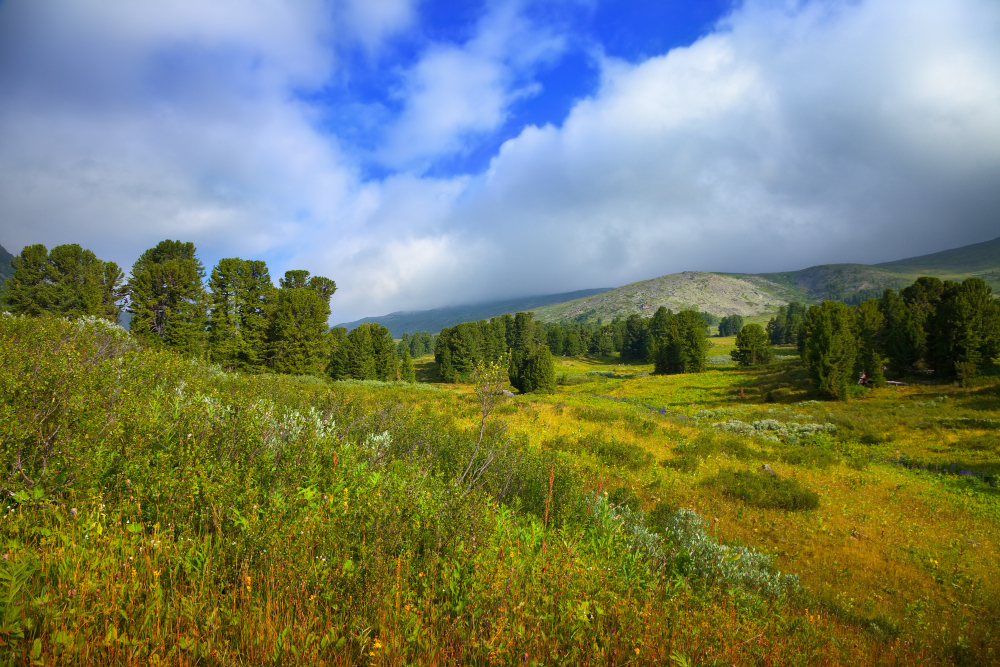
Waterlogging preventing decay, a millimetre a year, pollen in every layer, tree stumps at the bottom and a vegetation community shaped by how the ground has been treated.
Practical notes: peat ground is substantially wetter and deeper than it appears, channels between eroded sections are disorienting because they all look alike and obscure the horizon, and visibility on upland can change within minutes. The wet-ground indicator plants are worth learning to recognise, and marked paths across peat exist because the unmarked ground is hard going.
Like our content? Follow us for more.