The American national parks of the mid-nineteen-sixties were enormously popular, newly accessible by interstate highway, and run on a philosophy that is now almost unrecognisable. The job of a park, as broadly understood, was to show visitors a good time in spectacular scenery. Protecting the place from the visitors was a secondary concern, and protecting the visitors from themselves was barely a concern at all.
What follows is seventeen things an ordinary family could do in an American national park in 1965. Some of them were simply the normal way of visiting. Some were park-run entertainment. And nine of them would, today, get a visitor cited, fined or escorted out – in a few cases all three.
1. Feed Bears From the Car Window
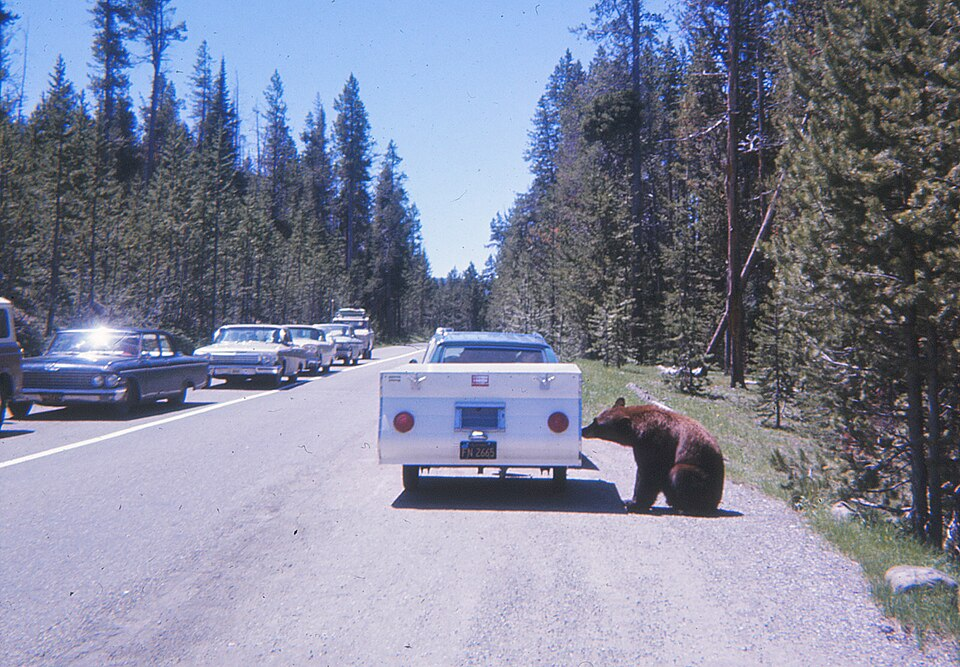
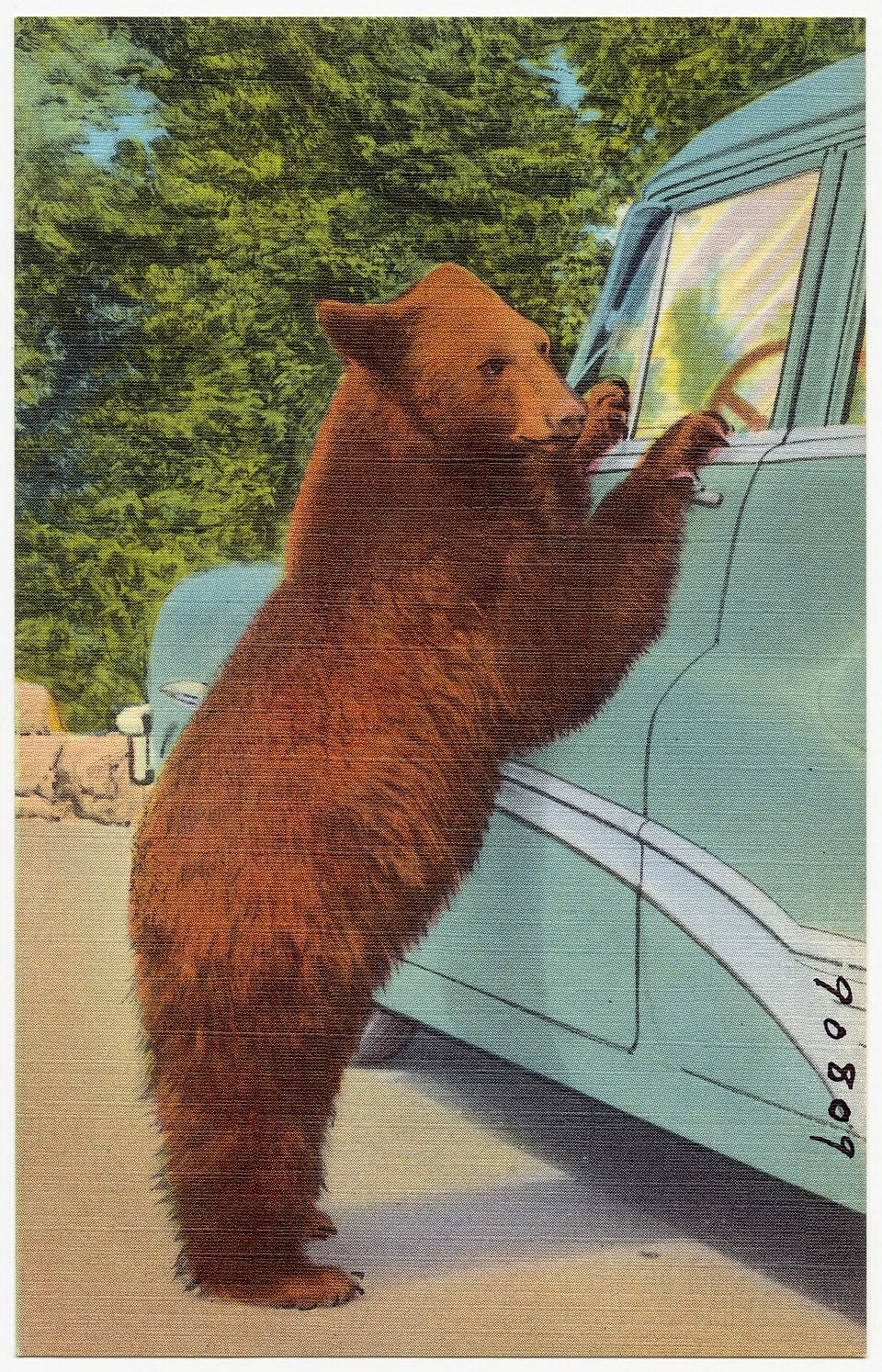
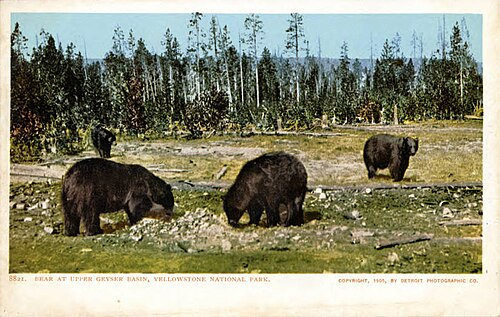
Roadside bear feeding was the single most popular activity in several American parks, and it was entirely routine. Traffic would stop wherever a bear appeared, and people would hold food out of car windows while bears stood on running boards and reached in.
The animals had learned the behaviour over decades because it worked. Park staff tried to discourage it with signs and leaflets, but there was no serious enforcement, and the pictures families brought home encouraged the next year’s visitors to do the same. This one is now a serious violation in every American park, with substantial fines – and it is the single clearest line between then and now.
Like our content? Follow us for more.
2. Watch Bears Eat Garbage as an Evening Show
Several parks had maintained open rubbish dumps where bears gathered to feed, and visitors came in the evening to watch. In some places bleachers were built, the area was floodlit, and the feeding was effectively a scheduled performance.
It was good entertainment and it drew crowds. It also produced generations of bears entirely dependent on human refuse, which caused problems that took decades to unwind. Open dumps and bear-feeding shows are long gone, and approaching a bear at all is now prohibited.
3. Drive Right Up to Almost Anything
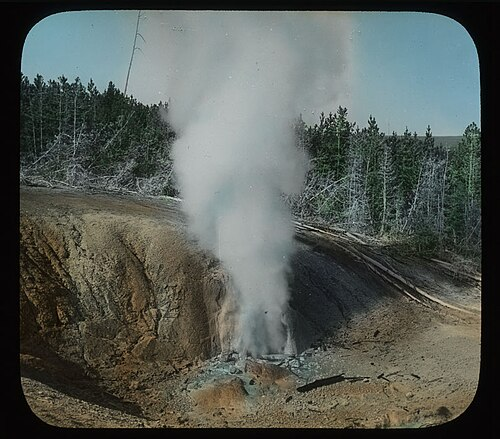
Park roads of the period ran closer to features than they generally do now, and pull-offs, spurs and loops took cars to the edge of canyons, geyser basins, meadows and lakeshores. The expectation was that the scenery should be visible through a windscreen.
The design reflected the era’s view of what a park visit was: a drive with stops. Walking was for enthusiasts. A number of those roads and spurs have since been closed, rerouted or turned into footpaths, and driving off the formed surface is now an offence.
4. Park Wherever There Was Room
Verges, meadows, gravel bars and flat ground near a feature all served as car parks. If a family wanted to stop, they stopped, and nobody thought about what was under the tyres.
Volumes were lower and the damage was less visible, though it was real. Parking outside designated areas is now enforced, and in fragile locations the fines are significant.
5. Collect Rocks, Plants, Antlers and Fossils
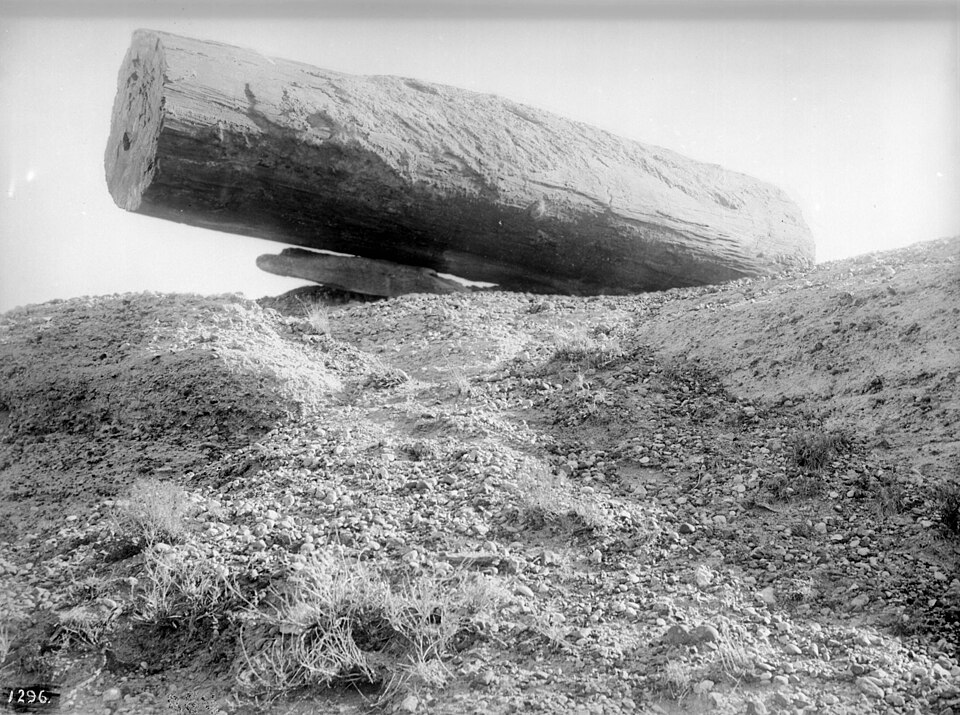
Taking a souvenir home was ordinary. Children filled bags with interesting stones, families dug up plants for the garden, people carried off antlers, petrified wood and fossils, and nobody considered it taking anything that was not freely available.
The accumulated effect over millions of visitors was enormous, particularly in the geologically interesting parks. Collecting almost anything is now prohibited, and removing petrified wood or fossils can bring a federal charge.
6. Throw Things Into Canyons and Geysers
Dropping objects off an overlook to watch them fall was a widespread amusement, and so was throwing coins, handkerchiefs and rubbish into hot springs and geysers to see what happened.
Items thrown into thermal features caused real and sometimes permanent damage to plumbing that had taken thousands of years to form. Both are now prohibited and vigorously enforced, and some thermal features never recovered.
7. Carve Your Name
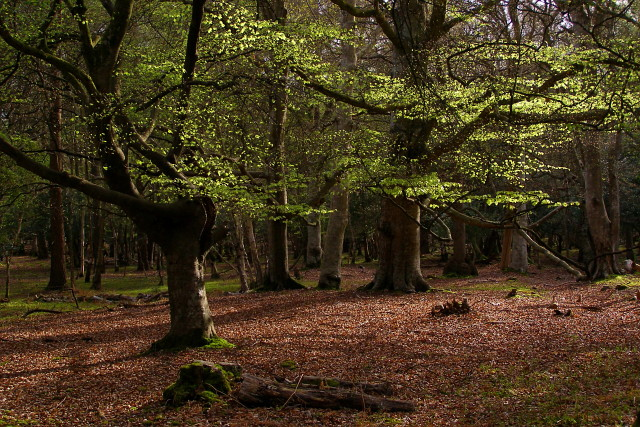
Names and dates cut into trees, rock faces, lodge timbers, railings and benches were an accepted part of park furniture. Some of it had been accumulating since the nineteenth century, and a visitor adding to it was joining a tradition rather than breaking a rule.
The older inscriptions are now protected historic marks while new ones are vandalism, which is a distinction that would have baffled a 1965 visitor. Carving anything is now a prosecutable offence.
8. Build a Campfire Essentially Anywhere
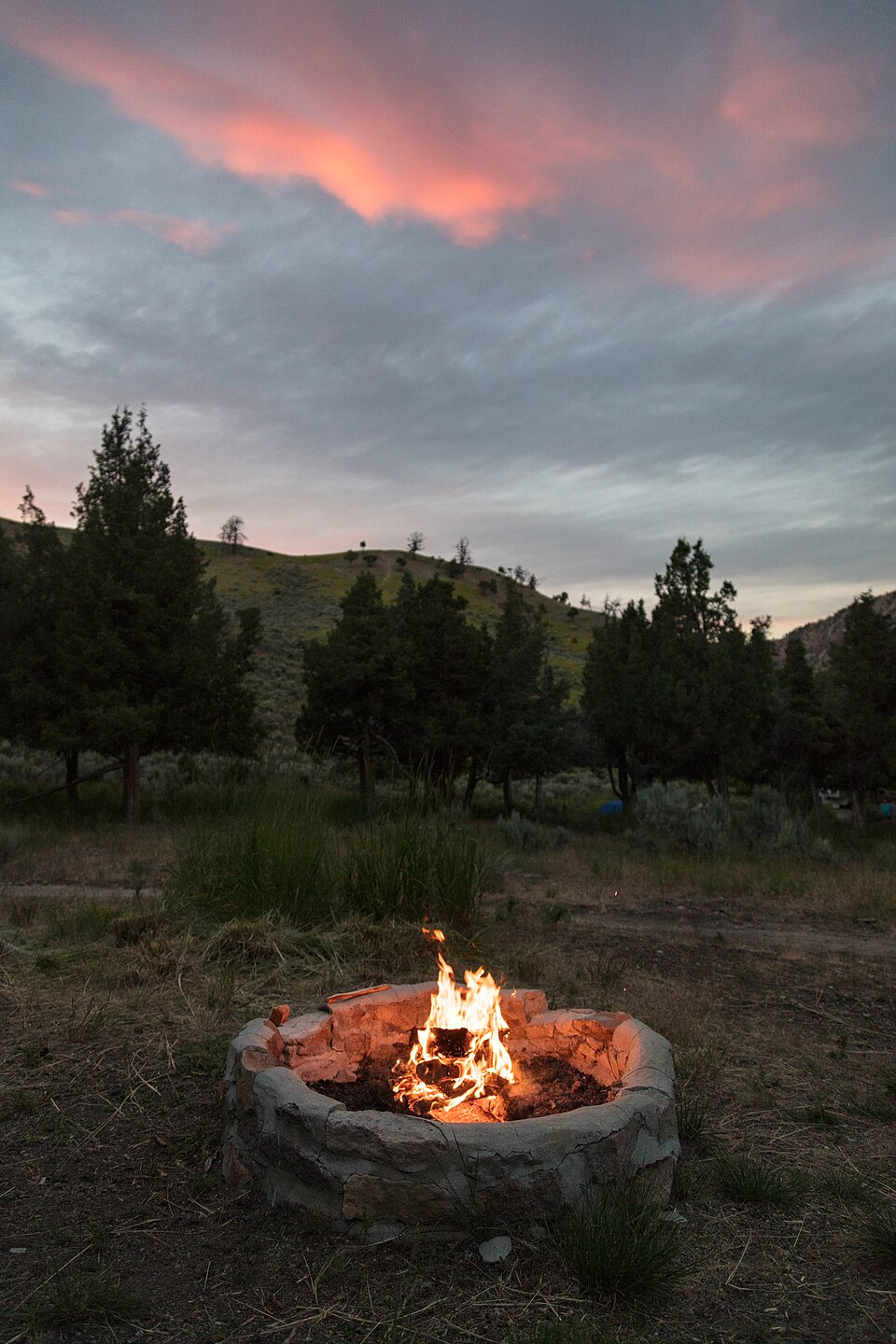
Campers gathered deadfall and built fires where it suited them. Fire rings appeared wherever people camped, and firewood was whatever was lying about within walking distance.
In popular areas this stripped the ground of fallen timber for considerable distances, which mattered more to the surrounding ecology than anybody realised. Fires are now confined to designated rings in designated sites, gathering wood is often prohibited, and whole seasons pass under total fire bans.
9. Swim in the Scenery
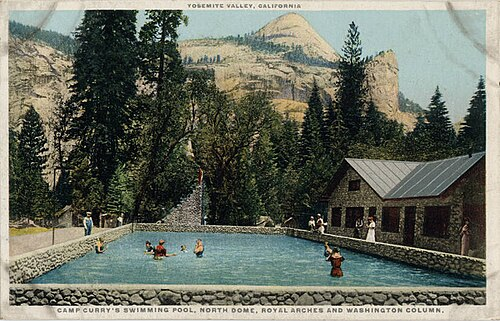
Lakes, rivers, pools below waterfalls and in some places warm thermal runoff were all swum in freely. There were few barriers, few signs and almost no supervision.
People drowned, and people were scalded in thermal water. Both were treated as the risks of being outdoors. Many of those swimming spots are now closed, barriers and warnings are extensive, and entering thermal water is prohibited outright.
10. Take the Children Right to the Edge
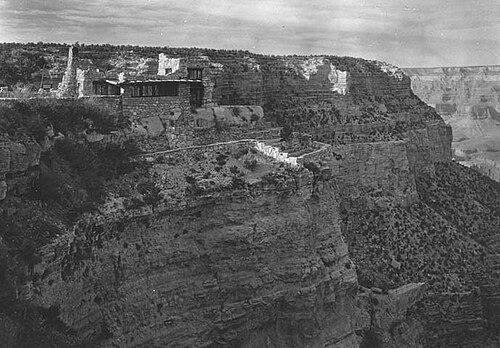
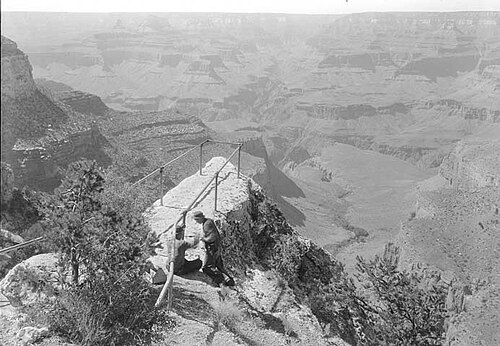
Overlooks had low walls or none. Clifftops, waterfall lips, canyon rims and the thin crusts around thermal basins were accessible to anybody who walked up to them, and parents stood children on parapets for photographs.
The assumption was that visible danger did not need a railing. Falls were common enough to be a standing item in park reports. Railings, boardwalks and fencing are now extensive, and leaving a boardwalk in a thermal area is an offence.
11. Buy a Bear-Proof Container Nobody Used
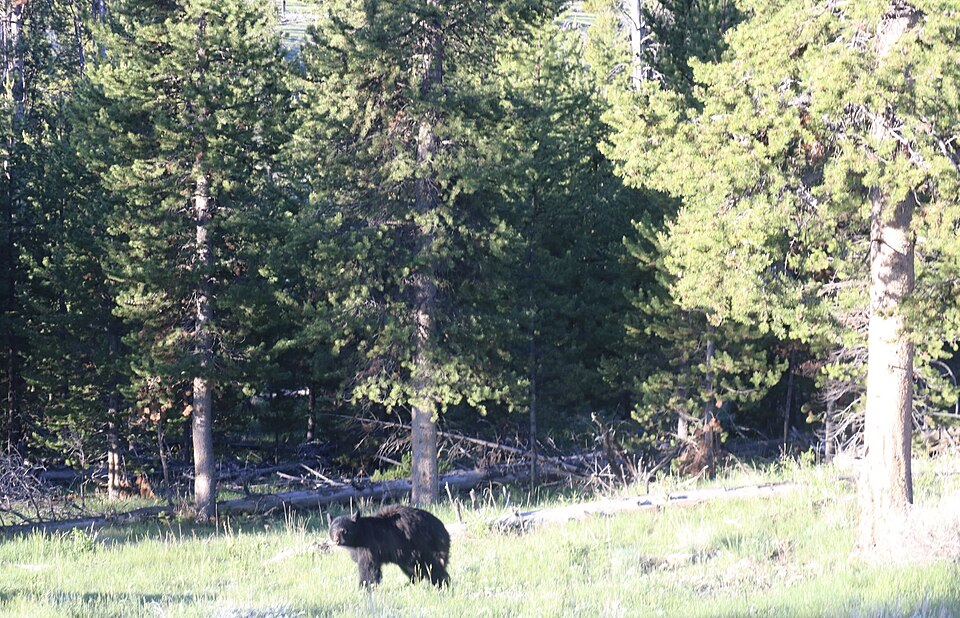
Food storage was advised rather than required. Families kept provisions in the car boot, in tents, in coolers on picnic tables and hanging from branches, with results that were entirely predictable.
A bear that found food in a campsite returned, and a bear that returned repeatedly was eventually destroyed, which was the usual end of the chain. Food storage is now mandatory in bear country, lockers are provided, and leaving food out brings a citation.
12. Watch Staff Feed the Wildlife
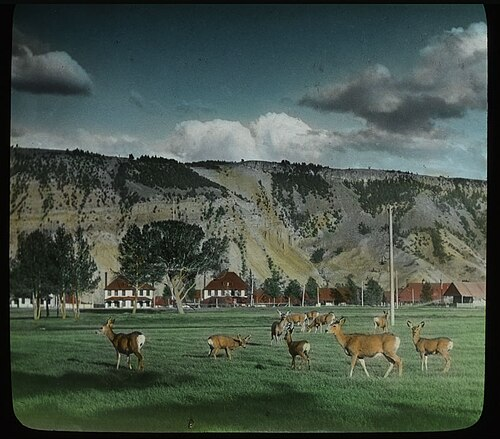
In several parks, feeding animals for the benefit of visitors was part of the operation. Deer were fed near lodges, birds were fed at designated spots, and in some places the practice extended to larger animals.
It made wildlife reliably visible, which was what visitors had come for. It also made the animals dependent and bold. Park staff feeding wildlife for display ended decades ago, and habituated animals are now treated as a management failure.
13. Drive the Family Dog Through the Whole Park
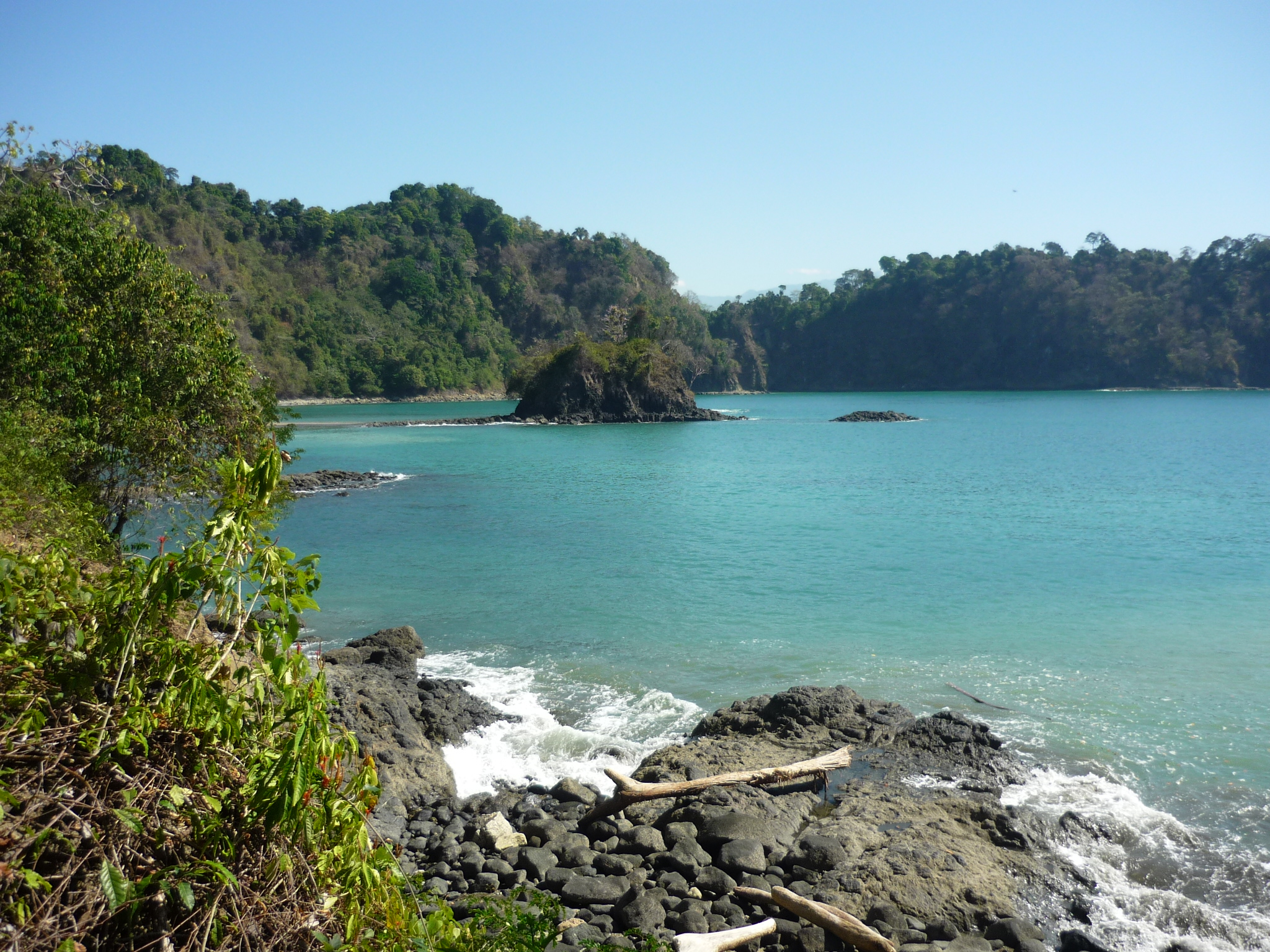
Dogs came along, walked the trails, swam in the lakes and went wherever the family went. Restrictions were minimal and largely unenforced.
Loose dogs chased wildlife, fouled water and occasionally came back pursued by something larger. Dogs are now excluded from most American park trails and backcountry entirely, which remains one of the most commonly discovered restrictions.
14. Stay in a Lodge With No Reservation
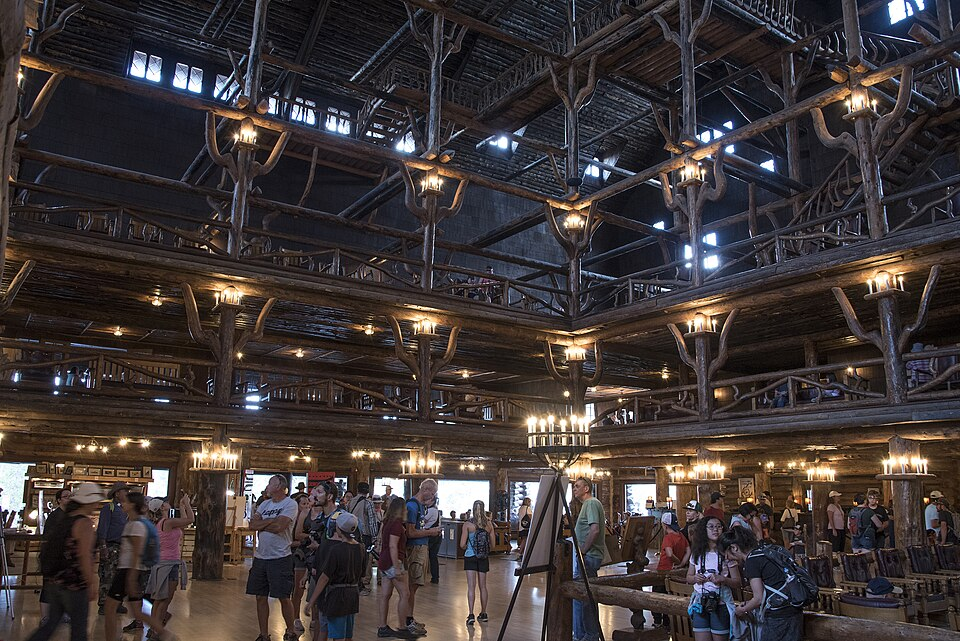
Visitors arrived, enquired and were usually accommodated, in a lodge room, a cabin or a campsite. Planning a park trip meant deciding to go and then going.
Pressure grew steadily through the decade as cars and highways multiplied, and the system began to strain. Reservations now open months ahead for popular lodges and sites, some requiring entry permits as well, and arriving on the day is no longer a plan.
15. Light Up Indoors and Out

Smoking happened everywhere – in lodge lobbies and dining rooms, on viewing platforms, in boats, on trails and in the woods. Ashtrays stood at every overlook.
Discarded cigarettes started fires, and the ash and butts accumulated at every stopping place. Indoor smoking is gone, outdoor smoking is restricted in many areas and banned outright under fire restrictions, and the overlook ashtrays have been removed.
16. Take a Scenic Flight Low Over the Canyon
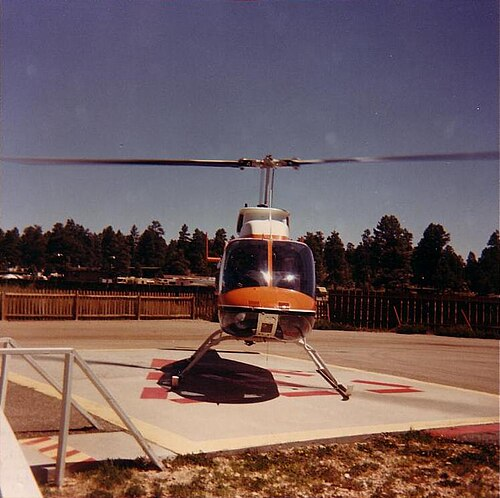
Light aircraft and helicopters flew sightseeing trips low over the most dramatic American parks, and the flights were sold as the best possible view.
They were loud, they were frequent and they were eventually recognised as destroying the quiet that visitors on the ground had come for, as well as carrying real risk. Flight paths and altitudes over several parks are now tightly restricted.
17. Go Anywhere, Tell Nobody, Carry Nothing
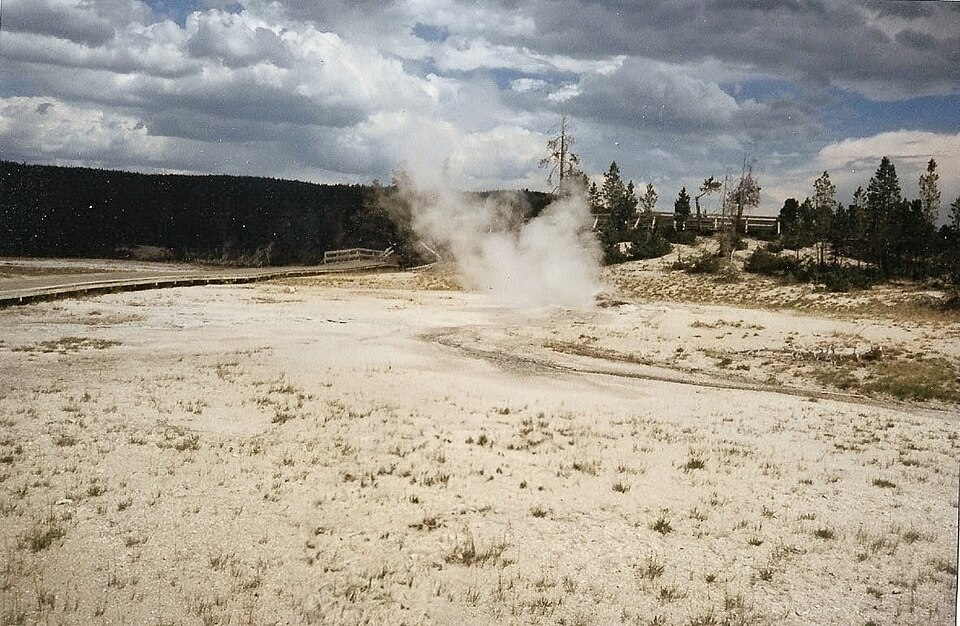
Backcountry travel required no permit, no registration and no equipment standard. A visitor could walk into a wilderness with a canteen and a sandwich and nobody would know they had gone until somebody noticed they had not come back.
Search and rescue was improvised and slow. Overnight backcountry permits are now required almost everywhere, quotas apply on popular routes, and some routes require registration and equipment checks – but the unregulated version is the loss 1965 visitors would most recognise.
What Changed, and Why It Had To
Nine of these – roadside bear feeding, the garbage-dump bear shows, driving and parking off the formed surface, collecting, throwing objects into canyons and thermal features, carving, fires outside designated rings, entering thermal water, and leaving food unsecured – are now violations that will get a visitor cited, fined or removed.
None of them changed because of a single decision. Visitor numbers rose steeply through the nineteen-sixties and kept rising, and behaviour that was harmless at hundreds of thousands of visitors a year was not harmless at millions. The wildlife management philosophy shifted from display to non-interference. Accident and fatality records accumulated into a case for railings and barriers. And the parks’ own understanding of their purpose moved from entertaining visitors in scenery to preserving the scenery, with visitors accommodated as best as possible within that.
Whether the result is better is a fair question, and 1965 visitors had something genuinely valuable: they could arrive without a plan, go where they liked, and treat the place as theirs. The trade was that the place could not survive being treated that way by everybody.
The nineteen-sixties park visit is remembered fondly and the fondness is not misplaced – it was freer, cheaper, less planned and considerably more fun in several specific ways.
But the bears that stood on running boards were destroyed within a few years of learning to do it, the thermal features that took coins never recovered, and the meadows driven across are still visible from the air. The rules that would get a 1965 visitor thrown out today exist because a 1965 visit, repeated often enough, destroyed the thing people came to see.
Like our content? Follow us for more.