

A 2025 survey of 15,000+ Stonehenge reviews found 42% described it as “overrated.” Times Square got 1,761 reviews calling it “underwhelming.” Here’s what the data shows about which famous attractions disappoint most — and the alternatives locals actually recommend.
There’s a particular kind of travel disappointment that almost every frequent traveler has felt: the moment you finally arrive at a famous landmark, having traveled thousands of miles to see it, and discover it’s smaller, more crowded, less impressive, or less accessible than the photographs suggested. Recent surveys analyzing tens of thousands of online reviews have started putting hard numbers on which famous attractions produce this disappointment most reliably.
A March 2025 Radical Storage survey, language-expert research analyzed by booking platform Wingie, and Rough Guides reader polls have collectively identified a consistent set of attractions that travelers feel underwhelm relative to their reputations. Here are six of the most-discussed, with the actual disappointment data and the local recommendations for what to do instead.
1. Stonehenge, England — 42% of analyzed reviews described it as overrated
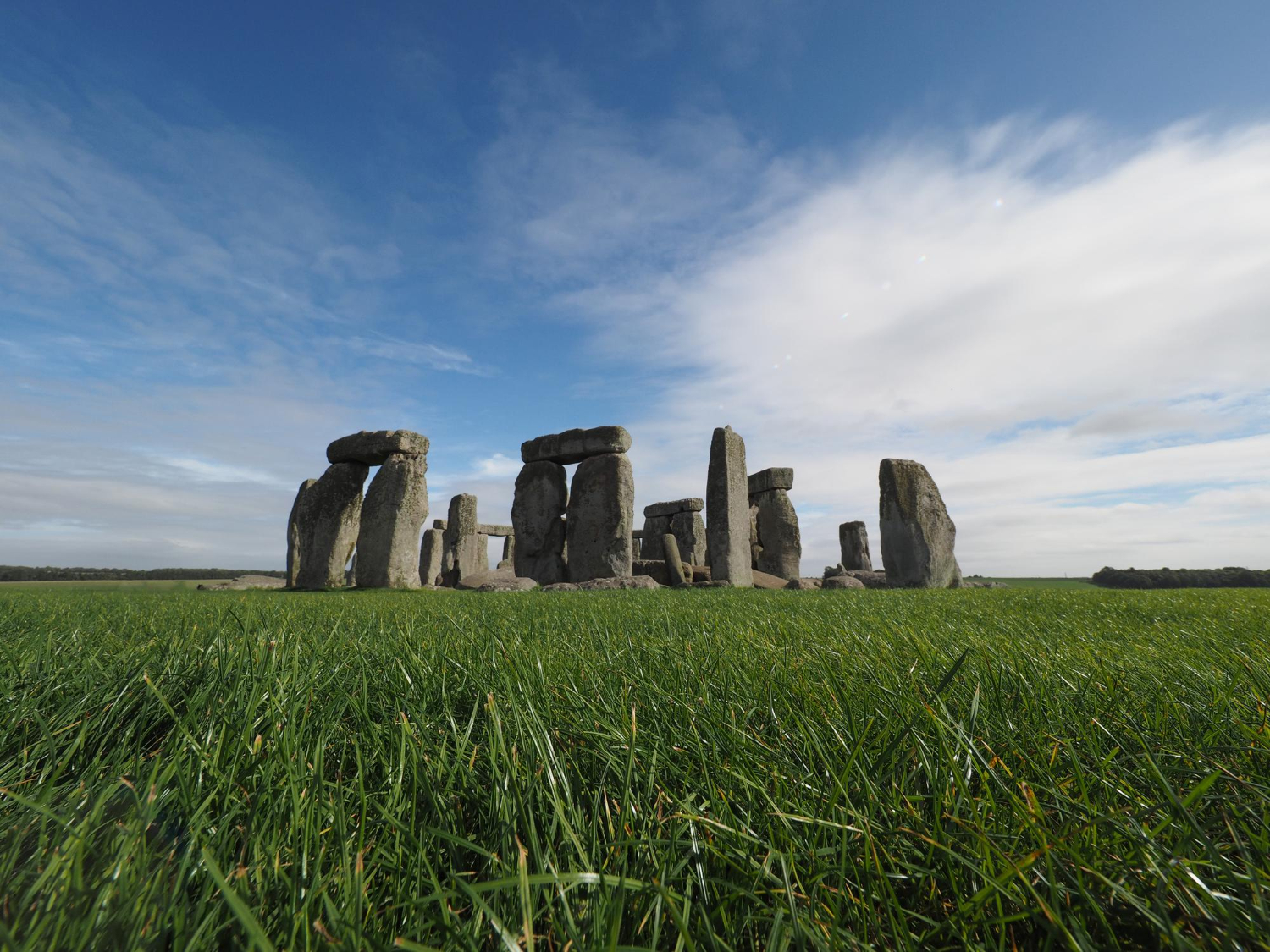
A Wingie analysis of 15,118 Stonehenge reviews identified 6,414 negative comments — an “overrated” ratio of approximately 42%. The phrase “disappointing” or “avoid” appeared more than 300 times. “Expensive” or “not worth it” appeared more than 1,000 times.
The core issue isn’t the stones themselves but the access. To preserve the monument, visitors are kept at a considerable distance and must follow a prescribed walking path. You cannot touch the stones except during the summer and winter solstices. The visitor experience has been described, repeatedly, as “looking at a great painting through a foggy window.” Tickets are roughly £25-30 per adult.
What locals recommend instead: Avebury, a much larger Neolithic stone circle in the same general area, that you can actually walk among and touch. It’s free to visit, less than a 30-minute drive from Stonehenge, and most visitors find it more rewarding precisely because the stones are accessible.
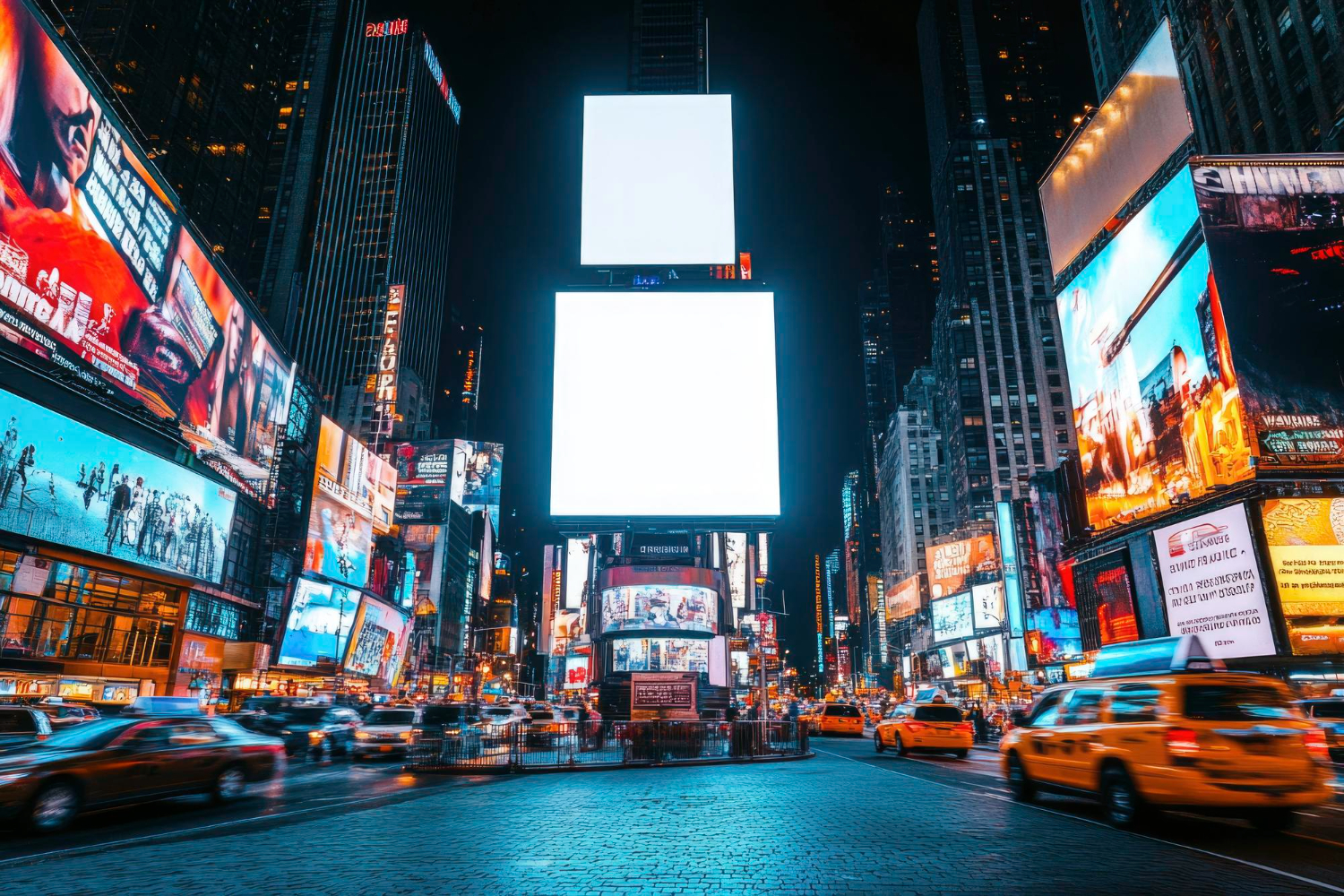
2. Times Square, New York — 1,761 reviews calling it “overrated”
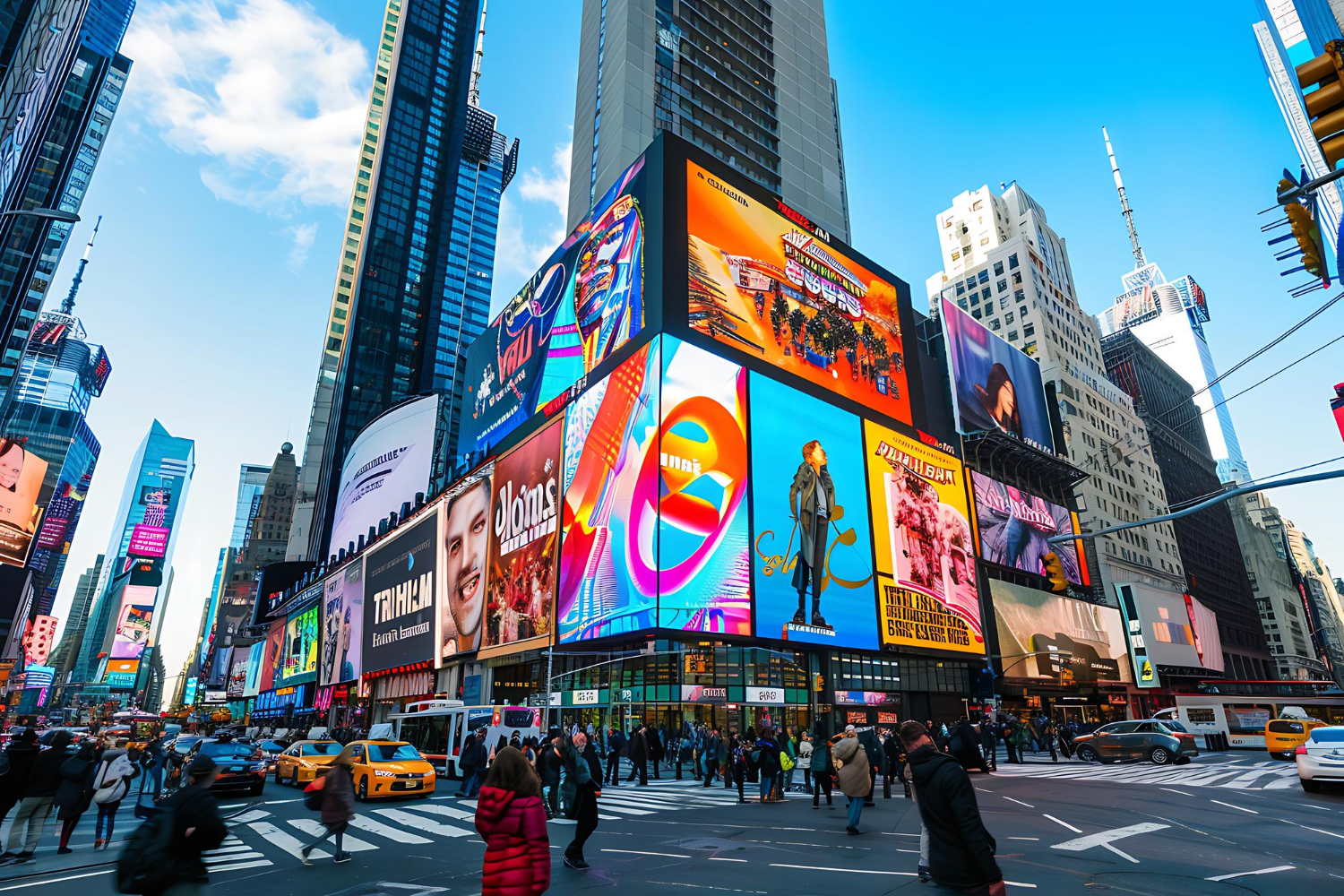
Research conducted by language experts in 2025 identified Times Square as the world’s most stressful tourist trap, with 1,761 reviews using the words “overrated” or “underwhelming.” This is in addition to a documented surge in quality-of-life issues: between January 1, 2022 and May 1, 2025, more than 2,800 sanitation-related 311 complaints were filed for ZIP code 10036 — a more than 200% increase from pre-pandemic levels.
The complaints cluster around a few consistent themes: aggressive costumed characters demanding tips, restaurants that locals universally consider tourist traps, overwhelming crowds, and a complete absence of anything actually distinctive to do. Most New Yorkers genuinely avoid the area entirely except when crossing through it to reach a Broadway theater.
What locals recommend instead: For lights, energy, and crowds without the same level of tourist-trap density, Brooklyn’s DUMBO neighborhood at sunset offers spectacular Manhattan views. For genuine New York character, Greenwich Village, the Lower East Side, or Brooklyn neighborhoods like Williamsburg and Park Slope provide more of what visitors actually came to New York for.
3. Trevi Fountain, Rome — 24% of surveyed visitors had a negative experience
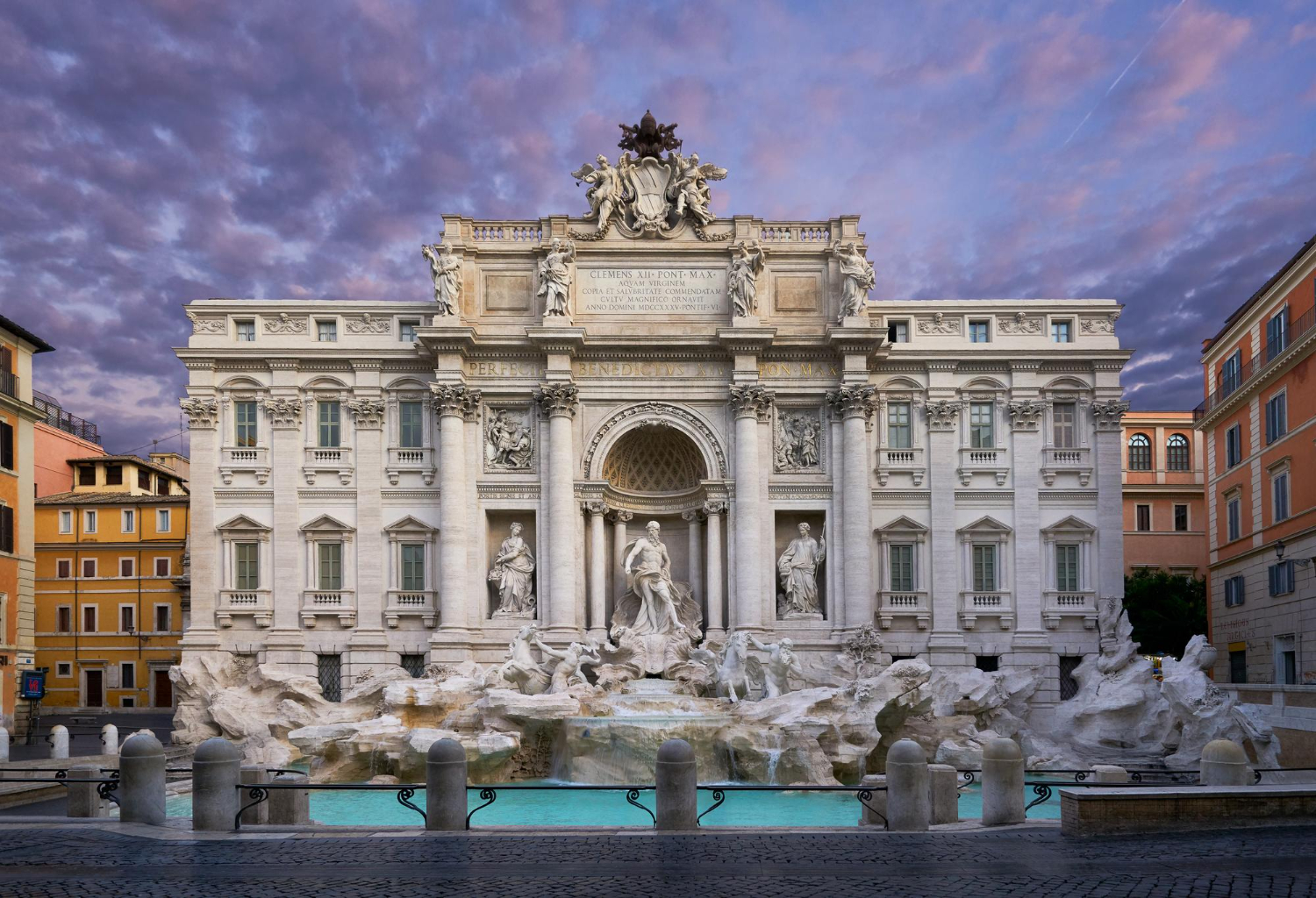
The Radical Storage March 2025 survey found that nearly a quarter of Trevi Fountain visitors reported a negative experience, with crowds and mobility issues cited by just under 17% as the primary problem. Until 2024, the fountain saw 10,000 to 12,000 daily visitors, prompting Rome to introduce new queuing rules specifically to control the crowds. (When a city has to invent a queue management system specifically for one fountain, that’s a meaningful signal about the experience.)
The Trevi Fountain itself is genuinely beautiful. The problem is access. Most visitors describe spending more time fighting for a spot to take a photo than actually appreciating the architecture. The famous coin-toss tradition — three coins tossed over your shoulder for love and a return to Rome — happens shoulder-to-shoulder with hundreds of other tourists doing the same thing.
What locals recommend instead: Visit at 6 AM or after midnight, when the crowds thin to manageable levels. For Roman fountains generally, the Fontana delle Tartarughe in Piazza Mattei (the Turtle Fountain) is widely considered Rome’s most charming smaller fountain and is rarely crowded. The Quattro Fontane on Via delle Quattro Fontane offer four small Baroque fountains at a single intersection — beautiful, free, and often empty.
4. The Mona Lisa, Paris — visited primarily because it’s expected, not because it impresses
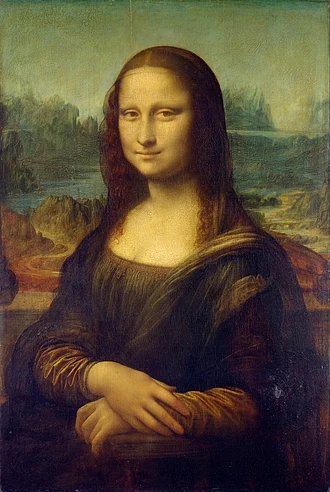
The Mona Lisa appears on essentially every “overrated” list, and the reasons are consistent across reviews: the painting is small (77 cm tall), kept behind protective glass that creates significant glare, viewed from a distance of roughly 15 feet, and surrounded constantly by crowds of 50-100 people fighting to take a photo. The Louvre has implemented timed-entry systems specifically because of Mona Lisa congestion.
The most-cited disappointment is the gap between the painting’s reputation and the actual viewing experience. Visitors typically spend 45-90 minutes getting to the painting, then 30 seconds in front of it, then leave. Many report feeling embarrassed about the experience but obligated to do it because they were in the Louvre.
What locals recommend instead: The Louvre contains tens of thousands of works that almost nobody is fighting to see. Spend your time in the Egyptian antiquities, the Mesopotamian galleries, the Italian Renaissance rooms (which include works by Leonardo da Vinci that don’t have the same crowds as the Mona Lisa), or the French Romantic paintings. For a single Paris museum visit that produces less disappointment than the Louvre, the Musée d’Orsay (Impressionist masterpieces) and the Musée Rodin are widely recommended by Parisians.
5. The Leaning Tower of Pisa — “literally just a selfie spot”
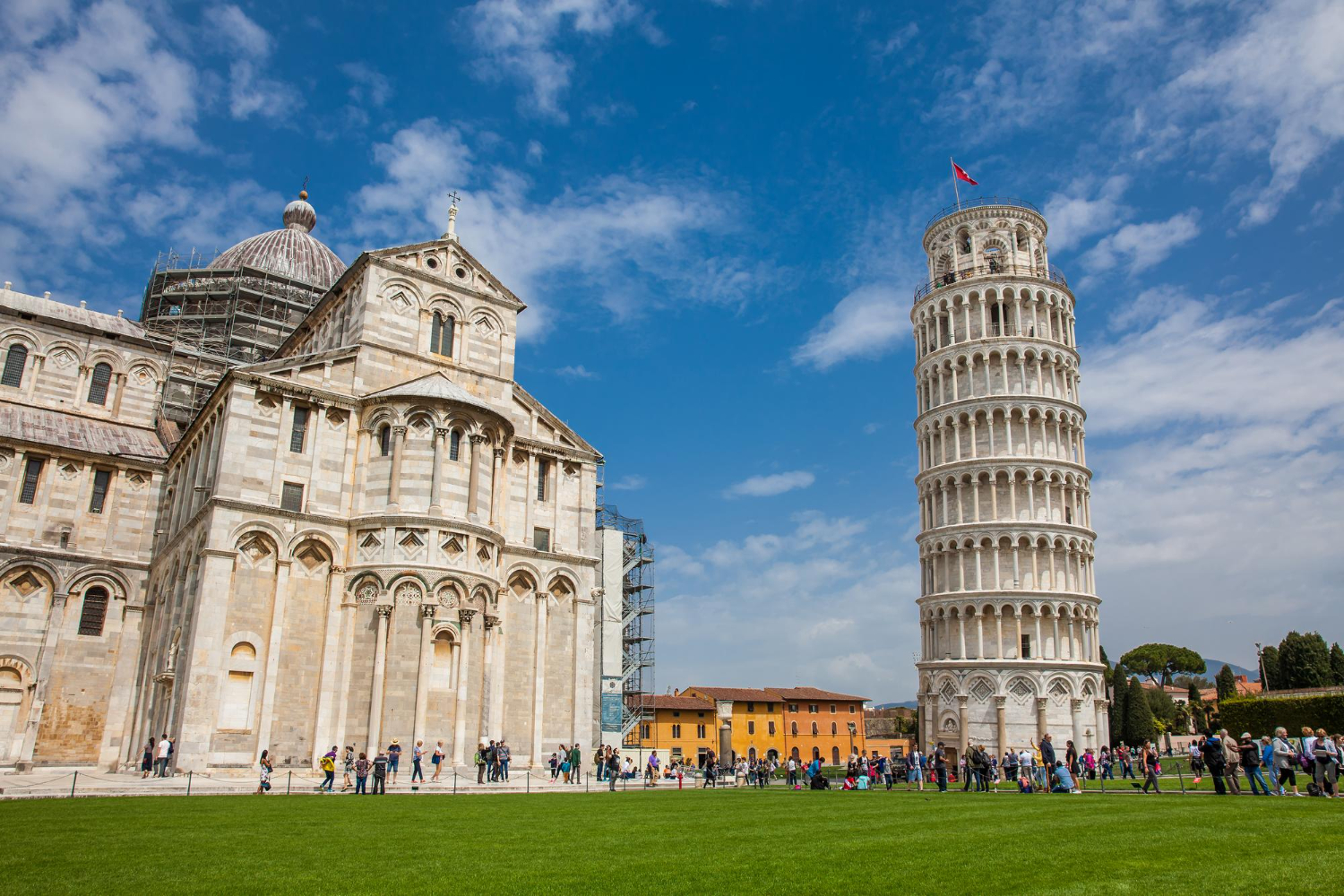
Multiple analyses including ViaTravelers’ 2025 ranking identify the Leaning Tower of Pisa as one of the most overrated European destinations. The base entry price for climbing the tower is approximately €25, the climb takes 30 minutes round-trip, the tower itself is smaller than visitors expect, and it doesn’t actually lean as much as historic photographs suggested. The tower has been engineered to stop further leaning since the 1990s.
The single most consistent visitor complaint is the surrounding plaza — the Piazza dei Miracoli — which is filled with vendors selling cheap souvenirs and tourists posed identically taking the “holding up the tower” photograph. The genuinely impressive parts of the plaza (the Baptistery, the Camposanto, the cathedral itself) are bypassed by most visitors who came specifically for the tower.
What locals recommend instead: Pisa is a half-day stop, not a destination. For a fuller Italian Renaissance architectural experience, the city of Lucca (a 30-minute train ride from Pisa) has a fully intact Renaissance city wall you can walk on, plus a quieter atmosphere. Florence is an hour by train and offers vastly more substantive sights.
6. Niagara Falls (Canadian side) — Clifton Hill, the tourist strip
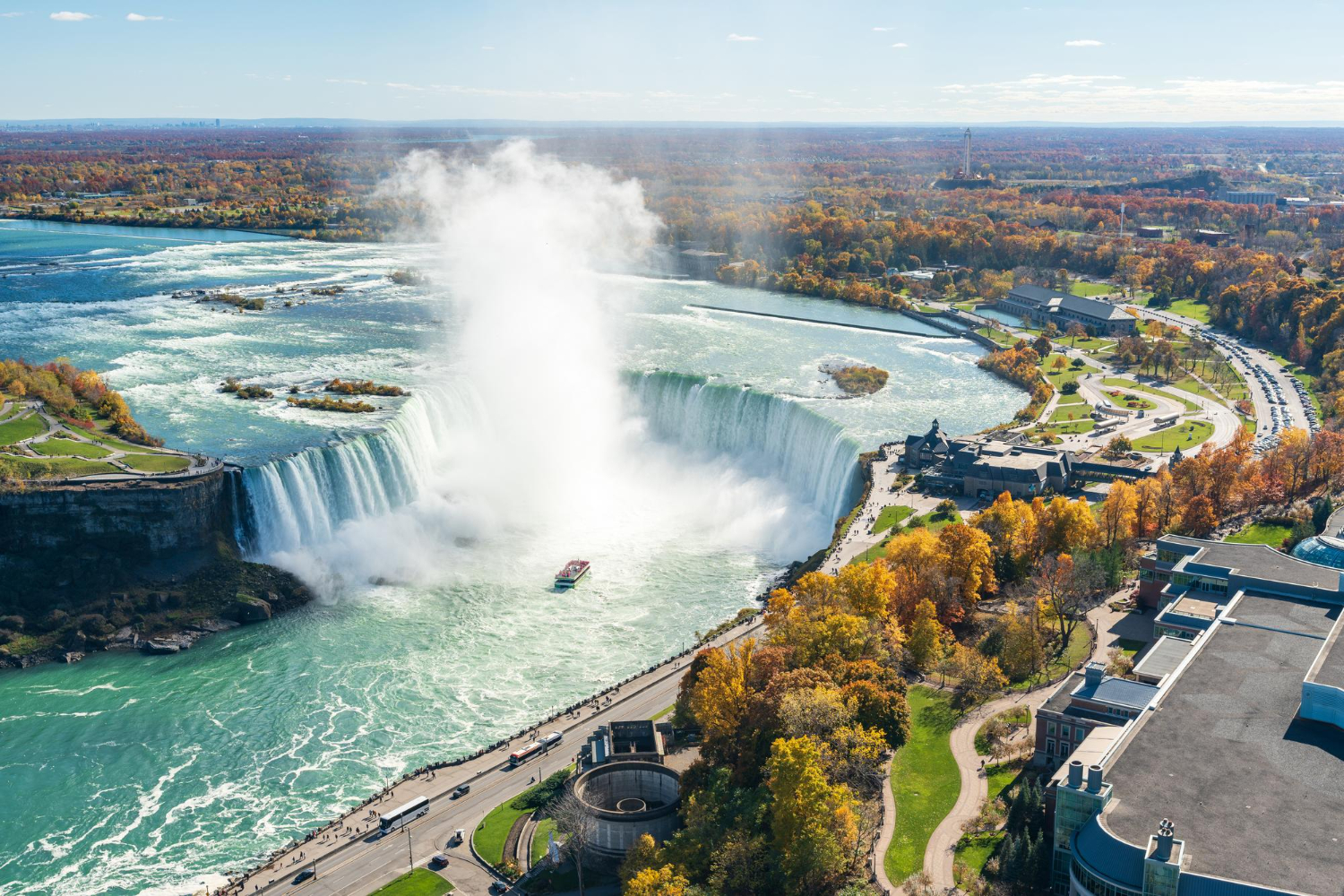
Rough Guides’ reader survey ranked Niagara Falls itself as the world’s second-most overrated tourist destination, but the specific issue was Clifton Hill — the tourist strip on the Canadian side filled with wax museums, mini-golf courses, haunted houses, and chain restaurants. Visitors reported expecting a natural wonder and arriving to find what one reviewer described as “Las Vegas, but smaller and colder.”
The falls themselves are genuinely spectacular. The problem is that the surrounding tourism infrastructure has become its own anti-attraction.
What locals recommend instead: Skip Clifton Hill entirely. Stay in Niagara-on-the-Lake, a charming small town 26 km downstream that feels nothing like the falls strip — historic Victorian architecture, wineries (the Niagara region produces excellent ice wine), and direct access to several of Ontario’s best restaurants. Visit the falls themselves during the early morning or evening hours when the crowds are thinnest. The Cave of the Winds tour on the American side gets you closer to the actual water than the Canadian boat tours.
What the disappointment data actually shows
The pattern across all six attractions is consistent: the disappointment isn’t usually about the attraction itself, but about the crowds, commercialization, and access restrictions that have developed around it. Stonehenge is genuinely impressive — but seen from a distance, behind ropes, with tour buses in the background, it loses what makes it impressive. The Mona Lisa is an extraordinary painting — but viewed from 15 feet behind glass with a crowd of 80 people, the experience is anti-climactic.
A pattern that’s emerged from the recent survey data is that travelers increasingly recommend the same general strategy: visit famous attractions either at off-hours (very early morning, late evening) or skip them entirely in favor of less-famous alternatives in the same general area. Avebury instead of Stonehenge. The Musée d’Orsay instead of the Louvre. Niagara-on-the-Lake instead of Clifton Hill. The Fontana delle Tartarughe instead of the Trevi Fountain.
The honest version of “must-see” attractions in 2026 is that “must-see” often means “everyone has been told to see it, so the experience of seeing it is dominated by the crowd of other people who were also told to see it.” The best travel experiences tend to come from places that haven’t yet made it onto every must-see list — which is also, increasingly, what locals are quietly recommending to visitors who ask.

