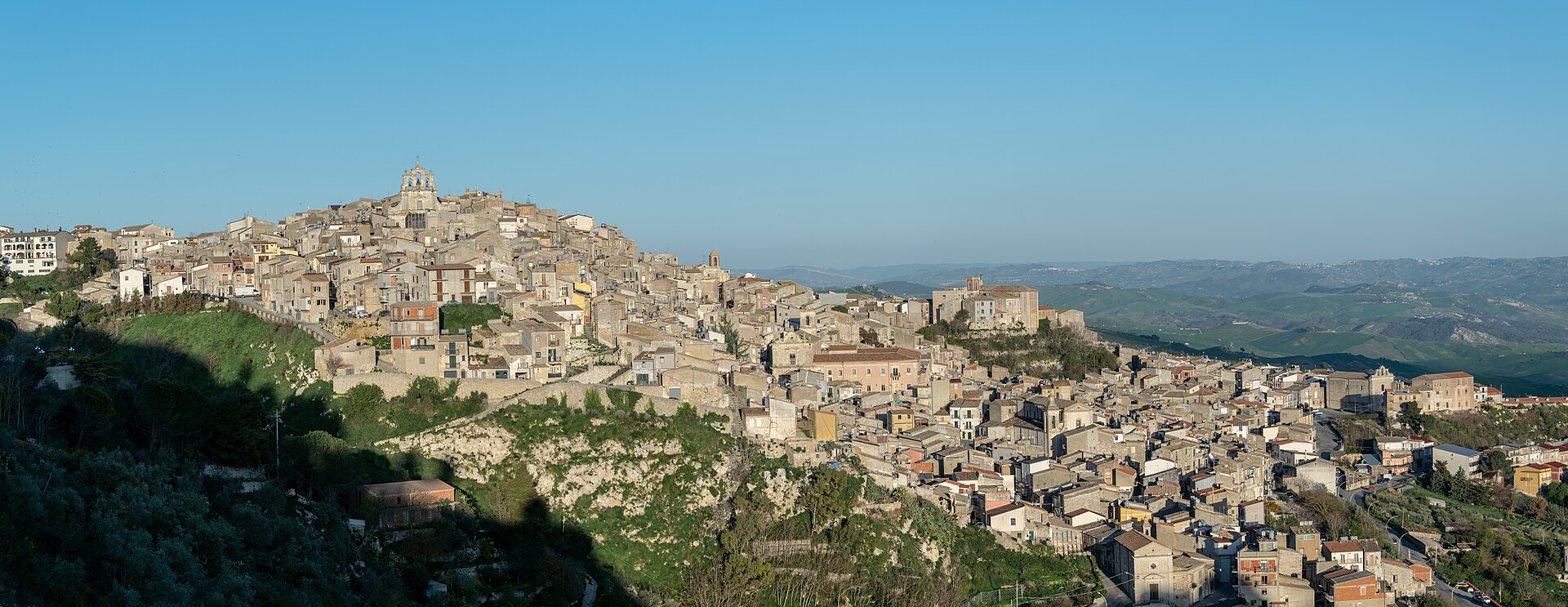
Sicilian and Sardinian towns have sold thousands of abandoned houses to foreigners for the symbolic price of €1. The hidden costs, deadlines, and bureaucracy mean only a fraction of buyers actually finish what they start.
The premise sounds too good to be true: Italian villages, mostly in Sicily and Sardinia, have been selling abandoned houses to foreigners for €1. Real houses, in real medieval towns, surrounded by olive groves and rolling hills, an hour from the Mediterranean. The headlines made the rounds globally beginning around 2017, and they keep coming. As of 2026, programs are still active in roughly two dozen Italian municipalities. CNN has profiled American buyers. The Guardian has profiled French buyers. The New York Times has profiled German retirees.
What the headlines mostly don’t capture is what happens after the €1 changes hands.
How the program actually works
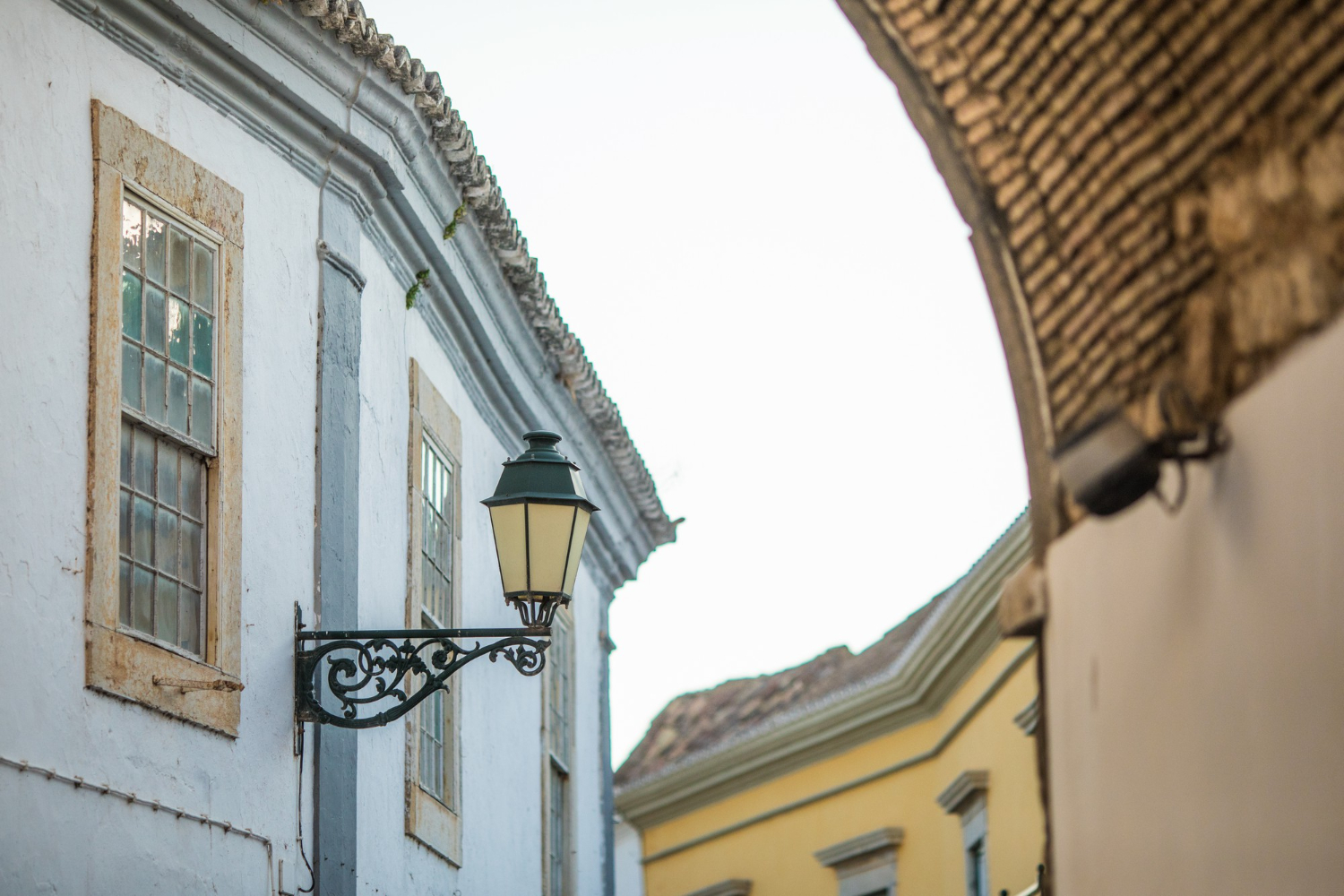
The €1 house programs are an Italian government response to a real demographic problem: rural depopulation. Inland Sicilian and Sardinian villages, plus a handful of mountain towns in Abruzzo, Basilicata, and other regions, have been losing population for decades as younger generations move to coastal cities or northern Europe for work. Entire historic centers have hollowed out, with hundreds of stone houses sitting abandoned for years — slowly collapsing, structurally damaging neighboring buildings, and undermining the visual character of the towns.
Rather than allow this collapse to continue, several mayors began offering these abandoned properties for sale at the symbolic price of €1, on the condition that buyers commit to renovating them.
The €1 is real. The conditions are where the actual costs sit:
A security deposit of €3,000 to €10,000. This is held by the municipality and refunded only if you complete the renovation according to the agreed-upon plan and timeline. Mussomeli’s program requires a deposit of approximately €5,000. Cattolica Eraclea in Sicily requires €5,000. Most programs land somewhere in this range.
A renovation deadline, typically three years. Many programs require you to submit a complete renovation plan within a few months of purchase, begin work within one year, and complete the renovation within three. Failure to meet these deadlines usually results in losing the deposit. Some towns require completion in as little as 365 days from contract signing.
Renovation costs ranging from €20,000 to €50,000 minimum. This is the real number. The houses sold for €1 are not turn-key. They are typically uninhabitable structures requiring complete renovation — often new roofs, new electrical and plumbing systems, structural repairs, and full interior restoration. The €20,000-€50,000 figure is for moderate renovations; substantial restorations easily reach €100,000.
Strict preservation requirements. You cannot demolish a €1 house. You must preserve the original character, including the facade, the structural elements, and often specific architectural details. This means you cannot rebuild from scratch, even if that would be cheaper. Renovations must use traditional Sicilian building methods and materials in many cases, requiring local contractors and architects who specialize in this work — and who charge accordingly.
Italian property bureaucracy, navigated in Italian. The notarial process for purchasing Italian property requires a notary, often an interpreter, and several rounds of paperwork. Foreign buyers without Italian fluency typically need to hire a translator, a local lawyer, and a real estate professional familiar with the system.
The CEO of the program in Mussomeli, quoted by The Guardian, summarized the philosophy: “We are not selling houses, we are rebuilding communities.”
The towns where this is actually happening in 2026
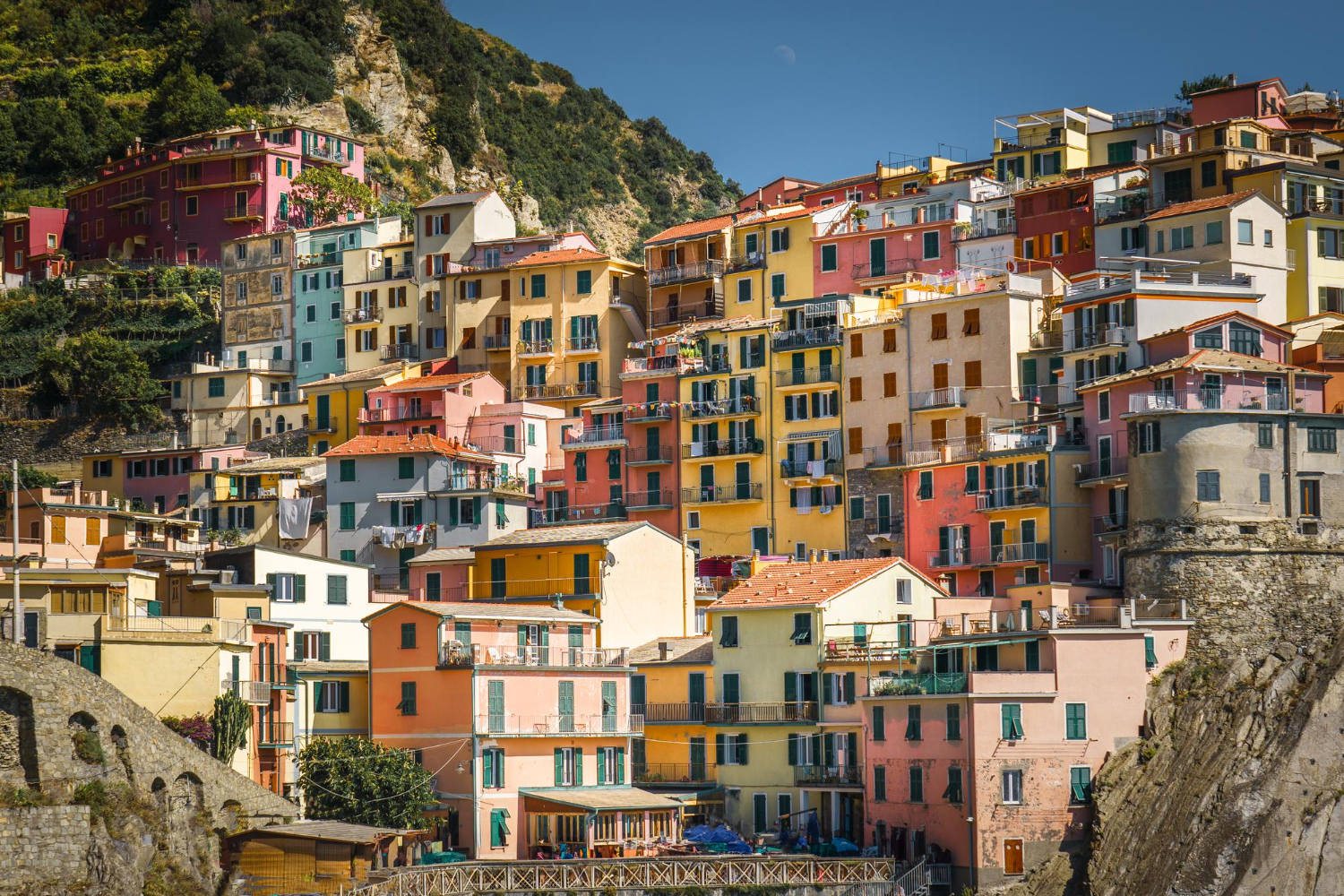
According to the official 2026 listings on idealista (one of Italy’s largest property portals) and the Italian Ministry of Cultural Heritage’s records, the most active and well-organized programs heading into 2026 are concentrated in Sicily, with smaller programs in Sardinia, Abruzzo, and a handful of other regions.
Mussomeli (Sicily) is the most-discussed of all the €1 programs. The town of about 11,000 people sits in central Sicily under a 14th-century hilltop castle, and according to multiple sources, over 100 properties have been sold since the program began. More than 70% of buyers have been international. The town has dedicated multilingual staff to help foreign buyers and has built a small but active expat community of British, American, and German residents.
Sambuca di Sicilia (Sicily) became famous after CNN coverage of its 2019 auction. Houses sold there have ranged from the symbolic €1 starting price to actual auction prices of €5,000-€25,000 for the most desirable lots. The town has attracted heavy interest from Americans and French buyers in particular.
Other active 2026 programs include:
- Gangi (Sicily): Often credited as the original €1 success story. Over 100 houses have been sold and many fully restored.
- Troina (Sicily): Known for offering renovation incentives of up to €15,000 in addition to the €1 sale price.
- Salemi (Sicily): One of the pioneering municipalities that helped launch the broader phenomenon.
- Ollolai (Sardinia): A mountain village in Nuoro province actively running the program to combat depopulation.
- Nulvi (Sardinia): Active 2026 program in Sassari province.
- Pratola Peligna (Abruzzo): Has welcomed a significant number of Northern European retirees.
- Zungoli (Campania): A medieval town that has opened empty homes to international buyers.
In total, dozens of Italian municipalities have run €1 programs at various points; idealista’s 2026 list includes active programs in roughly two dozen towns, plus several where rounds are temporarily closed but expected to reopen.
What actually happens to most buyers

This is the part the original headlines mostly missed. The European Realestate publication’s 2026 analysis of the programs estimates that roughly 60% of buyers complete their renovations within the timeline. The other 40% lose their deposits, sell the half-renovated property to another buyer, or walk away entirely.
The reasons for the failure rate cluster around a few common issues:
The renovation costs more than expected. This is overwhelming. Foreign buyers typically arrive with budgets calibrated to home renovation in the United States, the UK, or Northern Europe — and find that materials, labor, and architectural fees in rural Sicily, while lower than in coastal Italy, are still substantial. The €20,000 estimate becomes €40,000 once unexpected structural issues are discovered. Many buyers can’t afford to finish.
The bureaucracy takes longer than expected. Italian construction permits are notoriously slow. Buyers who plan a 12-month renovation often find it takes 24. Three-year deadlines that seemed generous become tight.
The buyer underestimates how isolated the town actually is. Mussomeli, like most of these villages, has no train station. The nearest big city is an hour’s drive. Job opportunities locally are essentially zero. Most renovations end up serving as second homes, vacation rentals, or retirement properties — not primary residences for working-age buyers.
The interpersonal dynamics are different than expected. Some buyers find the local communities welcoming and integrate well. Others find that being a visible foreign buyer in a small Sicilian town brings its own complications — language barriers, cultural differences, and occasional resentment from locals who feel their neighborhoods are being colonized by Northern Europeans.
A New York family profiled by CNN bought a Sambuca ruin for €1 and invested €50,000 in renovations. They now run a small B&B and report having had a positive experience. Their case is real and well-documented. But for every NYC-family-success story, there are several abandoned half-renovations sitting in the same towns.
What the program has actually accomplished
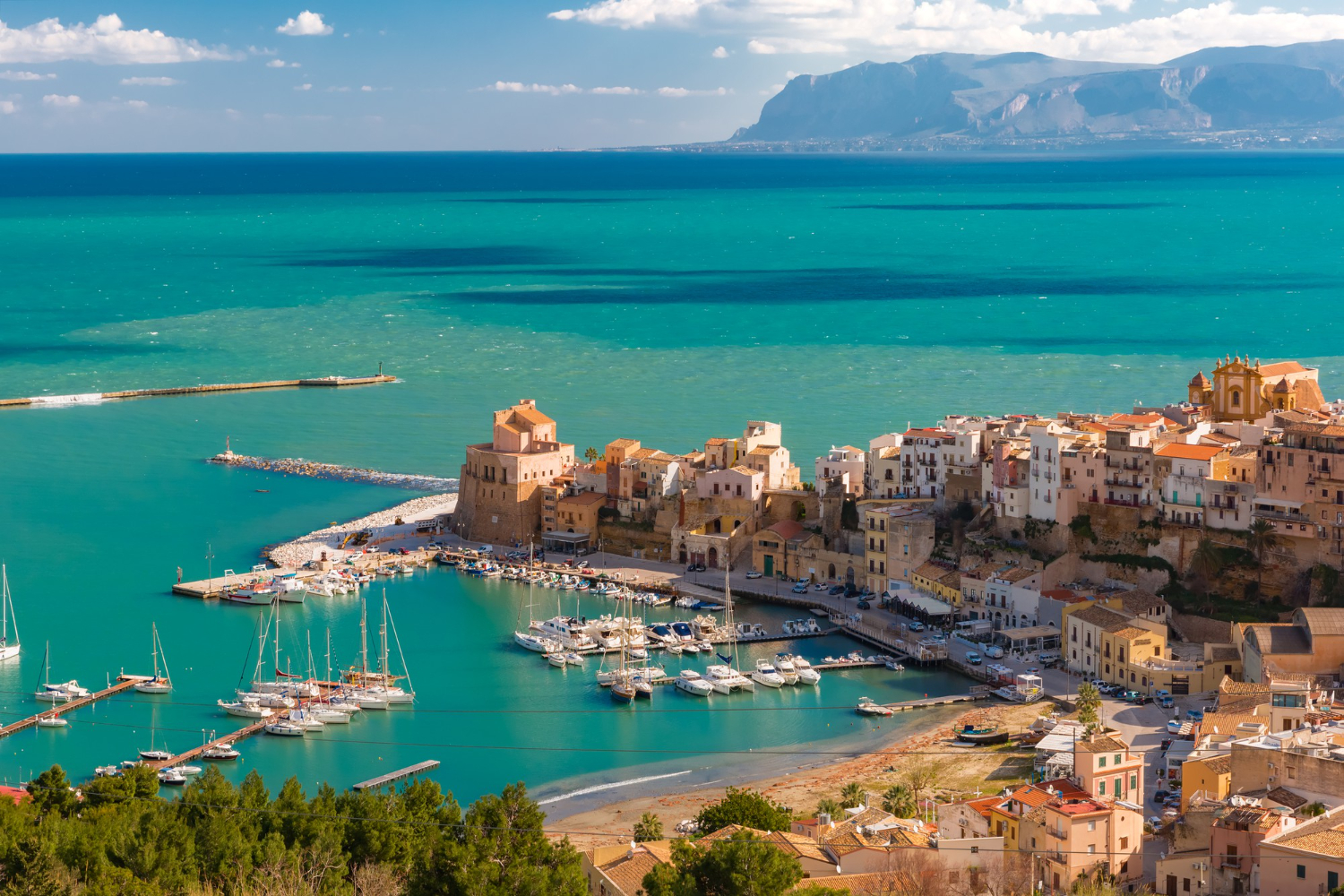
Despite the failure rate, the €1 programs have demonstrably worked at the level the Italian government cared about: they’ve stopped the physical collapse of historic centers in dozens of villages. Hundreds of houses across Sicily and Sardinia have been fully renovated. Some buyers have opened B&Bs, small restaurants, or co-working spaces, creating local jobs. Mussomeli, in particular, now has an active international community that has visibly revitalized parts of the town.
The Italian government has also expanded the model. Some towns now offer additional incentives beyond the €1 price — Troina’s €15,000 renovation grant being the most generous, and Italy’s general 7% flat tax rate for foreign retirees making rural Italian living more financially attractive than ever for non-Italian retirees.
For prospective buyers in 2026, the realistic version of the program is this: the €1 price is real, but plan to spend €40,000-€80,000 on renovation. Plan for the project to take 2-3 years. Hire a local lawyer who specializes in foreign property purchases. Visit the property in person before committing — many of the listings online are romantically photographed but represent significant structural problems. And don’t buy unless you genuinely want to live in or visit the town for years to come, because the property is essentially impossible to flip quickly.
For travelers, even those not interested in buying, the €1 villages have become a genuinely interesting category of Italian destination: small, atmospheric, increasingly international, and offering a glimpse of a Sicily and Sardinia that mass tourism has not yet reached. Mussomeli, Sambuca, Gangi, and Ollolai all welcome day visitors, and the programs themselves have created small ecosystems of cafes, B&Bs, and tour services run by recently-arrived buyers.
The villages were dying before the €1 program. They aren’t dying anymore. Whether the new arrivals are creating something authentic or transforming the towns into Northern European outposts is a question that will only be answerable in another decade.