In 2024, the U.S. National Park Service recorded 331.9 million visits — an all-time high. Eight parks now require timed-entry reservations during peak season. Some traffic jams at the Smokies last hours; the Cades Cove loop has become a slow-motion line of brake lights. Park rangers, local guides, and lifelong residents have begun openly suggesting alternatives: less-visited parks, monuments, and forests with the same scenery and a tenth of the crowd. Here are eight parks the locals are quietly telling visitors to skip — and exactly where they’re being sent instead.
1. Great Smoky Mountains → Cumberland Gap National Historical Park
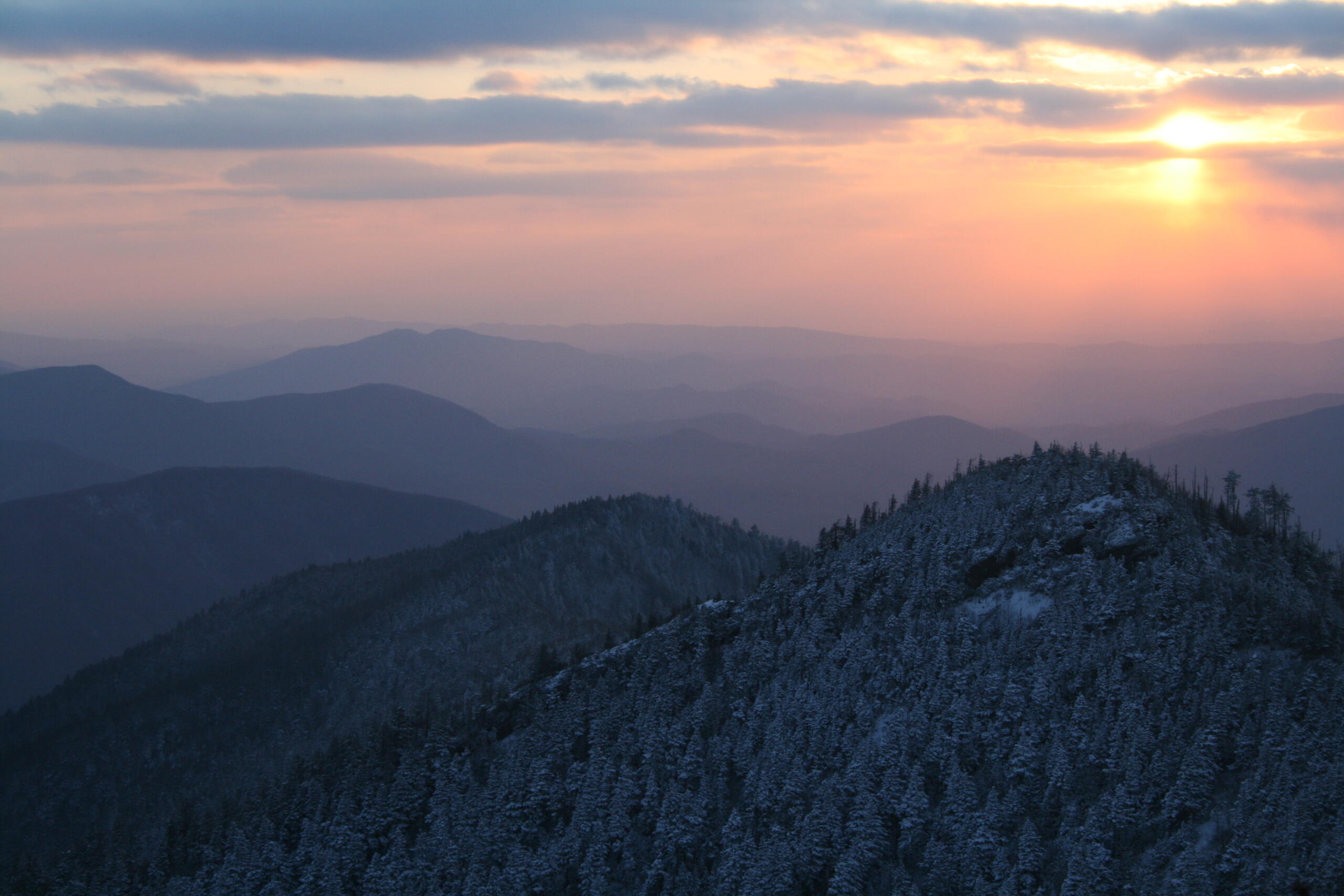
The Smokies pulled 12.2 million visitors in 2024, more than any other park in the country and roughly double the visitation of Grand Canyon. Cades Cove Loop, an 11-mile one-way road through historic farmsteads, regularly turns into a stopped parking lot on summer weekends, with reported wait times of two to four hours just to complete the loop. The park’s own congestion forecasting calendar publishes day-by-day color-coded ratings: green circles for moderate parking availability, yellow triangles for moderate congestion, red diamonds for “heavily congested roadways and completely full parking lots.” Almost every Saturday in July, August, and October carries a red diamond. The park’s deferred maintenance backlog has hit $259 million as of the latest infrastructure report. Cumberland Gap National Historical Park, about ninety minutes west at the Kentucky-Virginia-Tennessee corner, offers the same Appalachian forest, the Pinnacle Overlook with three-state views, Gap Cave for an underground tour, and roughly a tenth of the cars. Pets are welcome on most trails — something the Smokies prohibits — and most days you can park at the visitor center without circling for a spot.
2. Yosemite → Devils Postpile National Monument
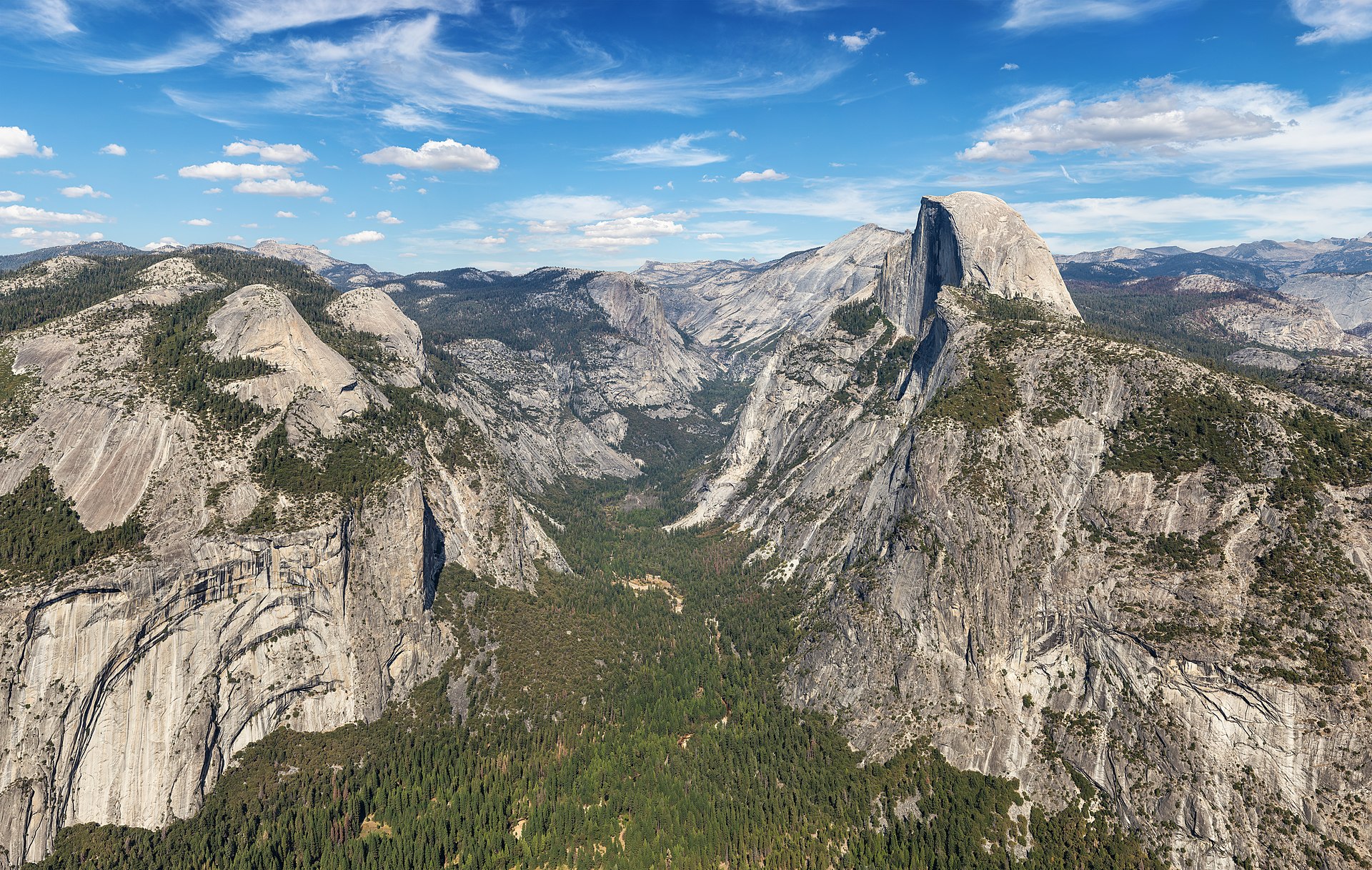
Yosemite Valley took nearly 3 million visitors in summer 2025 alone, and the 2026 reservation system was scrapped under federal staffing cuts — entry lines have already run two hours in early-season reports. The valley floor itself, a seven-mile stretch, holds nearly all the iconic features tourists come to see, and the parking lots fill before 8 a.m. on summer days. Devils Postpile National Monument, ninety minutes south of Yosemite near Mammoth Lakes, delivers the rare columnar basalt formation, the 101-foot Rainbow Falls, and Sierra Nevada granite scenery without the gridlock of El Capitan Meadow. The monument’s shuttle system actually works — buses run every fifteen minutes during peak season. Permits for the John Muir Trail leave directly from the monument’s trailheads, and you can see the Postpile itself in a thirty-minute walk from the shuttle stop.
3. Zion → Snow Canyon State Park
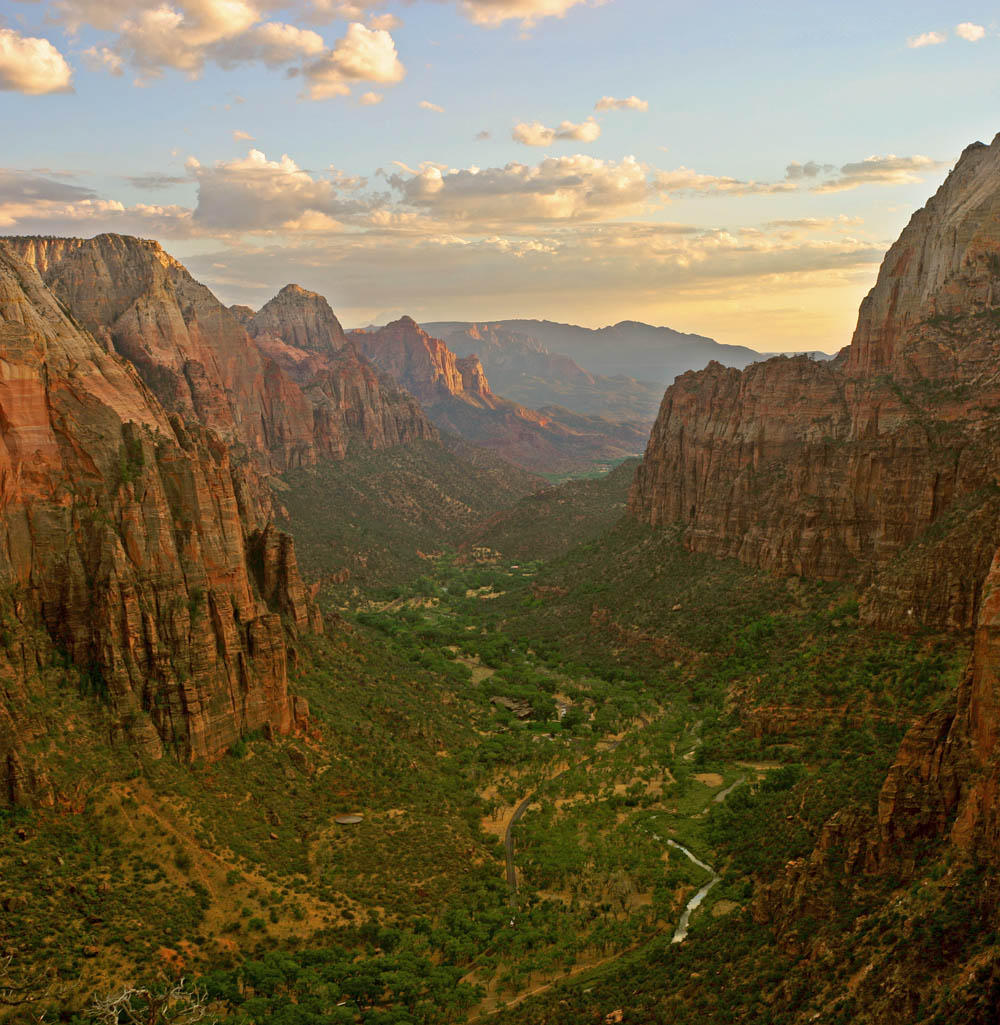
Zion’s Angels Landing trail had to introduce a permit lottery in April 2022 after multiple fatalities and severe overcrowding made the final half-mile chain section actively dangerous. The Narrows hike now requires careful timing to avoid bottlenecks. Total Zion visitation hit 4.5 million in 2024. Snow Canyon State Park, twenty minutes from St. George, Utah, offers the same Navajo sandstone cliffs, slot canyons, petrified sand dunes, and red rock landscape — at state-park admission prices ($10 per vehicle versus $35 at Zion) and without the shuttle wait. Locals call it “Zion without the line.” The Petrified Dunes trail, Jenny’s Canyon, and the Whiterocks Amphitheater are all reachable from the same parking area. Camping is available on-site for $25 per night versus the multi-month wait at Zion.
4. Arches → Natural Bridges National Monument
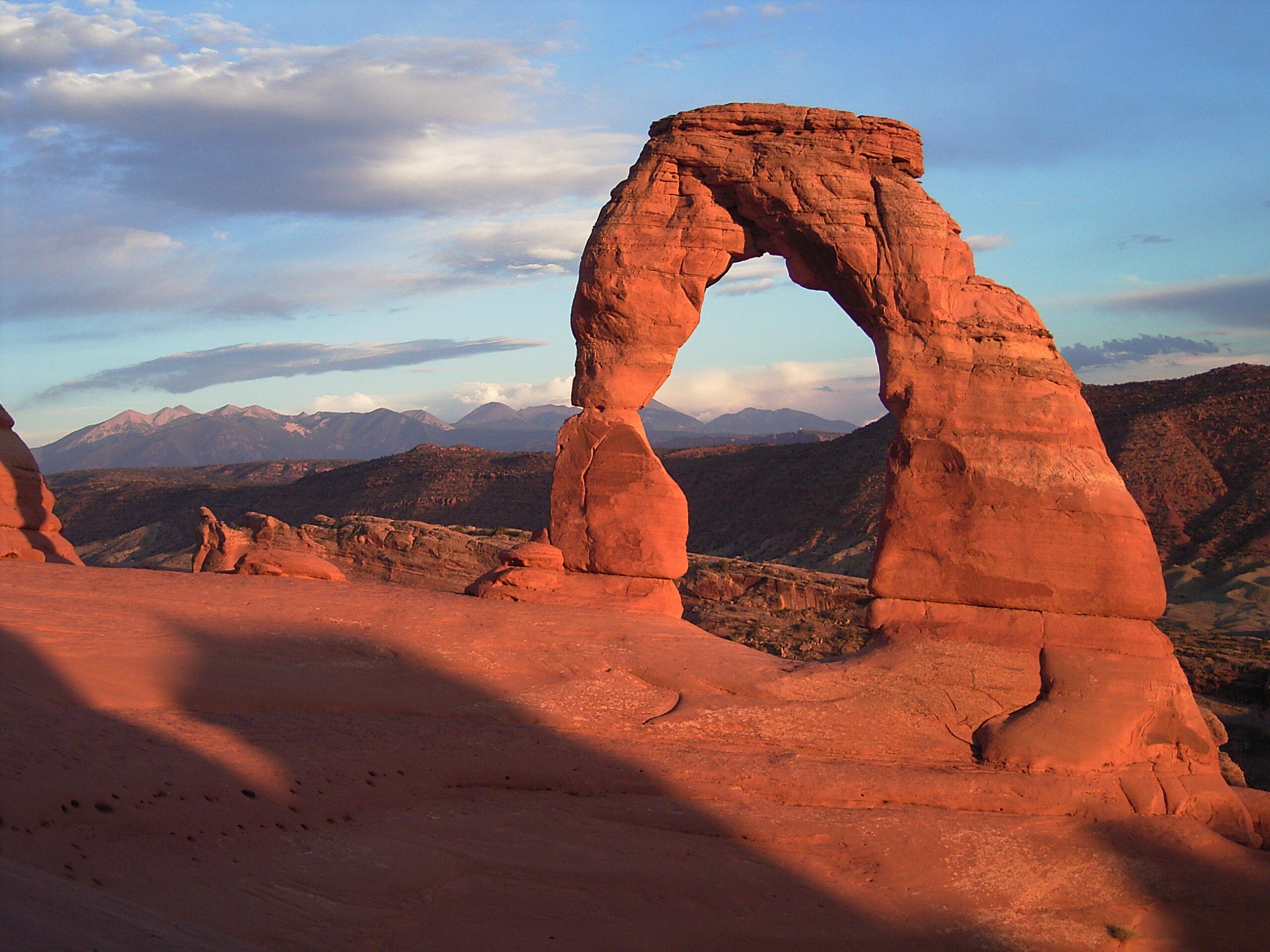
Arches drew 1.5 million visitors in 2024 and continues to require timed-entry tickets in 2026. The park’s signature features — Delicate Arch, Landscape Arch, Double Arch — concentrate in a single corridor along the main road, which means the entire visitor population funnels through the same parking lots. Natural Bridges National Monument, about two hours southwest of Arches near Blanding, Utah, was the country’s first designated International Dark Sky Park in 2007. The three sandstone bridges — Owachomo, Sipapu, and Kachina — rival anything in Arches, and you can often have them to yourself at sunrise. The nine-mile loop road connects all three overlooks and trailheads. Camping is available within the monument for $15 per night, first-come first-served, and the night sky regularly draws astrophotographers from as far as the Front Range of Colorado.
5. Acadia → Schoodic Peninsula
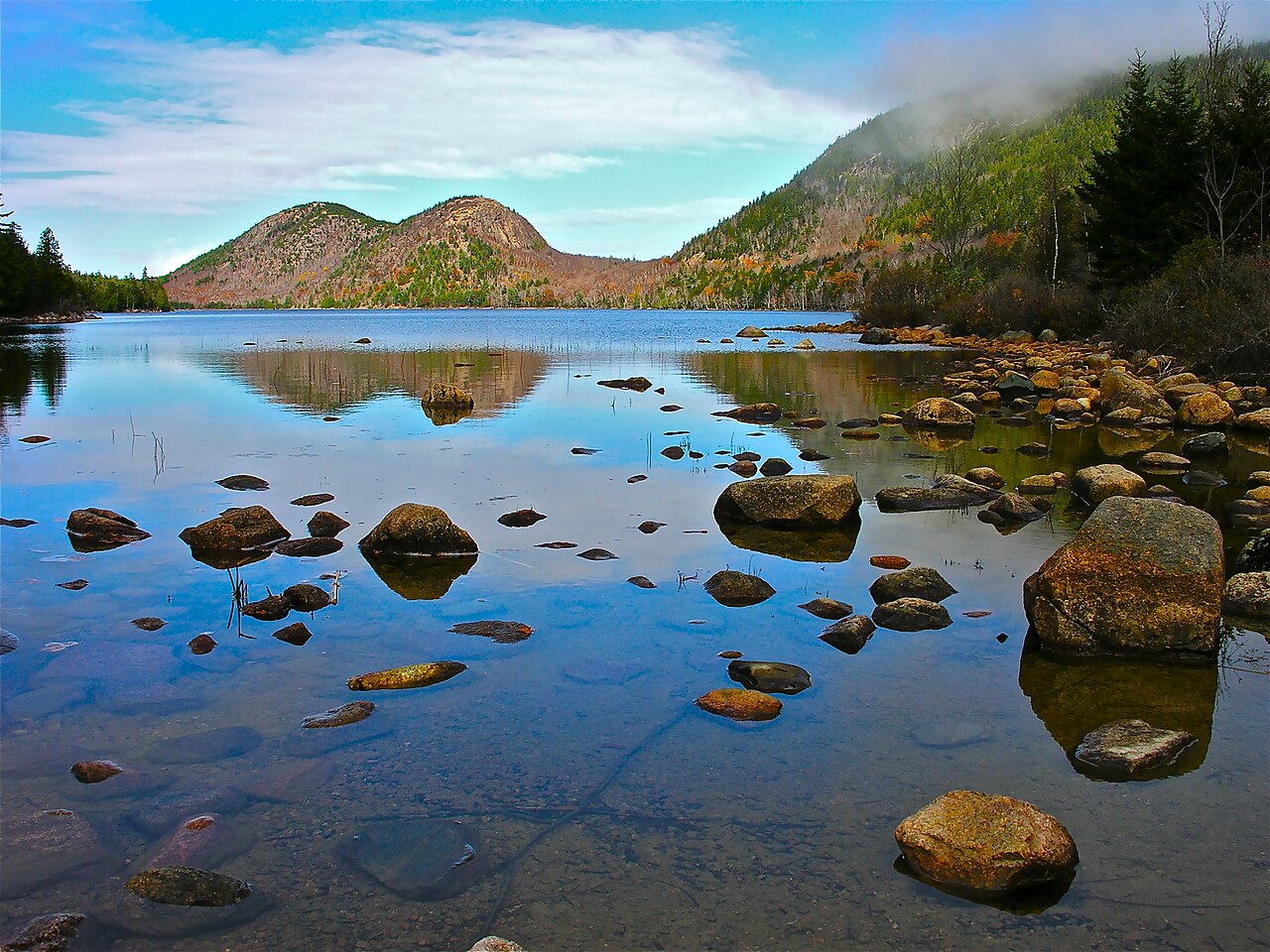
Acadia logged 3.96 million visitors in 2024. The Park Loop Road parking fills by 9 a.m. in July and August. Cadillac Summit Road already requires reservations from May through October. The crowds concentrate on Mount Desert Island, which holds Cadillac Mountain, Jordan Pond, and Sand Beach. The park’s own Schoodic Peninsula — across Frenchman Bay from Mount Desert Island, accessible by a one-hour drive or the seasonal Bar Harbor-to-Winter Harbor ferry — covers the same Maine granite coastline with about a tenth of the people. Same park, same ranger system, same entrance pass, almost no traffic. Schoodic Point itself produces dramatic surf displays during storms and at high tide. The peninsula’s loop road can be cycled in two to three hours, and the Schoodic Woods Campground rarely fills.
6. Rocky Mountain → Indian Peaks Wilderness
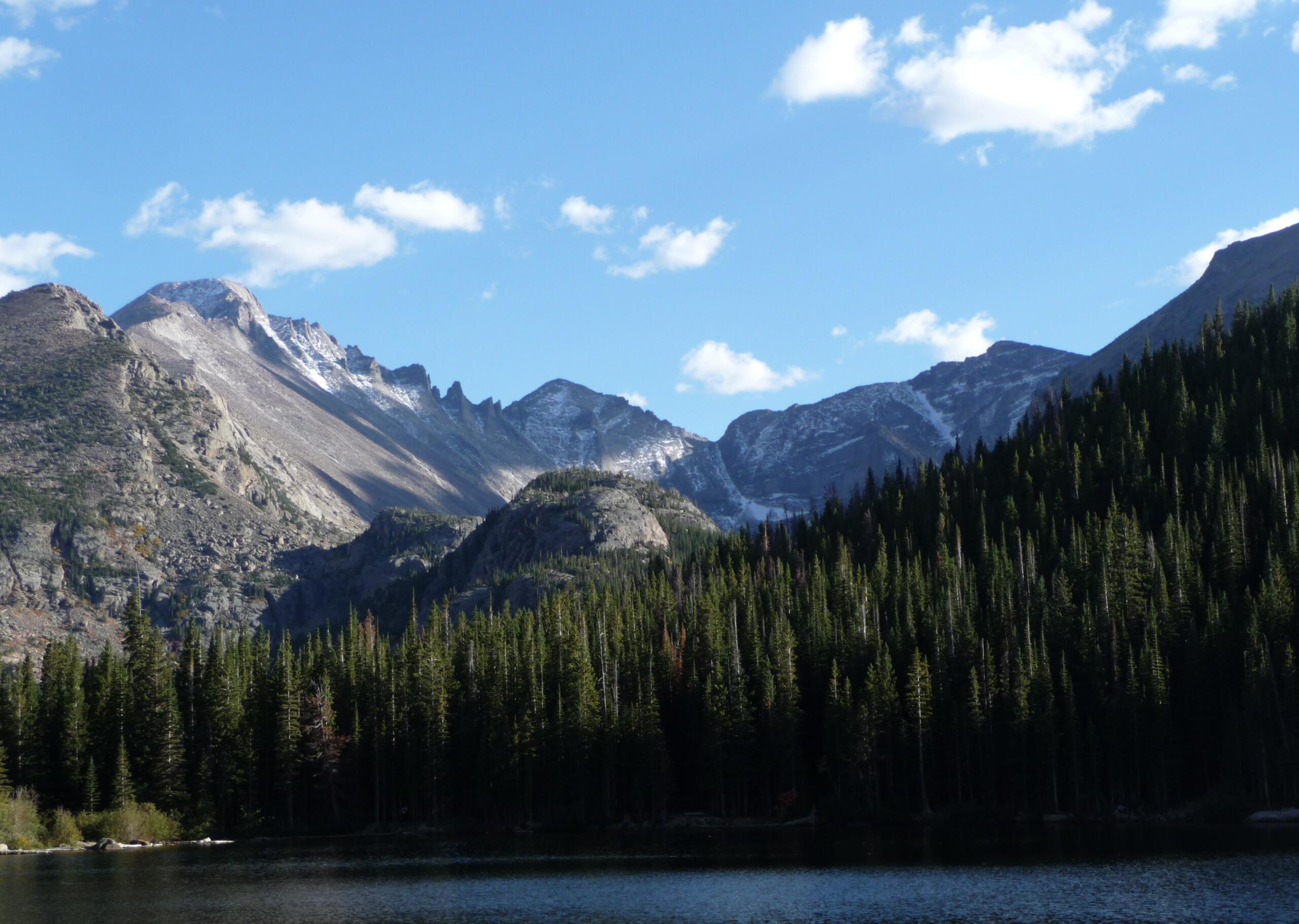
Rocky Mountain National Park required timed-entry reservations May through October in both 2024 and 2025, with the system extending through 2026. Bear Lake Road, the most-trafficked corridor, can require a separate reservation on top of the park entry. Indian Peaks Wilderness, immediately south of Rocky Mountain inside Roosevelt National Forest and Arapaho National Forest, encompasses 76,711 acres of high alpine terrain. The wilderness holds 76 named lakes, 28 peaks above 13,000 feet, and the same Continental Divide ridgeline that draws visitors to Rocky Mountain. No entry fee. No timed reservation. The trailheads at Brainard Lake, Hessie, and Fourth of July begin within an hour’s drive of Boulder, and the Pawnee Pass and Arapaho Pass crossings rival anything you can hike inside the national park.
7. Grand Canyon South Rim → Grand Canyon North Rim
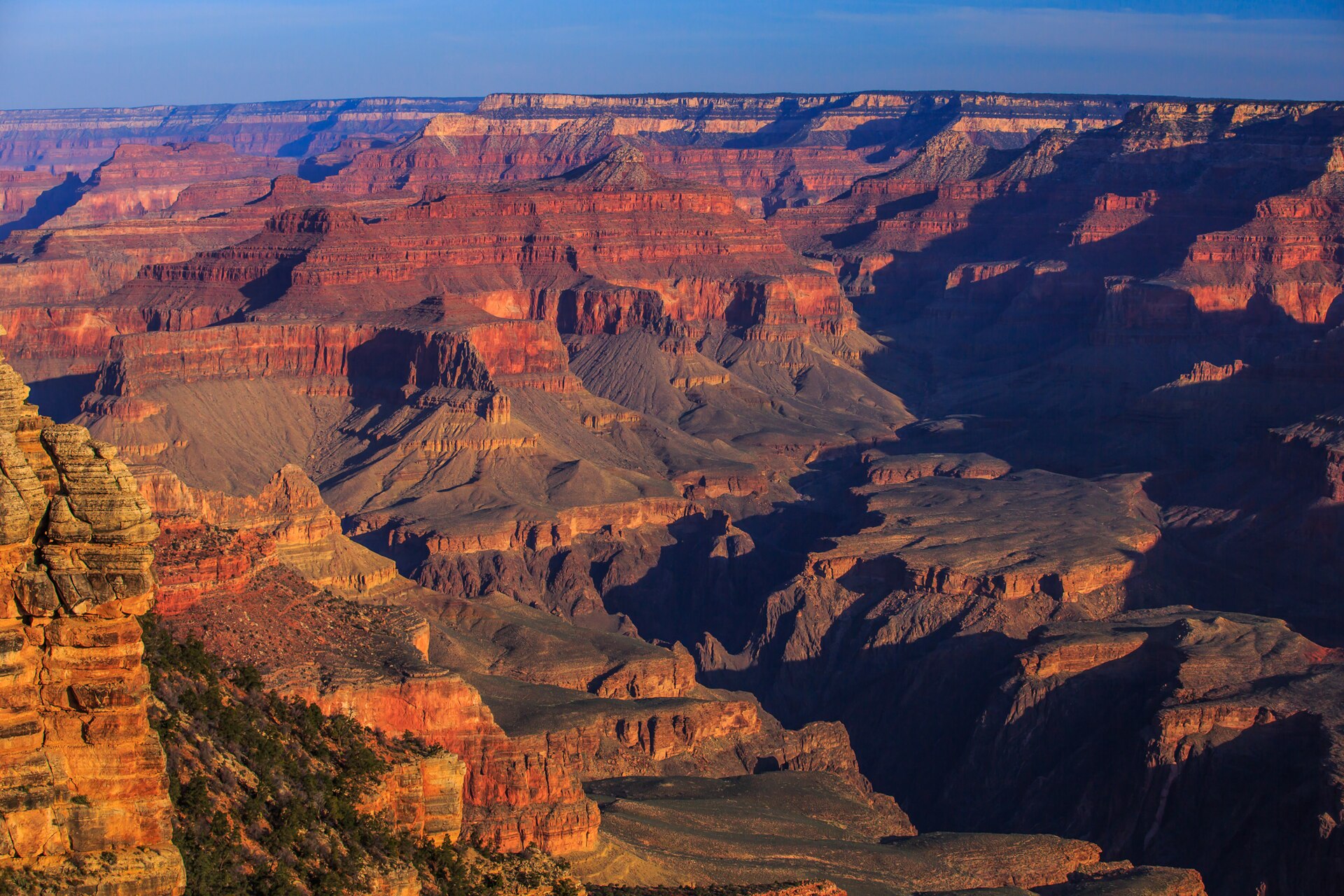
The South Rim takes 90% of Grand Canyon visitation — roughly 4.4 million people a year, mostly concentrated along Mather Point, the Bright Angel Trail, and Grand Canyon Village. Parking at the visitor center can require a thirty-minute wait. The shuttle bus loops run packed throughout summer, and the Hermit Road shuttle stops near Hopi Point and Mohave Point can have line waits exceeding twenty minutes during peak hours. Hotel reservations at the South Rim lodges — El Tovar, Bright Angel Lodge, Maswik — typically book out twelve months in advance for summer. The North Rim, only 215 miles away by road but 1,000 feet higher in elevation, hosted approximately 500,000 visitors in 2024 — about one-ninth the South Rim’s traffic. Same canyon, same geology, cooler air (the North Rim sits at 8,000 feet), pine forests rather than desert scrub, and a lodge that actually serves a quiet dinner without three weeks’ advance reservation. The Bright Angel Point overlook is a fifteen-minute walk from the parking area at the Grand Canyon Lodge. The North Kaibab Trail descends into the canyon from the North Rim and intersects with the same Phantom Ranch corridor at the bottom — only with far fewer hikers above. The North Rim closes mid-October through mid-May due to snow.
8. Cuyahoga Valley → Hocking Hills State Park
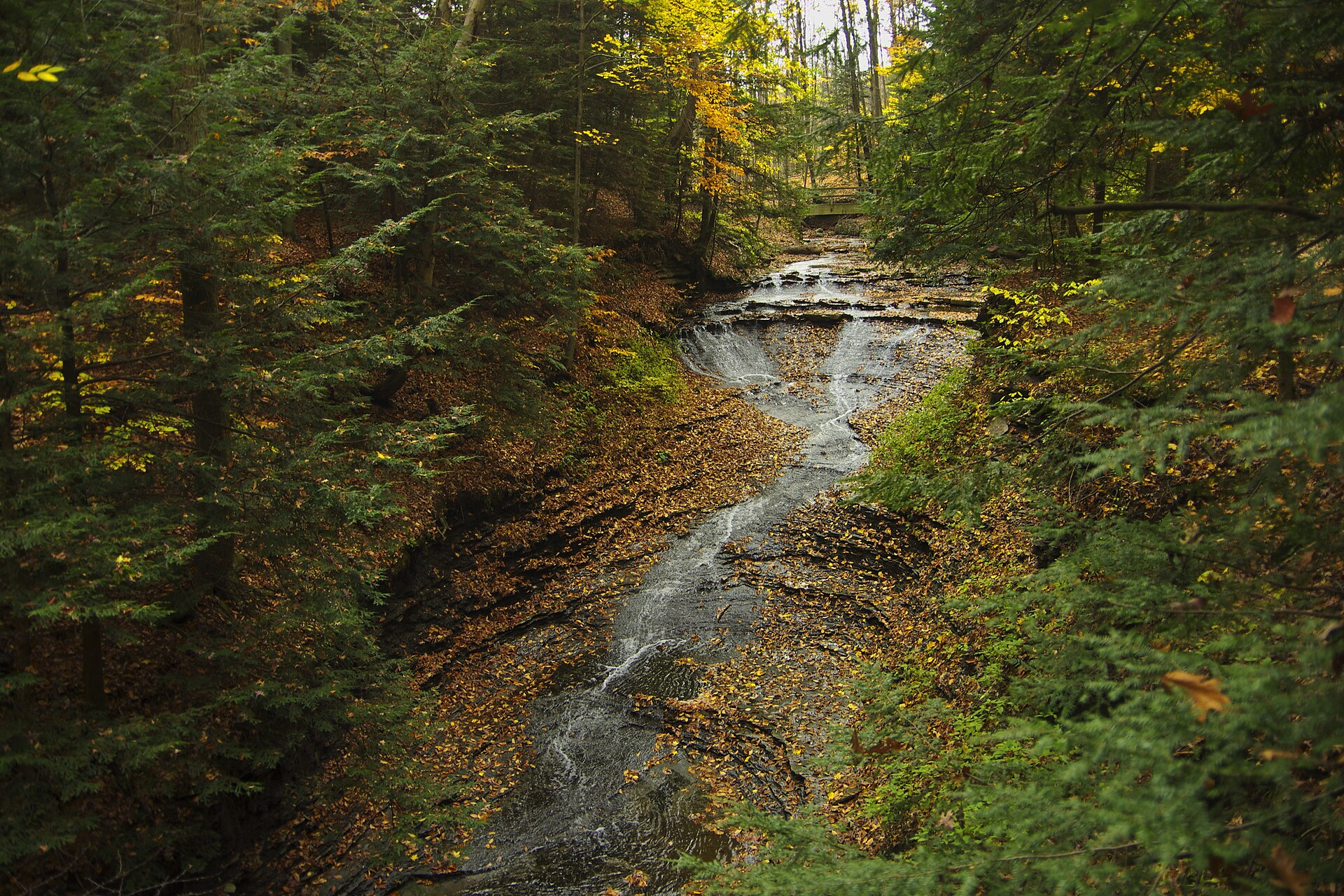
Cuyahoga Valley National Park averaged 12.2 visitors per acre in July 2024 — the fifth-densest national park in the country by that measure, sandwiched between the populations of Cleveland and Akron. Brandywine Falls and the Towpath Trail attract steady weekend crowds. Hocking Hills State Park, three hours south of Cleveland near Logan, Ohio, delivers gorges, waterfalls, sandstone overhangs, and hemlock forest at Old Man’s Cave, Ash Cave, and Cedar Falls that match Cuyahoga’s prettiest spots — without the Cleveland-suburb traffic on every trailhead road. The Ohio state park system charges no admission. Hocking Hills also offers cabin rentals, a state-park lodge, and a designated Dark Sky preserve at the John Glenn Astronomy Park. Most of the gorge trails are open year-round, and ice formations in January draw a small dedicated winter following.