A flight attendant is forming an opinion about you before you’ve found your seat. The hellos from the gate, the carry-on you’re dragging, the smell of your last meal, the way you make eye contact — all of it goes into a quick mental file that determines how the next several hours of the flight play out. Several long-serving flight attendants have spoken to industry publications about exactly what they’re scanning for. Here are the six things every flight attendant clocks within thirty seconds of seeing you, and what they’re using that information to decide.
1. Whether You Said Hello
A 2024 survey of cabin crew conducted by The Points Guy and reported across travel media found that the single most predictive cue for a smooth flight is whether the boarding passenger acknowledges the crew at the door. Not the volume. Not the warmth. Just the acknowledgment — a nod, eye contact, a quick “hi” in response to the standard “welcome aboard.” Passengers who walked past the lead flight attendant without eye contact were significantly more likely to require crew intervention during the flight, according to the same survey — for service requests, for behavioral issues, for medical events, for confrontations with seat neighbors over reclining or bin space. The pattern shows up consistently across U.S. carriers, European carriers, and Asian carriers in published cabin crew interviews from the past five years. Several Delta and American flight attendants have publicly explained the logic in industry interviews: a passenger who can be civil at the door is statistically more likely to be civil during a service disruption later in the flight. A passenger who can’t even nod is signaling something else entirely. Crew train themselves to register this in the first two seconds of the boarding interaction. The hello is the cheapest, fastest behavioral cue that exists in commercial aviation, and flight attendants are paying close attention to it.
2. The Smell of Alcohol
You can’t board a U.S. flight visibly intoxicated, and the screening starts at the jet bridge. Federal regulation 14 CFR § 121.575 explicitly prohibits airlines from boarding passengers who appear impaired by alcohol or drugs. The captain has full authority to deny boarding to anyone the cabin crew flags as impaired and isn’t required to be subtle about it. Cabin crew are trained at carrier-specific training programs to identify alcohol on the breath even at low concentrations — Delta, American, United, Southwest, and JetBlue all run their flight attendants through this curriculum. The standard test isn’t fancy: leaning in slightly during the boarding greeting, the lead flight attendant smells your breath. If alcohol is detected at a level that suggests visible impairment, they’re already coordinating quietly with the gate agent and the captain before you reach the door. Refusal of boarding is the airline’s discretion, and U.S. carriers refuse hundreds of passengers per year on this basis. Most refusals happen quietly. A small percentage escalate into news stories when the refused passenger gets confrontational.
3. The Way You’re Carrying Your Bag
A bag dragged behind a passenger usually rolls. A bag carried by the handle usually doesn’t fit in the overhead bin. Cabin crew watch for the difference because overhead-bin space is the single biggest source of boarding delay across U.S. carriers — the Air Transport Association has tracked it as the number-one cause of delayed departures from gates for over a decade. A passenger struggling to lift a roller-bag is flagged immediately. The flag triggers two crew conversations: the bin-space conversation (whether the bag needs to be gate-checked) and the in-flight injury risk conversation (whether the bag could fall on another passenger’s head during turbulence). Both conversations happen before the passenger sits down. Crew also watch for soft-sided bags that look overstuffed — those tend to expand once stowed and prevent the next passenger’s bag from fitting. The carry-on weight problem is most acute on regional jets and on the lower-cost carriers that charge for checked bags. Frontier, Spirit, and Allegiant flight attendants have publicly described carry-on management as the most physically demanding part of their job.
4. What You’re Wearing
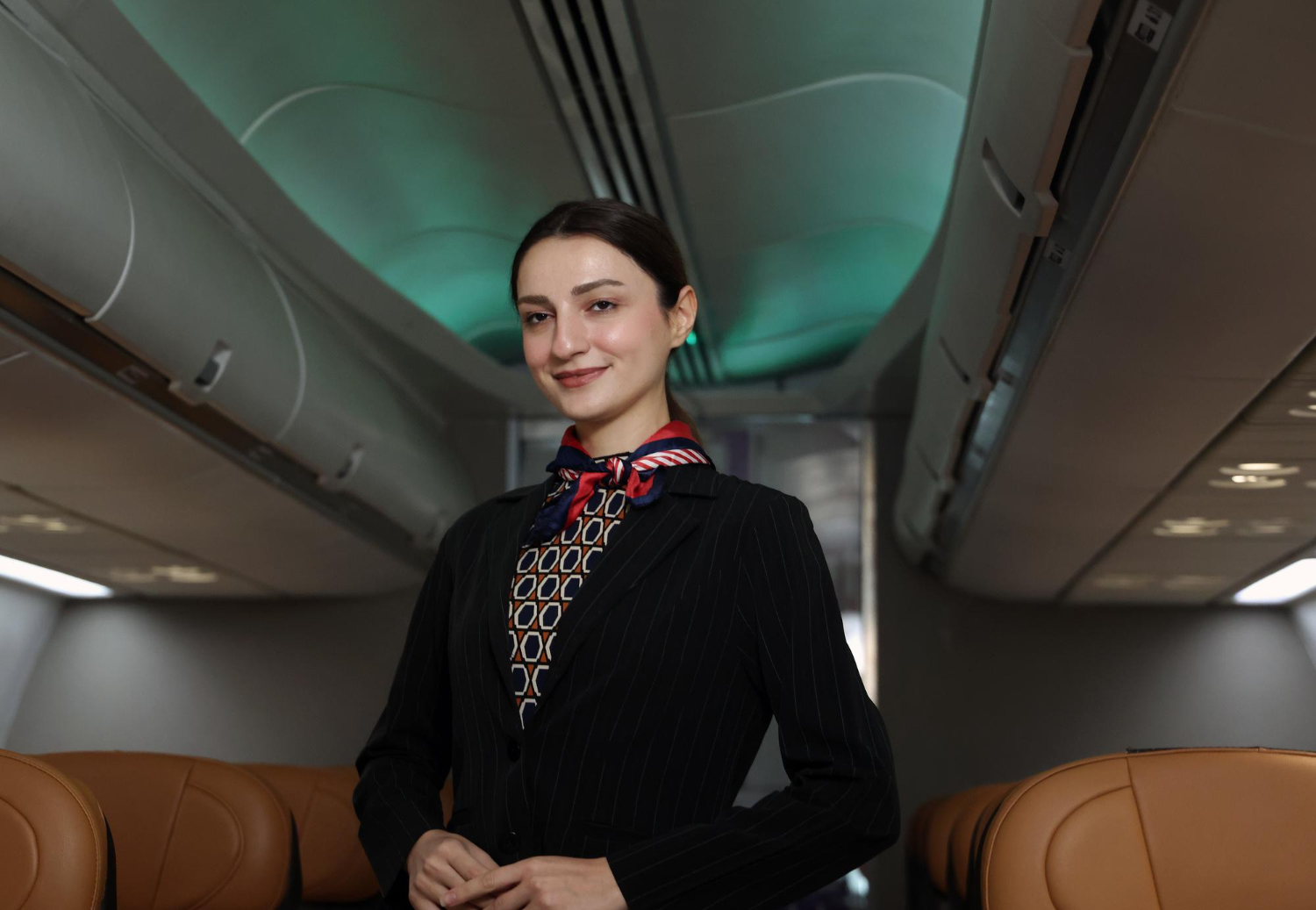
The captain can refuse boarding over clothing — that authority is broad under FAR Part 121, and it’s rarely challenged successfully in court. Sandals, flip-flops, bare ankles, and revealing tops all get clocked. The reason isn’t fashion or modesty. An emergency evacuation under FAA standards requires getting every passenger across a hot runway in 90 seconds. Bare feet on metal slides during an evacuation cause serious burns. Bare ankles on superheated tarmac cause more burns. Loose clothing snags on emergency equipment. Crew are looking at who would slow that 90-second window down, and they remember the passenger. Several U.S. carriers have published dress-code policies that prohibit visible undergarments, offensive graphics, and clothing soiled with substances likely to attract pests. Enforcement varies by airline and by individual captain. Southwest, American, and United have all denied boarding for clothing in the past five years, and the resulting headlines tend to repeat the same pattern — the social media coverage favors the passenger, while the airline cites safety. The actual basis is almost always the evacuation calculation. Flight attendants also note shoes that are likely to come off during an evacuation — backless mules, untied sneakers, oversized sandals — and will sometimes ask the passenger to switch into the closed-toe shoes they have packed in their carry-on if any are visible. The conversation usually happens politely. The decision can still be no.
5. Your Phone and Headphones
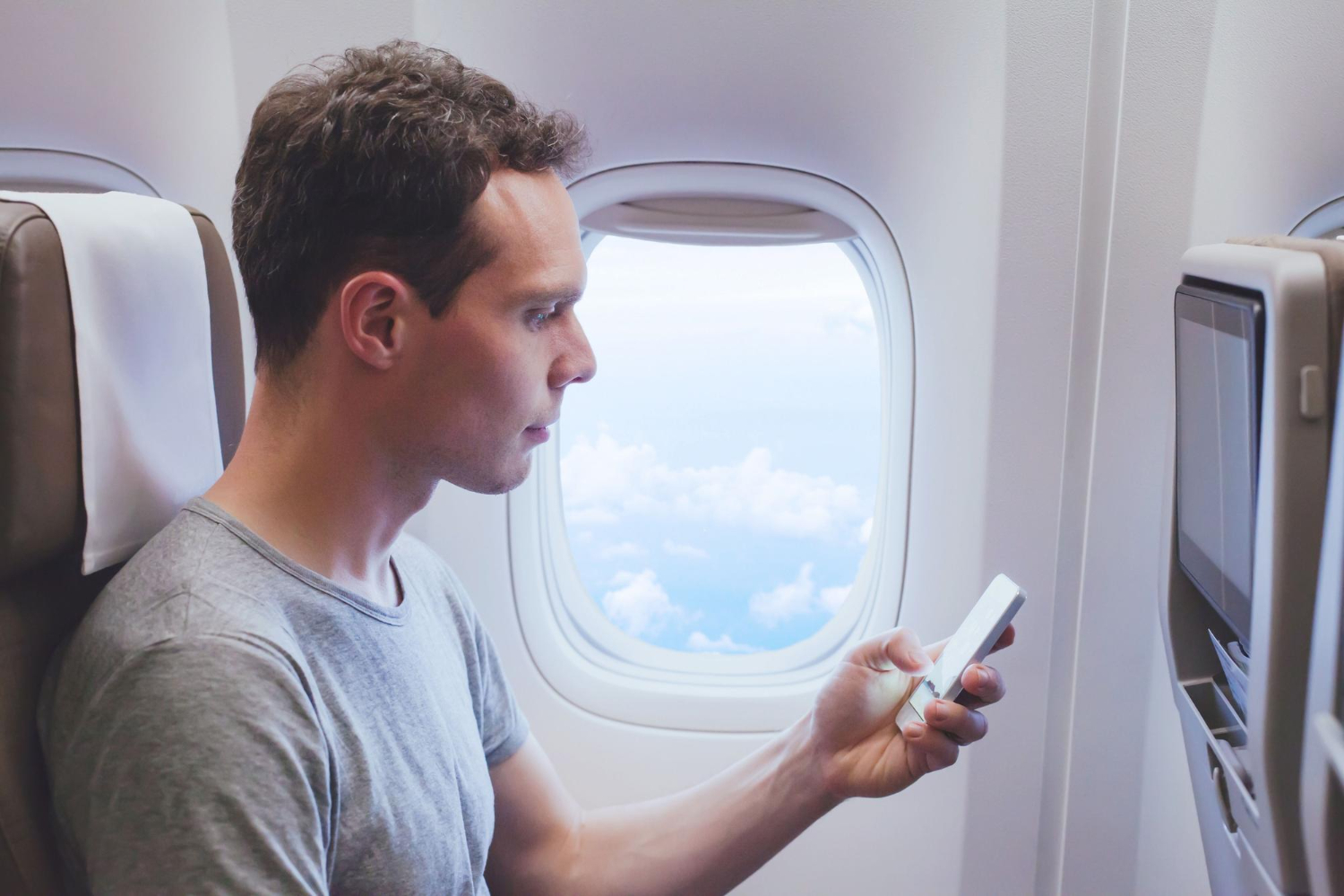
Crew need a verbal acknowledgment of the safety briefing — federal regulation 14 CFR § 121.571 requires it. Passengers who keep headphones in during the safety demonstration are noted by crew, and the lead flight attendant will return to that row before the safety announcement is repeated. A passenger who is actively ignoring the briefing entirely is the single most common pre-departure compliance issue cabin crew report across all carriers. The rule exists because in the rare event of an emergency, every passenger needs to know where the nearest exit is, how to operate the oxygen mask, and how to brace. Crew can’t enforce that if half the cabin is wearing AirPods. Headphones-in is also a signal of broader engagement — passengers who can’t put their phone down for two minutes during boarding tend to ignore other inflight instructions, including those involving overhead bins, seatbacks during takeoff, and unauthorized cell phone use during landing. The crew memory of that passenger persists. A passenger who acknowledged the briefing tends to get better service through the flight; the passenger who ignored it tends to get the bare minimum.
6. Whether You Look Sick
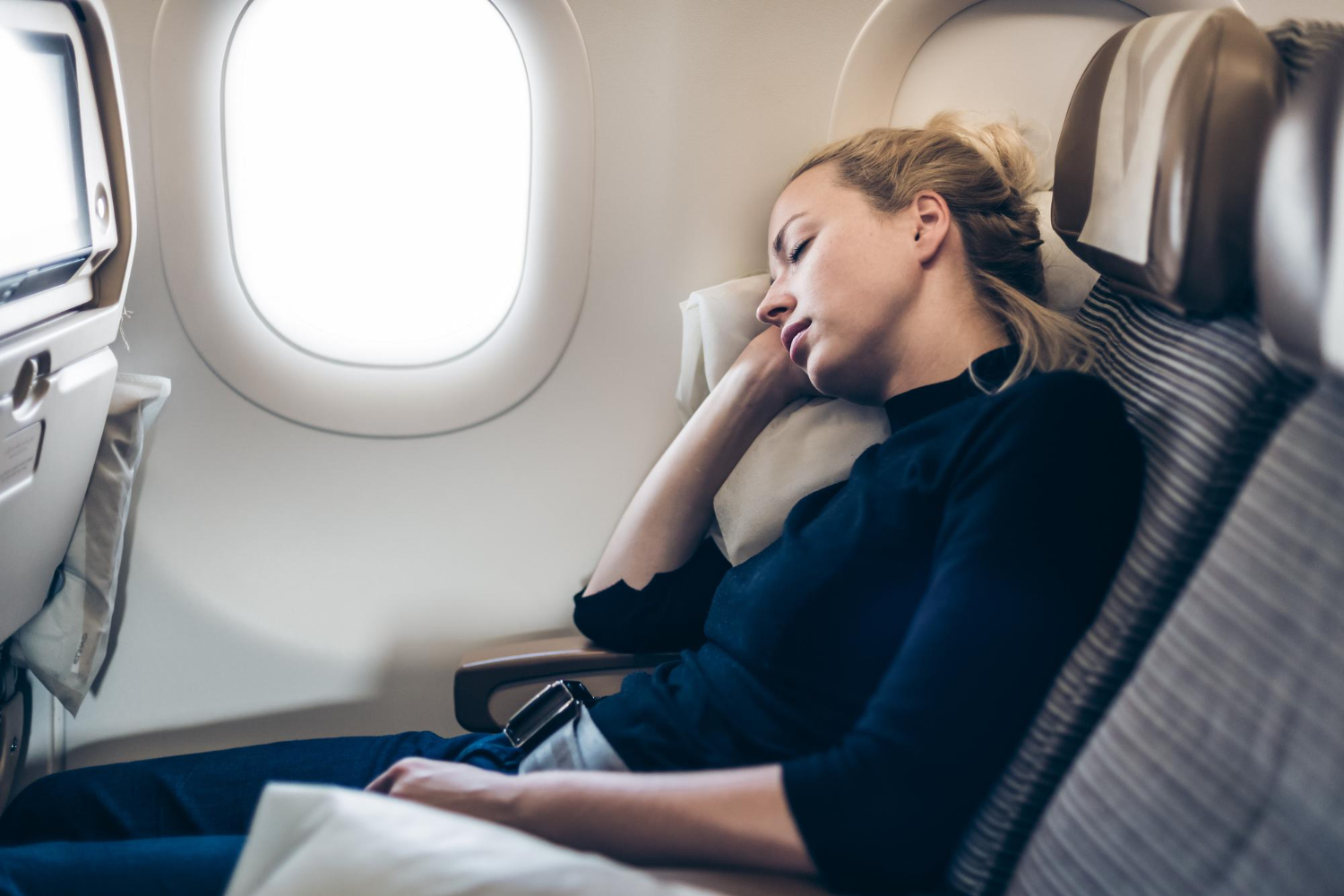
Visible sweating, gray or yellowed skin, a hand pressed to the chest, a heavy persistent cough, an unsteady walk down the aisle — all of it gets logged by the crew during boarding. A flight attendant can ask the captain to delay departure for a medical assessment, and they will if the passenger appears to be at meaningful risk. Since 2023, U.S. carriers have applied tighter protocols around fever and respiratory symptoms, especially on international flights, with crew empowered to call for ground medical staff to evaluate the passenger before pushback from the gate. The reason is operational, not punitive — a medical diversion mid-flight costs an airline tens of thousands of dollars per incident in additional fuel, landing fees, crew rest requirements, and rebooked-passenger compensation, plus the cascading disruption to all other passengers on the routing. Crew also watch for signs of food poisoning, alcohol withdrawal, severe anxiety, and panic disorders, all of which can become medical events at altitude. The Association of Flight Attendants-CWA has trained members to recognize the early signs of cardiac events and strokes for over a decade, and there are documented cases of flight attendants identifying passengers in distress before pushback and saving their lives by triggering an immediate medical evaluation. The crew member at the door is looking. The check is the entire purpose of being there at boarding, not a secondary courtesy. The thirty-second window when you walk past the lead flight attendant is a screening process disguised as a hello.