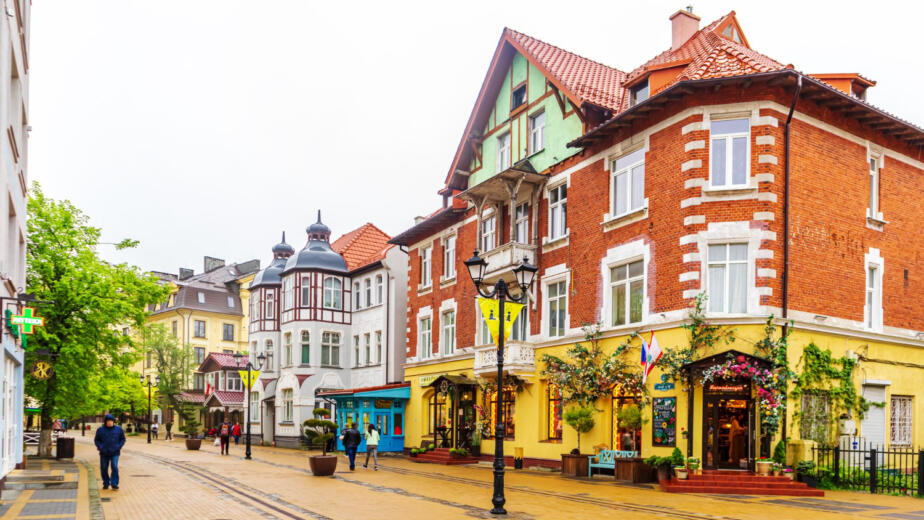
The American “walkable downtown” — a contiguous historic district where parking once, walking everywhere, and never returning to the car is genuinely possible — exists in fewer U.S. towns than most travelers assume. According to Walk Score’s 2025 ranking of small American towns under 50,000 residents, only 47 U.S. communities qualify as fully walkable by the index’s strict criteria of pedestrian infrastructure, commercial density, and street connectivity. The number was 89 in 1990. The decline tracks the broader automotive-first development of American suburbs. The towns that still qualify are concentrated in specific regions — the Appalachian South, the Mountain West mining-era towns, the New England historic seacoast, and the Mississippi River steamboat-era towns. Here are seven of the most beautiful, ranked by the actual walkability scores and the architectural-preservation density that makes them distinctive.
1. Charleston, South Carolina (Population 159,000)
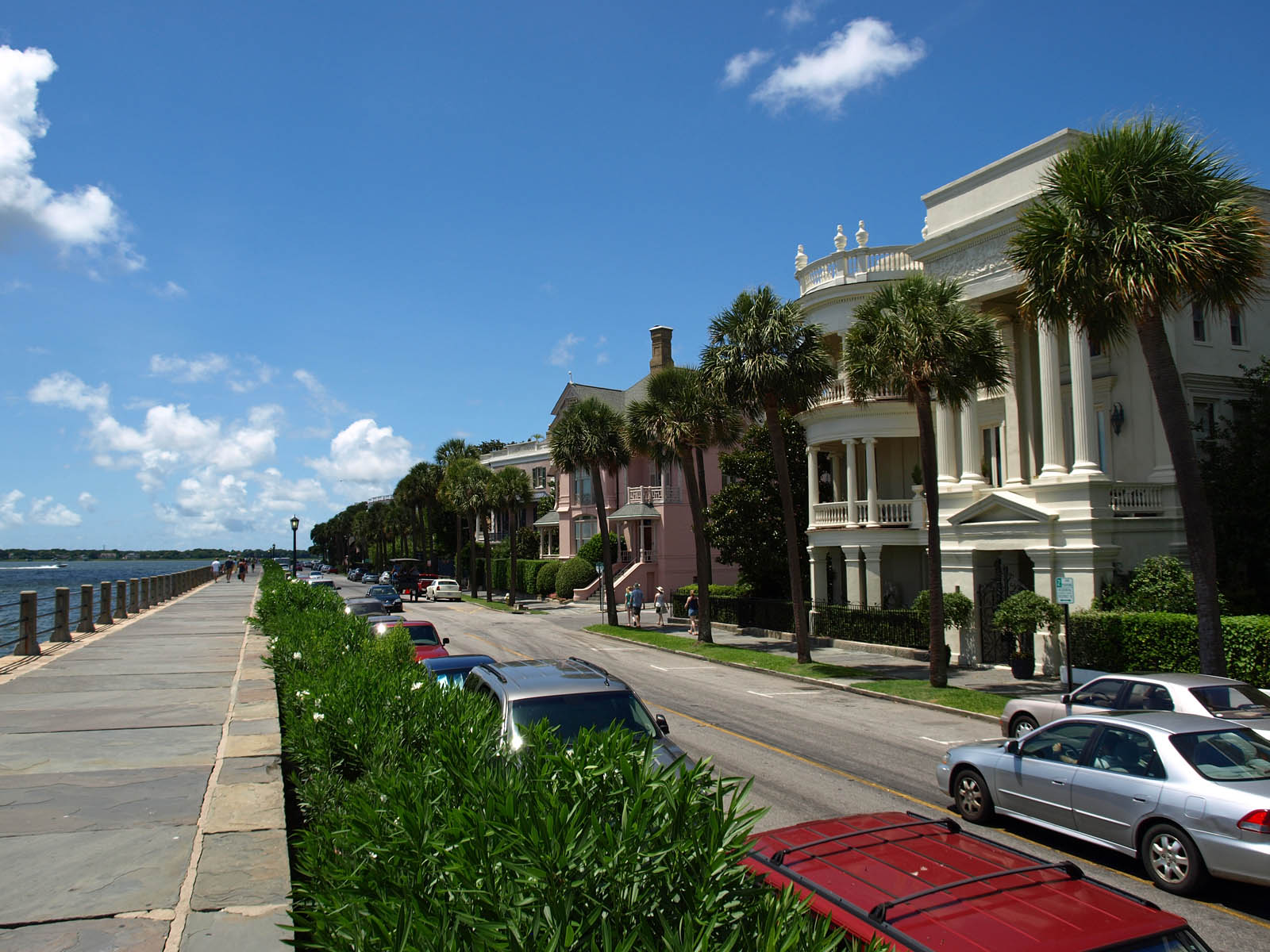
Charleston’s historic downtown, specifically the area south of Calhoun Street known as the South of Broad neighborhood and the Battery, has the highest sustained walkability score of any American city under 200,000 residents according to Walk Score’s 2025 ranking. The cobblestone streets, the antebellum mansions, the 1840s church spires, and the genuine pedestrian density during peak season produce a walking experience that resembles a small European old city more than a typical American town. The historic district covers approximately 4.4 square miles and contains over 1,400 protected historic buildings — the largest concentration of preserved antebellum architecture in any American city. Visitors park once at the Charleston Visitor Center off Meeting Street for $15 to $20 per day and walk for two to three days without returning to a vehicle. Restaurants, museums, churches, the Battery promenade, and the harbor waterfront are all within a 25-minute walking circle. The city has actively expanded pedestrian-priority street treatments since 2018, with Broad Street and parts of King Street now featuring widened sidewalks and traffic calming.
2. Beaufort, South Carolina (Population 13,000)
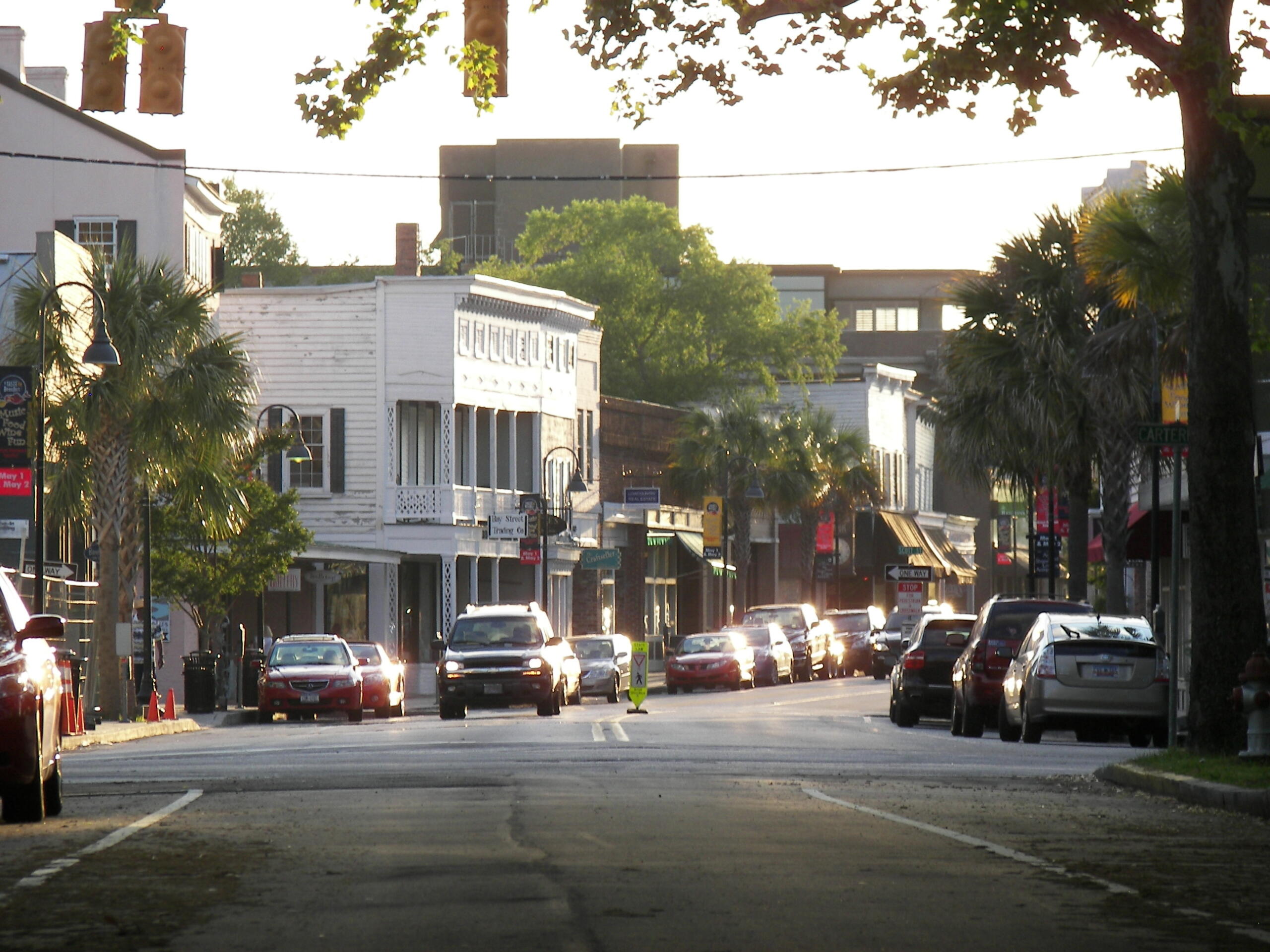
Beaufort’s Bay Street historic district, already discussed as a filming location for “Forrest Gump” and “The Big Chill,” is also among the most walkable small downtowns in America. The historic district covers approximately 1.4 square miles, with the central Bay Street running along the Beaufort River. Antebellum mansions line both Bay Street and the surrounding residential blocks. The downtown contains over 100 protected historic buildings and an active commercial district with restaurants, bookshops, and waterfront cafes. The Henry C. Chambers Waterfront Park, completed in 1980, extends pedestrian space along the river. The town’s small size makes the entire historic district walkable from any parking spot within 15 minutes.
3. Bar Harbor, Maine (Population 5,500)
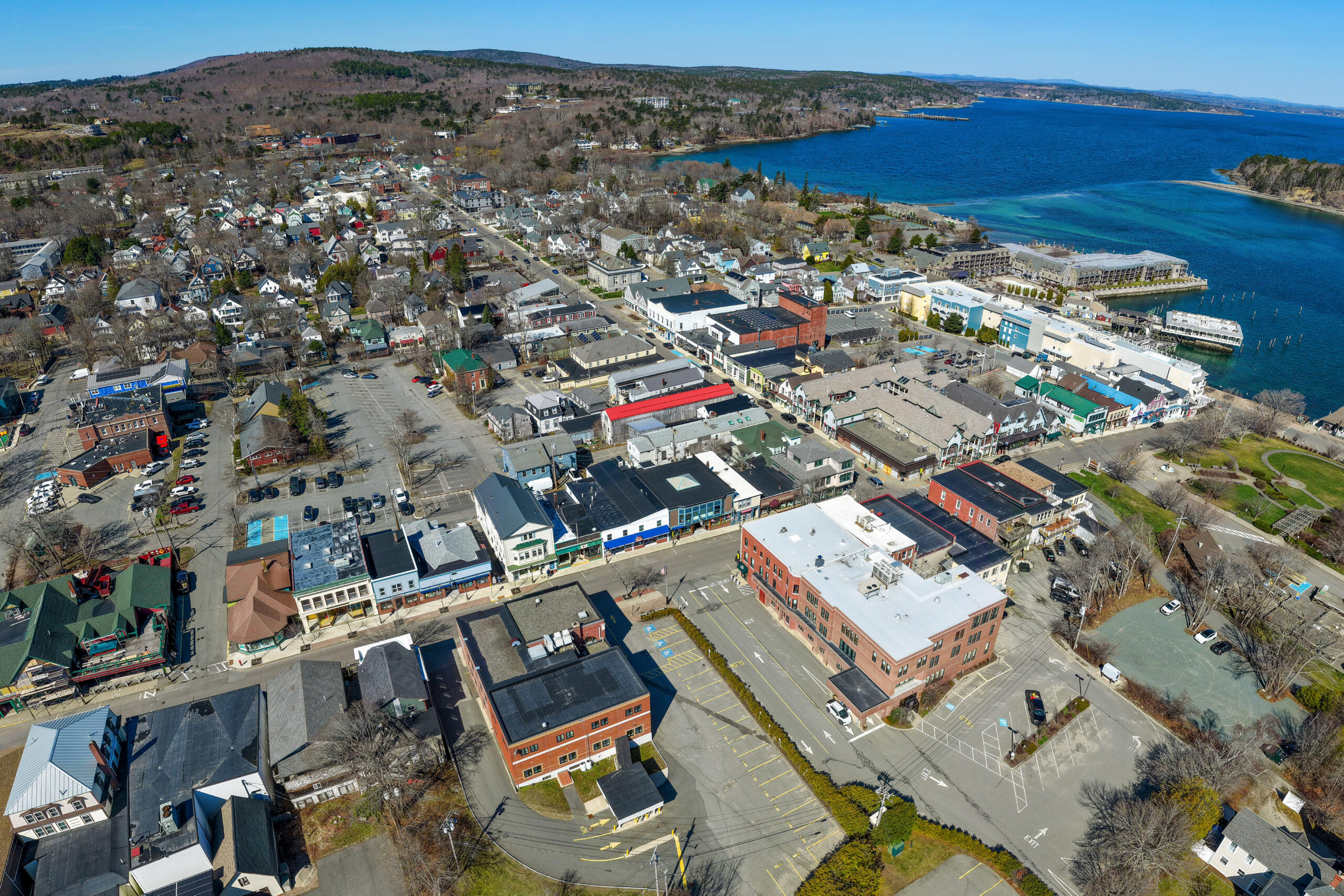
Bar Harbor — the gateway town to Acadia National Park — has a compact historic downtown along Main Street and Cottage Street that functions entirely on foot during peak summer. The streets fill with pedestrian traffic between 10 a.m. and 9 p.m. from late June through Labor Day. Bar Harbor’s Main Street has actively prohibited through-traffic and limited Main Street access on certain days to pedestrian-only operation since 2018. The town has a pedestrian-shuttle system connecting parking lots at the town’s edge to the downtown core, and visitors who park at the long-term lots can spend an entire day in the downtown without returning to their car. The Acadia National Park free Island Explorer shuttle system extends pedestrian access to surrounding park areas.
4. Galena, Illinois (Population 3,200)
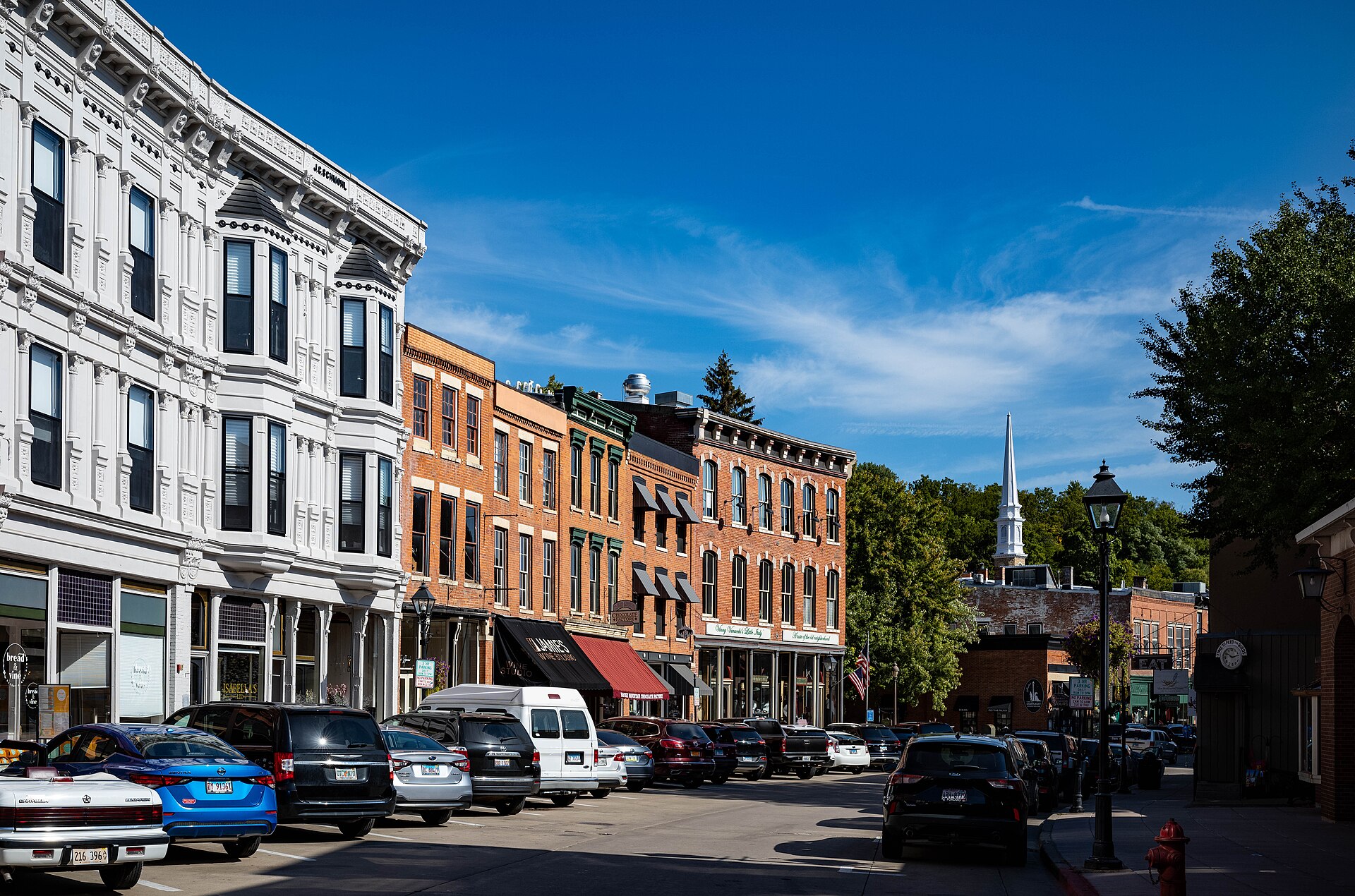
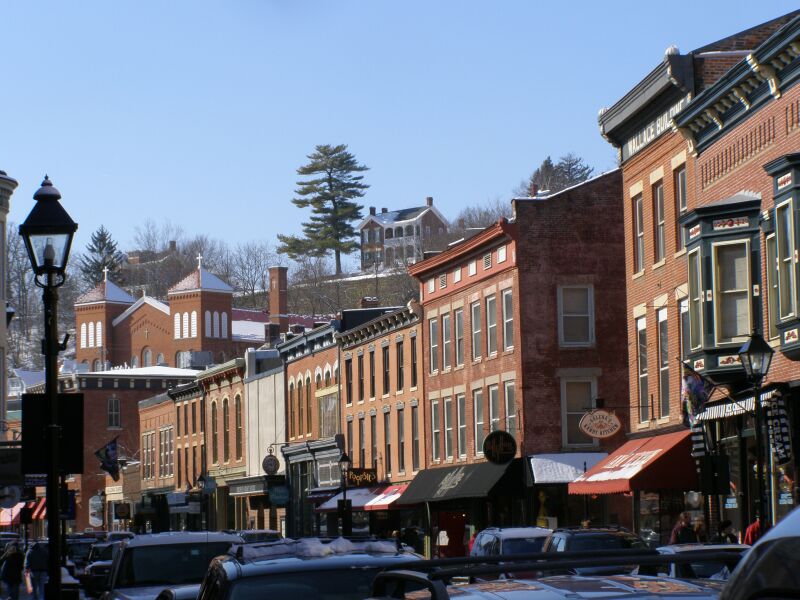
Galena’s Main Street historic district — a National Historic Landmark since 1969 — is six blocks long and contains more 1850s commercial buildings than any other surviving frontier-era American downtown, with over 85 percent of the district’s structures predating the Civil War. The street is parallel to the Galena River, with steep wooded hillsides rising on both sides and historic residential neighborhoods extending up the bluffs. The historic district has been designated a pedestrian-oriented commercial zone for decades, and the town has actively limited Main Street parking to maintain pedestrian dominance, especially during summer weekends when the district fills with day-trippers from Chicago and Madison. Visitors park in lots at the river level or at the top of the bluff and walk through the entire historic district in 30 to 45 minutes. The Ulysses S. Grant home and the DeSoto House Hotel — built 1855 — are both within the walkable district. Galena’s small size and absolute architectural preservation make it among the most distinctive walking downtowns in the Midwest.
5. Asheville, North Carolina (Population 95,000)
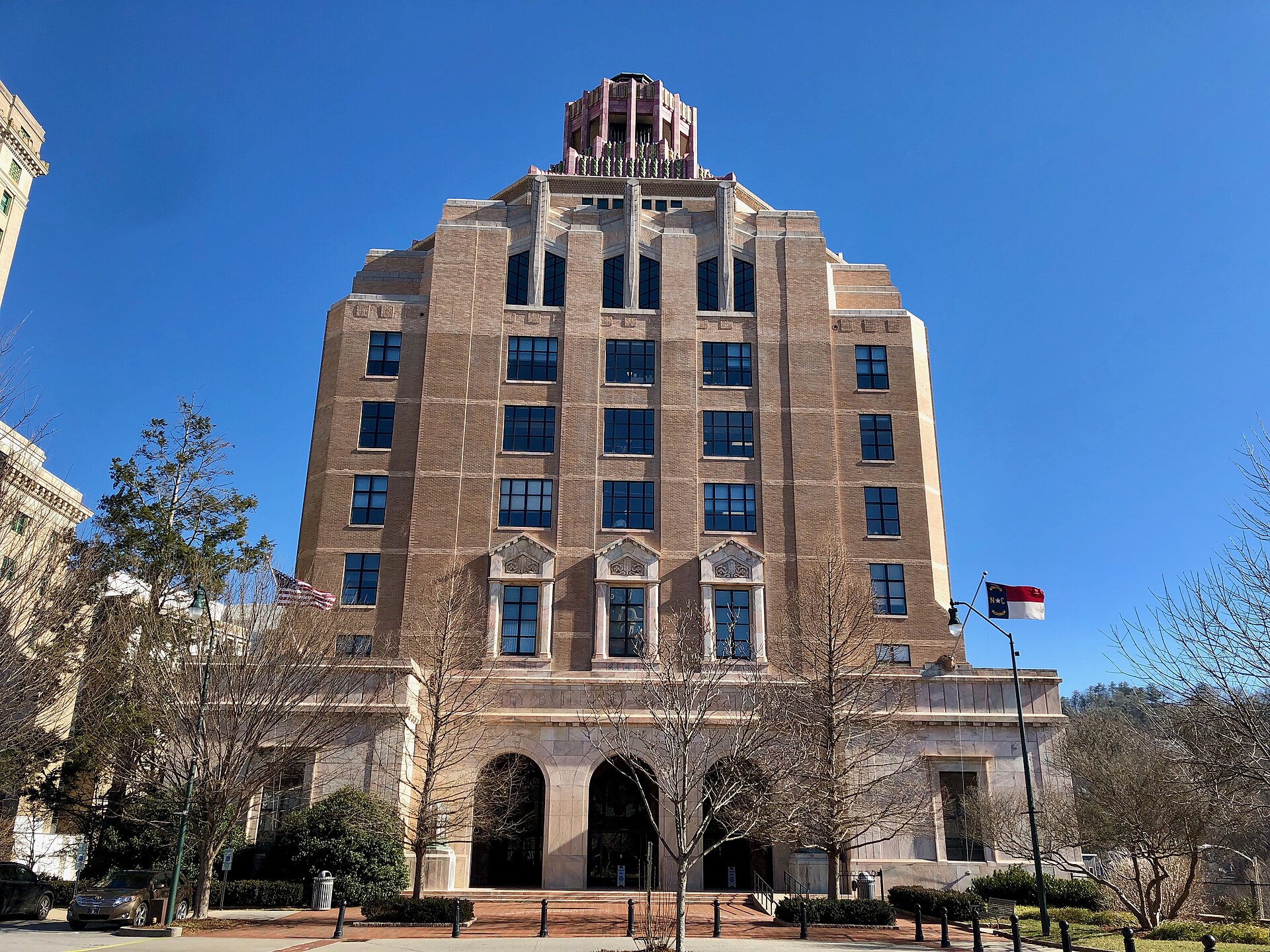
Asheville’s downtown has emerged as one of the most-walked small American downtowns since approximately 2010, with the Pack Square Park, the historic Grove Arcade (built 1929), the surrounding restaurants and breweries, and the Mountain Bound boutique district forming a contiguous walkable zone of approximately 1.2 square miles. The Beer City USA designation, first awarded in 2009 by an industry trade group and held in some form ever since, has made the downtown a destination for craft-brewery walking tours, with the typical Asheville beer-walk covering 5 to 7 breweries on foot within a single mile. The town’s Art Deco architecture from the 1920s — including the S&W Cafeteria building (1929), the Jackson Building (1924), and the Buncombe County Courthouse (1928) — provides distinctive visual interest along the walking routes. The downtown has dedicated pedestrian-priority infrastructure improvements completed in 2019, including widened sidewalks on Wall Street and a redesigned College Street corridor that prioritizes pedestrians during peak weekend hours.
6. Mendocino, California (Population 900)
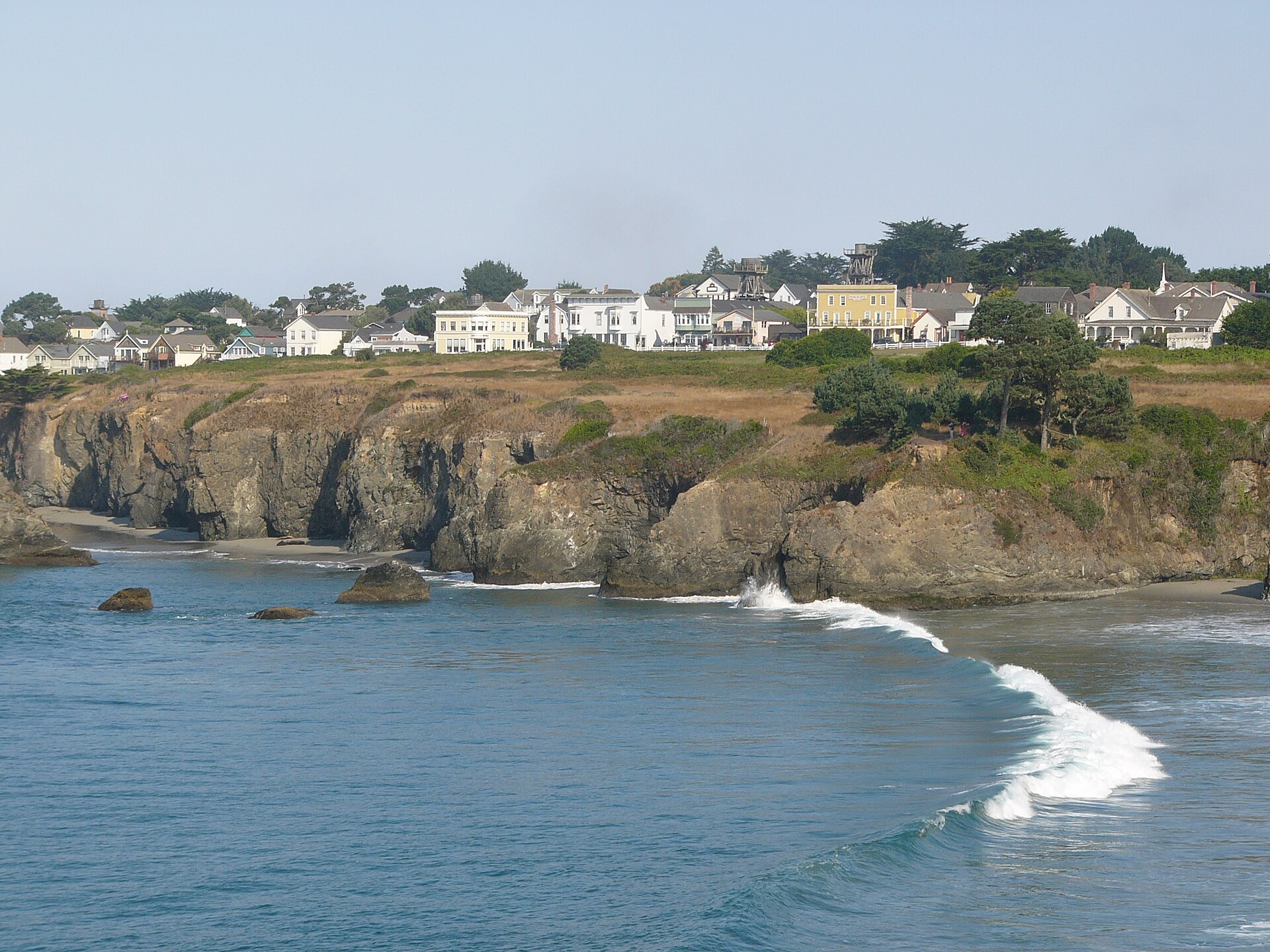
Mendocino’s tiny downtown covers approximately 8 city blocks of preserved 1880s coastal Victorian architecture overlooking the Pacific Ocean. The entire commercial district is walkable from any parking spot within 5 to 10 minutes, and the village’s narrow streets do not accommodate large tour buses or RVs — both effectively prohibited from the historic core. The Mendocino Headlands State Park, immediately adjacent to the downtown, provides an additional 350 acres of coastal walking trails that connect directly to the village core through unpaved paths. The town has actively restricted commercial development since the 1950s under voluntary architectural review covenants and a Mendocino Historical Review Board established in 1971 to preserve the historic character. The downtown has approximately 50 small businesses — galleries, bookstores, restaurants, inns — operating in the original Victorian commercial buildings, most of which date to between 1860 and 1890. The total walking-tour distance from one end of the downtown to the other is approximately 0.7 miles, and the average visitor’s combined walking distance during a Mendocino weekend exceeds 4 miles across the village and the connected headlands trails.
7. Mackinac Island, Michigan (Population 583) — Where Cars Aren’t Allowed Past 6 PM
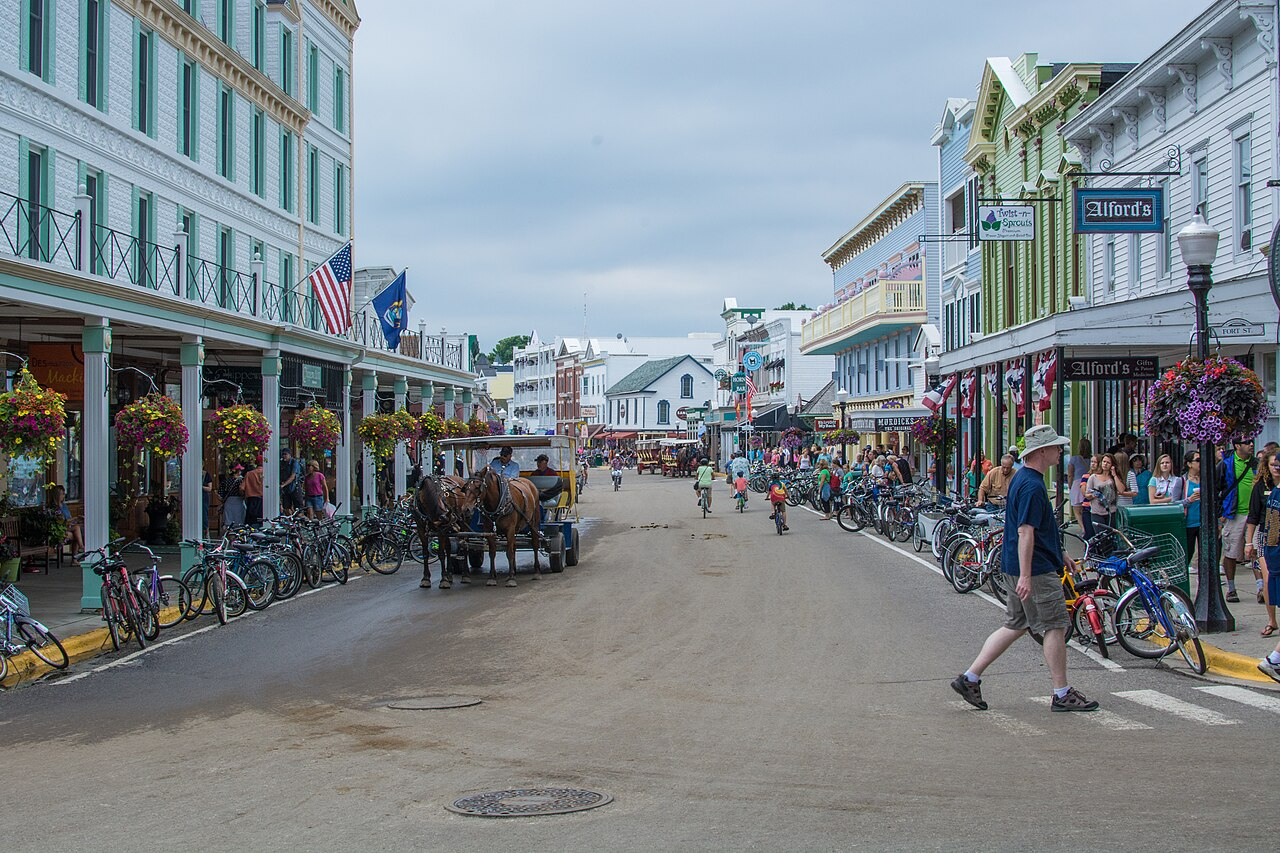
Mackinac Island in northern Michigan’s Straits of Mackinac is the most aggressive walkable-downtown case in the United States — motor vehicles have been prohibited on the entire 4.4-square-mile island since 1898, when local horse-and-buggy operators successfully lobbied the village council to ban the early automobile after a horse was startled into the harbor by an early Ford. The only motorized transport permitted today is for emergency services, snow removal, and a single delivery truck for ferry-arriving freight. The town’s Main Street runs along the harbor and is approximately 0.4 miles long, featuring hotels, fudge shops (a Mackinac specialty since the 1880s, with over a dozen still operating), bicycle-rental shops, and restaurants. The island is accessed by ferry from St. Ignace or Mackinaw City on the Michigan mainland. Visitors park on the mainland for $8 to $15 per day and walk, ride bicycles, or take horse-drawn carriages on the island. The famous Grand Hotel, built in 1887 with the longest porch in the world at 660 feet, anchors the island’s historic district and operates from May to October each year. Mackinac Island is the gold standard of American car-free downtowns and the only American community where the prohibition has held for over a century.