
The American tourist economy has produced thousands of attractions over the past 150 years, and a substantial fraction of them have been abandoned. Catskills resorts that hosted a million New Yorkers per summer in the 1950s. The Salton Sea resort towns of the 1960s. The Pennsylvania coal-region amusement parks. The Florida Gulf Coast destinations destroyed by hurricanes and never rebuilt. The Las Vegas hotels demolished as the Strip rebuilt itself. Each carries a specific story about why American tourism abandoned it. The buildings, the marquees, the empty parking lots, the pool decks now overgrown — all remain in place, available for visitors willing to seek them out. Here are eleven once-famous American tourist destinations that are now completely abandoned, with the specific decline story for each.
1. The Catskills Borscht Belt Resorts, New York
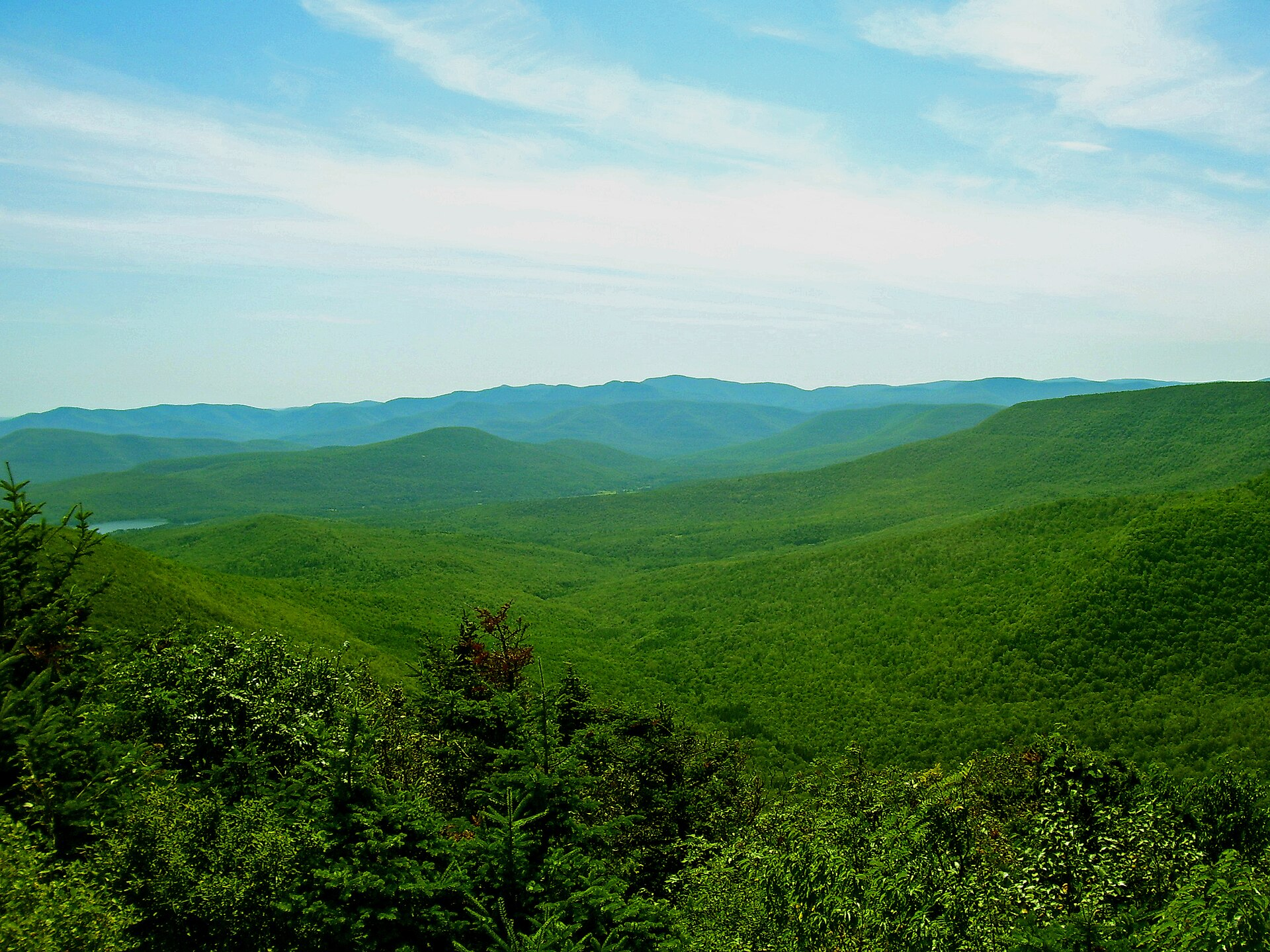
The Borscht Belt — the Catskills resort region in Sullivan and Ulster Counties, New York — hosted approximately 1 million Jewish-American vacationers per summer at its 1950s and 1960s peak. The Concord Resort, Grossinger’s, Kutsher’s, the Nevele, the Pines — each was a major destination with thousands of rooms. By 2005, every major Borscht Belt resort had closed. The Concord was demolished in 2008 and replaced by a casino. Grossinger’s was demolished in 2018. The skeletal remains of several smaller resorts still stand in the Catskills, slowly being reclaimed by forest. Photographers and “urban explorers” visit the abandoned structures, though most are on private property with active no-trespassing enforcement.
Like our content? Follow us for more.
2. Bombay Beach, California (Salton Sea Resort Area)
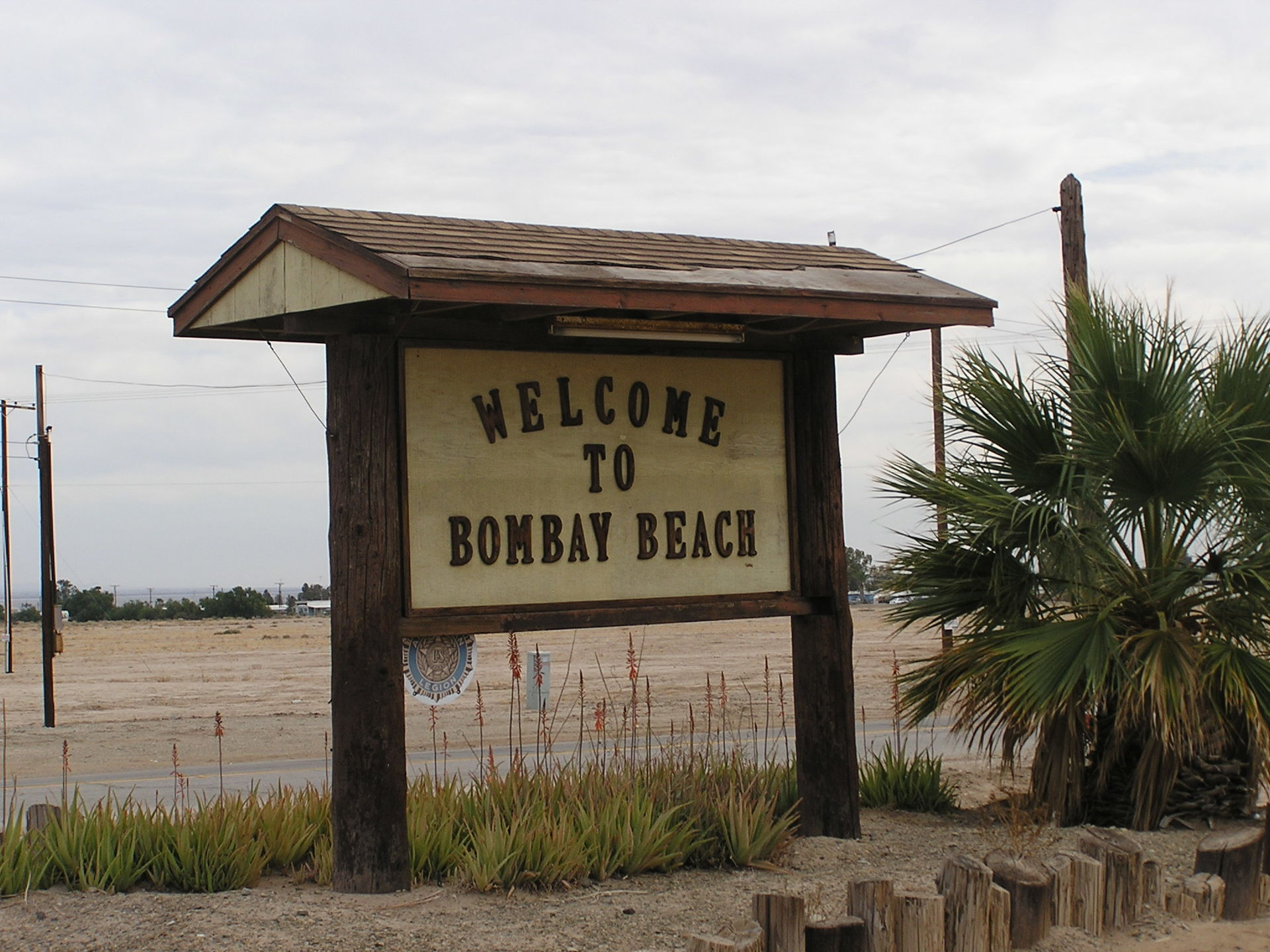
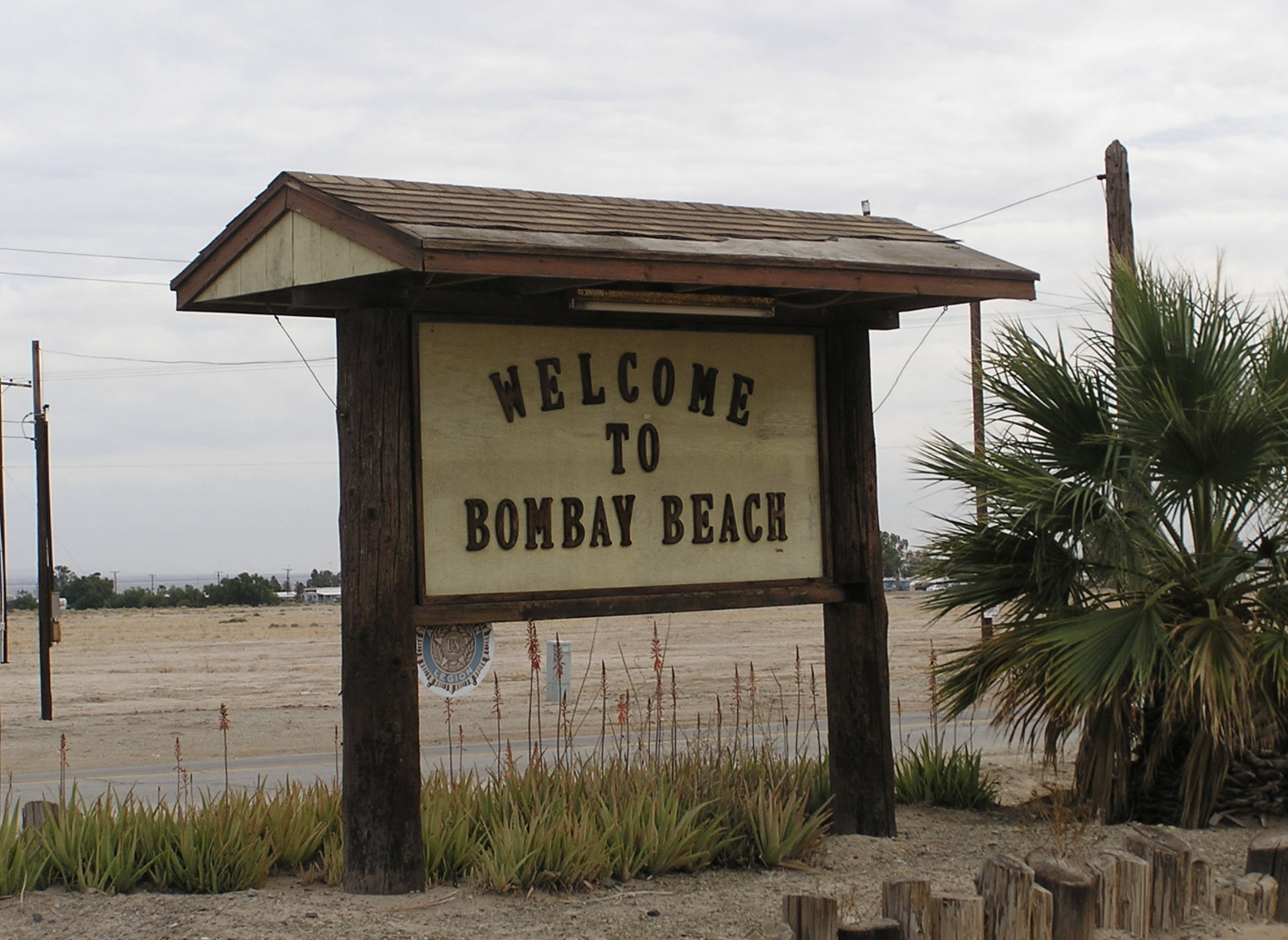
Bombay Beach on the eastern shore of the Salton Sea was one of the most-visited California tourist destinations in the 1950s and 1960s. The Salton Sea was actively promoted as a California vacation alternative to coastal beach destinations, with marinas, hotels, restaurants, and a developed shoreline serving an estimated 1.5 million annual visitors at the peak. The decline began in the 1970s as the lake’s salinity rose, fish kills produced toxic odors along the shoreline, and the resort infrastructure deteriorated. Most Bombay Beach structures are abandoned in 2026. The town’s permanent population is approximately 295 residents. The artist-installation revival of the 2010s and 2020s has produced selective tourism but has not restored the original resort economy.
3. Six Flags New Orleans, Louisiana
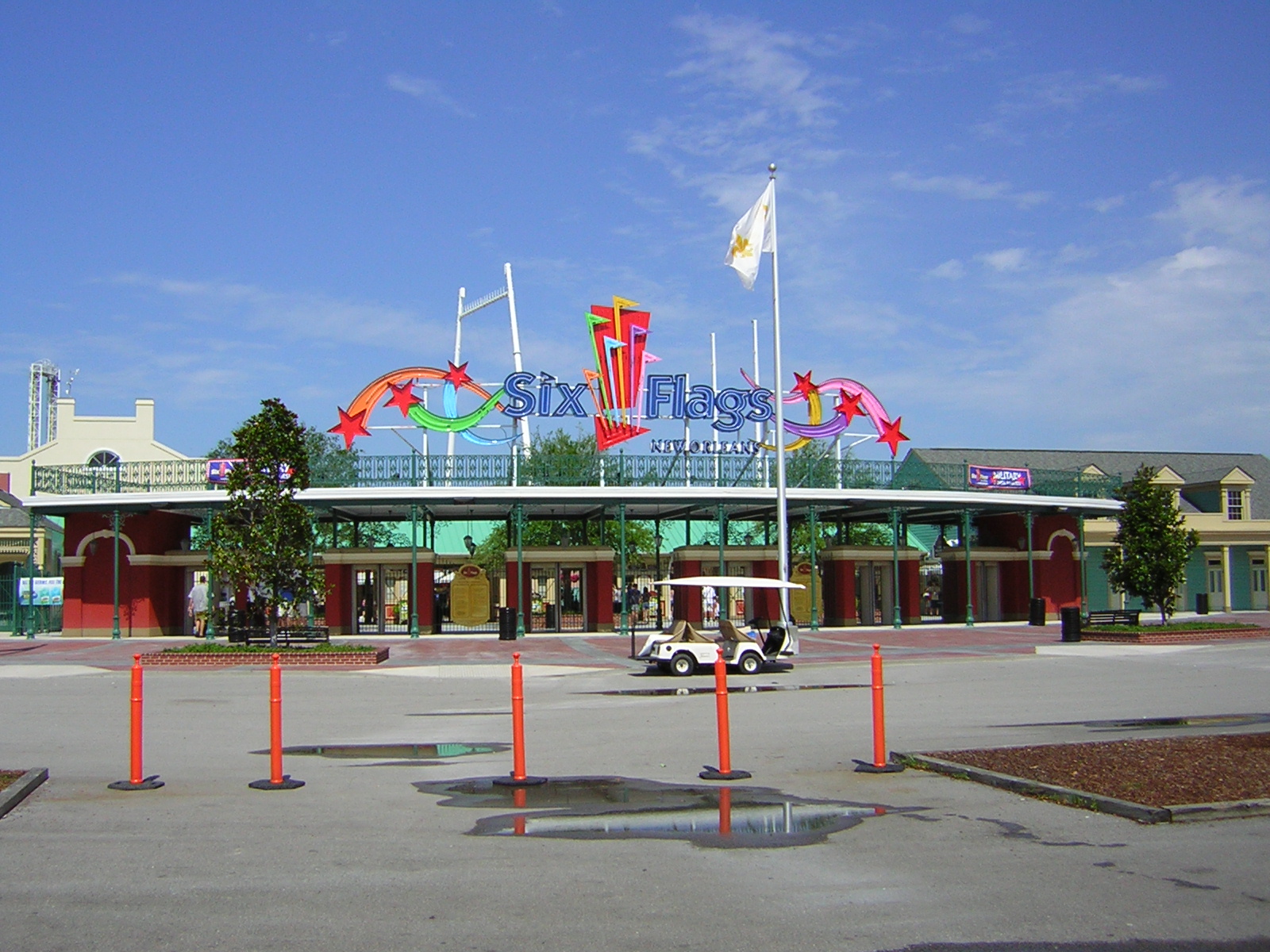
Six Flags New Orleans was open from 2000 to 2005 before Hurricane Katrina destroyed the facility on August 29, 2005. The park was submerged under saltwater for over a month. Six Flags abandoned the property and filed insurance claims. The City of New Orleans took ownership of the site in 2009 but has not redeveloped it. The roller coasters, the carousel, the entrance gate, and most park structures remain in place — corroded, overgrown, and entirely abandoned. The site has been used for filming locations in productions including “Jurassic World” (2015) and several music videos. The property is theoretically gated but has been repeatedly entered by urban-exploration photographers and YouTubers.
4. Pripyat, Pennsylvania (Centralia)
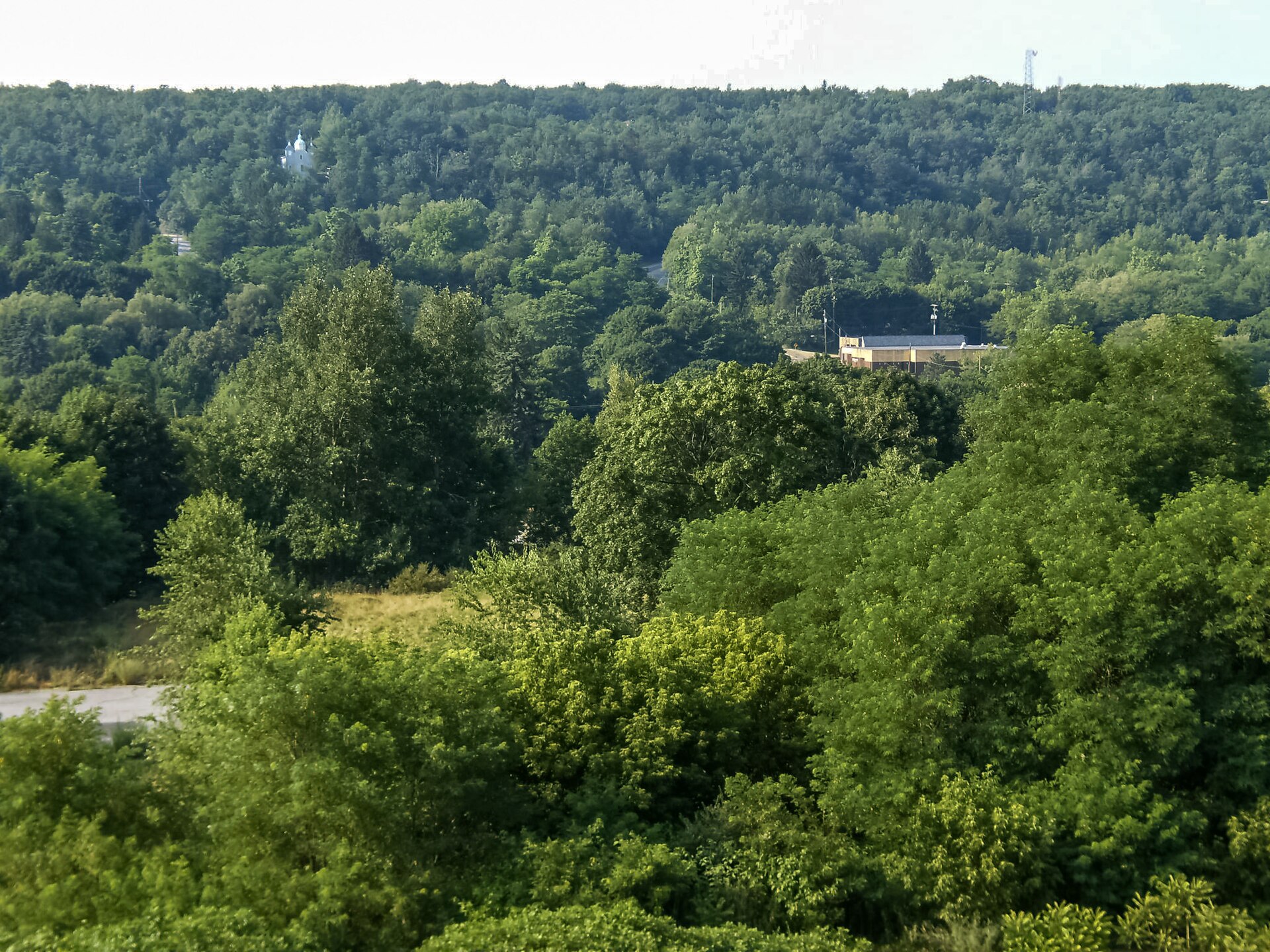
Centralia, Pennsylvania — the Pennsylvania coal town where a mine fire has been burning continuously beneath the surface since 1962 — was a thriving community of approximately 1,000 residents at its peak. The fire produced toxic gases and ground sinkholes that made the town unsafe. The federal government condemned the town in 1992 and bought out most residents. By 2026, fewer than 10 residents remain. The Graffiti Highway, an abandoned section of Route 61 covered in graffiti, was filled in with dirt and gravel in 2020 after becoming a popular but dangerous tourist destination. The town’s Centralia mine fire is expected to continue burning for at least another 250 years.
5. Glenrio, Texas/New Mexico (Route 66 Ghost Town)
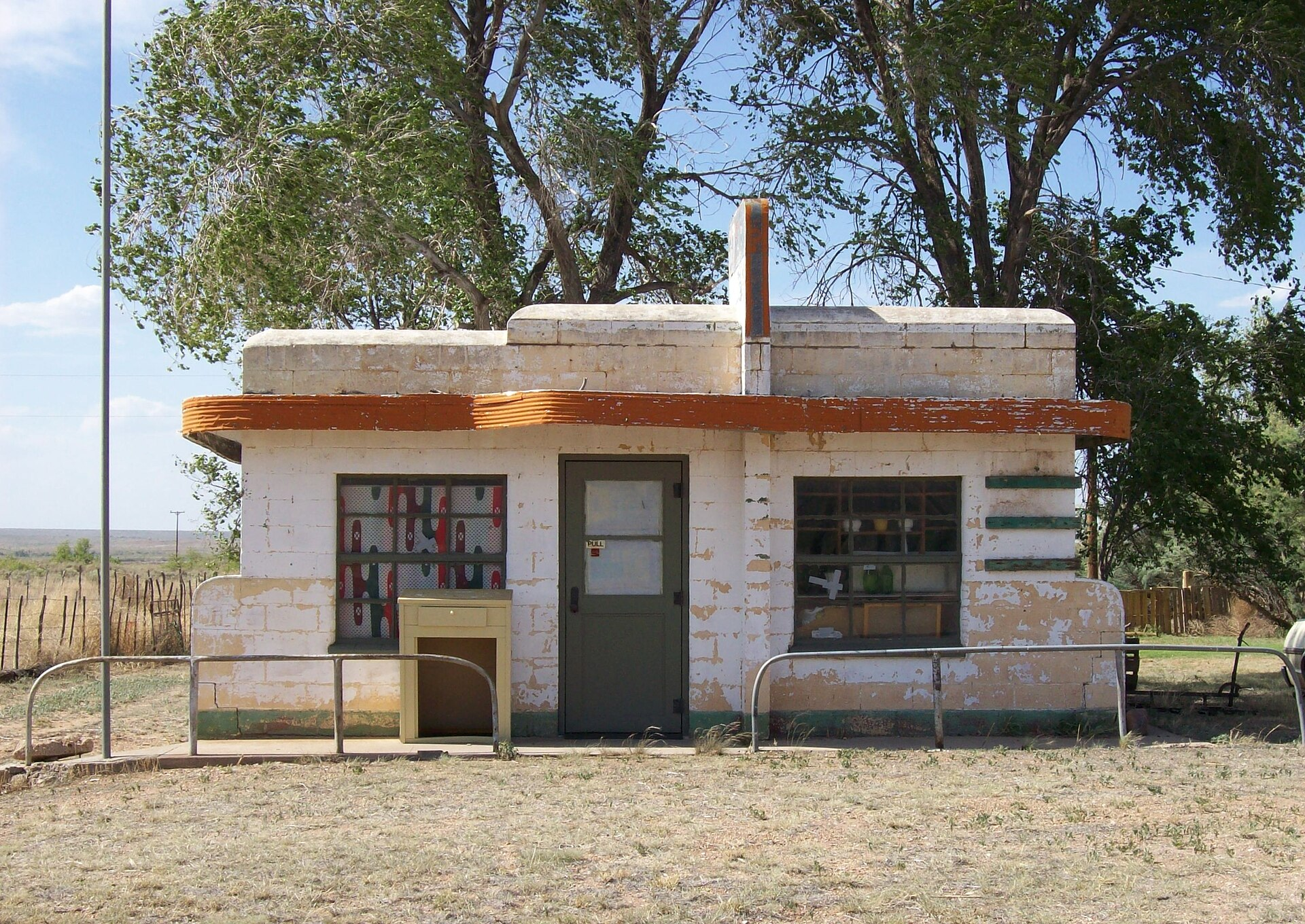
Glenrio straddles the Texas-New Mexico border on the original Route 66. The town had approximately 30 buildings at its peak in the 1950s, serving Route 66 motorists with gas stations, motels, restaurants, and a movie theater. The 1973 completion of Interstate 40 bypassed Glenrio entirely, and the town’s economy collapsed within a decade. The Little Juarez Diner, the Texas Longhorn Motel, the State Line Bar, and the Glenrio School all remain as abandoned structures along the original Route 66 alignment. The site is on the National Register of Historic Places and is a stop on the Route 66 tourist itinerary, though no businesses operate there in 2026.
6. Cairo, Illinois
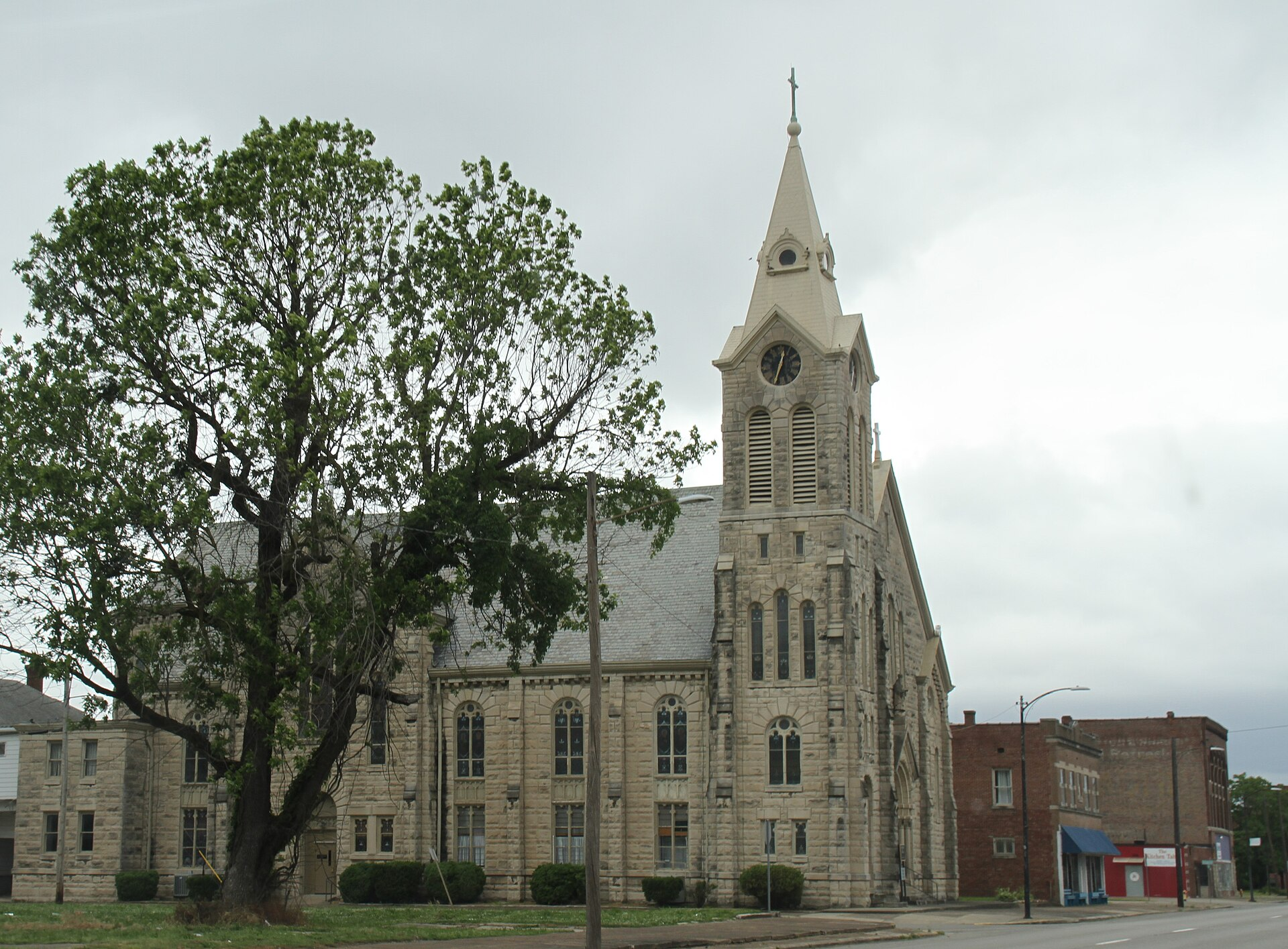
Cairo (pronounced “KAY-roh”) at the southern tip of Illinois at the confluence of the Mississippi and Ohio Rivers was a major American river-trade city of the 19th and early 20th centuries, with population peaking at 15,200 in 1920. The city’s population in 2026 is approximately 1,400 — a 91 percent decline. The historic downtown buildings, the river-trade infrastructure, the old hotels, and most commercial structures are entirely abandoned. The decline tracks the broader collapse of American river-trade towns following the rise of interstate trucking. Cairo has periodically attracted journalistic and photographic attention as a case study in American urban abandonment. The city remains technically incorporated.
7. The Coral Castle of South Florida (Existing but Abandoned in Parts)
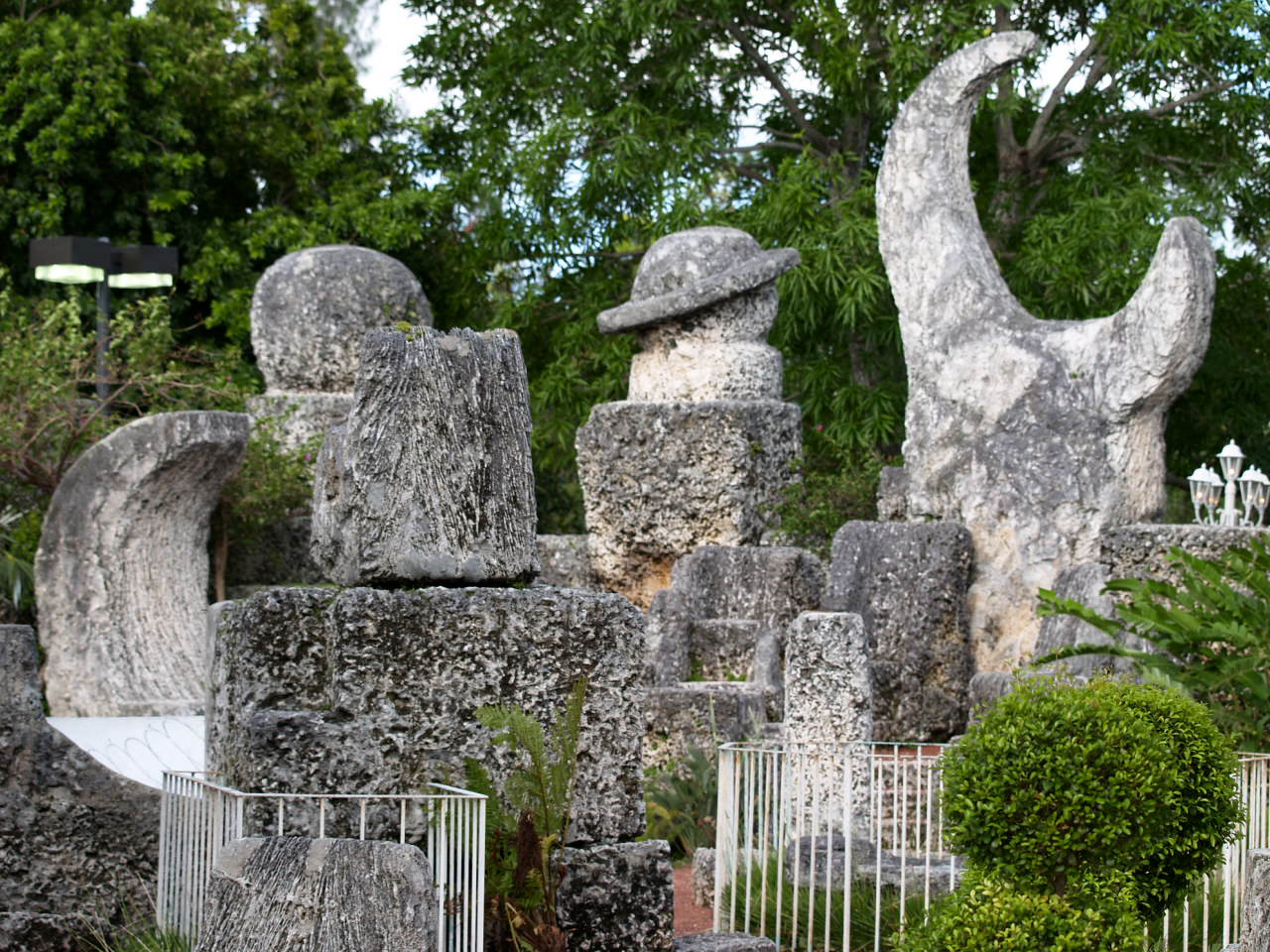
The Coral Castle in Homestead, Florida, built by Latvian immigrant Edward Leedskalnin from 1923 to 1951, remains technically open as a tourist attraction but with significantly reduced infrastructure since the surrounding tourist economy collapsed in the 1990s. The original 1950s-era visitor structures, the gift shops, the parking facilities, and the restaurant operations are largely abandoned or repurposed. The Coral Castle itself remains as Leedskalnin built it, with the massive 30-ton stone gate that purportedly opens at a single finger touch. The attraction is in a permanent state of partial abandonment — open enough to receive visitors, closed enough that the original 1960s tourist-trap atmosphere is gone.
8. Pripyat — Just Kidding, That’s Ukraine. Try Hashima — Also Wrong. Try the American Equivalent: Picher, Oklahoma
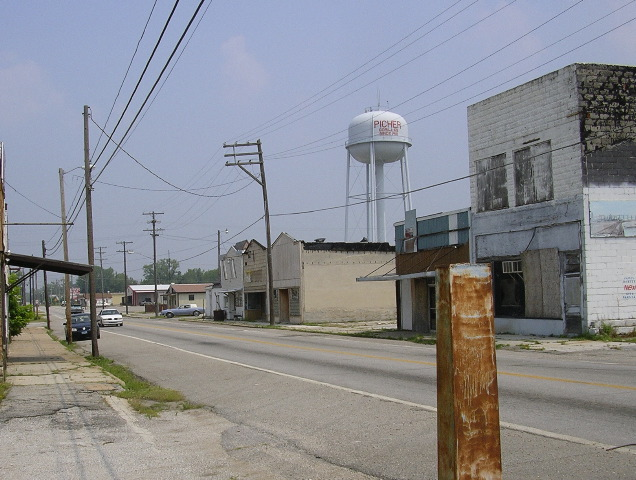
Picher, Oklahoma was the most-contaminated American Superfund site for over a decade and was officially declared an abandoned town by the state of Oklahoma in 2009. The town’s economy collapsed after lead and zinc mining left massive chat piles, contaminated groundwater, and toxic soil throughout the residential areas. The federal government bought out most residents starting in 2006. A 2008 EF4 tornado destroyed much of what remained. The town was officially de-incorporated in 2013. The chat piles, the abandoned mine shafts, the remaining structures, and the empty streets are all accessible to visitors, though most of the area is fenced and posted. Picher is the closest American equivalent to the famous abandoned-town tourist destinations of Ukraine and Japan.
9. The Old Las Vegas Strip Hotels (Demolished)
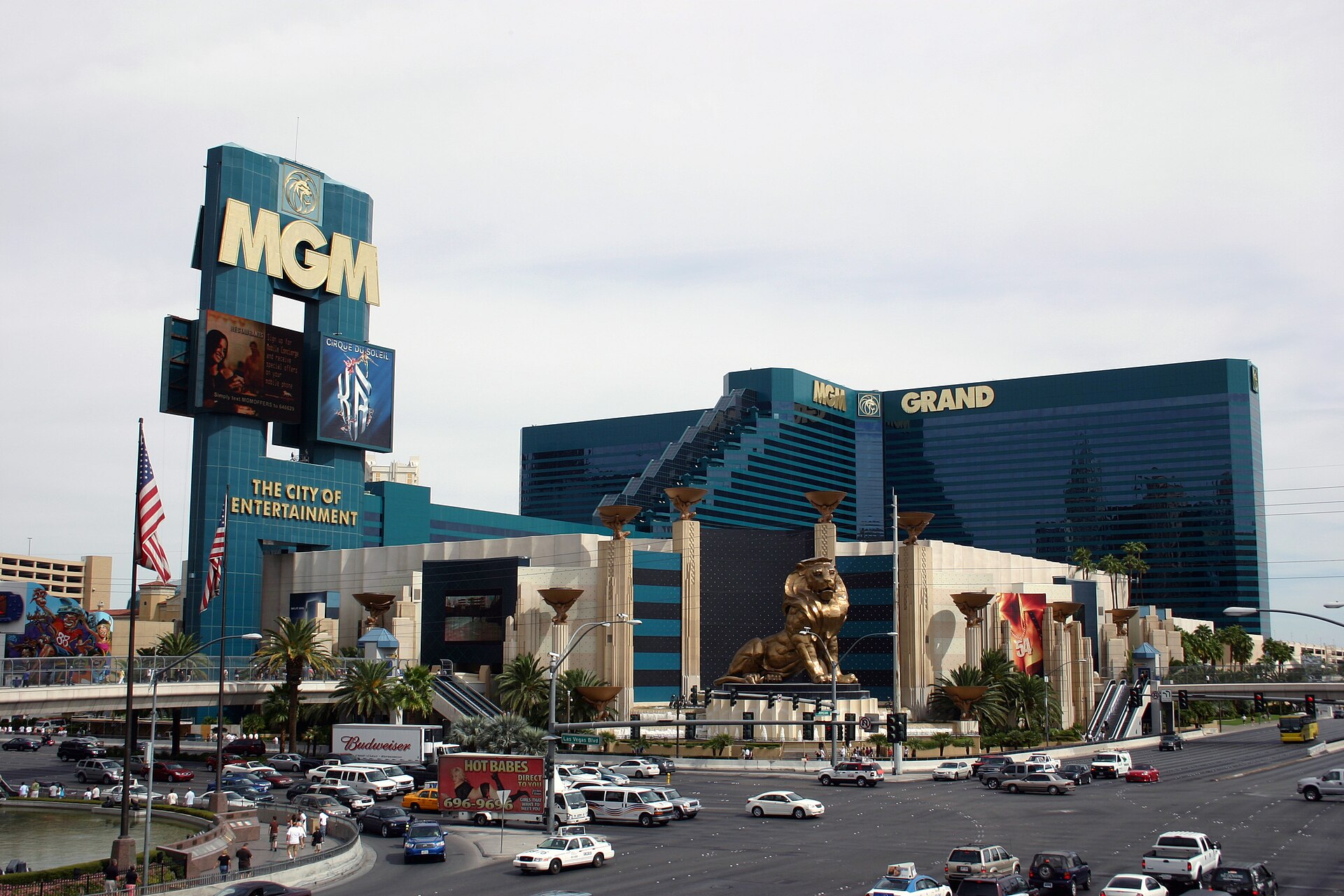
The Las Vegas Strip has demolished approximately 16 major hotel-casino properties since 1990, including the Sands (1996), the Stardust (2007), the Sahara (2011), the Frontier (2007), the Riviera (2016), the Dunes (1993), the Hacienda (1996), and the Tropicana (demolished 2024). Most properties were imploded in highly-publicized events that drew tens of thousands of spectators. The empty lots where these legendary properties stood remain in various states of redevelopment, with some still empty in 2026. The legacy Sands gardens and the Riviera lot are publicly accessible. The Las Vegas demolition tourism subculture — visitors specifically traveling to see lots where famous hotels once stood — is a small but active community.
10. The Pennsylvania Anthracite Mining Towns
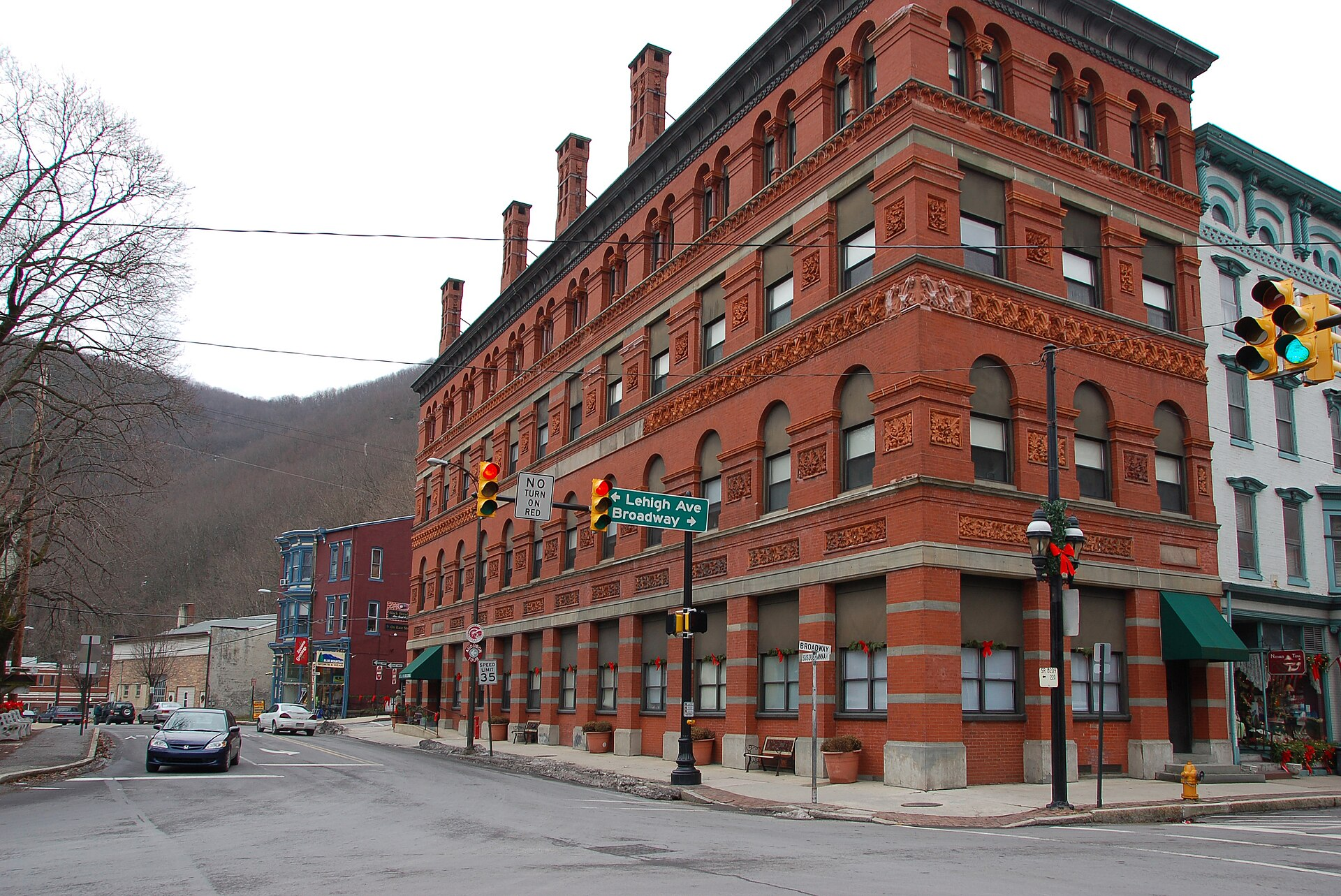
The Pennsylvania anthracite coal region — Lackawanna, Luzerne, Carbon, Schuylkill, Northumberland, and Columbia Counties — produced approximately 100 million tons of anthracite coal annually at its 1917 peak. By 2020, anthracite production had fallen to under 2 million tons annually. Towns including Eckley, Centralia, Glen Lyon, and parts of Mahanoy City have been substantially abandoned. The Eckley Miners’ Village is operated as a state historic site. Many of the smaller towns have populations under 500 residents in former townsites that once held 2,000-3,000. The mining-era buildings, the breaker towers, the company-store structures, and the worker housing rows are visible throughout the region.
11. Cahaba, Alabama (Former State Capital)
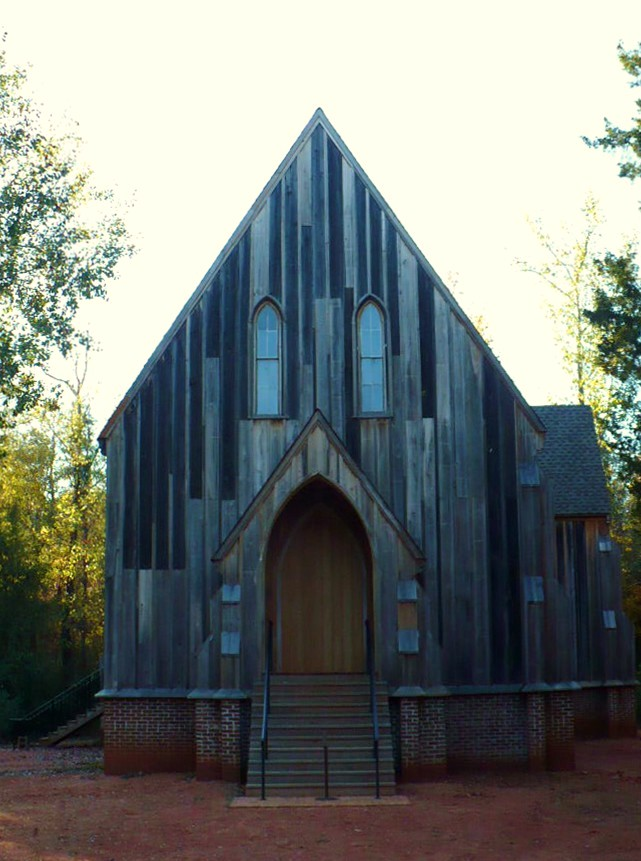
Cahaba — Alabama’s first state capital from 1820 to 1825 — has been completely abandoned since approximately 1900. The town flooded repeatedly throughout the 19th century, prompting the state government to move the capital to Tuscaloosa in 1825 and then to Montgomery in 1846. The town continued as a small settlement until the late 1800s, when the population gradually dispersed. The Cahaba Archaeological Park preserves the foundations, the original street grid, and several structural ruins, including the antebellum cemetery and the Civil War-era prison camp. The site is operated by the Alabama Historical Commission and is open to visitors. Cahaba is the only American state capital that has been completely abandoned for over a century.
Like our content? Follow us for more.