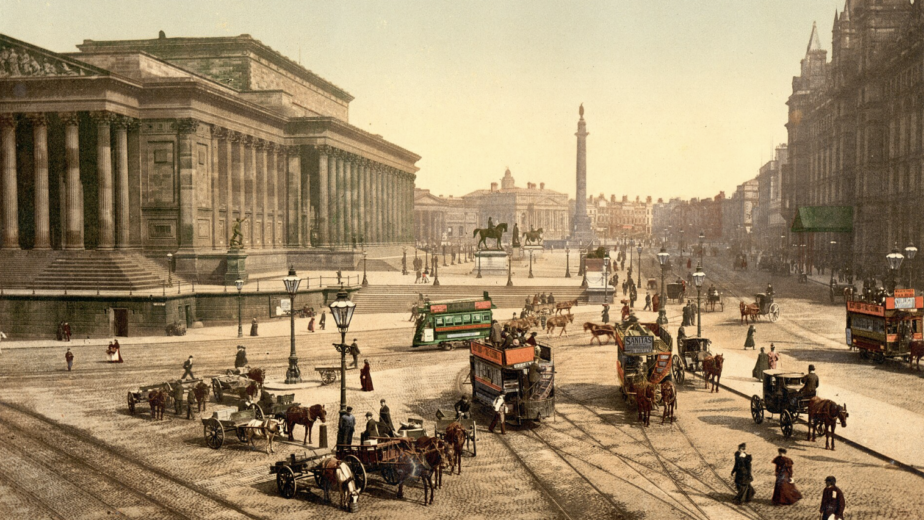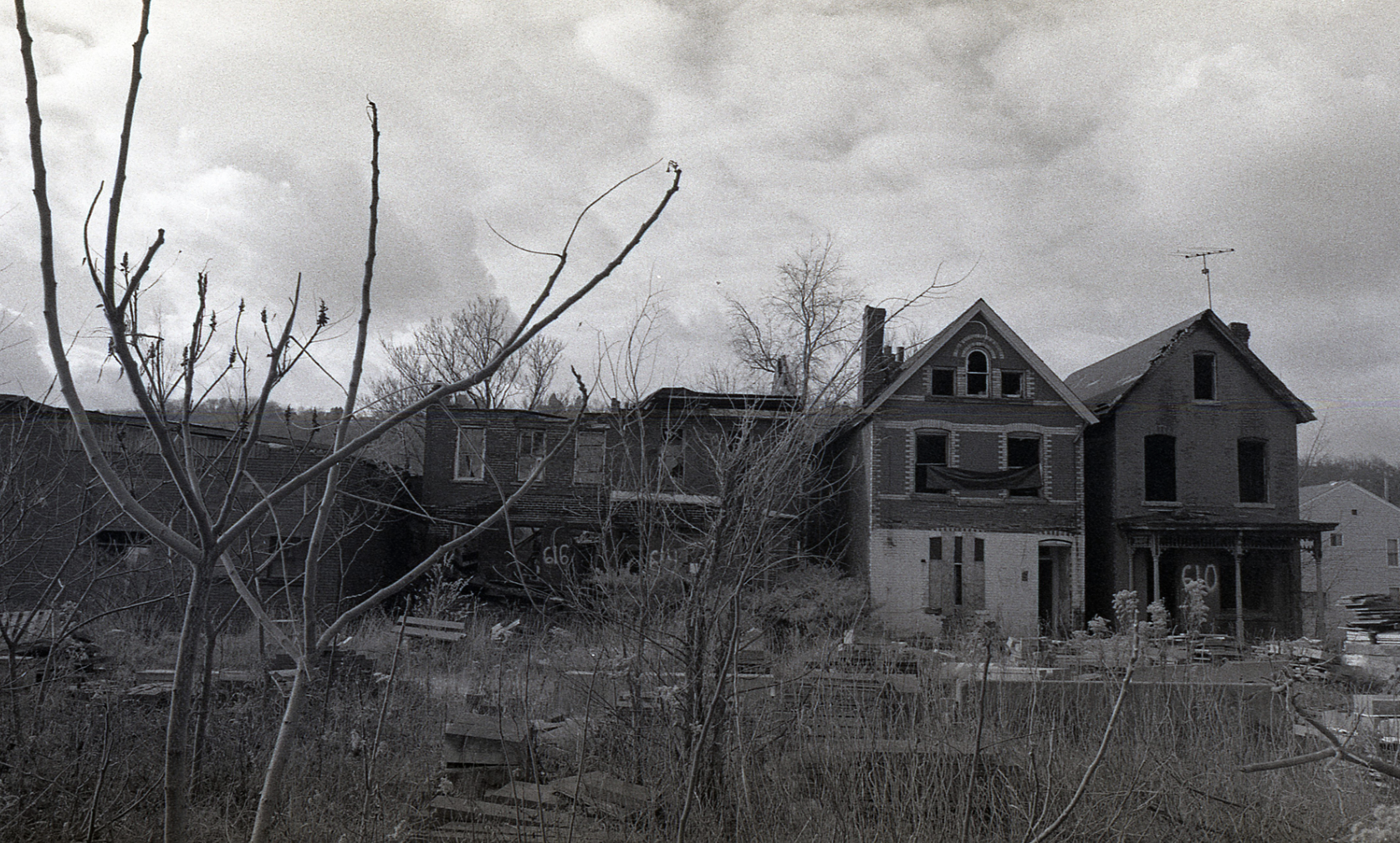
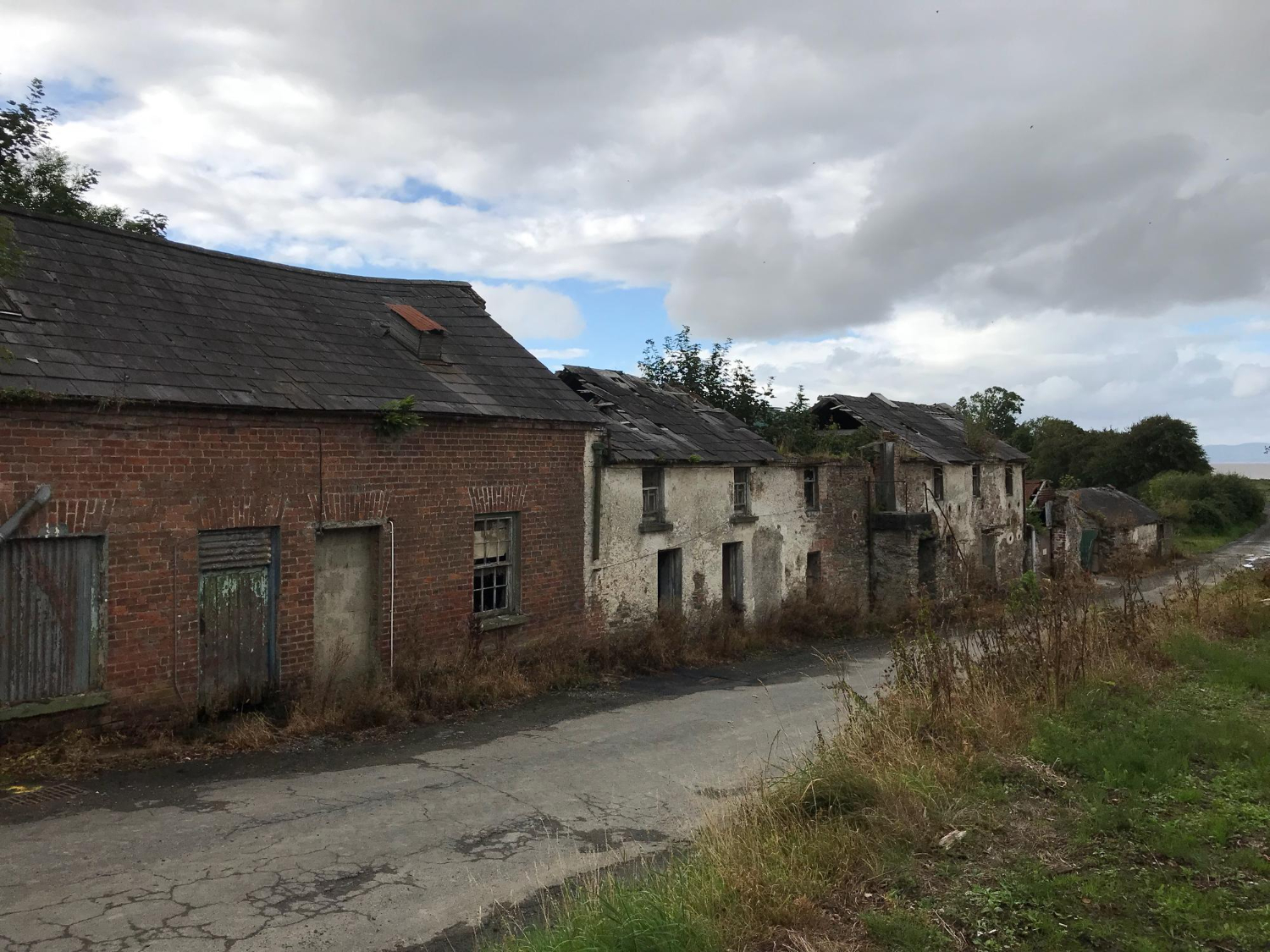
Across the United States, a specific kind of American town rose on a single industry — coal, steel, copper, textiles, a railroad junction, an auto plant — sustained tens of thousands of residents for decades, and then collapsed almost completely within a single generation when that industry vanished. The population charts of these towns tell the same brutal story: a long climb across the late 1800s and early 1900s, a peak around mid-century, and then a near-vertical drop. Some have stabilized at a fraction of their peak. A few are nearly gone. Each one was, within living memory, a thriving community with full schools, busy main streets, and a confident future. Here are fifteen American towns that boomed for a century and then emptied out, with the specific industry that built each one and the specific event that ended it.
1. Centralia, Pennsylvania
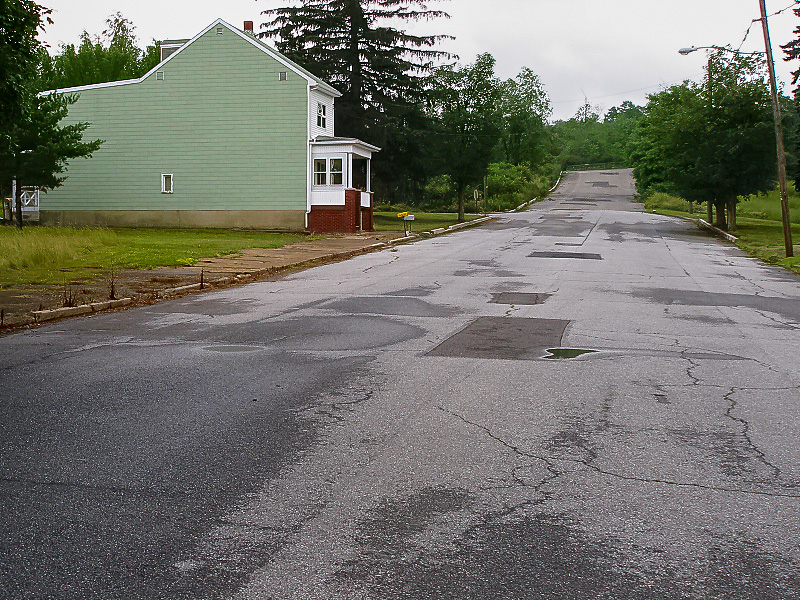
Centralia had approximately 2,700 residents at its peak, built on anthracite coal mining. In 1962, a fire ignited in the coal seams beneath the town and has burned continuously ever since. The federal government condemned the town in the 1980s and relocated most residents. As of recent counts, fewer than 10 people remain. Centralia is the starkest American example of a town erased almost entirely, its streets now reclaimed by vegetation, the underground fire still burning after more than 60 years.
2. Picher, Oklahoma
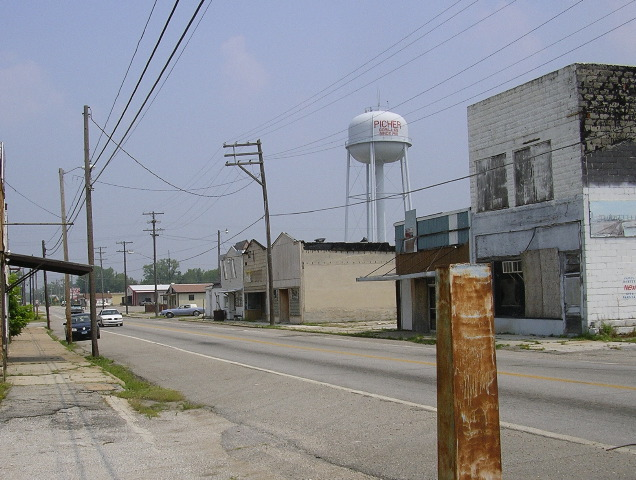
Picher was a lead and zinc mining boomtown of approximately 14,000 residents at its 1920s peak. Decades of mining left the town surrounded by giant toxic “chat” piles and undermined by collapse-prone tunnels. Declared part of a Superfund site, the town was subject to a federal buyout, and Picher officially dissolved as a municipality in 2009. The town is now essentially abandoned, one of the most complete examples of an American community erased by environmental catastrophe.
3. Cairo, Illinois
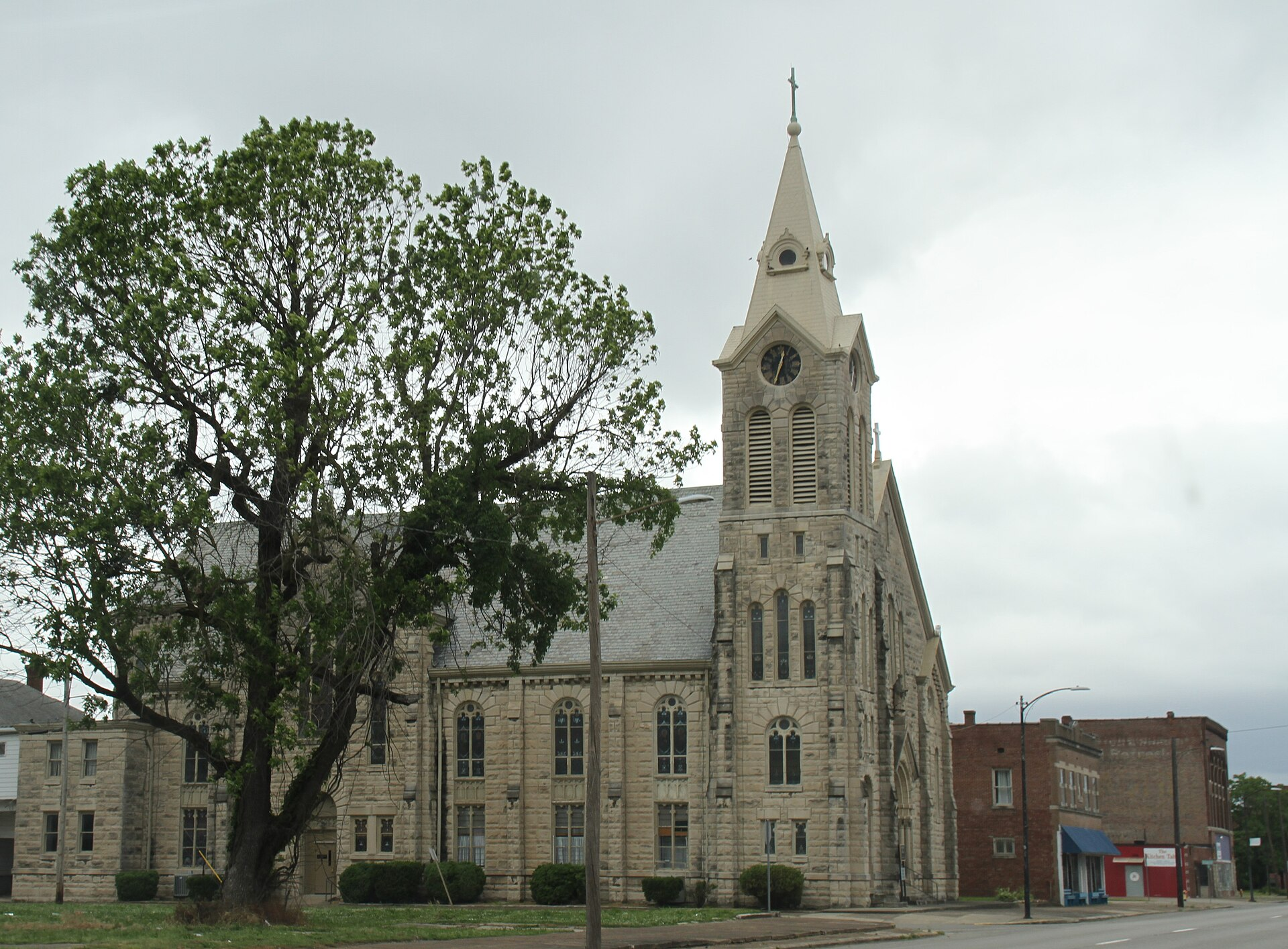
Cairo sat at the strategic confluence of the Mississippi and Ohio rivers and peaked at over 15,000 residents in 1920 as a river-commerce hub. The decline of river shipping, the bypass by modern highways, and severe racial conflict in the 1960s and 1970s hollowed the town out. The population has fallen to under 1,700. Cairo’s once-grand downtown stands largely abandoned, a haunting record of a strategic river city that the modern economy passed by.
4. Gary, Indiana
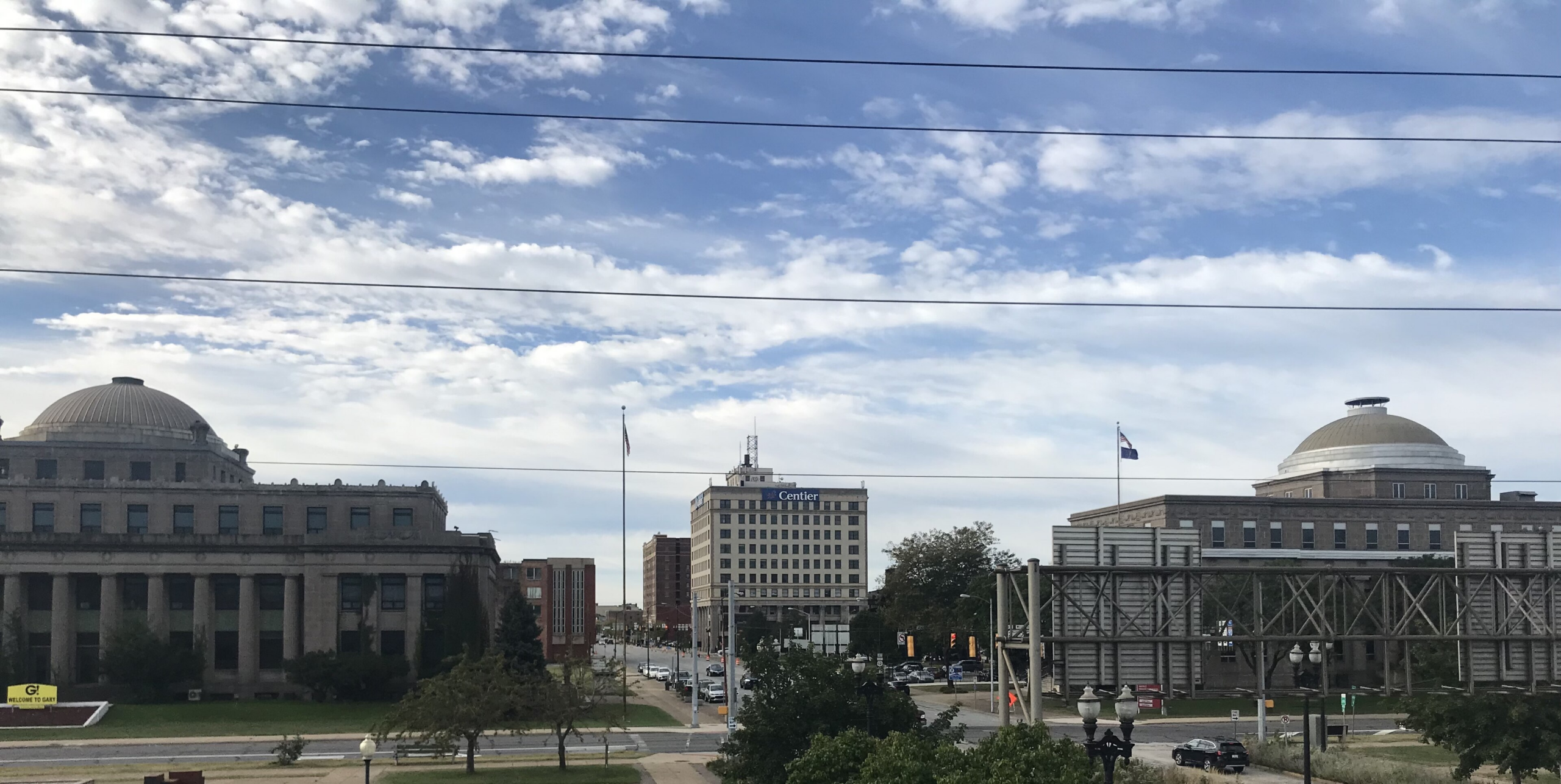
Gary was built by U.S. Steel in 1906 and peaked at approximately 178,000 residents in 1960. The collapse of American steel manufacturing devastated the city — the population has fallen to under 68,000, a decline of more than 60 percent. Vast stretches of Gary stand abandoned, including the famous derelict City Methodist Church and Memorial Auditorium. Gary is among the largest American cities to suffer near-total industrial collapse within a single lifetime.
5. Cahokia Heights / East St. Louis, Illinois
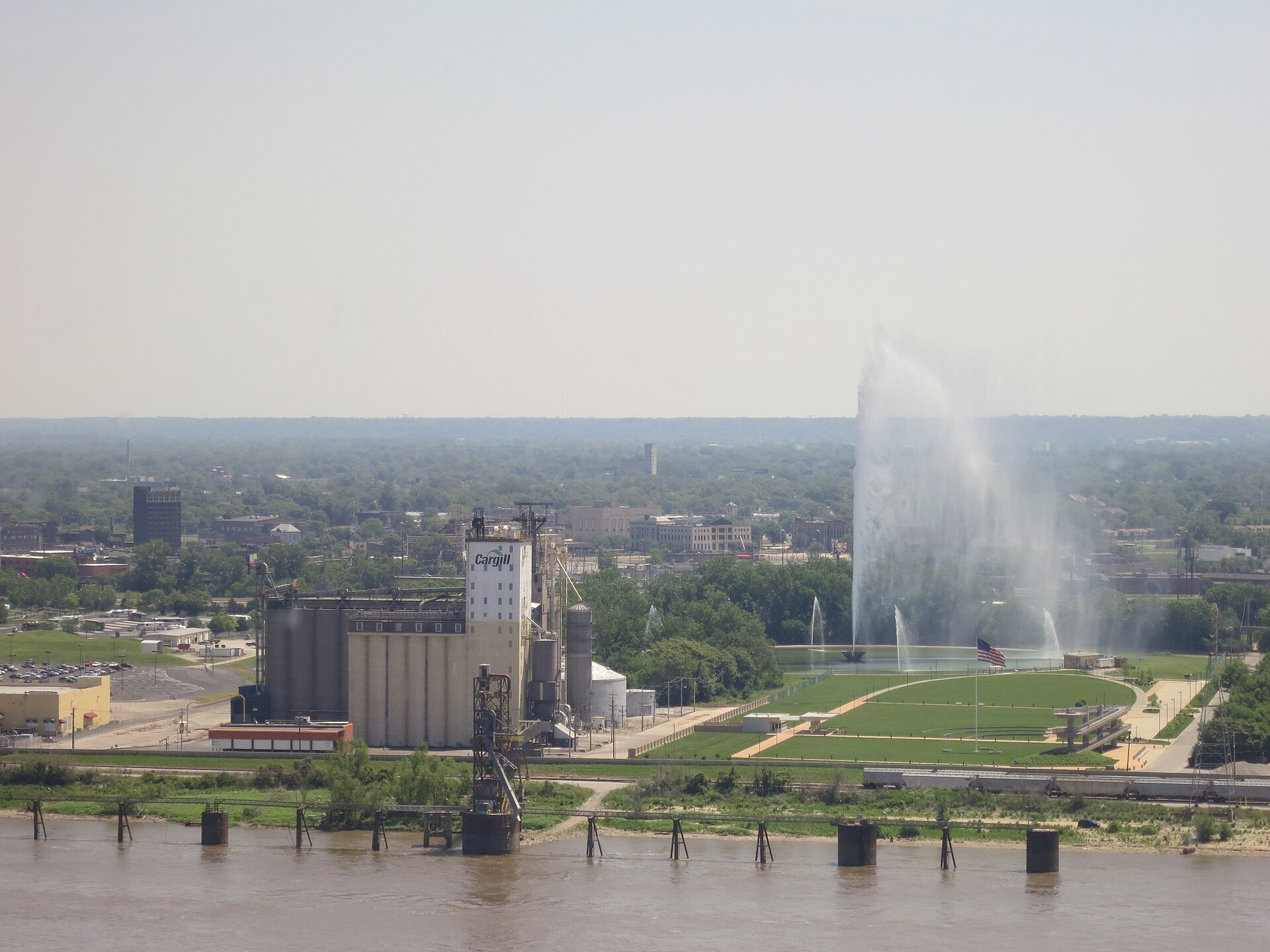
East St. Louis peaked at approximately 82,000 residents in 1950 as a railroad and industrial center. The collapse of its industrial base produced one of the most severe urban declines in American history — the population has fallen to under 18,000, a decline of nearly 80 percent. The city became a national symbol of deindustrialization and urban abandonment, with large sections of the once-dense city now vacant.
6. Pittsburgh’s Mill Towns (Braddock, Pennsylvania)
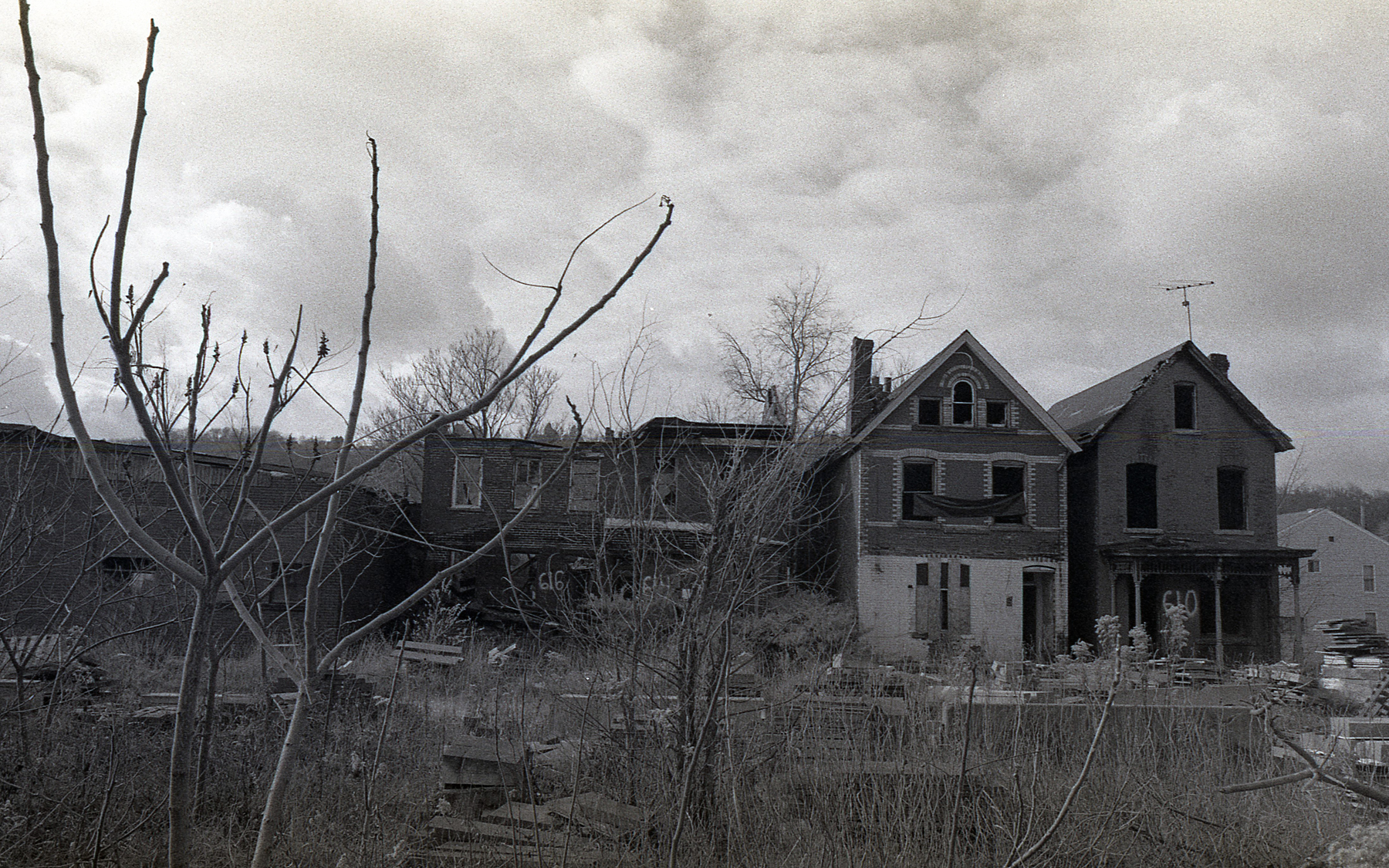
Braddock, in the Monongahela Valley near Pittsburgh, peaked at approximately 20,000 residents as a steel town anchored by the Edgar Thomson Works. The collapse of regional steel reduced the population to under 1,800 — a decline of over 90 percent. Braddock became an emblem of Rust Belt collapse, though it has drawn some attention for revitalization efforts. The near-total emptying of a town that once bustled with steelworkers happened within living memory.
7. Flint, Michigan
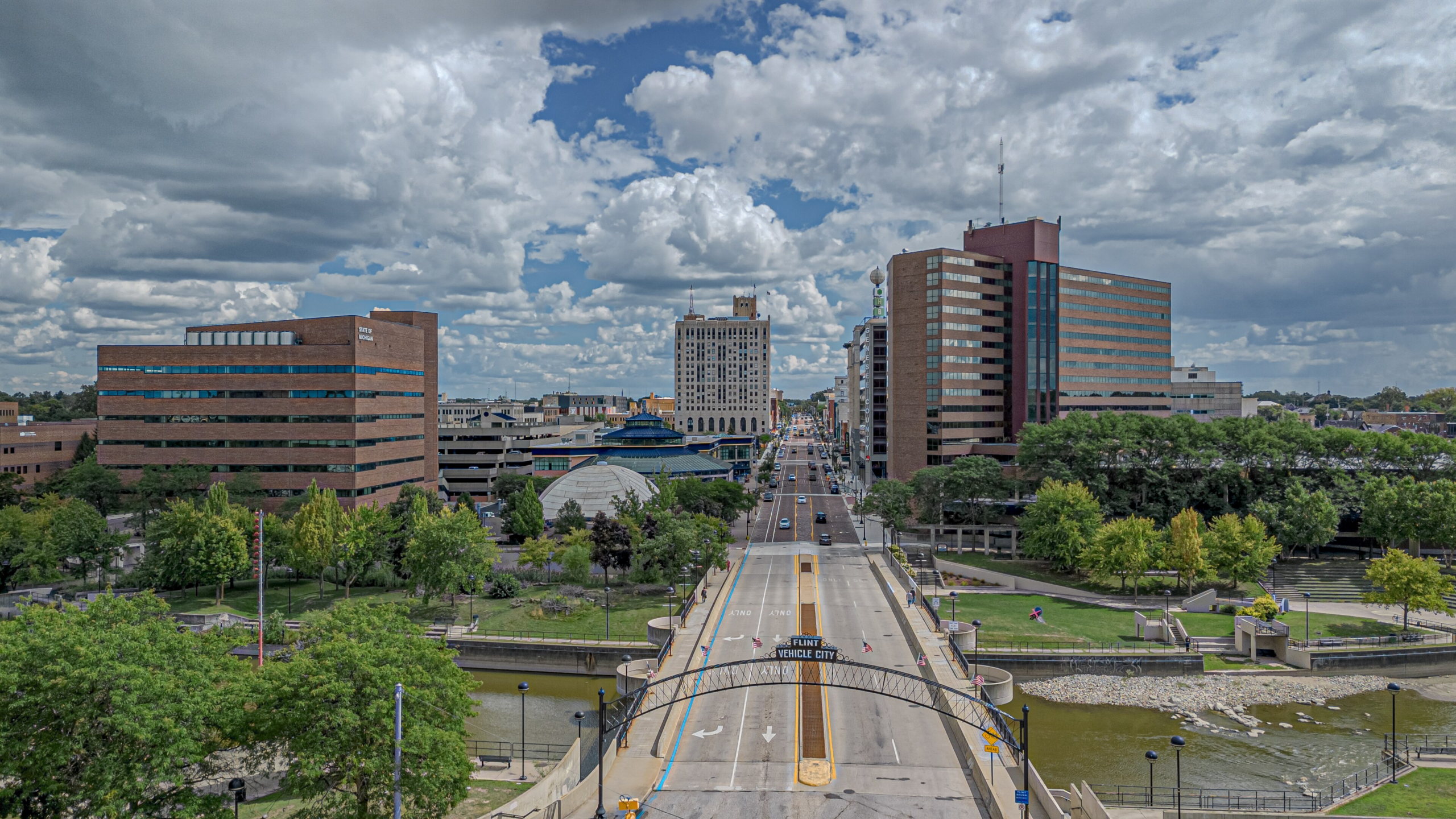
Flint was the birthplace of General Motors and peaked at approximately 197,000 residents in 1960. The collapse of GM’s local operations cut the population to under 80,000, a decline of nearly 60 percent. Flint became nationally known both for deindustrialization and, later, for its water crisis. The emptying of Flint’s neighborhoods and the abandonment of its industrial infrastructure is among the most documented American industrial collapses.
8. Youngstown, Ohio
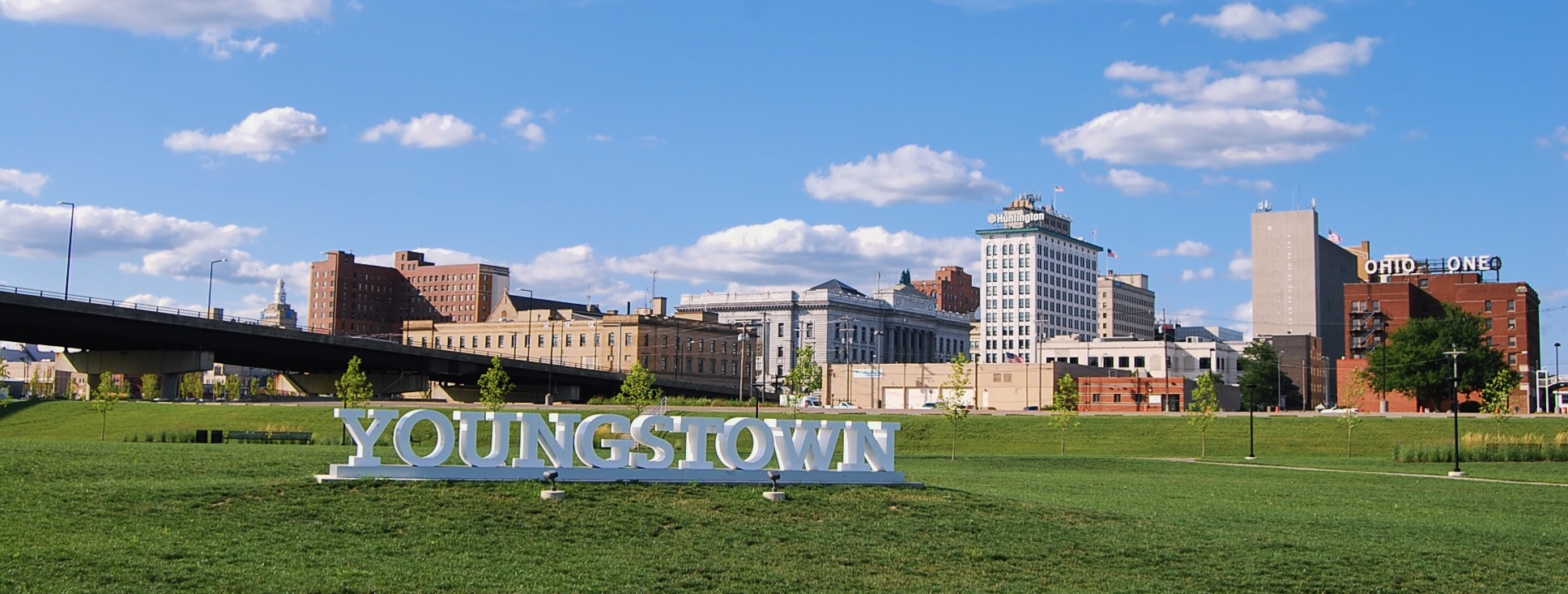
Youngstown peaked at approximately 170,000 residents as a major steel center. “Black Monday” — September 19, 1977 — when Youngstown Sheet and Tube announced massive closures, became the symbolic death of the city’s steel industry. The population has fallen to under 60,000, a decline of around 65 percent. Youngstown is frequently cited as the archetypal American steel town that collapsed within a generation.
9. Bisbee’s Neighbor: Jerome, Arizona
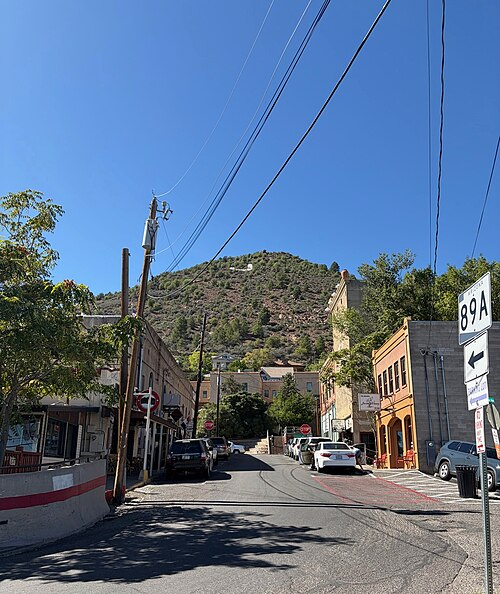
Jerome was a copper-mining boomtown of approximately 15,000 residents at its peak. When the mines closed in 1953, the population collapsed to under 100, earning Jerome the label of “ghost city.” Unlike many on this list, Jerome was partially revived as an artist colony and tourist destination, but the near-total population collapse from boomtown to near-ghost-town within a few years is a vivid example of single-industry dependence.
10. Cleveland’s Industrial Flats (Cleveland, Ohio)
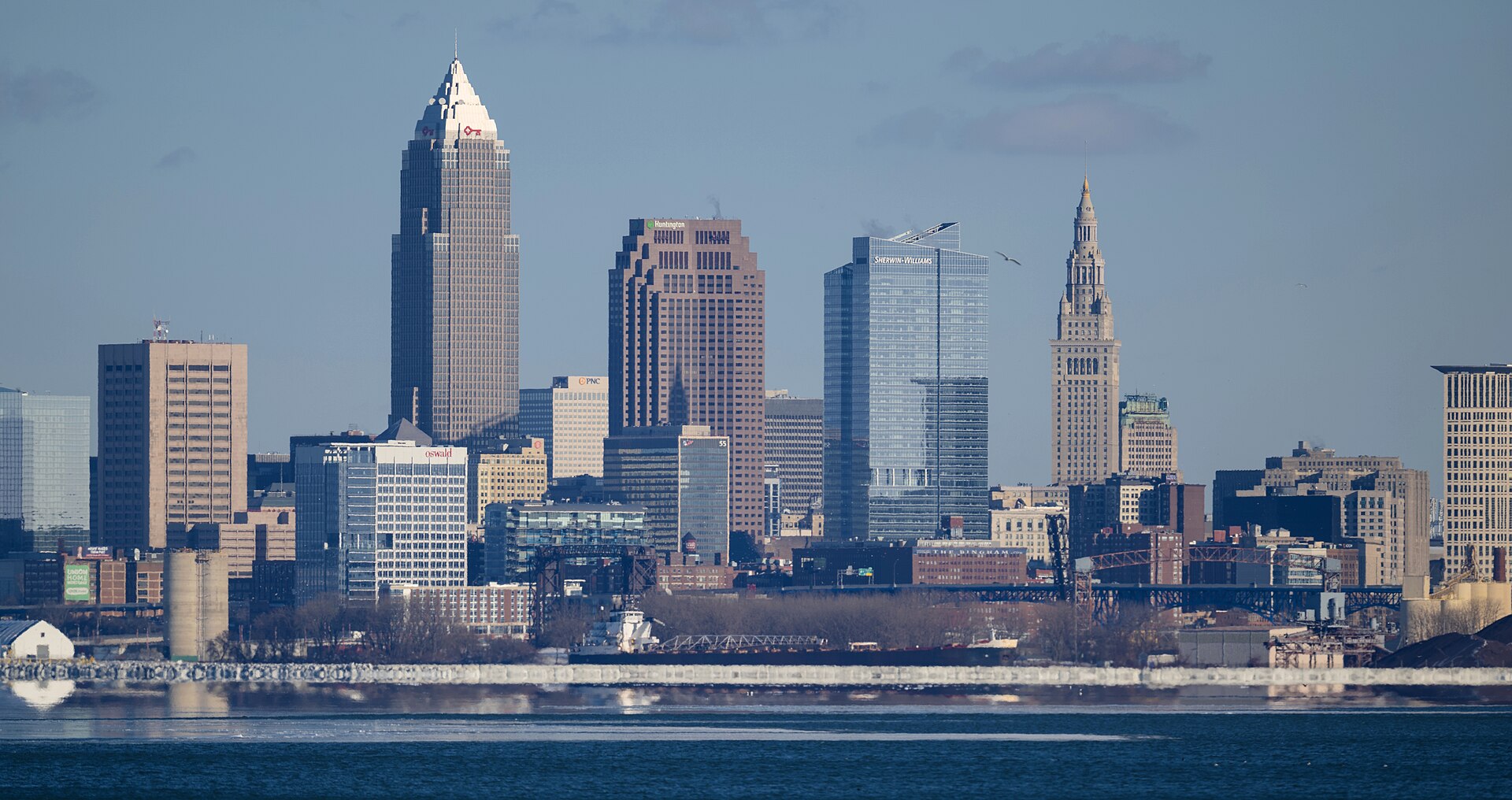
Cleveland peaked at approximately 914,000 residents in 1950 and has fallen to approximately 367,000 — a decline of roughly 60 percent driven by the collapse of manufacturing. While Cleveland remains a major city, the scale of its population loss places it among the great American industrial declines. Entire neighborhoods that once housed factory workers have substantially emptied.
11. Detroit, Michigan
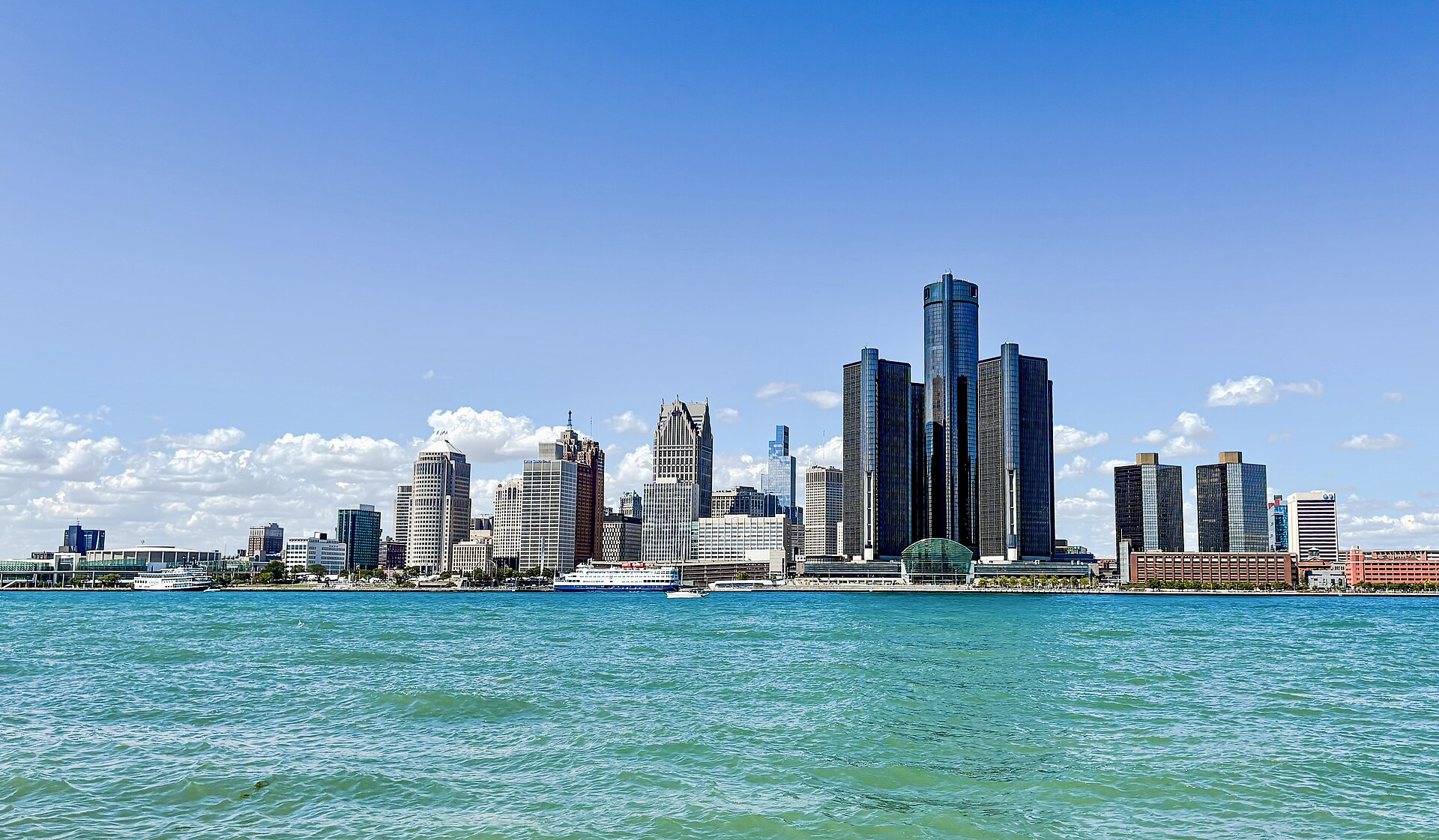
Detroit is the largest example — peaking at approximately 1.85 million residents in 1950 and falling to approximately 624,000, a decline of about 66 percent, the largest sustained population loss of any major American city. The collapse of the auto industry’s local employment hollowed out vast areas of the city. Detroit’s abandoned neighborhoods and derelict landmark buildings became the global image of American deindustrialization.
12. Lynch, Kentucky
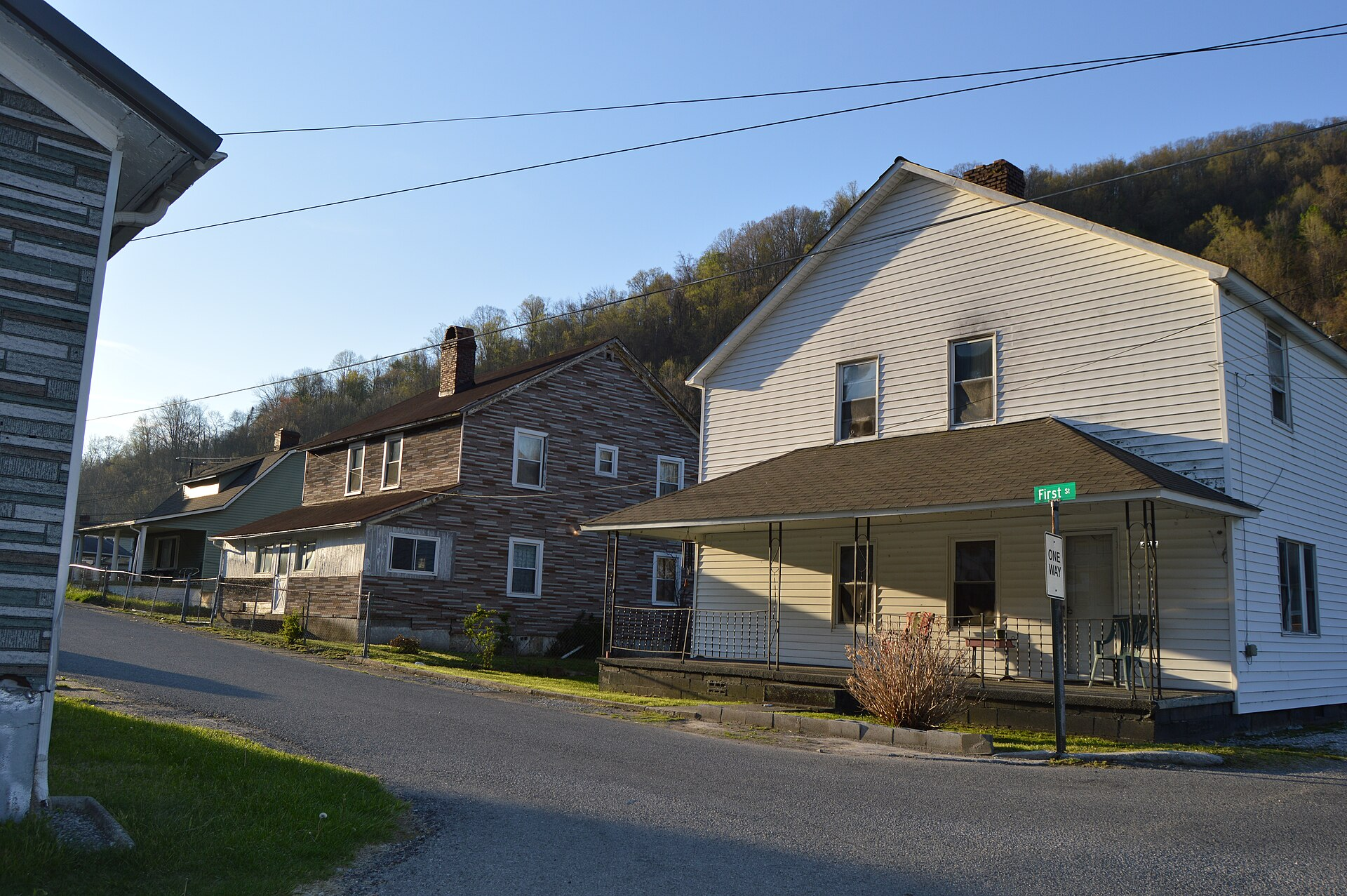
Lynch was built by U.S. Steel as a coal town and peaked at approximately 10,000 residents in the 1940s. As Appalachian coal declined, the population collapsed to under 700 — a decline of over 90 percent. Lynch is representative of the many Appalachian coal towns that boomed when the mines were active and emptied almost completely when the industry contracted, leaving small remnant populations in towns built for many times their number.
13. Cairo’s Cousin: Pithole, Pennsylvania
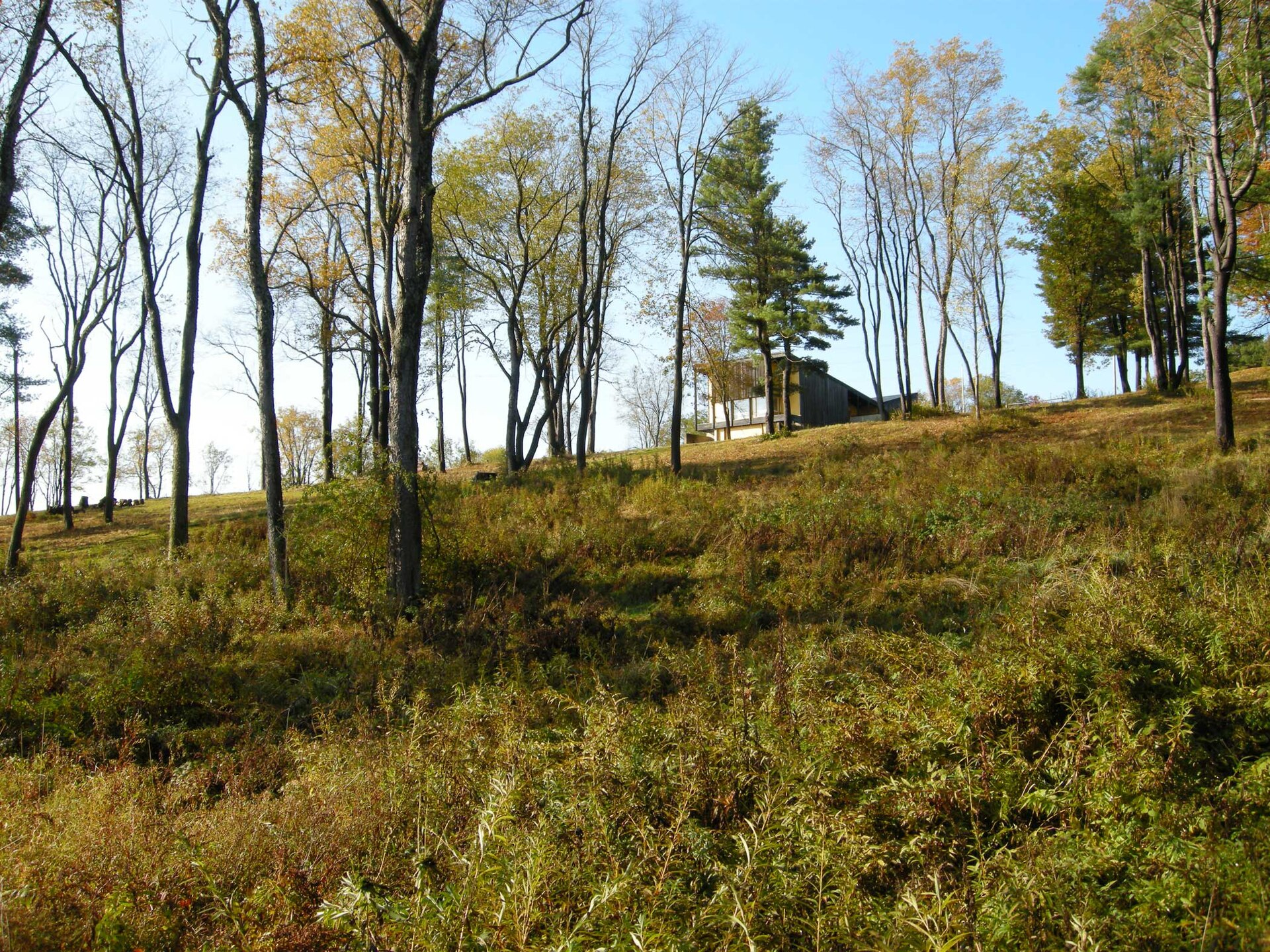
Pithole is the extreme historical example — an oil boomtown that exploded to approximately 15,000 residents within months of an 1865 oil strike and was almost completely abandoned within a few years when the oil ran out. By 1877 the town’s land was sold at auction. Pithole demonstrates the original American boom-and-bust pattern in its purest and fastest form, an entire city rising and vanishing within a single decade.
14. Empire, Nevada
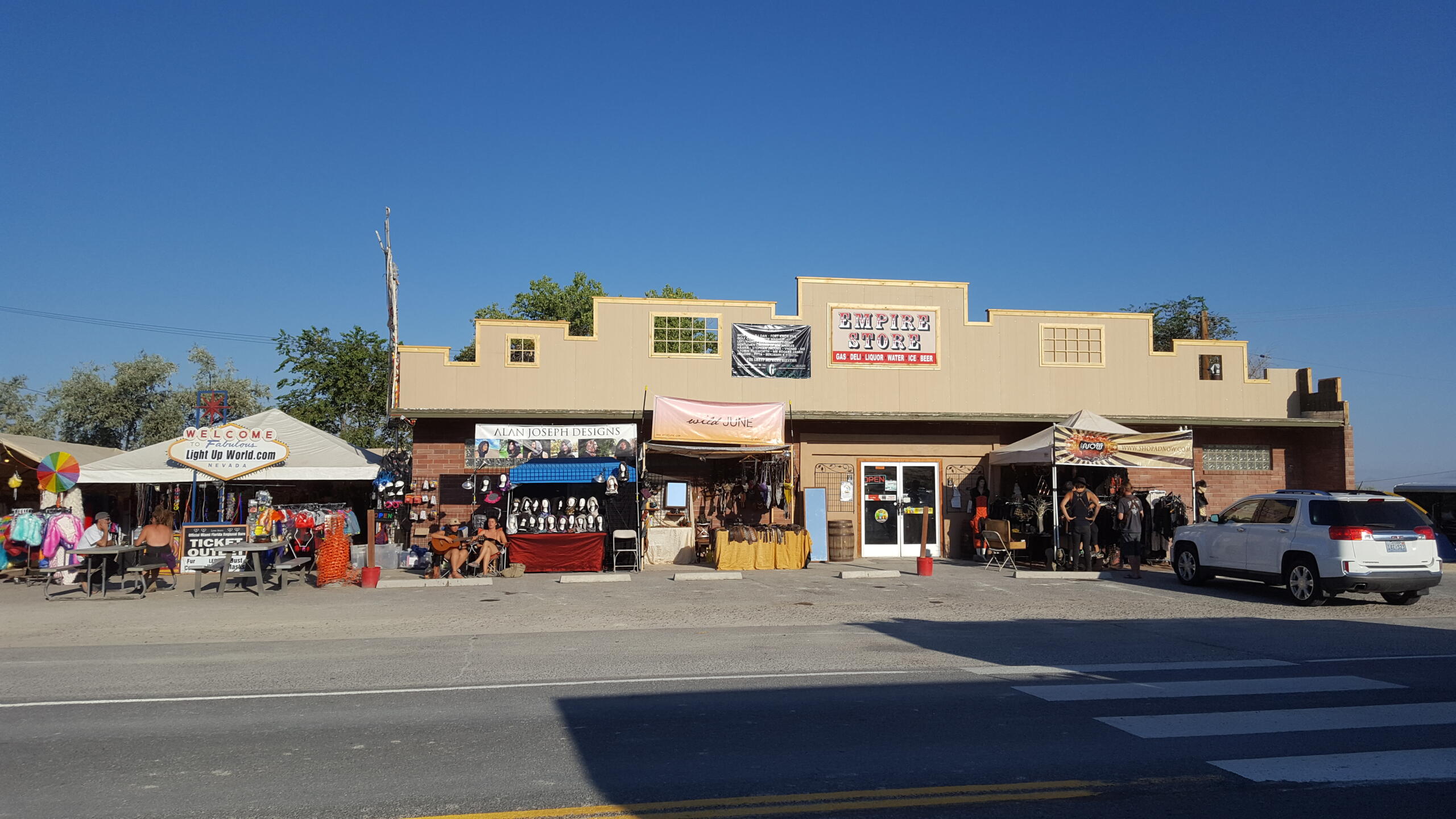
Empire was a company town built around a gypsum mine and plant, housing several hundred residents. When the United States Gypsum Company closed the plant in 2011, the entire town was shut down — residents were required to leave, the ZIP code was discontinued, and the town was fenced off. Empire is a modern example of the company-town collapse, an entire community ended by a single corporate decision within the past 15 years.
15. Cahaba, Alabama
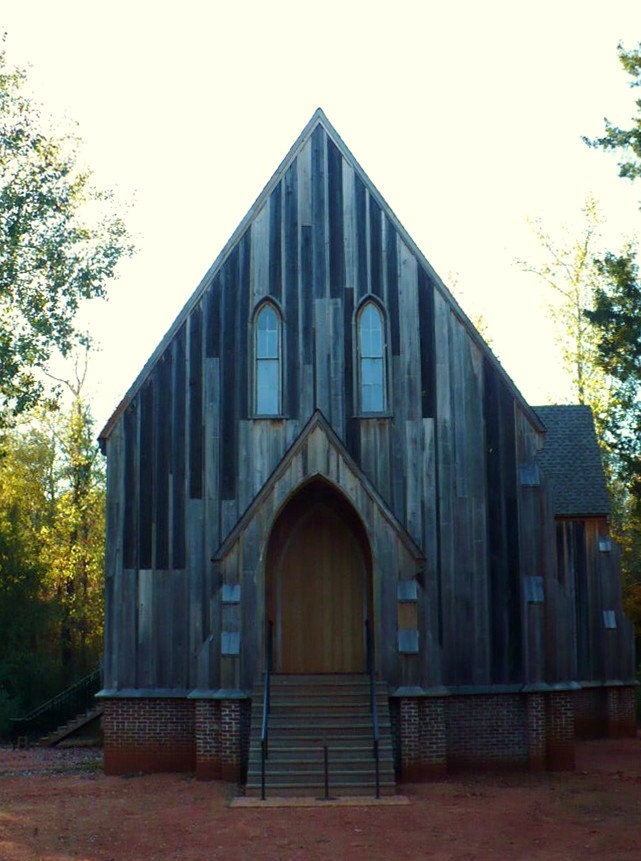
Cahaba (Old Cahawba) was Alabama’s first state capital and a thriving antebellum town of several thousand. After losing the capital designation and suffering repeated flooding and the disruptions of the Civil War era, the town was almost completely abandoned by the late 1800s. Now an archaeological park, Cahaba represents the older American pattern of towns that rose on a specific advantage — in this case political and river-commerce status — and emptied when that advantage disappeared.
The Pattern Behind the Collapse
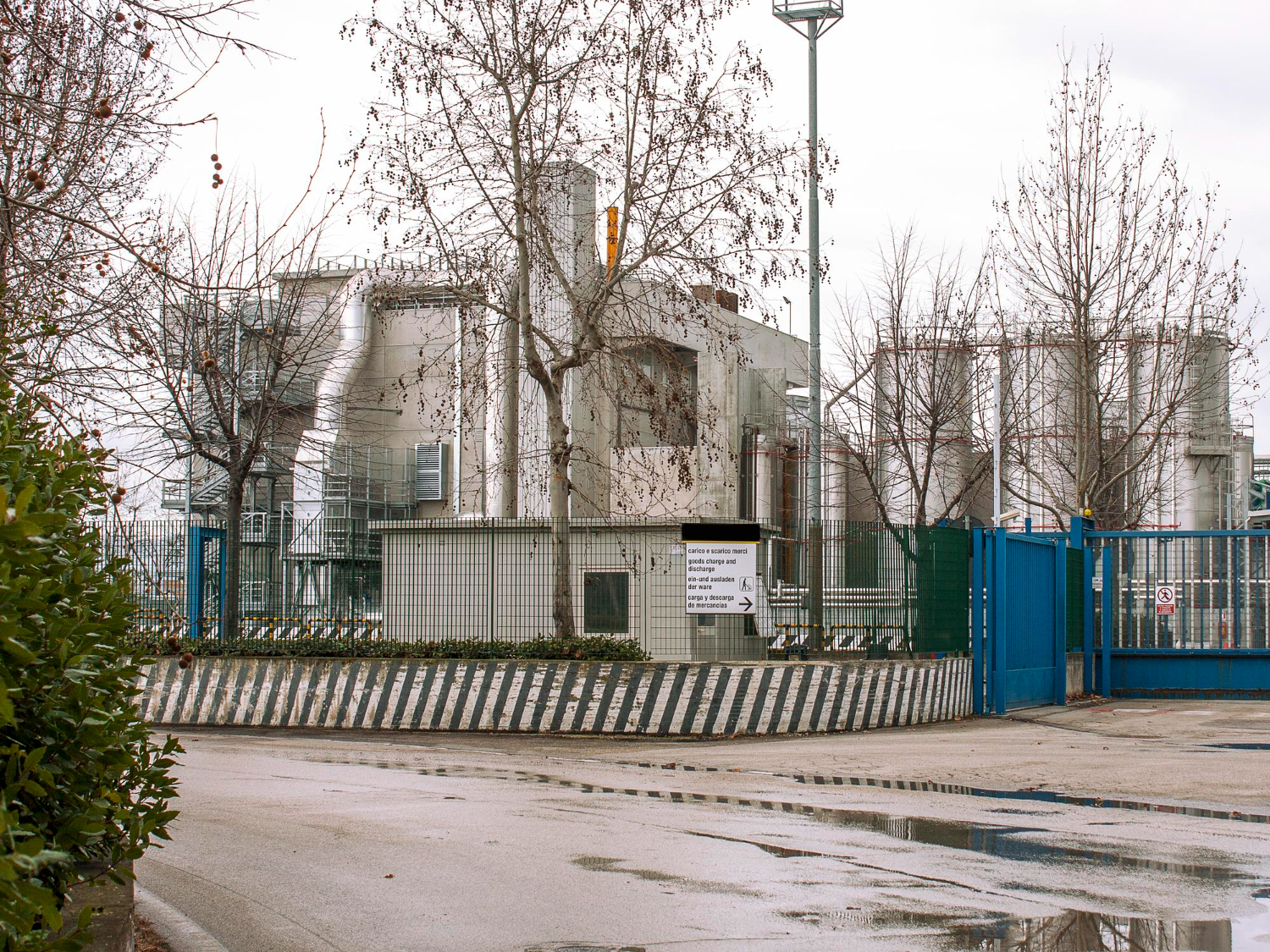
The fifteen towns above tell variations of a single American story. Each rose on a single economic foundation — a coal seam, a steel mill, a copper deposit, an oil strike, a river junction, an auto plant. For decades, that foundation supported a complete community with schools, churches, downtown businesses, and a confident sense of permanence. And then the foundation failed: the seam played out, the mill closed, the industry moved overseas, the highway bypassed the river, the company made a single decision to shut down. Within a generation — sometimes within a few years — the population that the town had spent a century accumulating drained away.
The lesson embedded in these towns is about the danger of single-industry dependence, a vulnerability that still shapes American communities today. The towns that diversified, that sat at the intersection of multiple economic forces, or that found second lives in tourism or the arts (like Jerome, partially) survived in some form. The towns that depended entirely on one mine, one mill, or one company were left with nothing when that one thing disappeared. For travelers, these towns offer something genuinely moving — not the manicured nostalgia of a preserved historic district, but the raw, often haunting evidence of how quickly an American community can rise and fall. Walking the empty main streets of Cairo, the reclaimed streets of Centralia, or the abandoned blocks of Gary is a direct encounter with the boom-and-bust logic that built and unbuilt much of industrial America within living memory.