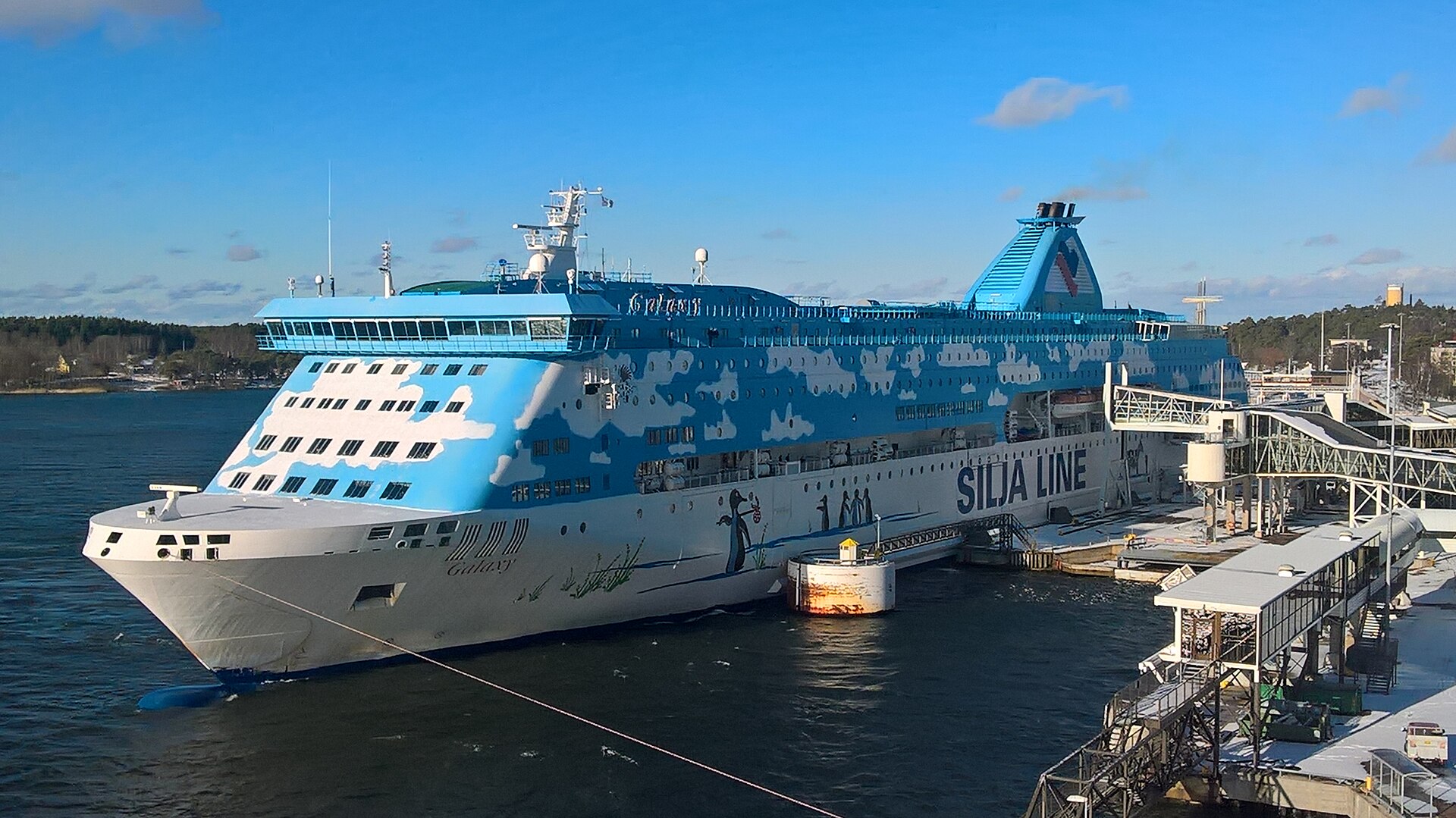
Not every cruise port is worth the effort of getting off the ship. Some port stops drop you into a genuinely extraordinary destination where staying aboard would be a real loss. Others deposit you at an industrial port miles from anything interesting, or in a small town that empties of charm the moment three cruise ships disgorge ten thousand passengers simultaneously. Experienced cruisers learn to distinguish the ports worth a full day ashore from the ones where the ship’s amenities — blissfully uncrowded while everyone else is on land — are the better choice. The calculation involves what’s actually reachable from the port, how far it is, what it costs, and whether the destination rewards the limited hours a cruise stop allows. Here is a candid guide to which cruise port stops genuinely justify leaving the ship, and which ones you can comfortably skip.
The fundamental cruise-port calculation is about return on limited time. A cruise stop typically gives passengers six to ten hours ashore. Whether that’s worth using depends on what’s reachable in that window, how much of it is consumed by transit from the port to anything worth seeing, and whether the destination is genuinely rewarding or simply a place to buy souvenirs. The ports below illustrate both ends of the spectrum.
Worth It: Ports Where the Destination Is Right There
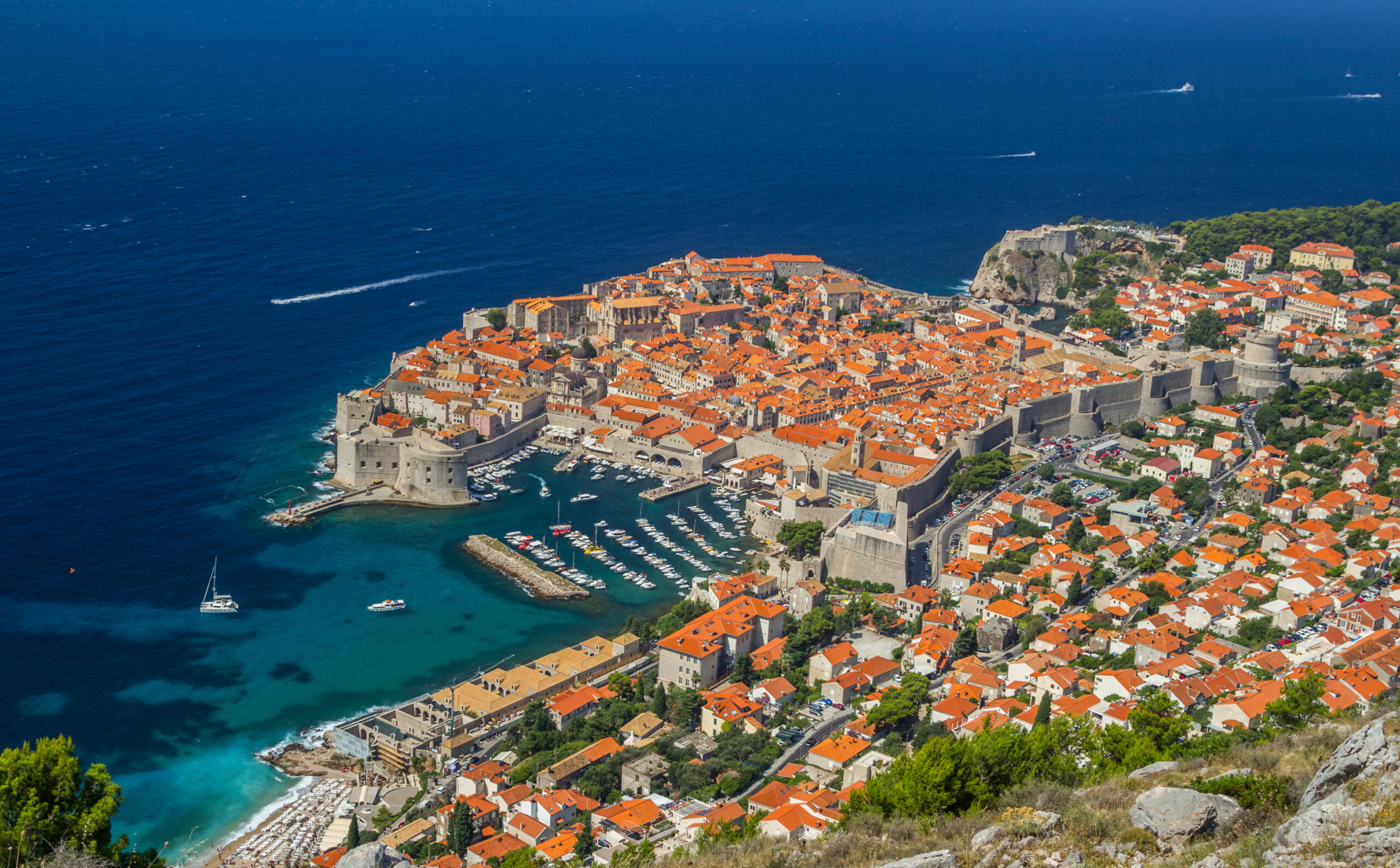
The best cruise ports deposit you within walking distance of a genuinely extraordinary place. Dubrovnik, Croatia lands you steps from one of the most spectacular walled medieval cities in the world. Kotor, Montenegro puts you at the foot of a stunning fjord-like bay and a walkable old town. Venice, Italy (where cruise access remains, though large ships are now restricted from the historic center) offers one of the world’s unique cities. Santorini, Greece delivers the iconic Greek-island experience. Bar Harbor, Maine sits at the doorstep of Acadia National Park. In these ports, staying on the ship would be a genuine loss — the destination is world-class and immediately accessible.
Worth It: Ports Where a Short Transfer Reaches Something Remarkable
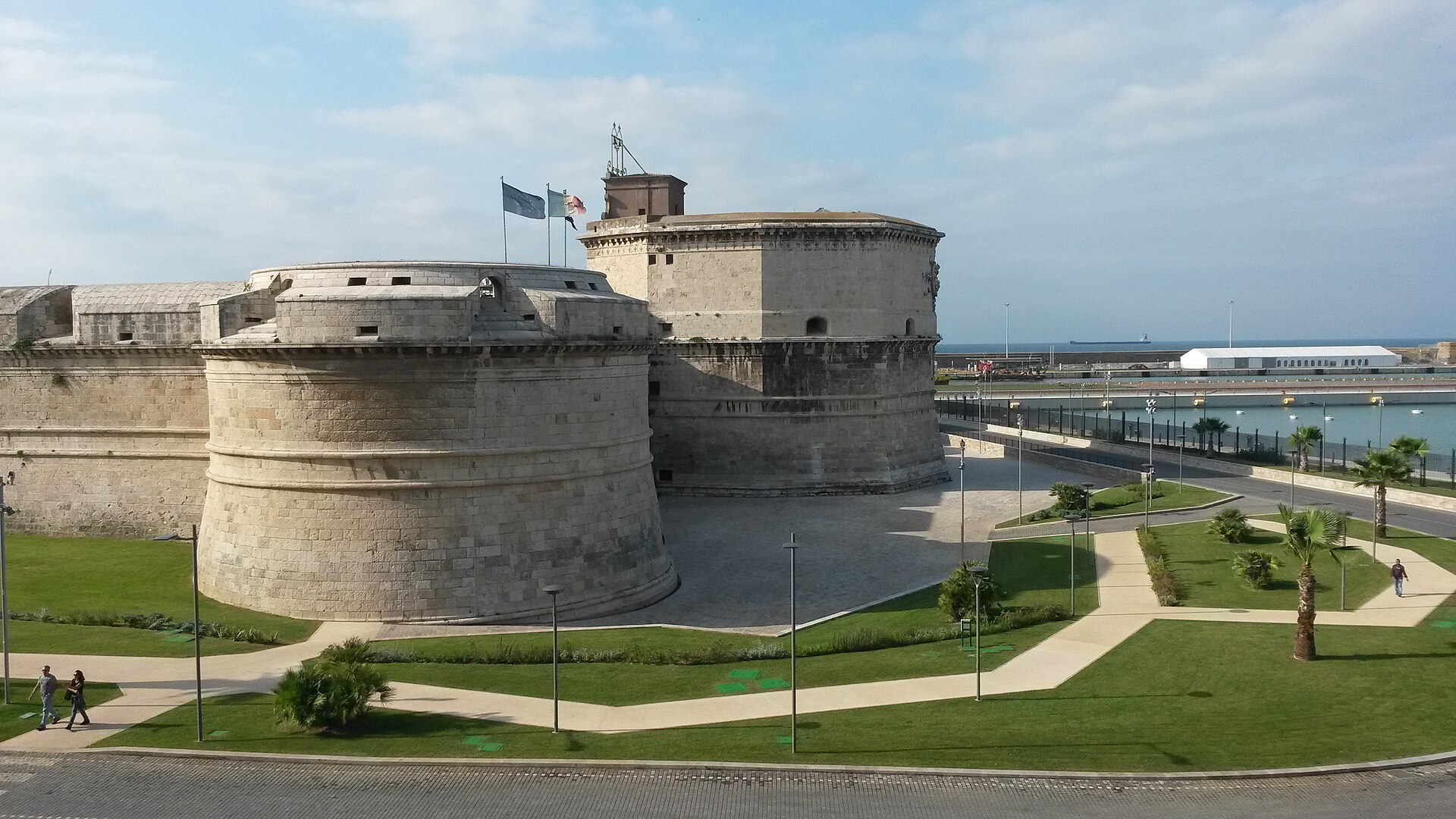
Some ports require a manageable transfer to reach something genuinely worth it. Civitavecchia, Italy is the port for Rome — about 90 minutes away, a long transfer, but Rome justifies it for first-time visitors. Le Havre or Cherbourg, France access Normandy and (with effort) Paris. Livorno, Italy reaches Florence and Pisa. Akaroa or Lyttelton, New Zealand access Christchurch and stunning scenery. The calculation here is whether the destination justifies spending a meaningful chunk of the day in transit. For bucket-list destinations like Rome, it usually does, particularly for travelers who may not return.
Skip or Reconsider: Ports That Are Mostly Shopping
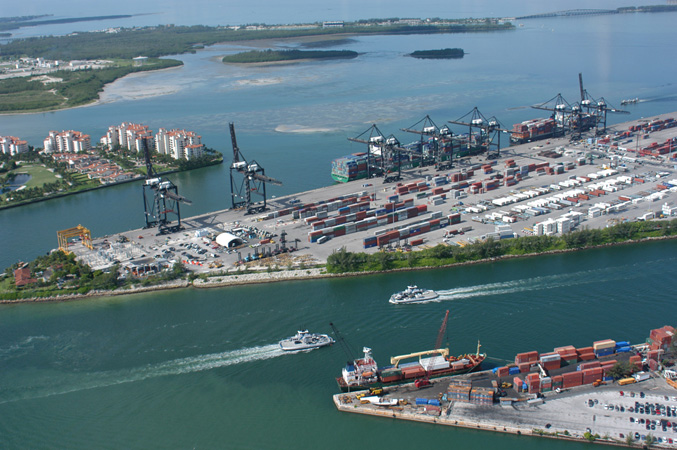
Many Caribbean and other ports have evolved into essentially cruise-passenger shopping zones — clusters of jewelry, liquor, and souvenir shops engineered to capture passenger spending, with the genuine local character pushed to the margins. Some ports in the Caribbean, in particular, offer a port area that is pleasant enough but largely interchangeable — the same duty-free shops, the same manufactured “local” experiences. For these stops, experienced cruisers often either book a genuine excursion that escapes the port zone (a beach, a natural site, a real town) or simply enjoy the nearly-empty ship. The port-area shopping district itself rarely justifies a full day.
Skip or Reconsider: Industrial Ports Far From Anything
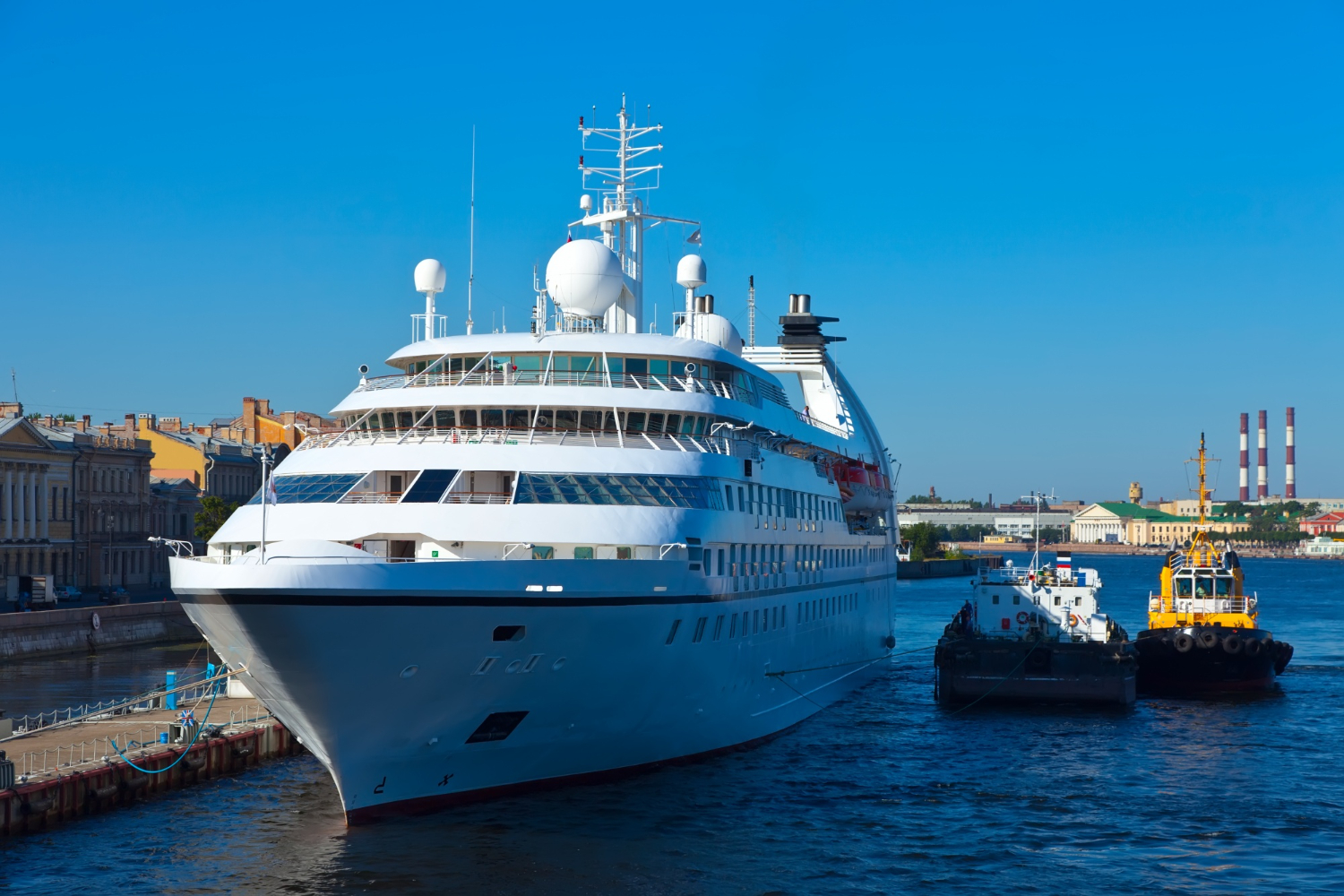
Some cruise itineraries include stops at working industrial ports located a significant and expensive distance from anything a tourist would want to see. In these cases, the only way to reach something worthwhile is an expensive ship excursion or a costly taxi, and the destination at the end may not justify the cost and effort. Experienced cruisers research each port in advance and recognize when a stop is essentially a logistical fueling or scheduling stop rather than a genuine destination. On these days, the uncrowded ship is often the better value.
Worth It: The Alaska and Northern Europe Ports
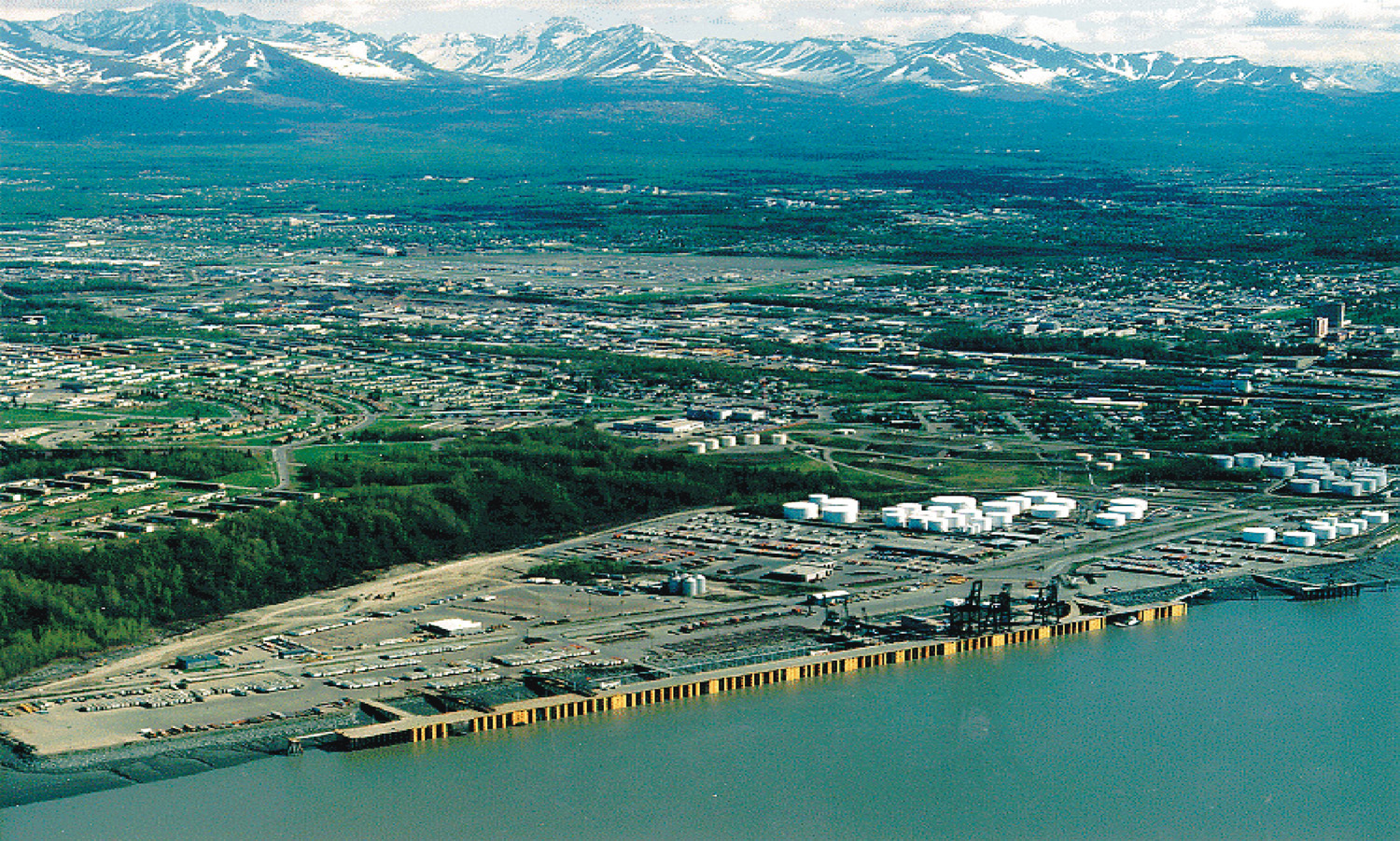
Some cruise regions are defined almost entirely by their port stops, and Alaska is the clearest example. Ports like Juneau, Skagway, Ketchikan, and Sitka put passengers at the doorstep of glaciers, historic Gold Rush towns, whale-watching waters, and genuine wilderness — the scenery and excursions are the entire point of an Alaska cruise, and staying aboard would mean missing the destination itself. The same is true of Northern European and Baltic cruises, where ports like Tallinn, Estonia (a remarkably preserved medieval old town walkable from the port), St. Petersburg, Russia (when itineraries include it), Stockholm, and Copenhagen deliver world-class cities. In these regions, nearly every port genuinely justifies a full day ashore, and the cruise functions essentially as transportation between extraordinary destinations rather than as a floating resort.
Skip or Reconsider: The Private Island Question
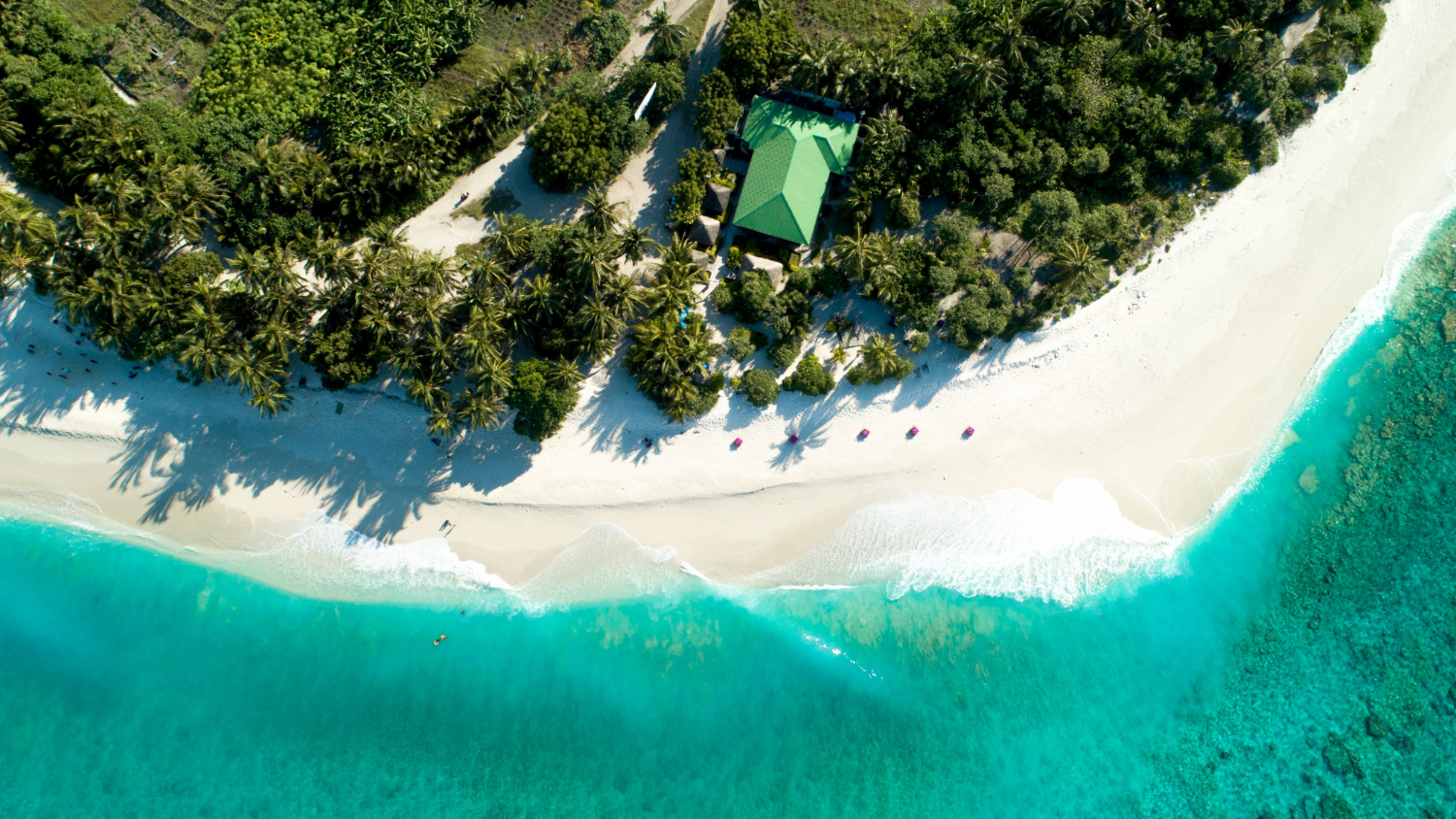
Most major cruise lines now feature a “private island” or exclusive beach destination as a port stop — a controlled, cruise-line-owned property with beaches, bars, and activities. These are genuinely pleasant for families and beach lovers, with clean facilities and easy logistics, and many passengers love them. But they’re also a closed environment designed to capture passenger spending, often with paid upgrades (cabanas, premium areas, excursions) layered on top. They offer no genuine cultural or local experience — they’re an extension of the ship’s controlled environment onto a beach. Whether the private island is “worth it” depends entirely on what you want: for a relaxed beach day with no planning, they deliver; for travelers seeking authentic local destinations, they’re essentially a branded beach club rather than a real port of call.
The Underrated Move: Staying Aboard on Purpose
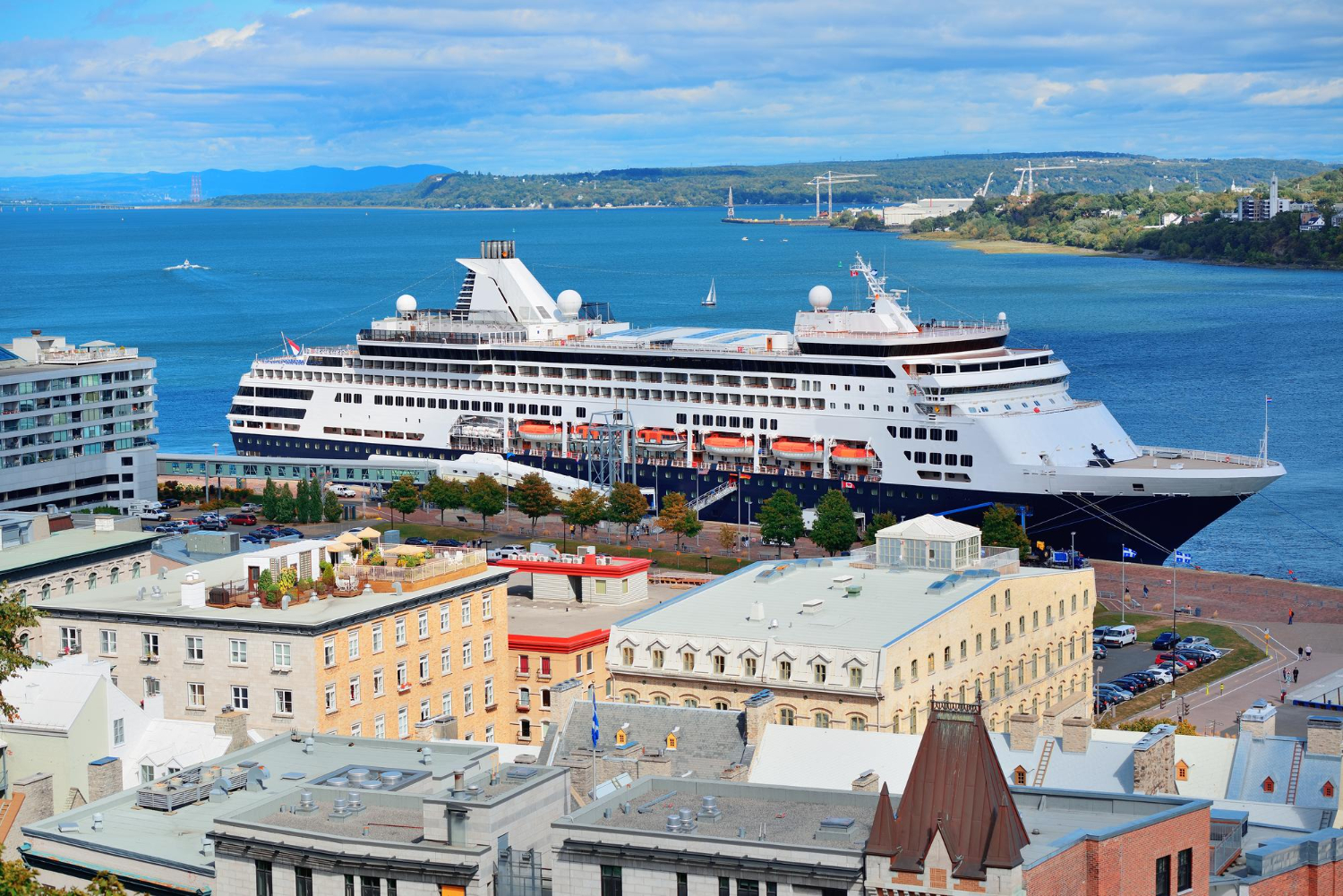
The most counterintuitive cruise wisdom is that deliberately staying aboard during a port stop can be one of the best experiences of the trip. When several thousand passengers leave the ship, the pools, hot tubs, spas, restaurants, and deck spaces become genuinely peaceful. For cruisers who have seen a particular port before, or who simply value relaxation over another crowded shore excursion, the near-empty ship is a luxury. Experienced cruisers often plan at least one “ship day” during a longer cruise specifically to enjoy the uncrowded amenities while everyone else fights the crowds ashore.
How to Decide for Your Specific Cruise
The practical approach for any cruise is to research each port individually well before the trip rather than deciding in the moment. For each stop, the key questions are: What is actually reachable from this specific port, and how far is it? Is the destination genuinely extraordinary or essentially a shopping zone? What does it cost to reach the worthwhile sites — and is the ship’s excursion or independent transport the better option? Have I seen this port before? Three identical Caribbean shopping stops in one week might warrant getting off at one and enjoying the ship at the others. A once-in-a-lifetime stop at Dubrovnik or the port for Rome warrants the full day ashore regardless of effort.
The broader principle is that cruise ports vary enormously in quality, and the cruise marketing presents every stop as equally exciting when the reality is that some are world-class and some are essentially parking spots. The experienced cruiser allocates energy accordingly — full days ashore at the genuinely extraordinary ports, selective excursions at the mediocre ones, and the occasional deliberate ship day to enjoy the amenities in peace. The cruise that treats every port as mandatory leaves passengers exhausted and having spent heavily on forgettable excursions. The cruise that distinguishes the worth-it ports from the skippable ones delivers both the extraordinary destinations and genuine relaxation. Knowing the difference before you sail is the single most useful piece of cruise planning, and it’s the knowledge that separates the seasoned cruiser from the first-timer trying to do everything. The seasoned cruiser arrives at each port already knowing whether it’s a full-day destination, a selective-excursion stop, or a perfect day to enjoy a nearly empty ship — and that single piece of advance research transforms the rhythm of the entire trip from exhausting to genuinely relaxing.