Professional chefs spend years learning techniques that home cooks never encounter, and when they watch ordinary people cook, they consistently flag the same handful of habits that quietly sabotage the food. These aren’t matters of fancy equipment or exotic ingredients — they’re small, fixable mistakes in technique and timing that make the difference between a flat, disappointing result and food that tastes the way it does in a good restaurant. The reassuring part is that none of these fixes costs money or requires skill you don’t already have. They require only understanding what the professionals understand about heat, salt, timing, and patience. Correcting even a few of them will noticeably improve almost everything you cook. Here are nine cooking habits that restaurant chefs wish home cooks would stop doing — and what to do instead.
The common theme across nearly all of these mistakes is impatience and underseasoning — home cooks tend to rush the steps that need time and skip the steps that build flavor. Professional kitchens are built around the opposite instincts. Understanding why chefs do what they do is more useful than memorizing rules, so each habit below comes with the reasoning behind the fix.
1. Crowding the Pan
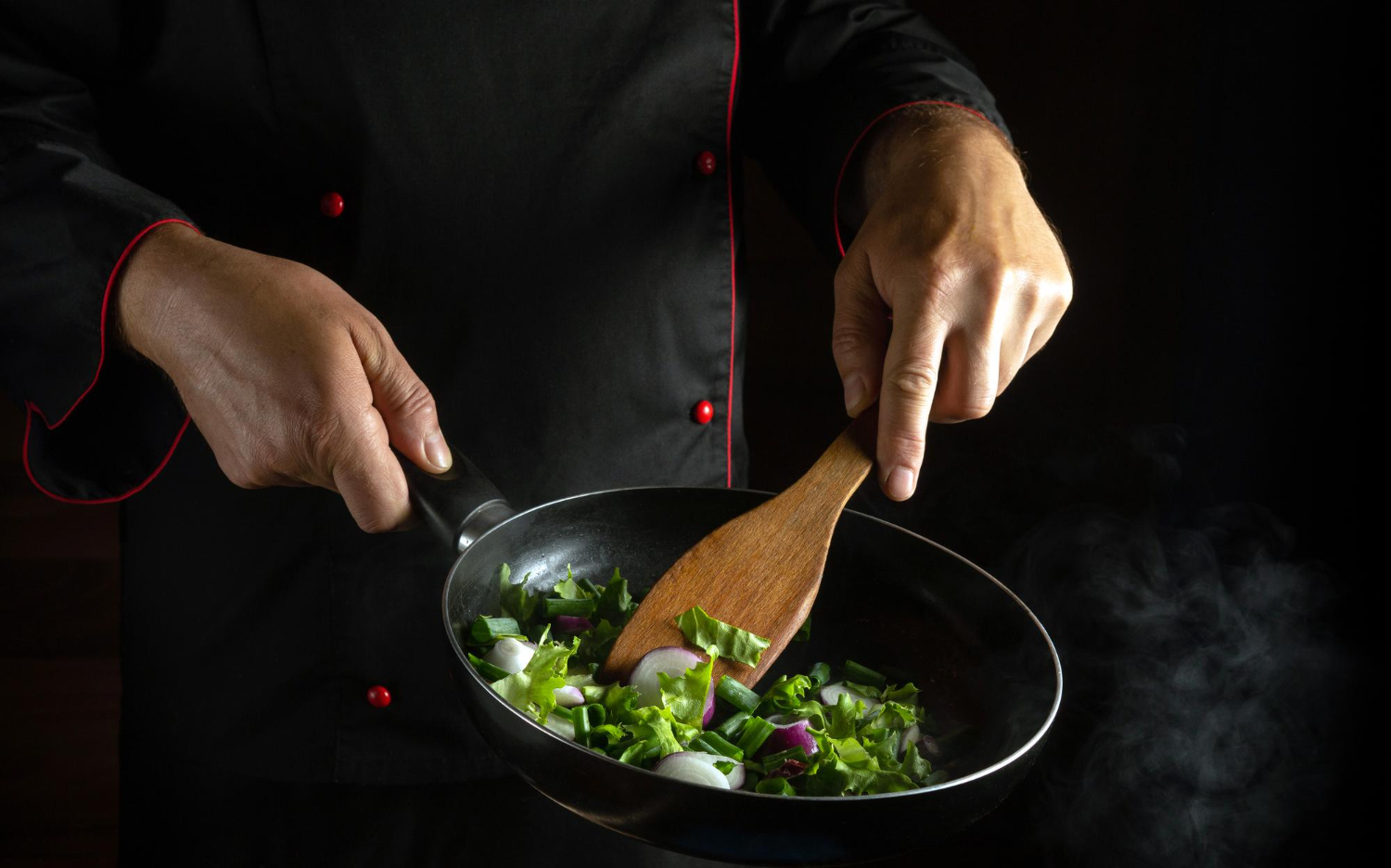
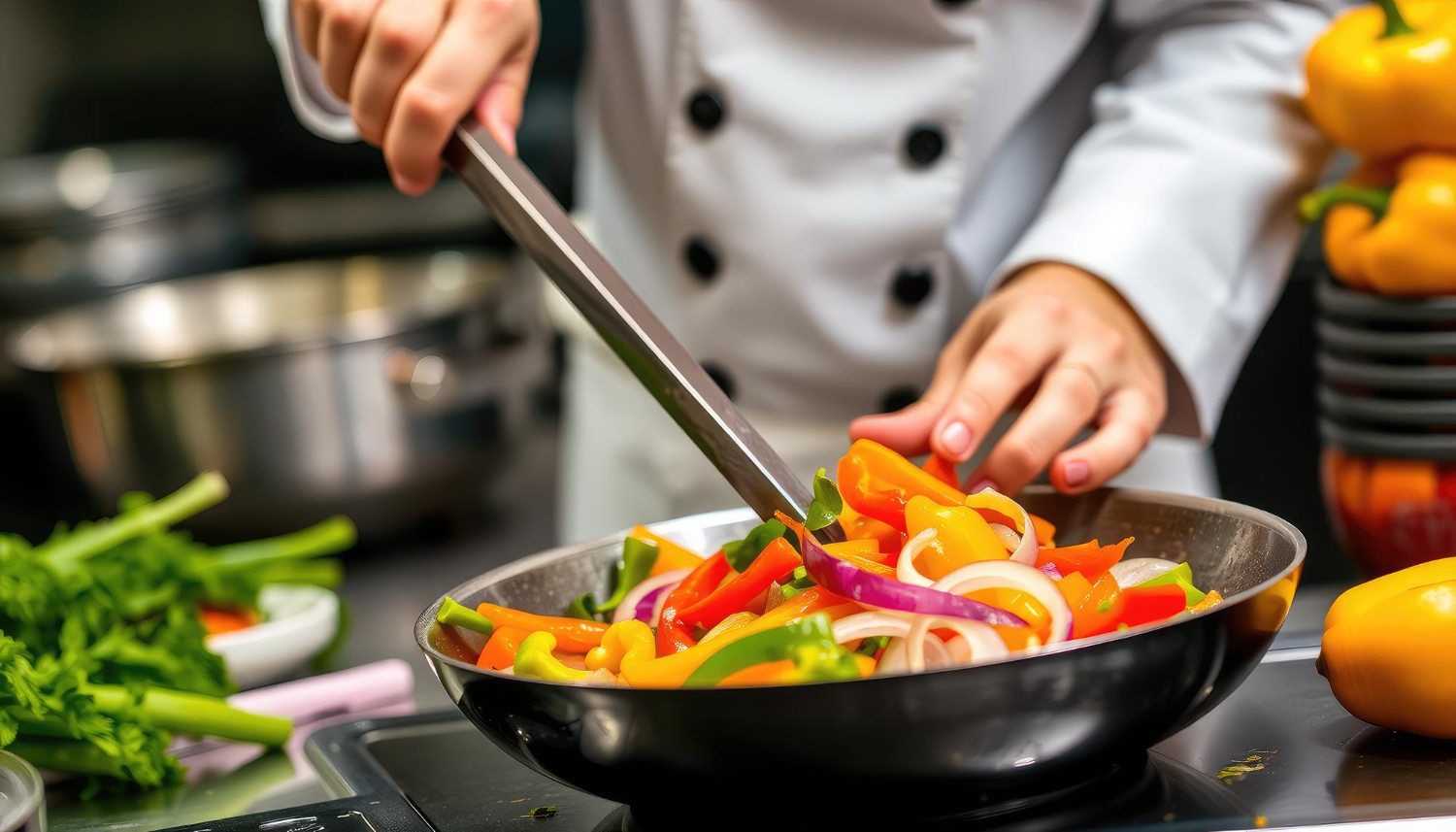
The single most common home-cooking mistake chefs cite is overcrowding the pan — piling in too much meat or too many vegetables at once. When the pan is crowded, the food’s released moisture can’t evaporate, the temperature drops, and instead of browning (the Maillard reaction that creates deep flavor), the food steams in its own liquid, turning gray and soggy. Chefs cook in batches, leaving space around each piece. The fix costs nothing but patience: cook in smaller batches and let each piece have room. The difference between steamed gray chicken and a deep golden sear is almost entirely about pan crowding.
2. Not Salting Early Enough — or Enough
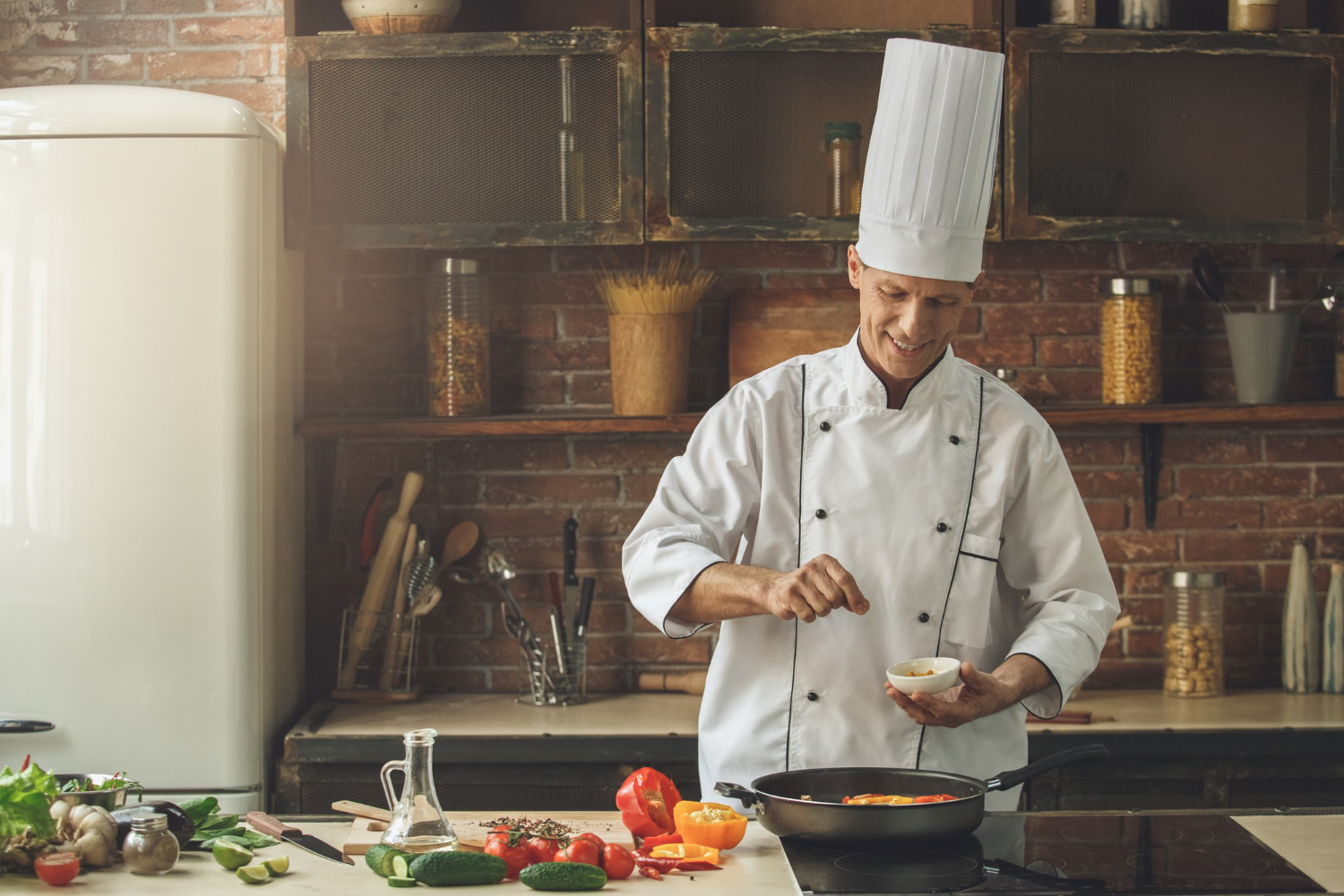
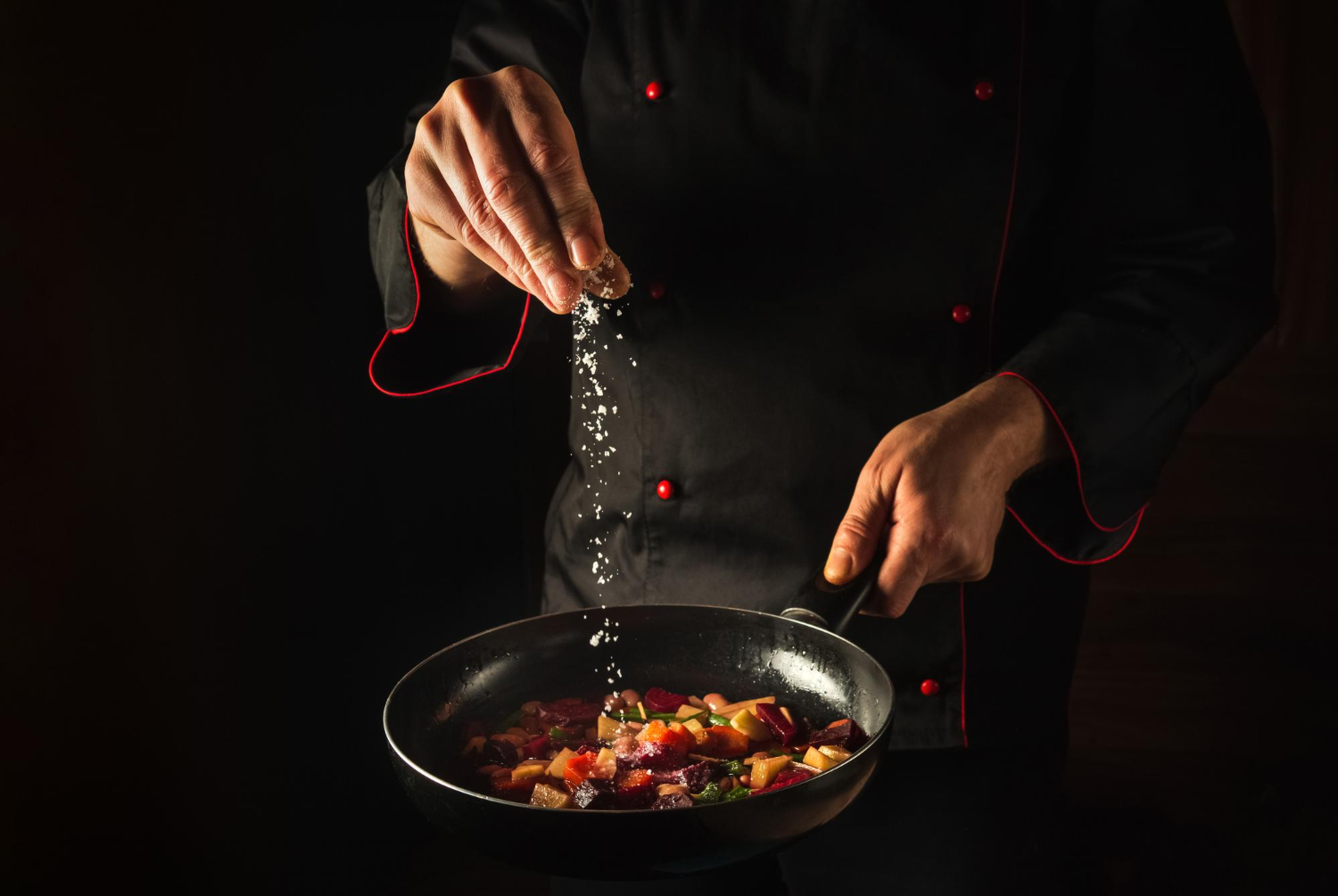
Home cooks tend to add a pinch of salt at the end, while chefs season in layers throughout cooking. Salt added early penetrates the food and seasons it from within; salt added only at the end sits on the surface. Chefs also simply use more salt than most home cooks are comfortable with — properly seasoned food tastes “seasoned,” not salty. Salting meat well in advance (even hours ahead) draws out moisture that then reabsorbs as a seasoned brine. The reason restaurant food tastes better is frequently just correct, layered, sufficient salting — the cheapest upgrade available to any home cook.
3. Cooking Meat Straight From the Fridge
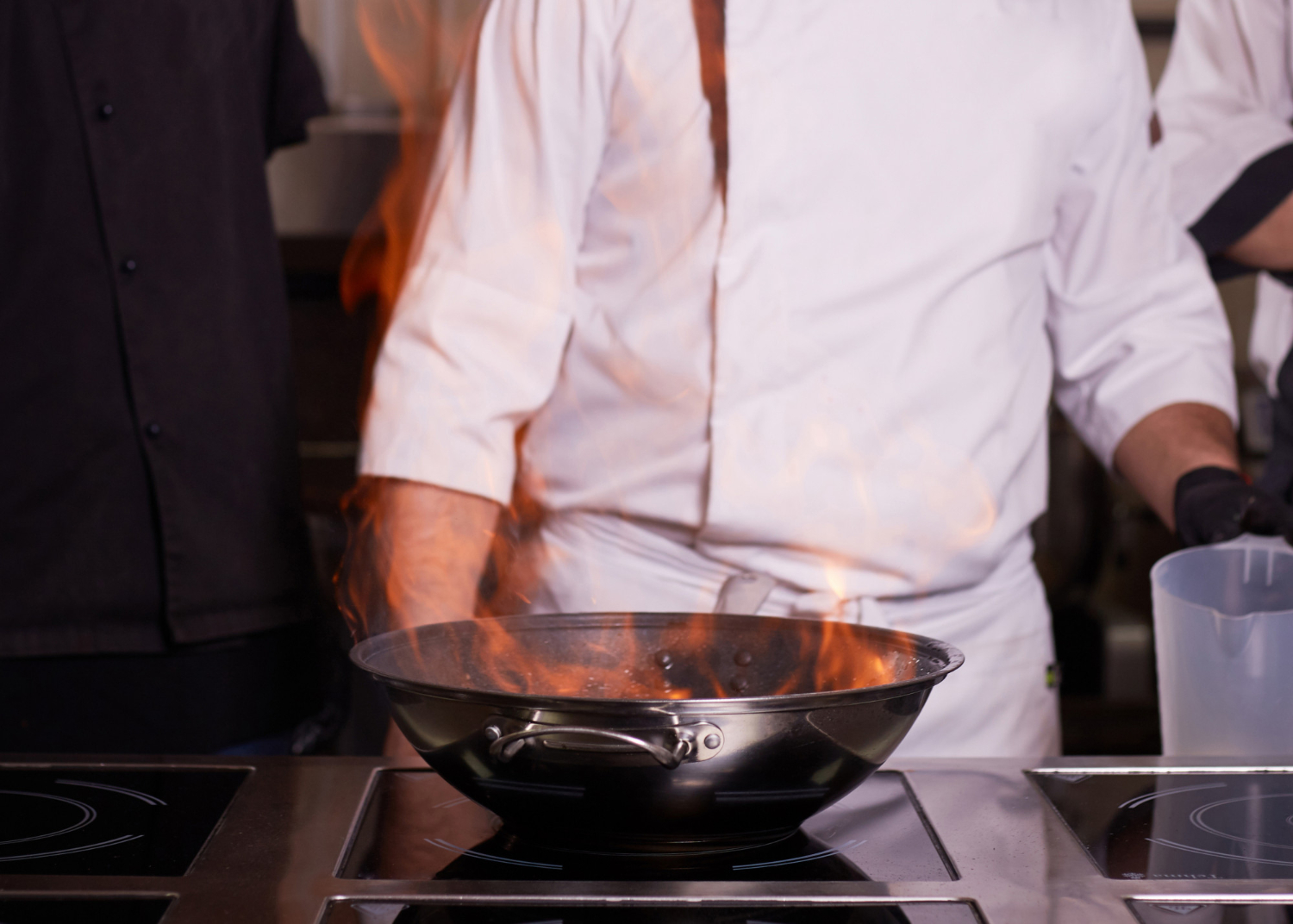
Chefs let meat come toward room temperature before cooking, while home cooks frequently throw cold meat straight onto the heat. Cold meat cooks unevenly — the outside overcooks before the inside warms through — and a cold steak hitting a hot pan drops the pan temperature and inhibits searing. Letting meat sit out for a bit before cooking (within food-safety limits) produces more even cooking and better browning. Pairing this with patting the meat thoroughly dry — surface moisture is the enemy of a good sear — addresses two chef complaints at once.
4. Not Letting Meat Rest
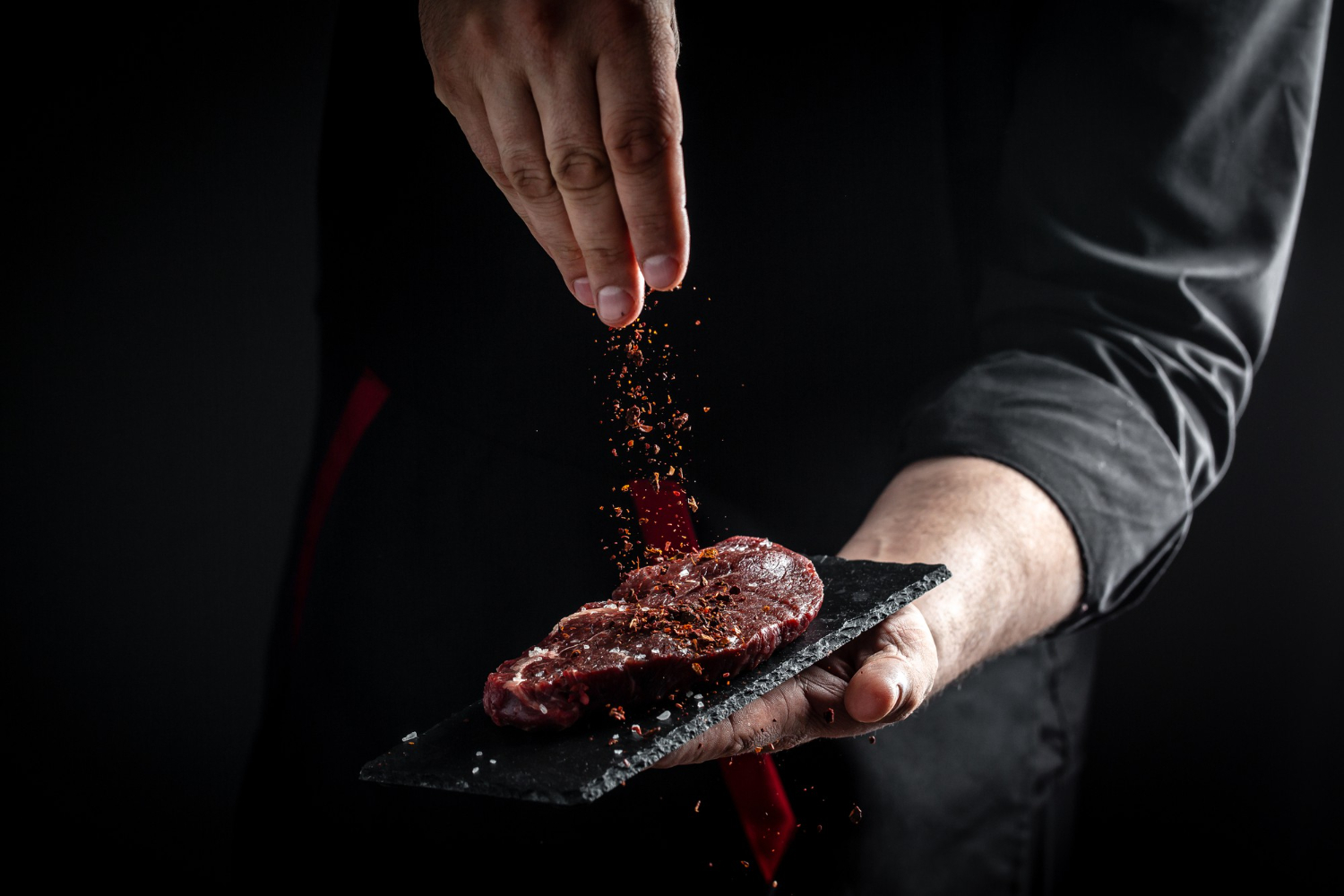
The home cook frequently slices into meat the instant it comes off the heat, and chefs wince, because resting meat lets the juices redistribute. Cutting immediately releases those juices onto the cutting board, leaving the meat drier. A few minutes of resting (tented loosely) for a steak, longer for a roast, keeps the juices in the meat where they belong. The discipline of waiting those few minutes, when everything is ready and the temptation to cut is strongest, is one of the clearest dividing lines between home and professional results.
5. Using a Dull Knife
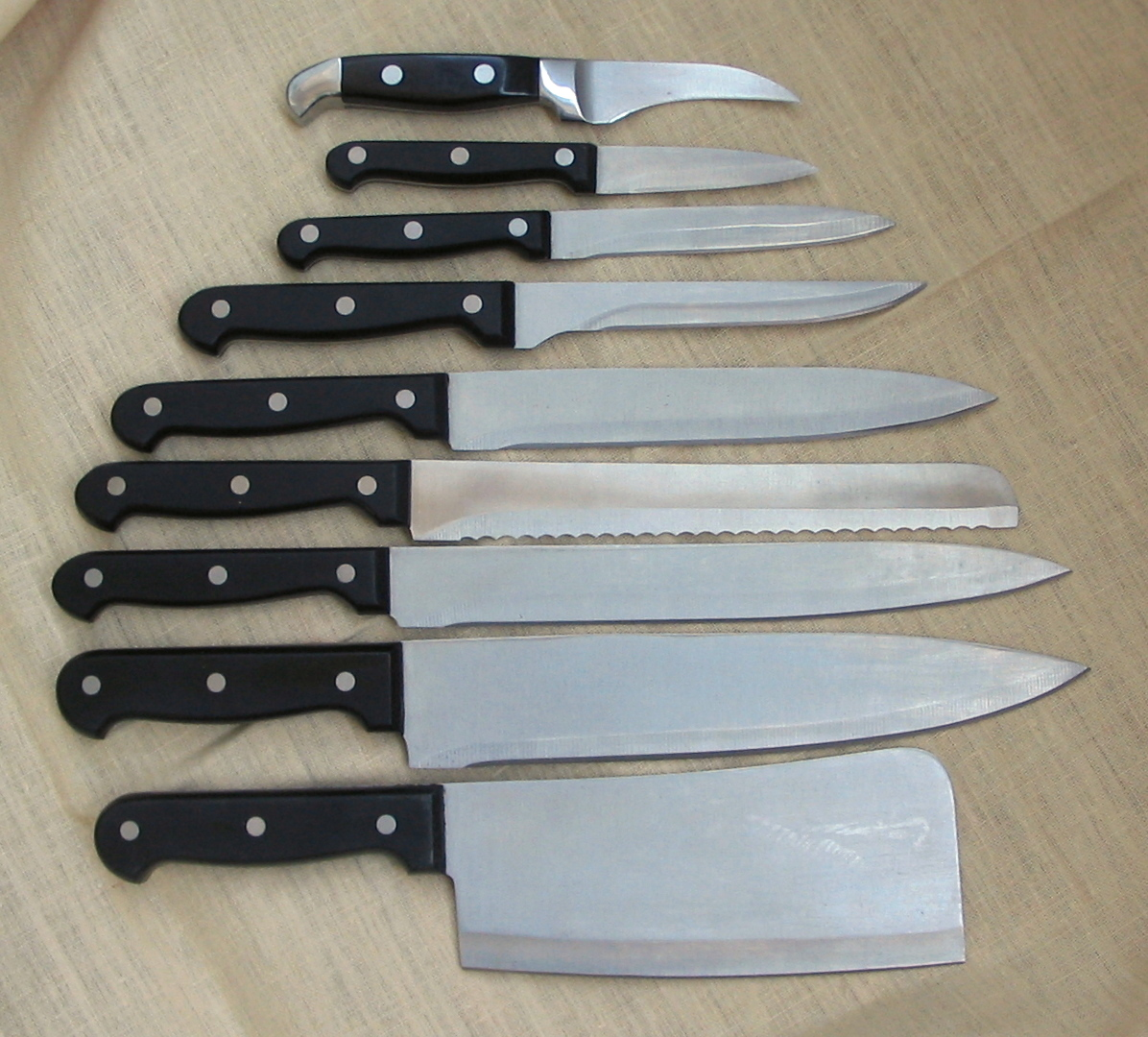
Home cooks often work with dull knives, believing them safer, when chefs know the opposite is true — a dull knife requires more force, slips more easily, and causes more injuries, while also crushing and bruising food rather than cleanly cutting it. A sharp knife cuts cleanly, safely, and quickly. Chefs maintain their knives obsessively. For a home cook, simply keeping one good knife genuinely sharp (with a honing steel and periodic sharpening) improves both safety and the quality of every dish that involves cutting.
6. Cranking the Heat to Maximum
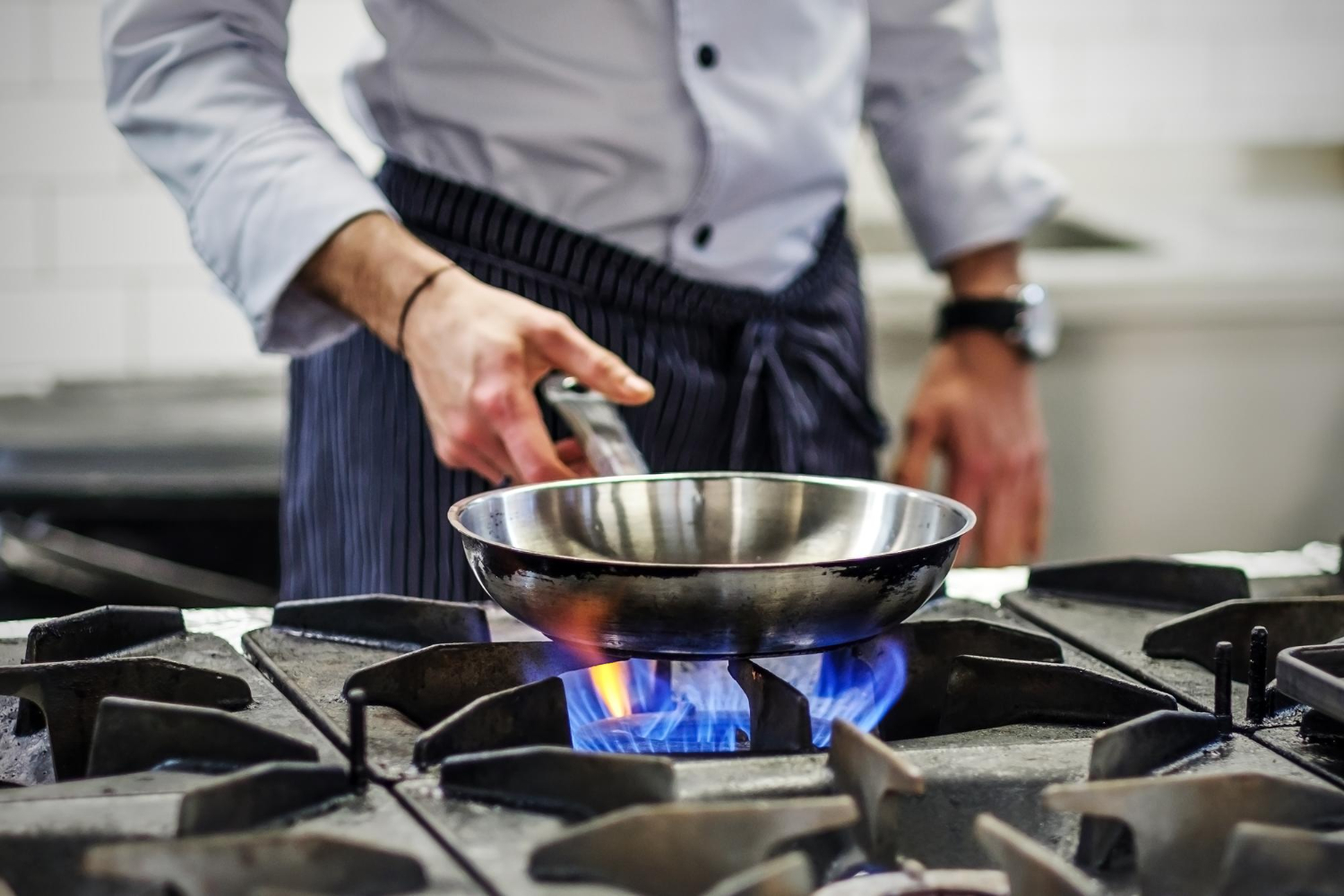
Home cooks frequently default to high heat for everything, while chefs control heat deliberately across a wide range. Many dishes — onions cooked slowly to sweetness, eggs cooked gently, sauces reduced patiently — require moderate or low heat and time. Blasting everything on high burns the outside while leaving the inside raw and turns delicate ingredients harsh. The chef’s instinct is to match the heat to the goal, frequently using lower heat and more patience than the home cook expects. Slowing down and lowering the heat fixes a remarkable number of failed dishes.
7. Skipping the Fond
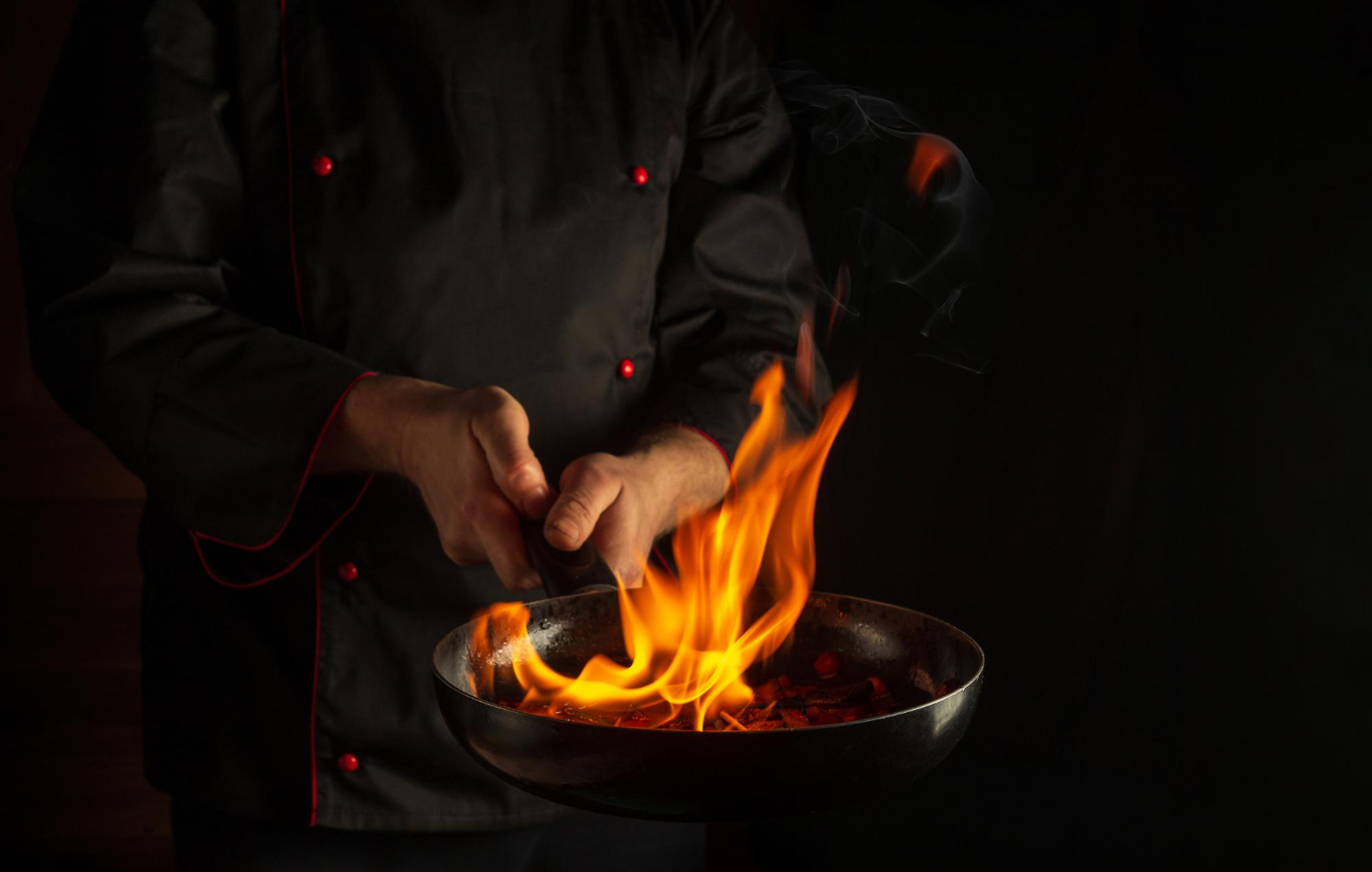
When home cooks finish browning meat, they frequently discard the browned bits stuck to the pan, while chefs see that fond as concentrated flavor and the foundation of a sauce. Adding liquid (wine, stock, even water) and scraping up the fond — deglazing — turns those stuck bits into a pan sauce that elevates the entire dish in minutes. Throwing out the fond is throwing out the best flavor in the pan. Learning the simple deglaze-and-reduce move is one of the highest-impact techniques a home cook can add, turning plain cooked meat into something restaurant-quality.
8. Not Tasting While Cooking

Home cooks frequently follow a recipe to the letter and serve without tasting, while chefs taste constantly and adjust throughout. A recipe is a starting point, not a guarantee — ingredients vary, and seasoning needs constant calibration. Chefs taste at every stage and adjust salt, acid, and seasoning as they go. The single habit of tasting and adjusting throughout cooking, rather than hoping the recipe got it right, is fundamental to how professionals achieve consistent, balanced food, and it’s entirely free for any home cook to adopt.
9. Forgetting Acid at the End
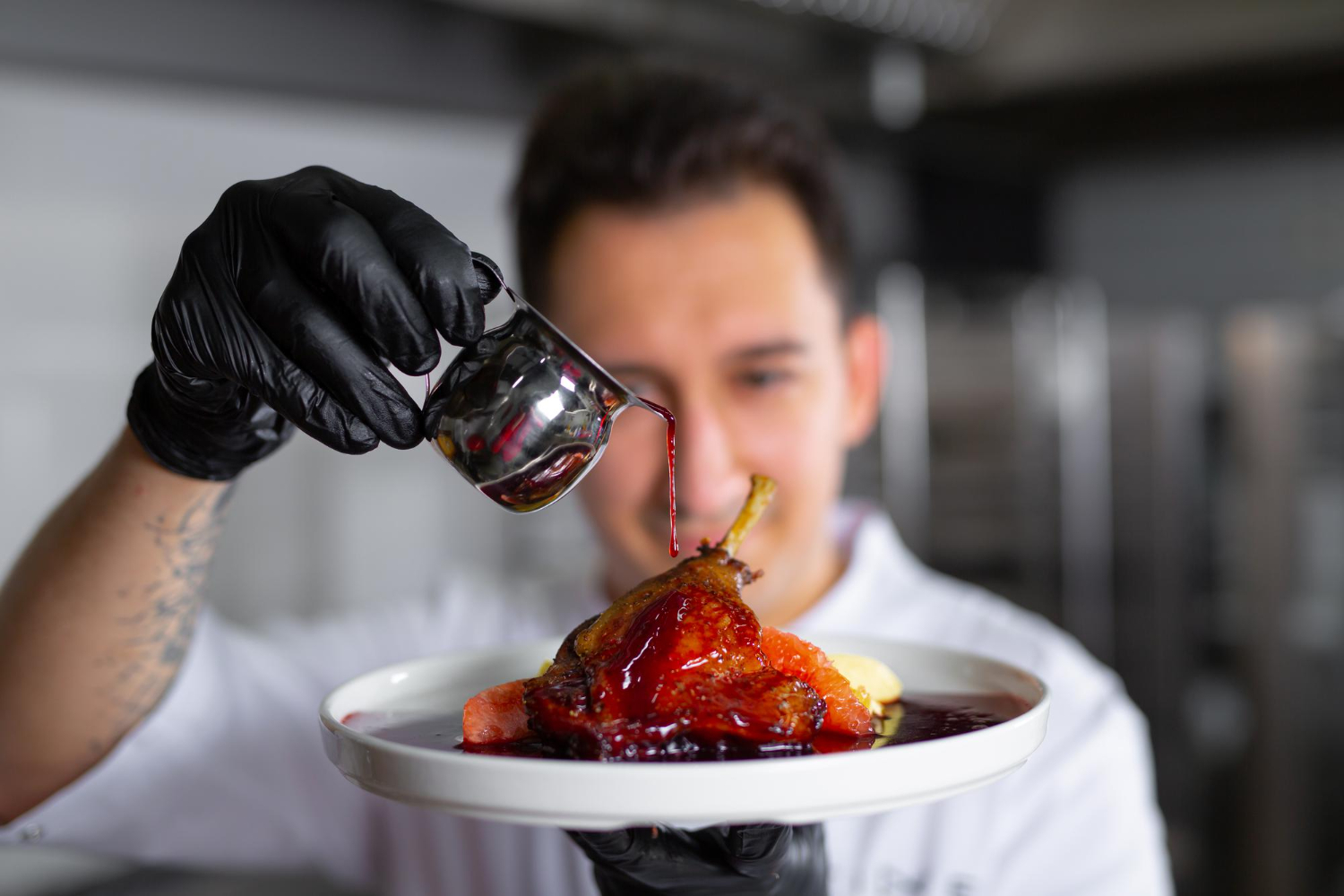
Home cooks frequently produce food that tastes flat and “missing something,” and chefs know the missing something is usually acid. A squeeze of lemon, a splash of vinegar, or a bright garnish at the end brightens and balances a dish, cutting through richness and waking up the flavors. Chefs reach for acid the way home cooks reach for salt. The next time a dish tastes heavy or dull despite correct seasoning, a small hit of acid at the finish is frequently the fix, and it’s the secret behind why restaurant food so often tastes more vibrant than the same dish made at home.
Putting It Together
None of these techniques is difficult, expensive, or time-consuming once it becomes habit, and that’s the genuinely useful insight: the gap between home cooking and restaurant cooking is rarely about talent or equipment. It’s about a handful of fundamentals — heat control, proper salting, not crowding the pan, resting meat, building and using fond, tasting constantly, and finishing with acid — that professionals treat as non-negotiable and home cooks frequently skip. A home cook who adopts even three or four of these habits will notice an immediate, dramatic improvement in everything they make, with no new equipment and no new ingredients. The professionals aren’t guarding secret techniques; they’re simply doing consistently the small things that most home cooks do inconsistently or not at all. Master these fundamentals and the food coming out of your own kitchen starts to taste like it came from somewhere much fancier. The best way to internalize them is to pick one or two for your next few meals rather than trying to change everything at once — focus on not crowding the pan and salting properly this week, add resting meat and finishing with acid next week, and within a month the new habits become automatic. Chefs didn’t learn these all at once either; they built them one service at a time until the right moves became instinct. The home cook who does the same ends up with the same instincts, and the same noticeably better food, without ever setting foot in a culinary school.
Like our content? Follow us for more.