Long before travel bloggers and bucket lists, the ancient Greeks compiled the original list of must-see sights: the Seven Wonders of the Ancient World. It was, in essence, a tourist’s guide for the Mediterranean world more than two millennia ago — a curated collection of the most spectacular structures a well-traveled person of the era ought to see. The list captured the greatest feats of engineering and art known to the Greek world, and it has echoed through the centuries as the template for every “seven wonders” and “greatest sights” list since.
What most people don’t realize is how thoroughly time has erased it. Of the seven original wonders, exactly one still stands today. The other six were destroyed — some by earthquakes, some by fire, some dismantled for their materials over centuries — and the sole survivor is, fittingly, the oldest of them all, a structure that was already more than 2,000 years old when the list itself was written. More remarkable still, at least one of the seven may be entirely legendary, a wonder that scholars increasingly doubt ever actually existed. Here is the story of the original bucket list, and what became of it.
The One That Still Stands: The Great Pyramid of Giza
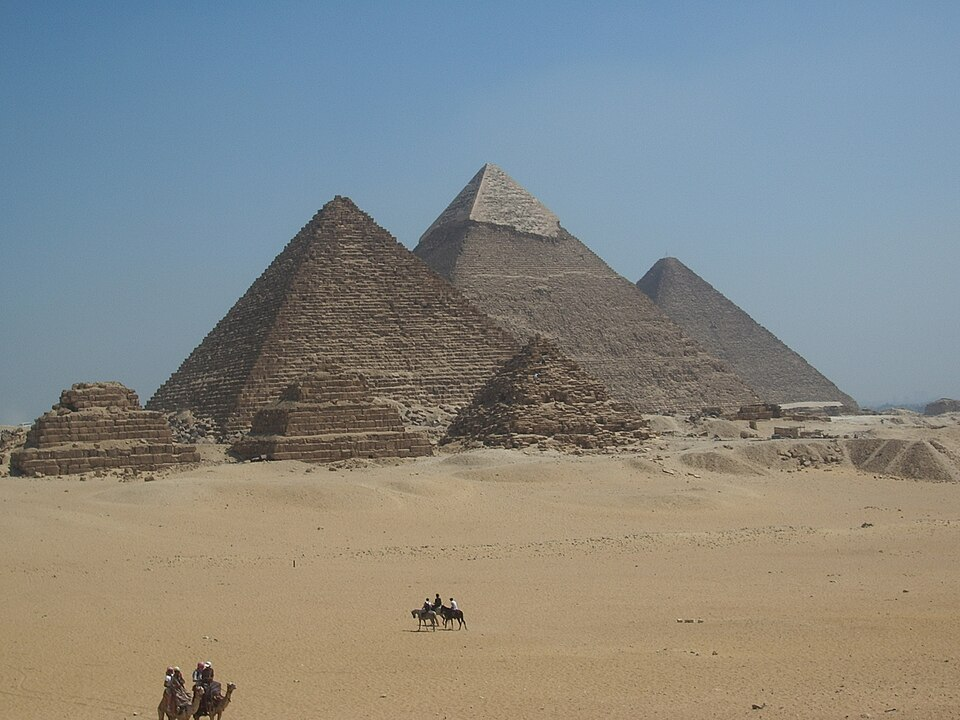
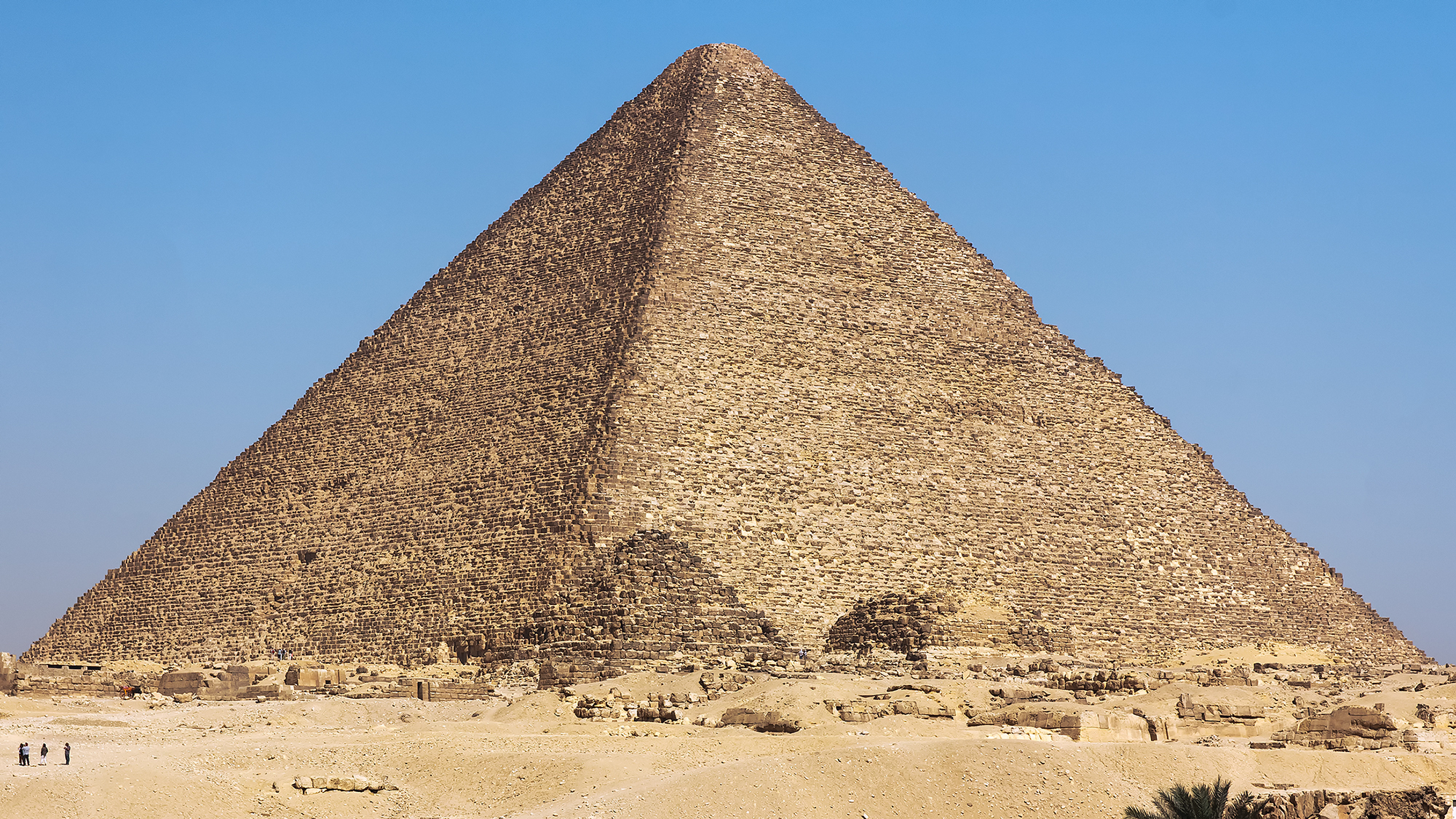
The only ancient wonder to survive into the present day is also the oldest by a wide margin: the Great Pyramid of Giza, in Egypt. Built as a tomb for the pharaoh Khufu around 4,500 years ago, it was already impossibly ancient when the Greeks who compiled the list came to admire it — the gap in time between the pyramid’s construction and the writing of the list is greater than the gap between that list and today.
For nearly 4,000 years, the Great Pyramid was the tallest structure made by human hands anywhere on Earth, a record that stood until the cathedrals of medieval Europe finally surpassed it. It was constructed from millions of massive stone blocks with a precision that continues to impress engineers, and it remains one of the most studied and visited structures in the world. That the single survivor of the seven is also by far the oldest is one of history’s great ironies: the wonder that should have been most vulnerable to time has outlasted all the others, and it still stands on the edge of Cairo, drawing millions of visitors a year to see the last of the ancient wonders with their own eyes.
Like our content? Follow us for more.
The One That May Be a Myth: The Hanging Gardens of Babylon
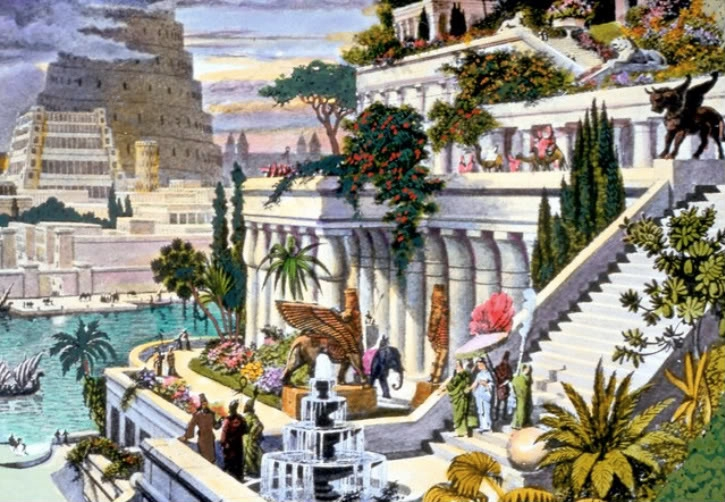
The most tantalizing wonder is the one historians are least sure was real. The Hanging Gardens of Babylon were described as a spectacular ascending series of tiered gardens, lush with trees and plants cascading down terraces, supposedly built in the ancient city of Babylon, in what is now Iraq — a green paradise rising out of the Mesopotamian plain, watered by some ingenious system that lifted water to the upper levels.
The problem is that there is no definitive archaeological evidence that they ever existed, and unlike the other wonders, they go essentially unmentioned in the surviving Babylonian records that should have documented such a marvel. The descriptions come from later Greek and Roman writers, some of whom may never have seen them and were possibly relaying secondhand accounts or legends. Various theories attempt to resolve this: that the gardens existed but have simply not been found or were destroyed; that ancient writers confused or embellished accounts; or, in one intriguing scholarly proposal, that the famous gardens were real but located in a different city entirely and misattributed to Babylon. Whether they were a real engineering marvel, an exaggeration, or an outright myth, the Hanging Gardens remain the one wonder that may never have stood at all — which only adds to their romance.
The Ones Brought Down by Earthquakes
Several of the wonders fell to the same relentless enemy: earthquakes. The Mediterranean and Near East are seismically active regions, and over the centuries the ground itself claimed some of the greatest structures of the ancient world.
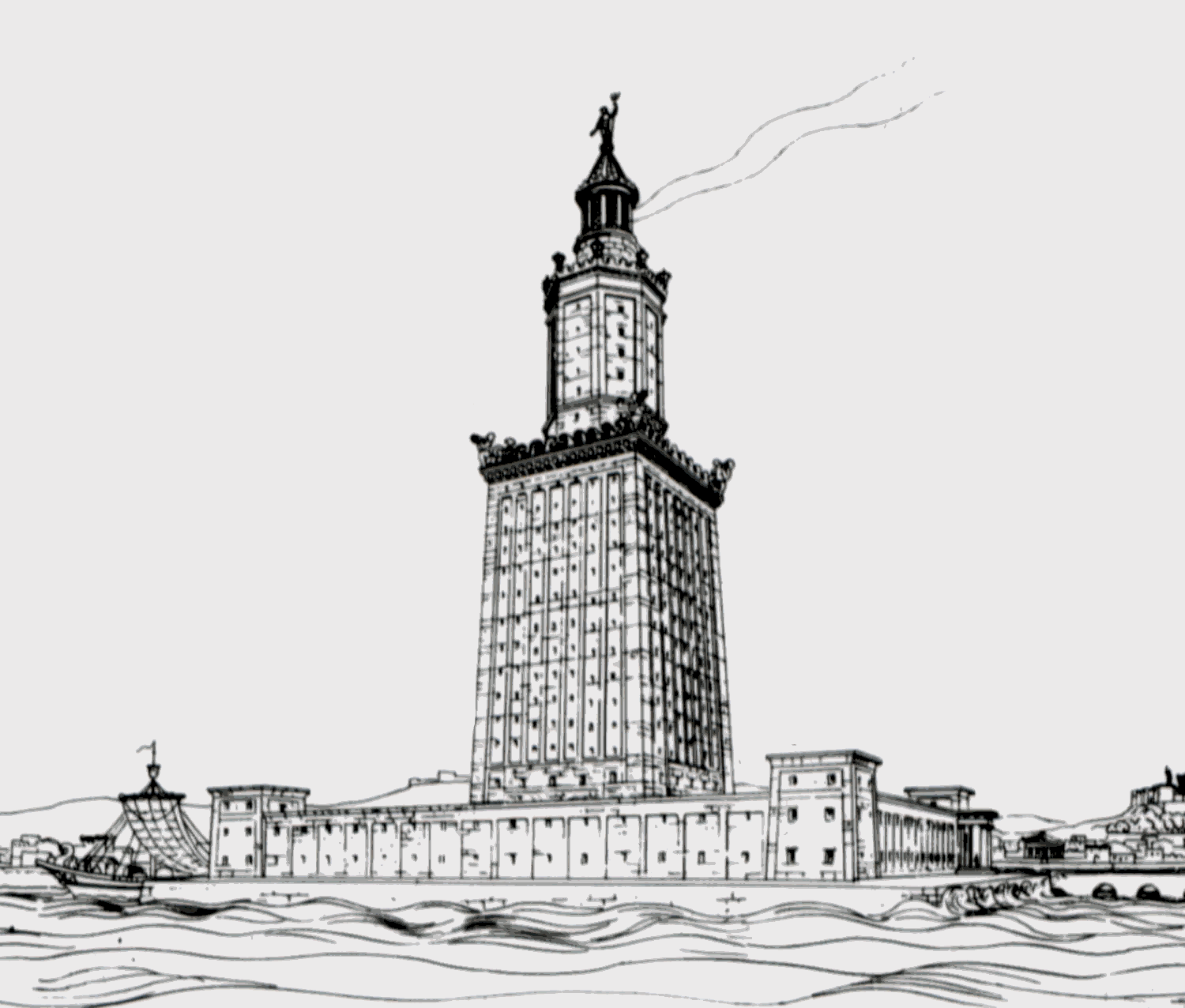
The Lighthouse of Alexandria, in Egypt, was one of the most useful of the wonders — a real functioning lighthouse, one of the tallest structures in the ancient world, that guided ships into the busy harbor of Alexandria for centuries using a fire and reflective mirror at its summit. It survived for a very long time, but a series of earthquakes over the medieval centuries gradually damaged and eventually toppled it, and its ruins were later used in the construction of a fort on the site. The Colossus of Rhodes, an enormous bronze statue of the sun god Helios that stood near the harbor of the island of Rhodes, had a far shorter life: it stood for only a few decades before an earthquake snapped it at the knees and brought it down. Its massive bronze remains reportedly lay where they fell for centuries, a tourist attraction in their own ruined state, before eventually being sold off and melted down. The Mausoleum at Halicarnassus — the elaborate tomb of a ruler named Mausolus, so famous that it gave us the very word “mausoleum” — also stood for many centuries before earthquakes damaged it, after which its stones were gradually removed and repurposed, including by crusaders who used them to build a castle.
The Ones Lost to Fire and Dismantling
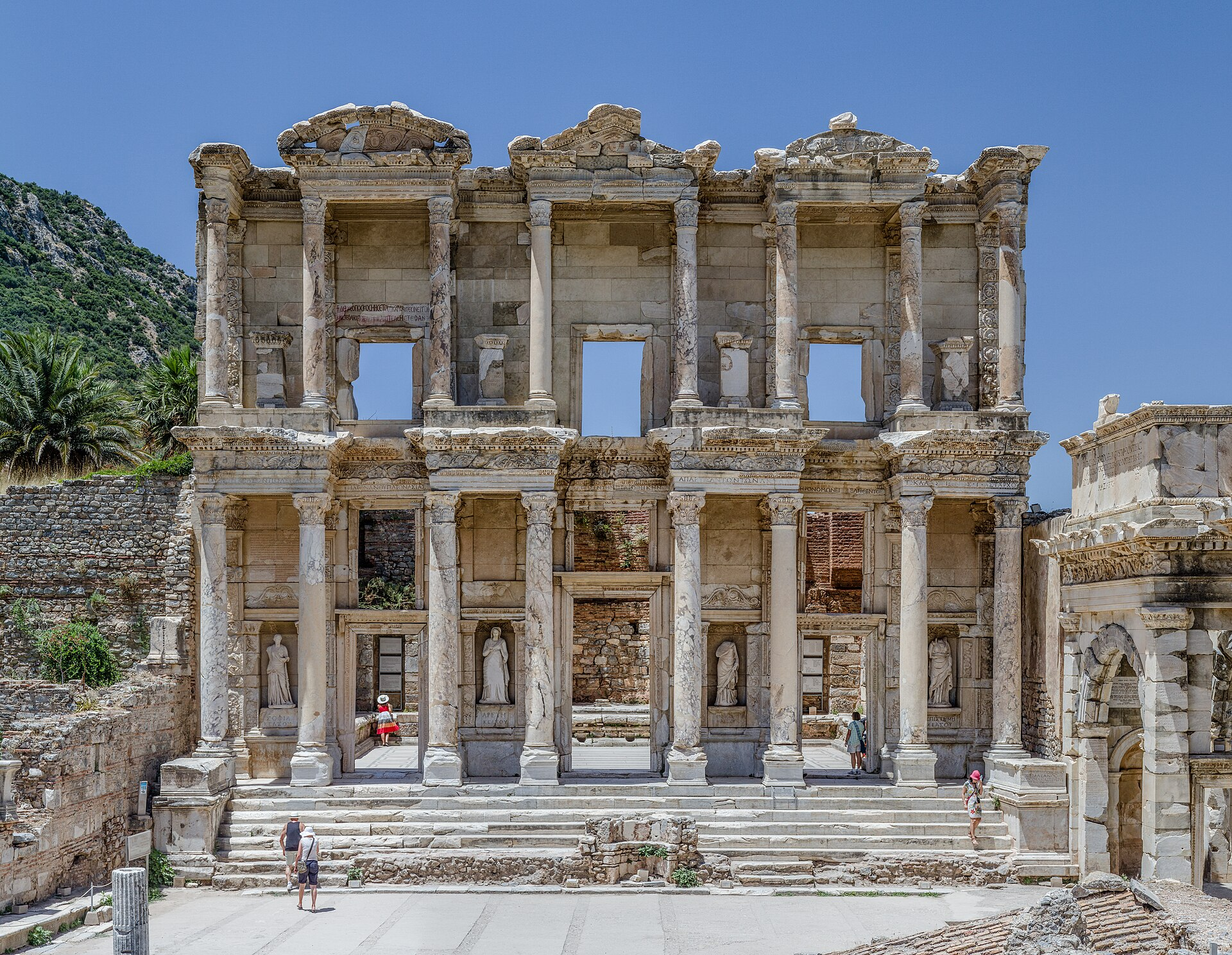
The remaining wonders were lost to other forces. The Temple of Artemis at Ephesus, in what is now Turkey, was a magnificent Greek temple of enormous size, one of the grandest religious structures of the ancient world. It had a particularly dramatic history, being destroyed and rebuilt more than once — famously burned down in an act of arson by a man seeking notoriety, then rebuilt, before eventually falling into ruin and destruction over the following centuries. Today only scattered fragments and a single reconstructed column mark the spot where one of antiquity’s greatest temples stood.
The Statue of Zeus at Olympia, in Greece, was a colossal seated figure of the king of the gods, made of ivory and gold plates over a wooden framework, created by one of the greatest sculptors of the ancient world for the site of the original Olympic Games. It was regarded as one of the supreme artistic achievements of antiquity. Its ultimate fate is uncertain — it may have been destroyed in a fire, possibly after being moved to a new location, and in any case it did not survive the transition to the late antique world, when the pagan temples that housed such statues fell out of use and into ruin. Like the others, it exists now only in ancient descriptions and depictions on old coins.
Why the List Was Made
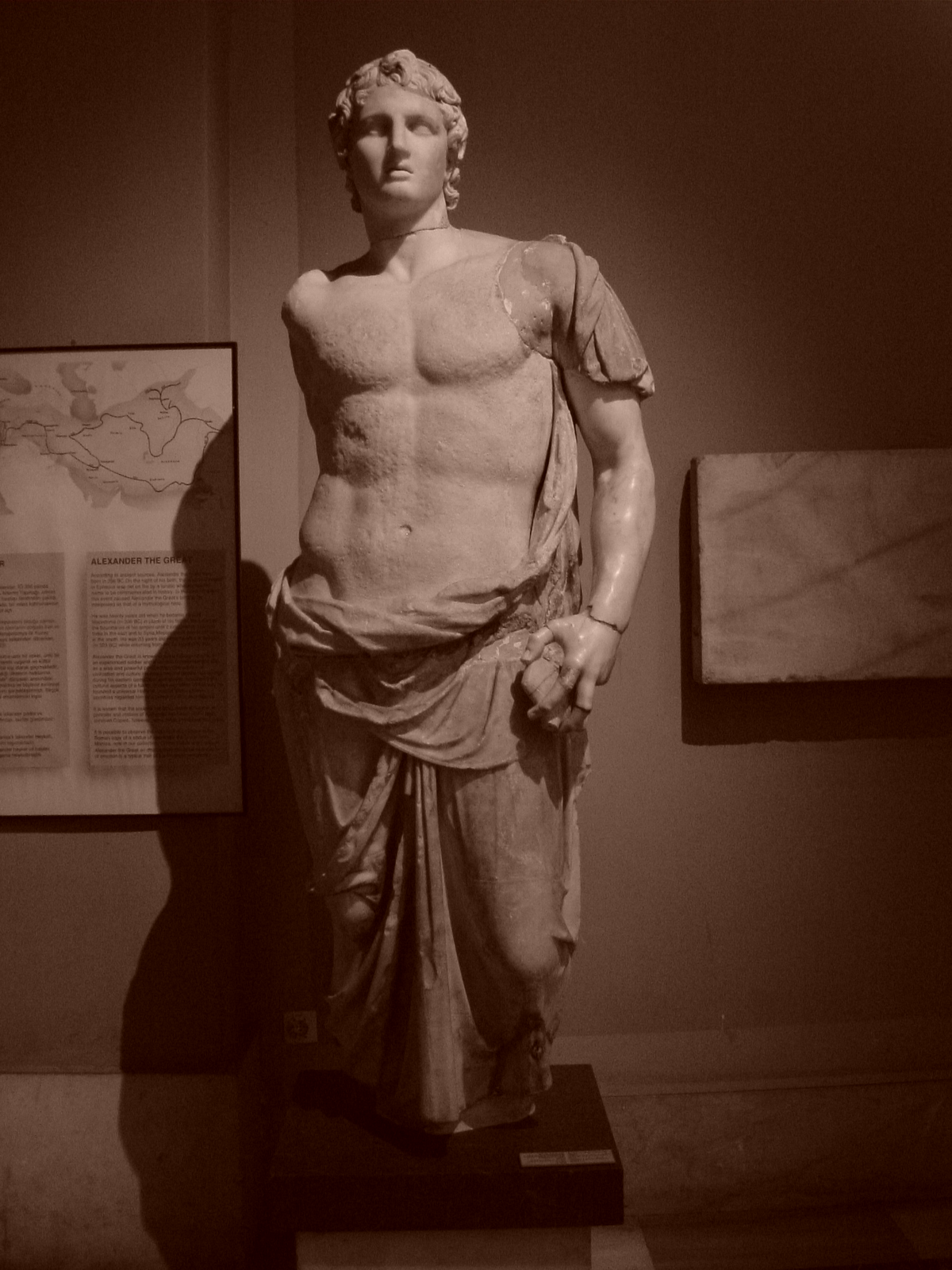
The concept of seven wonders emerged from the Greek world, likely crystallizing in the Hellenistic period after the conquests of Alexander the Great had opened the eastern Mediterranean to Greek travelers. Various ancient writers produced lists of remarkable sights, and over time a canonical set of seven became standard. The number seven itself carried significance in the ancient world, associated with the seven known celestial bodies and considered a number of completeness.
Crucially, all the wonders were within the world the Greeks knew — clustered around the Mediterranean and Near East, all reachable by an ambitious ancient traveler. The list was, in a real sense, a travel itinerary, describing sights a cultured person might aspire to see, exactly as modern “wonders” lists function today. That’s part of why it has endured: it tapped into a deeply human impulse to rank, to curate, and to travel toward greatness, an impulse that has produced countless successor lists, from the “New Seven Wonders” chosen by public vote in recent times to every magazine’s list of places to see before you die.
Seeing What Remains

For the modern traveler, the ancient wonders offer a poignant kind of pilgrimage. Only the Great Pyramid can be visited as a standing wonder, and it remains one of the world’s premier destinations, endlessly worth the trip to stand at the base of the last survivor. But the sites of the others can also be visited, and there’s something powerful about standing where a wonder once stood, even when little or nothing remains.
At Ephesus, in Turkey, the site of the Temple of Artemis can be seen alongside the spectacular broader ruins of the ancient city, one of the best-preserved classical sites anywhere. The harbor of Rhodes, where the Colossus once stood, is a pleasant destination in its own right, though nothing of the statue remains. Alexandria, Olympia, and the site of Halicarnassus in modern Bodrum all reward a visit for the layers of history they hold, even if the specific wonder is gone. And Babylon, in Iraq, remains an evocative if difficult destination whose gardens, real or not, are part of its enduring mystique. Touring the sites of the seven wonders is a journey through both the achievements of the ancient world and the humbling force of time that erased almost all of them.
The Bucket List That Outlived Its Wonders
The Seven Wonders of the Ancient World endure not as buildings — six of them are gone, and one may never have existed — but as an idea. They represent the first time anyone tried to catalog the greatest things humanity had built, to say: these are the sights worth crossing the world to see. That idea proved more durable than the stone and bronze it described.
There’s a lesson tucked inside the list about permanence and its absence. The wonders were chosen precisely because they seemed magnificent enough to last forever, and yet almost all of them were gone within centuries, brought down by earthquakes, fire, greed, and time. Only the oldest survived, the one that was already ancient when the list was made. It’s a reminder, standing at the foot of the Great Pyramid, that even the greatest human achievements are mostly temporary, that the list of wonders is really a list of things we lost, and that the impulse to seek out and marvel at the extraordinary — the impulse that made the list in the first place — is perhaps the most durable wonder of all.
Like our content? Follow us for more.