


The American teenager’s Friday night in 1979 ran on a set of rituals that have been completely erased — not changed, but erased — by the smartphone. There was no texting to coordinate, no group chat, no way to reach anyone once they left the house. Plans were made in person or on the family’s single phone, and then teenagers simply went out into the night and found each other. They cruised the main drag, gathered at the same parking lots, called from pay phones, and operated with a freedom and an unreachability that no teenager has experienced since. For the Americans who were young then, the Friday night of 1979 is a vivid, specific memory of a way of being a teenager that the connected world has made impossible. Here is what an American teenager actually did on a Friday night in 1979, and why almost none of it survives.
The defining fact of the 1979 teenage Friday night was unreachability. Once a teenager left the house, they were genuinely gone — no parent could call them, no friend could text them, and finding people required showing up where they were expected to be. This single condition shaped everything else, producing a Friday night that operated on physical presence, fixed gathering spots, and a freedom that is difficult to imagine now.
Making Plans on the Family Phone — or Not at All

The 1979 teenager coordinated Friday night on the single household telephone, frequently mounted on the kitchen wall with a long cord, shared with the entire family and often monitored within earshot of parents. Plans were loose by necessity — “meet at the usual spot around eight” — because there was no way to update or coordinate once everyone left. Often plans weren’t really made at all; you simply went to where everyone went and found your friends there. The precision of modern coordination was impossible, and the looseness was simply how it worked.
Like our content? Follow us for more.
Cruising the Main Drag
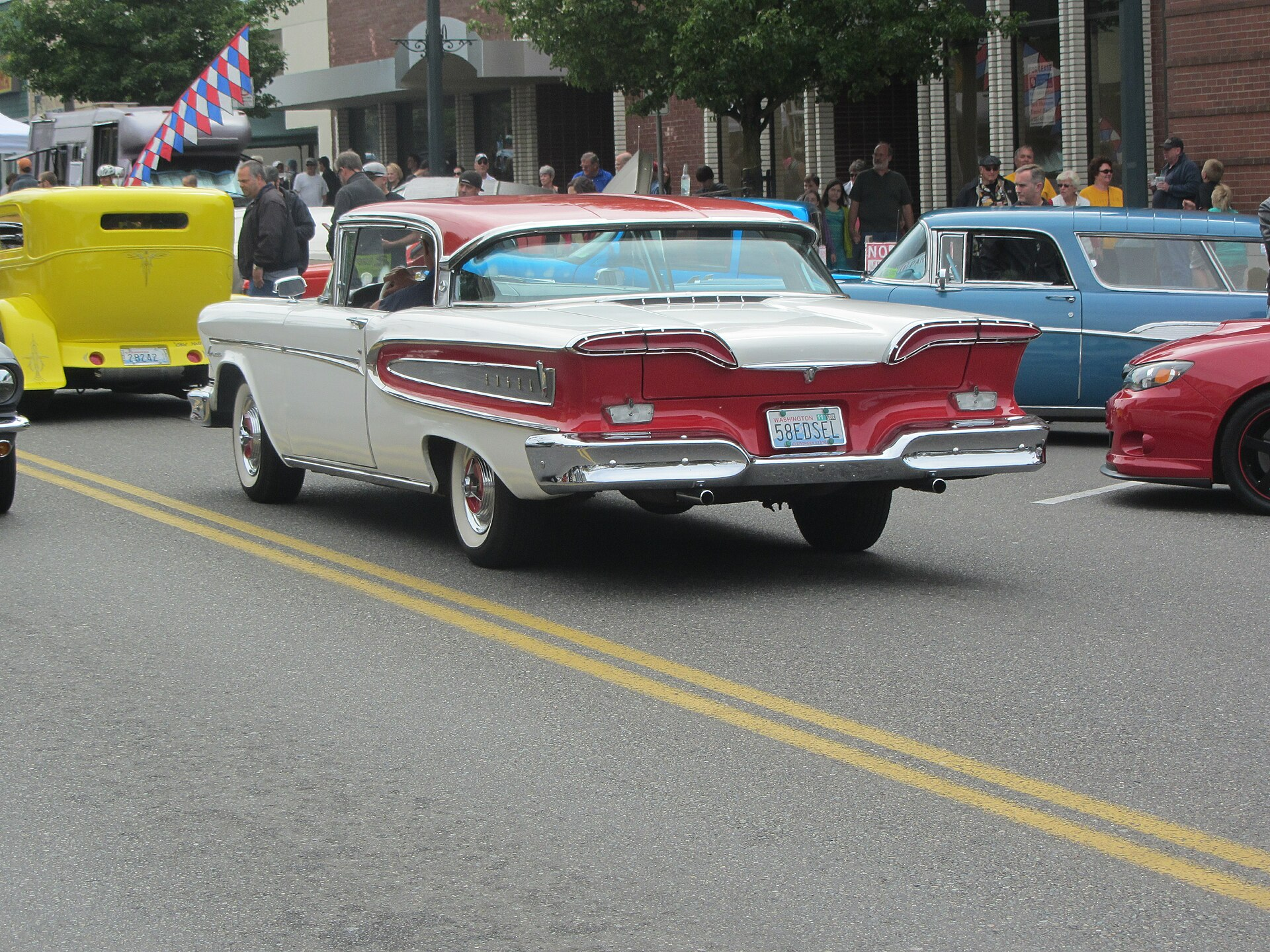
The central 1979 teenage Friday-night activity in towns across America was cruising — driving slowly up and down the main commercial strip, windows down, radio up, in a continuous loop, seeing and being seen. The strip was a rolling social scene where you pulled alongside other cars to talk, arranged to meet, and circulated for hours. Cruising was so central that many towns eventually passed anti-cruising ordinances to stop it. The ritual of endlessly looping the main drag, burning cheap gas, is one of the most distinctive and now-vanished features of the era.
Gathering at the Parking Lot
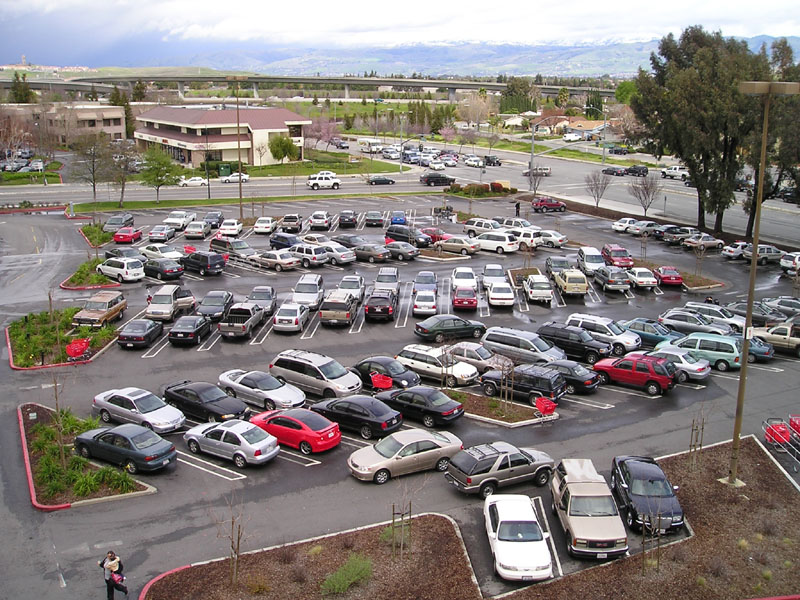
The 1979 teenager congregated in parking lots — the lot at the burger drive-in, the grocery store, the park, or wherever the town’s teenagers had collectively decided to gather. These lots functioned as open-air social hubs where cars clustered, music played, and the night’s plans formed and dissolved. The parking-lot gathering, requiring no reservation, no app, and no plan beyond knowing the spot, was a cornerstone of teenage social life that has largely faded as such informal gathering became less common and more discouraged.
The Drive-In and the Movie Theater
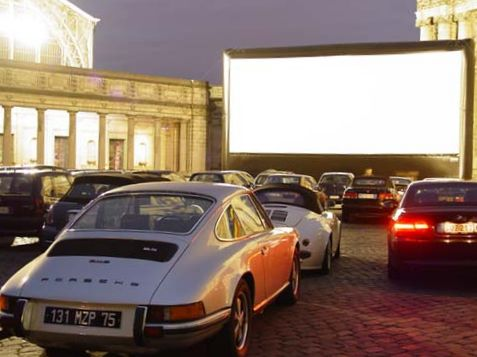
The 1979 Friday night frequently centered on the drive-in theater or the indoor movie theater. The drive-in, in particular, was a teenage institution — a cheap night out, a social scene, and a private space rolled into one, where the movie was sometimes beside the point. While indoor theaters survive, the drive-in has largely vanished from the American landscape, and the specific Friday-night ritual of packing friends into a car for the drive-in is now a rare nostalgic experience rather than a standard option.
Calling Home From the Pay Phone
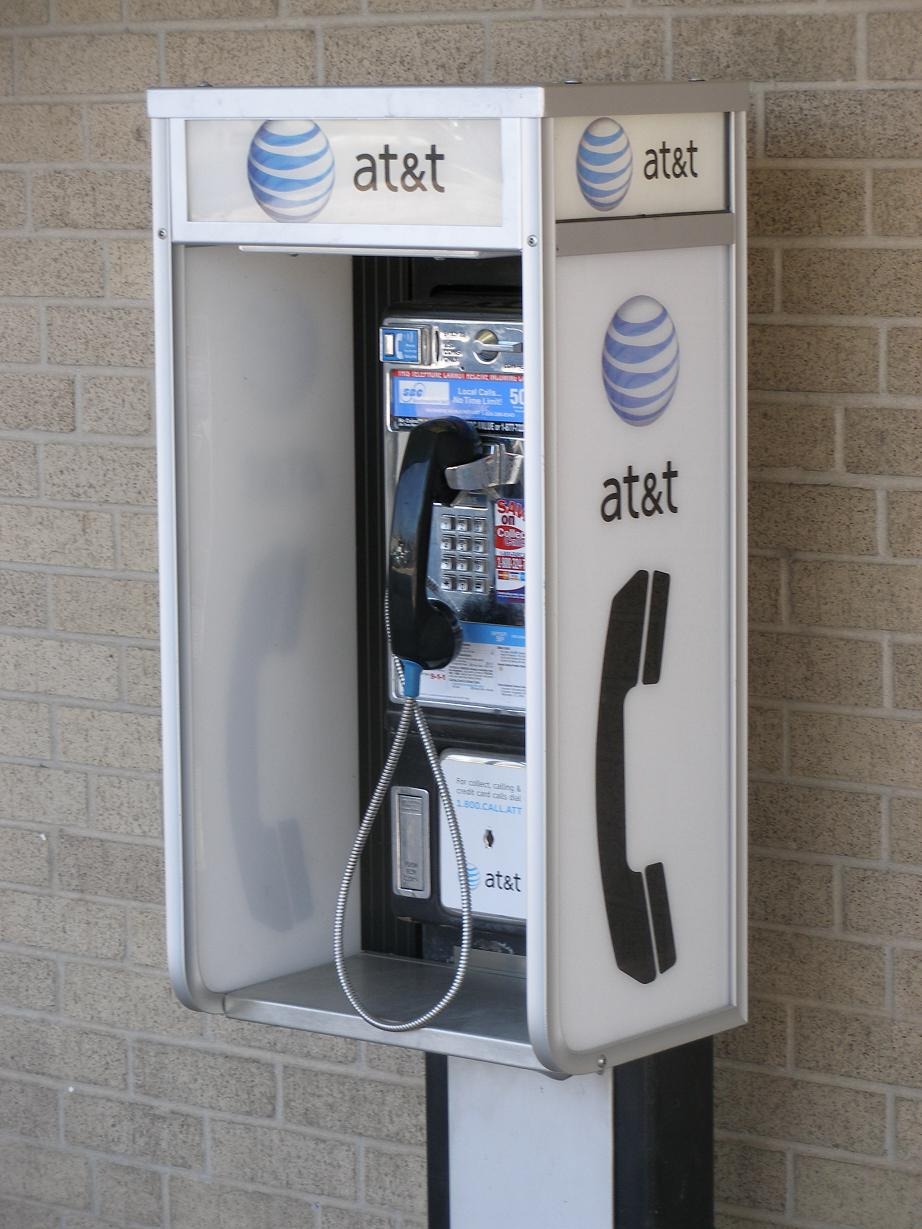
The 1979 teenager’s lifeline to home was the pay phone — the coin-operated phone at the gas station, the diner, or on the corner, where you’d deposit a coin to call home, check in, or change plans. Knowing where the pay phones were and keeping a coin for them was a basic teenage skill. The pay phone, once on every corner and essential to a night out, has disappeared almost entirely from America, taking with it the entire practice of finding a phone when you needed to reach someone.
The Hangout: Diner, Drive-In, or Pizza Place
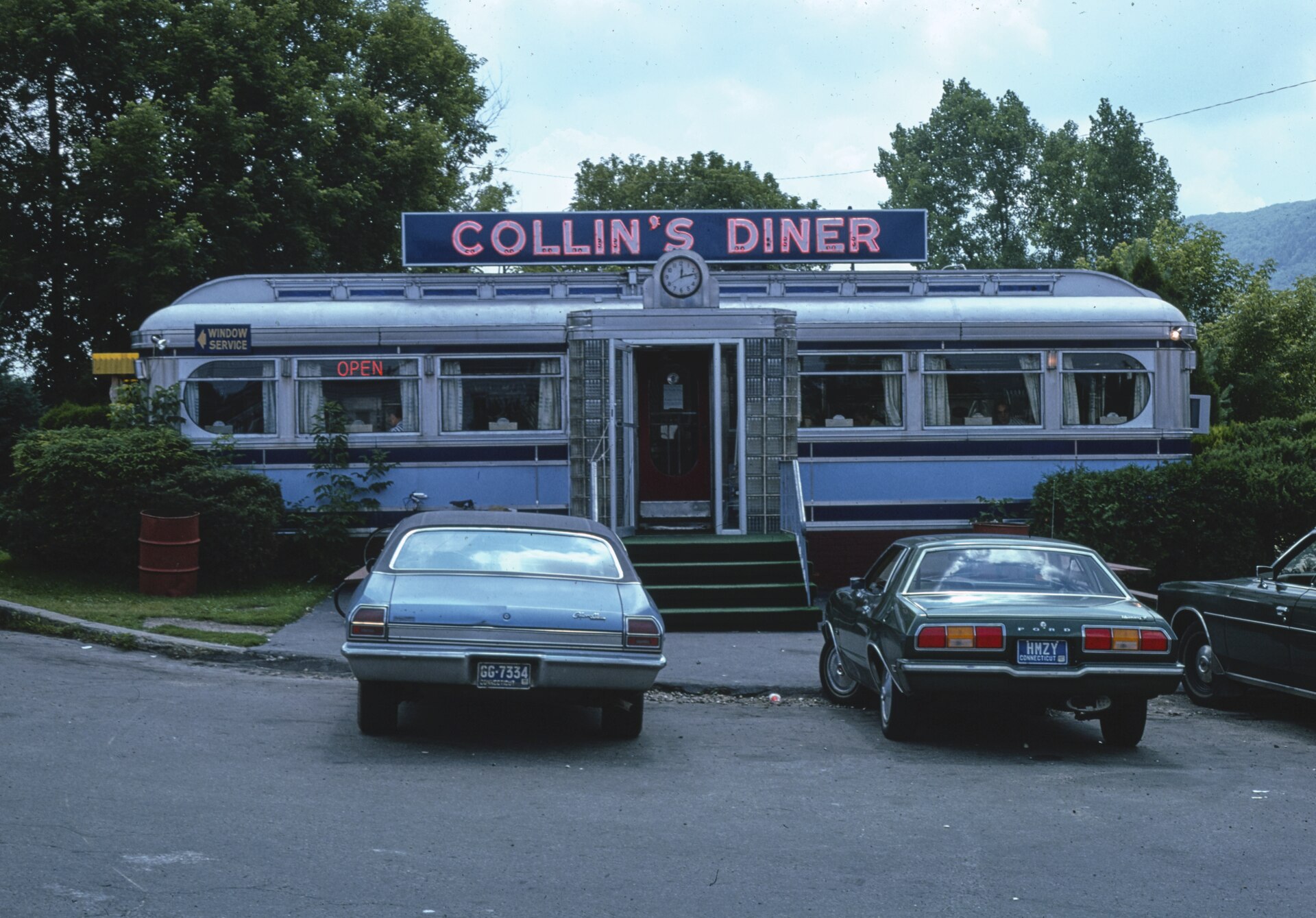
The 1979 teenager had a regular hangout — the diner, the burger drive-in, the pizza place — where teenagers gathered over cheap food, nursing a soda or fries for hours, occupying booths and tables as an informal clubhouse. The tolerant local establishment that let teenagers linger was a social institution. While teenagers still gather, the specific model — the local diner or drive-in as the established teenage Friday-night headquarters, where everyone knew to find everyone — has substantially faded along with many of the establishments themselves.
The Total Freedom of Being Unreachable
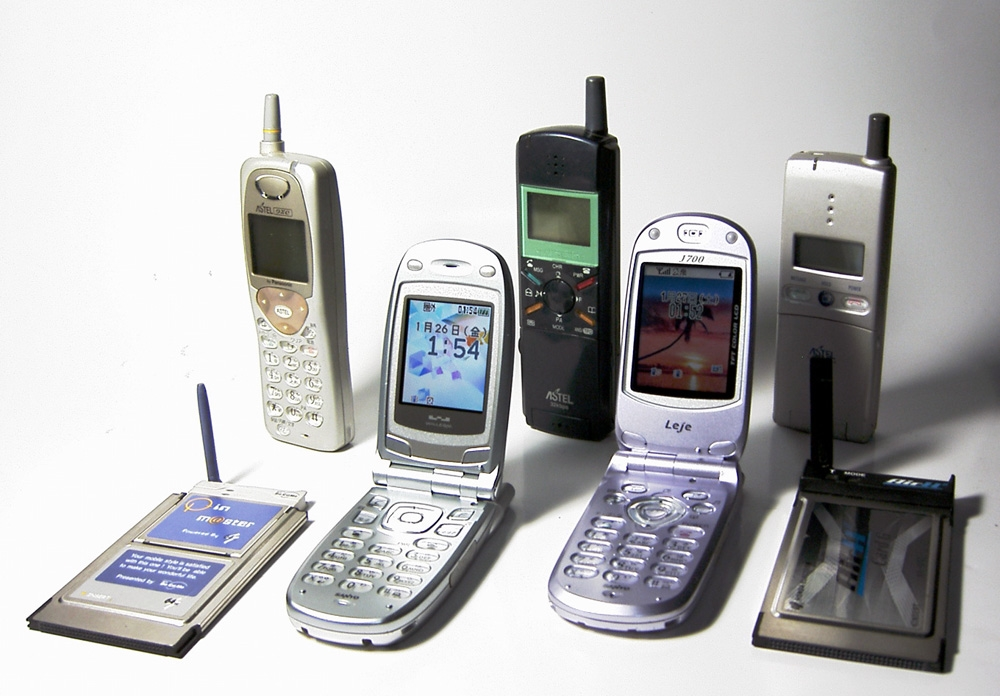
The deepest difference, beyond any specific activity, was the unreachability itself. The 1979 teenager, once out the door, was beyond contact — parents could not track them, monitor them, or reach them, and had to simply trust that they’d come home by curfew. The teenager, in turn, navigated the night entirely on their own judgment, with no ability to summon help or advice instantly. This produced both genuine risk and genuine independence, a self-reliance and a freedom from surveillance that the smartphone has completely eliminated. No teenager since has experienced the specific liberty of being genuinely unreachable on a Friday night.
The Soundtrack Came From the Radio
The 1979 teenage Friday night had a soundtrack delivered entirely by the car radio and the local AM/FM stations. There was no on-demand music — you listened to what the DJ played, called the request line from a pay phone hoping to hear your song, and taped songs off the radio onto cassettes, finger on the record button, trying to catch the track without the DJ talking over the intro. The shared experience of everyone hearing the same songs on the same stations at the same time, the radio as the communal pulse of the night, has been replaced by individual playlists and earbuds. The 1979 night ran on a collective soundtrack that no one controlled and everyone shared.
The Date That Required Showing Up at the Door

Source: Freepik
The 1979 teenage date ran on a now-vanished protocol: you arranged it in person or over the family phone, you showed up at the door at the agreed time, and you frequently met the parents face to face before leaving. There was no texting “here” from the driveway, no last-minute coordination, no way to run late without it being noticed. If plans changed, someone had to find a phone. The whole ritual demanded a kind of in-person accountability and nerve — knocking on the door, making conversation with a parent, committing to a plan you couldn’t easily renegotiate — that the smartphone has quietly eliminated. The 1979 date was an exercise in physical presence and follow-through that has no real modern equivalent.
Why None of It Survived

The erasure of the 1979 teenage Friday night traces almost entirely to a single technology: the mobile phone, and especially the smartphone. Cruising faded partly from ordinances and gas prices, the drive-in faded from real-estate economics, and the pay phone vanished from obsolescence — but the deeper transformation is that the smartphone eliminated the conditions that made the whole ritual necessary and possible. When teenagers can coordinate instantly from anywhere, the fixed gathering spot becomes unnecessary. When everyone is always reachable, the parking-lot rendezvous and the pay-phone check-in lose their purpose. When social life moves partly online, the physical Friday-night circuit loses its centrality. And when parents can track and reach their children at all times, the specific freedom of unreachability simply cannot exist. The 1979 teenager’s Friday night wasn’t just a set of activities that went out of style; it was a way of being young that depended on a now-vanished world of physical presence, fixed locations, and genuine disconnection. For the generation that lived it, the memory is so vivid precisely because it describes not just what they did but a kind of freedom that ended and has not returned. The teenagers cruising the strip in 1979, looking for their friends in the dark with no way to call them, were doing something that, within a couple of decades, would become literally impossible.
Like our content? Follow us for more.
