
Every year, organizations like U.S. News, WalletHub, and others rank all fifty states on quality of life, and every year a familiar group of states clusters near the bottom. The 2026 rankings are no exception, with one Southwest state in particular repeatedly landing at or near dead last. But the story is more complicated and more interesting than a simple list of “bad” states. These rankings measure specific things — affordability, economy, education, healthcare, safety — and a low overall score frequently masks real strengths, just as a state’s struggles often reflect deep, structural challenges rather than anything about the people who live there and frequently love their home. Understanding what these rankings actually measure, and what they miss, is the key to reading them wisely. Here’s a look at the states that keep landing at the bottom, why they rank where they do, and the important context the numbers leave out.
First, a crucial caveat: these rankings are useful but limited. They measure a specific set of indicators and weight them in particular ways, and reasonable people disagree about both. A low ranking does not mean a state is a bad place to live or that its residents are unhappy — many people in the lowest-ranked states love where they live and wouldn’t move for anything. With that firmly in mind, here’s what the data shows.
What These Rankings Actually Measure

The major state rankings, like WalletHub’s, compare all fifty states across dozens of metrics — frequently 50 or more — grouped into broad categories such as affordability, economy, education and health, quality of life, and safety. U.S. News uses a similar framework. The “worst” states are simply those whose combined, weighted scores across these specific indicators land lowest. Understanding this methodology matters enormously, because it means a state ranks poorly not due to some vague badness but because of measurable outcomes in areas like school performance, healthcare access, crime rates, and economic indicators. The ranking is a composite of specific data, not a judgment of a place’s character or beauty.
New Mexico: The State That Keeps Landing at the Bottom
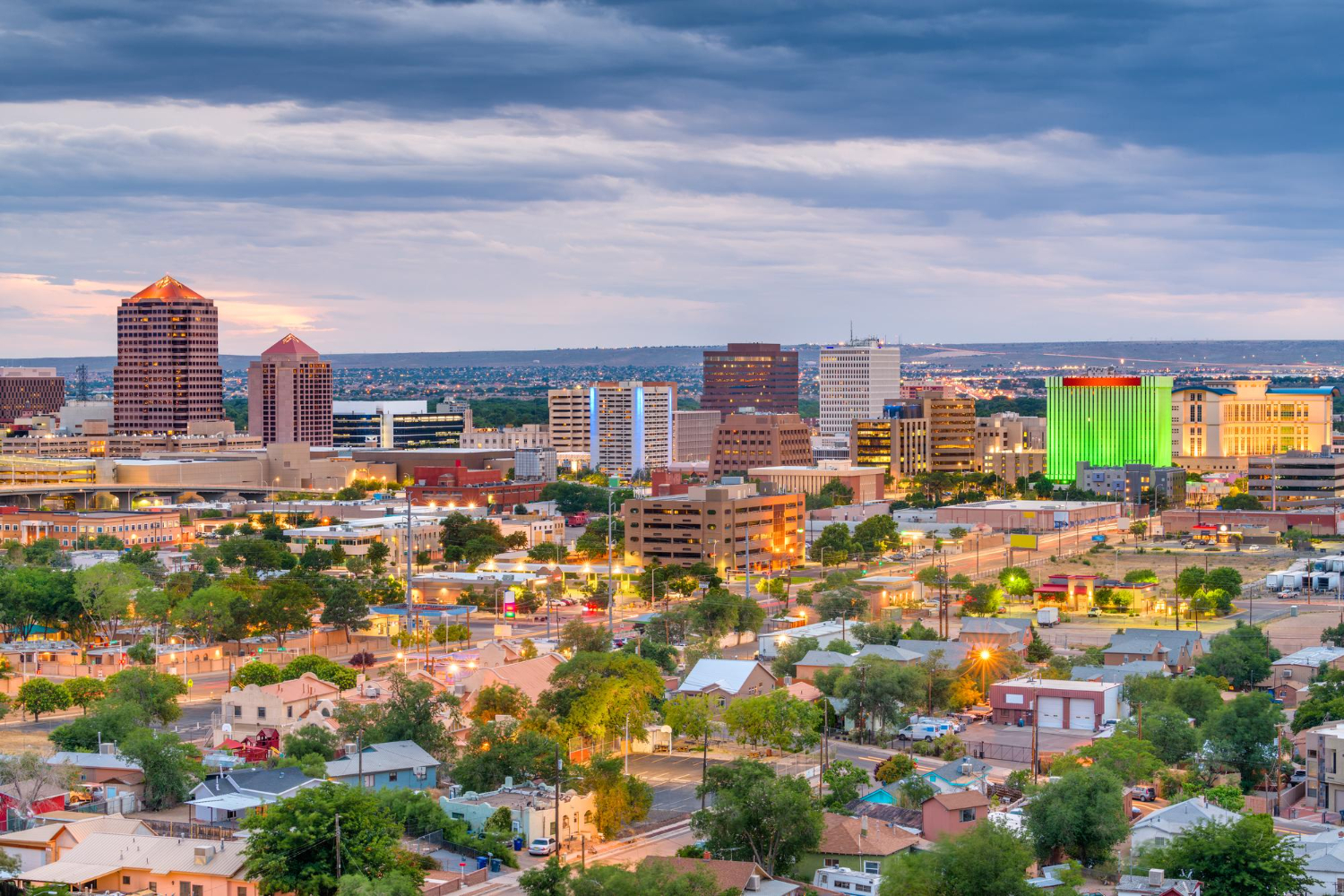
The Southwest state that has repeatedly ranked worst or near-worst is New Mexico, which placed dead last overall in WalletHub’s recent study and has sat in the bottom tier for years. The drivers are specific: New Mexico has struggled with one of the nation’s highest crime rates, weak rankings in education and health outcomes, and a high poverty rate (among the highest in the country). Its education system in particular has ranked at or near the bottom nationally. These are genuine, well-documented structural challenges. Yet New Mexico also offers spectacular natural beauty, rich culture, and middle-of-the-pack affordability — strengths the overall ranking largely buries beneath the areas where the state struggles most.
The Rest of the Bottom Tier

New Mexico isn’t alone. Recent rankings consistently place a cluster of states near the bottom, including Louisiana, Mississippi, Arkansas, Alabama, West Virginia, Oklahoma, and others, with Alaska and Nevada sometimes appearing for different reasons. Louisiana frequently ranks last in economic measures and struggles with crime; Mississippi consistently ranks at the bottom for health and education while having among the lowest incomes; Arkansas ranks poorly on quality-of-life measures. The common thread among the bottom states is overlapping challenges — weaker economies, lower education and health outcomes, higher crime, or some combination — that compound to drag down the overall score across multiple categories.
The Pattern: Where the Struggles Cluster
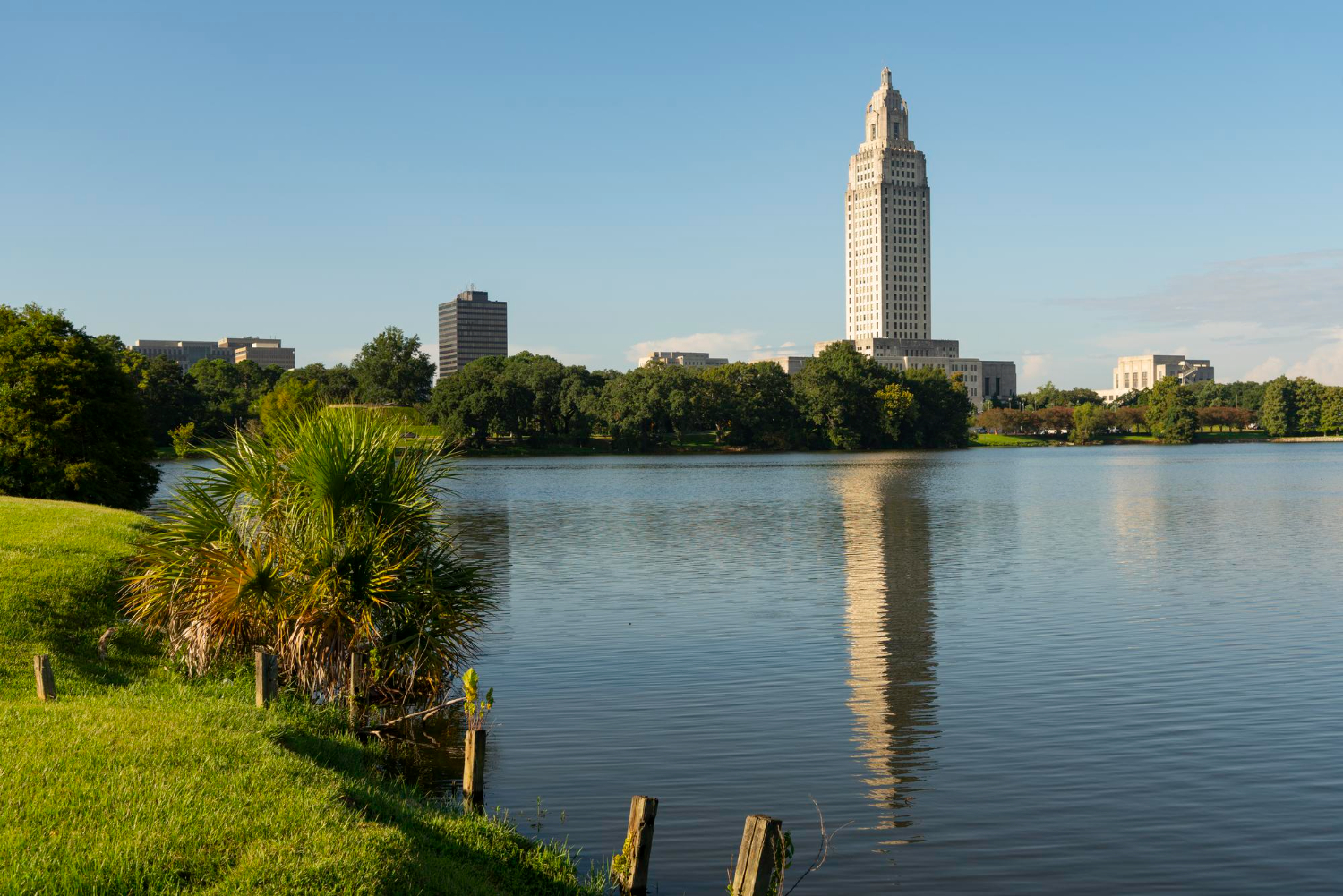
A clear geographic and structural pattern emerges from the rankings. Many of the lowest-ranked states are in the Deep South and parts of the Southwest, regions that have historically faced economic challenges, underfunded public services, and persistent poverty. These aren’t accidents of a single year but long-running structural realities tied to history, economics, and policy. The states at the bottom tend to share lower public investment in education and healthcare, weaker economic diversification, and the cyclical challenges that poverty creates. Recognizing that these are deep structural issues, rather than anything about the residents, is essential to reading the rankings fairly and without condescension toward the people who call these states home.
The Crucial Counterpoint: Affordability
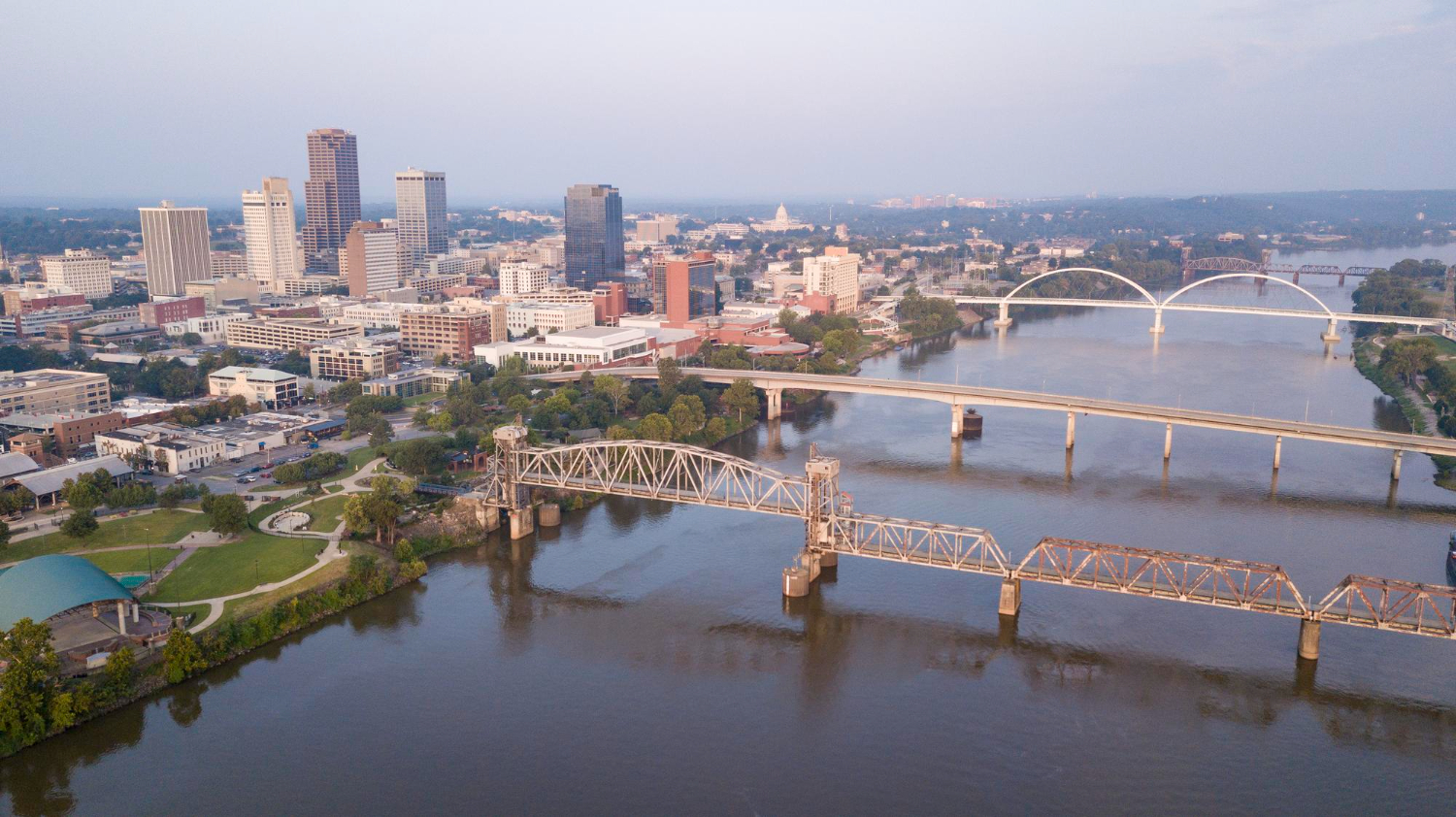
Here’s where the rankings get genuinely interesting: several of the lowest-ranked states are among the most affordable places to live in America. Mississippi, Arkansas, Alabama, and others frequently rank at or near the top for affordability — low housing costs, low overall cost of living — even as they rank at the bottom overall. This is the central tension the headline rankings obscure: a state can be genuinely hard to afford a high quality of life in by some measures while being remarkably easy to afford housing in by others. For some people — particularly those who prioritize low costs and homeownership and who value other things the rankings don’t measure — a “worst” state by these metrics might actually be a great personal fit.
What the Rankings Don’t Capture

The biggest limitation of any state ranking is everything it leaves out. The metrics can’t measure natural beauty, and several bottom-ranked states are among the most beautiful in the country. They can’t measure culture, community, family ties, music, food, pace of life, or sense of belonging — the very things that frequently matter most to people’s actual happiness. They can’t capture that someone might be deeply happy in a “low-ranking” state surrounded by family, affordable and rooted, while someone in a top-ranked state feels isolated and priced out. Research on well-being consistently shows that the factors driving life satisfaction — relationships, purpose, community — aren’t the ones these economic-and-outcomes rankings primarily measure.
Why Rankings Can Shift — and Disagree

It’s worth knowing that different “best and worst states” rankings frequently disagree, sometimes sharply, because they measure different things and weight them differently. A state ranked near the bottom for overall quality of life might rank near the top in a list focused purely on affordability, or on retirement, or on natural amenities. One widely-cited retirement analysis, for instance, named high-cost states like New Jersey among the worst to retire in — the opposite of how they fare on broader quality-of-life lists — precisely because it weighted cost and taxes heavily for older adults. This is the crucial insight: there is no single objective “worst state,” only states that rank low on a particular set of weighted criteria. The same state can be a poor choice for a young family prioritizing schools and a fine choice for a budget-conscious retiree prioritizing low costs. When you see a dramatic “worst state” headline, the useful question is always which ranking, measuring what, and weighted how — because change the methodology and the list changes with it. Treating any single ranking as the definitive verdict misunderstands what these studies actually are: useful but subjective composites, not objective truth.
How to Use These Rankings Wisely

The right way to use state rankings is as one input among many, not as a verdict. If you’re considering a move, the rankings are genuinely useful for flagging specific concerns — if school quality is your top priority, a state’s education ranking matters; if you’re focused on healthcare access or safety, those category scores are relevant. But the smart approach is to look past the overall rank to the specific categories that matter to your situation, and to weight them according to your own priorities rather than the ranking’s. A retiree, a young family, and a remote worker should each read the same rankings completely differently, because they value completely different things.
The Bottom Line
The states that keep landing at the bottom of America’s quality-of-life rankings — New Mexico most prominently, along with a cluster of Deep South and Southwestern states — earn their low scores through genuine, measurable, and frequently structural challenges in education, health, economy, and safety that deserve to be taken seriously rather than dismissed. But the rankings tell a partial story. They measure specific outcomes while missing affordability strengths, natural beauty, culture, and the community and belonging that drive real human happiness. A low ranking reflects real challenges a state faces; it does not mean the state is a bad place to live or that its people are unhappy, and many residents of the “worst” states love their homes and would rank them first by the measures that matter most to them. The wisest takeaway is to treat these rankings as a useful but incomplete tool — a starting point for asking what you personally need from a place, not a final word on where life is good. Where the best place to live is, in the end, depends entirely on who’s asking.
Like our content? Follow us for more.