


Of all the things you can do for your health, walking might be the most underrated. It’s free, it requires no equipment or gym membership, almost anyone can do it, and a growing mountain of research suggests that a daily walk of about 30 minutes delivers a remarkable range of benefits — for the heart, the brain, the mood, the joints, and even how long you live. In an age of expensive fitness trends and complicated wellness routines, the humble walk keeps proving itself one of the most effective and accessible things a person can do for their wellbeing. The benefits are real and well-documented, and they begin to add up surprisingly quickly. Here’s what walking about 30 minutes a day actually does to your body, according to the research, and why it remains one of the best simple habits you can build.
A quick note first: this is general health information, not medical advice. Anyone with health conditions or starting a new exercise routine should check with their doctor, and the right amount and intensity of activity varies from person to person. With that said, here’s what the research says about the daily walk.
It Strengthens Your Heart
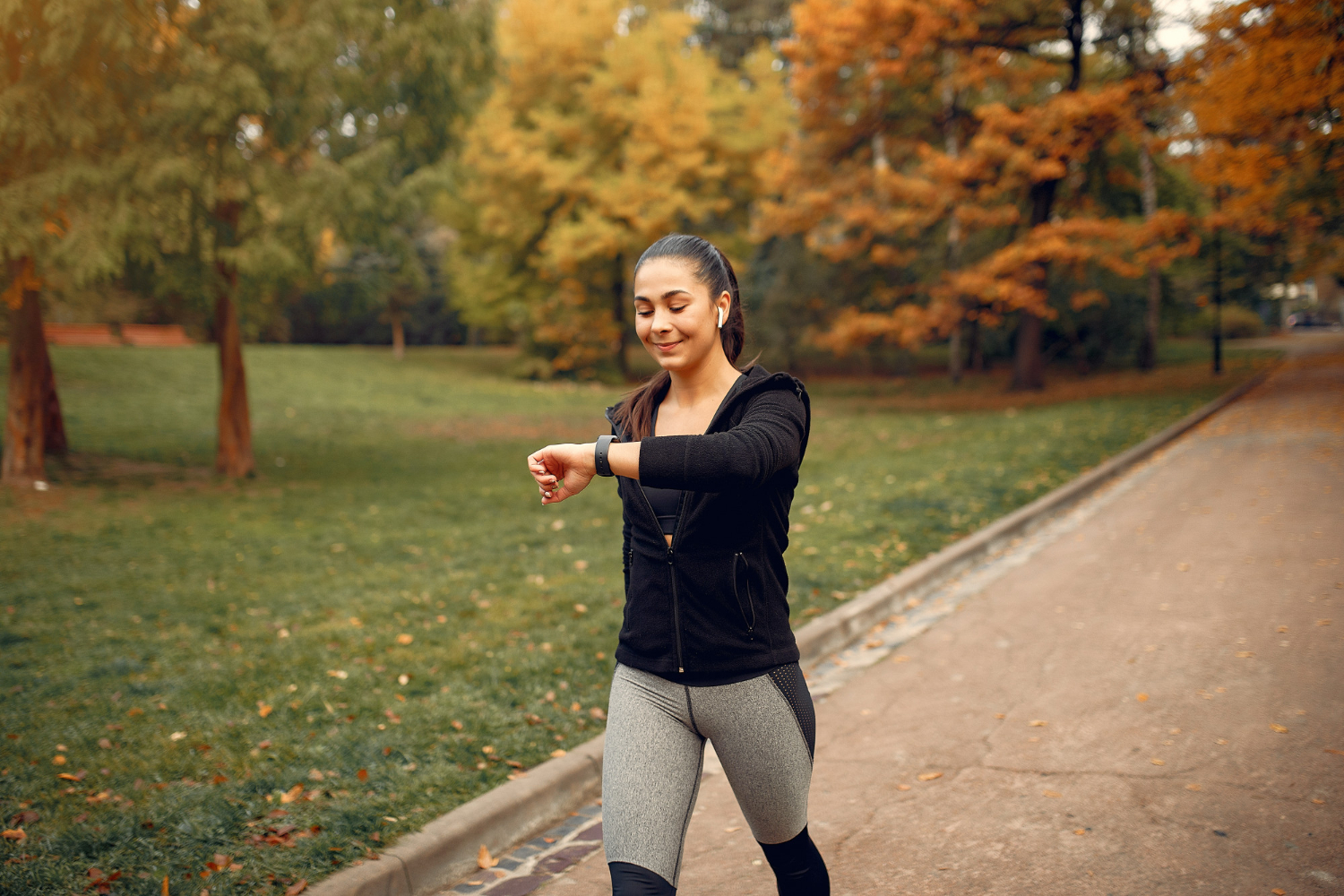
The most well-established benefit of regular walking is cardiovascular health. Walking is aerobic exercise that strengthens the heart, improves circulation, and is associated with lower risk of heart disease — one of the leading causes of death. Regular brisk walking can help manage blood pressure and cholesterol and improve overall heart function. Major health organizations recommend regular moderate activity like brisk walking precisely because the cardiovascular benefits are so robust and well-supported. For something so simple and gentle, the daily walk delivers genuinely meaningful protection for the heart, which is reason enough to build the habit.
It Helps Manage Blood Sugar

Walking, especially after meals, helps the body manage blood sugar by using glucose for energy and improving insulin sensitivity. Research suggests that even a short walk after eating can help blunt the blood-sugar spike that follows a meal. For the many people concerned about blood sugar and metabolic health, this is a genuinely valuable and easy intervention. The post-meal walk in particular has gained attention as a simple, effective habit, turning the time after dinner — frequently spent sitting — into a small but real benefit for metabolic health.
It Lifts Your Mood and Reduces Stress

The mental-health benefits of walking are substantial and increasingly well-documented. Walking releases endorphins, reduces levels of stress hormones, and is associated with reduced symptoms of anxiety and low mood. Walking outdoors in nature appears to amplify these benefits further. A daily walk provides not just physical movement but a mental reset — time away from screens, a change of scenery, and the rhythmic, meditative quality of walking itself. For many people, the mood-lifting, stress-reducing effect of a daily walk is the benefit they feel most immediately and value most, often noticing they simply feel better on the days they walk.
It Supports Your Joints and Bones

Contrary to the worry that activity wears out joints, regular walking actually supports joint health by strengthening the muscles around them, maintaining mobility, and keeping joints lubricated, which can help with conditions like arthritis. As a weight-bearing exercise, walking also helps maintain bone density, important for preventing osteoporosis, especially as we age. Walking is gentle and low-impact, making it sustainable for people who can’t do higher-impact exercise. For older adults in particular, regular walking helps preserve the mobility, strength, and bone health that are so important for staying independent and active.
It Helps With Healthy Weight Management

As a form of physical activity that burns calories, regular walking contributes to healthy weight management as part of an overall balanced lifestyle. While walking alone isn’t a dramatic weight-loss tool, it’s a sustainable form of activity that supports a healthy metabolism and can be maintained for life, unlike many intense regimens that people abandon. The key advantage of walking is its sustainability — it’s an activity people can genuinely keep doing for decades, which matters far more for long-term health than the intensity of any single workout. Consistency, which walking makes easy, is what counts.
It Sharpens Your Brain

A growing body of research connects regular walking to better cognitive function and brain health. Walking increases blood flow to the brain, and regular physical activity is associated with better memory, sharper thinking, and a reduced risk of cognitive decline as we age. Some research suggests walking can boost creativity and problem-solving, which is why many people find they think best while walking. For brain health and the preservation of cognitive function into older age, the daily walk appears to be one of the most accessible protective habits available, supporting not just the body but the mind.
It Improves Sleep and Energy

Regular walkers frequently report better sleep and more daytime energy. Physical activity helps regulate the body’s sleep-wake cycle and can improve sleep quality, while the paradox of exercise is that expending energy through regular movement tends to increase overall energy levels rather than deplete them. A daily walk, especially in natural daylight, helps anchor the body’s internal clock, contributing to more restful sleep at night and more alertness during the day. For anyone struggling with sluggish energy or poor sleep, building a daily walk is a simple, natural intervention that frequently helps on both fronts.
It May Help You Live Longer

Perhaps the most striking finding is that regular walking is associated with longevity. Numerous studies have linked regular walking, and higher daily step counts, with reduced risk of premature death from all causes. While the often-cited “10,000 steps” figure is more of a popular target than a hard scientific threshold — research suggests meaningful benefits begin well below that, and benefits accrue across a range of step counts — the broad finding is consistent: people who walk regularly tend to live longer, healthier lives. The daily walk, it turns out, may be one of the simplest things a person can do not just to feel better now but to add healthy years to life.
How to Build the Habit and Make It Stick

Knowing walking is good for you is easy; actually doing it daily is the hard part, so a few practical strategies help turn it into a lasting habit. The most effective approach is to attach the walk to something you already do — walking right after a meal, first thing in the morning with your coffee, or as a way to wind down after dinner — so it becomes automatic rather than a decision you have to make each day. Starting small matters too: if thirty minutes feels daunting, begin with ten and build up, since the habit is more important than the duration at first, and even short walks add up (three ten-minute walks count). Making it pleasant rather than a chore dramatically improves the odds you’ll continue: walk somewhere you enjoy, listen to music, a podcast, or an audiobook, or — best of all — walk with a friend, partner, or dog, which adds social connection and accountability to the physical benefit. Many people find a walking companion is the single thing that keeps them consistent, because you’re far less likely to skip when someone’s expecting you. Tracking your walks, whether with a simple phone app or just a calendar checkmark, provides a small motivating sense of progress. And on days motivation fails, lowering the bar — “I’ll just walk to the corner” — frequently gets you out the door, after which you usually keep going. The goal isn’t perfection but consistency over time, and the walkers who stick with it are rarely the most disciplined; they’re the ones who made it easy, enjoyable, and woven into a routine they barely have to think about.
The Bottom Line
What makes walking so remarkable is the combination of how much it delivers and how little it asks. About thirty minutes a day — which can be broken into shorter chunks if that’s easier — supports the heart, helps manage blood sugar, lifts mood and reduces stress, protects joints and bones, aids healthy weight management, sharpens the brain, improves sleep and energy, and is associated with a longer life. It requires no equipment, no membership, no special skill, and almost no cost, and it’s gentle enough to sustain for a lifetime, which is exactly why it works: the best form of exercise is the one you’ll actually keep doing. None of this means walking is a cure-all or a substitute for medical care, and individual needs vary, so checking with a doctor before starting a new routine is wise. But for a simple, free, accessible habit, the daily walk is about as close to a miracle as ordinary health advice gets. If you’re looking for one small change with an outsized payoff, lacing up your shoes and walking for half an hour a day is one of the most well-supported choices you can make — and one of the easiest to start today.
Like our content? Follow us for more.
