In 1965, a competent adult was simply expected to know how to do a long list of practical things — balance a checkbook, read a paper map, sew on a button, change a tire, write a proper letter, fix a leaky faucet. These weren’t specialized talents; they were the basic toolkit of grown-up life, the things everyone learned and used routinely. Six decades later, many of these once-universal skills have quietly faded, outsourced to technology, professionals, or simple disuse. It’s not that people have gotten less capable — it’s that the world changed, and the skills it demands changed with it. But there’s something worth noting in what we’ve let slip away, and something genuinely useful in remembering it. Here are the everyday skills most American adults had in 1965 that many people simply can’t do today.
The thread running through these is that technology and specialization quietly absorbed skills that adults once simply had to possess. None of this is a lament that people have grown incapable — it’s a portrait of how dramatically the practical demands of adult life have shifted in sixty years. Here’s what most adults could once do.
Reading a Paper Map and Navigating Without GPS

In 1965, every driver could read a paper road map, plan a route, and navigate by landmarks and road signs, frequently with a folded map in the glove box and a navigator in the passenger seat. Getting somewhere new required genuine spatial and planning skill. GPS and smartphone navigation have made map-reading nearly obsolete, and many people today would struggle to navigate a long trip with only a paper map. The ability to orient yourself, read a map, and find your way without turn-by-turn voice directions was a universal adult skill that has quietly atrophied, replaced by complete reliance on the device in the dashboard.
Balancing a Checkbook by Hand

The 1965 adult routinely balanced a checkbook — recording every check and deposit in a register, doing the arithmetic by hand, and reconciling it against the monthly bank statement to catch errors. Managing money required regular, hands-on math and record-keeping. Online banking, debit cards, and automatic tracking have made manual checkbook-balancing a lost art, and many younger adults have never written a check at all. The discipline of tracking your money by hand, knowing your balance through your own arithmetic rather than an app, was a fundamental adult skill that technology has almost entirely taken over.
Basic Sewing and Mending
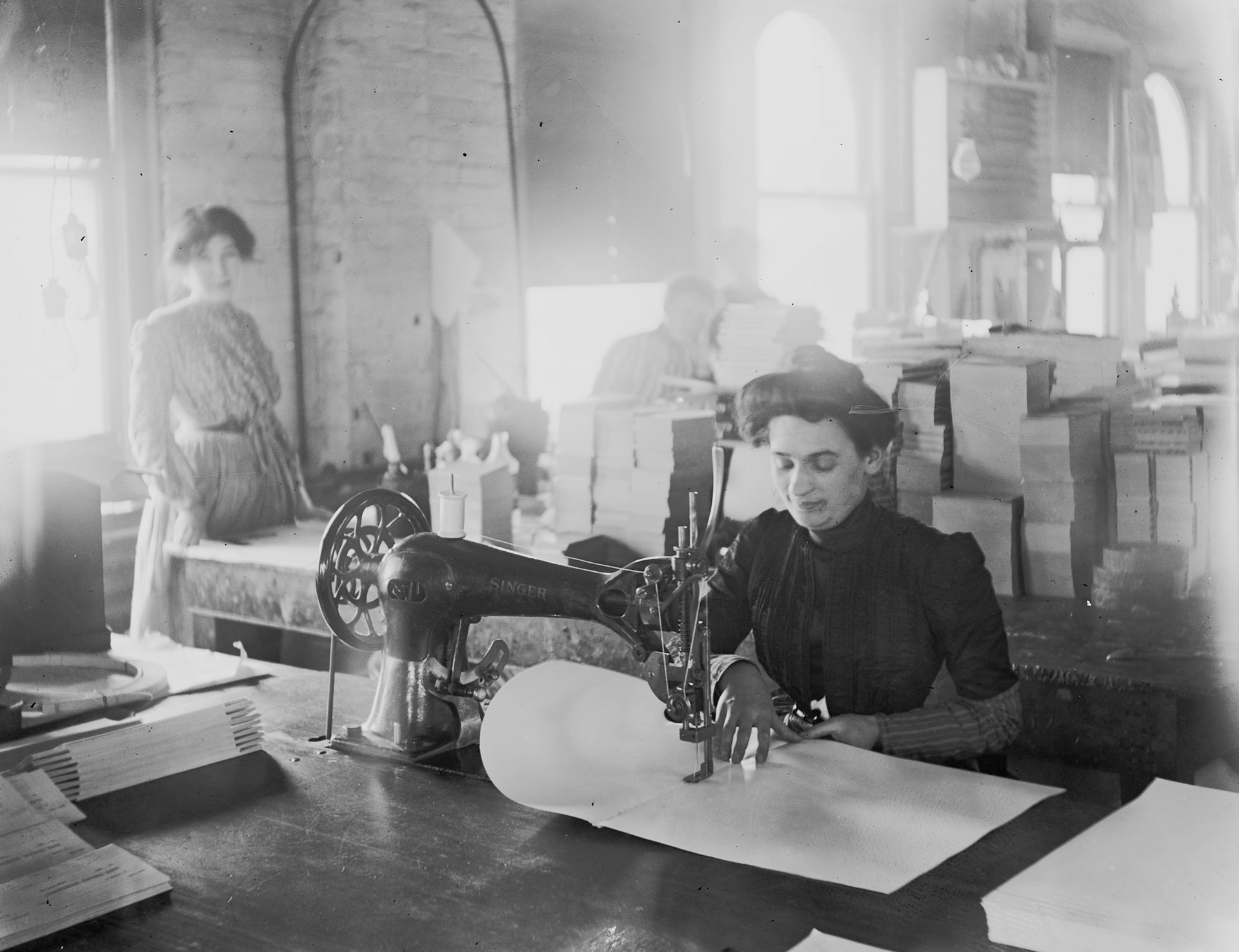
In 1965, most adults — not just women — could handle basic sewing: sewing on a button, hemming pants, mending a tear, darning a sock. Clothing was repaired rather than discarded, and basic mending was an expected household skill. The rise of cheap, disposable fast fashion made repair feel unnecessary, and many people today would be stumped by a missing button. The everyday ability to mend and maintain clothing, keeping garments in service for years, was a near-universal practical skill that has faded as clothes became cheap enough to simply replace, a shift with real implications for both wallets and waste.
Changing a Tire and Basic Car Maintenance
The 1965 driver was generally expected to change a flat tire, check the oil, and handle basic car maintenance, since cars were simpler and roadside help less instantly summonable. Knowing your way around a car was part of being a driver. Modern cars are more complex and reliable, roadside assistance is a phone call away, and many drivers today have never changed a tire. The practical self-sufficiency of being able to handle a flat or basic maintenance on your own vehicle has faded considerably, outsourced to professionals and roadside services in a way that would have seemed impractical in 1965.
Writing a Proper Letter by Hand
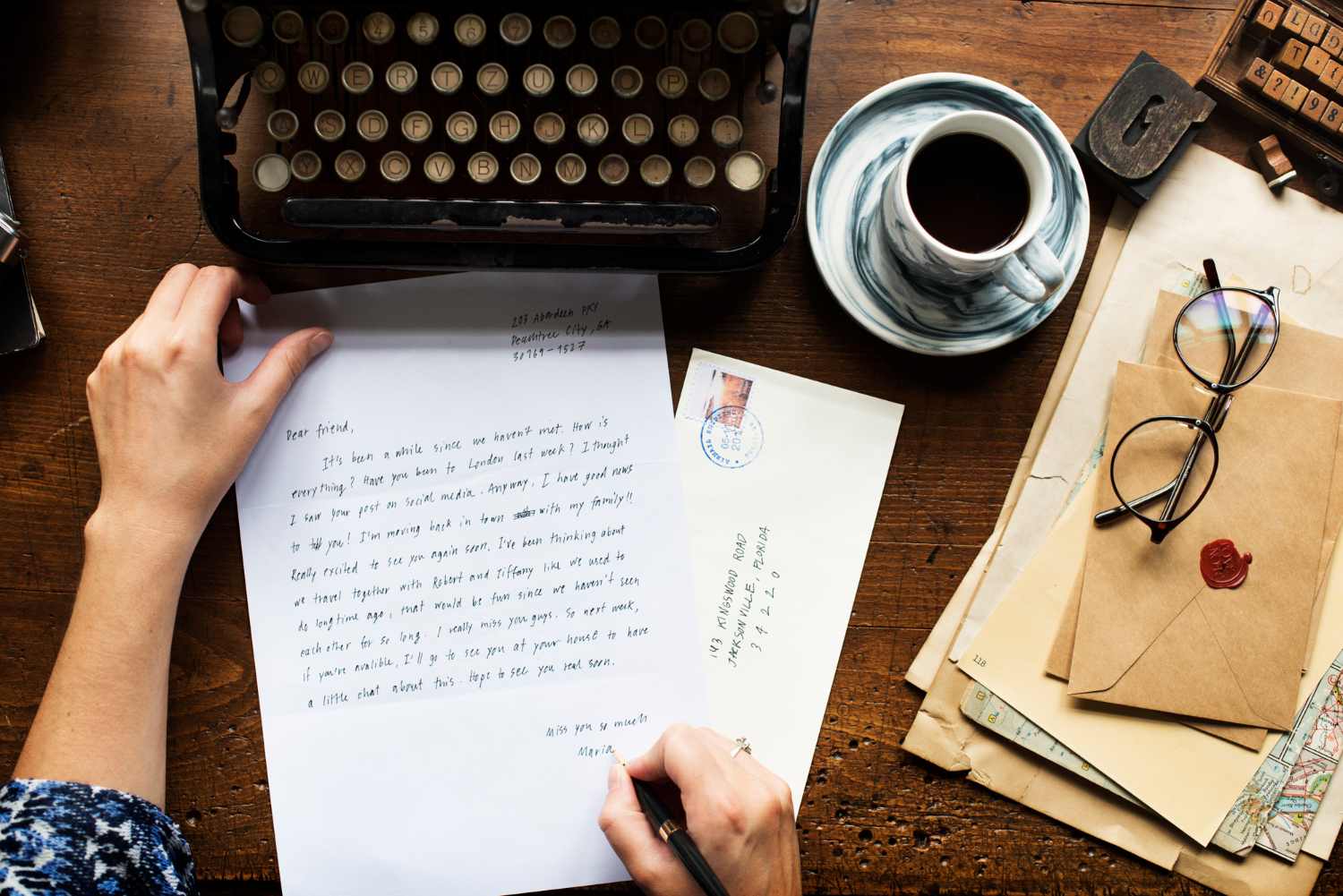
In 1965, adults knew how to write a proper letter — with correct form, good penmanship, and the social conventions of correspondence — because mailed letters were a primary means of staying in touch. Handwriting and letter-writing were everyday skills. Email, texting, and digital communication have made formal letter-writing rare, and good penmanship itself is fading as handwriting is taught and used less. The ability to compose a thoughtful handwritten letter, once a basic and frequently-used adult skill central to maintaining relationships across distance, has largely given way to instant digital messages.
Basic Home Repairs

The 1965 adult typically handled basic home repairs — fixing a leaky faucet, unclogging a drain, patching a wall, basic electrical and plumbing tasks — as a normal part of homeownership, calling a professional only for bigger jobs. Practical handiness was expected. The combination of more complex home systems, easier access to professionals, and changing priorities means many people today call a handyman for tasks their grandparents would have simply done themselves. The everyday self-reliance of maintaining and repairing your own home has diminished, with more tasks outsourced and fewer people learning the basics of fixing things.
Cooking From Scratch

In 1965, most adults could cook a range of meals from scratch — knowing basic techniques, working without recipes for familiar dishes, and feeding a family from raw ingredients as a daily necessity. Scratch cooking was simply how people ate. The explosion of convenience foods, takeout, delivery, and ready meals has eroded everyday scratch-cooking skills, and many people today rely heavily on pre-made options. While plenty of people still cook well, the universal expectation that an adult could competently prepare meals from basic ingredients has weakened, replaced by a food landscape built around convenience and outsourcing the cooking.
Mental Arithmetic
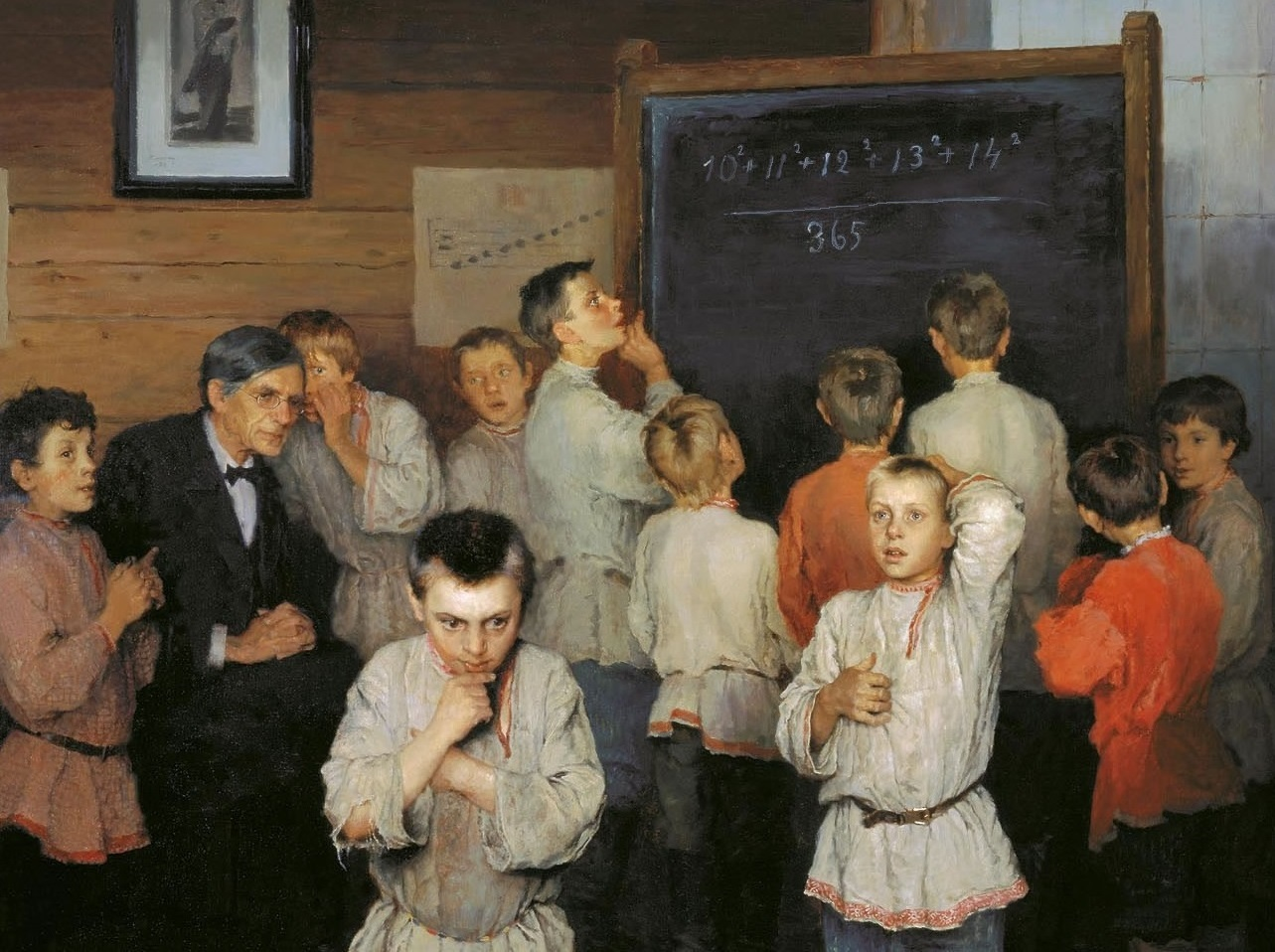
The 1965 adult did a great deal of mental math — calculating change, totaling a bill, figuring measurements and proportions — because calculators weren’t in everyone’s pocket. Quick, accurate mental arithmetic was a routine daily skill. Calculators and smartphones have made mental math optional, and many people now reach for a device for even simple calculations. The ability to quickly compute in your head — to total a grocery bill, figure a tip, or double a recipe without help — was a sharp, everyday skill that has dulled through disuse as calculating devices became ubiquitous and always at hand.
Knowing Phone Numbers and Addresses by Heart
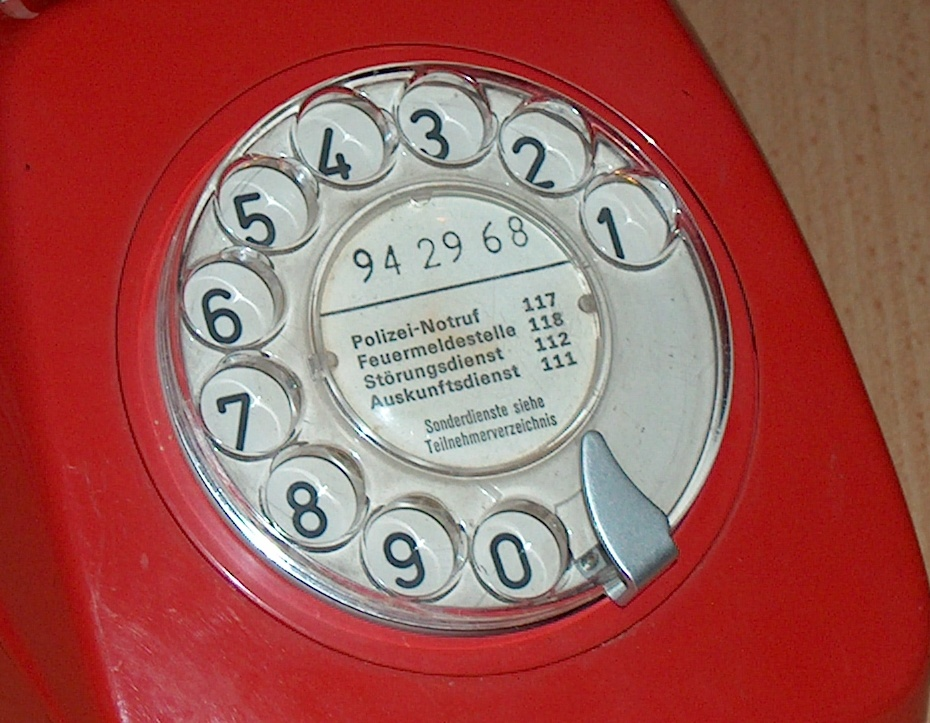
In 1965, adults memorized dozens of phone numbers and addresses, dialing from memory and knowing where people lived, because there was no digital contact list to do the remembering. Holding this information in your head was simply necessary. Smartphones now store everything, and almost no one memorizes numbers anymore. The mental habit of carrying a web of contact information in your own memory — knowing your family’s and friends’ numbers by heart — has largely vanished, a small but striking example of how our devices have taken over not just our tasks but the things we used to keep in our own heads.
What the Lost Skills Tell Us
Looking at these faded skills isn’t really about judging the present or romanticizing the past — people today have countless capabilities their 1965 counterparts lacked, from navigating technology to skills the modern world demands. It’s about noticing what we’ve traded, and why. In nearly every case, a skill faded because technology, professionals, or cheap convenience made it unnecessary, freeing up time and mental energy for other things. That’s genuine progress in many ways. But there’s also a quiet cost worth acknowledging: a loss of self-reliance, of the satisfaction and security that come from being able to fix, make, navigate, and calculate on your own, without depending on a device or a professional for every practical need. Many of these skills are also genuinely worth keeping or relearning — knowing how to navigate without GPS, handle money by hand, mend your clothes, or cook from scratch builds a resilience and capability that technology can’t fully replace, and that proves its worth precisely when the technology fails. The skills most adults had in 1965 form a portrait of a more hands-on, self-reliant kind of competence, and while the world that required them is gone, there’s real value in remembering them, and perhaps in holding onto a few.