Everyone knows the Great Lakes — Superior, Michigan, Huron, Erie, and Ontario dominate any list of America’s largest bodies of water. But beyond those five giants lies a fascinating collection of enormous lakes that most people have never heard of, scattered from the Alaskan wilderness to the Florida marshes to the deserts of Utah. Some are remote and wild, home to freshwater seals and legendary monsters. Others are vast man-made reservoirs that reshaped entire regions. A few are shrinking before our eyes. Each one has a surprising story, and together they reveal just how varied and vast America’s waters really are once you look past the famous five. Here are the biggest lakes in America that aren’t the Great Lakes, and the surprising stories behind them.
1. Great Salt Lake, Utah
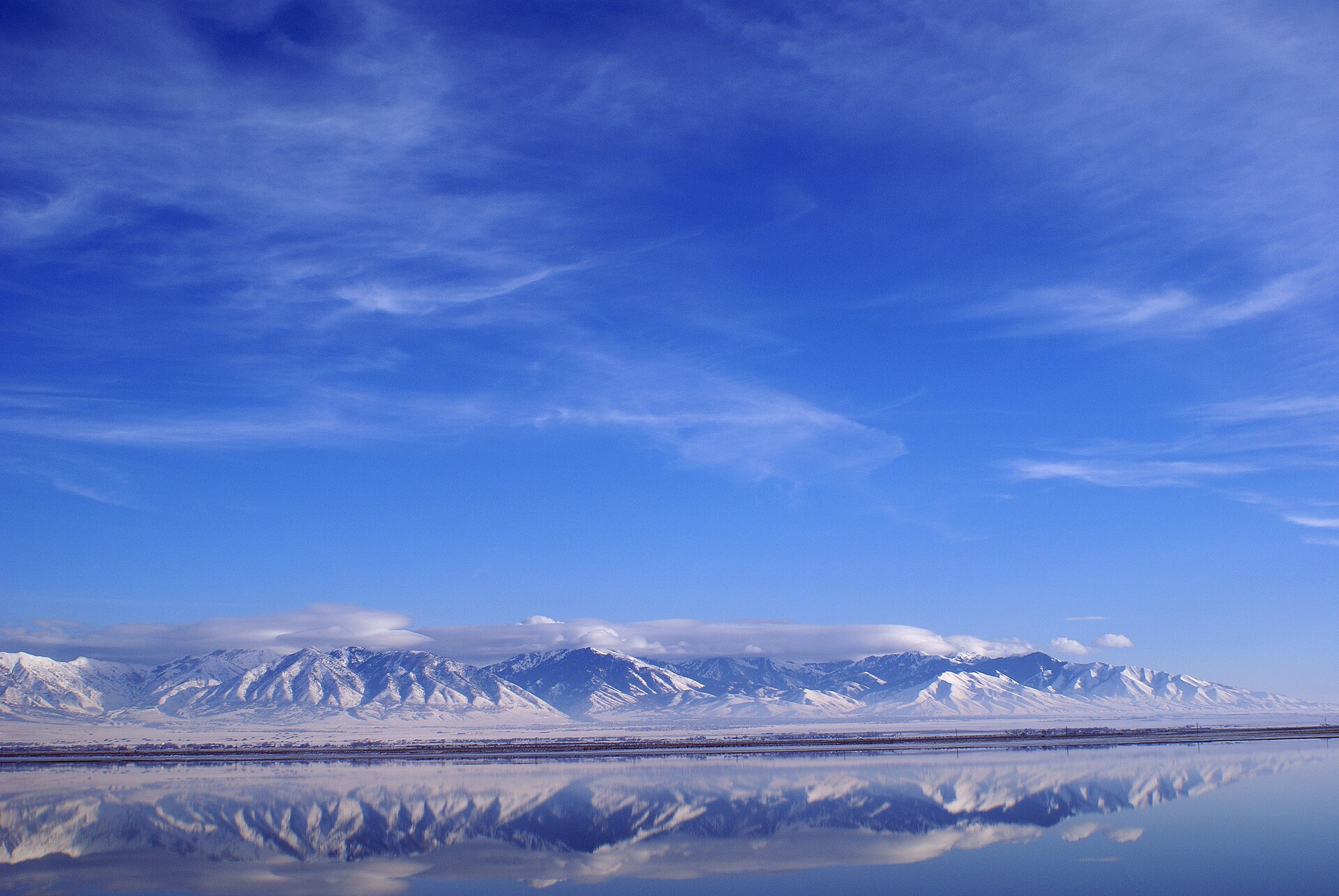
The largest lake in America outside the Great Lakes is the Great Salt Lake in Utah, a vast saltwater body whose surface area fluctuates dramatically — historically covering well over 1,000 square miles, though it swells and shrinks significantly with water levels. Far saltier than the ocean, it’s a remnant of an ancient lake and supports brine shrimp and millions of migratory birds. The lake has been alarmingly in the news for shrinking due to drought and water diversion, raising serious environmental concerns. The Great Salt Lake is a genuine natural wonder — a desert sea where you can float effortlessly in the dense, salty water, and a critical ecosystem now facing an uncertain future.
Like our content? Follow us for more.
2. Lake of the Woods, Minnesota (and Canada)
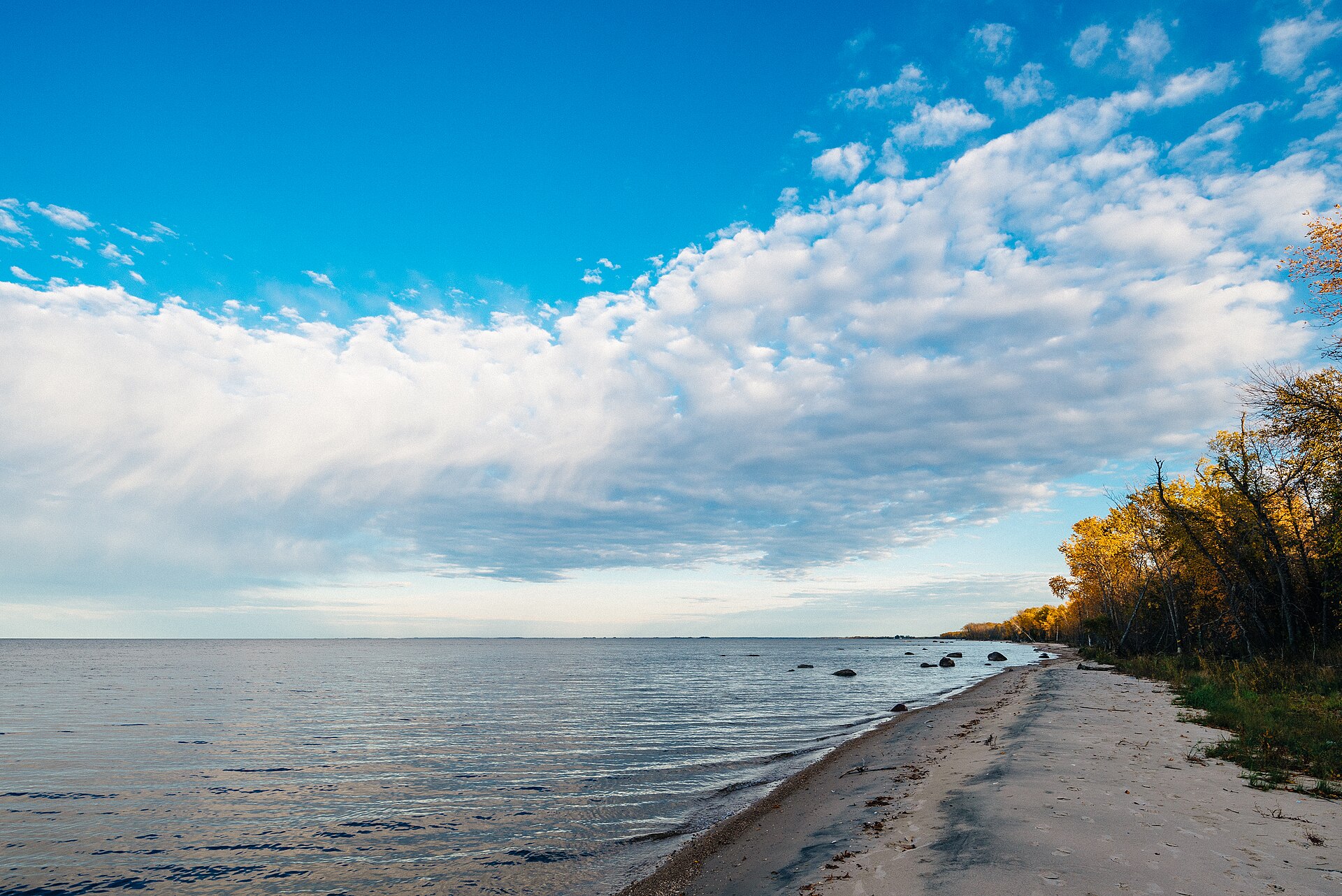
Straddling the U.S.–Canada border at the northern edge of Minnesota, Lake of the Woods is a sprawling body of water famous for its more than 14,000 islands and thousands of miles of shoreline. The lake is a legendary fishing destination, especially for walleye, drawing anglers year-round for summer boating and winter ice fishing. Its U.S. portion alone makes it one of the largest lakes in the country. With its countless islands, remote beauty, and deep fishing culture, Lake of the Woods is a beloved northern destination where, as locals say, you could boat for hours without seeing the same view twice — a vast, island-studded wilderness of water.
3. Iliamna Lake, Alaska
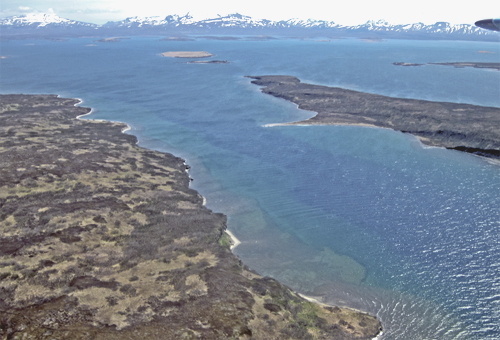
Alaska’s Iliamna Lake is the largest lake entirely within a single U.S. state, sprawling roughly 1,000 square miles across the remote Alaska Peninsula. Reachable only by chartered flight or water taxi, it’s a true wilderness, surrounded by mountains and an active volcano. The lake hosts the largest sockeye salmon run in the world — sometimes tens of thousands of fish surging upstream per hour at peak migration — and is home to a rare population of freshwater seals, one of only two such groups on earth. It even has its own lake-monster legend, with sightings reported since the 1940s. Iliamna is a remote, pristine, almost mythical wilderness lake.
4. Lake Oahe, South Dakota and North Dakota
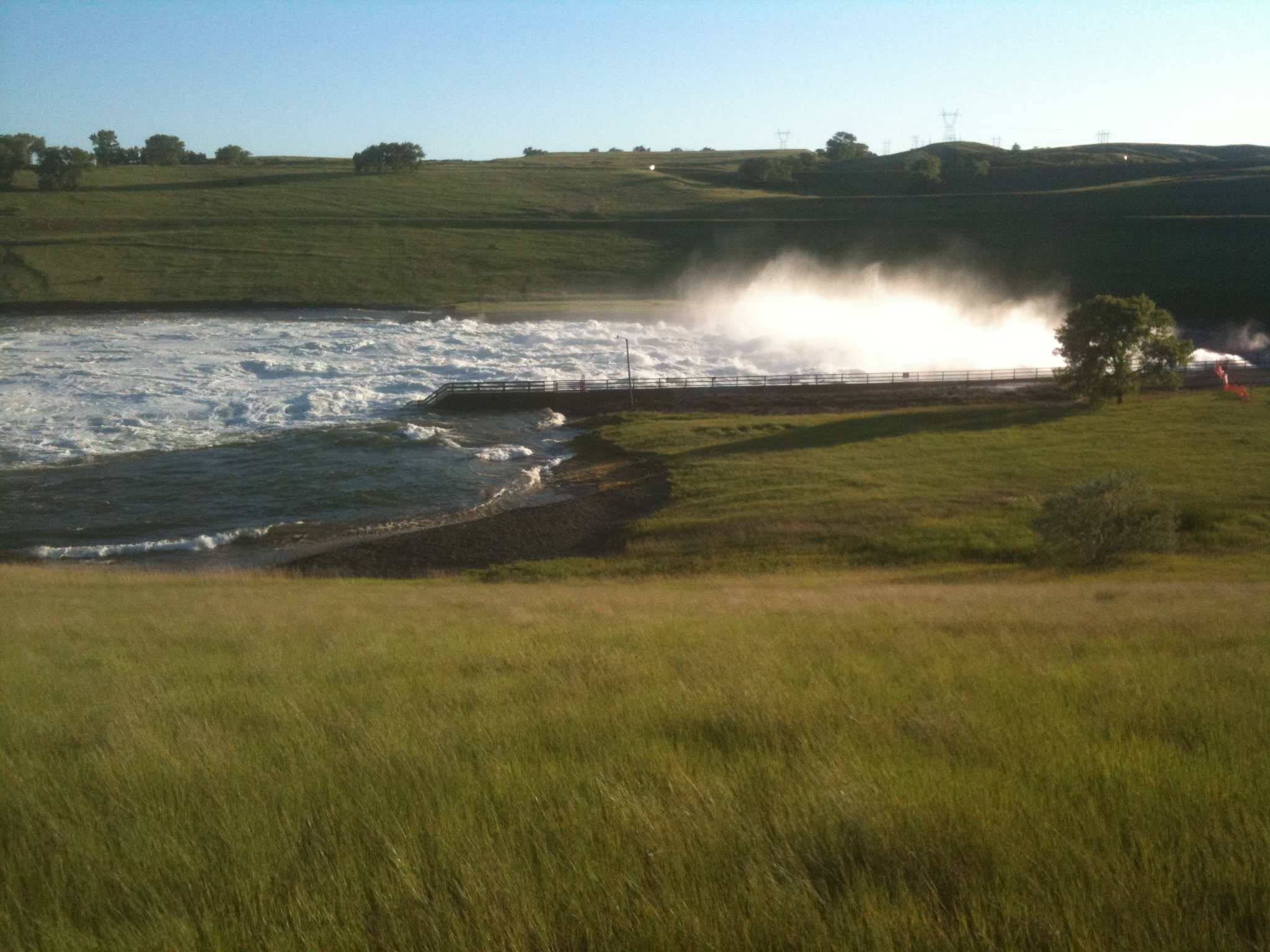
Lake Oahe is a massive man-made reservoir stretching far along the Missouri River from South Dakota into North Dakota, created by the damming of the river in the mid-20th century. One of the largest reservoirs in the country, it offers extensive recreation — boating, fishing, and camping along its enormous shoreline. The lake demonstrates how dam-building in the 20th century created vast new bodies of water that reshaped the landscape and economy of entire regions. Lake Oahe is a striking example of an enormous reservoir that, while artificial, has become a major recreational and ecological feature of the northern Plains, with a shoreline longer than the U.S. Pacific coast.
5. Lake Okeechobee, Florida
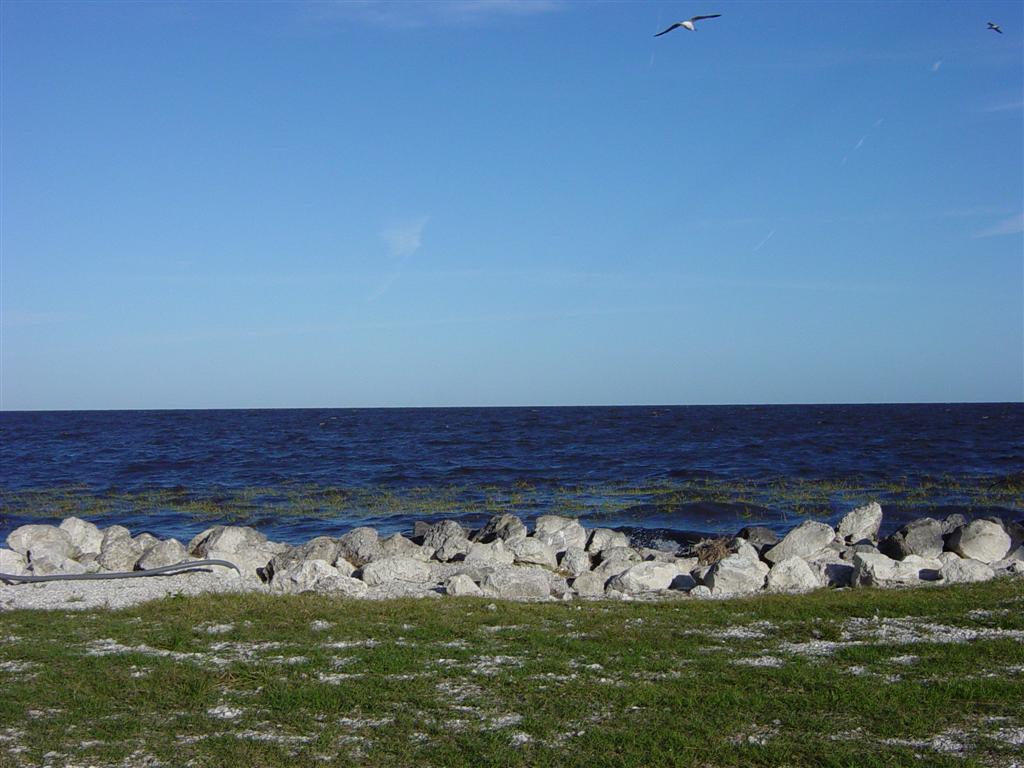
The largest lake in the Southeastern U.S., Florida’s Lake Okeechobee covers roughly 730 square miles but is remarkably shallow, averaging only about nine feet deep. Its name means “big water” in the Seminole language. The lake is central to Florida’s complex water management and the health of the Everglades downstream, and it’s a renowned bass-fishing destination. Okeechobee’s vast, shallow expanse plays an outsized role in the hydrology of South Florida, and managing its waters is a constant balancing act with major environmental stakes. It’s a huge, ecologically critical lake that most people outside Florida have never considered, despite its enormous size and importance.
6. Lake Pontchartrain, Louisiana
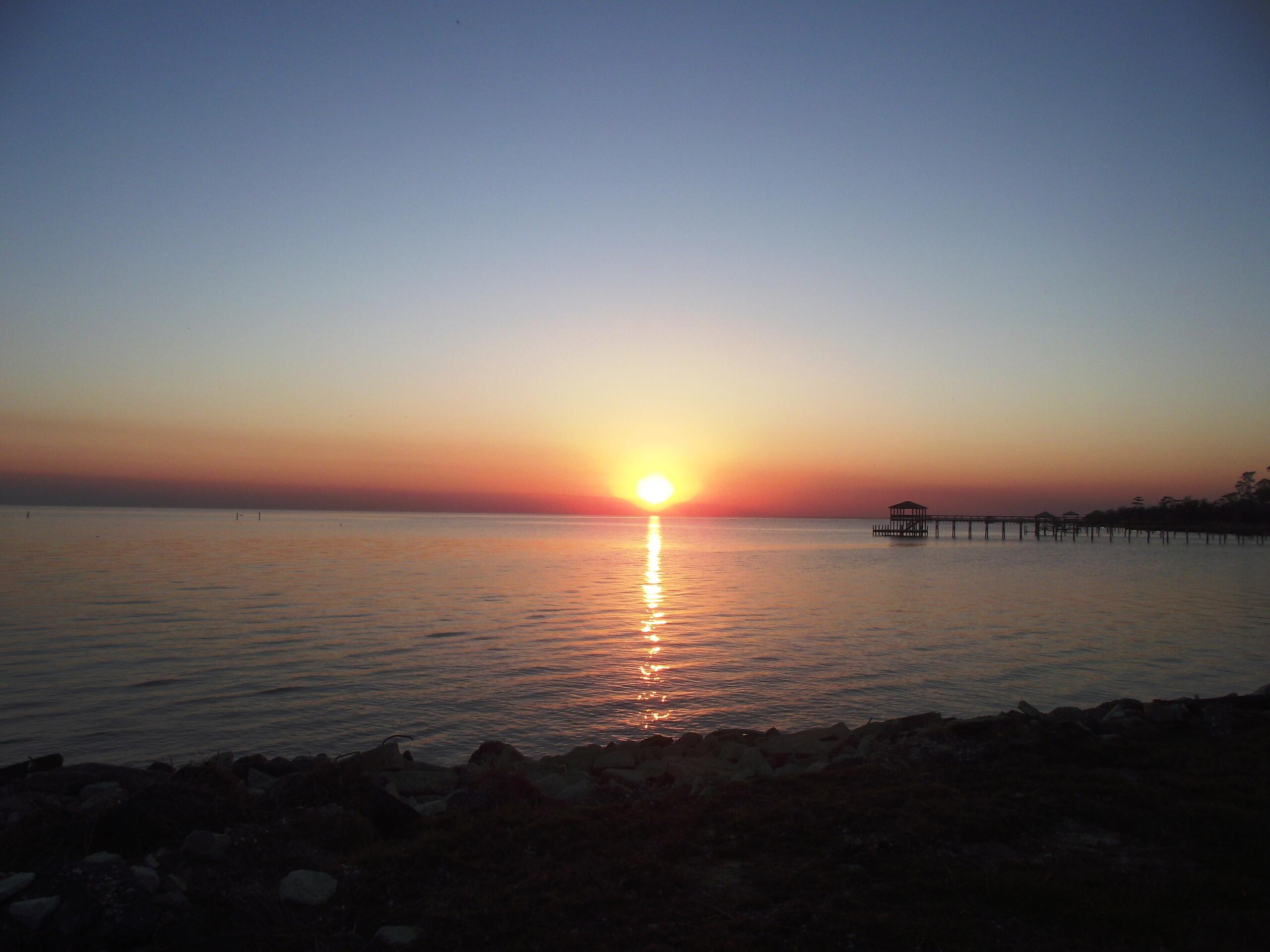
Lake Pontchartrain, the large brackish estuary north of New Orleans, covers over 600 square miles and is famous for the Lake Pontchartrain Causeway — one of the longest continuous bridges over water in the world, stretching nearly 24 miles across the lake. Shallow and connected to the Gulf, it’s technically an estuary but functions as a vast lake central to the region’s geography and culture. Pontchartrain shaped the development of New Orleans and remains a defining natural feature of the area. Its sheer size, its record-setting causeway, and its deep entanglement with the history and life of New Orleans make it one of the South’s most significant bodies of water.
7. Lake Sakakawea, North Dakota
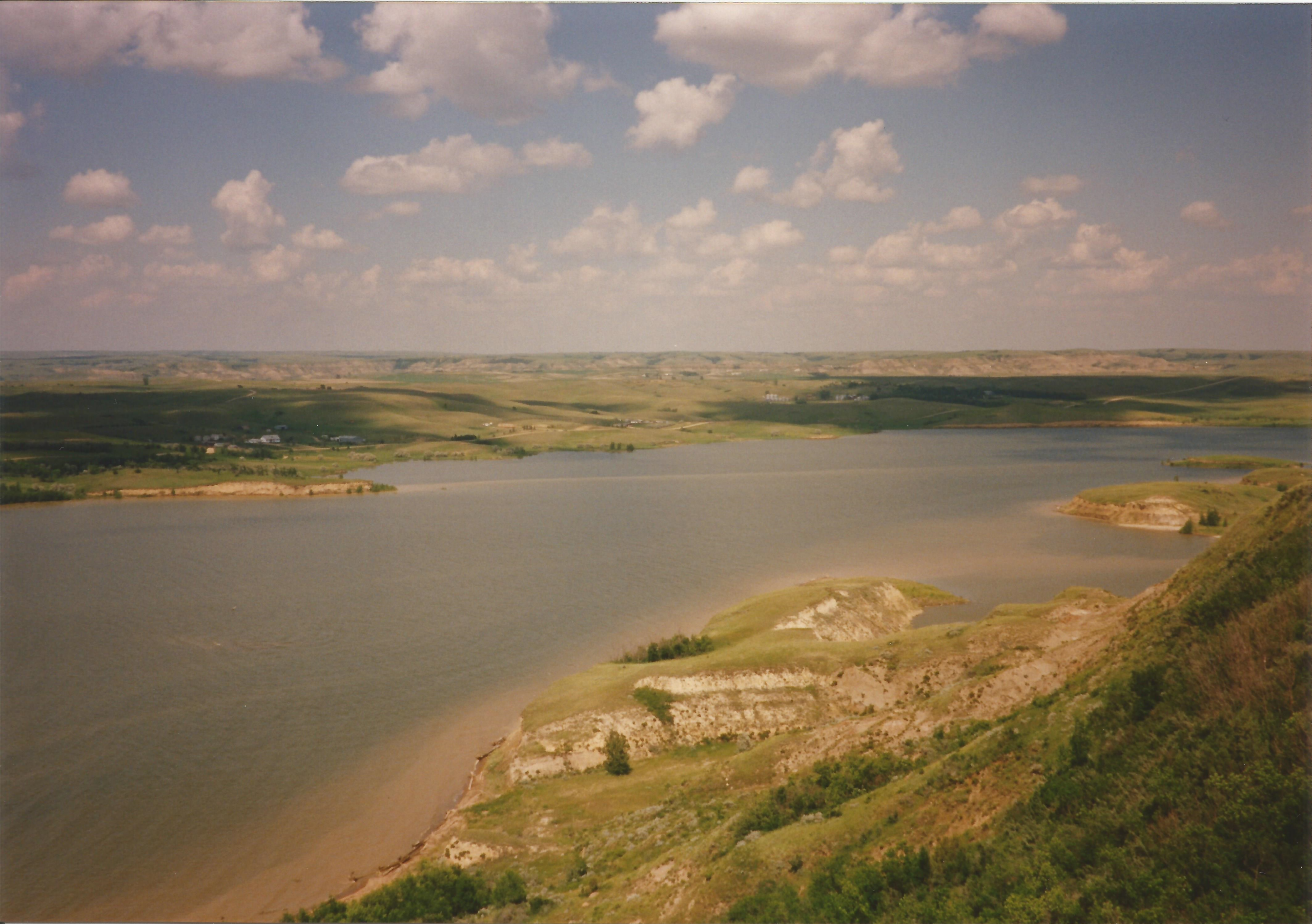
Another giant Missouri River reservoir, Lake Sakakawea in North Dakota was created in the 1950s by the construction of the Garrison Dam and ranks among the largest man-made lakes in the country by area. Named for the Shoshone woman who guided Lewis and Clark, it offers vast recreation and is known for excellent fishing. Like its neighbor Lake Oahe, Sakakawea illustrates the era of massive federal dam projects that transformed the rivers of the American West and Plains into chains of enormous reservoirs. It’s a sprawling, sportsman’s paradise of a lake whose creation dramatically reshaped the landscape and waters of North Dakota.
8. Lake Mead, Nevada and Arizona
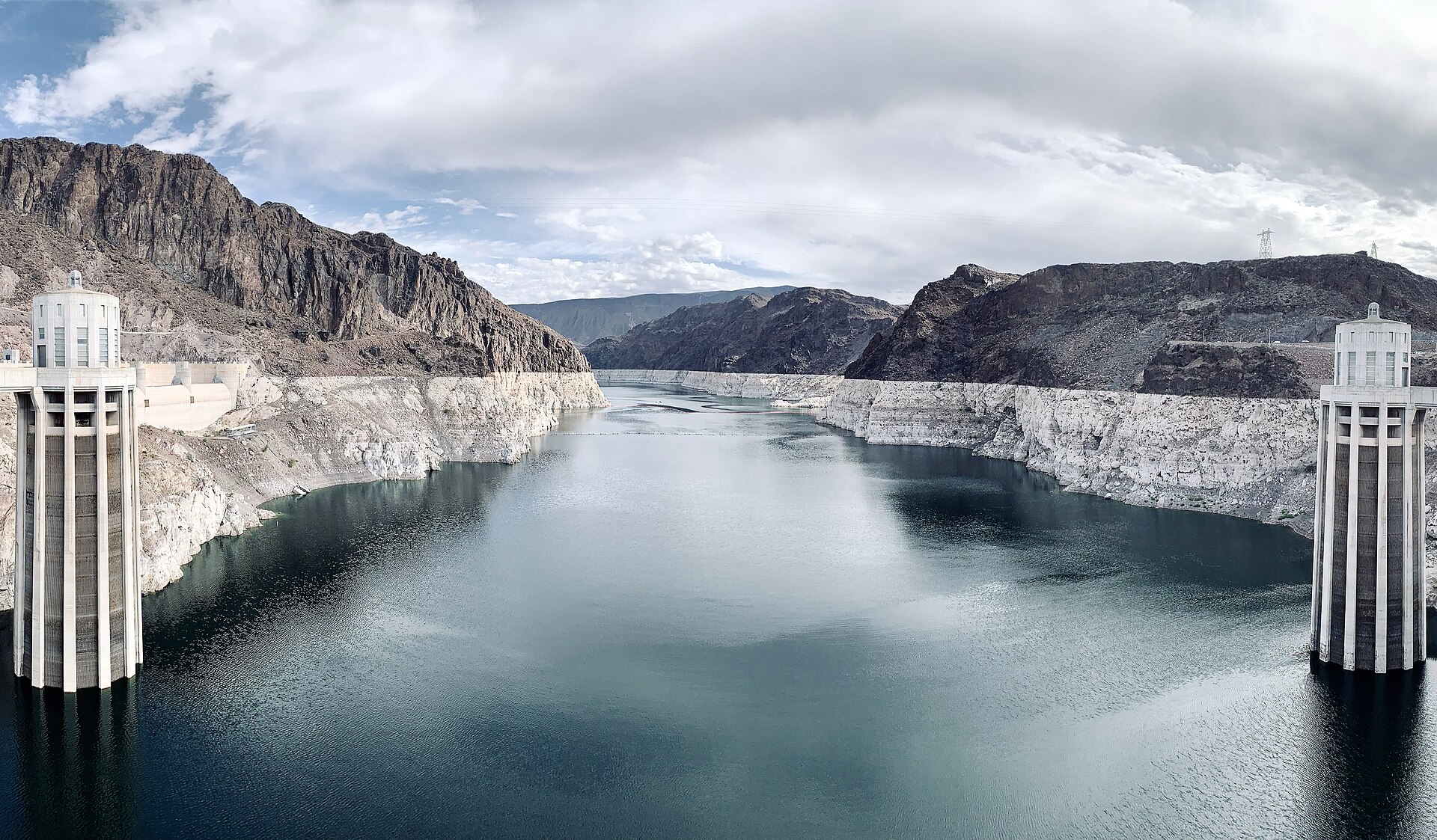
Lake Mead, formed by the Hoover Dam on the Colorado River, is one of the largest reservoirs in the United States by water capacity and a famous recreation destination near Las Vegas. Like the Great Salt Lake, Mead has been dramatically in the news for falling water levels amid prolonged drought on the Colorado River, with its striking “bathtub ring” marking how far the water has dropped. The lake supplies water and power to millions across the Southwest. Lake Mead is both a recreational hub and a powerful, visible symbol of the water challenges facing the American West, its shrinking shoreline a stark warning about the region’s strained water supply.
9. Lake Tahoe, California and Nevada
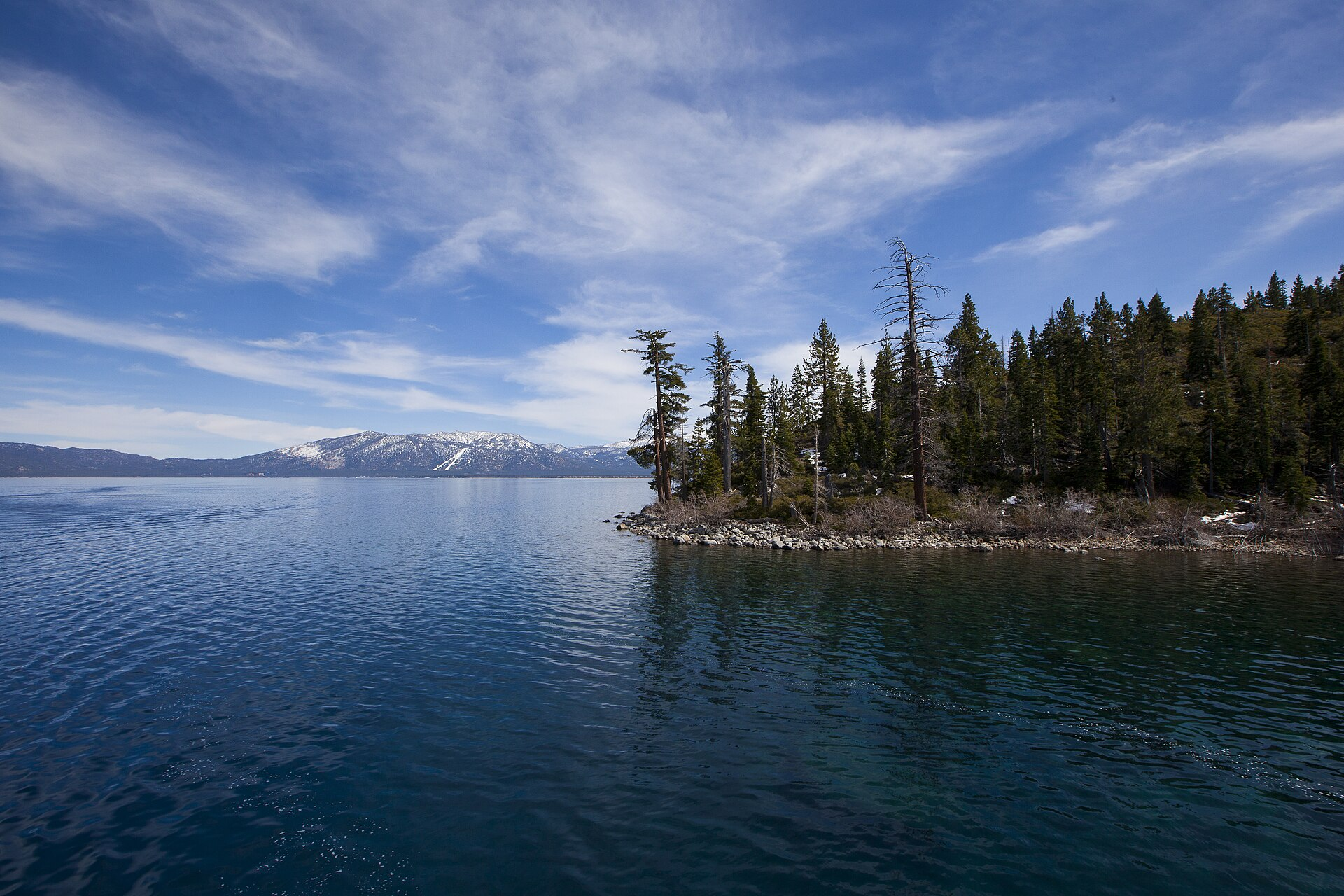
Straddling the California–Nevada border high in the Sierra Nevada, Lake Tahoe is famous for its extraordinary depth and stunning clarity — one of the deepest lakes in the United States, holding an immense volume of remarkably clear, blue water. While not the largest by surface area, its depth makes it one of the largest by volume. A premier year-round destination, Tahoe draws crowds for summer water recreation and winter skiing in the surrounding mountains. Renowned for its breathtaking alpine beauty and crystalline water, Lake Tahoe is one of America’s most beloved and visited lakes, a deep, dazzling jewel set among the peaks of the Sierra Nevada.
10. Lake Powell, Utah and Arizona
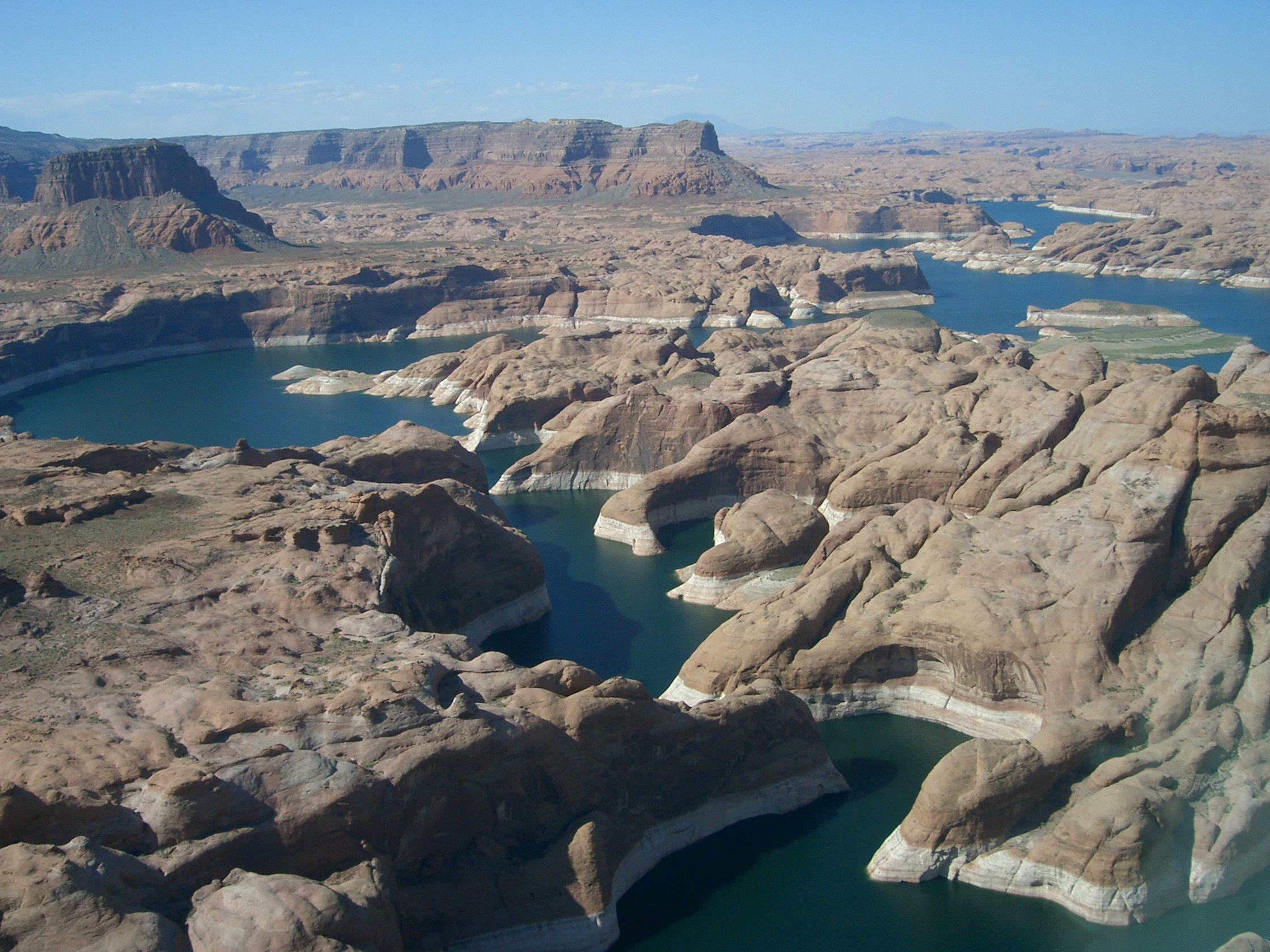
Lake Powell, the enormous reservoir created by the Glen Canyon Dam on the Colorado River, sprawls across the Utah–Arizona border through a dramatic landscape of red-rock canyons. One of the largest reservoirs in the country, it’s famous for houseboating and stunning scenery, where blue water meets sculpted sandstone. Like Mead, Powell has seen dramatically lower water levels in recent years due to the Colorado River’s drought, exposing landscapes long submerged. Lake Powell is a surreal, beautiful meeting of water and desert canyon, a major recreation destination whose fluctuating levels also tell the larger story of water scarcity in the modern American Southwest.
America’s Hidden Water Giants
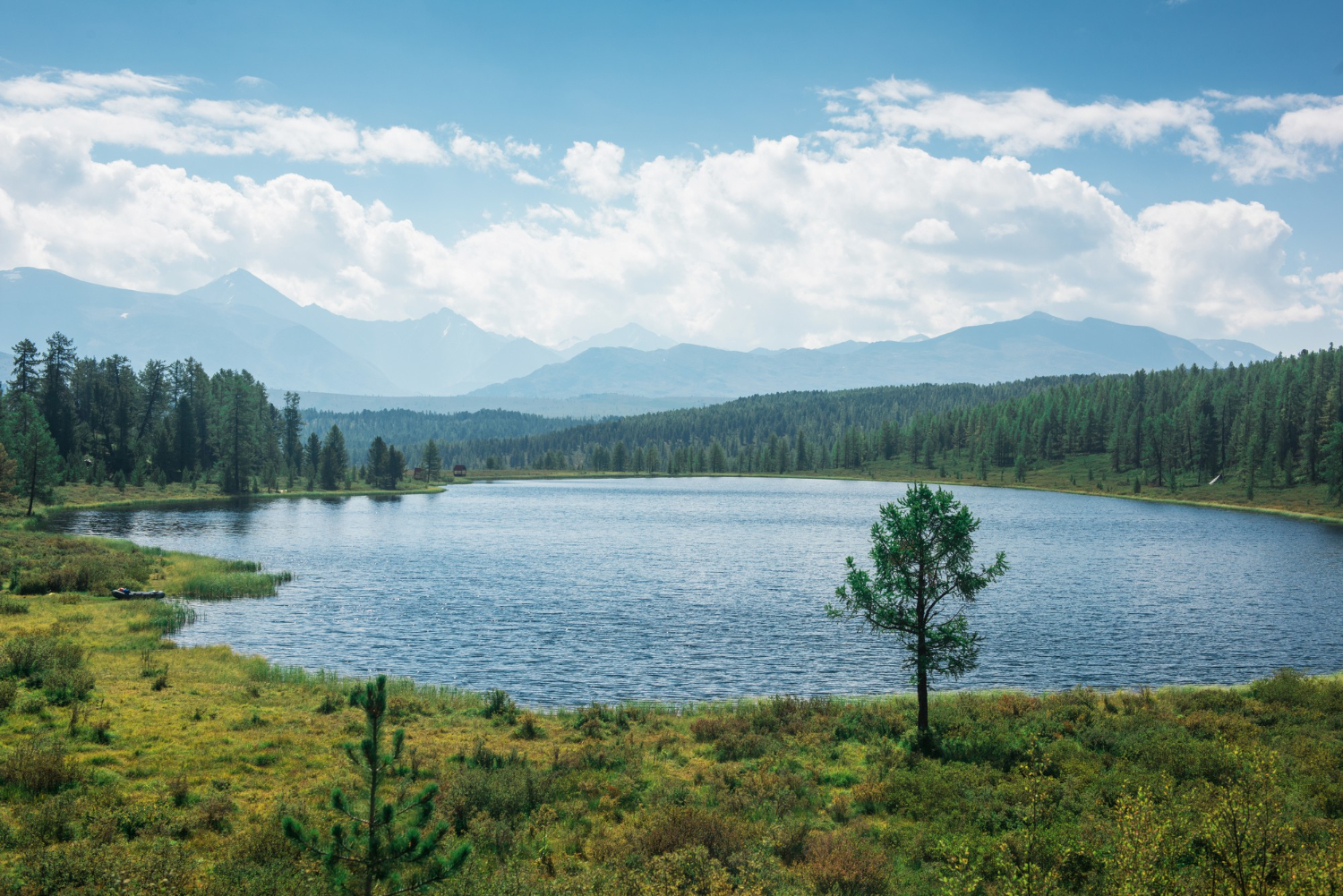
Beyond the famous Great Lakes lies this remarkable collection of enormous lakes — from the salty, shrinking inland sea of Utah to the remote, monster-legend wilderness of Alaska, from the vast Missouri River reservoirs of the Plains to the deep alpine clarity of Tahoe and the red-rock beauty of Powell. Together they reveal a country far richer in great waters than most people realize, and they tell larger stories too: the era of dam-building that created giant reservoirs, the ancient geology that left behind salt seas, and the modern drought now visibly shrinking some of the West’s most important lakes. Many of these lakes are spectacular and accessible destinations in their own right, well worth a visit for anyone who thinks America’s great lakes begin and end with the famous five. The next time you picture America’s largest bodies of water, remember the hidden giants — vast, varied, and full of surprising stories — that lie beyond the Great Lakes.
Like our content? Follow us for more.