


For a kid in 1970s America, the hours between the final school bell and dinnertime were a world unto themselves — unsupervised, unstructured, and almost unimaginable by today’s standards. You let yourself into an empty house with a key around your neck, grabbed a snack, and disappeared outside until the streetlights came on, roaming the neighborhood with a pack of other kids and no adult in sight. There were no cell phones to track you, no scheduled activities filling every afternoon, no screens to vanish into. That after-school world — free, physical, social, and gloriously unmonitored — has almost completely disappeared, transformed by changing attitudes toward childhood, safety, and technology. Here’s what every American kid did after school in the 1970s, and why that whole world has vanished.
The defining quality of the 1970s after-school world was freedom — physical, unsupervised, unstructured freedom that shaped childhood in ways that have largely disappeared. Almost everything that has changed flows from a shift away from that freedom. Here’s the anatomy of a vanished afternoon.
Letting Yourself Into an Empty House

Millions of 1970s kids were “latchkey children” who came home from school to an empty house — frequently with a key worn on a string around the neck — and were on their own until a parent returned from work, sometimes for hours. With more households having working parents and less anxiety about leaving kids alone, this was simply normal. Today, leaving a young child home alone for hours would strike many as unthinkable, even prompting concern. The latchkey afternoon, with its independence and self-reliance, has largely vanished amid changed attitudes toward children’s safety and supervision, replaced by after-school care, programs, and constant adult oversight.
Roaming the Neighborhood Until the Streetlights Came On
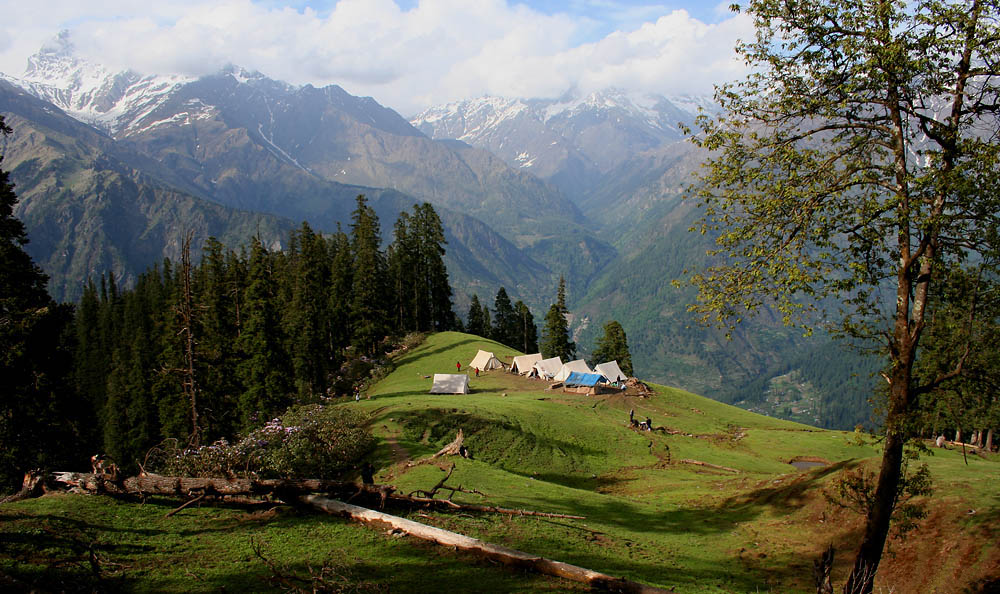
The 1970s after-school world was spent largely outdoors and unsupervised, with kids roaming the neighborhood, woods, and streets freely, the universal rule being simply to come home when the streetlights came on. Parents frequently had little idea exactly where their kids were for hours, and that was normal and accepted. Today, this degree of unsupervised roaming is rare, with parents far more cautious about where children go and constant contact expected. The free-range neighborhood roaming that defined 1970s afternoons — wandering far from home with no adult and no way to be reached — is one of the most dramatically vanished features of that childhood.
Playing Pickup Games With No Adults Involved
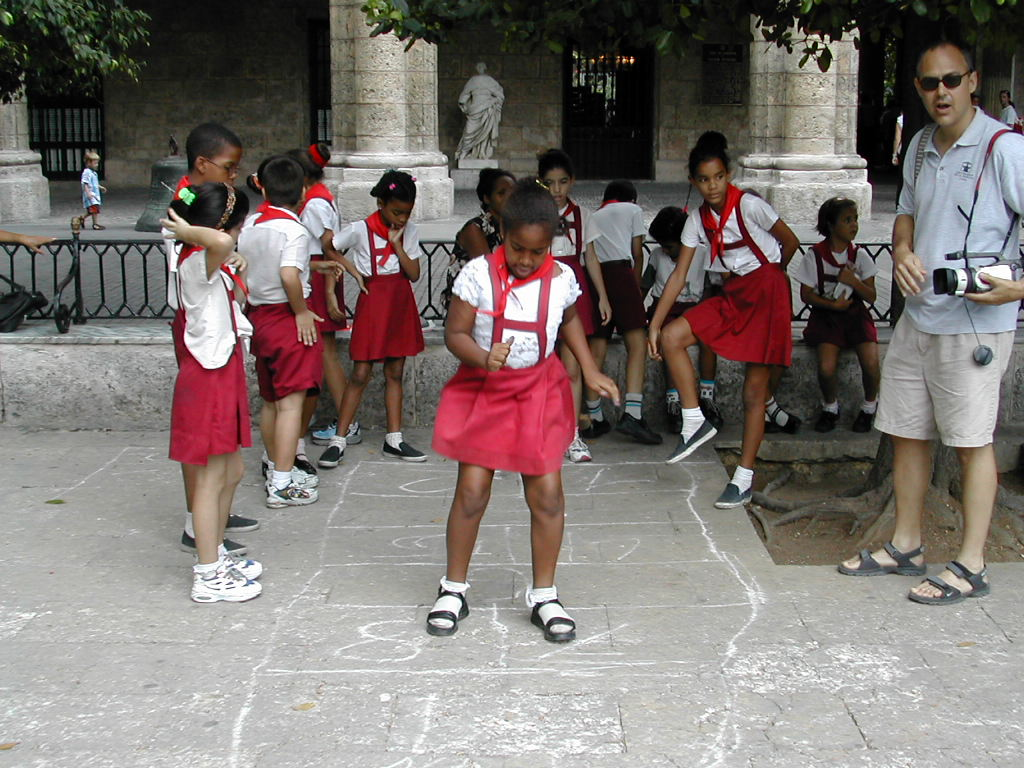
After school, 1970s kids organized their own games — pickup baseball, kickball, street hockey, tag, and countless invented games — entirely without adult involvement, choosing teams, making rules, and settling disputes themselves. There were no coaches, no leagues, no parents watching; the kids ran it all. Today, children’s sports and play are far more organized, supervised, and adult-managed. The self-organized, adult-free pickup game, where kids developed independence and social skills by running their own play, has largely given way to structured, supervised activities, taking with it a whole arena of childhood self-governance and improvisation.
Coming Home to a Snack and Cartoons (or Out Again)

The 1970s after-school ritual frequently began with a snack grabbed from the kitchen and maybe a bit of TV — though with only a few channels and limited kids’ programming, television was a smaller draw than the outdoors. The snack was self-served, the TV optional, and then it was back outside. Today, screens — TVs, tablets, phones, games, streaming — frequently dominate the after-school hours in a way unimaginable in the 1970s. The shift from a quick snack and then outdoors to hours of abundant on-demand screen entertainment marks one of the biggest changes in how children spend their afternoons, pulling the after-school world indoors and online.
Riding Bikes Everywhere, Frequently Without Helmets
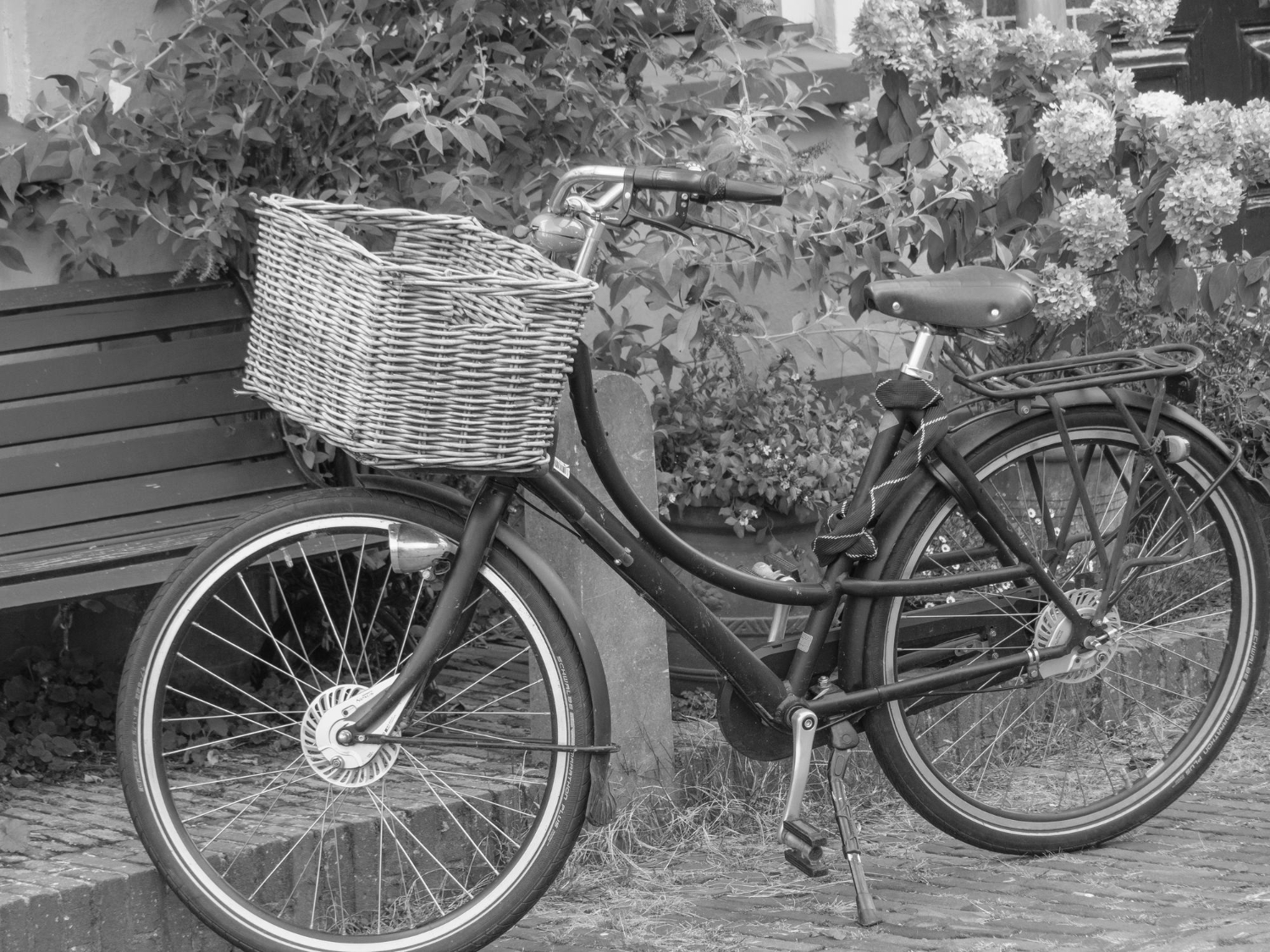
The bicycle was the 1970s kid’s vehicle of freedom, and after school meant riding all over the neighborhood and beyond — to friends’ houses, to the store, to wherever the afternoon led — frequently with no helmet and no particular destination. The bike extended the range of the unsupervised afternoon enormously. Today, children’s cycling is more supervised, helmeted, and restricted in range. The image of a pack of kids on bikes ranging freely across the neighborhood, helmetless and unmonitored, captures the era’s independence — and its more relaxed attitude toward safety — that has largely given way to closer supervision and far more limited roaming.
Stopping at the Corner Store With Pocket Change

A beloved 1970s after-school ritual was the trip to the corner store or local shop with a bit of pocket change, to buy penny candy, soda, baseball cards, or a comic — a small taste of independence and commerce. Kids walked or biked there on their own and made their own choices. While stores still exist, the ritual of kids independently walking to a neighborhood store with their own change has faded with changed supervision norms and neighborhood patterns. The independent trip to the corner store, a small but meaningful piece of 1970s after-school autonomy, has largely vanished along with the broader freedom that made it possible.
Disappearing to Friends’ Houses Unannounced
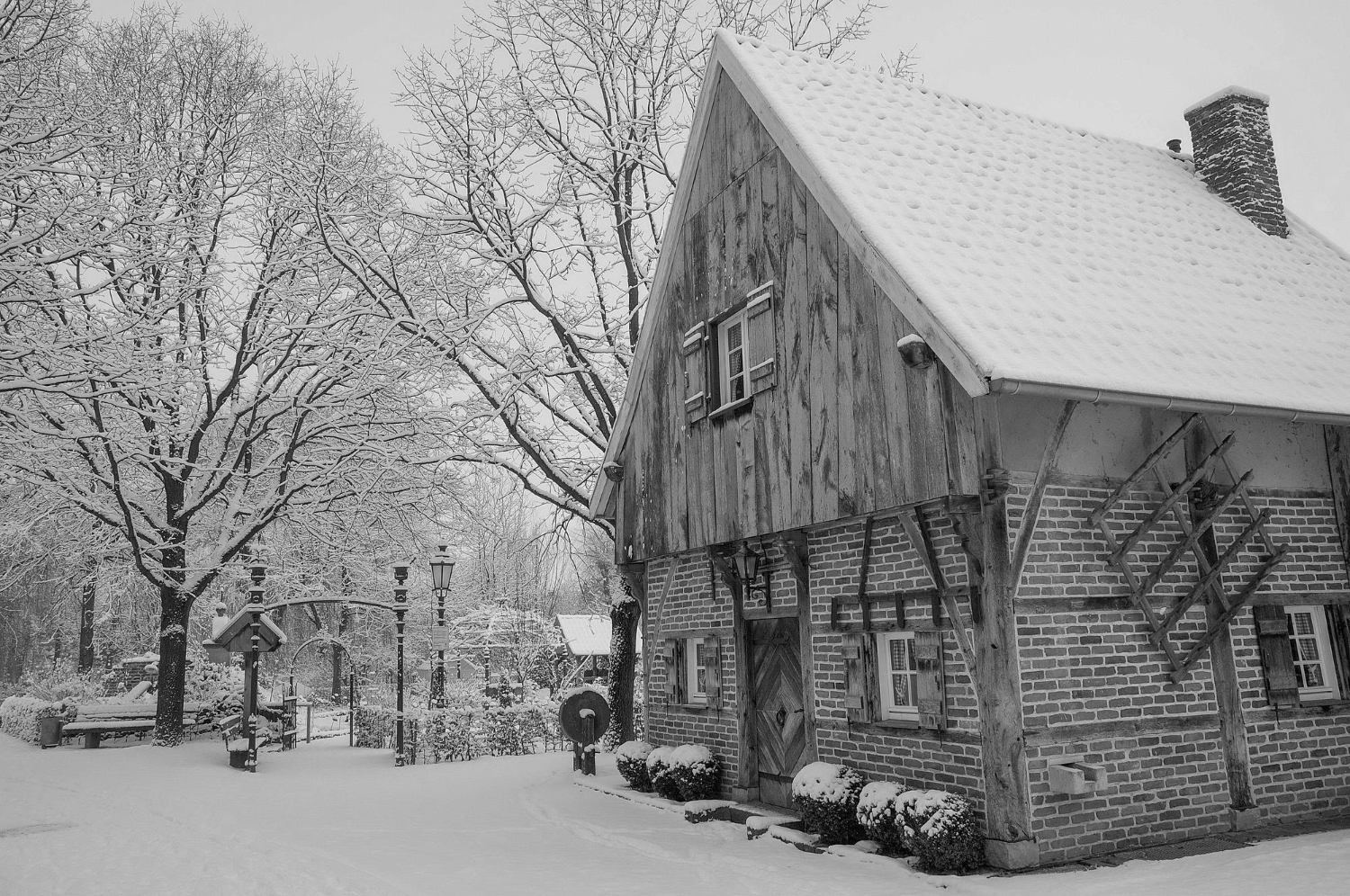
In the 1970s, the after-school hours frequently involved simply showing up at a friend’s house unannounced — knocking on the door to see if they could come out or play — with no texting ahead, no scheduled “playdates,” and no parental arrangement. Kids organized their own social lives spontaneously and in person. Today, the scheduled, parent-arranged playdate has largely replaced spontaneous drop-ins. The unannounced visit, the knock on the door, the “can you come out?” — this spontaneous, kid-driven socializing has given way to organized, adult-mediated arrangements, removing a whole layer of childhood independence and improvisation from the after-school world.
Being Genuinely Bored — and Inventing Things to Do

Perhaps the most overlooked feature of the 1970s afternoon was boredom and the creativity it sparked — with limited entertainment and no devices, kids regularly faced empty, unstructured time and had to invent games, explore, build things, and entertain themselves. Boredom was a normal, productive part of childhood. Today, the constant availability of screens and structured activities means children rarely experience the open, unstructured boredom that once drove imagination and self-reliance. The vanishing of genuine boredom — and the resourcefulness, creativity, and independence it forced kids to develop — may be one of the subtlest but most significant losses of the modern, fully-scheduled, screen-filled childhood afternoon.
Why That World Disappeared
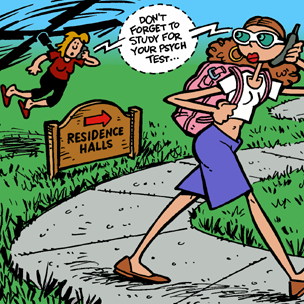
The vanishing of the 1970s after-school world wasn’t caused by any single thing but by a convergence of changes. Shifting attitudes toward child safety — driven partly by heightened (if not always statistically matched) fears — made unsupervised roaming, latchkey independence, and free-range play seem unacceptable to many parents, ushering in closer supervision and the “helicopter” tendency. The rise of organized, scheduled children’s activities filled afternoons that were once open and unstructured. And above all, technology — first more television, then computers, video games, and the smartphone — pulled childhood indoors and online, replacing the physical, social, outdoor afternoon with screen-based entertainment and constant connectivity. Each change came with real benefits and real intentions, particularly around safety. But together they dissolved a whole way of being a child.
The Bottom Line
The 1970s after-school world — the latchkey independence, the free roaming until the streetlights came on, the self-organized games, the bikes ranging everywhere, the trips to the corner store, the unannounced visits to friends, and the productive boredom that sparked imagination — has almost entirely vanished, transformed by changed attitudes toward safety, the rise of structured activities, and the technology that pulled childhood indoors and online. Much of the change reflects genuine care and real benefits: closer supervision and organized activities come from love and concern, and not everything about the unsupervised 1970s afternoon was idyllic. But there’s a reason that vanished world stirs such powerful nostalgia in those who lived it, and such fascination in those who didn’t: it offered children a degree of freedom, independence, physical activity, and self-reliance that’s largely disappeared from modern childhood. The after-school hours of the 1970s shaped a generation through their very lack of structure and supervision, and while the world that allowed them is gone, remembering it raises real questions about what children gained in safety and structure — and what they may have quietly lost in freedom and the simple, formative experience of an unsupervised afternoon.
Like our content? Follow us for more.


