

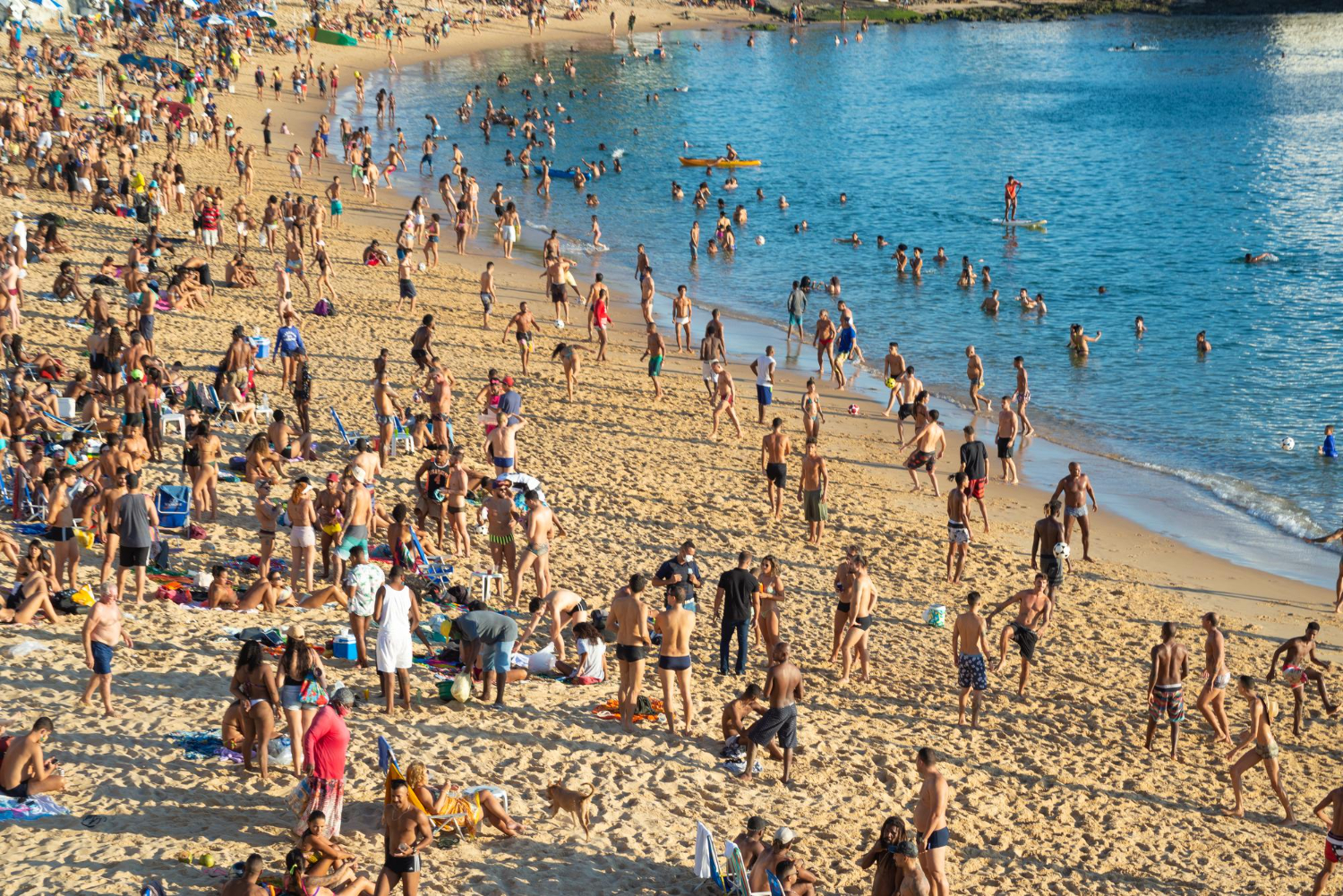
There’s a particular heartbreak in visiting a place you’ve dreamed about, only to find it so overwhelmed by crowds, commercialization, and the sheer weight of its own fame that the magic you came for is hard to find. Around the world, some of the most beloved destinations have been profoundly changed by tourism — their charm strained, their character commercialized, their local life pushed aside by the very popularity that drew everyone in the first place. It’s not that these places are no longer worth seeing; it’s that knowing what they’ve become, when to visit, and what quieter alternatives exist can make all the difference between disappointment and delight. Here are famous destinations that have been transformed by their own popularity, what happened to them, and where to go instead for a richer experience.
A quick note: this isn’t about telling anyone to avoid these iconic places — many remain genuinely worth visiting. It’s about understanding how popularity has changed them, visiting more thoughtfully, and knowing the lesser-known alternatives that frequently deliver the experience the famous spots once did. Here’s the landscape.
How Popularity Changes a Place
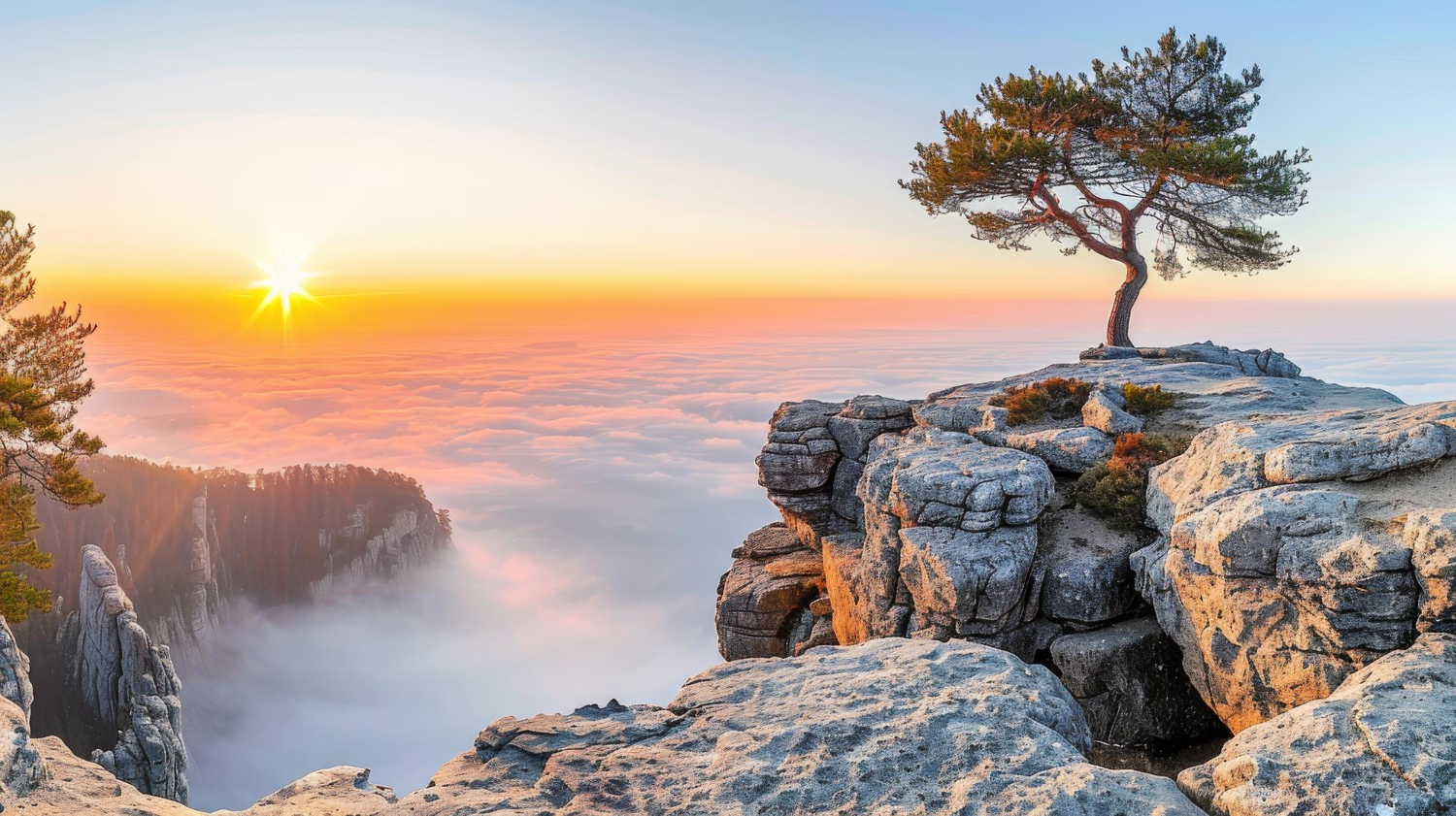
Before the specific destinations, it’s worth understanding the pattern, because it repeats everywhere: a place becomes famous for its beauty or charm, visitors flood in, and the influx brings commercialization (souvenir shops replacing local businesses), crowds that strain the site and the experience, rising costs that push out locals, and a gradual hollowing of the authentic character that made it special. The very thing that drew people changes under the weight of their numbers. Recognizing this cycle helps travelers understand what’s happened to famous spots, time their visits better, seek out the parts that retain authenticity, and find the under-visited alternatives that offer what the famous places once did before the crowds arrived.
Iconic European Old Towns Overwhelmed by Crowds
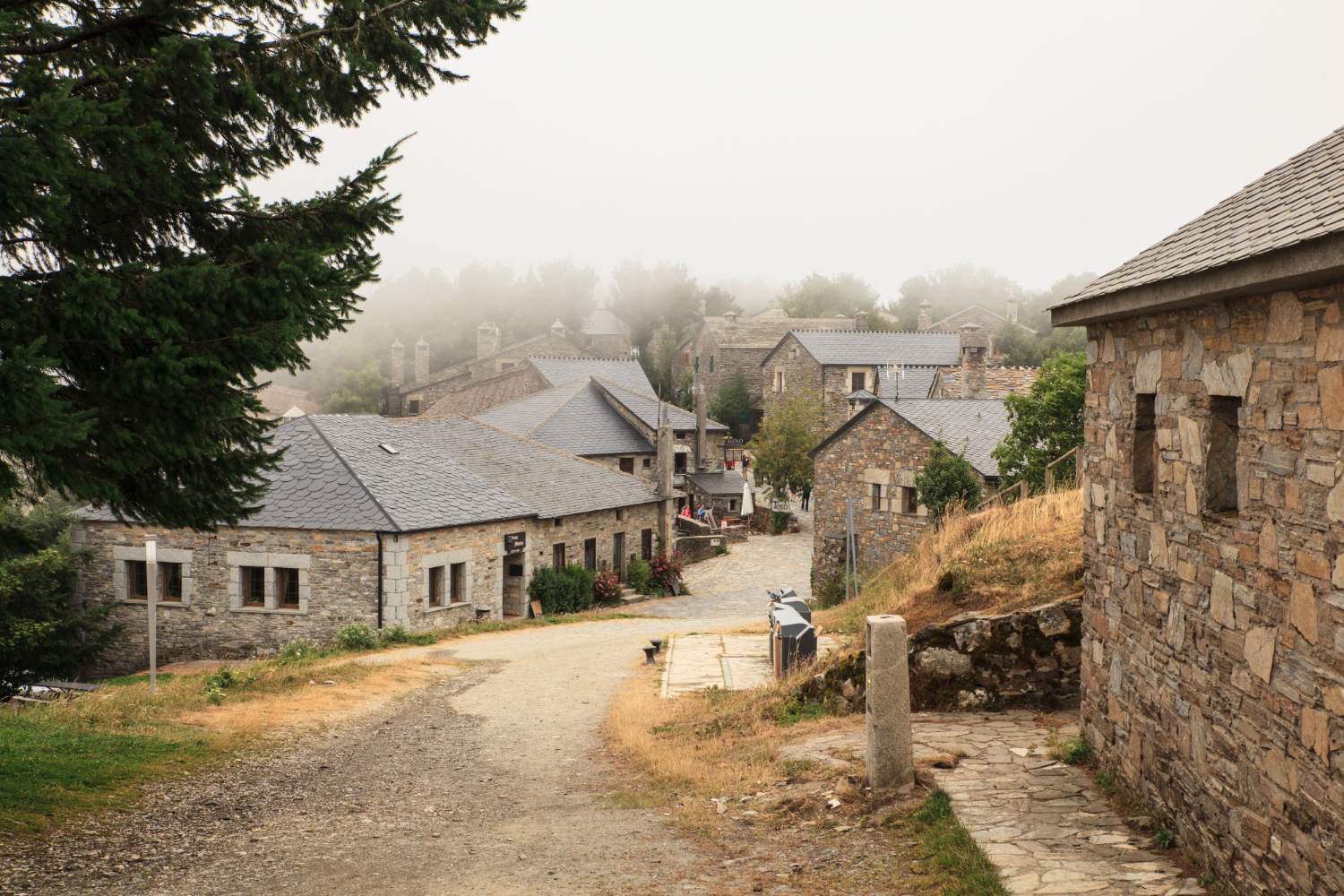
Some of Europe’s most beautiful historic city centers and old towns have been profoundly strained by mass tourism, their narrow medieval streets clogged, their central squares dominated by crowds and tourist-focused businesses, and their resident populations dwindling as homes become short-term rentals. The living character of these places has thinned. Where to go instead: visit in the genuine off-season when crowds recede and local life is more visible, explore the lesser-known neighborhoods beyond the central tourist core, and consider equally beautiful but less-famous historic towns in the same regions, which frequently offer the authentic charm and architecture without the overwhelming crowds. The famous old towns are still worth seeing — but timing and venturing beyond the core transform the experience.
Beautiful Beaches Loved Nearly to Ruin
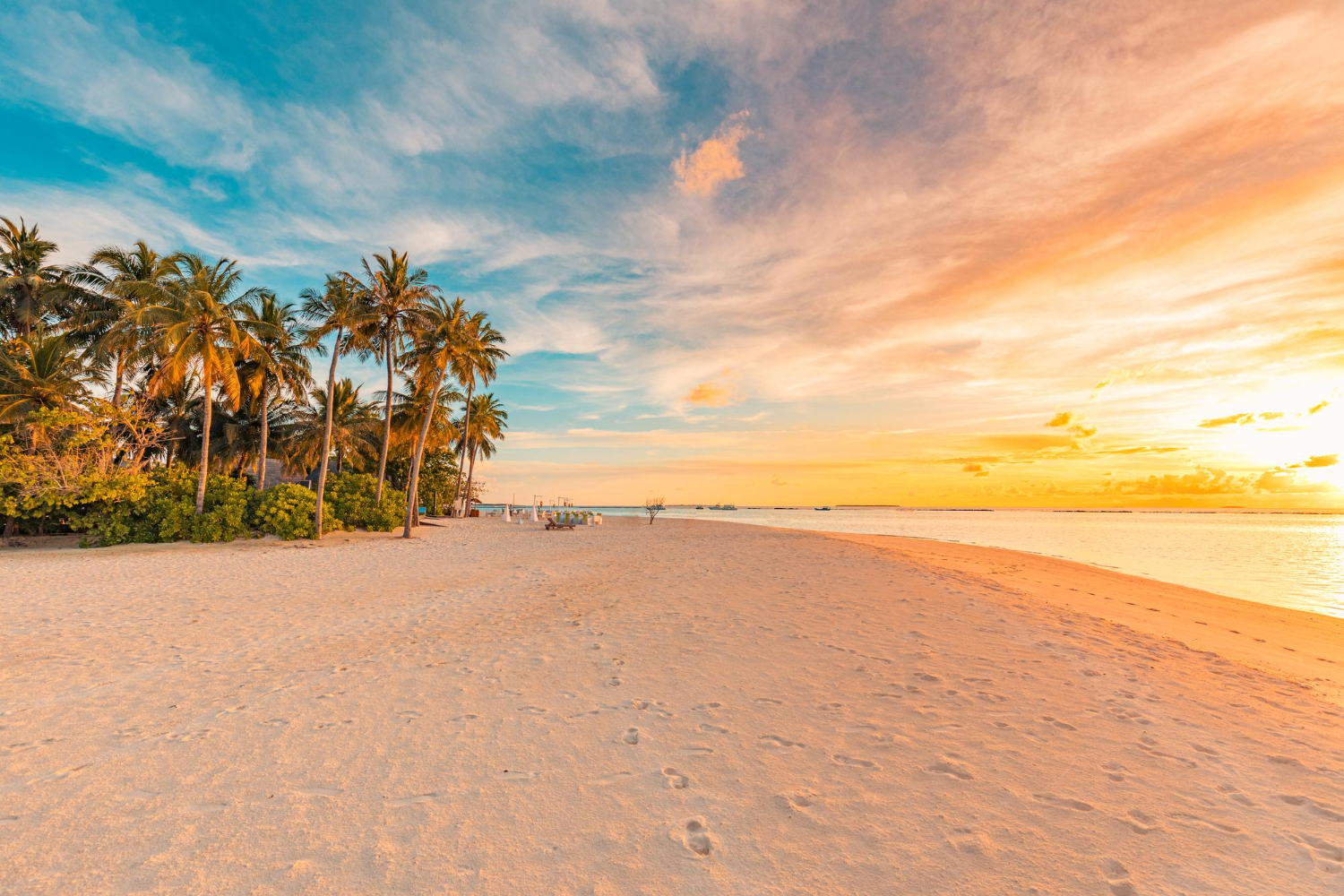
Some world-famous beaches and coastal spots have been so overwhelmed by visitors that they’ve suffered genuine environmental damage, with a few even closed temporarily to recover. The pristine paradise that drew crowds was degraded by those very crowds — trampled, littered, and overbuilt. Where to go instead: seek out less-famous beaches in the same region (frequently just as beautiful without the crowds), visit popular beaches in the off-season or early morning, follow all conservation rules to be part of the solution, and consider destinations actively managing tourism sustainably. The lesson of the loved-to-ruin beach is that a region’s most Instagram-famous strand is rarely its only beautiful one, and the quieter alternatives frequently deliver more of the paradise feeling.
Mountain and Natural Wonders Strained by Visitors
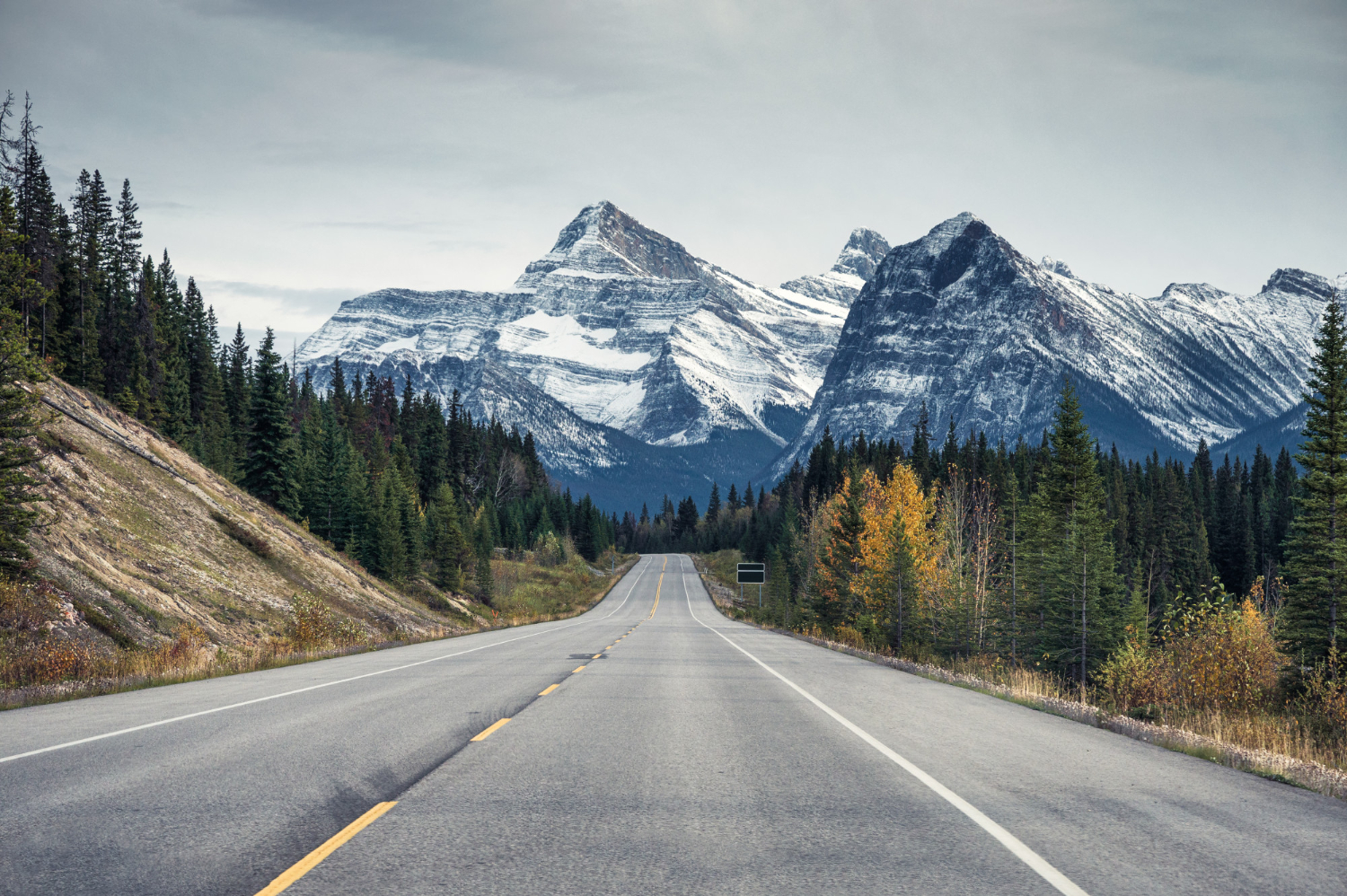
Famous natural wonders — celebrated peaks, viewpoints, canyons, and parks — have in many cases been strained by their popularity, with crowded trails, packed viewpoints, traffic, and environmental pressure diminishing the wilderness experience and the landscape itself. The solitude that’s part of nature’s appeal is hard to find amid crowds. Where to go instead: visit famous natural sites at off-peak times (early morning, shoulder seasons, weekdays), explore the many less-famous but equally stunning natural areas that see a fraction of the visitors, and use timed-entry or reservation systems where they exist to ensure a better experience. The world is full of breathtaking, under-visited natural places, and seeking them out frequently delivers the awe and solitude that the most famous, most crowded wonders have partly lost.
Charming Small Towns Turned Into Theme-Park Versions of Themselves
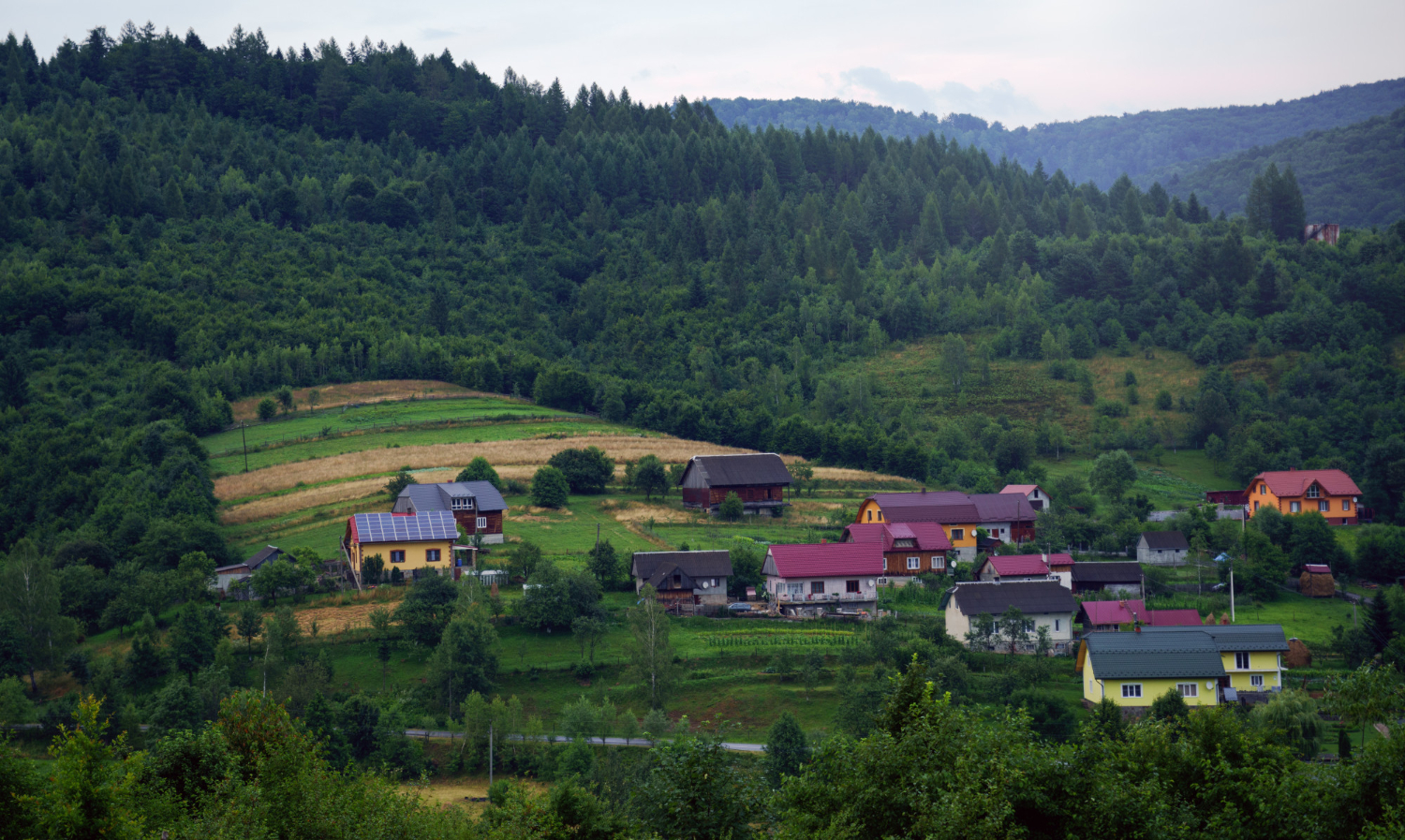
Some picturesque small towns and villages that became famous for their charm have, ironically, been transformed by tourism into something that can feel like a commercialized caricature — every building a shop or restaurant catering to visitors, the authentic local life that created the charm largely displaced. The place becomes a stage set rather than a living community. Where to go instead: visit such towns in the off-season, stay overnight rather than day-tripping (the evening, after day visitors leave, frequently reveals the real place), spend money at genuinely local businesses, and seek out the equally charming but undiscovered towns nearby. The most famous “charming” town in a region is frequently the most commercialized; its less-famous neighbors frequently retain the authenticity that made the famous one special.
Once-Hidden Gems Undone by Going Viral
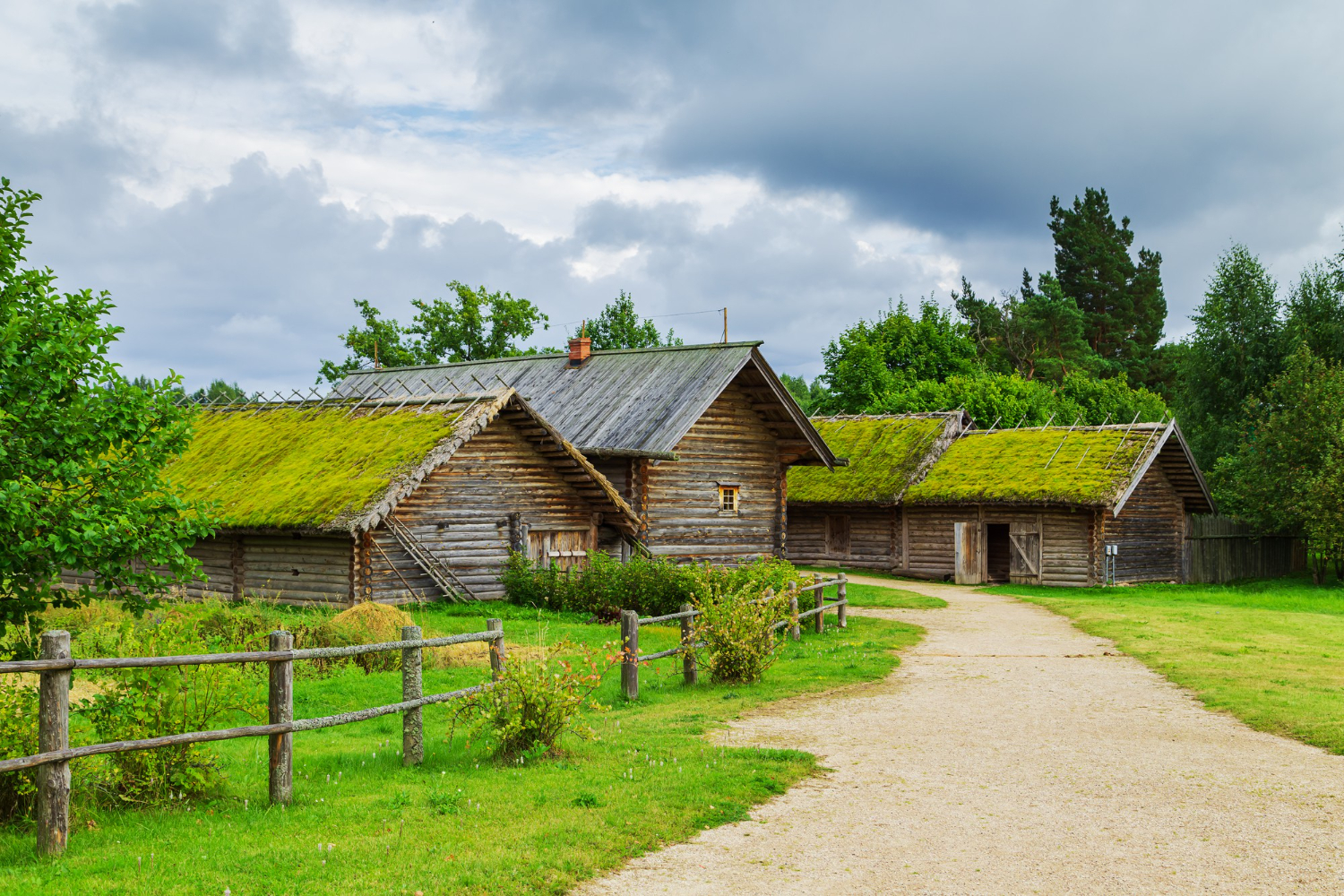
A modern twist on the pattern: places that were genuine hidden gems have been transformed almost overnight by going viral on social media, with crowds arriving for the photo and overwhelming small, unprepared sites — sometimes damaging fragile environments or burdening tiny communities. The secret spot is no longer secret. Where to go instead: be skeptical that a viral “hidden gem” will still feel hidden, seek out genuinely lesser-known places through deeper research rather than trending posts, visit fragile or small sites responsibly and at off times, and consider that the truly special experiences frequently aren’t the ones going viral. The irony of the social-media-ruined gem is a reminder that the best discoveries frequently lie away from the trending feed, in places that haven’t yet had their viral moment.
The Rise of the “Dupe” Destination
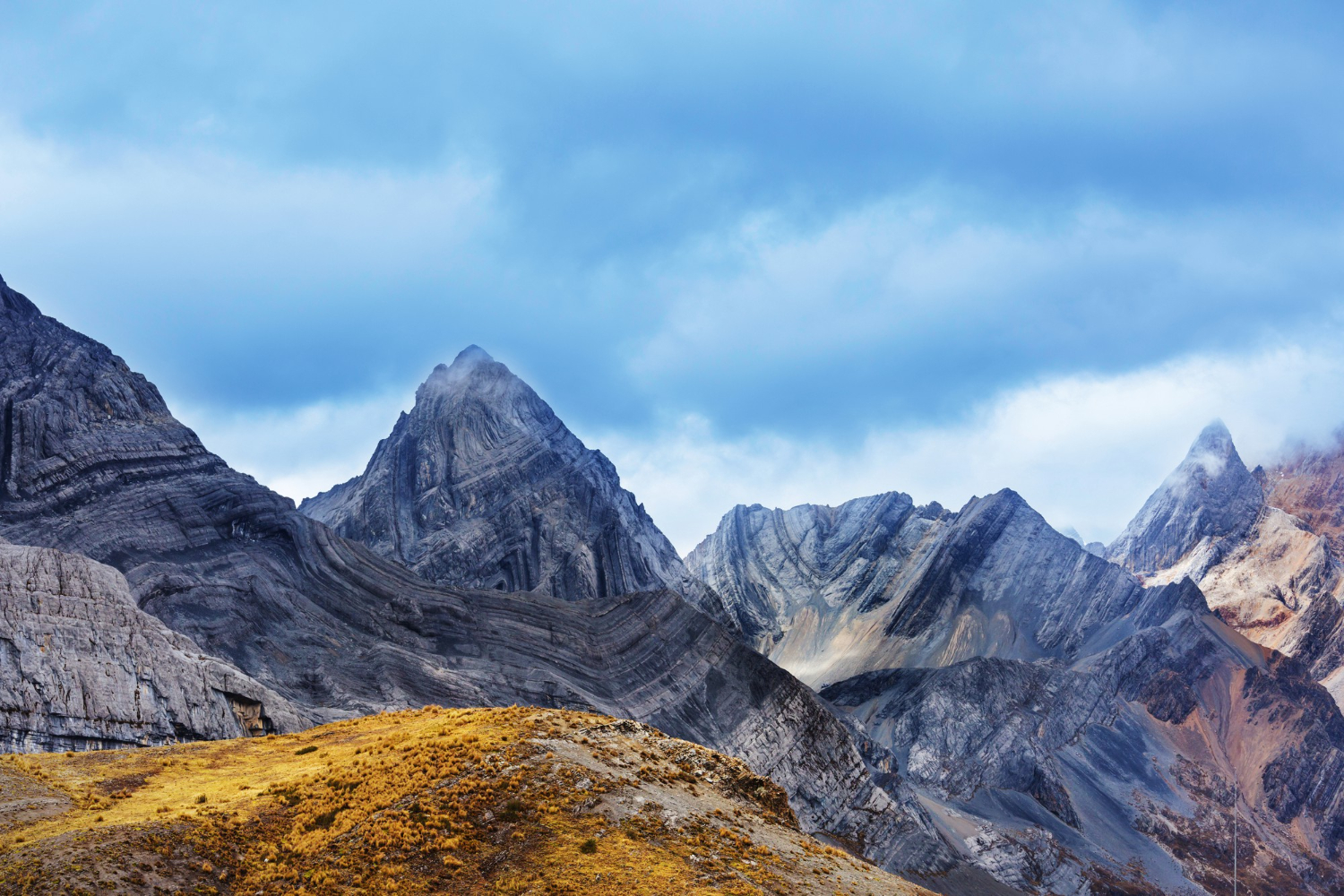
One of the most useful responses to the transformation of famous places is the growing traveler movement toward alternative or “dupe” destinations — less-famous places that offer a similar experience to an overwhelmed icon, without the crowds, costs, and strain. The idea is simple: for almost every overcrowded famous destination, there exists a quieter place with comparable beauty, culture, or character that sees a fraction of the visitors. A mobbed coastal city has a lesser-known neighbor down the coast; a packed national park has an equally stunning but overlooked counterpart; a commercialized historic town has a quieter sister town nearby with the same architecture and charm minus the tour buses. How to find them: research beyond the famous names, look at the regions surrounding major attractions rather than only the headline spot, ask locals and travel communities where they go to escape the crowds, and be open to trading a famous name for a genuinely better experience. The benefits run both ways — travelers get authenticity, value, and breathing room, while the tourism spreads to communities that welcome it rather than piling onto places already overwhelmed. Choosing the quieter alternative isn’t settling for less; in an age of overtourism, it’s frequently the route to the richer, more memorable trip, and it spreads tourism’s economic benefits to places that genuinely want and need them rather than concentrating the strain on a handful of famous victims of their own success.
How to Travel Well in the Age of Overtourism
The thread connecting all of these is that popularity, unmanaged, can erode the very qualities that make a place worth visiting — but thoughtful travelers can still have wonderful experiences, even at famous spots, and can find richer ones off the beaten path. The core strategies: travel in the off-season and at off-peak hours whenever possible, when even crowded places breathe and reveal their character; venture beyond the famous core to the neighborhoods, towns, and natural areas that see fewer visitors; stay overnight rather than day-tripping, to experience places after the crowds thin; spend your money with genuinely local businesses that sustain authentic communities; follow conservation and local rules to be part of the solution rather than the problem; and approach the most famous, most viral spots with realistic expectations while seeking out the quieter alternatives that frequently deliver more. The famous destinations transformed by their popularity haven’t necessarily lost all their magic — but the travelers who find the most magic now are the ones who go thoughtfully, time things well, and aren’t afraid to skip the most crowded icon in favor of the extraordinary, under-visited place just beyond it.
Like our content? Follow us for more.

