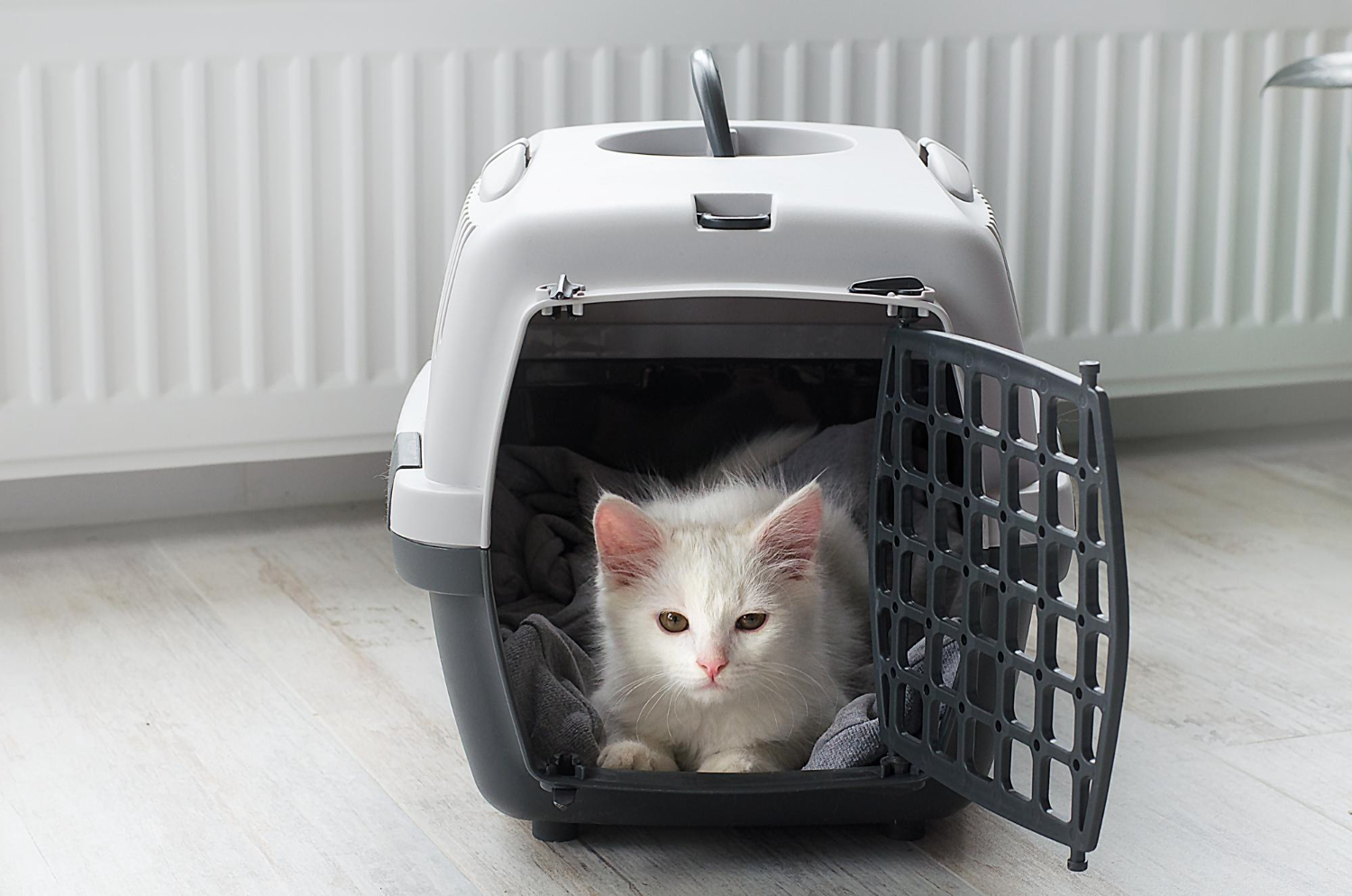
Flying with a pet used to feel like a logistical nightmare, but a growing number of airlines now welcome small dogs and cats right in the cabin, tucked under the seat in front of you. Still, the rules vary widely: which carriers allow it, how much it costs, what size pet qualifies, and which routes are off-limits. And then there’s the question every nervous pet parent asks before a flight, what should you feed them beforehand? Here’s a practical, up-to-date guide to the airlines that permit in-cabin pets, how the fees and booking process work, the route restrictions to watch for, and sensible pre-flight feeding tips, with the important reminder that your veterinarian is the final word on your animal’s health.
A quick note before we start: this is general travel information, not veterinary advice. Policies and fees change often, so always confirm details directly with your airline before booking, and talk to your vet about your specific pet. Now, the essentials.
Which Airlines Allow Pets in the Cabin
In the United States, most major carriers now permit small pets in the cabin. According to a complete airline pet-policy guide, the list includes Alaska, Allegiant, American, Delta, Frontier, Hawaiian, JetBlue, Southwest, Spirit, and United. In every case, the pet must be small enough to fit comfortably inside an approved carrier that slides under the seat in front of you, and it must stay in that carrier for the duration of the flight. Internationally, carriers such as Lufthansa, Turkish Airlines, KLM, Air France, and Singapore Airlines also accommodate pets, though whether an animal flies in the cabin or as cargo depends heavily on the airline, the route, and the size of the pet. The takeaway: in-cabin travel is increasingly common, but it’s reserved for small animals.
What Counts as a Cabin Pet
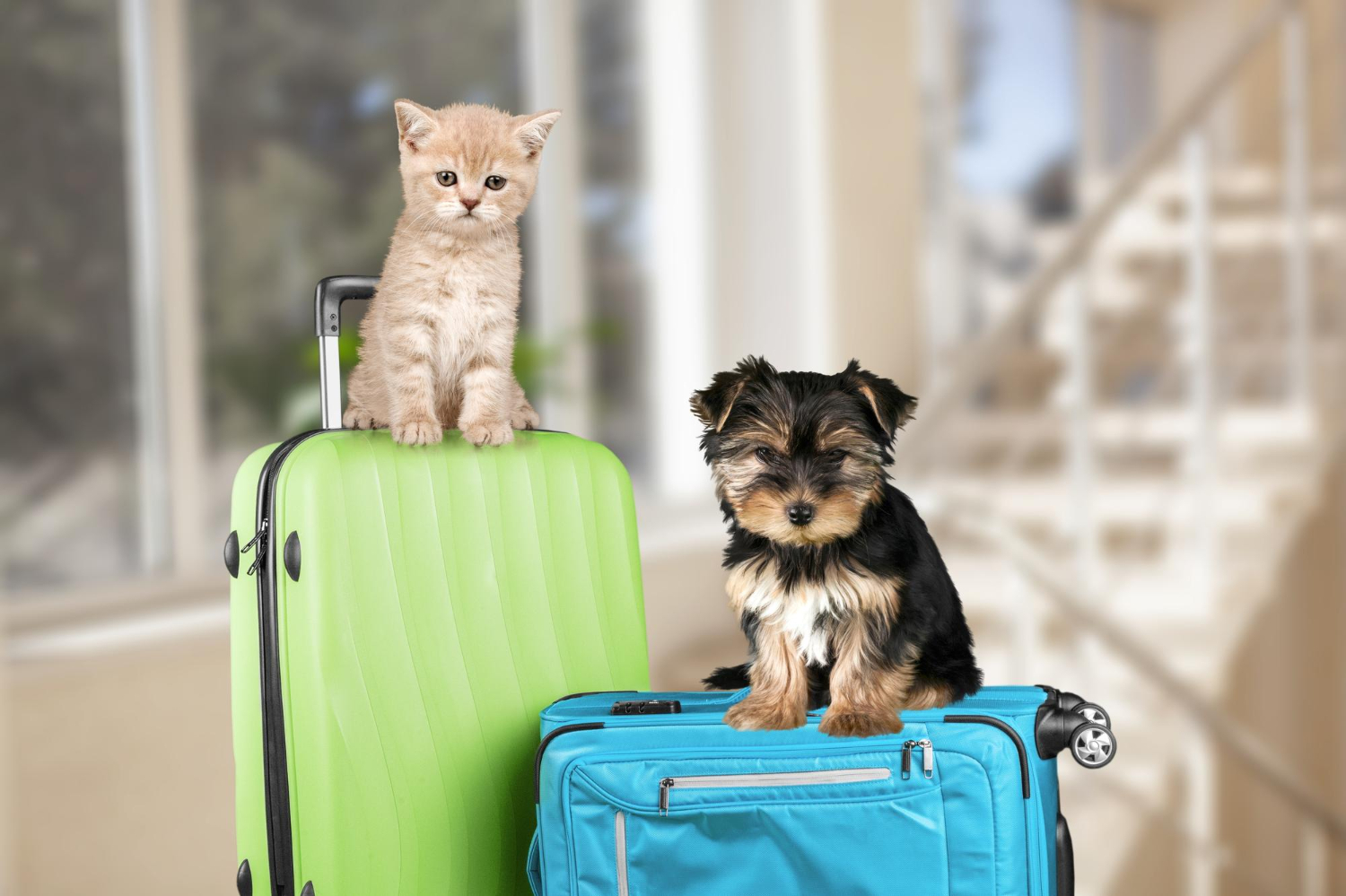
The defining rule across airlines is size: your pet and its carrier together must fit under the seat. Soft-sided carriers are usually preferred because they flex into the space, and typical maximum dimensions hover around 17 to 18 inches long. Alaska Airlines, for example, allows carriers up to about 17 by 11 by 9.5 inches and accepts dogs, cats, and rabbits, while Frontier permits dogs, cats, rabbits, guinea pigs, hamsters, and small household birds within an 18-by-14-by-8-inch carrier. Most airlines cap the number of pets allowed per cabin, often around four total, and limit each passenger to one pet. Your animal generally needs to be able to stand up and turn around inside the carrier, and some carriers set a minimum age, typically eight to ten weeks.
What It Costs
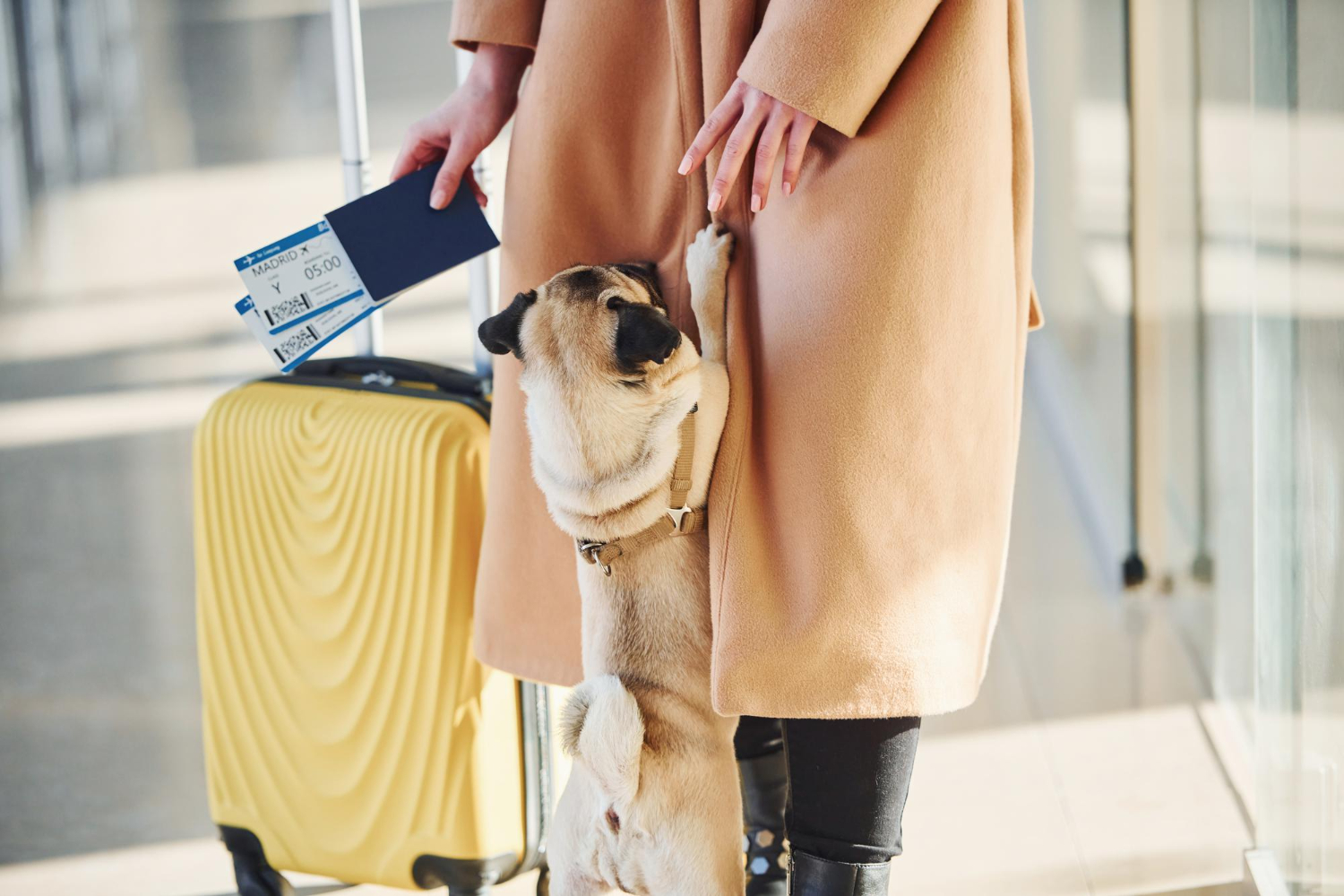
In-cabin pet travel isn’t free, and the fees add up. A widely cited analysis found that pet fees typically run from around 35 to 150 dollars each way, with most major carriers landing near the higher end. Alaska Airlines was rated among the best for pet travel in part because its fee starts around 100 dollars each way, among the lowest of the major airlines, which works out to roughly 200 dollars for a domestic round trip compared with about 300 dollars on Delta, American, or United. Delta charges around 150 dollars each way for domestic routes and about 200 dollars each way for international travel. Over several trips a year, those differences can amount to hundreds of dollars, so it’s worth comparing carriers if you fly with your pet regularly.
Booking Is the Tricky Part
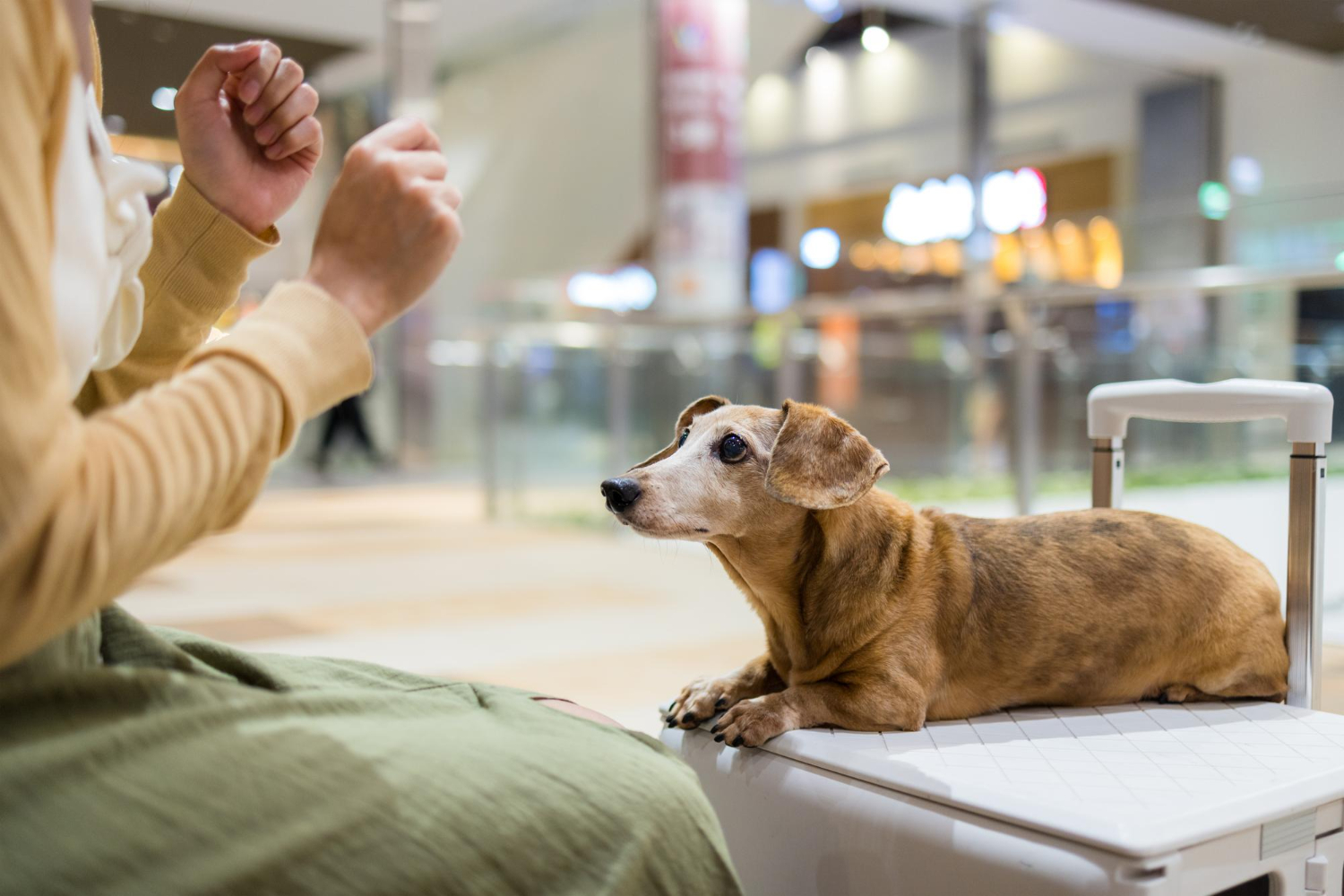
Because each cabin holds only a handful of pets, spots fill up fast, and booking early is essential. On several airlines, including Delta, you can’t add a pet to your reservation online; you have to call the airline’s reservations line after booking your own ticket to secure a spot for your animal. This catches many travelers off guard. The practical advice is to reserve your pet’s place as soon as you book your flight, well before your travel date, and to have your carrier dimensions and your pet’s details ready. Don’t assume a spot will be available if you wait until the airport; if the cabin’s pet quota is full, your animal won’t be allowed on that flight.
Watch the Route Restrictions
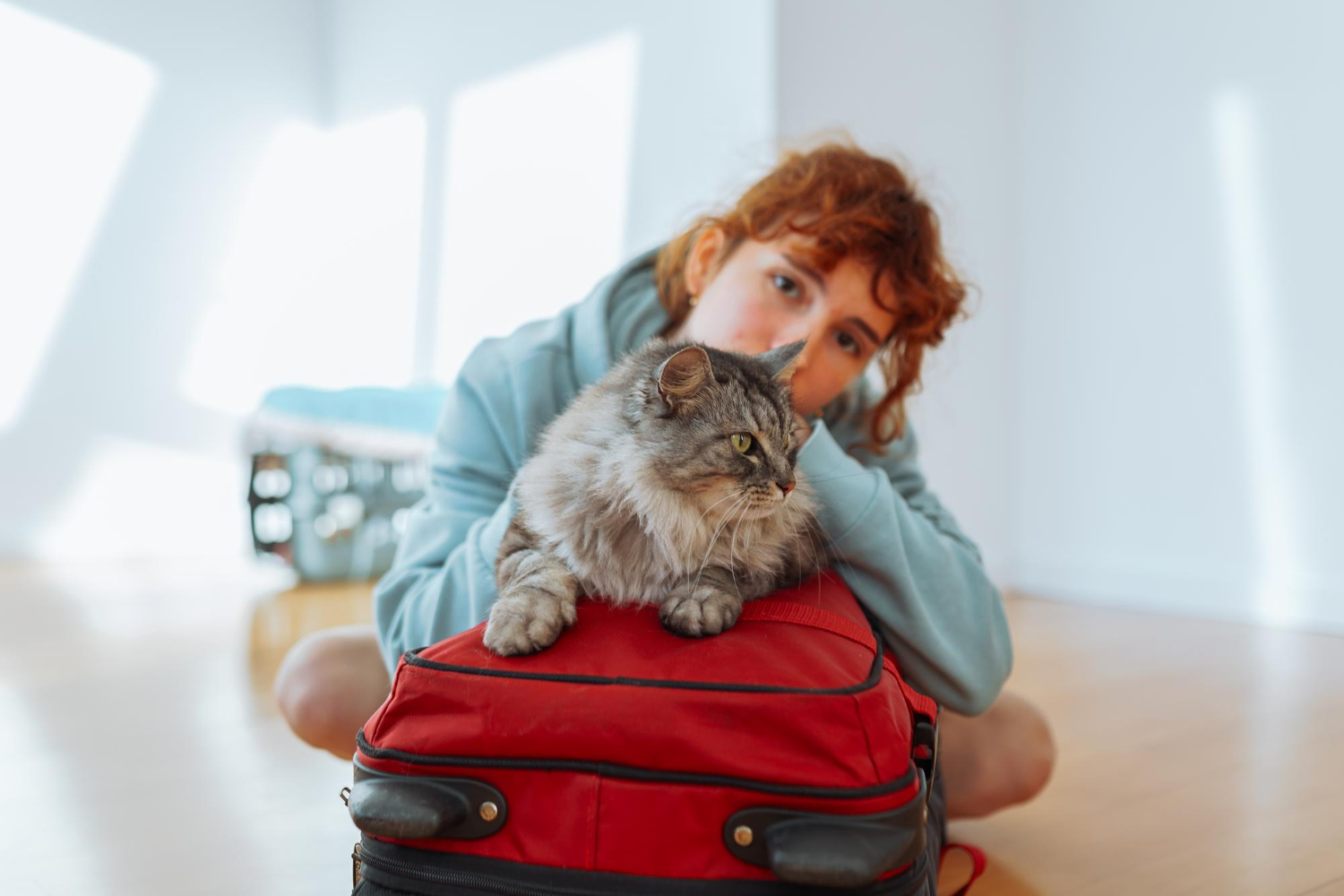
Just because an airline allows in-cabin pets doesn’t mean it does so everywhere. Many destinations have strict animal-import rules that override an airline’s general policy. United, for instance, does not permit in-cabin pets to a long list of places including Australia, Hawaii, Iceland, Ireland, New Zealand, and the United Kingdom, among others, largely because those destinations have rabies-control quarantine requirements. Some airlines also restrict pets on long-haul international routes, in premium cabins with lie-flat seats, or during extreme-temperature seasons. Before you book, check both your airline’s policy and the entry requirements of your destination, which may include health certificates, vaccination records, and microchipping. The rules for crossing borders with an animal are often stricter than the airline’s own.
What to Feed Your Pet Before Takeoff
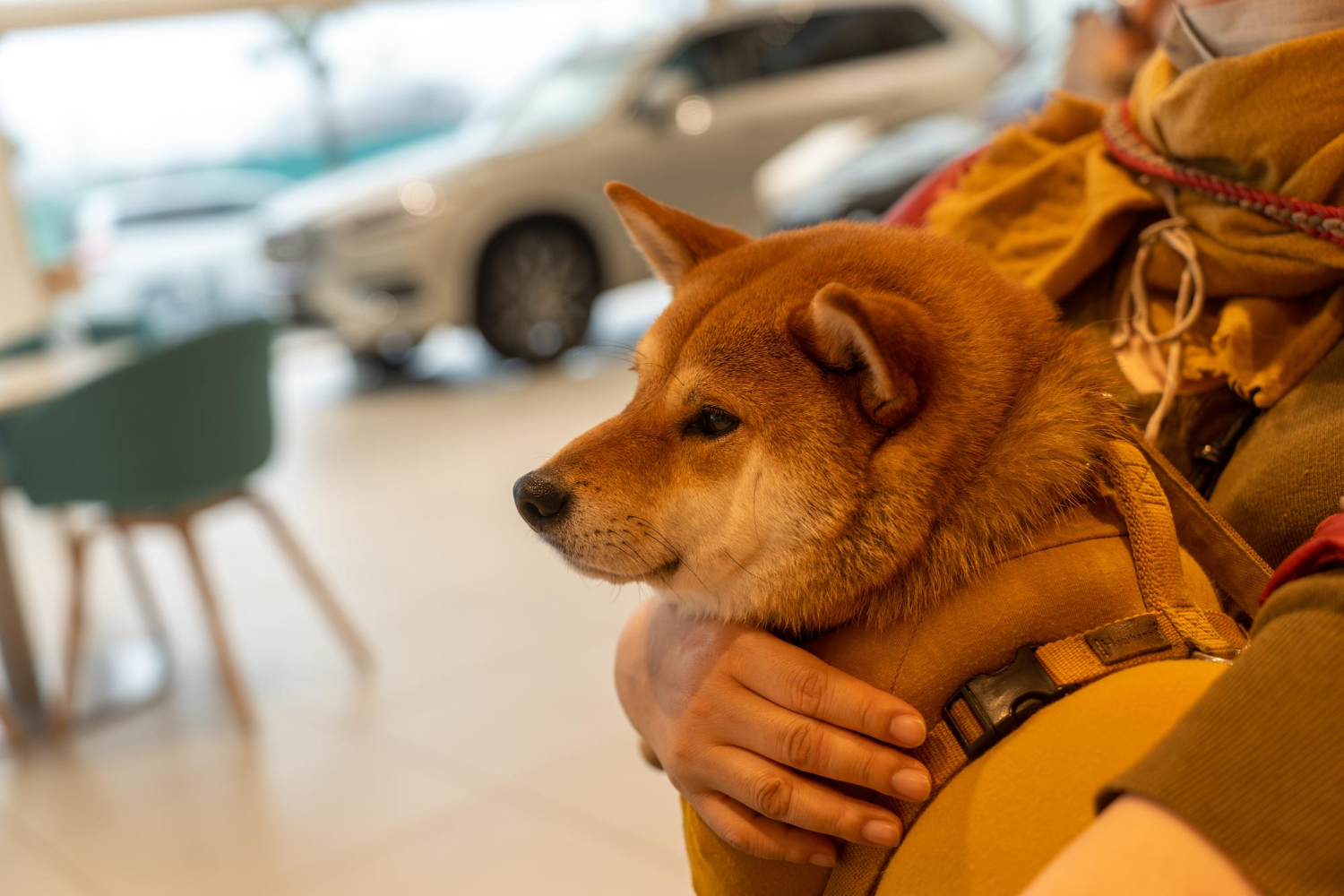
Now to the question in the headline. The general guidance from travel and pet sources is to keep things light and avoid feeding a heavy meal right before the flight, since a full stomach can lead to nausea, discomfort, or accidents in the carrier. A common approach is to give a small, normal meal a few hours before heading to the airport, rather than just before boarding, so your pet has time to digest. Keep your animal hydrated, offering water up to the flight and during longer journeys, and stick to familiar food rather than introducing anything new that could upset their stomach. Pack a small amount of their usual food and a collapsible bowl for longer trips or delays. Crucially, every animal is different, so check with your veterinarian about the right feeding timing for your specific pet, especially for very young, older, or anxious animals.
A Word on Calm and Comfort
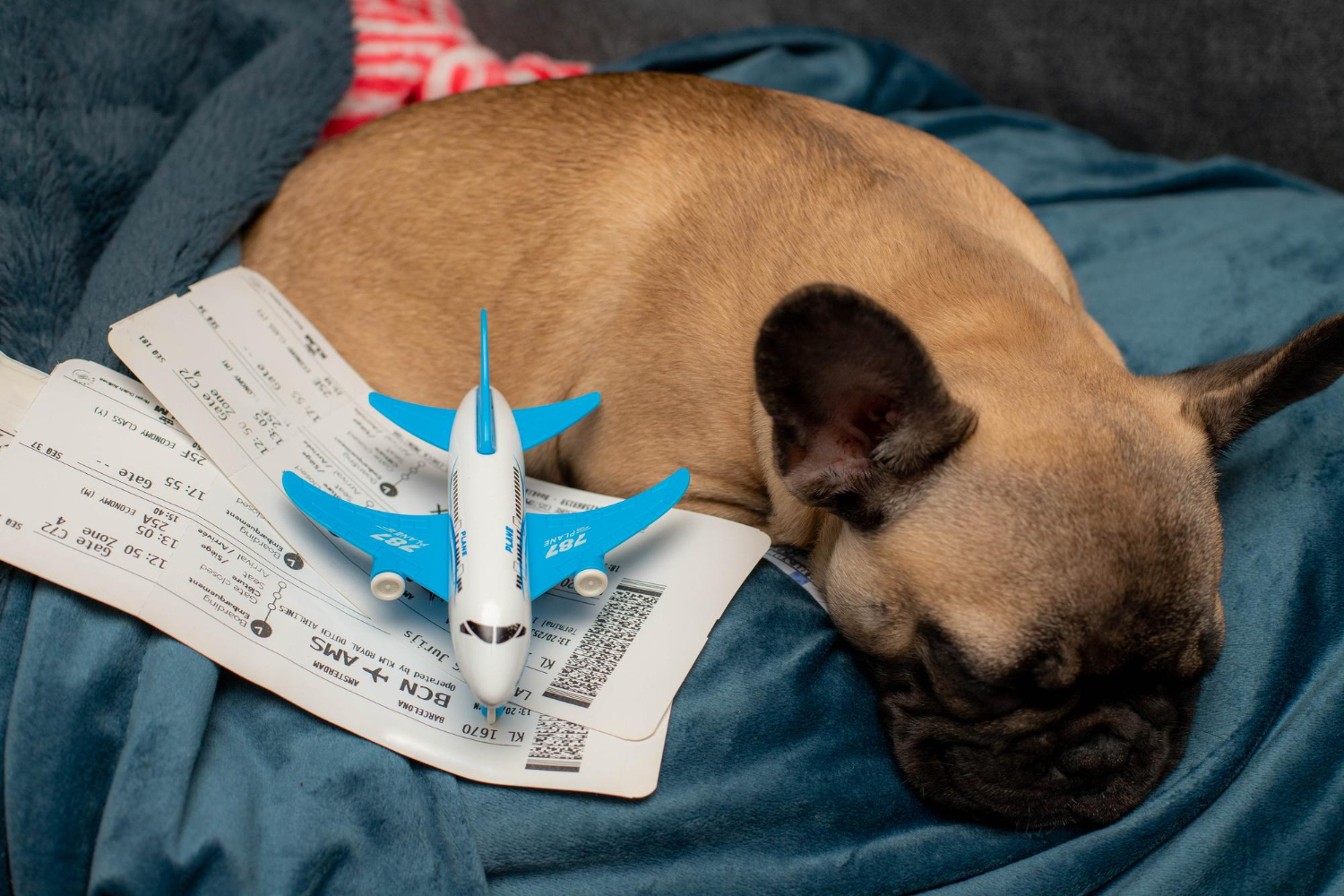
Beyond food, a few simple steps help pets settle. Familiar items like a favorite blanket or toy in the carrier provide comfort and a reassuring scent, and getting your pet used to the carrier in the weeks before travel can reduce anxiety on the day. Some owners ask about calming aids or anti-anxiety medication for nervous flyers, but this is firmly a conversation for your veterinarian, who can advise whether anything is appropriate and safe for your animal and recommend the correct dosage. Never give a pet human medication or sedatives without professional guidance, as some can be dangerous at altitude. A short walk and a bathroom break before security can also help your pet relax before the journey.
When Your Pet Is Too Big for the Cabin
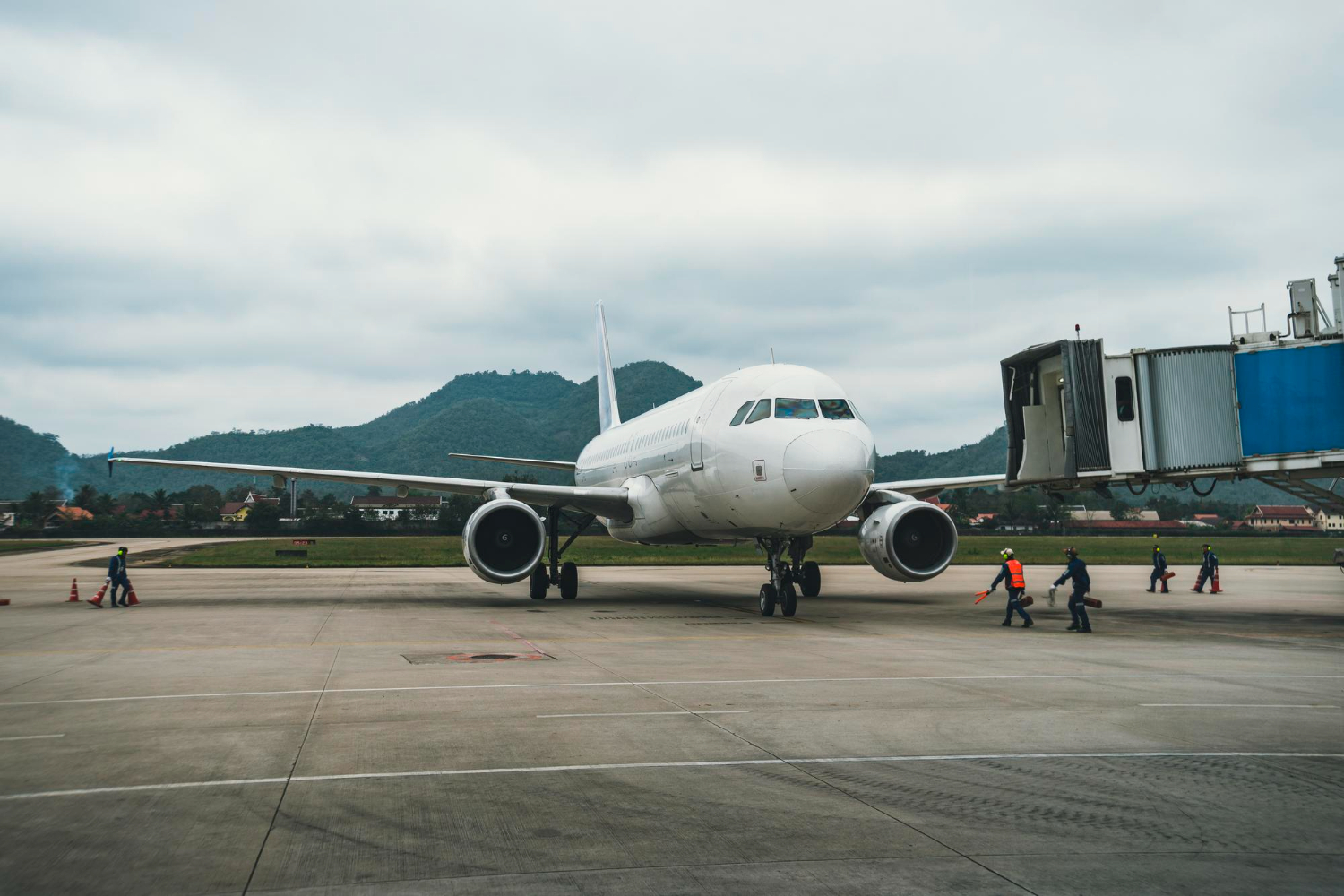
Not every animal can ride up front. If your dog is too large to fit in an under-seat carrier, in-cabin travel usually isn’t an option, and you’ll be looking at cargo or specialized pet-shipping services instead. Several airlines, including United through its PetSafe program, along with international carriers such as Lufthansa, Turkish Airlines, Qatar Airways, and Emirates, transport larger pets in temperature-controlled, pressurized cargo holds. Cargo can sound intimidating, but with a reputable, well-regulated airline it is designed to be safe, with climate controls and handling standards. That said, it carries more stress and risk than cabin travel, and many airlines impose seasonal embargoes when temperatures are extreme, since heat in particular can be dangerous for animals on the tarmac. Snub-nosed breeds like bulldogs and pugs face additional restrictions on many carriers because they’re more prone to breathing problems. For larger pets, talk to both the airline and your veterinarian well in advance to weigh whether flying is the right choice at all.
The Bottom Line
Flying with a pet in the cabin is more accessible than ever, with most major U.S. airlines and many international carriers welcoming small dogs and cats under the seat. The keys to a smooth trip are doing your homework early: confirm your airline allows pets on your specific route, reserve your pet’s spot the moment you book, measure your carrier against the airline’s limits, and budget for the fee. As for feeding, keep it light and familiar, time it a few hours ahead rather than right before takeoff, and lean on your vet for anything specific to your animal. Done right, your furry companion can ride along in comfort, watching the clouds roll by from the window seat. And if your pet is too large for the cabin or simply doesn’t travel well, there’s no shame in leaving them with a trusted sitter or boarding facility; sometimes the kindest option for an anxious animal is a familiar bed at home while you’re away. Whatever you decide, planning ahead is what separates a calm journey from a stressful one, for you and your pet alike, so start early, ask questions, and confirm every detail before you reach the airport.
Like our content? Follow us for more.