Which countries drink the most? It’s a question that surfaces regularly, usually answered with a familiar cast of European nations near the top. The standard way to measure it is liters of pure alcohol consumed per person per year, a figure tracked by the World Health Organization and other bodies, and by that yardstick a cluster of Eastern and Central European countries consistently leads the world. But the rankings shift depending on the source and the year, and the numbers come with important context about culture, measurement, and health. Here’s an even-handed look at the countries that consistently rank among the heaviest drinkers, how the data is measured, why the same regions keep topping the list, and the bigger picture behind the figures.
A note on the numbers: figures are measured in liters of pure alcohol per person aged 15 and older per year, and different organizations report different years and totals, so treat any single ranking as approximate. This piece presents data, not judgment. Here’s what it shows.
How “Drunkest” Is Actually Measured

The standard metric isn’t bottles or drinks but liters of pure alcohol (pure ethanol) consumed per person aged 15 and over, per year, across all beverage types, beer, wine, and spirits combined. The World Health Organization compiles this data, typically updating it every several years, and organizations like the OECD and IHME track it too. Because the data sources and years differ, you’ll see one ranking crown Romania and another put Latvia or the Czech Republic on top. To put the figures in perspective, the OECD average is roughly 8.5 liters per person, and consumption above about 10 liters is generally considered high. So when a country posts a figure in the teens, it’s drinking well above the global norm. Keeping the methodology in mind is the key to reading any of these lists sensibly.
Europe Dominates the Rankings
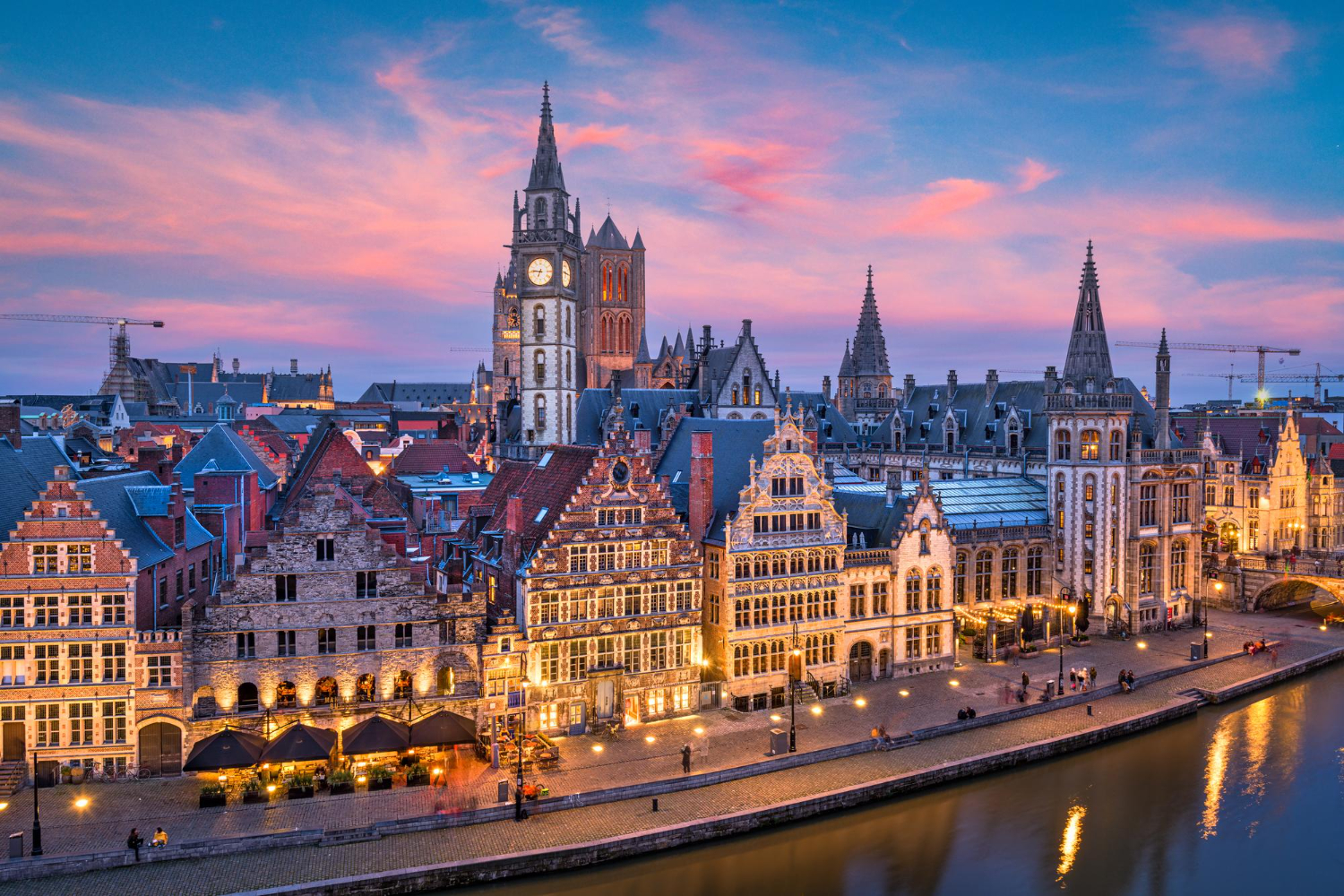
The single clearest pattern in the data is that Europe, and especially Eastern and Central Europe, dominates the top of the list. The European Union is the heaviest-drinking subregion in the world. Across the various rankings, the same names recur near the top: Romania, Latvia, Moldova, the Czech Republic, Lithuania, Georgia, Germany, Bulgaria, and others. By contrast, the lowest-consuming countries are concentrated in the Middle East, North Africa, and South Asia, where religious and cultural norms mean alcohol consumption is minimal or near zero. This East-West and regional divide is one of the most striking features of global drinking data, shaped by centuries of differing cultural traditions, beverage preferences, taxation, and public-health policy. Geography, it turns out, is one of the best predictors of how much a population drinks.
Romania
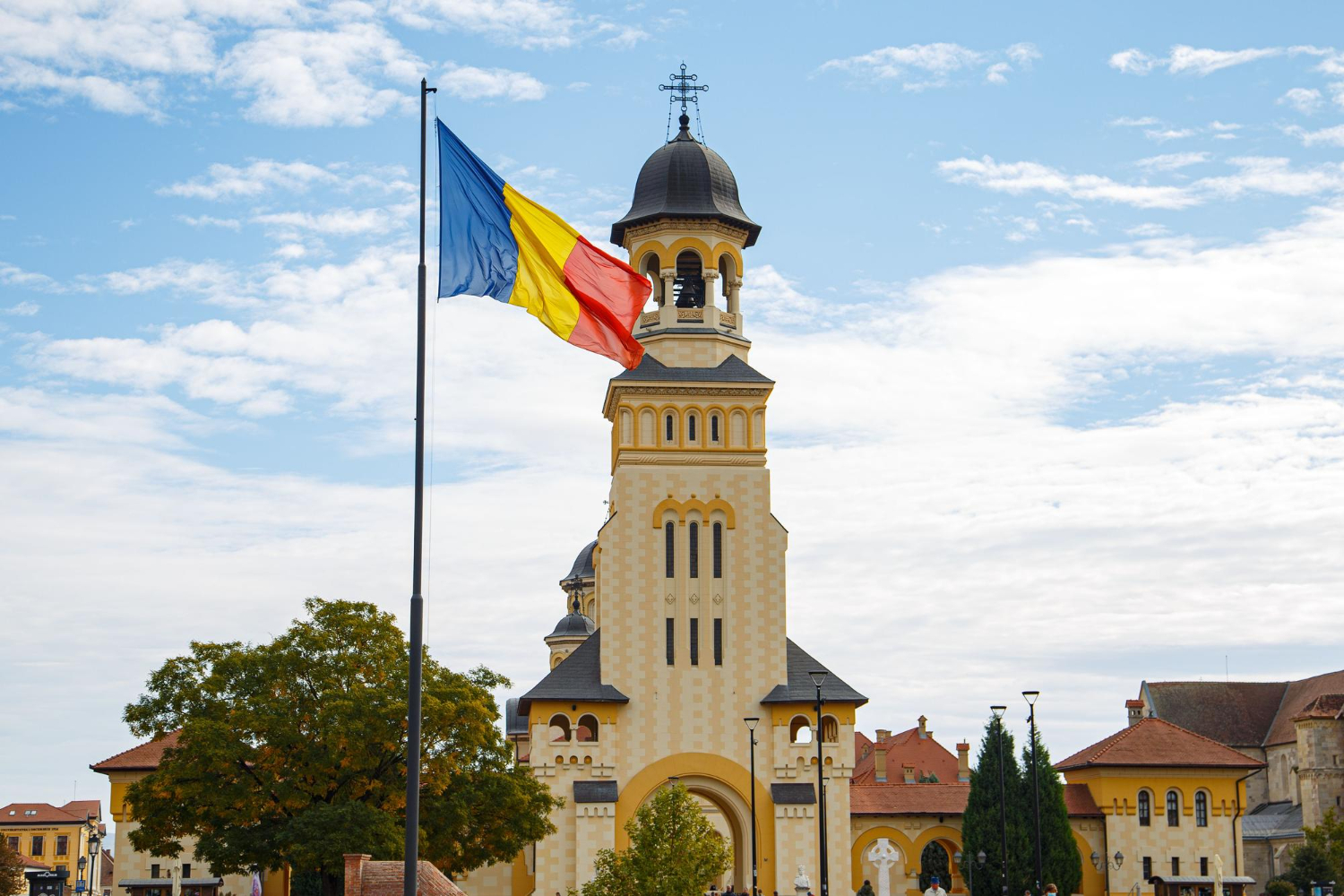
In several recent rankings using the latest available data, Romania sits at or near the very top. One analysis drawing on 2022 figures put Romanian consumption around 17 liters of pure alcohol per person per year, roughly double or more the global average. Alcohol is woven into Romanian life, from village celebrations to urban nightlife, and the country has a strong tradition of homemade plum brandy, known as tuica, alongside growing beer and wine consumption. Men account for a disproportionate share of the total. Romania is also one of the few European countries where per-capita consumption has risen over the past decade, even as much of the continent has trended downward. That combination has earned it the informal, if unflattering, title of one of the world’s heaviest-drinking nations.
Latvia and the Baltic States
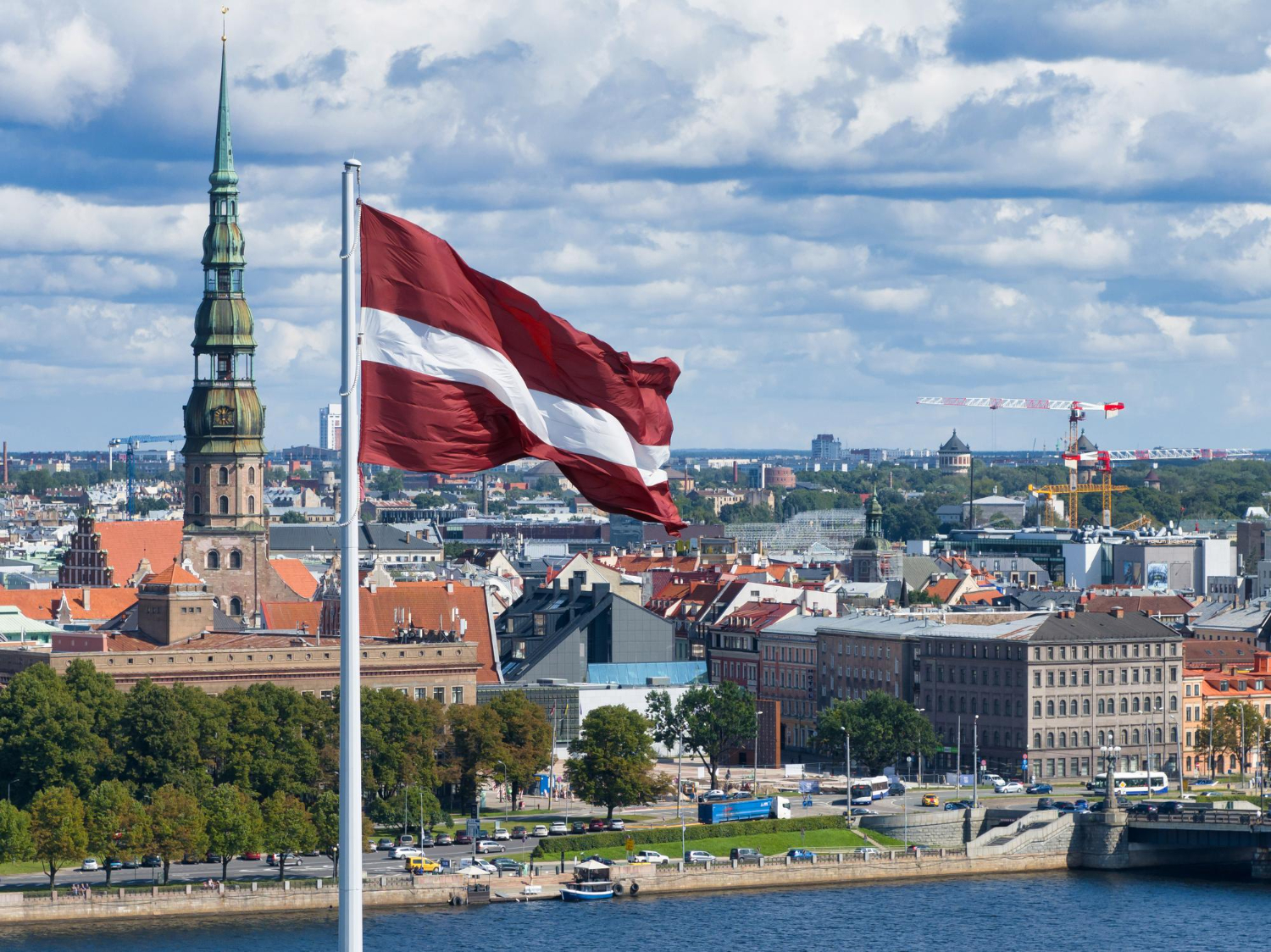
The Baltic states are perennial fixtures near the top of alcohol-consumption rankings, with Latvia frequently leading the group at figures around 13 liters per person in some datasets. Neighboring Lithuania and Estonia also rank high. The Baltics share a drinking culture historically centered on spirits, particularly vodka, which carries a far higher alcohol concentration than beer or wine and pushes per-capita totals upward. Cold climates, long winters, and deep-rooted social traditions around drinking all play a role. Public-health authorities in these countries have introduced measures to curb consumption, and some have seen meaningful declines. Still, the Baltic states remain among the heaviest-drinking nations in the world in most rankings, a reflection of long-standing cultural patterns that are slowly, but only slowly, shifting.
Moldova
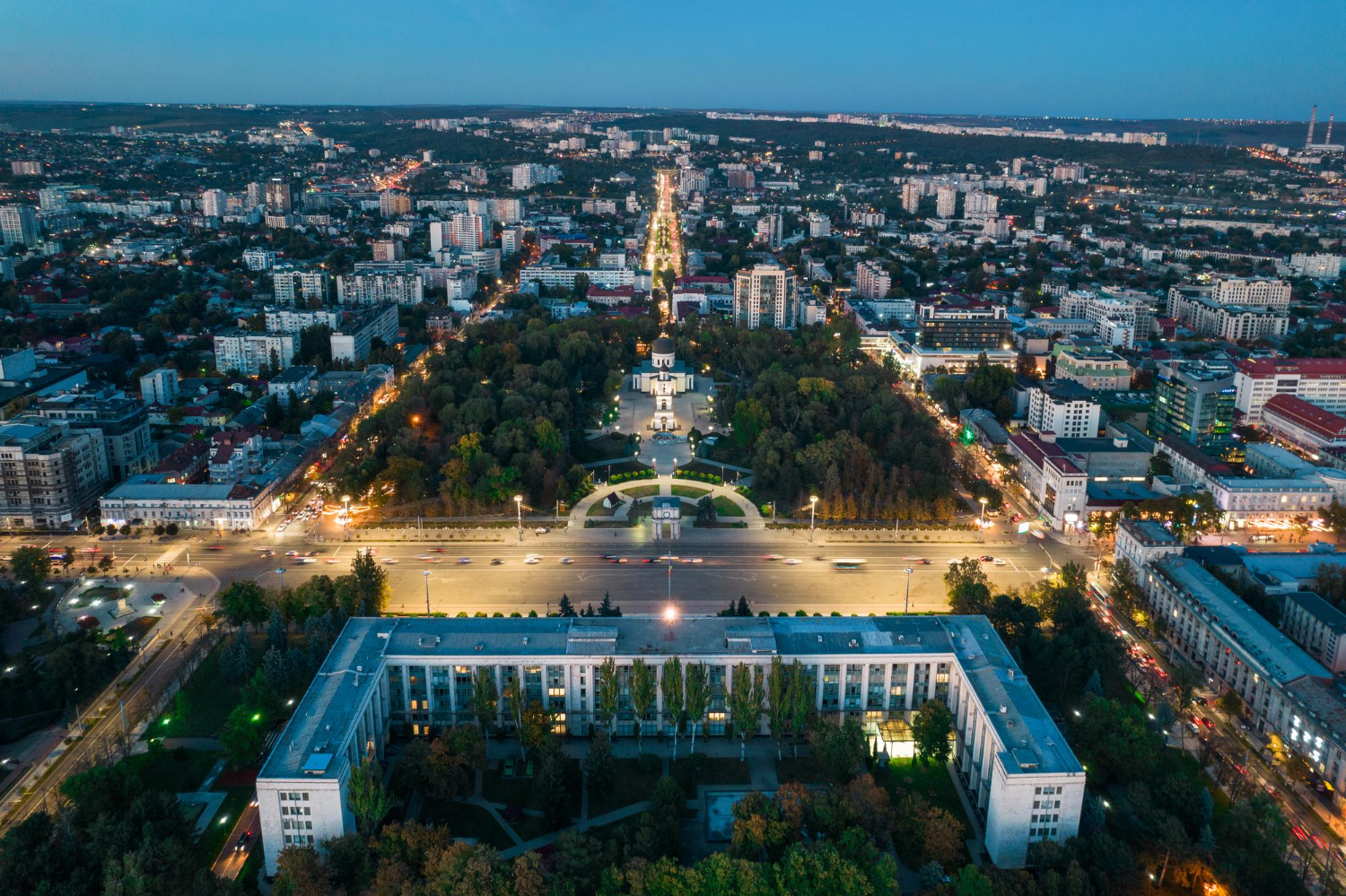
Moldova consistently ranks among the world’s heaviest-drinking countries and has topped some historical WHO rankings outright. A small nation wedged between Romania and Ukraine, Moldova has a centuries-old winemaking tradition, with vineyards that are a genuine point of national pride and a major part of the economy and culture. Wine is the drink of choice, though spirits and beer add to the total, and homemade wine is common in rural households. The result is per-capita consumption that regularly lands in the world’s top tier, often around 12 liters or more depending on the dataset. Public-health campaigns have worked to balance Moldova’s deep cultural attachment to wine with growing awareness of the risks of heavy drinking, a tension common to many of the countries on this list.
The Czech Republic
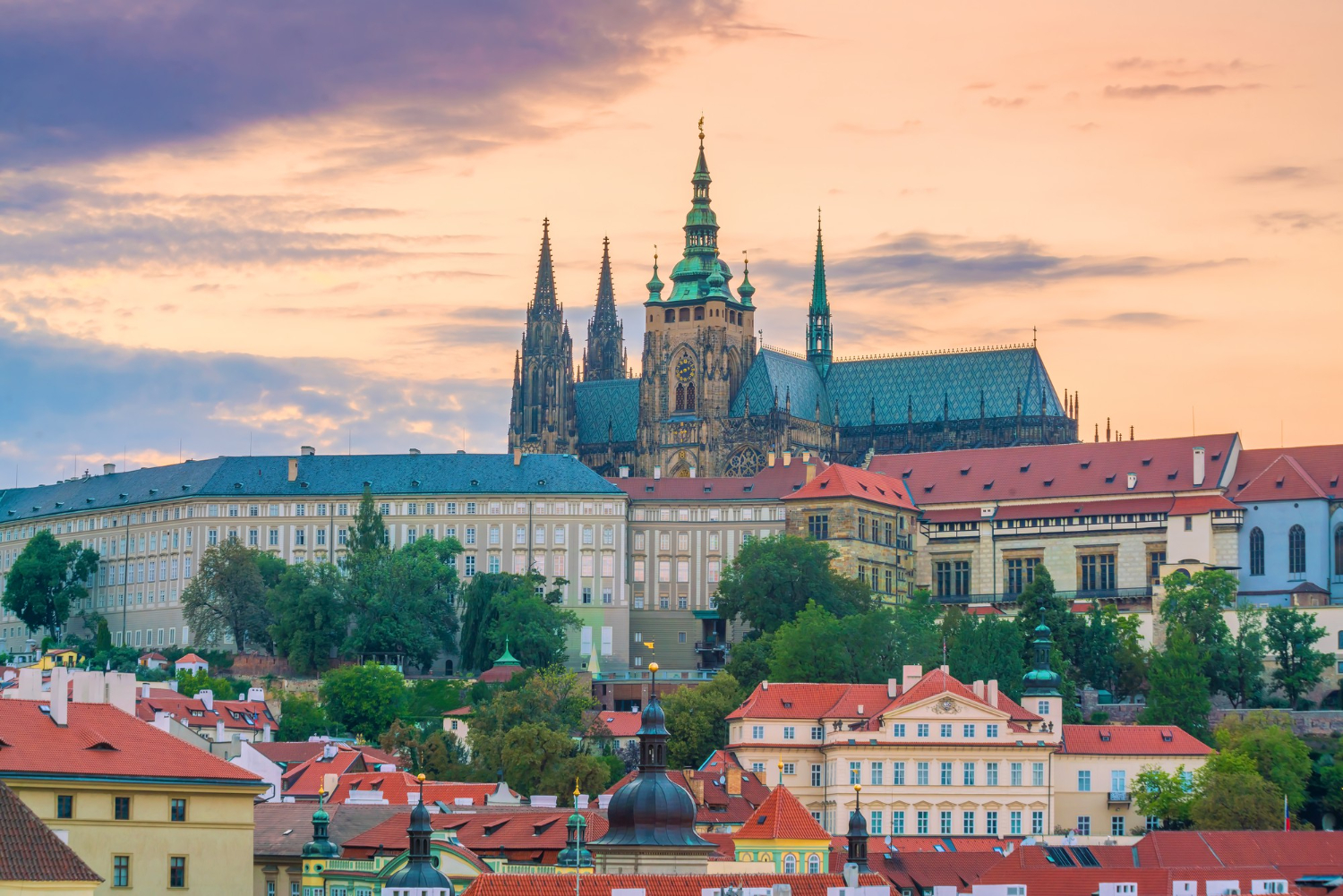
No discussion of heavy-drinking nations is complete without the Czech Republic, the undisputed world capital of beer. Czechs drink more beer per person than any other nation on Earth by a wide margin, and beer is deeply embedded in the national culture, inexpensive, high-quality, and a centerpiece of social life. The country gave the world the original Pilsner style, and its brewing tradition stretches back centuries. While its total pure-alcohol figure is driven overwhelmingly by beer rather than spirits, the Czech Republic regularly appears near the top of overall consumption rankings. For visitors, the country’s beer halls and brewing heritage are a genuine cultural attraction. The Czech relationship with beer is a striking example of how a single beverage can define a nation’s place in these statistics.
Germany, Ireland, and Western Europe
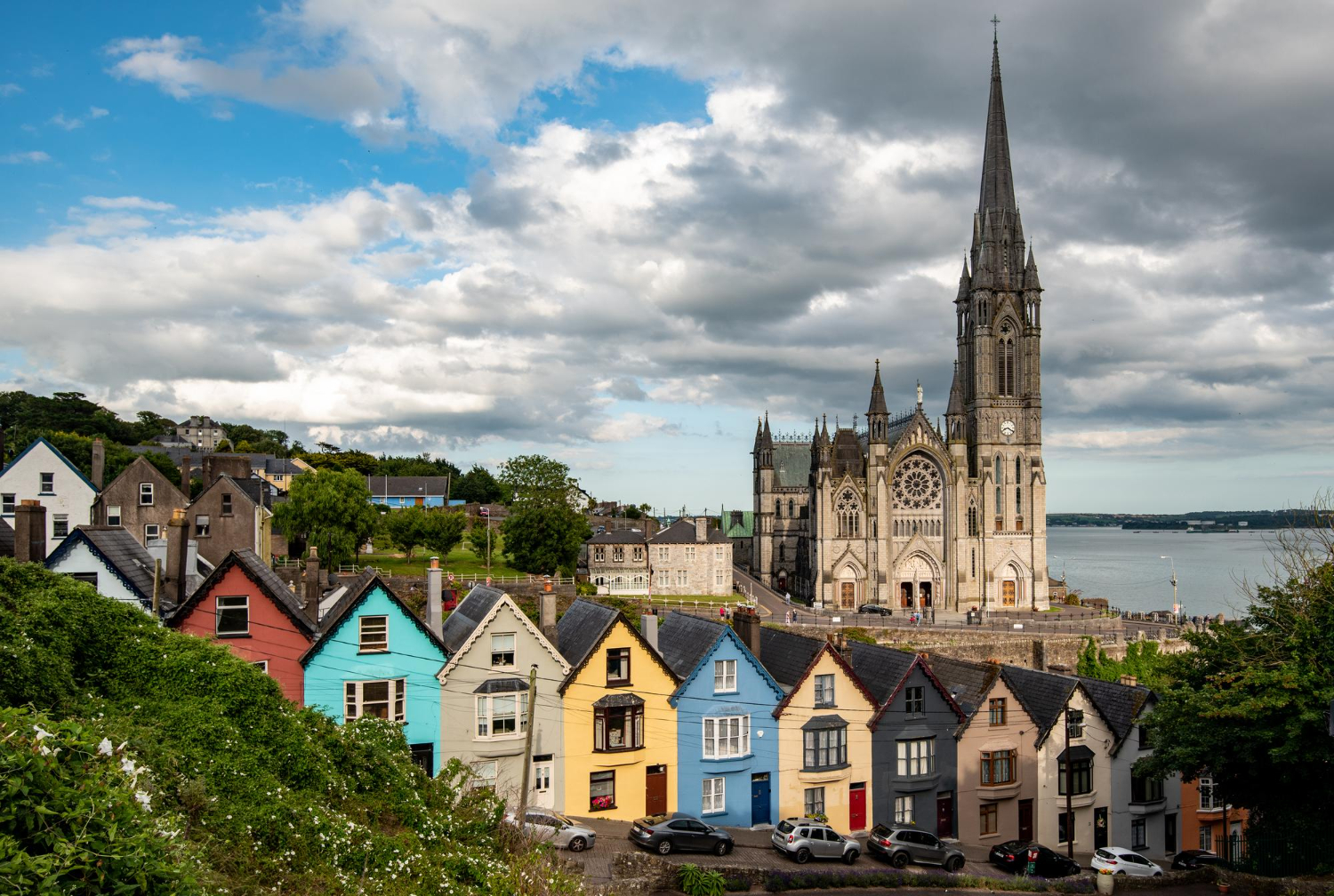
Heavy drinking isn’t confined to the East. Several wealthy Western European countries report consumption near or above 10 liters per person, including Germany, Ireland, France, Austria, Luxembourg, and the United Kingdom. Germany’s beer culture, epitomized by Oktoberfest and its beer gardens, keeps it high in the rankings, while Ireland’s famous pub tradition does the same. These countries combine high incomes, easy availability, and long-standing social drinking customs. Notably, though, consumption across much of Western Europe has been gradually declining over the past decade, part of a broader trend toward more moderate drinking, even as a few countries like Portugal and Spain have bucked it. For comparison, the United States sits below this group, at roughly 9.8 liters per person in recent data.
Why the Same Regions Keep Leading

The persistence of these rankings comes down to a handful of factors. Culture and tradition matter most: in many leading countries, drinking is normalized and woven into celebrations, meals, and daily socializing. Beverage preference plays a role too, nations that favor high-strength spirits tend to post higher pure-alcohol totals than those that lean on lower-strength beer or wine. Easy availability, lower taxation, and historical patterns reinforce the habit. Public-health policy is the main counterweight: countries that raise taxes, restrict sales, or run awareness campaigns tend to see consumption fall over time. The gradual decline across much of Europe shows these levers can work, even if deeply rooted drinking cultures change slowly.
The Global Trend Is Downward

Amid all the rankings, one of the most significant findings is the direction of travel. Across much of the world, and especially in many of the heaviest-drinking European nations, per-capita alcohol consumption has been gradually declining over the past decade. Changing attitudes, particularly among younger generations who in many countries are drinking less than their parents did, along with public-health campaigns, higher taxes, and tighter regulation, have all contributed. A few countries have bucked the trend with rising consumption, but the broad pattern is one of slow moderation. This matters because it shows that drinking cultures, however deeply rooted, are not fixed. The leaderboard of “drunkest countries” is not static; it reflects habits that shift over time as societies, economies, and attitudes change.
The Bigger Picture

It’s worth ending on context rather than a leaderboard. High alcohol consumption carries serious public-health consequences; the WHO links it to increased risk of liver disease, several cancers, cardiovascular problems, and accidents, and in the EU, cancer has become the leading cause of death. That’s precisely why these figures are tracked so carefully, not as a competition, but as a window into population health. Encouragingly, the global trend in many high-consuming regions has been toward moderation, helped by changing attitudes and policy. These rankings are a fascinating snapshot of how culture shapes behavior across borders, but the most meaningful story they tell isn’t about which country “wins,” it’s about the health and habits of populations, and the slow shift toward drinking less. Read that way, a ranking of the world’s heaviest-drinking countries becomes less a curiosity and more a useful prompt to think about culture, policy, and well-being, and about how national habits, given time and attention, can genuinely change.
Like our content? Follow us for more.