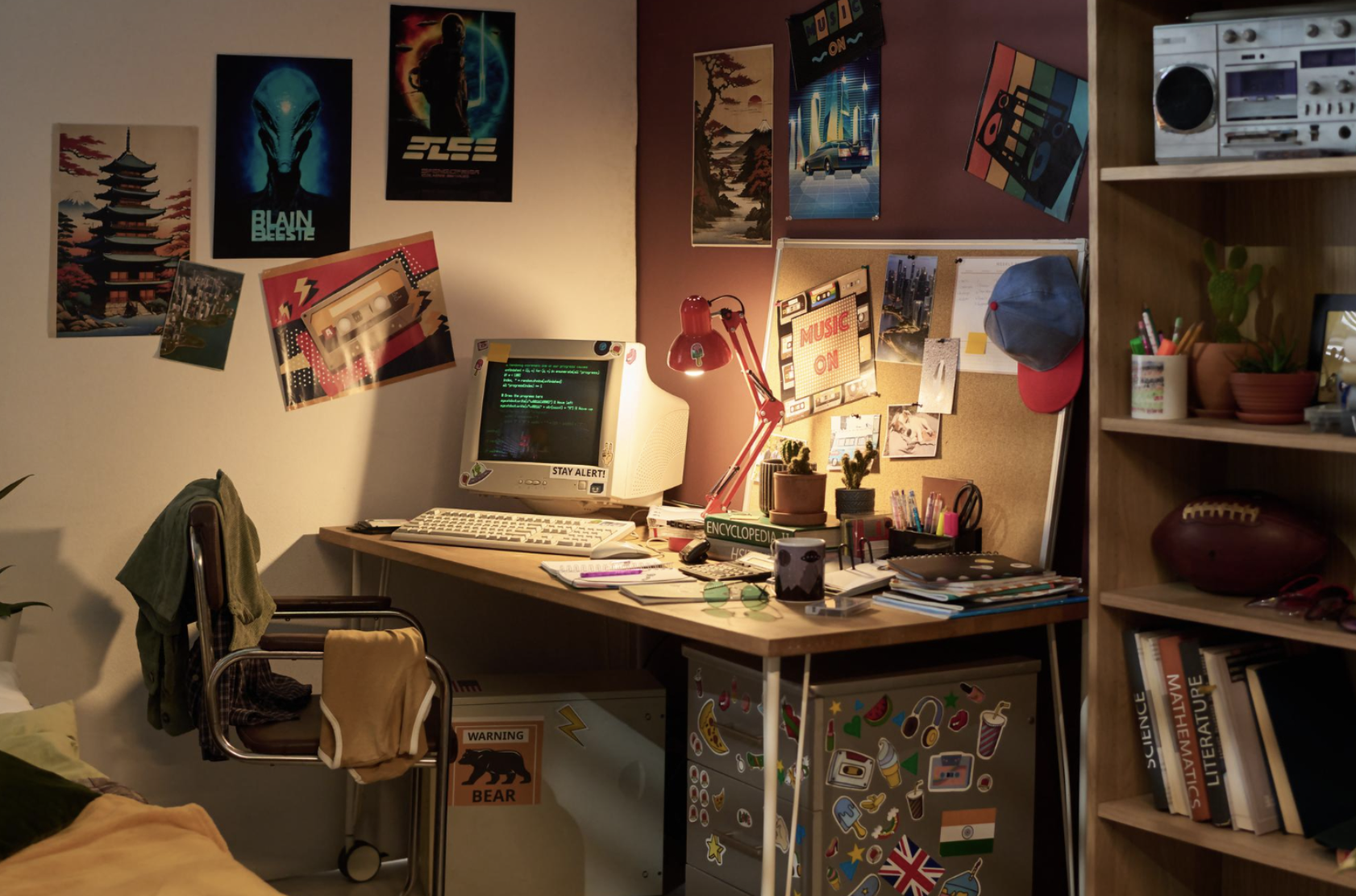
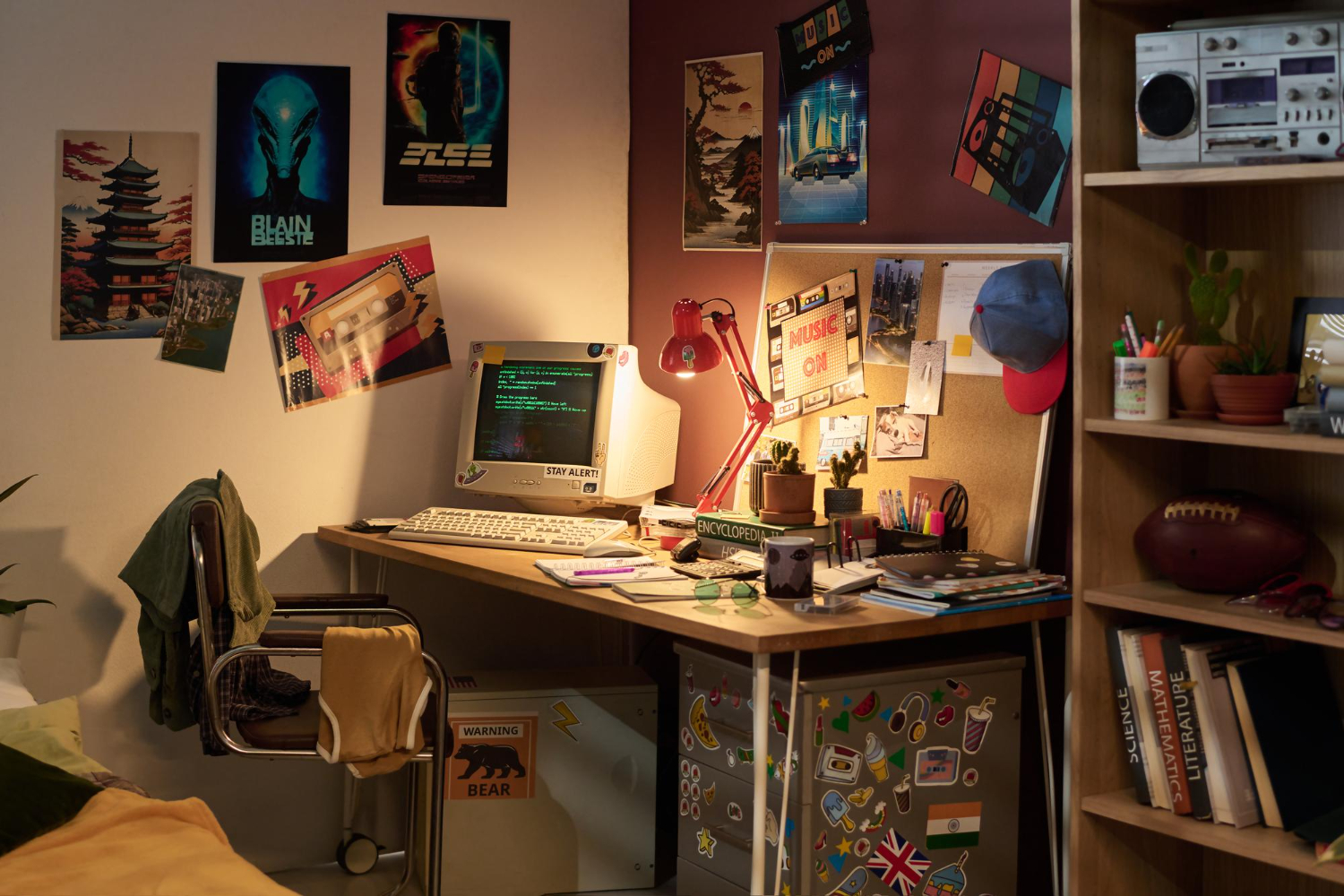
The 1980s were a decade of dazzling technological leaps, when gadgets that once seemed like science fiction landed in everyday homes, pockets, and shoulders. This was the era that made music portable and personal, brought computers into the living room, put the first mobile phones into the hands of the wealthy, and turned recording and playback into household activities. Much of this technology was bulky, expensive, and quickly improved upon, but at the time each device felt like a thrilling glimpse of the future. From the foam-headphoned Walkman to the shoulder-mounted boombox and the comically large “brick” phone, here are the gadgets that defined life in the 1980s, the must-have devices that a generation saved up for and proudly showed off.
The Sony Walkman
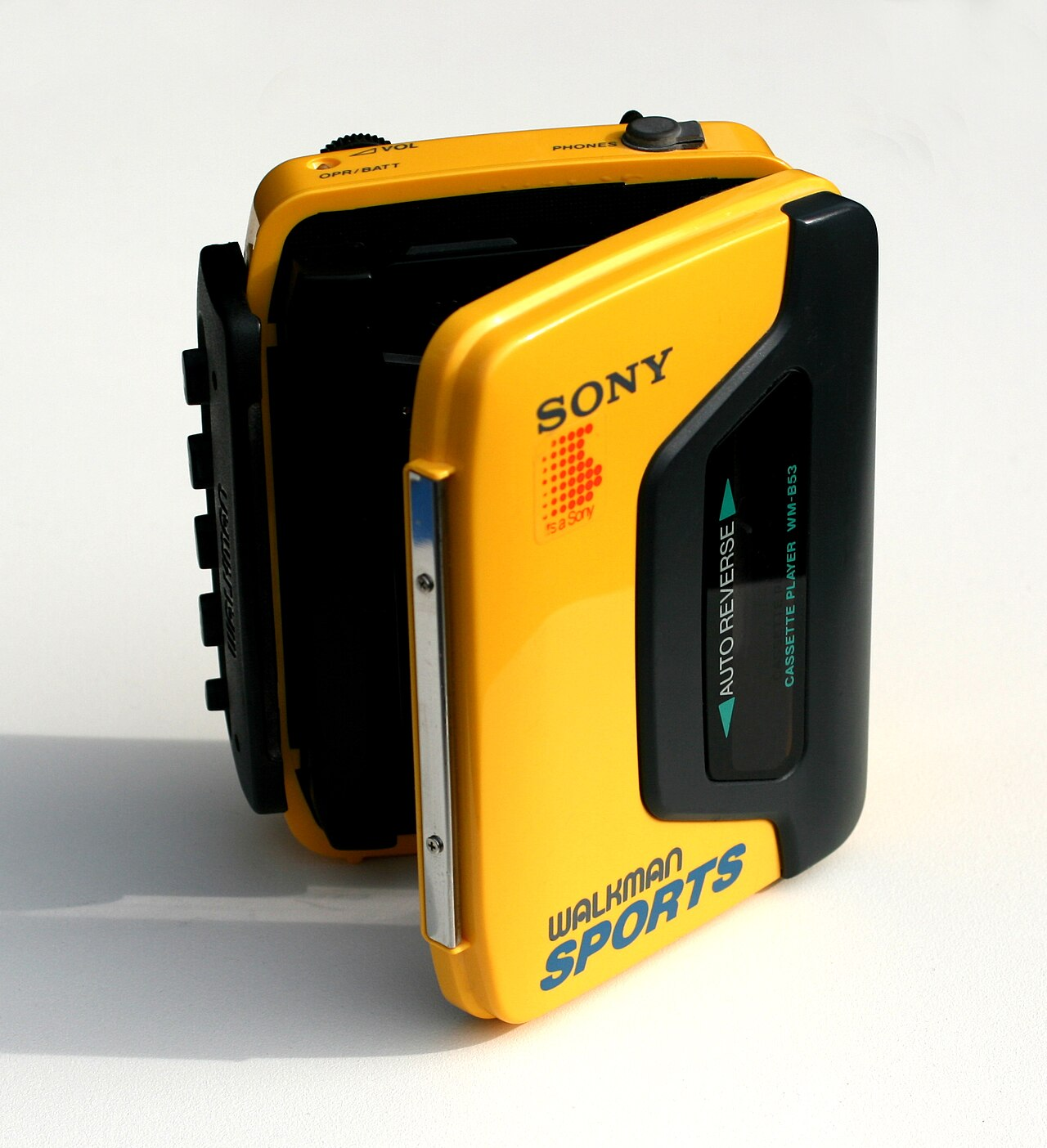
No gadget captures the personal-tech spirit of the eighties like the Sony Walkman. This portable cassette player let people carry their own soundtrack everywhere, listening privately through lightweight foam-covered headphones, a genuinely revolutionary idea when it took off. Suddenly, music wasn’t tied to a stereo at home; it could accompany a walk, a jog, a bus ride, or a school commute. The Walkman made the listening experience personal and solitary in a way that had never been possible, and it became a status symbol and a constant companion for teenagers and adults alike. It spawned countless imitators and fundamentally changed our relationship with music, laying the conceptual groundwork for every personal music device that followed.
Like our content? Follow us for more.
The Boombox
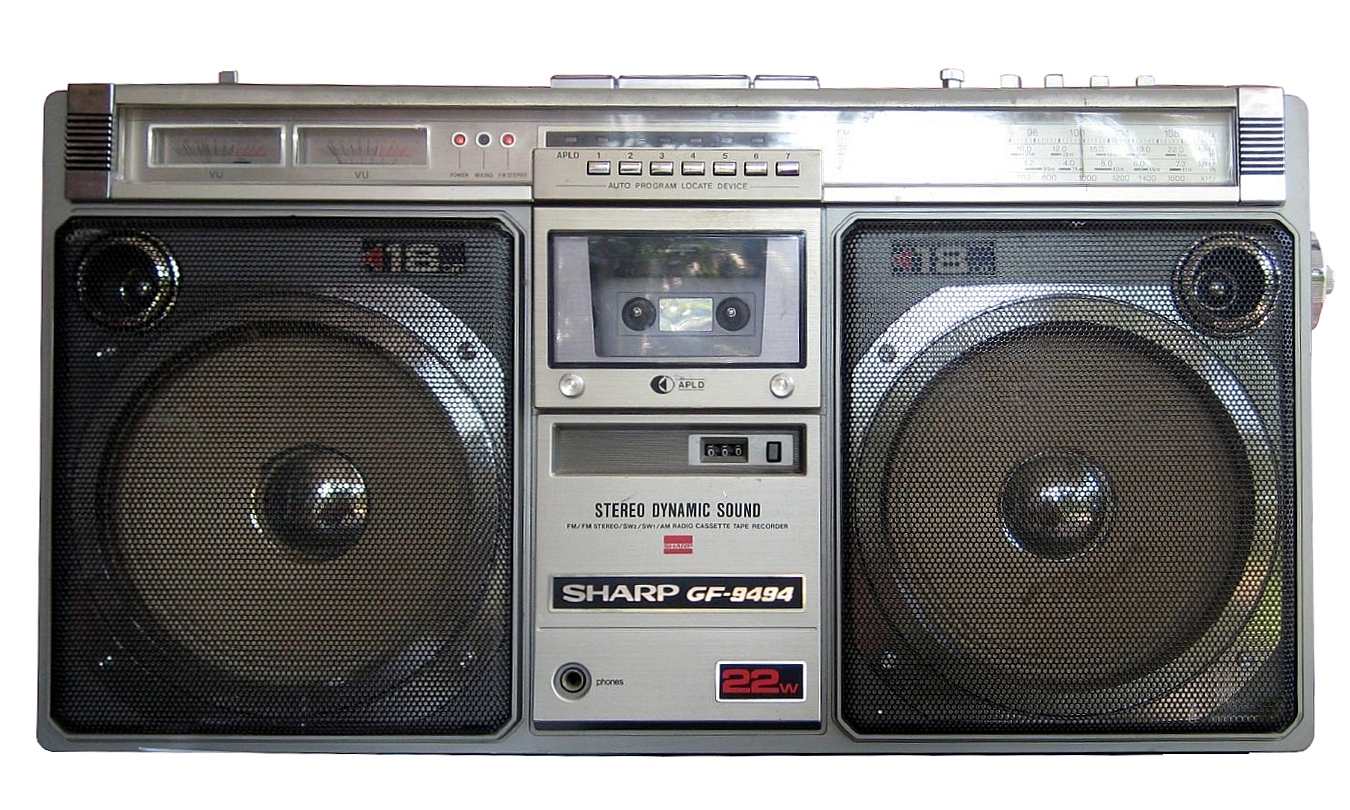
If the Walkman was about private listening, the boombox was its loud, proud opposite. This large, portable stereo, often carried on the shoulder, packed cassette decks, a radio, and powerful speakers into one heavy unit designed to share music with everyone within earshot. Boomboxes were the soundtrack of street corners, parks, parties, and the era’s burgeoning hip-hop and breakdancing scenes. The bigger and louder, the better, and a top-of-the-line model with dual cassette decks for copying tapes was a genuine prize. The boombox was as much a cultural statement as a gadget, embodying the decade’s bold, social, music-loving energy. Its iconic silhouette remains one of the most recognizable symbols of the 1980s.
The VCR
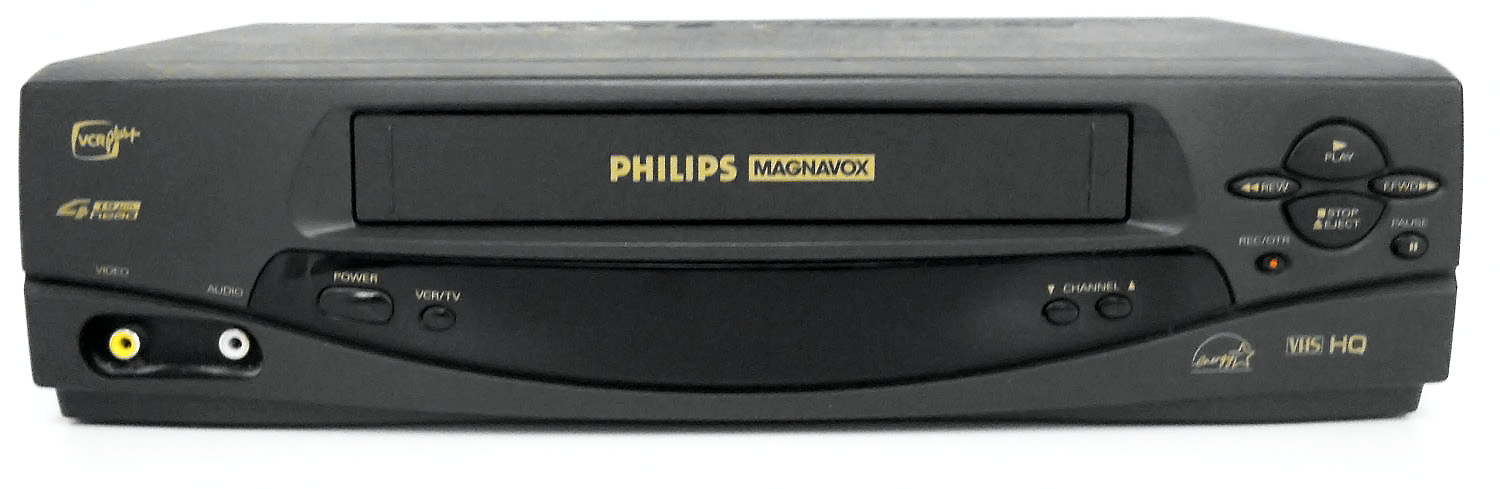
The videocassette recorder transformed home entertainment in the 1980s, evolving from an expensive luxury into a common household appliance over the course of the decade. For the first time, families could record television programs to watch later and rent movies to play at home, giving rise to the beloved ritual of the weekend trip to the video rental store. Programming the VCR’s clock and timer was famously baffling, and the blinking “12:00” became a running joke in households everywhere. The VHS format won out over its rivals, and the machine put a vast library of films at people’s fingertips. The VCR fundamentally changed when and how people watched movies and television, making on-demand viewing a reality.
The Home Computer
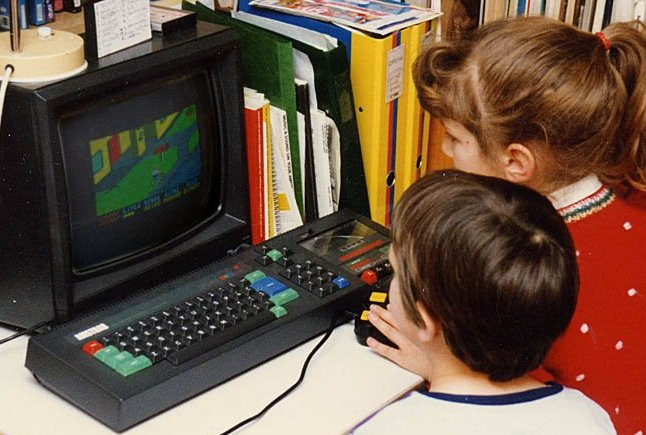
The 1980s brought the computer into the family home for the first time, and few machines did more than the Commodore 64. Released in 1982, it became one of the best-selling computers of all time, offering color graphics, sound, and a library of games and programs at a price ordinary families could manage. Alongside machines from Apple and IBM, these home computers introduced millions to word processing, simple programming, and gaming. Software loaded from floppy disks or even cassette tapes, and the experience required patience, but the sense of possibility was enormous. For a generation of kids, the home computer was their first window into the digital world, and it sparked a lifelong fascination with technology that would shape the decades ahead.
The “Brick” Cell Phone
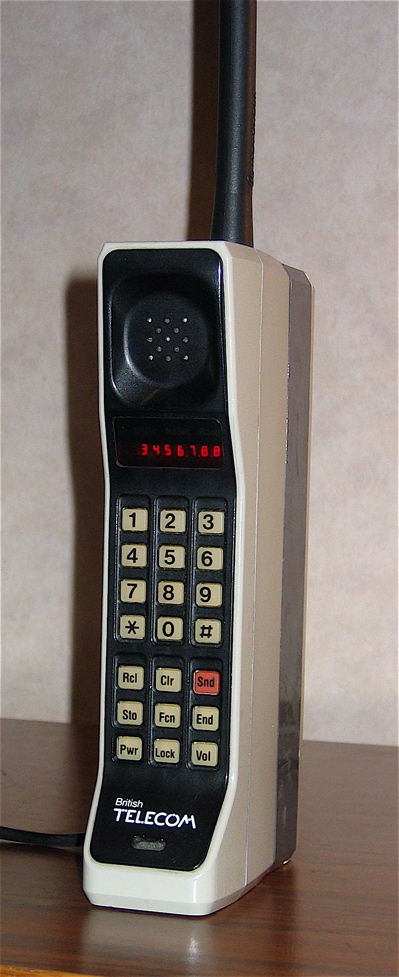
The 1980s introduced the world to the mobile phone, and it was a far cry from today’s sleek devices. The Motorola DynaTAC 8000X, which went on sale in 1983, was the first commercially available handheld cell phone, and it was enormous, nearly a foot long, weighing around two pounds, and earning the affectionate nickname “the brick.” It cost close to 4,000 dollars, offered only about half an hour of talk time, and took ten hours to recharge, making it strictly a gadget for the wealthy and a symbol of status and success. Few people actually owned one, but the brick phone captured the decade’s futuristic ambition. It was the unlikely ancestor of the smartphone in everyone’s pocket today.
The Answering Machine
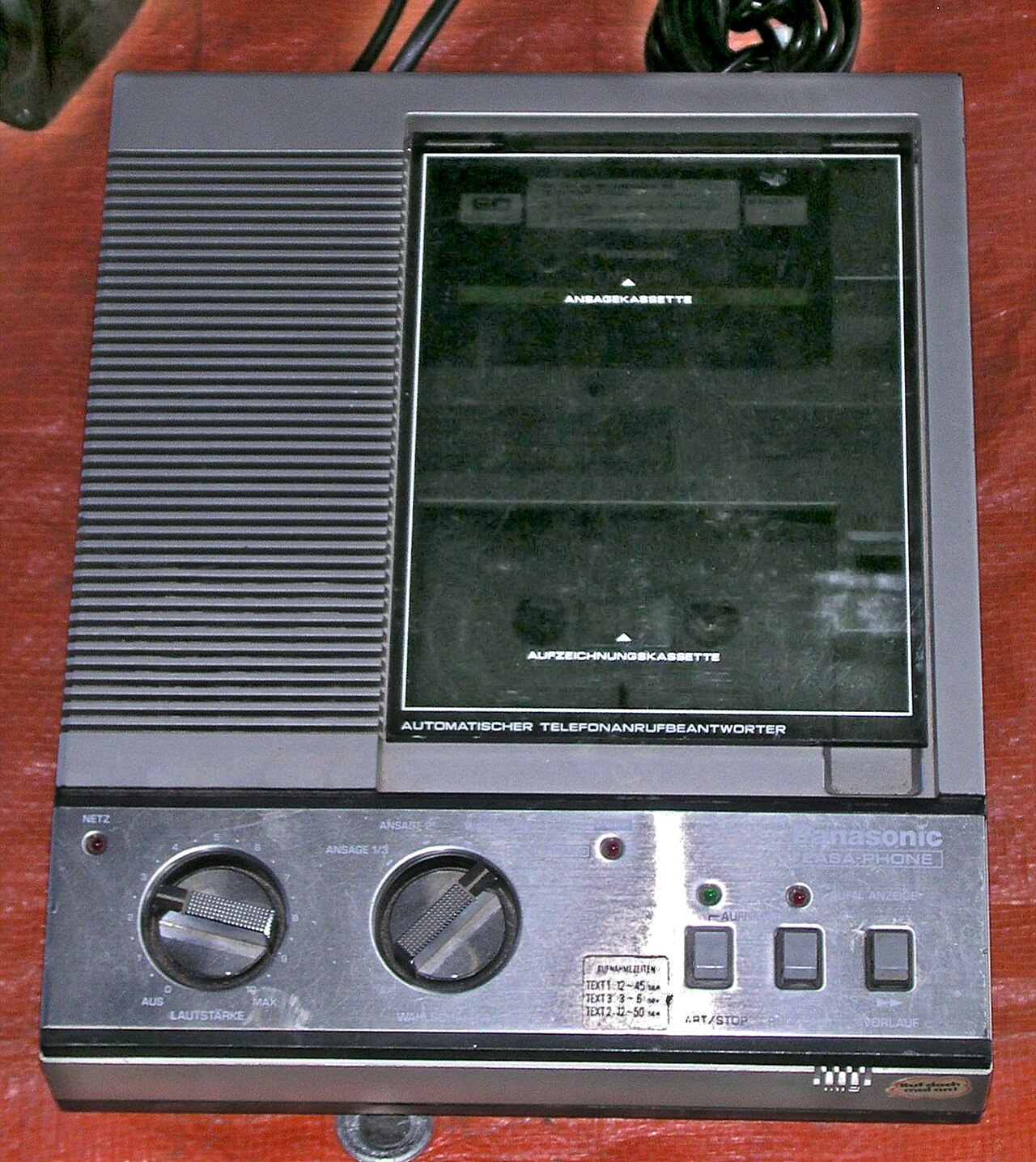
Before voicemail lived in the cloud, the answering machine sat by the home phone, and in the 1980s it became a common household fixture. This device used a cassette tape to record a personalized outgoing greeting and to capture messages from callers when no one was home. Coming home to a blinking light meant someone had called, and the ritual of playing back messages, sometimes for the whole family to hear, was a daily routine. Crafting the perfect, often humorous outgoing message became a minor art form. The answering machine freed people from missing calls and gave the household phone a memory for the first time. It was a small but genuinely useful innovation that changed how people stayed in touch.
The Cordless Phone
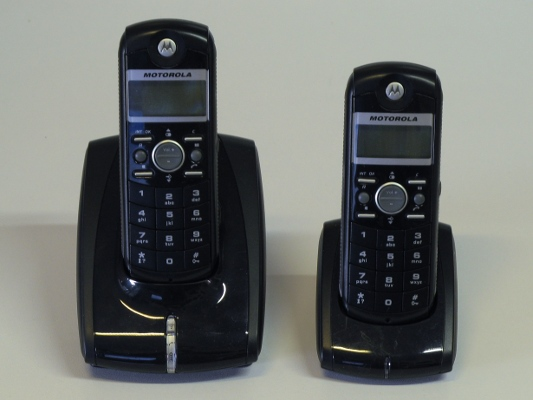
The cordless phone liberated the household from the tyranny of the tangled cord. As the technology became affordable in the 1980s, families could finally walk around the house, even step into the yard, while talking on the phone, untethered from the wall jack for the first time. Early models were chunky, with long pull-up antennas and limited range that faded if you wandered too far, but the freedom they offered felt like a small miracle. Teenagers especially prized the ability to take a call to their bedroom for a private conversation, away from the family. The cordless phone was a modest gadget that meaningfully changed daily life, and it paved the way for the fully mobile communication we now take for granted.
The Camcorder
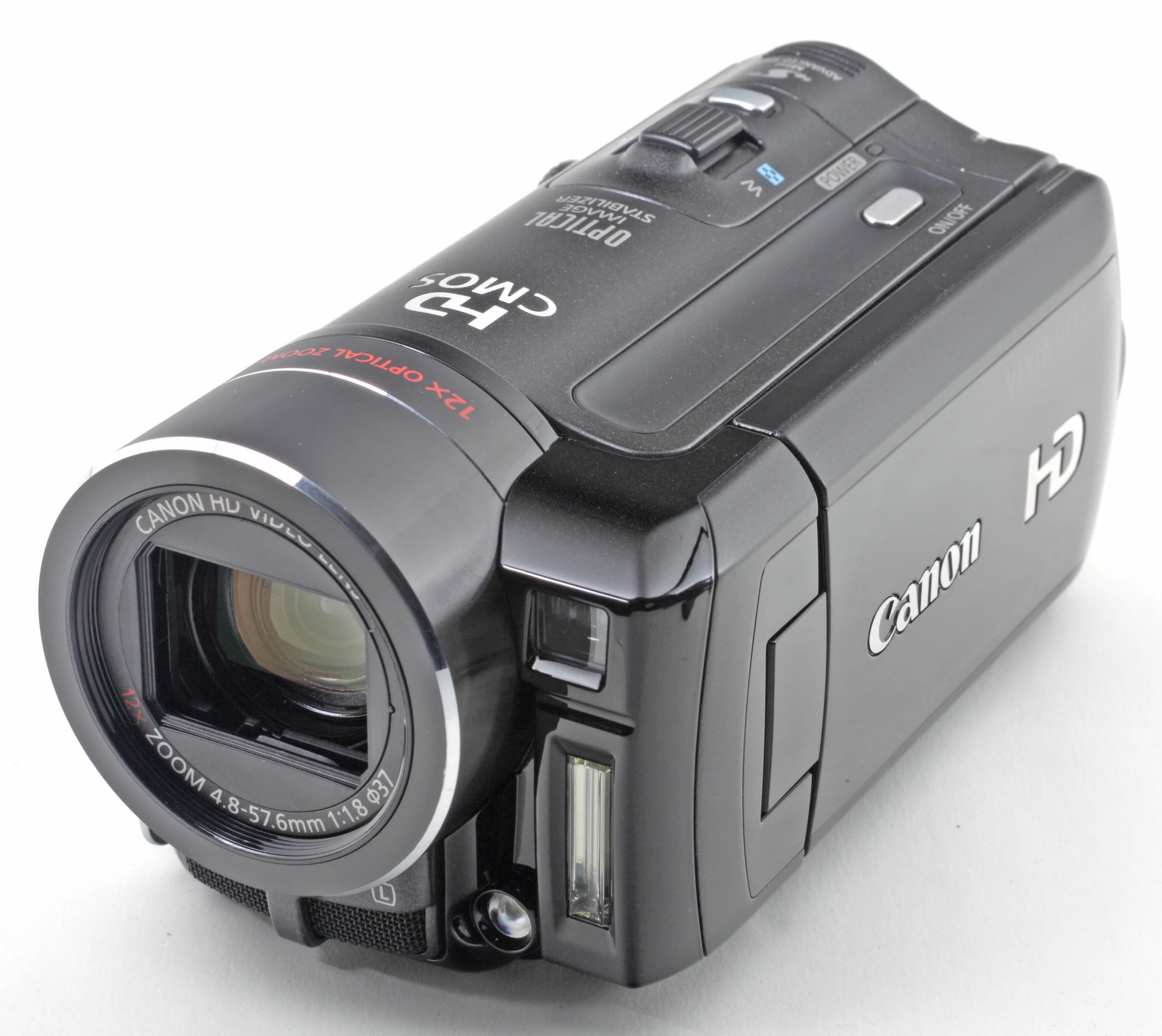
Capturing home movies became dramatically easier in the 1980s with the arrival of the consumer camcorder. Combining a video camera and recorder into a single shoulder-mounted or handheld unit, the camcorder let families film birthdays, holidays, vacations, and everyday moments and play them back on the VCR at home. Earlier home-movie cameras had used film that needed developing; the camcorder recorded straight to tape, ready to watch instantly. Though the early models were bulky and the footage often shaky, the ability to record life as it happened, with sound, was transformative. The camcorder created a vast archive of authentic eighties family life, and the slightly grainy, time-stamped look of its footage is now itself a nostalgic hallmark of the era.
The Compact Disc
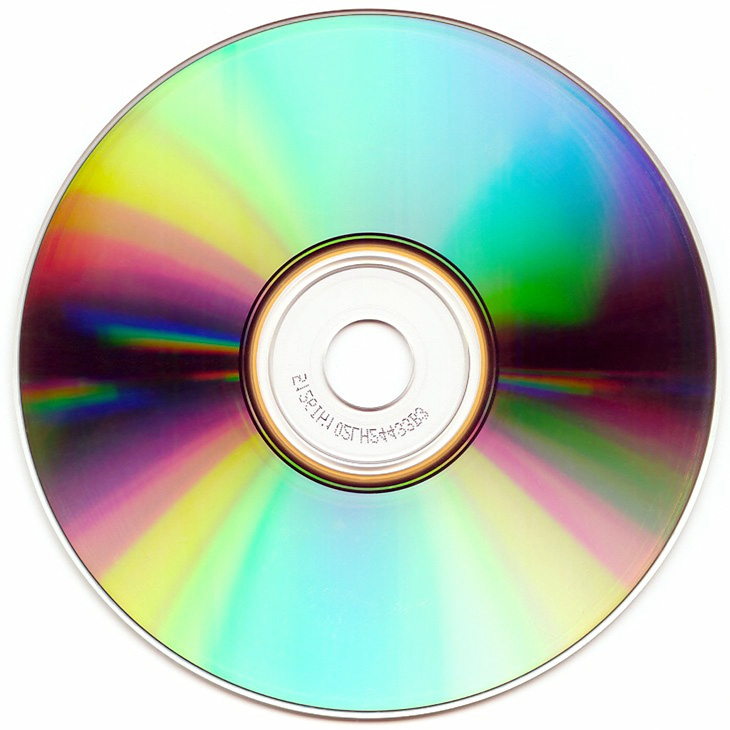
The 1980s ushered in a new era of music with the arrival of the compact disc. Introduced commercially in the early eighties, the CD offered crystal-clear digital sound and durability that vinyl records and cassette tapes couldn’t match, with no surface hiss and no rewinding. The shimmering silver discs felt futuristic, and CD players, initially expensive, gradually became more affordable as the decade went on. The format promised perfect sound that wouldn’t degrade with play, and music lovers began rebuilding their collections in the new digital medium. The CD’s arrival marked the beginning of the shift from analog to digital music that would define the coming decades. By the end of the eighties, it was clear the compact disc represented the future of recorded sound.
The Digital Watch and Calculator
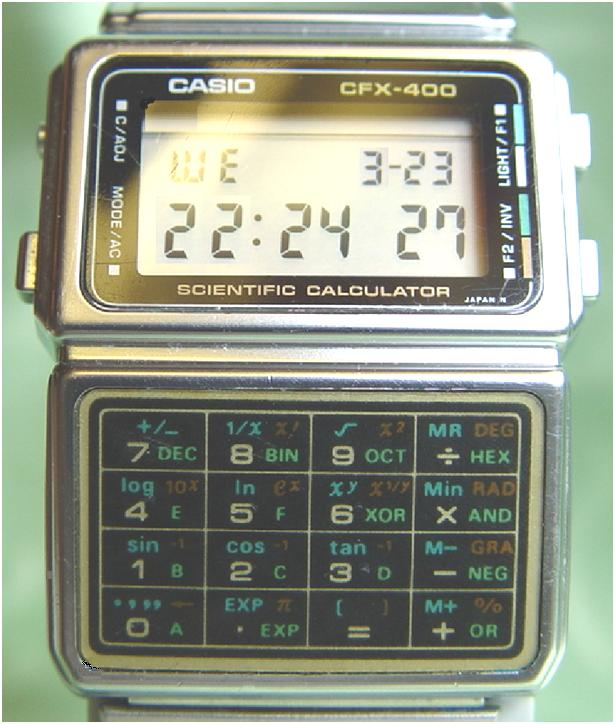
Wrist-worn technology came into its own in the 1980s, led by affordable digital watches from makers like Casio. These watches did far more than tell time, packing in stopwatches, alarms, backlights, and, in some models, a tiny built-in calculator complete with the miniature buttons you pressed with a fingertip or pen. The calculator watch became an icon of eighties gadget culture, a small marvel of miniaturization worn proudly on the wrist. Digital watches were inexpensive, durable, and endlessly featured, a contrast to the luxury LED watches of the previous decade. They put a surprising amount of functionality on the wrist and became a beloved everyday gadget, especially among students and tech enthusiasts. For many, that beeping digital watch was the first piece of personal technology they ever owned.
A Future You Could Hold
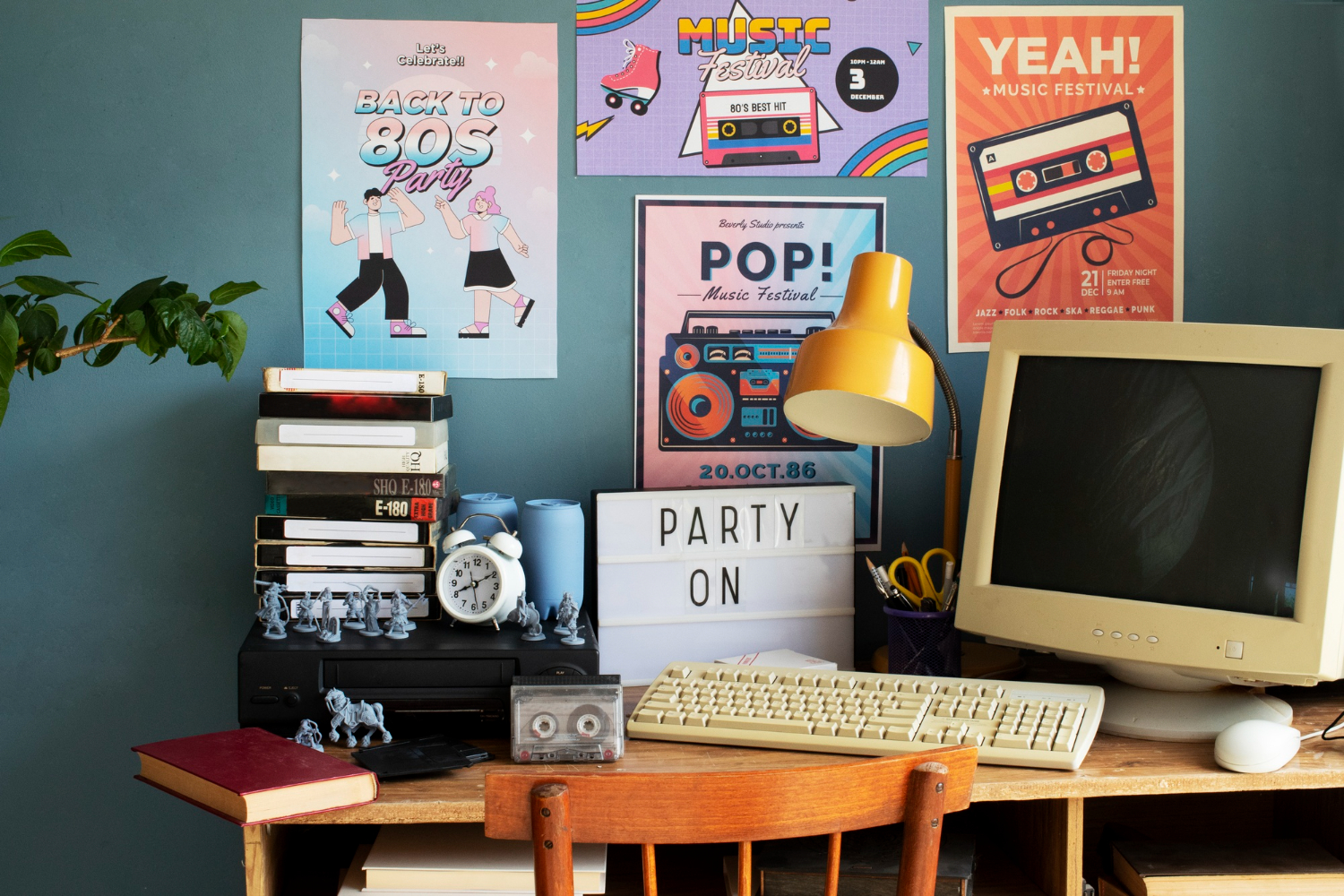
The gadgets of the 1980s were bulky, pricey, and quickly outdated, yet they represented some of the most exciting leaps in everyday technology of the twentieth century. The Walkman and boombox revolutionized music, the VCR and camcorder transformed how we recorded and watched life, the home computer opened the digital door, and the brick phone hinted at a mobile future few could yet imagine. Each device felt like a tangible piece of tomorrow, something to save up for and show off to the neighbors. Looking back, it’s striking how directly these eighties innovations led to the smartphones, streaming, and personal tech we rely on now. For anyone who lived through it, that first taste of the gadget age remains unforgettable.
Like our content? Follow us for more.