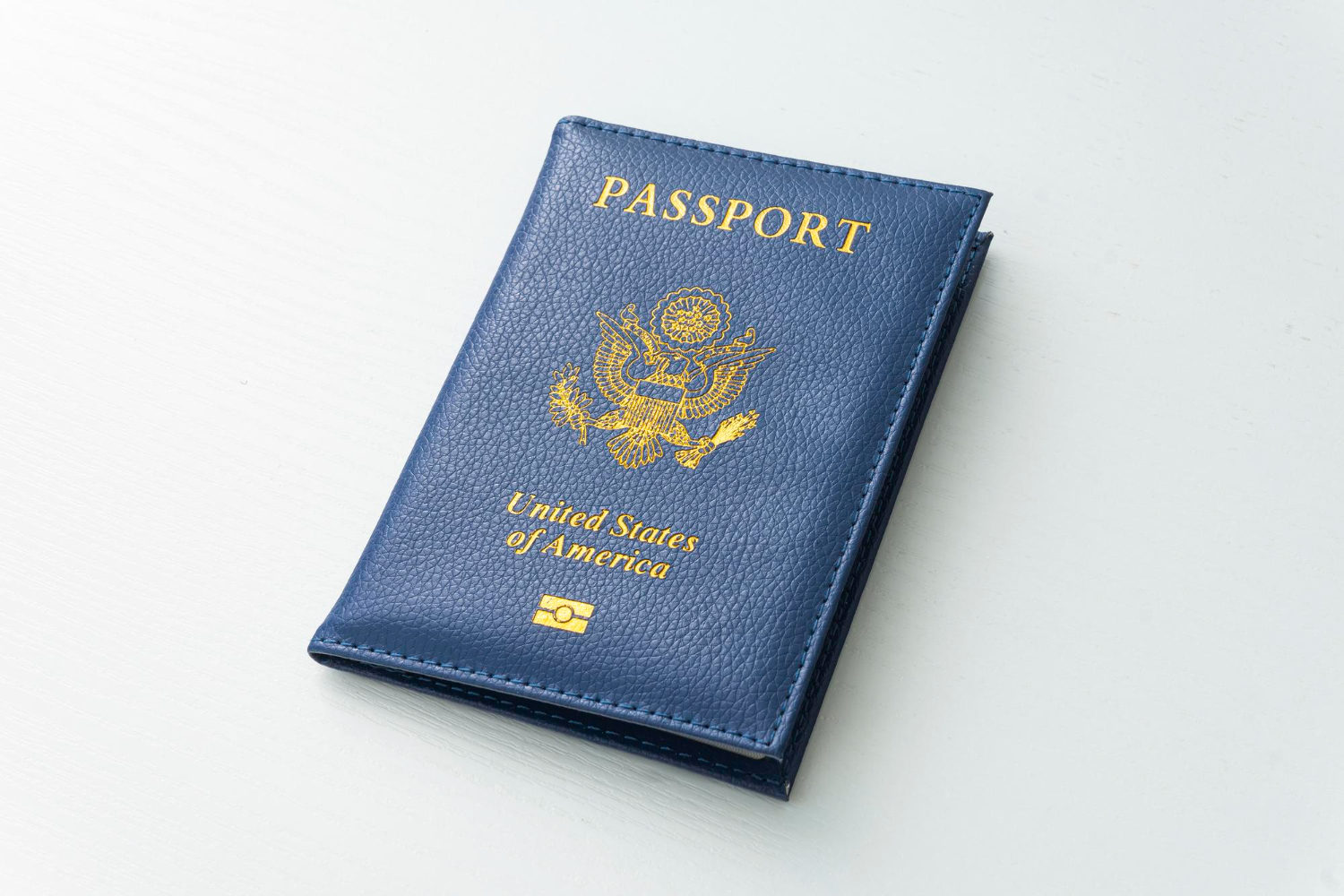
Before you book a trip somewhere off the beaten path, it’s worth knowing what your own government thinks about your destination. The US State Department maintains a travel advisory system that rates every country in the world by risk, and at the most serious end sits Level 4: “Do Not Travel.” As of early 2026, around twenty countries carry that highest warning, flagged for dangers like armed conflict, terrorism, kidnapping, or the inability of the US to help citizens in an emergency. But these ratings are widely misunderstood. Here’s how the advisory system actually works, which countries are currently on the most serious list and why, and how to use this information to travel smarter, without giving in to unnecessary fear.
A note on approach: this article is about official government guidance and how to interpret it, not a judgment of any country’s people, culture, or worth as a place. Advisories reflect current security and safety conditions, which can and do change quickly. Always consult official sources directly before making any decision.
How the US Travel Advisory System Works
The State Department uses a clear, four-tier system to rate the risk of travel to every country, designed to give Americans actionable safety guidance. Level 1, “Exercise Normal Precautions,” is the lowest, applied to destinations that are generally safe, where ordinary common sense is enough; most popular tourist countries fall here. Level 2, “Exercise Increased Caution,” flags somewhat elevated risks, such as higher crime or terrorism concerns, but travel remains reasonable with care. Level 3, “Reconsider Travel,” signals serious risks and advises avoiding non-essential trips. Level 4, “Do Not Travel,” is the gravest, reserved for places where the danger to personal safety is considered extreme. Understanding these tiers is the first step to interpreting any advisory sensibly rather than reacting to a scary-sounding label.
Like our content? Follow us for more.
What “Level 4: Do Not Travel” Really Means

A Level 4 advisory is the strongest warning the State Department issues. It’s applied to destinations where conditions pose the most severe threats, which can include active armed conflict, widespread violent crime, terrorism, civil unrest, the risk of kidnapping or wrongful detention, or serious health and infrastructure emergencies. Crucially, it also often signals that the US government has limited or no ability to assist its citizens in an emergency in these places, sometimes because embassy operations are reduced or suspended. Travelers are urged not to go at all, and Americans already there are advised to leave if they can do so safely. It is, in short, the government saying the risks are simply too high to recommend any travel under normal circumstances.
Around Twenty Countries Currently Carry the Warning

As of early 2026, roughly twenty to twenty-three countries and territories sit at Level 4, the exact number shifting as conditions are reviewed and updated. Reporting on the current list includes countries such as Afghanistan, Syria, Yemen, Somalia, South Sudan, Sudan, Libya, Mali, Burkina Faso, Niger, the Central African Republic, Iraq, Iran, Lebanon, North Korea, Belarus, Russia, Ukraine, Haiti, and Venezuela, among others, along with certain territories. The common threads are clear: many are experiencing active or recent armed conflict, while others are flagged primarily for terrorism, kidnapping risk, the danger of wrongful detention, or political instability. The mix illustrates that “dangerous for travelers” can stem from very different causes, from war zones to places where the primary concern is the risk of being detained.
Why Each Country Is Flagged Varies Widely

It’s a mistake to lump all Level 4 countries together, because the reasons behind the rating differ enormously. Some, like several nations in conflict, are flagged because of ongoing warfare that makes any travel perilous. Others are listed chiefly due to the threat of terrorism or kidnapping of foreigners. A few appear primarily because of the risk that travelers could be wrongfully detained by the local government, a different kind of danger entirely. Reporting has noted, for instance, that countries can land at Level 4 for arbitrary arrest and detention rather than street-level violence. Understanding the specific reason behind a given advisory matters, because it shapes the nature of the risk and underscores that a single label can describe very different situations on the ground.
Advisories Change, Often Quickly

One of the most important things to understand is that travel advisories are not permanent. The State Department continually reviews and updates them as conditions evolve, so a country’s level can rise or fall, sometimes rapidly, in response to events. A place that is Level 2 today could move to Level 3 after an outbreak of unrest, while a country might eventually see its rating lowered as stability improves. This is why checking the official advisory shortly before you travel, rather than relying on an article or an old impression, is essential. The list of Level 4 countries is best understood as a snapshot of a particular moment, not a fixed verdict. What’s accurate today may be out of date in a matter of weeks or months.
Danger Is Often Local, Not National

Another crucial nuance: a country’s overall rating doesn’t always tell the whole story, because risk is frequently concentrated in specific regions rather than spread evenly nationwide. The State Department often issues advisories that distinguish between areas within a country, warning travelers away from particular provinces or border zones while noting that other regions, including major tourist areas, may be considerably safer. A country might carry an overall Level 2 rating while specific regions within it are flagged at Level 4 due to localized issues. This is why reading the detailed advisory, not just the headline number, is so valuable. It helps travelers understand exactly where the serious risks lie and avoid painting an entire nation with a single broad brush.
The Difference Between Caution and Fear

It’s worth keeping all of this in perspective. The vast majority of the world’s countries sit at Level 1 or Level 2, meaning they’re considered safe for travelers exercising normal good sense. Even within the more serious tiers, experts note that perceived risk can sometimes outstrip the reality on the ground in certain areas, and that some places carrying warnings still contain regions of genuine beauty, rich culture, and welcoming people. The goal of an advisory is to inform, not to frighten. Used well, it’s a tool for making clear-eyed decisions, taking sensible precautions where needed, avoiding genuinely dangerous situations, and traveling confidently everywhere else, rather than a reason to abandon international travel altogether out of generalized anxiety.
How to Travel Smarter With Advisories

So how should you actually use this information? Start by checking the official State Department travel advisory for your specific destination, and read the full detail, not just the level, to understand which areas and risks apply. Sign up for the government’s traveler enrollment program, which can provide alerts and help authorities reach you in an emergency. Research your destination thoroughly, monitor reputable local news, and consider comprehensive travel insurance, ideally a policy that addresses emergencies and evacuations. Keep copies of your important documents, share your itinerary with someone at home, and stay aware of your surroundings. For higher-risk destinations, professional security guidance or organized tours can add a layer of safety. These habits help you travel responsibly whether your destination is a Level 1 favorite or somewhere more complex.
Other Countries Issue Their Own Guidance

It’s also worth remembering that the US system is just one perspective. Other governments, such as the United Kingdom, Canada, and Australia, maintain their own travel advisory systems, and their assessments don’t always match America’s exactly. The lists frequently overlap, especially for active conflict zones, but they can diverge on specific countries or regions based on differing diplomatic relationships and risk assessments. For a fuller picture, especially for borderline destinations, it can be worth comparing advisories from multiple governments. This cross-referencing can reveal whether a warning reflects a broad international consensus about genuine danger or a more country-specific concern, helping you form a more balanced, well-rounded view before making your decision.
The Bottom Line for Travelers
Travel advisories exist to keep people safe and informed, and the Level 4 list represents the destinations where, right now, the risks are considered most severe. For the average traveler, the practical takeaway is simple: take the highest-level warnings seriously, since they typically reflect genuine and serious dangers like conflict or kidnapping, and recognize that the government’s ability to help you in those places may be limited. At the same time, don’t let the existence of a “dangerous countries” list fuel a fear of the wider world, which remains overwhelmingly accessible and welcoming. Check the official, up-to-date guidance for wherever you’re headed, read the details carefully, take appropriate precautions, and then go explore with confidence and good judgment. The world is vast, and the overwhelming majority of it is waiting to be seen safely.
Like our content? Follow us for more.