For anyone who grew up before smartphones and high-speed internet, daily life was full of small rituals, frustrations, and quirks that have simply vanished. A whole generation came of age memorizing phone numbers, untangling cassette tapes, and waiting, sometimes for days, for things that are now instant. To Gen Z, raised with the world’s information and entertainment in their pockets, these everyday experiences can sound almost unbelievable. This isn’t about gadgets so much as the feelings and routines that defined a slower, more analog way of living. Here are some of the everyday things that older generations remember vividly but that Gen Z will likely never truly understand, a nostalgic look back at how different ordinary life used to be.
Memorizing Everyone’s Phone Number
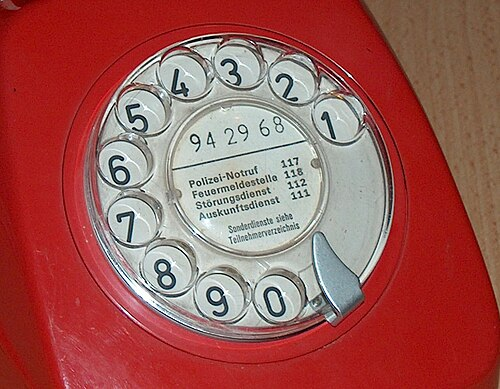
Before phones stored every contact for you, people simply memorized phone numbers, your best friend’s, your grandparents’, the local pizza place’s, all kept in your head. You knew dozens of numbers by heart out of sheer necessity, and the truly important ones were written in a paper address book kept by the phone. Today, with every number saved automatically, most people couldn’t recite more than one or two from memory. The mental muscle of remembering numbers, and the mini-panic of being somewhere without your address book, is a distinctly pre-smartphone experience. For Gen Z, the idea of needing to memorize a string of digits just to call a friend feels genuinely foreign.
Like our content? Follow us for more.
The Busy Signal
Picture this: you call someone, and instead of ringing or going to voicemail, you get an insistent beep-beep-beep, the busy signal, meaning the line was in use and you simply could not get through. With one phone line per household and no call waiting for many families, a busy signal meant your only option was to hang up and try again later, sometimes for hours if someone was having a long chat. There was no leaving a message, no seeing that you’d called. The busy signal, and the frustration of an unreachable friend whose sibling was hogging the phone, is something the always-connected generation will never experience.
Tying Up the Phone Line With the Internet
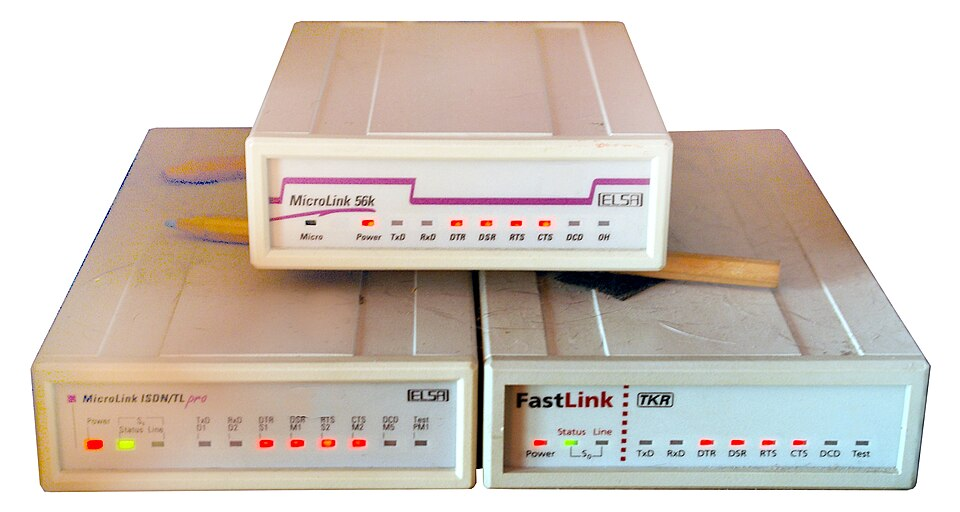
In the early internet era, getting online meant using a dial-up modem that connected through your phone line, complete with a screeching, beeping connection sound that’s burned into the memory of anyone who lived it. Crucially, while you were online, no one could use the telephone, and if someone picked up the phone, it could knock you offline entirely. Families negotiated over who got the line and when, and the internet was slow enough that loading a single image took real patience. The idea of choosing between a phone call and the internet, or waiting a minute for one photo to appear, is almost incomprehensible in an age of instant, always-on, pocket-sized connectivity.
Recording Songs Off the Radio
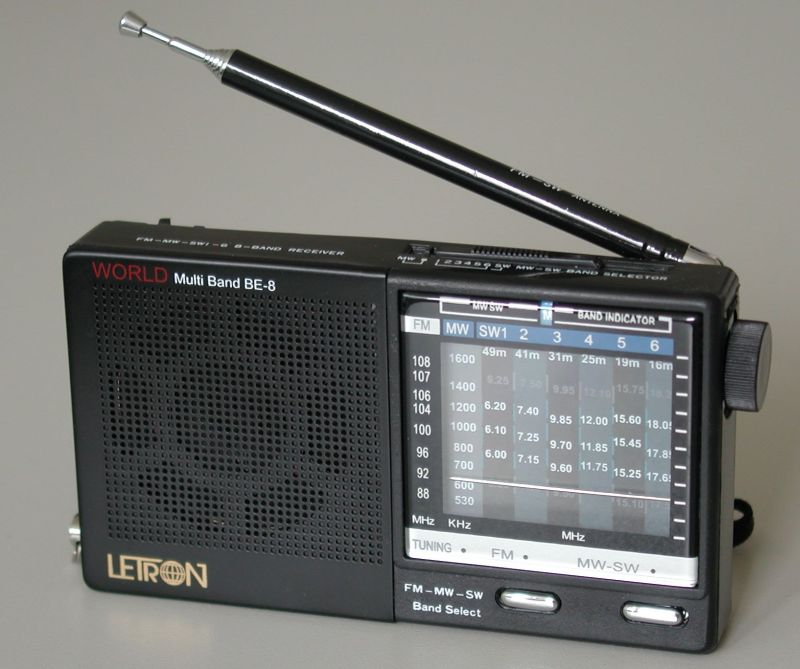
Before you could summon any song instantly, hearing your favorite track meant waiting for the radio to play it, and capturing it meant pure dedication. You’d sit by the stereo with a blank cassette, finger hovering over the record button, waiting for the DJ to finally play your song, then scrambling to hit record in time, often catching the DJ talking over the intro. The result was a treasured, slightly imperfect mixtape made entirely by patience and luck. Today, any song is available instantly with a tap. The ritual of hunting a song across the airwaves and the small triumph of finally capturing it is a labor of love Gen Z will never need to know.
Waiting to See Your Photos
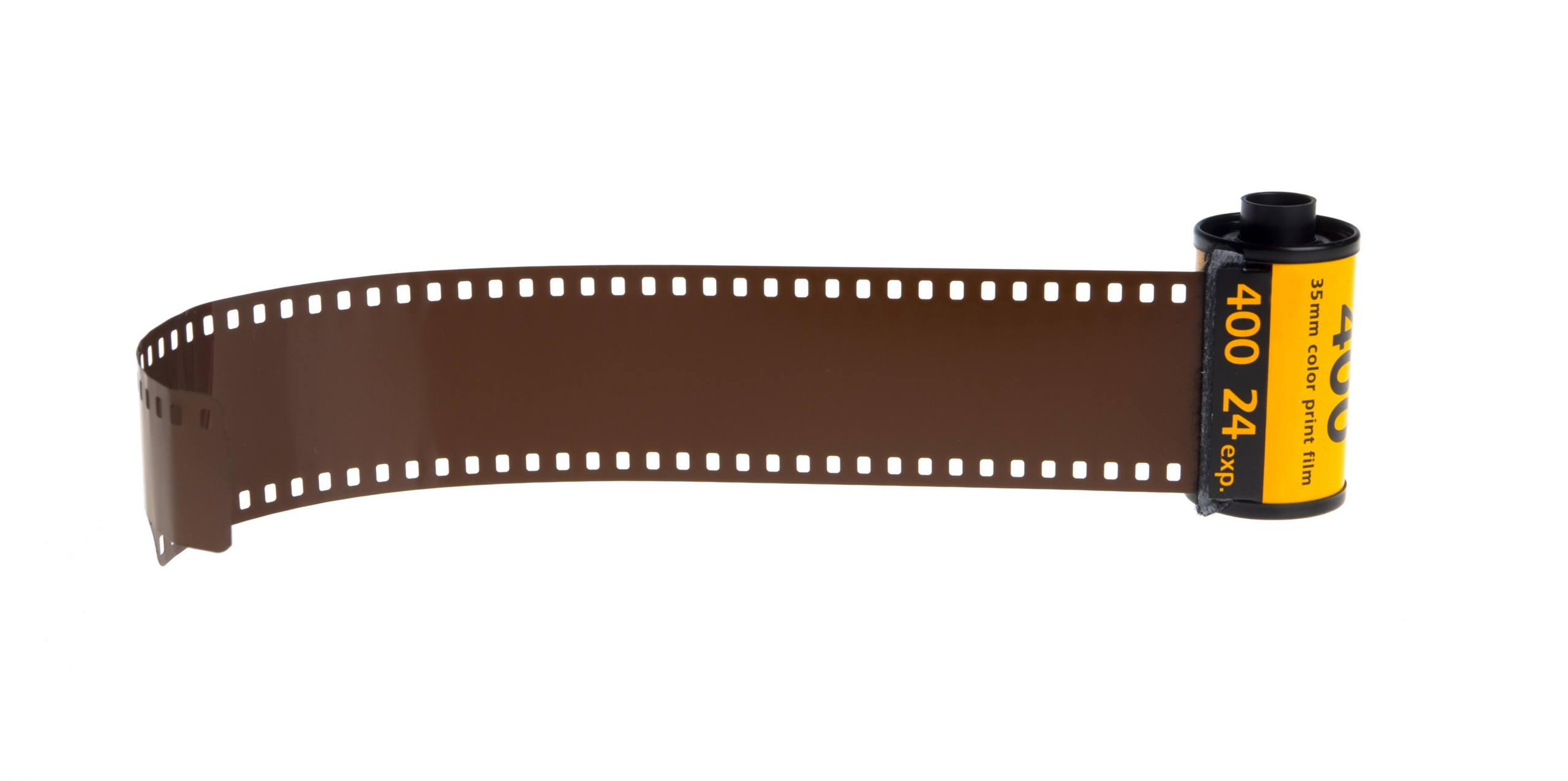
Taking pictures once came with real suspense. You loaded a roll of film with a limited number of exposures, maybe twenty-four or thirty-six, so every shot counted and there was no deleting a bad one. After finishing the roll, you dropped it off to be developed and waited days to get your prints back, never quite sure if the photos had even come out, if eyes were closed, or if the whole roll was ruined. That mix of anticipation and gamble is utterly alien to a generation that snaps unlimited photos and sees them instantly. The delayed magic, and occasional heartbreak, of film photography is a vanished experience.
Getting Hopelessly Lost
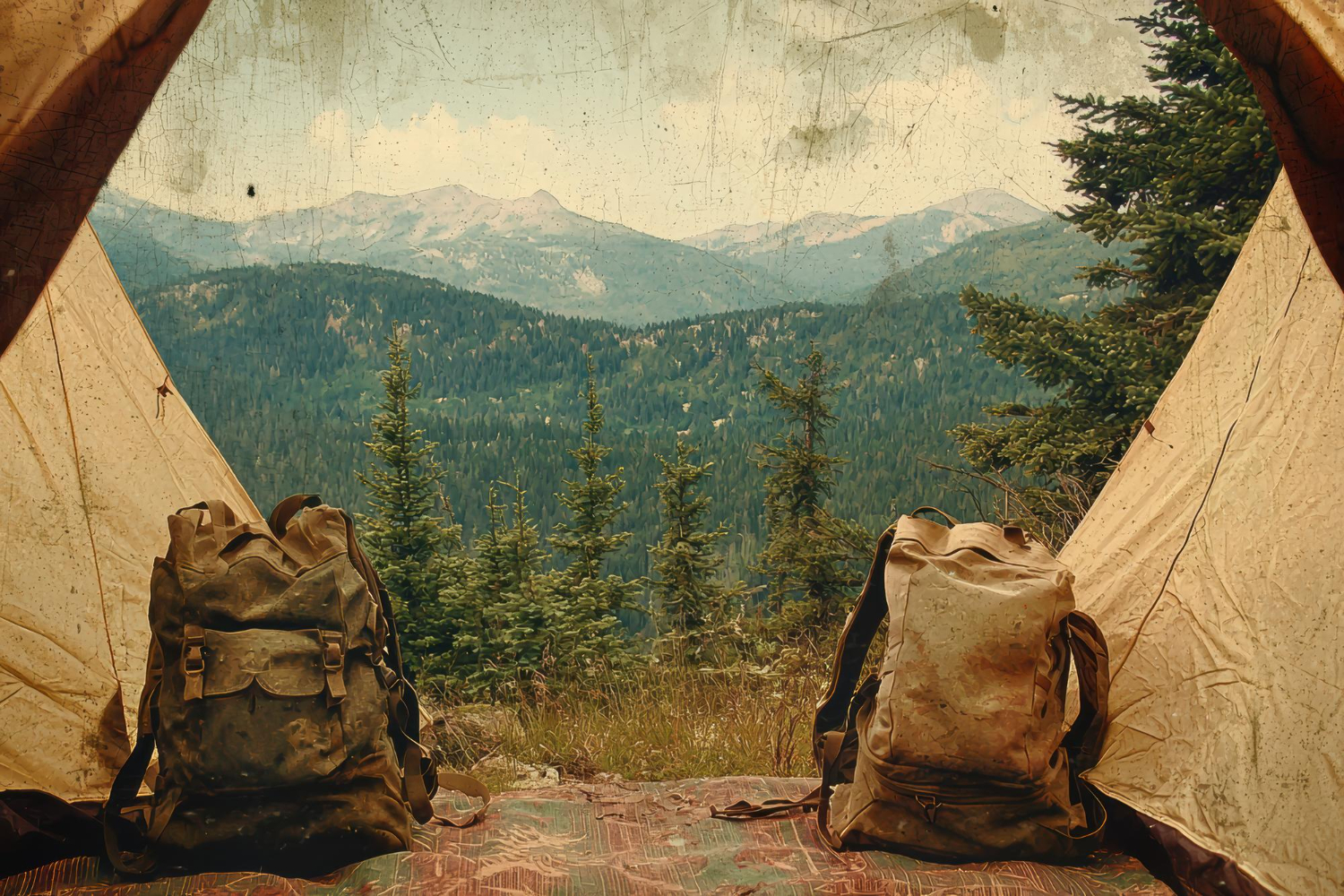
Before GPS and map apps, navigating to a new place was an adventure with real stakes. You relied on paper maps unfolded across the dashboard, handwritten directions, or simply stopping to ask a stranger for help. Getting lost was a routine part of any road trip, and there was no recalculating your route in real time, just you, a confusing map, and your best guess. People kept giant road atlases in their cars and developed a real sense of direction out of necessity. The idea of setting off somewhere unfamiliar with no turn-by-turn voice guiding your every move, and genuinely not knowing if you’d find it, is foreign to the navigation-app generation.
Doing Homework With Encyclopedias

Researching a school project once meant physical books, not search engines. Families often owned a multi-volume encyclopedia set, a prized and expensive purchase, and students would pull down the relevant volume to look things up. For anything more, you went to the library and dug through card catalogs and reference shelves. There was no instant answer to a random question; finding information took real time and effort, and you couldn’t just ask a device. The patience required to research a topic by flipping through books, and the now-quaint authority of a printed encyclopedia, stands in stark contrast to today’s world, where the sum of human knowledge sits a quick search away.
Waiting All Week for One TV Show
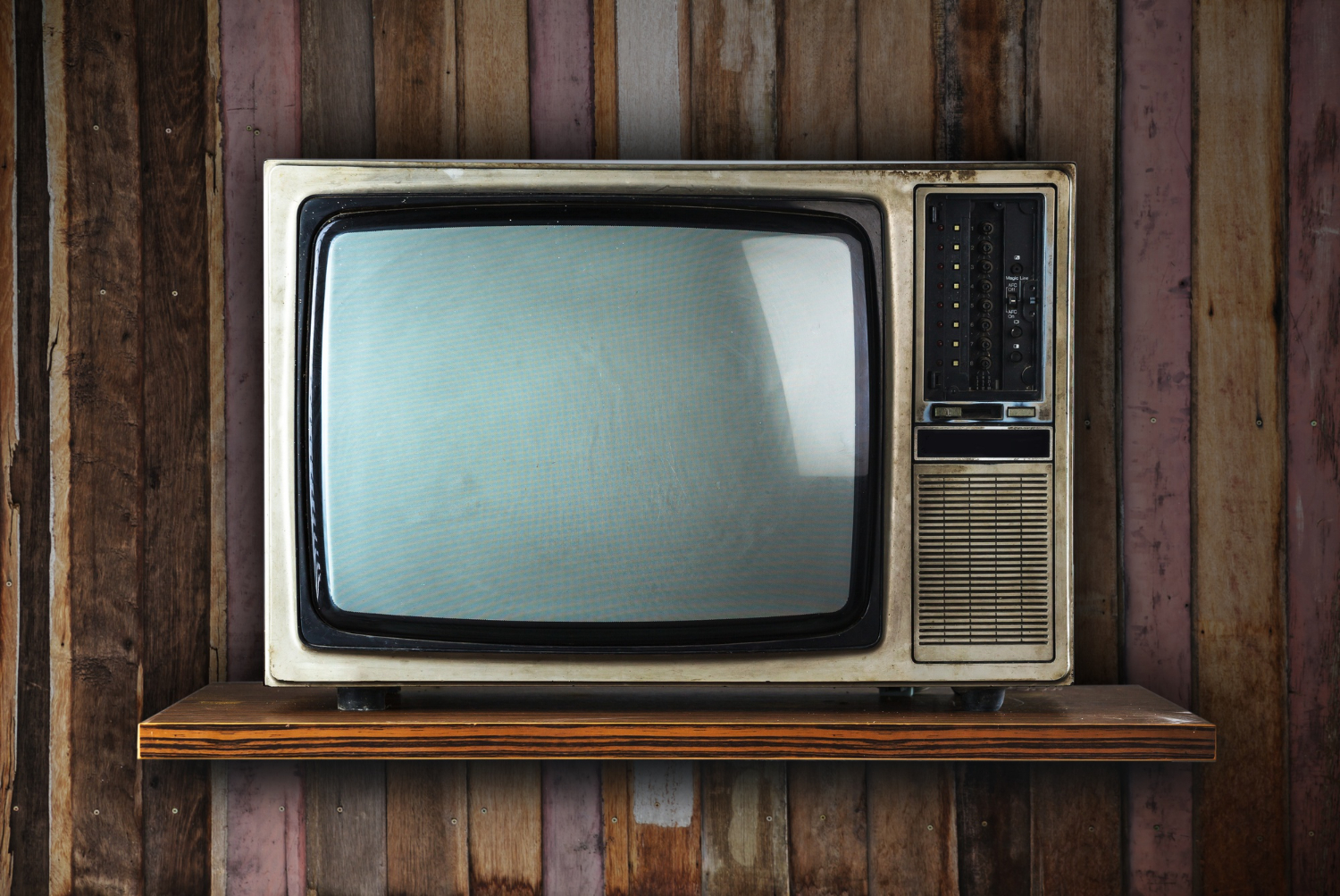
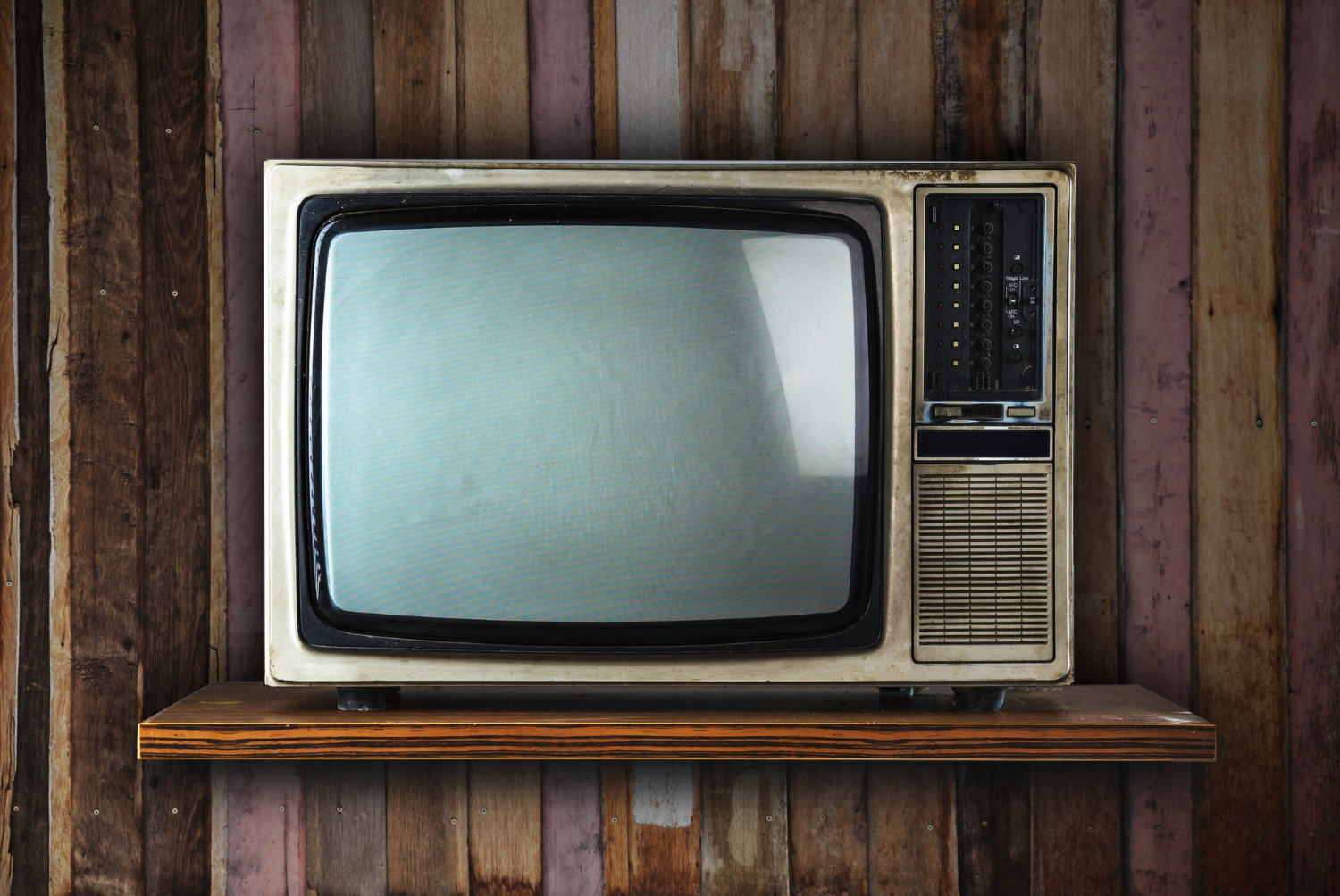
Television once ran entirely on the broadcaster’s schedule, not yours. If your favorite show aired at eight o’clock on Thursday, you had to be in front of the TV at exactly that time, because there was no pausing, rewinding, or streaming it later. Miss it, and you might wait for a summer rerun, or never see that episode at all. Families gathered around the set for appointment viewing, and a printed TV guide told you what was on and when. The concept of waiting a whole week for the next episode, with no way to binge or catch up on demand, is genuinely puzzling to a generation that streams entire seasons whenever it likes.
Video Store Trips and Late Fees
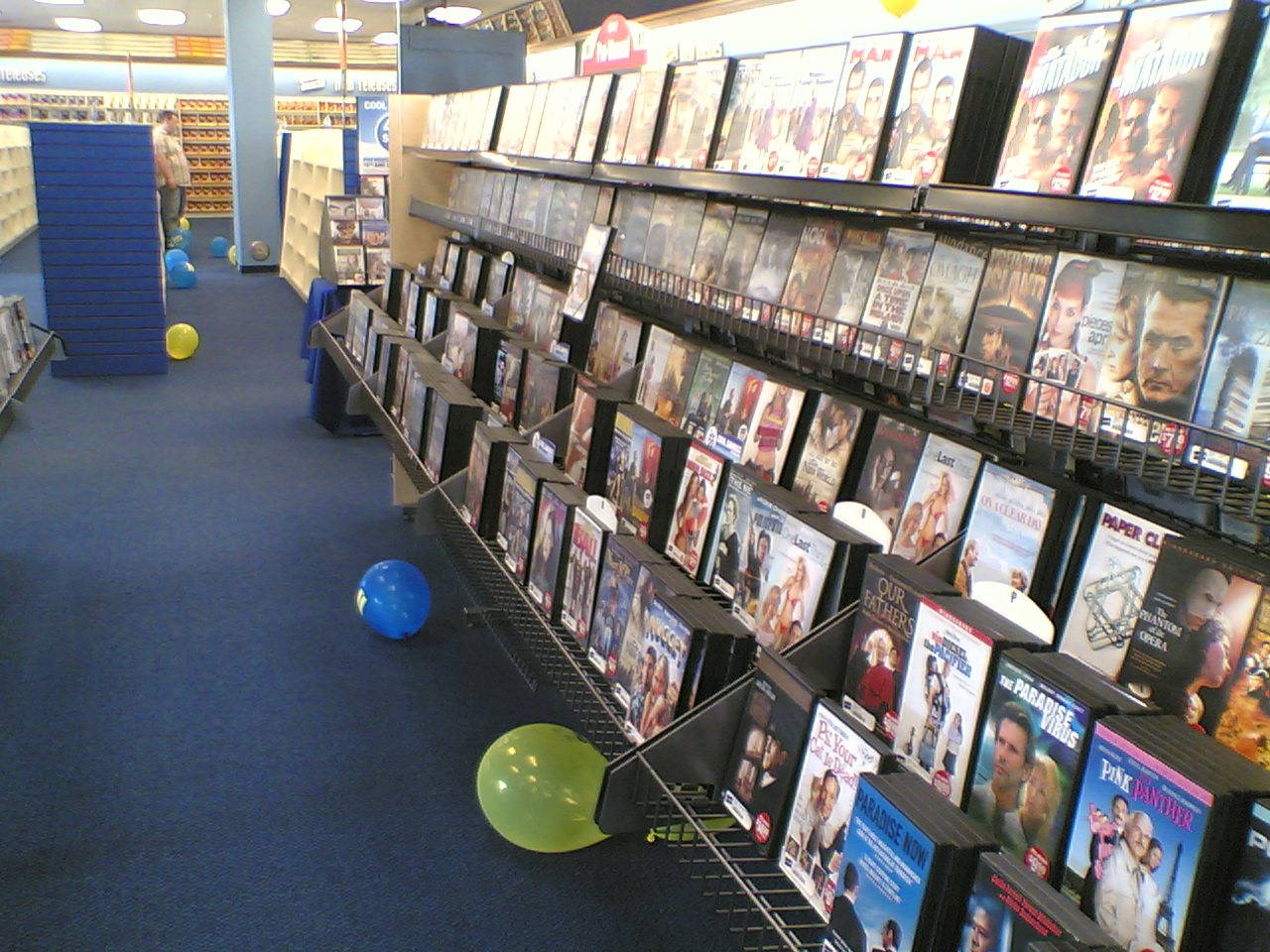
Movie night used to require a trip to the video rental store, where you’d wander the aisles hoping the new release wasn’t already rented out, debate titles with your family, and settle on something to take home for a night or two. Then came the cardinal rule: be kind, rewind, and return it on time, or face the dreaded late fees that steadily piled up if you forgot. The whole ritual, browsing physical shelves, the disappointment of an empty case, the scramble to return a tape before midnight, has been completely erased by streaming. For Gen Z, the notion of driving somewhere to rent a physical movie, and being fined for keeping it too long, is hard to fathom.
Answering the Phone Blind
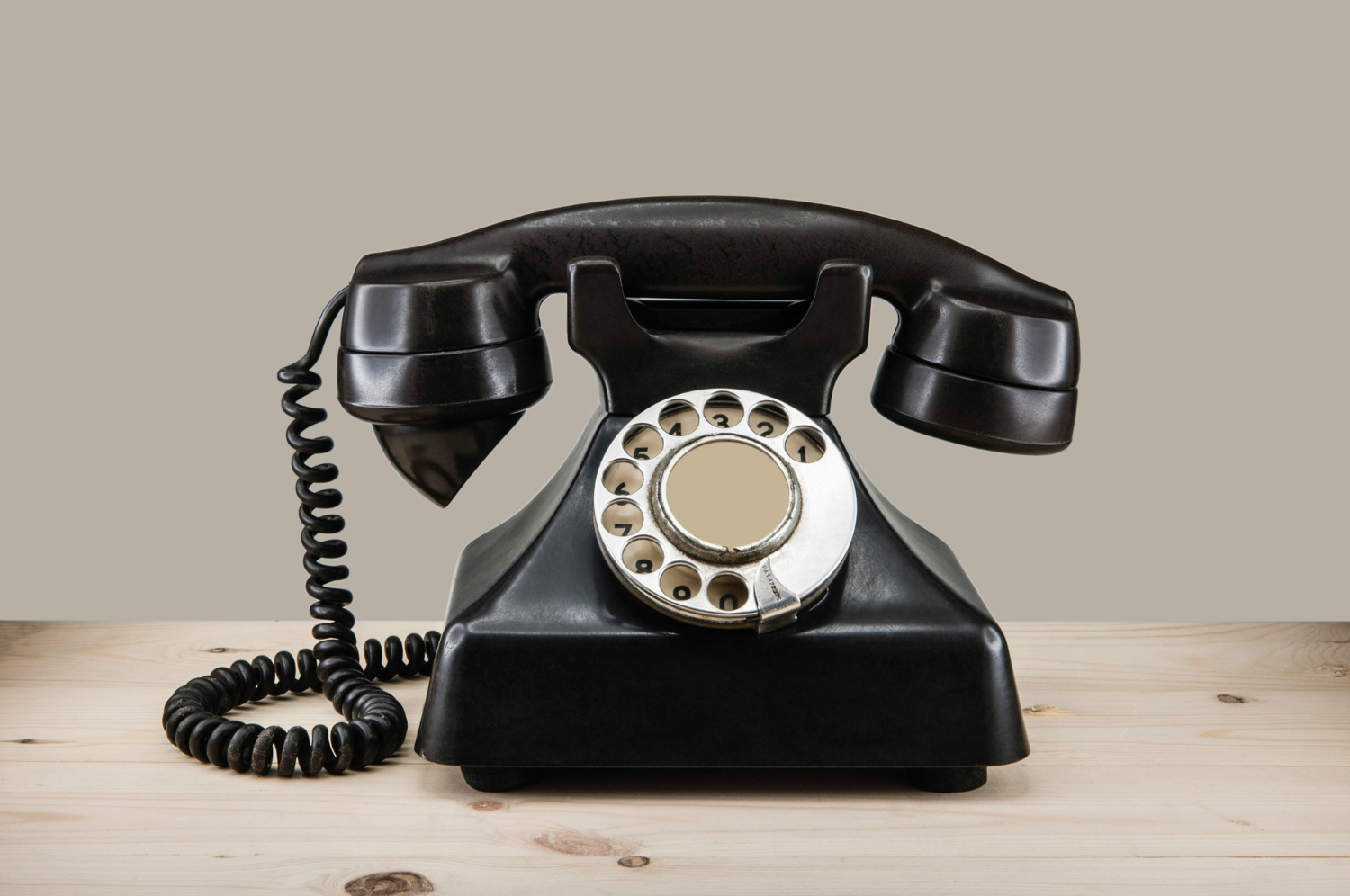
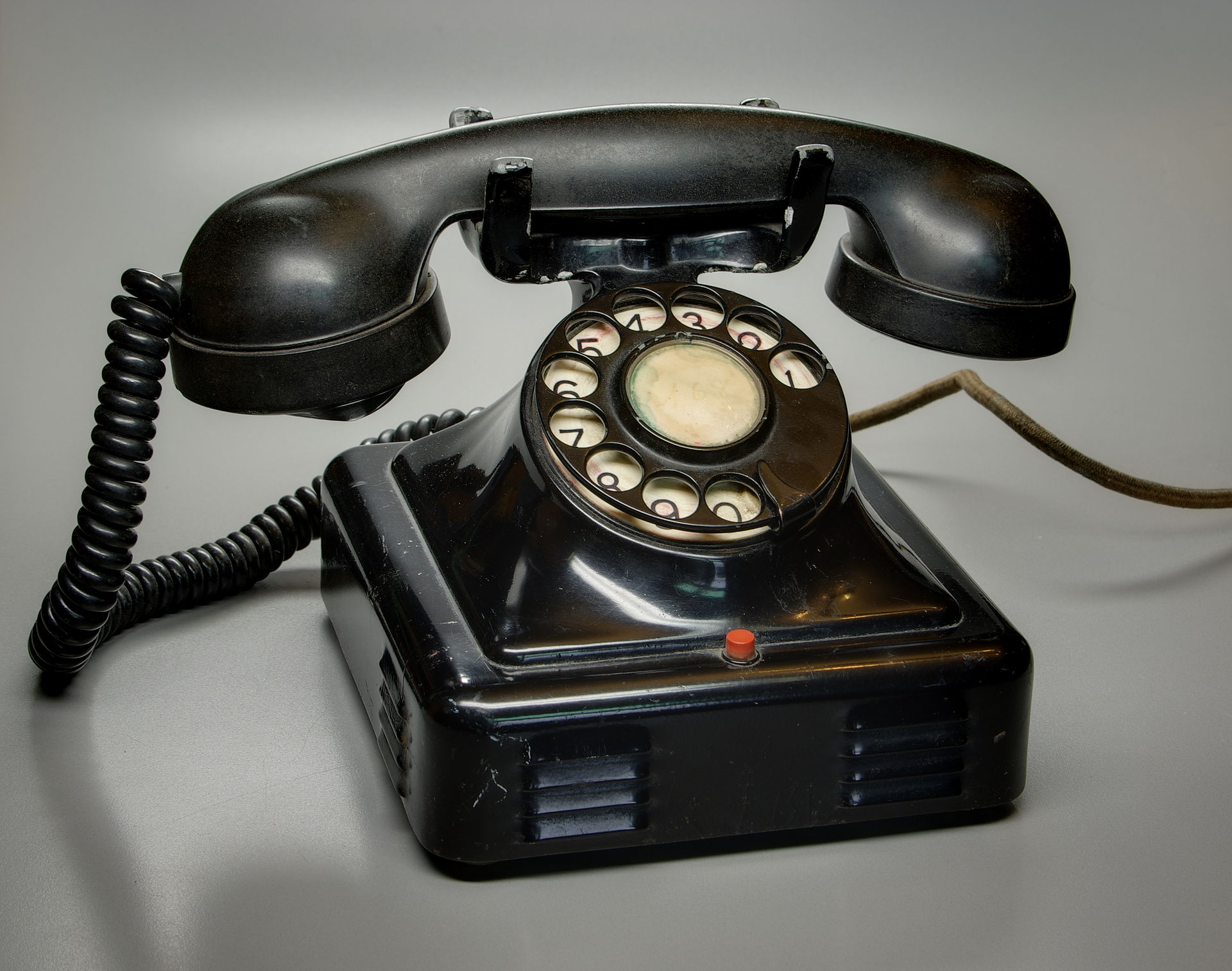
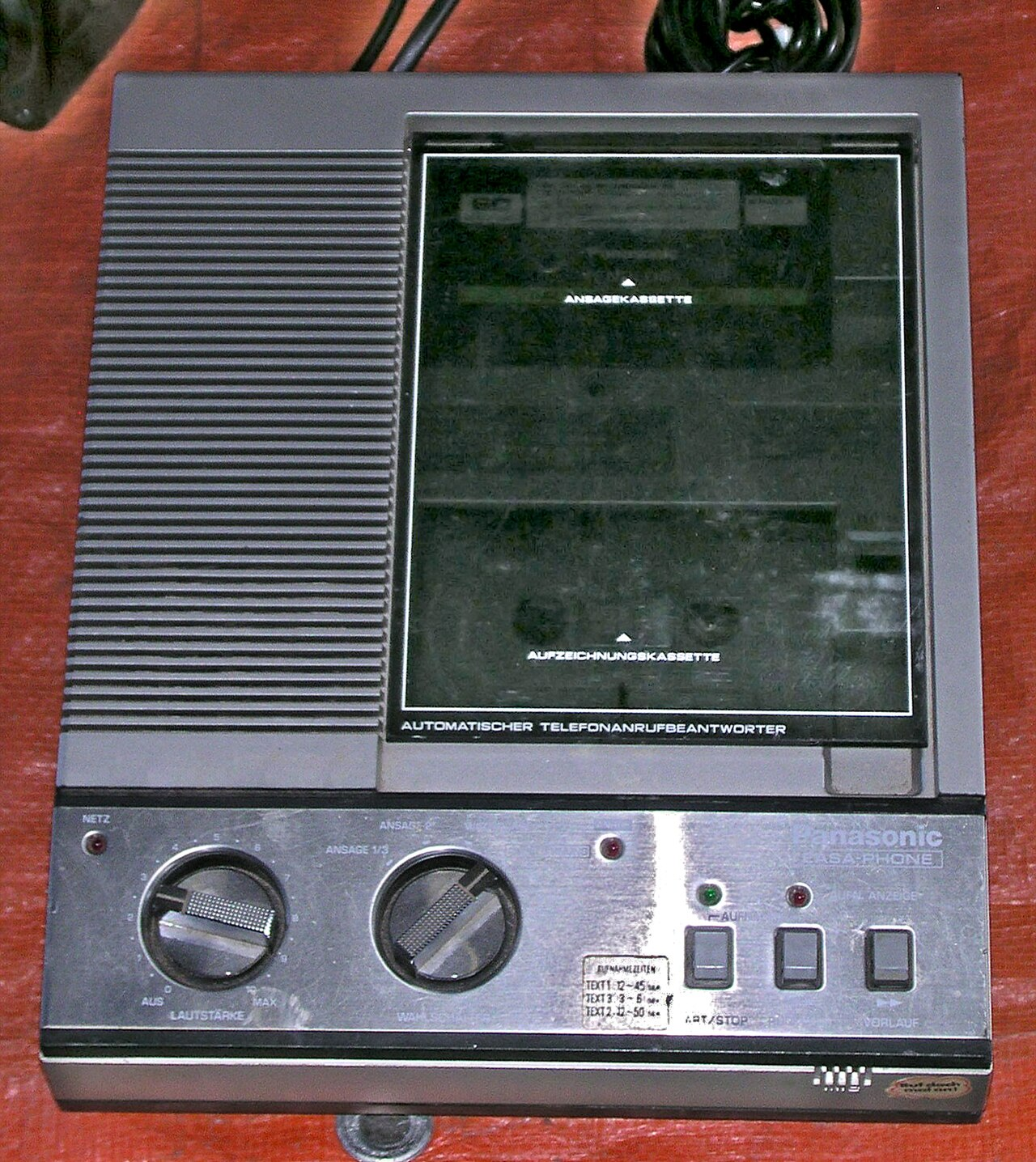
Perhaps the strangest one for younger people: before caller ID was common, you answered the ringing phone with absolutely no idea who was on the other end. It could be your best friend, a wrong number, a telemarketer, or someone you were desperately trying to avoid, and you wouldn’t know until you said “hello.” That little gamble was just part of life, as was taking messages for other family members on a notepad. The home phone was shared, public, and unpredictable. To a generation that screens every call, knows exactly who’s calling, and often prefers texting to talking, the idea of picking up a mystery call with no information at all seems almost nerve-wracking.
A Slower, More Analog World
Looking back at all these vanished rituals reveals just how dramatically everyday life has changed in a single generation. The common thread isn’t really the technology itself but the patience, anticipation, and ingenuity that ordinary life once demanded, waiting for photos, hunting for songs, memorizing numbers, finding your own way. There was friction and frustration in it, certainly, but also a kind of charm and a slower rhythm that many remember fondly. None of this means the old days were better, today’s instant, connected world has obvious advantages, but these experiences shaped a generation in ways Gen Z will never quite grasp. And that’s exactly why looking back at them is so much fun.
Like our content? Follow us for more.