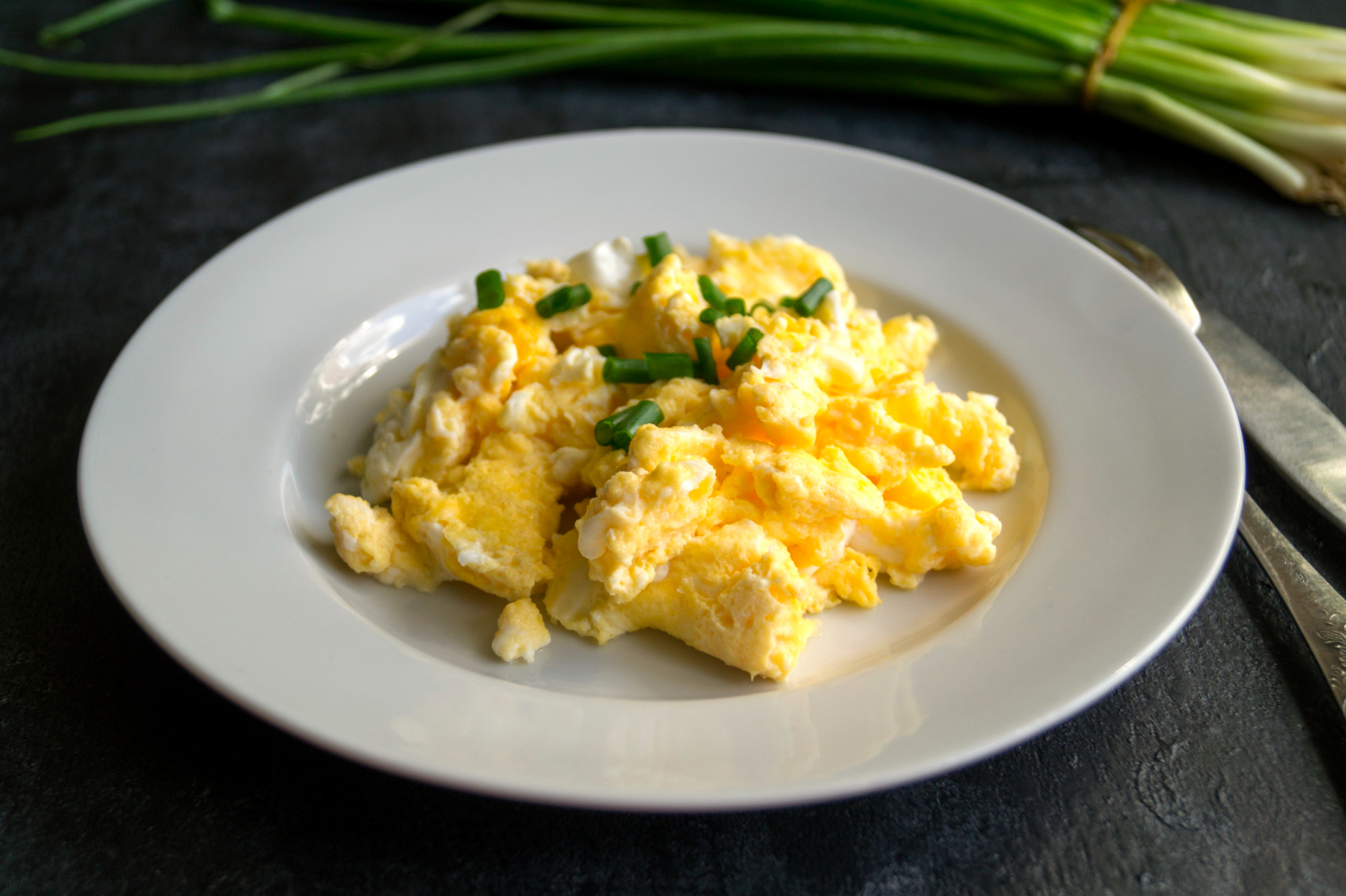
It’s one of the most common habits in home kitchens: cracking a few eggs into a bowl and splashing in some milk before scrambling. Many of us learned it from a parent or grandparent and never questioned it. But ask professional chefs whether milk belongs in scrambled eggs, and you’ll get a surprisingly consistent answer, one that might change how you make breakfast forever. The truth is that this time-honored shortcut may be working against you, watering down flavor and sabotaging the soft, creamy texture you’re actually after. Here’s what chefs really think about adding milk to scrambled eggs, why so many of them advise against it, and what to do instead for the best eggs of your life.
The Verdict Is Surprisingly Unanimous
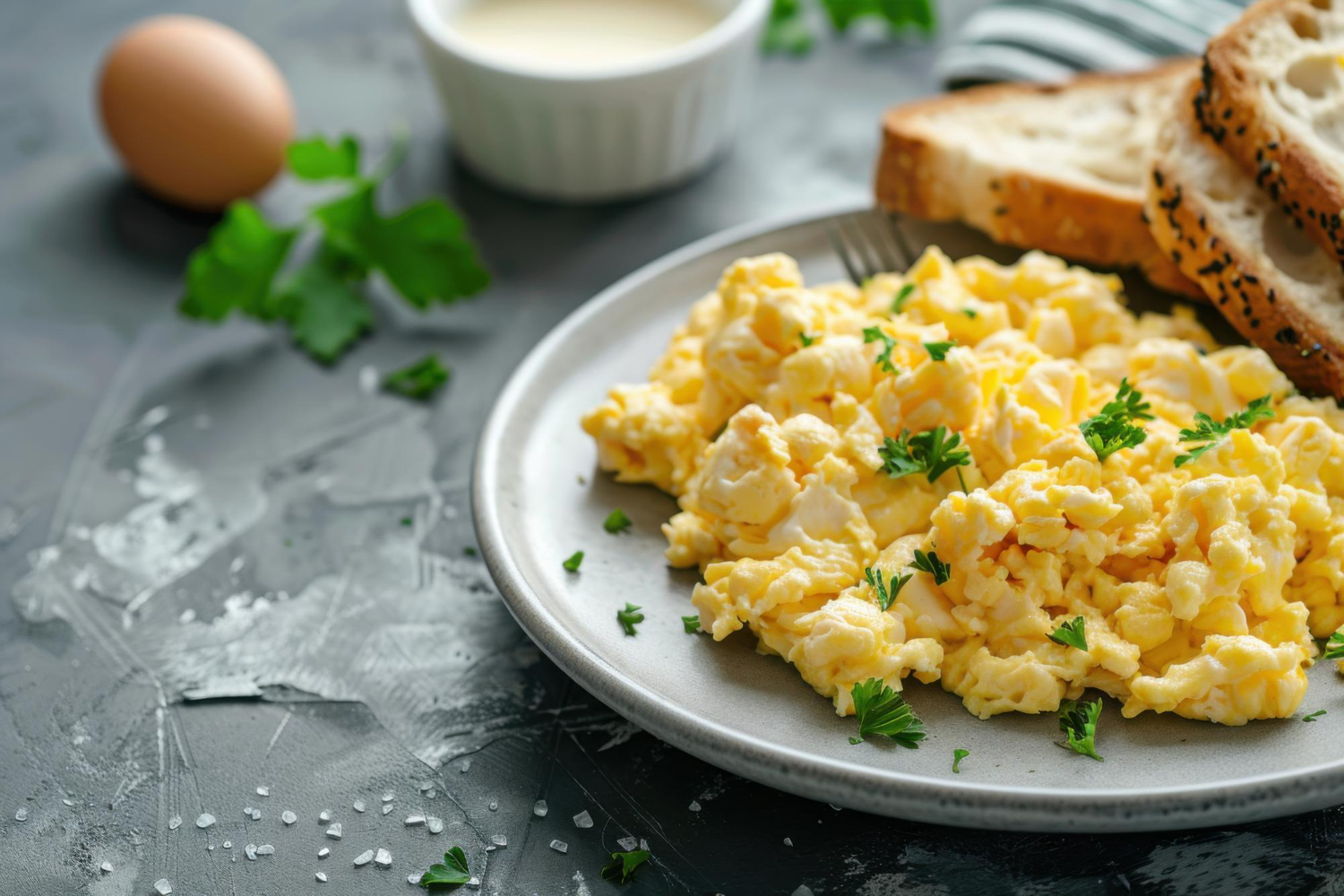
When you poll a group of chefs on the milk question, the consensus is striking: most of them say skip it. The widely held professional view is that adding milk to scrambled eggs does little to improve them and can actually make them worse. It’s one of those kitchen traditions that gets passed down without much scrutiny, and chefs are often quick to gently debunk it. That doesn’t mean your eggs have been inedible all these years, plenty of people enjoy milk-scrambled eggs just fine. But if your goal is the soft, rich, restaurant-quality scramble that chefs prize, the milk is usually the first thing they’d tell you to leave out of the bowl.
Like our content? Follow us for more.
Why Milk Doesn’t Do What You Think
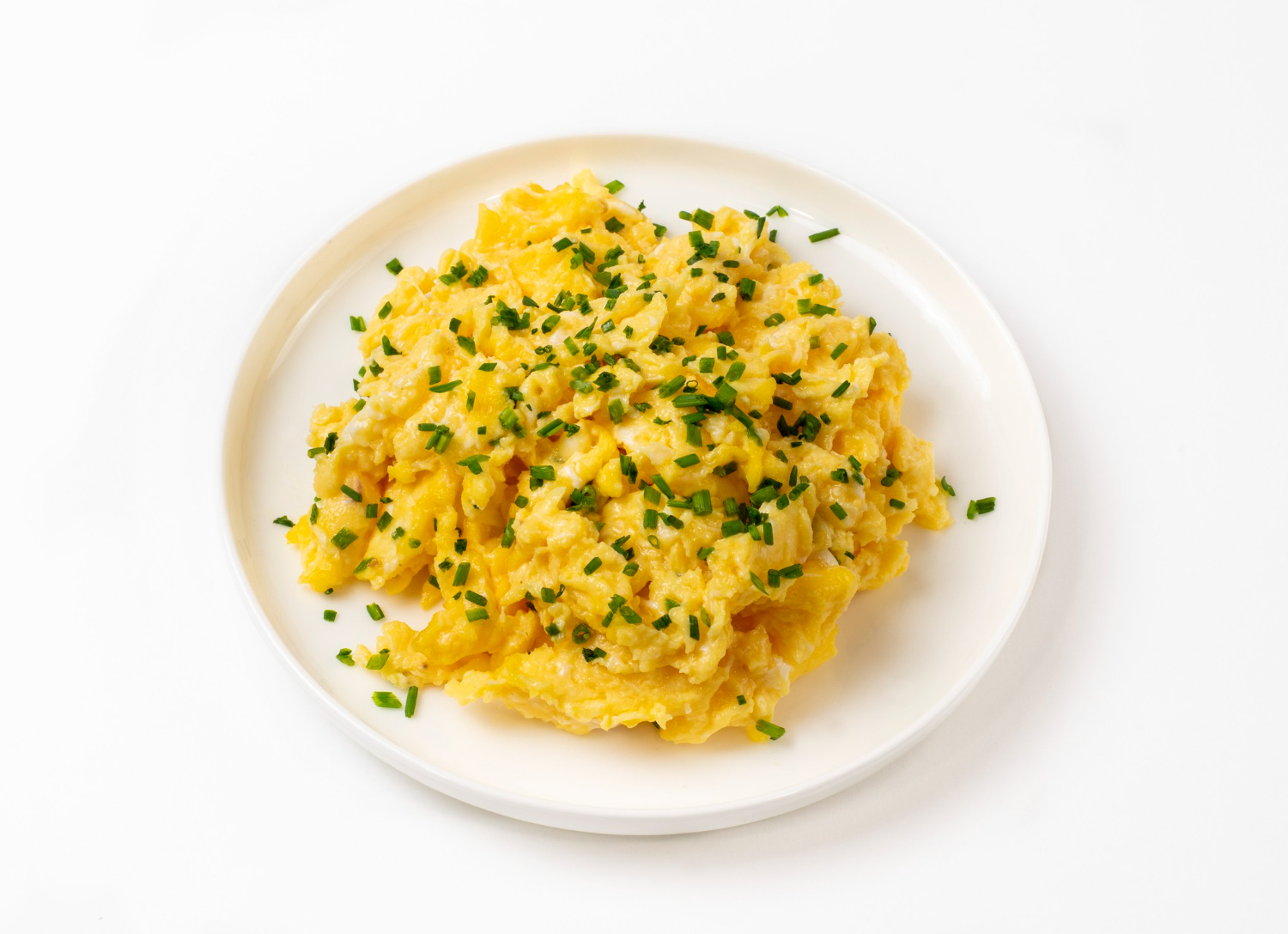
The logic behind adding milk seems sound on the surface: a splash of liquid should make eggs creamier and stretch the portion a little further, right? In practice, chefs explain, it doesn’t work that way. Eggs are already mostly water and contain their own fat and protein, everything needed for a creamy result. Adding milk introduces extra water content without adding meaningful richness. As the eggs cook, that added liquid has to cook off, and the process can interfere with the delicate way egg proteins set. Rather than boosting creaminess, the milk often just dilutes the eggs’ natural flavor, leaving you with a blander, less eggy result than you’d get by leaving it out entirely.
The Texture Problem
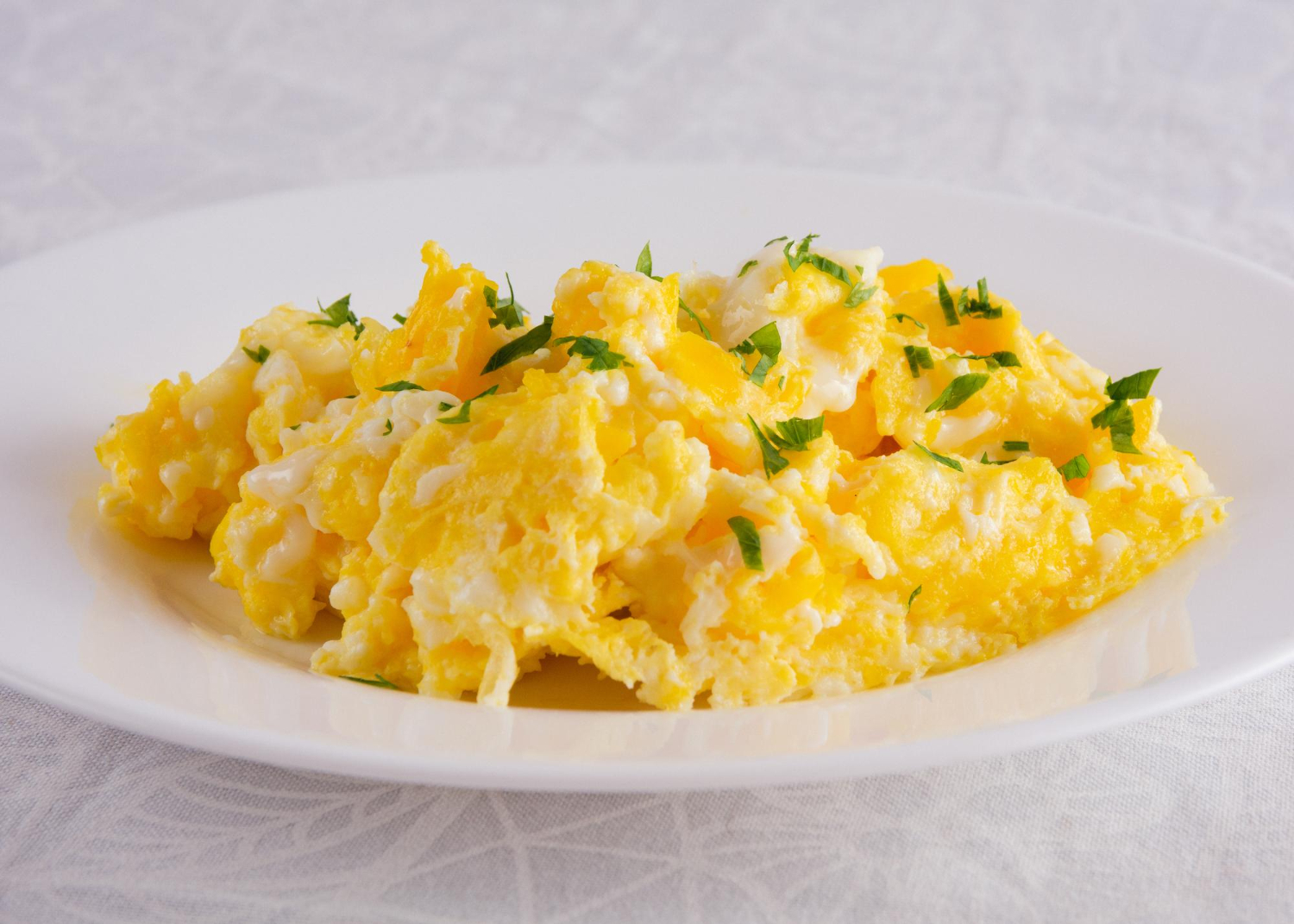
Beyond flavor, the bigger issue chefs cite is texture. Here’s the counterintuitive part: adding milk can actually make scrambled eggs drier and more rubbery, the opposite of what most people intend. When the watery milk cooks, it tends to separate from the eggs, and that released moisture can pool in the pan or evaporate, leaving the curds tougher and less tender. The extra liquid can also encourage you to overcook the eggs as you wait for that wateriness to disappear. The result is often a slightly weepy, spongy scramble rather than the luxuriously soft, custardy texture that defines great scrambled eggs. For chefs chasing that silky consistency, milk is a liability rather than an asset.
What Chefs Use Instead: Butter
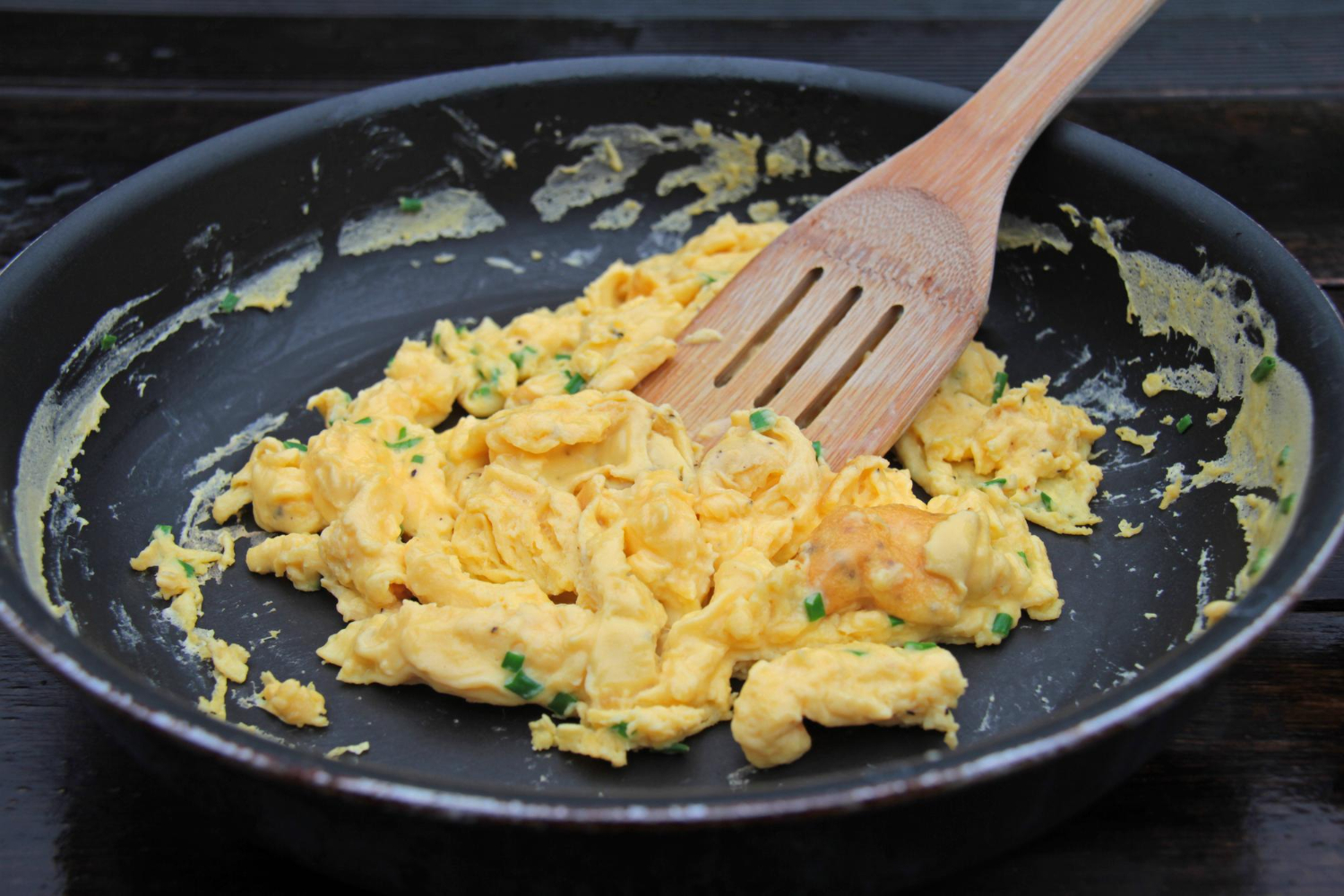
If milk is out, what’s the secret to genuinely creamy scrambled eggs? For most chefs, the answer starts with butter. Cooking the eggs in a generous amount of butter, and even whisking a small pat into the eggs as they cook, adds real richness and fat, which translates into a tender, flavorful, and glossy scramble. The butter coats the egg proteins, helping keep them soft and preventing them from seizing up into something tough. Unlike watery milk, butter contributes flavor and a luxurious mouthfeel without diluting the eggs. Many chefs consider quality butter the single most important upgrade you can make to your scrambled eggs, far more effective than any splash of milk ever was.
If You Want to Add Liquid, Consider These
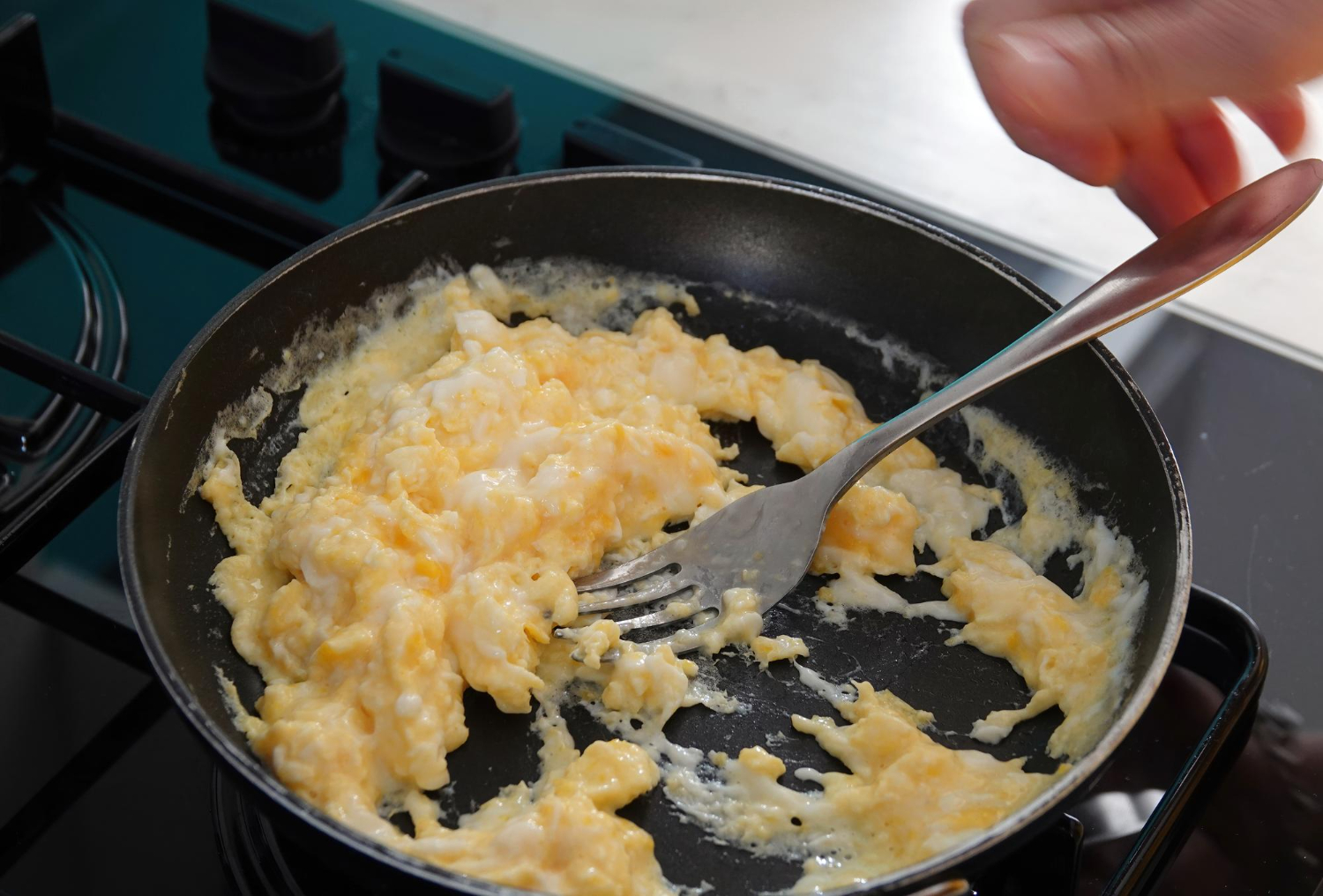
Some chefs do add a touch of liquid, but rarely milk, and only in small amounts. A common professional trick is a small splash of heavy cream or crème fraîche added toward the end of cooking. Because cream has a much higher fat content than milk, it enriches the eggs without watering them down, and adding it at the end helps create a soft, custardy finish while gently halting the cooking. Others swear by a tiny bit of water, which can turn to steam and help create lighter, fluffier curds, though this is a matter of personal preference. The key distinction is that these additions are used sparingly and purposefully, unlike the habitual glug of milk many of us grew up with.
Technique Matters More Than Any Additive
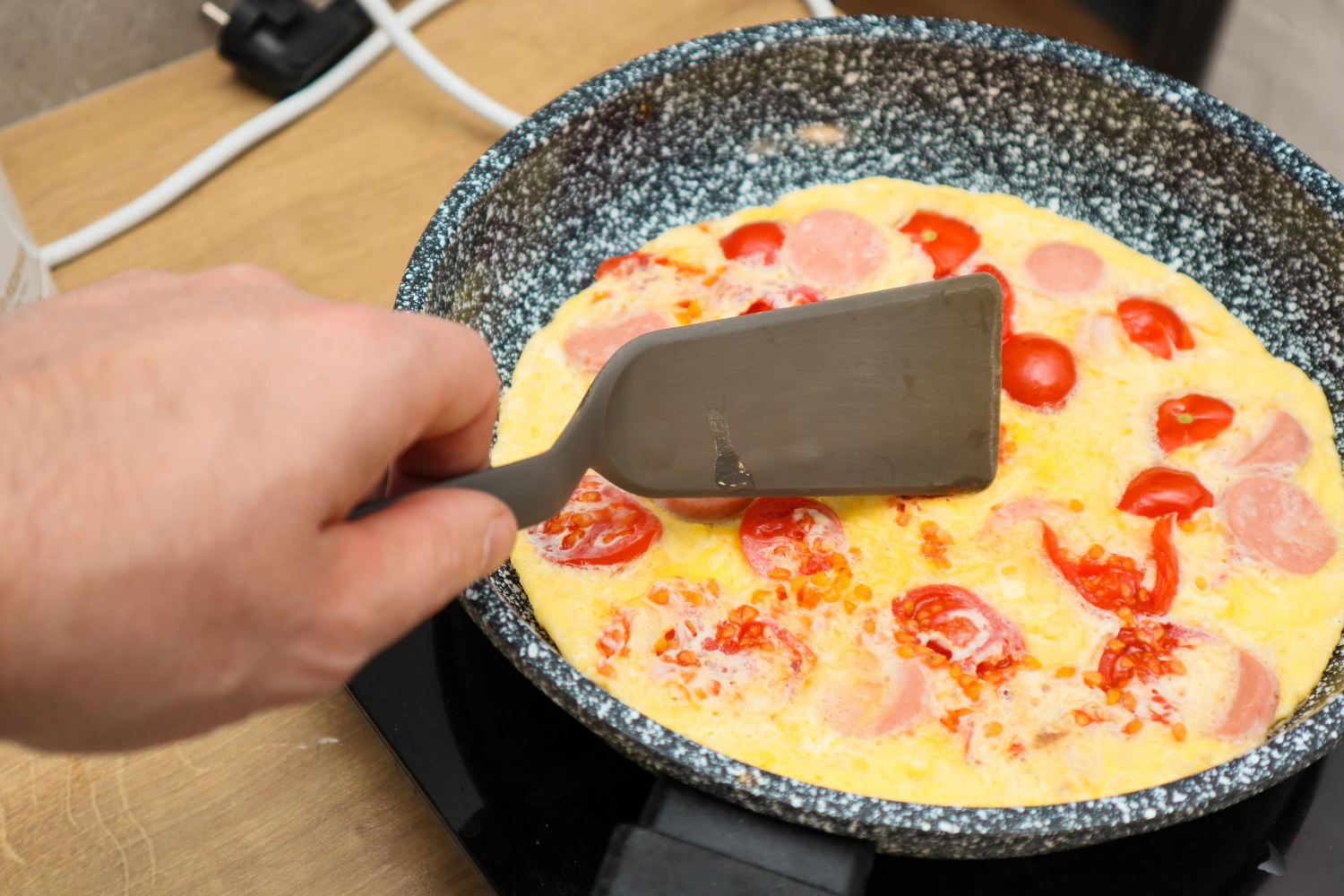
What chefs emphasize again and again is that how you cook the eggs matters far more than what you add to them. The single biggest factor in great scrambled eggs is heat control. Cooking eggs low and slow, over gentle heat, with patient, frequent stirring, produces soft, small, creamy curds. Blasting them over high heat, by contrast, sets the proteins too quickly and squeezes out moisture, giving you dry, tough results no matter what’s in the bowl. Many chefs also recommend pulling the eggs off the heat while they still look slightly underdone, since residual heat finishes cooking them on the plate. Master the heat, and you may find you never miss the milk at all.
A Few More Pro Tips for Perfect Eggs
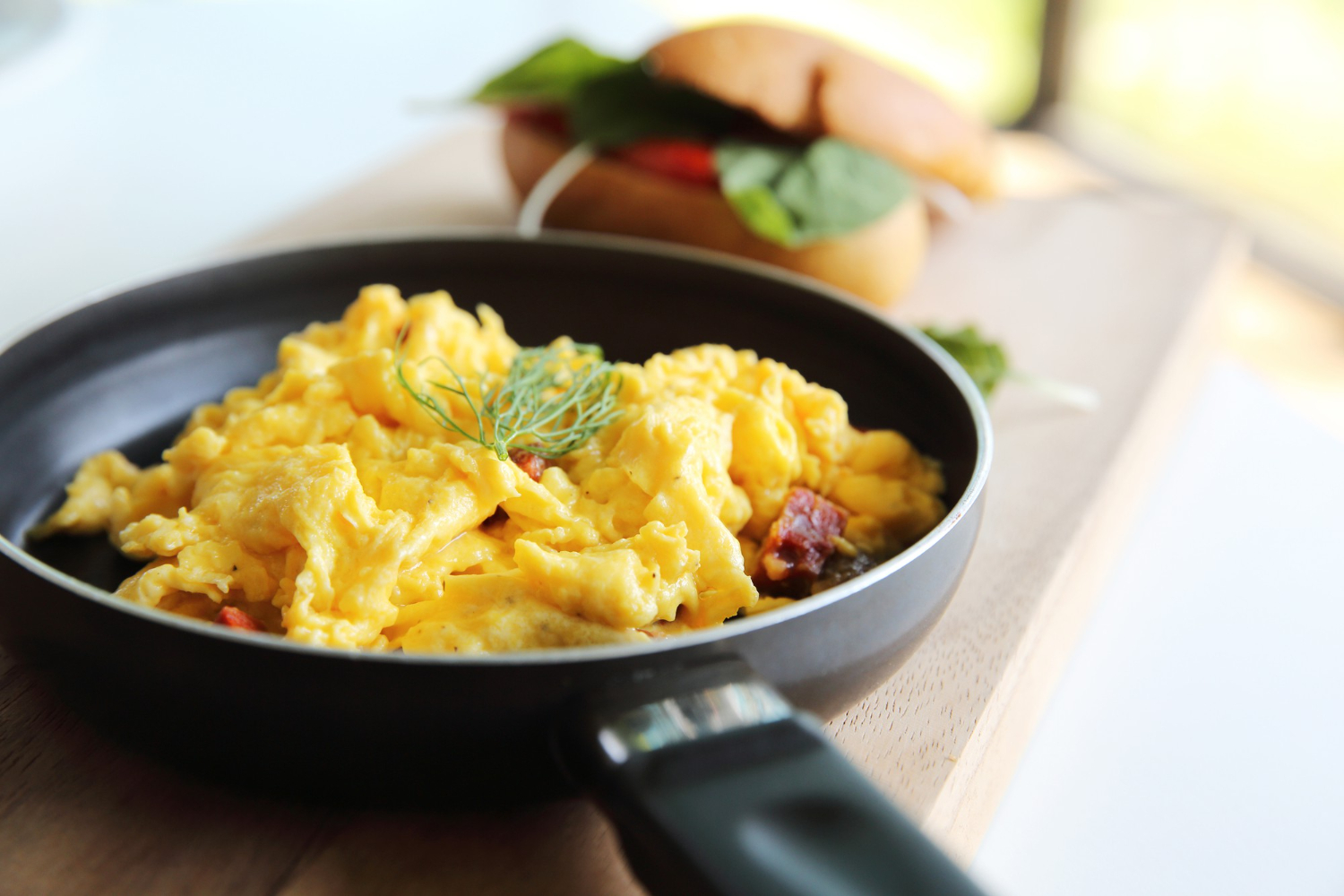
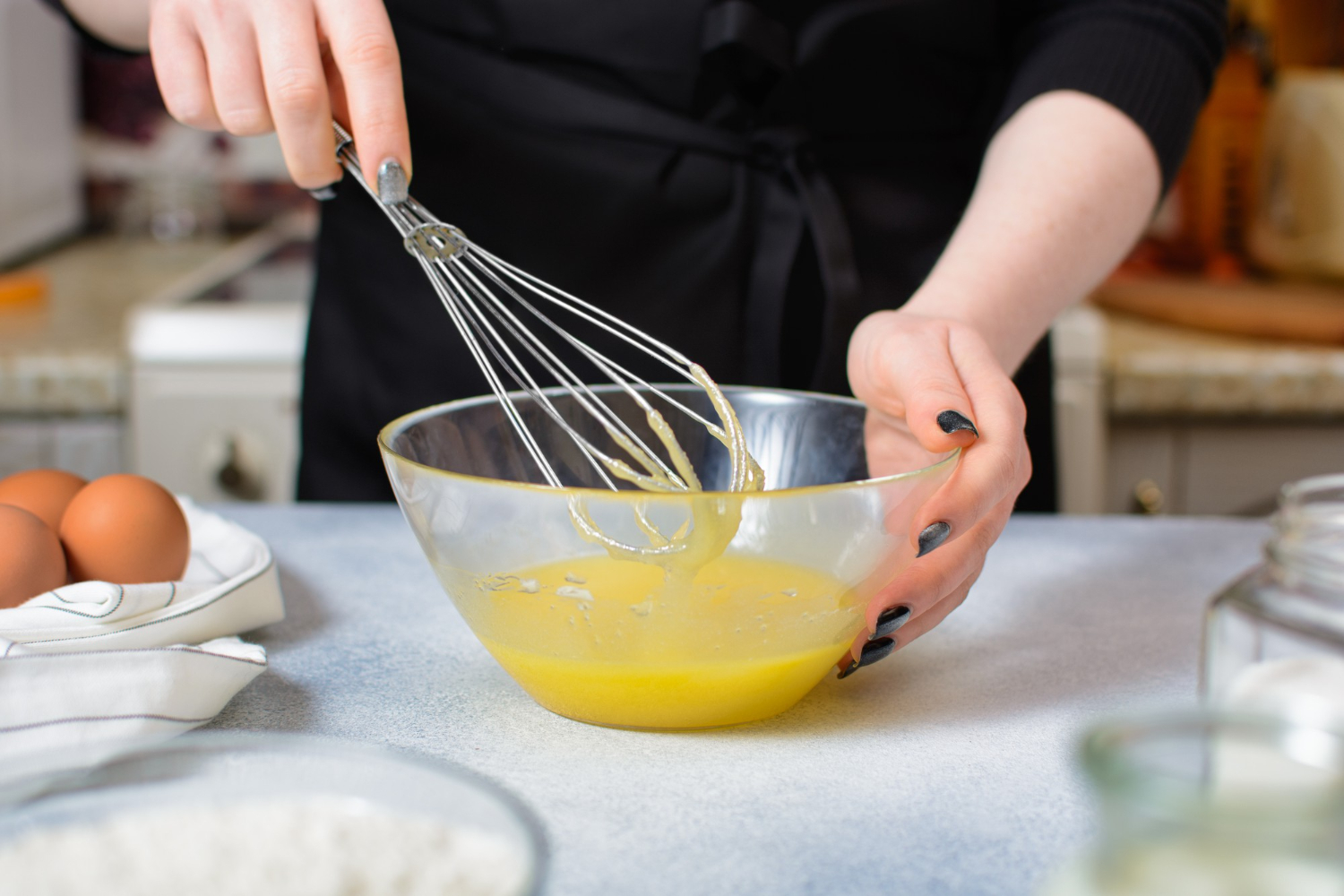
Chefs offer several other small refinements that add up to a noticeably better scramble. Whisk the eggs thoroughly before cooking to fully blend the yolks and whites, which creates a more uniform, tender texture. Hold off on salting too far in advance if you’re particular, though a little salt is fine, and always season to taste. Use a nonstick or well-seasoned pan and keep the eggs moving with a spatula, folding and gently pushing them around the pan. And resist the urge to walk away: scrambled eggs cook quickly and go from perfect to overdone in seconds. None of these steps involve milk, and together they deliver the kind of eggs that make people wonder what your secret is.
The Simple Science Behind It
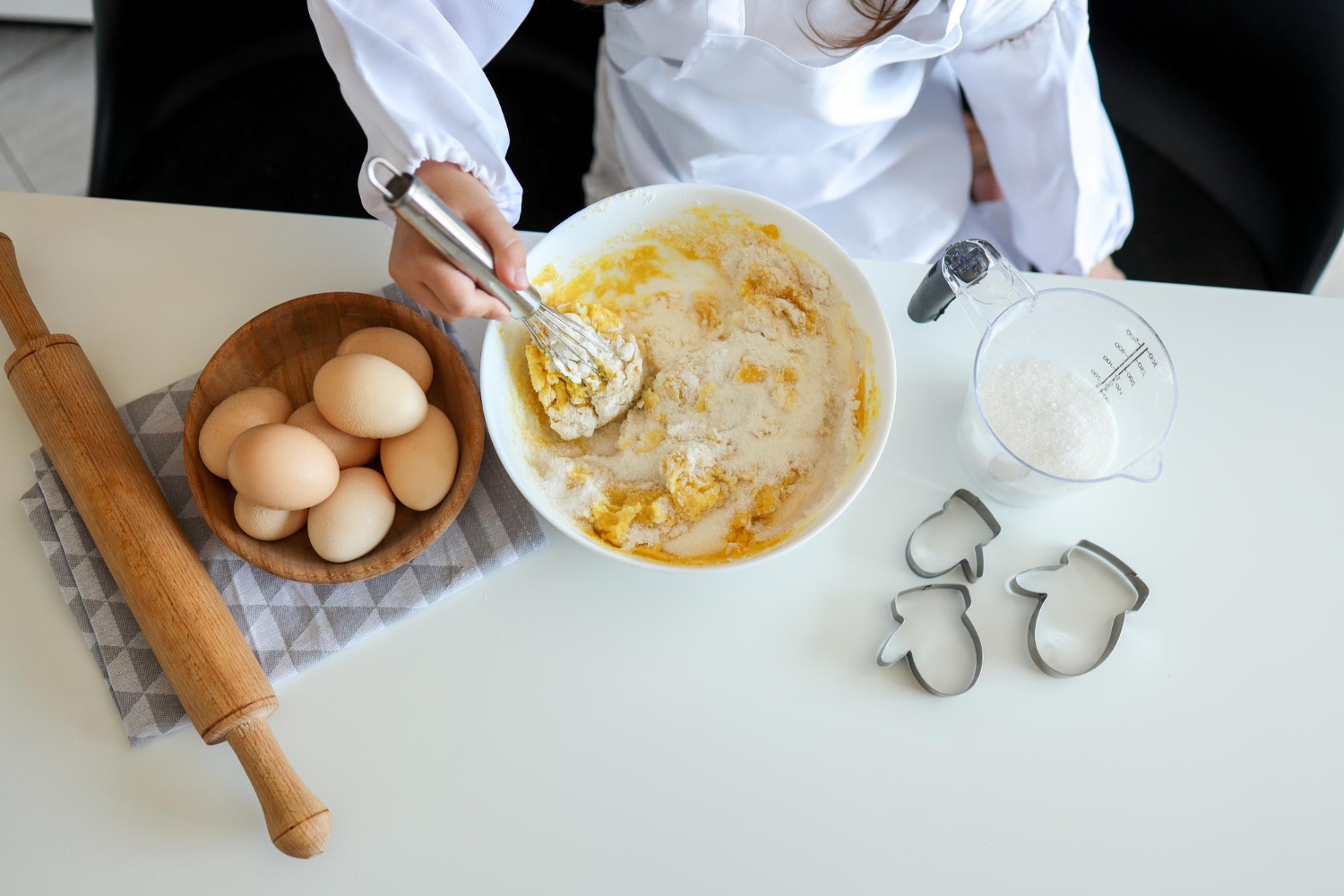
It helps to understand what’s actually happening in the pan. Eggs are largely water held together by proteins that, when heated, unfold and link up into a network, trapping moisture and setting into soft curds. Cook them gently and pull them off in time, and that network stays loose and tender, holding onto water for a creamy result. Overheat them, or add extra water in the form of milk, and the proteins squeeze together too tightly, forcing out moisture and turning the eggs rubbery and weepy. Fat, from butter or a little cream, slows and softens this process, coating the proteins so they set more gently. That’s the whole secret in a nutshell: protect the proteins with fat and gentle heat, and don’t dilute them with watery milk. Once you grasp this, the chefs’ advice makes complete sense.
So Why Did We All Start Adding Milk?
If chefs are so united against it, why is adding milk such a deeply ingrained habit? Much of it comes down to tradition and economics. For generations, stretching a few eggs with milk helped feed more people for less money, a practical move in busy households. The habit got passed down from parent to child as simply “the way you make scrambled eggs,” with the original thrifty rationale long forgotten. There’s also the intuitive but mistaken belief that adding a creamy liquid must make eggs creamier. It’s a perfect example of a kitchen practice that endures through repetition rather than results. Understanding where it came from makes it easier to let go of, especially once you taste the difference.
Habits Are Made to Be Broken
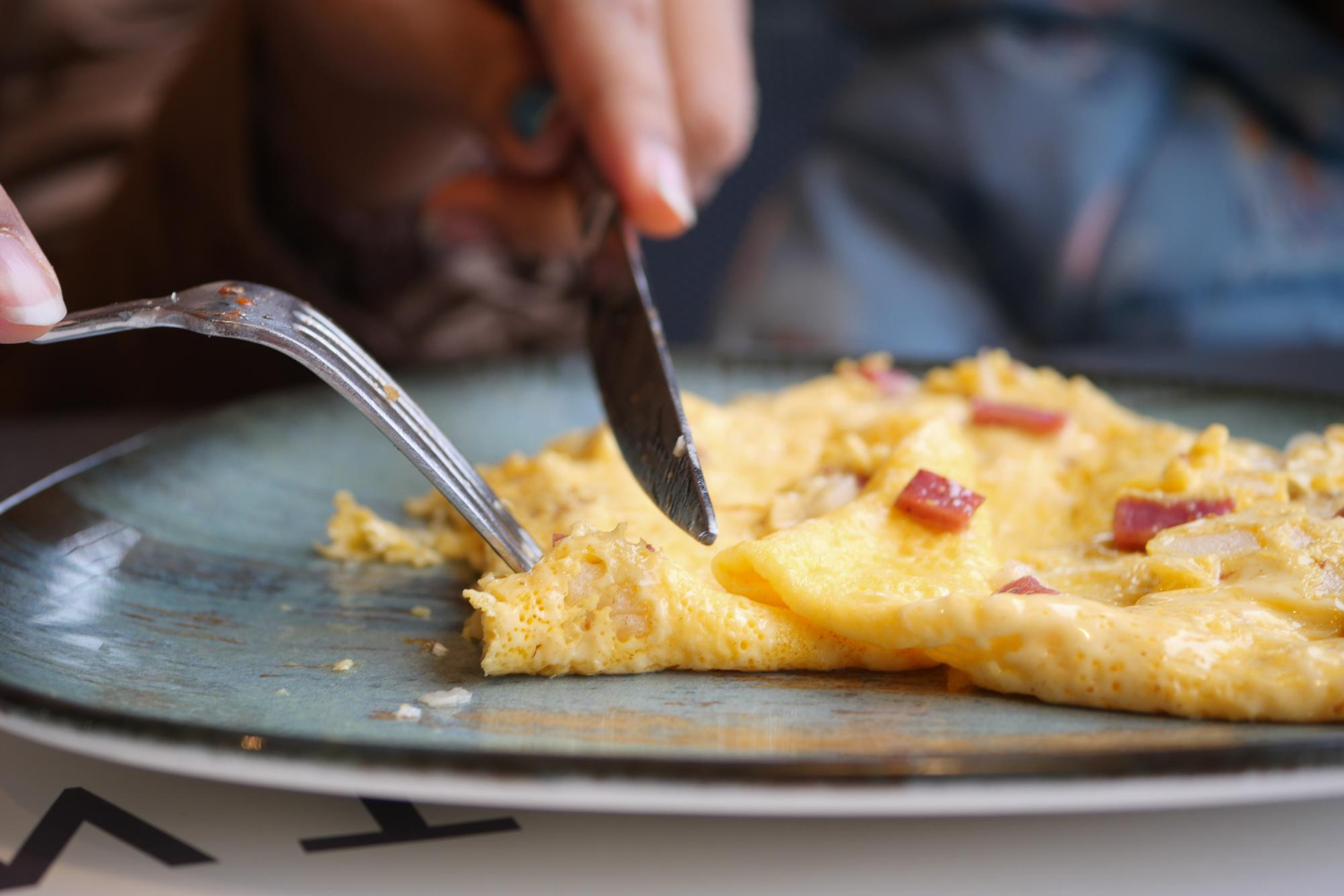
The good news is that breaking the milk habit costs you nothing and could genuinely improve your breakfast. Next time you make scrambled eggs, try leaving the milk out entirely: crack your eggs, whisk them well, melt a knob of butter in the pan over low heat, and cook them gently and patiently, stirring often, until just set. If you like, finish with a tiny splash of cream for extra richness. Taste the result and compare it to your usual method. Many people are genuinely surprised by how much more flavorful and tender their eggs turn out. It’s a small, free experiment that may well rewrite your morning routine, no milk required.
The Bottom Line
Ask the chefs, and the message comes through loud and clear: you don’t need milk in your scrambled eggs, and you’re probably better off without it. The added water tends to dull the flavor and toughen the texture, undermining the very creaminess people are chasing. Instead, reach for good butter, control your heat, cook low and slow, and consider a small finishing touch of cream if you want extra indulgence. These are the techniques that separate ordinary scrambled eggs from extraordinary ones. So the next time you reach for the milk carton out of habit, you might just leave it in the fridge, and discover that the best scrambled eggs were always just eggs, butter, and a little patience.
Like our content? Follow us for more.