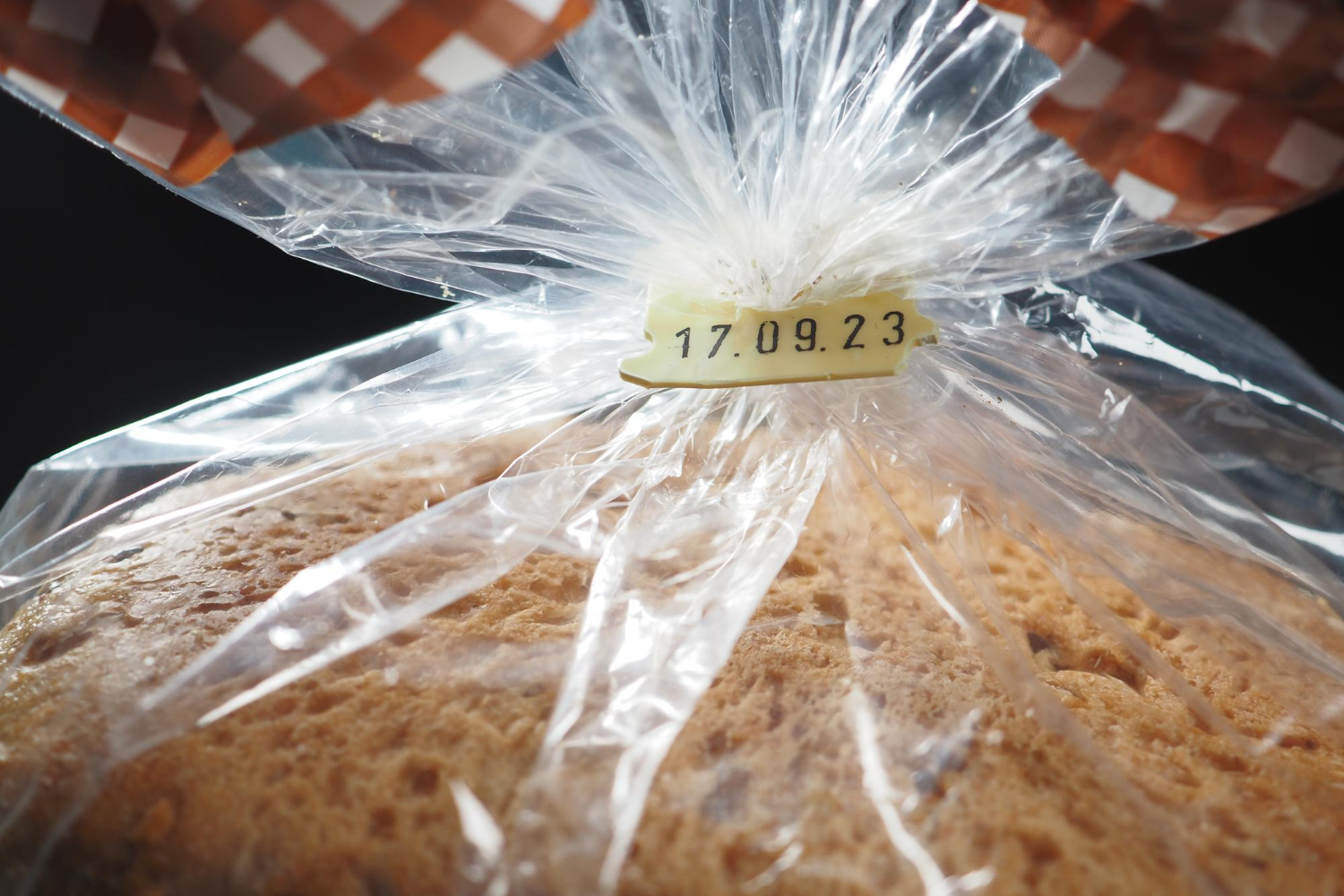
Every time you open the fridge or pantry, those little printed dates are silently making decisions for you, telling you what to keep and what to toss. But here’s a fact that surprises most people: in the United States, the vast majority of those dates have nothing to do with safety. They’re about quality. That misunderstanding leads Americans to throw away staggering amounts of perfectly good food and money every year. At the same time, there’s an important exception, one date you genuinely should respect, plus clear signs that food has actually gone bad. Here’s the real story behind “sell by,” “best by,” and “use by” dates, what they actually mean, and how to tell when food is truly no longer safe to eat.
A Myth That Wastes Billions
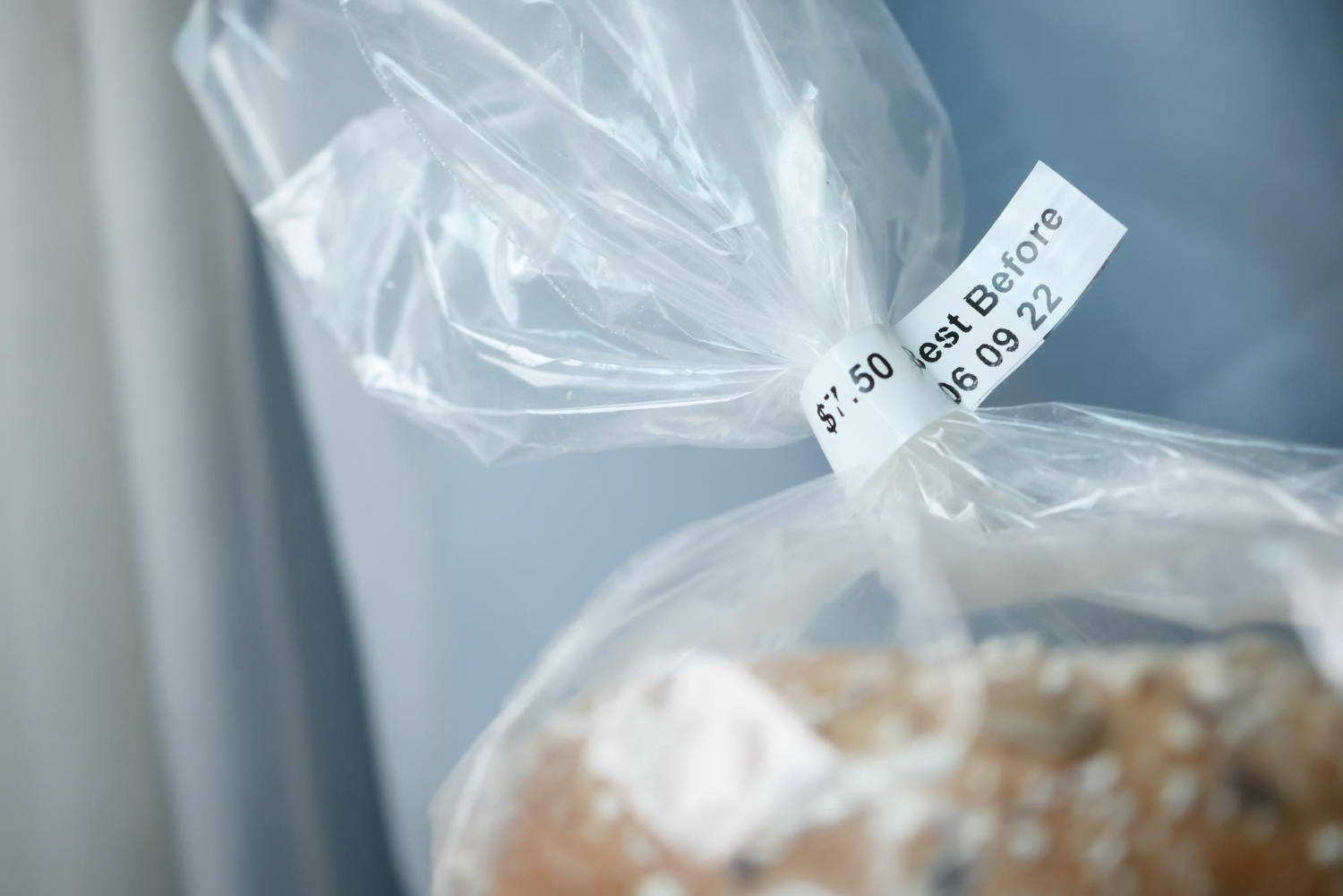
Let’s start with the big picture. The U.S. Department of Agriculture estimates that around 30 to 40 percent of the country’s food supply goes to waste, and a significant chunk of that comes from a simple misunderstanding. Many people see a date on a package, assume it’s a hard expiration, and toss the item the moment it passes, even if the food is completely fine. Studies have estimated that confusion over date labels accounts for a sizable share of household food waste. The reality is that most of those dates are the manufacturer’s best guess about peak quality, not a safety deadline. Learning to read them correctly can save you real money and keep good food out of the trash.
Like our content? Follow us for more.
“Sell By” Is Not for You
One of the most misunderstood labels is the “sell by” date, and here’s the key thing to know: it isn’t meant for consumers at all. A “sell by” date is guidance for the store, telling staff how long to display a product for inventory and stock-rotation purposes. It is not a safety date. In fact, food typically still has a good portion of its shelf life remaining after the sell-by date, often around a third of it, for you to use at home. This is why properly stored milk, for example, is frequently still perfectly good for days after its sell-by date. So when you spot that label, recognize it for what it is: a note for the retailer, not a verdict on whether your food is safe.
“Best By” and “Best if Used By” Mean Quality
The “best by” or “best if used by” date is all about quality, not safety. It indicates when the manufacturer believes the product will taste its best and be at peak freshness, flavor, and texture. After that date, the food doesn’t suddenly become dangerous; it may simply start to lose some of its prime quality. A box of crackers might be slightly less crisp, or a snack might lose a bit of its peak flavor, but it remains safe to eat as long as it shows no signs of spoilage. Federal food-safety experts now encourage manufacturers to use the clear “Best if Used By” wording precisely because it signals quality rather than implying the food is unsafe after the date.
“Use By” Is Mostly About Quality Too, With Nuance
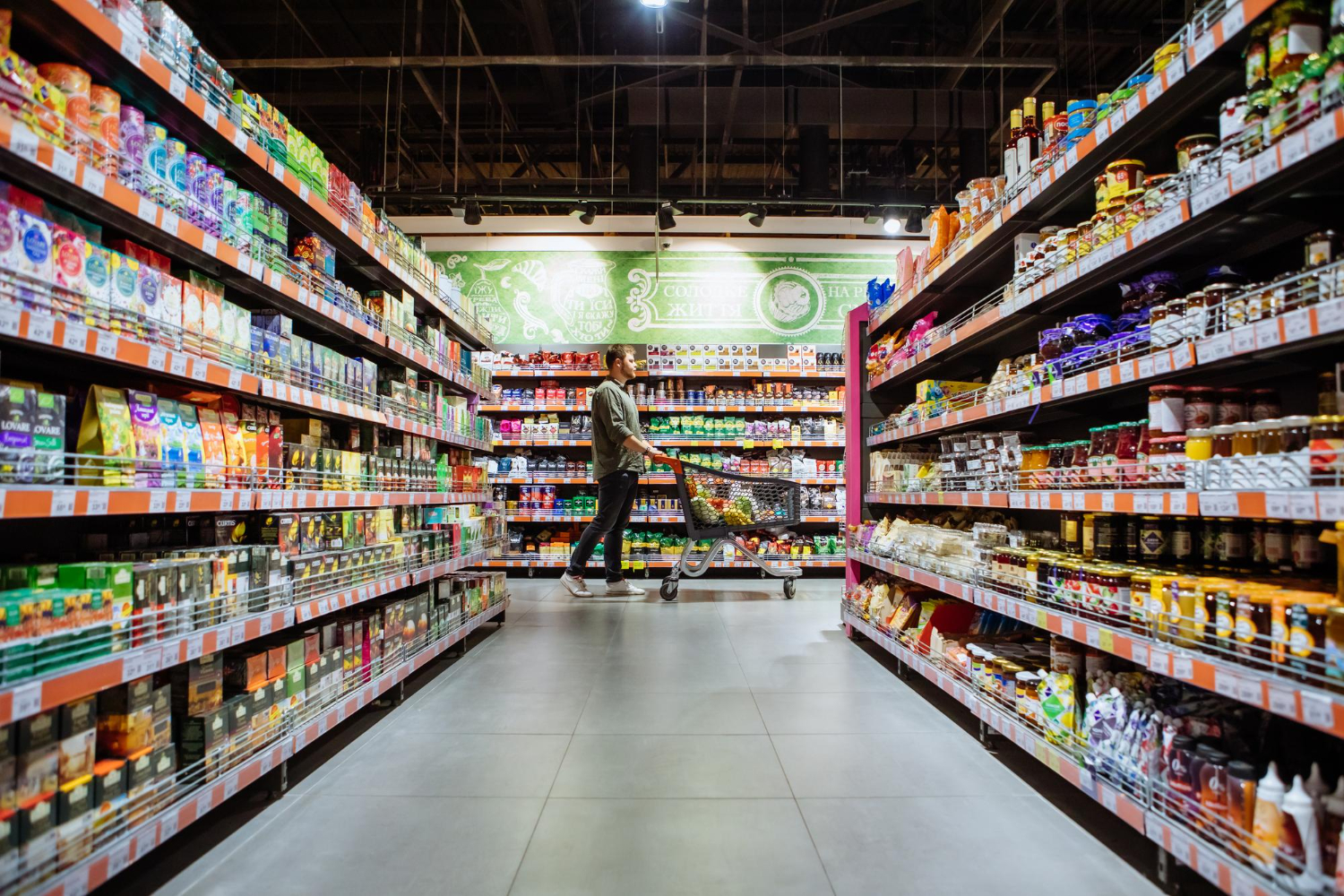
The “use by” date causes the most confusion, because it sounds like a strict deadline. For most products, it’s actually another quality indicator, the last date the manufacturer recommends for peak quality, not a safety cutoff. However, this is where a bit of judgment comes in. On highly perishable items like fresh meat, poultry, seafood, and certain dairy products, it’s wise to treat the “use by” date more seriously and use, freeze, or cook the item by then, simply because these foods spoil faster and carry more risk if they go off. So while “use by” generally signals quality, on perishable, higher-risk foods, it’s a good idea to honor it more closely and rely on proper storage and your senses.
The One Date You Should Never Ignore
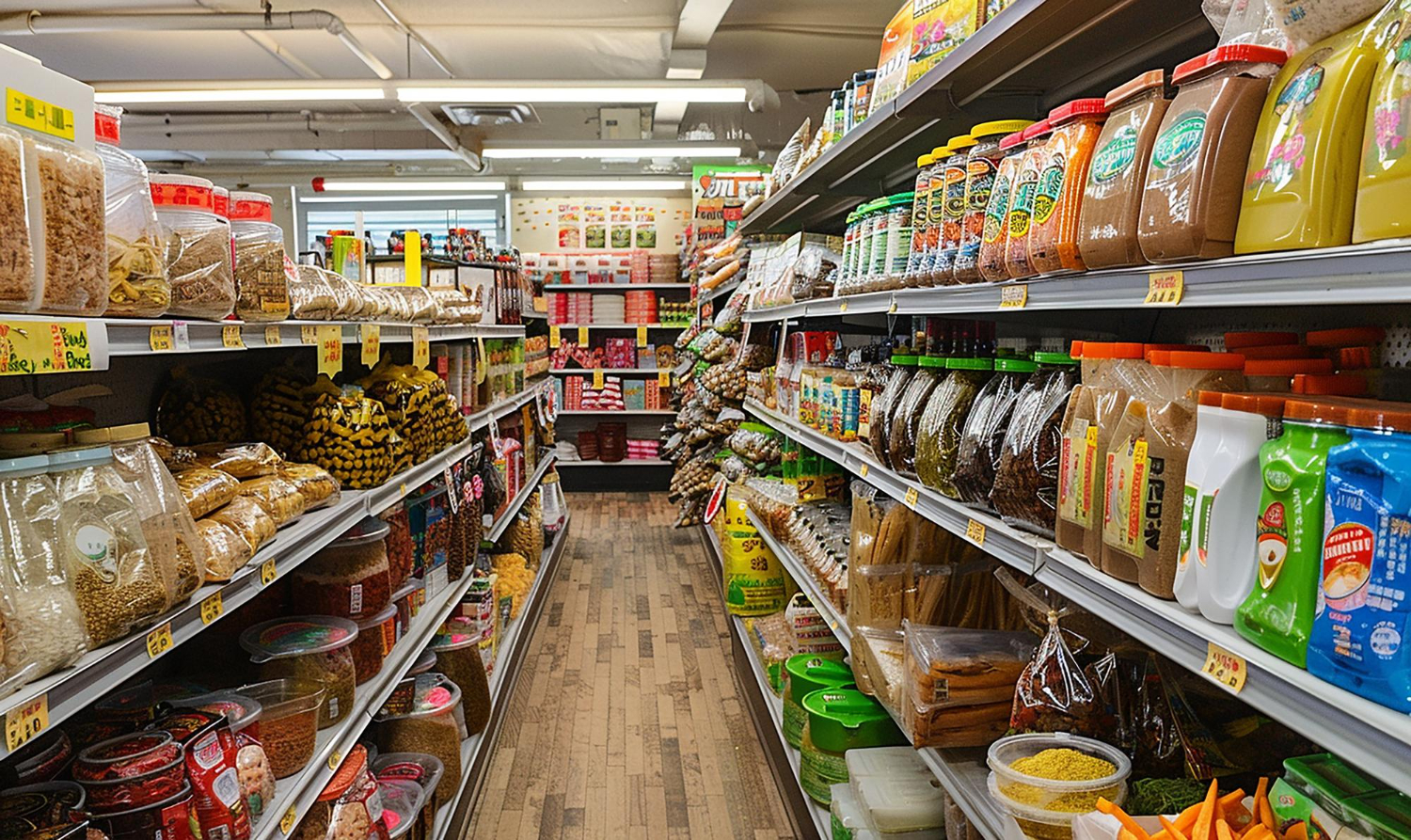
Here’s the crucial exception to all of this: infant formula. In the United States, the date on infant formula is the one product date that is federally regulated and genuinely matters for safety and nutrition. You should always respect the “use by” date on infant formula and never feed it to a baby past that date, because both its safety and its nutritional content can be compromised afterward. This is the single most important takeaway when it comes to date labels. While you can apply flexibility and judgment to most foods in your pantry and fridge, infant formula is not the place to do so. When in doubt with formula, follow the date, full stop.
Trust Your Senses
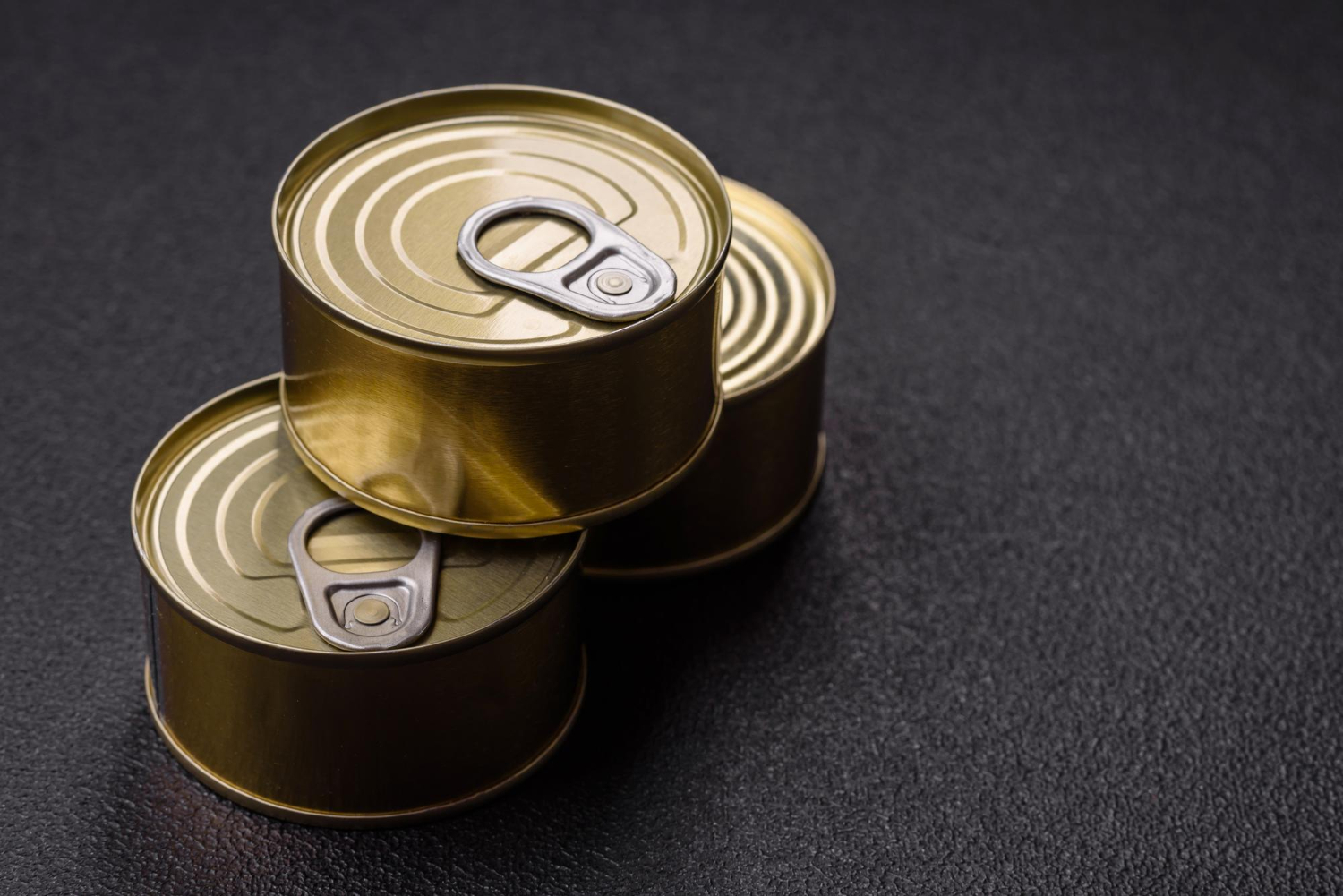
Since most dates are about quality, how do you actually tell whether food is still good? Your own senses are powerful tools. Look at the food: signs of spoilage like mold, an off color, or a slimy texture are clear indicators to throw it out. Smell it: a sour, rancid, or otherwise unpleasant odor is a reliable warning sign. And use common sense about how the item has been stored. As food-safety experts often put it, if it looks, smells, and seems fine, it very likely is, especially for shelf-stable and lower-risk foods. This sensory check, rather than a date alone, is often the best practical guide to whether something belongs on your plate or in the bin.
When in Doubt, Throw It Out
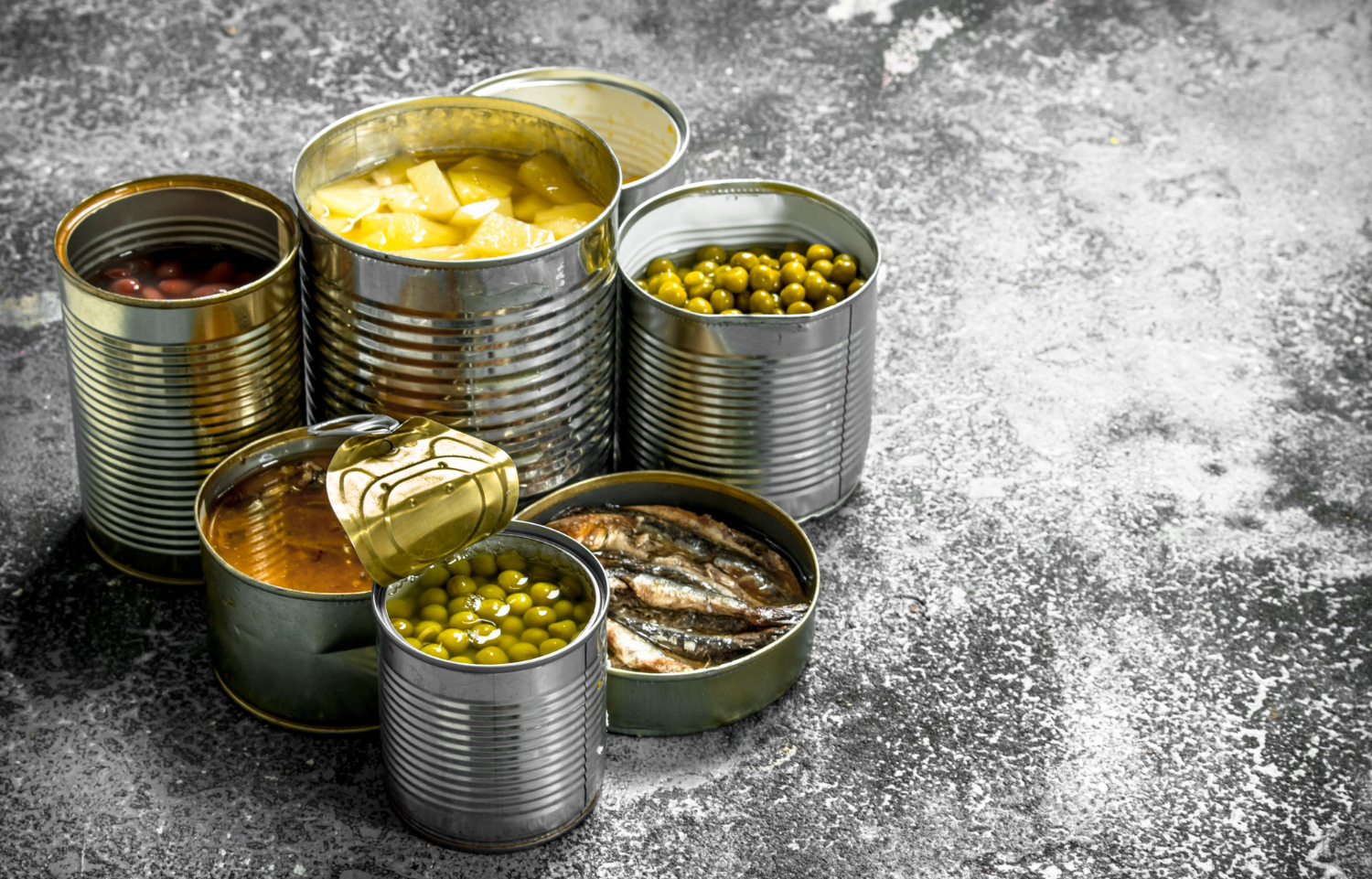
Trusting your senses comes with an important companion rule: when in doubt, throw it out. While date labels are frequently overcautious, food safety is not something to gamble with, and certain situations call for erring on the side of caution. If a food shows any signs of spoilage, if a perishable item has been left out too long or stored improperly, or if you simply have a bad feeling about something high-risk, it’s not worth the risk of foodborne illness. This is especially true for vulnerable groups, including young children, pregnant people, older adults, and those with weakened immune systems, who should be extra careful. Saving food is great; risking illness to do so is not.
Watch Out for These Red Flags
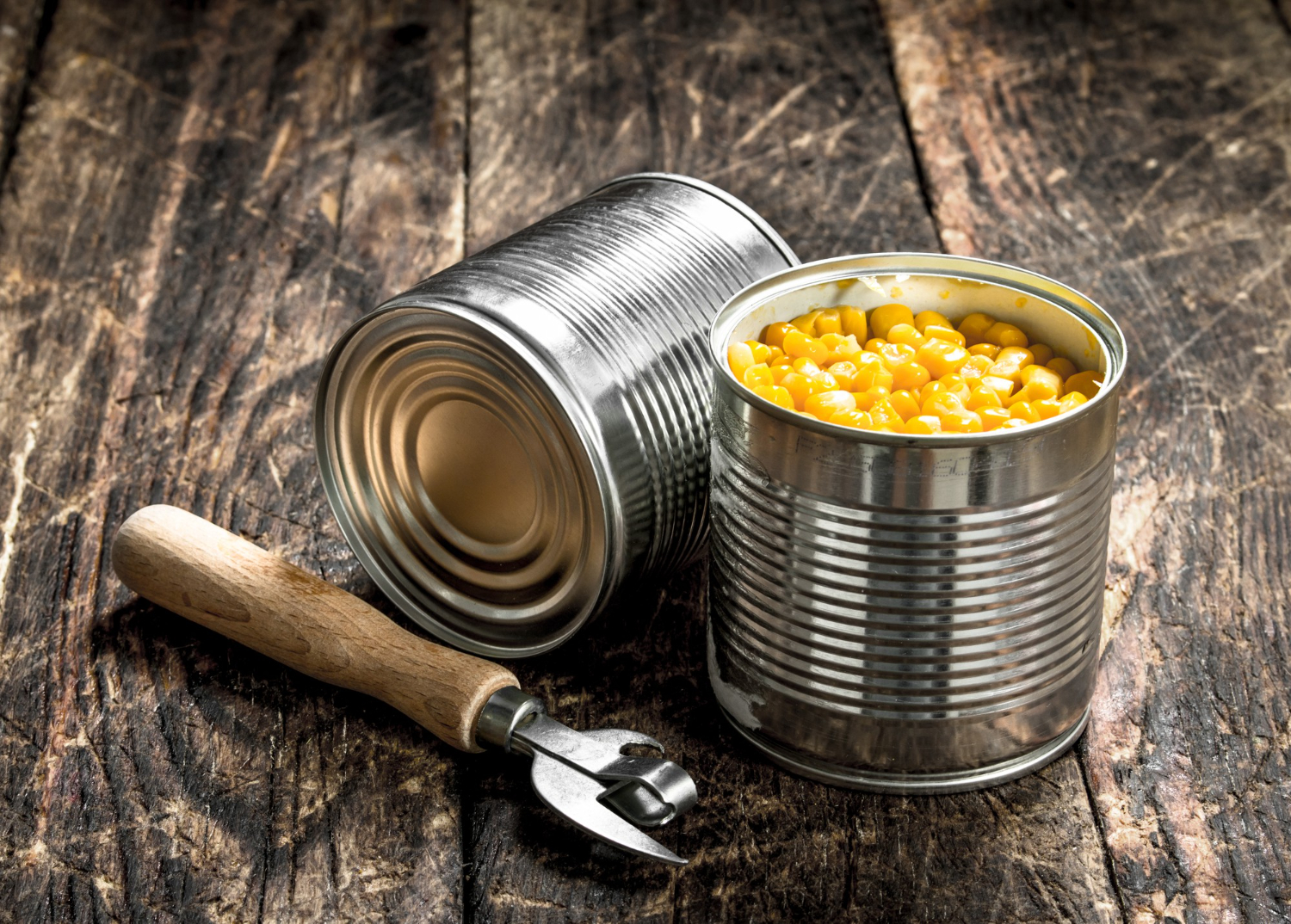
A few specific warning signs deserve special attention regardless of any date. With canned goods, never use a can that is bulging, badly dented along a seam, leaking, or spurts liquid when opened, these can signal dangerous bacterial growth, even if the date looks fine. Discard any food with visible mold (with very few exceptions like certain hard cheeses where mold can be cut away), an unusual smell, or a strange texture. Be cautious with cooked leftovers that have lingered in the fridge too long. And remember that improper storage, leaving perishables at room temperature for hours, can make food unsafe well before any printed date. These red flags override the calendar every time.
How to Make Your Food Last Longer

Proper storage is the real key to maximizing both safety and shelf life. Keep your refrigerator at or below 40°F (4°C) and refrigerate perishables promptly rather than leaving them out. Store dry goods in airtight containers, and keep produce in the appropriate crisper drawers. Freezing is one of the most powerful tools you have: it essentially pauses spoilage, and many foods can be frozen well before their date to extend their life dramatically, with only some loss of quality over time. Labeling leftovers and freezer items with the date helps you keep track. The USDA even offers a free “FoodKeeper” app with detailed storage guidance for hundreds of foods, a handy reference for getting the most out of your groceries.
Saving Food and Money
Understanding date labels is genuinely empowering. Once you realize that “sell by” is for the store, and that “best by” and “use by” (with the perishable-food caveat) are mostly about quality, you can stop reflexively tossing good food and start using your judgment, your senses, and smart storage instead. The payoff is real: less food in the landfill, more money in your pocket, and fewer unnecessary trips to the store. Just keep the guardrails firmly in place, respect the infant-formula date, honor use-by dates on highly perishable items, watch for spoilage red flags, protect vulnerable family members, and throw out anything questionable.
The Bottom Line
Most food date labels in the U.S. are about quality, not safety, and treating them as strict expiration deadlines leads to enormous, needless waste. “Sell by” is for retailers, while “best by” and “use by” generally indicate peak quality, with extra care warranted on perishable, higher-risk foods. The one date to always heed is on infant formula. Beyond that, your eyes, nose, and good judgment, backed by proper storage and a healthy respect for genuine spoilage signs, are your best guides. Learn to read the labels for what they really are, and you can cut your food waste, save money, and still keep your kitchen safe. When something truly seems off, though, always play it safe and toss it.
Like our content? Follow us for more.