A classic golden beach is a beautiful thing, but some of Europe’s most memorable shorelines trade gold for something far more dramatic. Shaped by ancient volcanoes, unusual minerals, and the slow work of the sea, these beaches come in colors that seem almost unreal: blood-red cliffs, black volcanic sand, shores of polished pebbles in a hundred shades. They are as much natural wonders as places to swim, and they make for unforgettable sights. Here is a tour of some of Europe’s most strikingly colorful beaches.
The Red Beach, Santorini, Greece
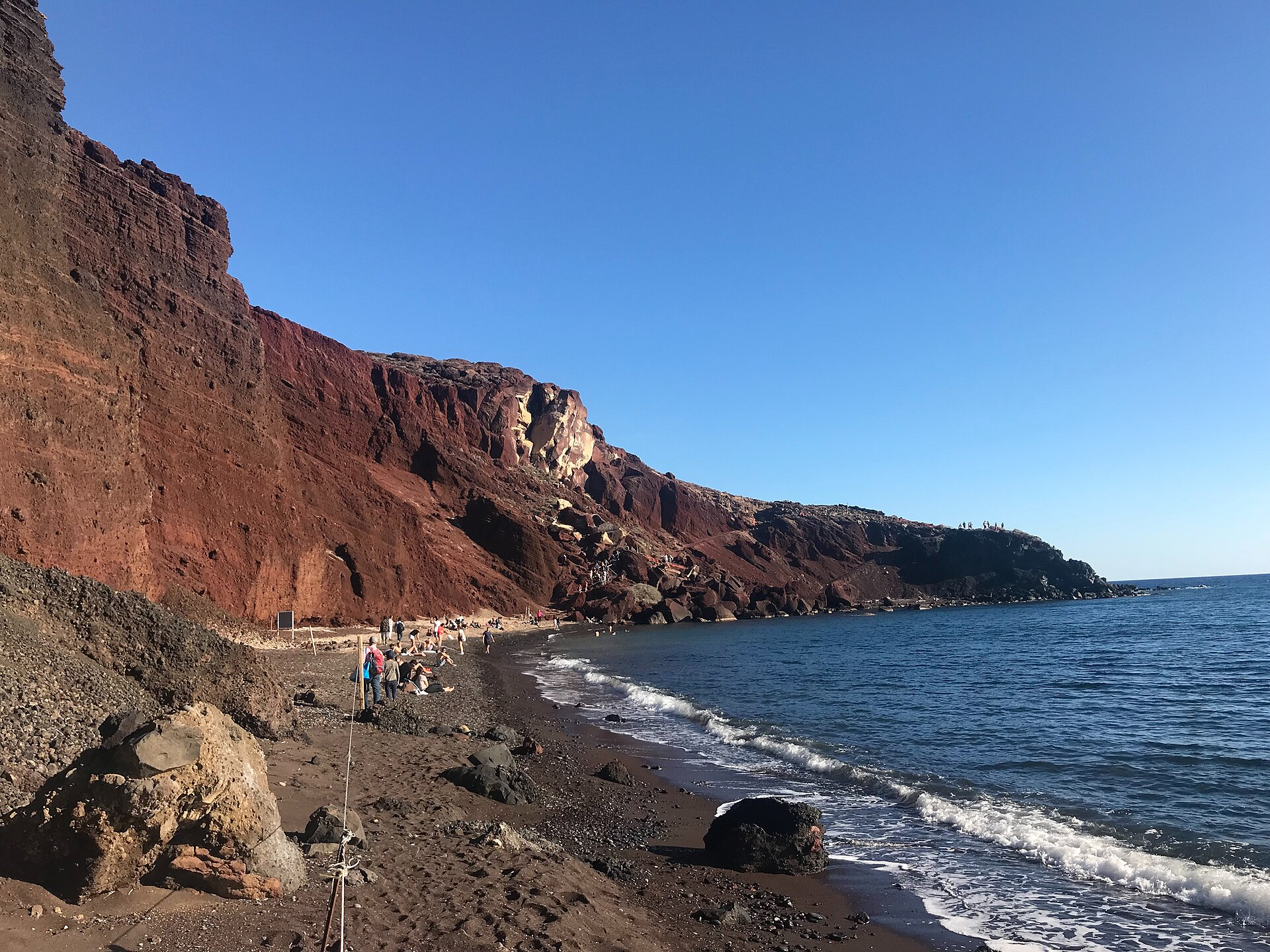
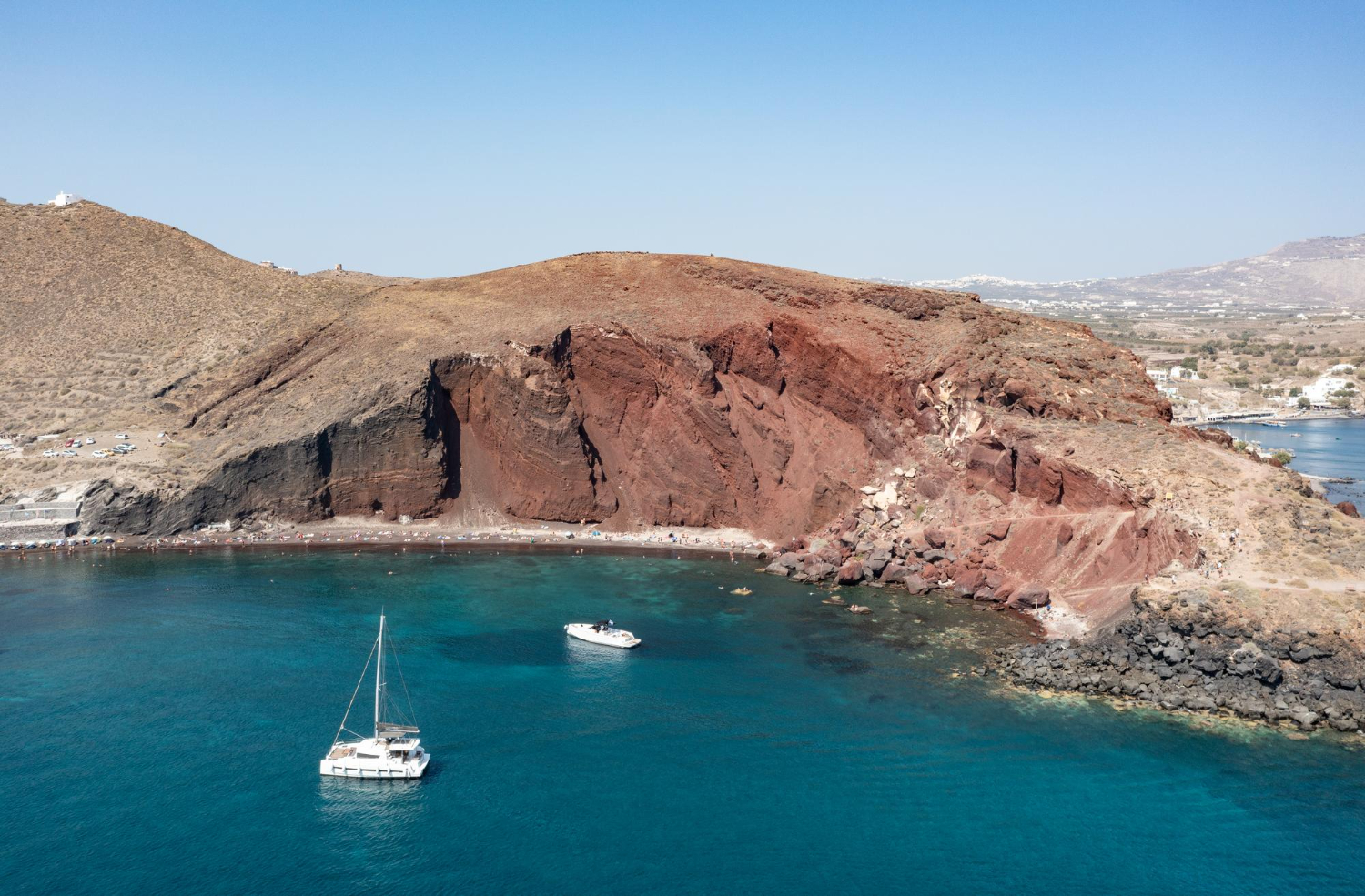
Perhaps the most famous colorful beach in Europe, Santorini’s Red Beach is a jaw-dropping sight: a small cove backed by towering cliffs of deep red and rust-colored volcanic rock, plunging down to clear blue water. The contrast between the fiery cliffs, the dark sand, and the Aegean Sea is genuinely spectacular, and it draws visitors from across the island.
The color comes from the island’s volcanic origins, the same cataclysmic geology that shaped Santorini’s famous caldera. A note of caution for visitors: the cliffs here are prone to rockfall, and access has at times been restricted or warned against for safety reasons, so it is wise to check current local advice and admire the beach from a safe vantage point, such as by boat, if needed. Even seen from the water, it is a remarkable place.
Like our content? Follow us for more.
Black Sand Beaches of Iceland
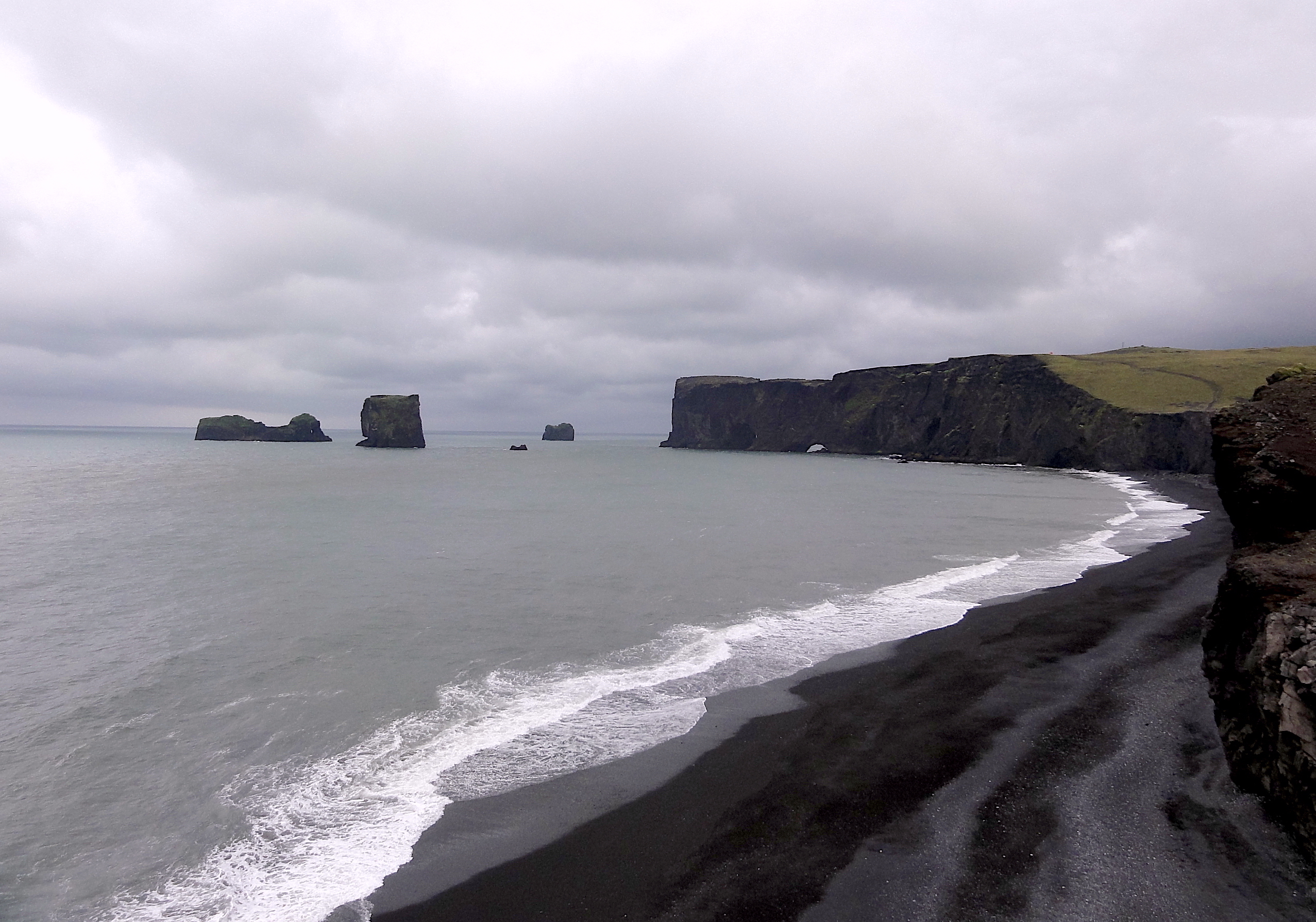
Iceland, a land forged by volcanoes, is home to some of the most dramatic black sand beaches on earth. The most famous, near the village of Vík on the south coast, features jet-black volcanic sand, towering basalt columns shaped like a giant’s staircase, and offshore sea stacks rising from crashing waves.
The effect is otherworldly, more like an alien landscape than a typical beach. The black sand is finely ground volcanic rock, and against the white surf and grey skies it creates a stark, moody beauty. These beaches are for admiring rather than sunbathing, and the powerful, unpredictable waves here are genuinely dangerous, so visitors are warned to keep well back from the water’s edge. The drama, though, is unmatched.
The Black Beaches of the Canary Islands
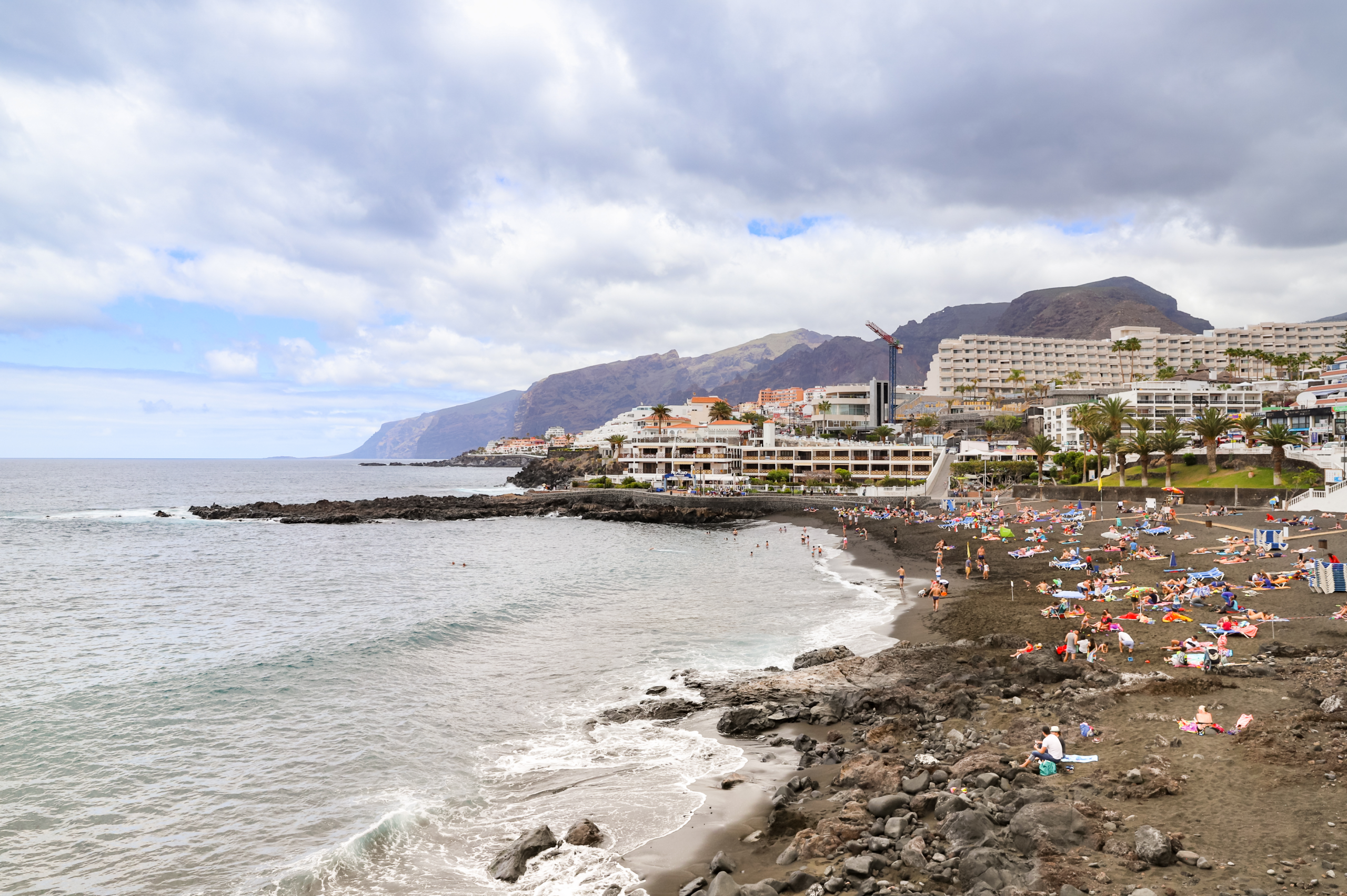
Spain’s Canary Islands, also volcanic in origin, boast their own striking black and dark-grey beaches. On islands like Tenerife and La Palma, black volcanic sand beaches sit beneath dramatic landscapes, offering a completely different beach experience from the golden Mediterranean norm.
Some beaches in the archipelago even mix imported golden sand with the native black, creating unusual two-tone effects. The volcanic setting, with mountains and old lava fields nearby, gives these beaches a rugged grandeur. Warmed by a year-round mild climate, they are popular with sun-seekers who also want scenery a little out of the ordinary.
Pink-Hued Shores
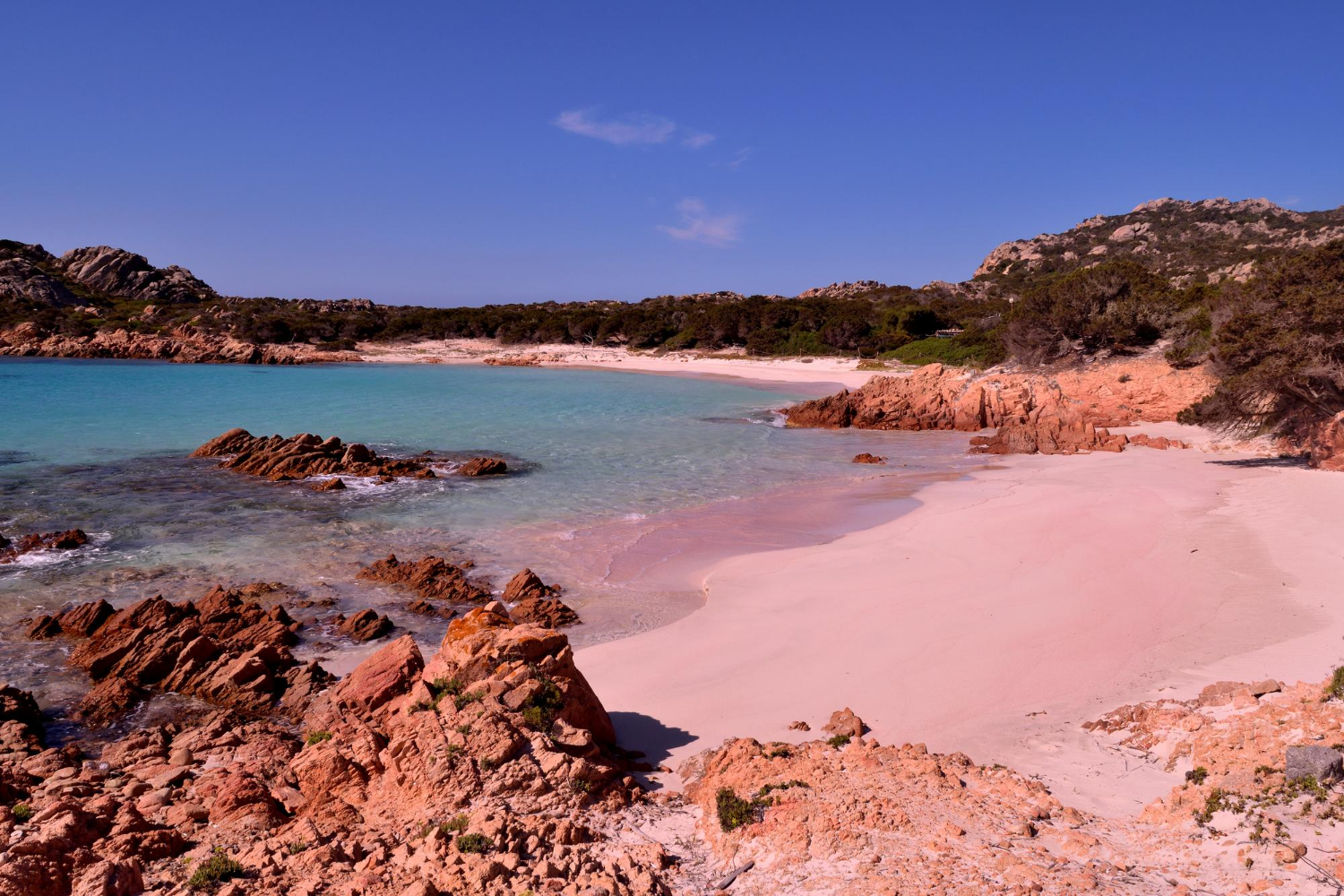
While the Caribbean and Bermuda are best known for pink sand, parts of Europe have their own rosy-toned beaches, where fragments of red coral, shells, or particular minerals lend the sand a delicate pink blush. Certain beaches in the Mediterranean, including spots in Italy and on islands like Sardinia, have historically been known for sand with a pinkish tinge.
These beaches are often delicate ecosystems, and some have introduced strict protections, with one famous Sardinian pink beach closed to the public to prevent visitors from removing the precious sand. The soft, blush-colored shores are a reminder that a beach’s color is a product of its surroundings, and sometimes a sign of how fragile and rare that natural beauty can be.
Pebble and Marble Beaches
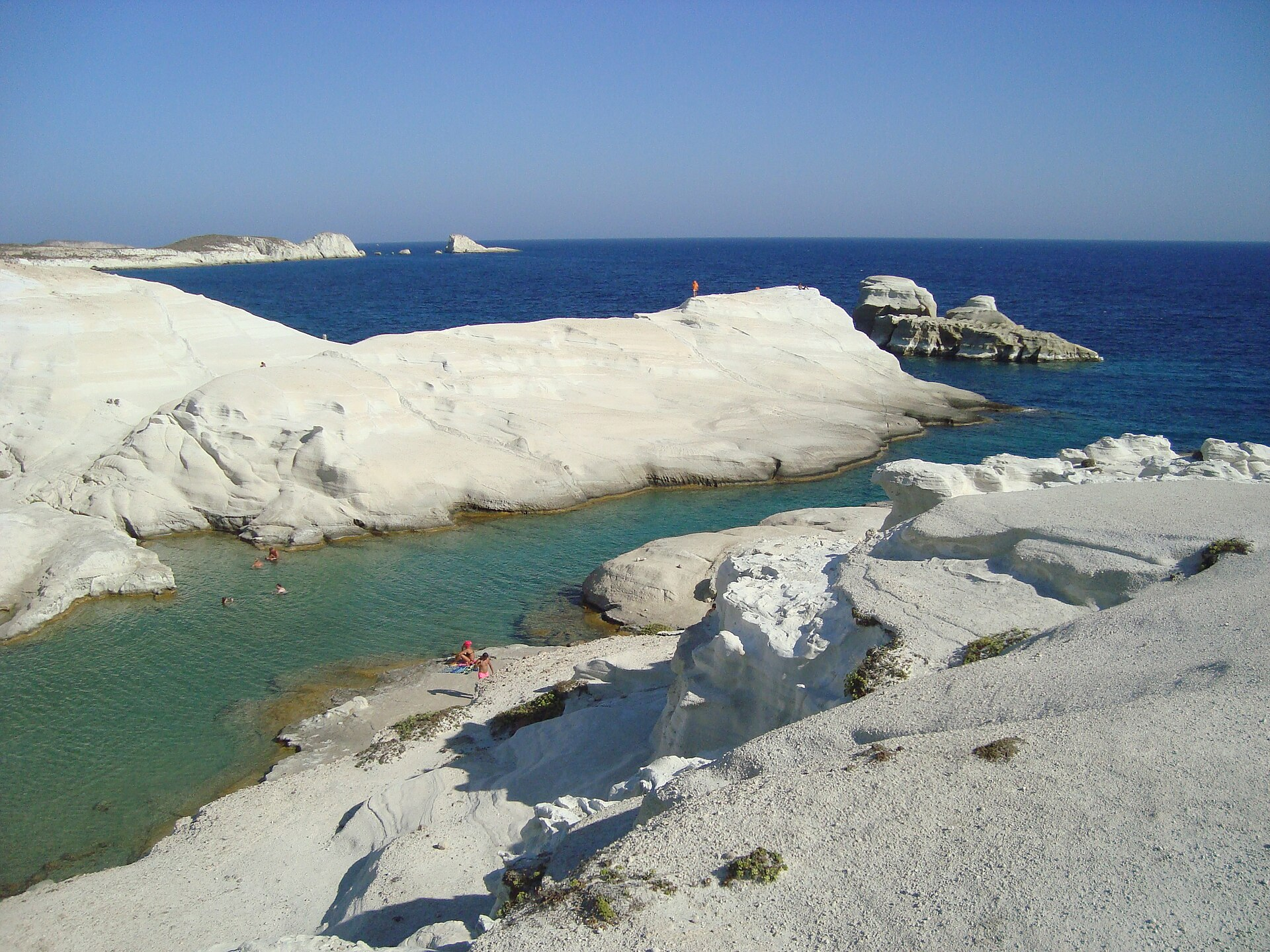
Color in a beach does not always come from sand. Along the Mediterranean and Adriatic, many famous beaches are made of pebbles or smooth stones rather than sand, and these can take on beautiful colors and textures. Some Greek beaches are renowned for their smooth white or pale pebbles, which combine with crystal-clear water to produce an almost impossibly blue, jewel-like effect.
Elsewhere, beaches strewn with white, marble-like stones create dazzlingly bright shorelines. While pebble beaches require water shoes for comfort, they often have exceptionally clear water, since there is no fine sand to cloud it. The interplay of pale stones and deep blue sea is one of the Mediterranean’s signature looks, and a different kind of colorful beauty.
White Cliffs and Bright Coves
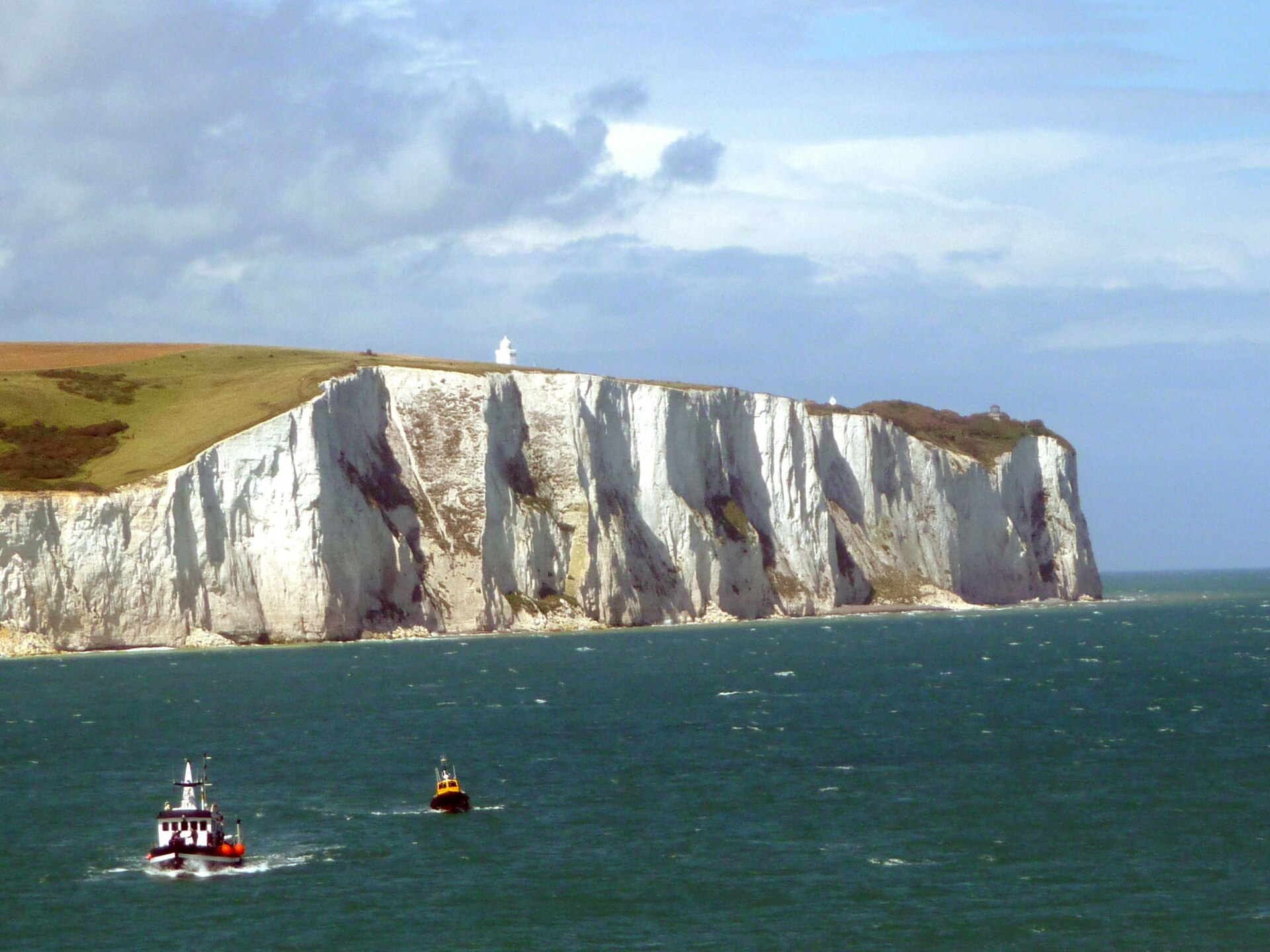
Some of Europe’s most colorful coastal scenery comes not from the sand but from the surroundings. The brilliant white chalk cliffs found along parts of the English and French coasts, and the gleaming limestone of the Mediterranean, frame beaches in dramatic bright tones that shift with the light.
Against turquoise or deep-blue water, these pale cliffs create a luminous, high-contrast beauty, especially in bright sun. They are a reminder that the appeal of a colorful beach is often about the whole setting, the way rock, sand, sky, and sea combine, rather than any single element. The most memorable beaches are often the ones where all of these come together at once.
Green and Other Rare-Hued Sands
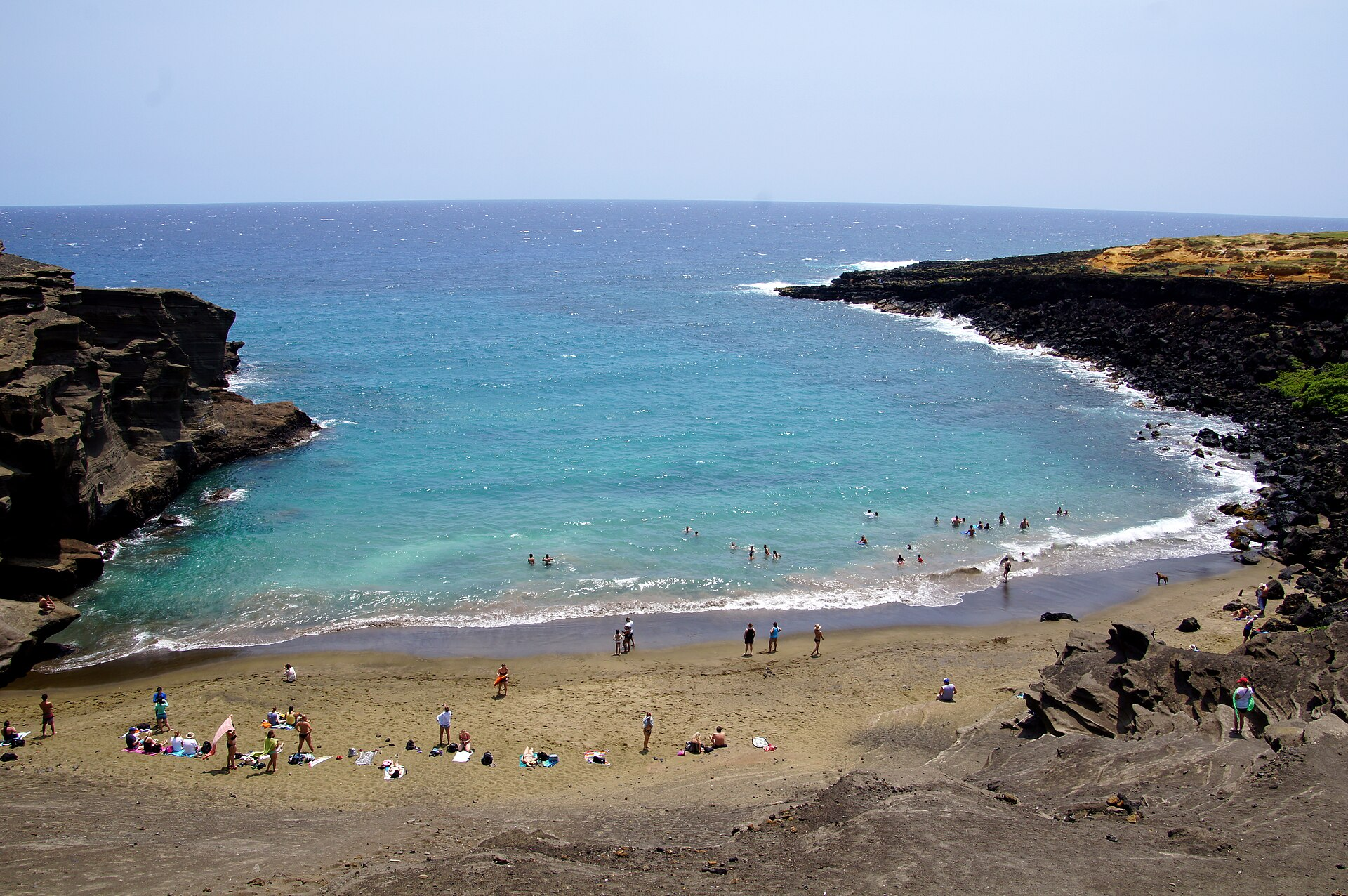
Beyond red, black, and pink, a few of the world’s beaches manage even stranger colors, and while the most famous green-sand beaches lie outside Europe, the volcanic geology that creates them appears around the continent’s islands too. Green sand gets its color from a mineral called olivine, a greenish crystal found in certain volcanic rocks, which can accumulate where the surrounding stone is rich in it.
These shades are genuinely rare, the product of very specific geological recipes, which is exactly what makes them worth seeking out. The same volcanic forces that built Europe’s black beaches occasionally leave deposits tinged with olive-green, golden-brown, or unusual mixtures where different minerals meet. For the curious traveler, part of the fun is understanding what each color reveals about the ground beneath: red and black point to iron-rich volcanic activity, pale stretches to limestone and chalk, pink to coral and shells, green to olivine. A beach’s palette, in other words, is a kind of geological signature, a visible record of the forces that shaped the coastline over thousands or millions of years.
Appreciating, and Protecting, These Natural Wonders
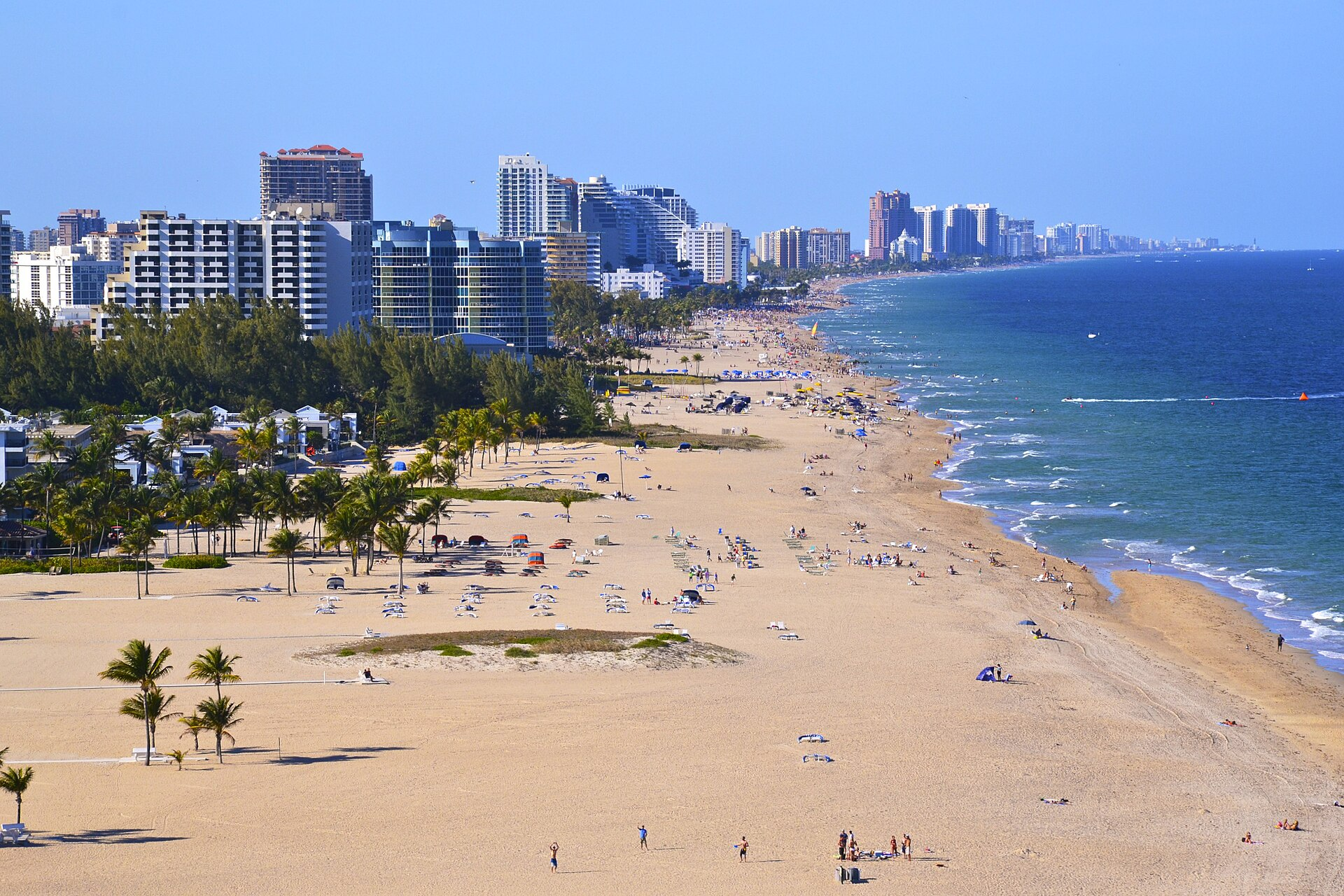
What makes these beaches so special is also, often, what makes them fragile. Their unusual colors are the result of specific geological conditions, sometimes millions of years in the making, and the sand or stones that create them cannot be replaced if carried away. That is why several famous colorful beaches now have rules against removing sand or pebbles, and why some have restricted access entirely to protect both visitors and the environment.
For travelers, these beaches offer a chance to witness the artistry of nature at its most vivid, and the best way to enjoy them is responsibly: heeding safety warnings, especially around unstable cliffs and powerful surf, taking only photographs, and leaving the remarkable sand and stones exactly where they belong. Seen with that care, Europe’s colorful beaches are among the most extraordinary natural sights the continent has to offer, proof that the world’s shorelines come in far more than just gold.
Like our content? Follow us for more.