


Anyone born between approximately 1946 and 1980 — encompassing the entire baby boomer generation and the older end of Generation X — shared a specific set of American daily experiences that have substantially disappeared from contemporary life. Some are infrastructure-based (rotary phones, paper road maps, drive-in movies). Some are commerce-based (Sears catalog Christmas browsing, Tupperware parties, Avon door-to-door sales). Some are entertainment-based (three TV networks, cassette mixtapes, video rental stores). The cumulative pattern is that an American adult born in 1960 lived through more substantial daily-life changes than perhaps any prior single American generation — and that those changes happened in compressed timeframes, with entire infrastructure categories appearing and disappearing within the span of a single career. Here are twenty specific common experiences from American life between 1960 and 1989, with the context of what each one represented and what replaced it.
The list below covers experiences that essentially every American adult born between 1946 and 1980 will recognize. Some have entirely disappeared. Others have been substantially transformed. A few persist in modified form. The pattern of which experiences have proved durable and which have not reveals something about which categories of American daily life have been most fundamentally transformed by the digital transition that began in the mid-1990s and accelerated through the 2010s.
1. Calling Information Before the Internet
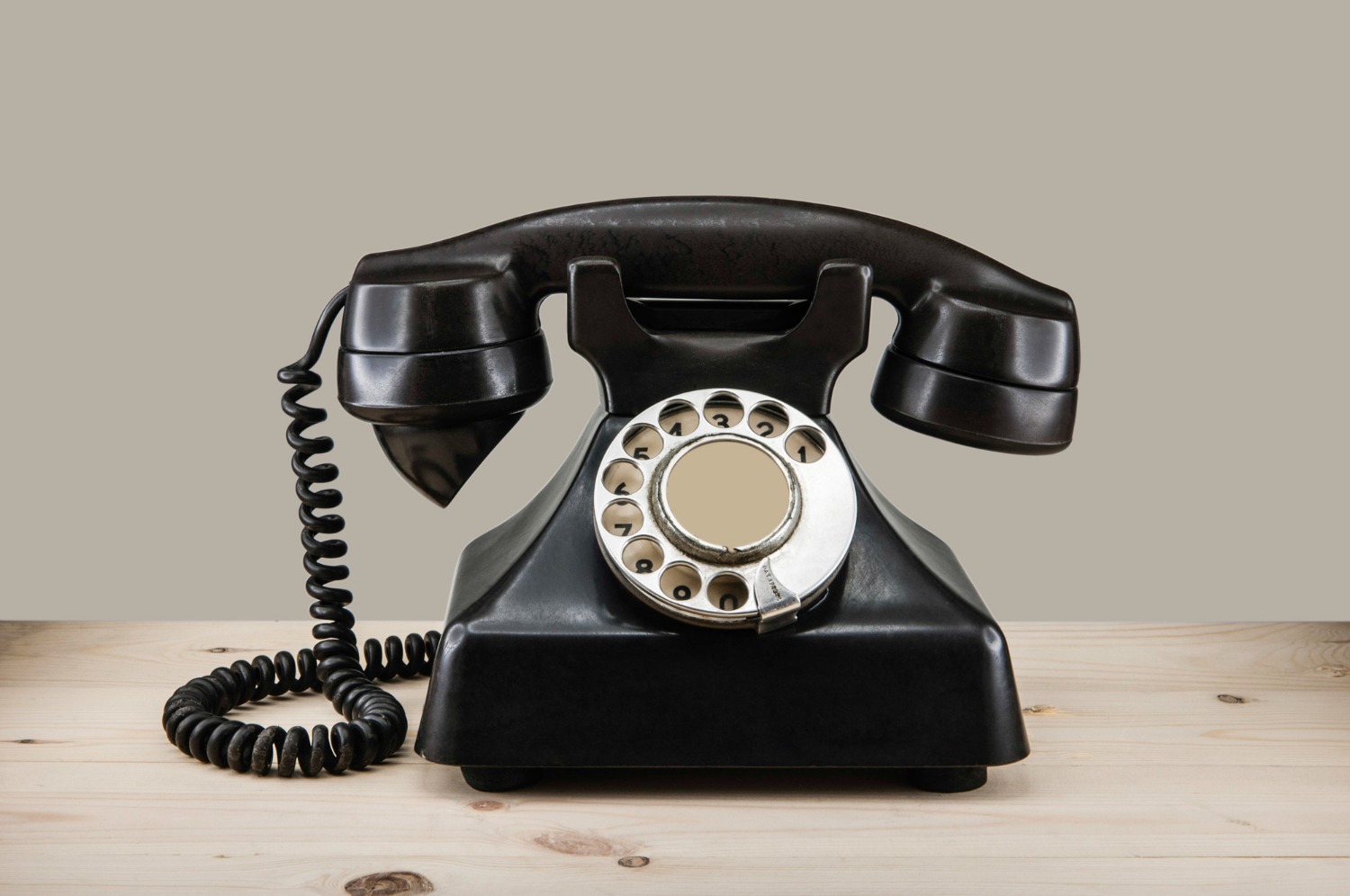
Until approximately the mid-1990s, the standard way to find a phone number was to dial 411 (or 555-1212 for long-distance information) and ask an operator for the listing. The service typically cost 25 to 50 cents per call. The 411 operator was a real person in a central call center, accessing physical or early-digital phone directories. Most American adults under 45 in 2026 have never used directory assistance. The service still exists but at substantially reduced volume and cost — most cellular carriers offer it for $1.50 to $2.50 per call.
Like our content? Follow us for more.
2. Carbon Paper for Making Copies
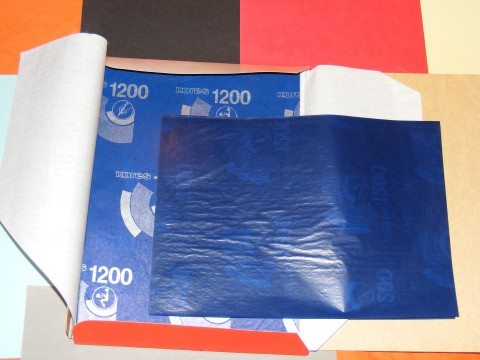
Through the 1970s and into the early 1980s, the way to make a copy of a typed document was to insert a sheet of carbon paper between two pieces of typing paper before feeding the stack into a typewriter. The carbon transferred a faint duplicate of the typed image to the second sheet. The technology was developed in the early 1800s and was the dominant copy method until the Xerox 914 photocopier (introduced 1959) gradually displaced it through the 1970s. Carbon paper has essentially disappeared from American offices.
3. The Encyclopedia Britannica Door-to-Door Sale

The Encyclopedia Britannica — the multi-volume reference encyclopedia — was sold primarily through door-to-door sales by commissioned representatives from the 1920s through the 1990s. The complete set cost approximately $1,400 to $2,500 in the 1980s (equivalent to $4,000 to $7,000 in 2026 dollars). The encyclopedia ceased print publication in 2012. The door-to-door sales operation ended in 1996. Modern American households generally do not own physical encyclopedias.
4. Looking Up Words in a Physical Dictionary

The standard American household contained a physical dictionary — typically Webster’s, American Heritage, or Random House — that was used for actual reference whenever a spelling, definition, or pronunciation was uncertain. The dictionary was typically a heavy hardcover volume kept on a bookshelf or desk. Modern American adults under 35 typically have not used a physical dictionary for reference within memory. Google’s search-engine dictionary function has effectively eliminated the need.
5. The Three-Network Television Universe
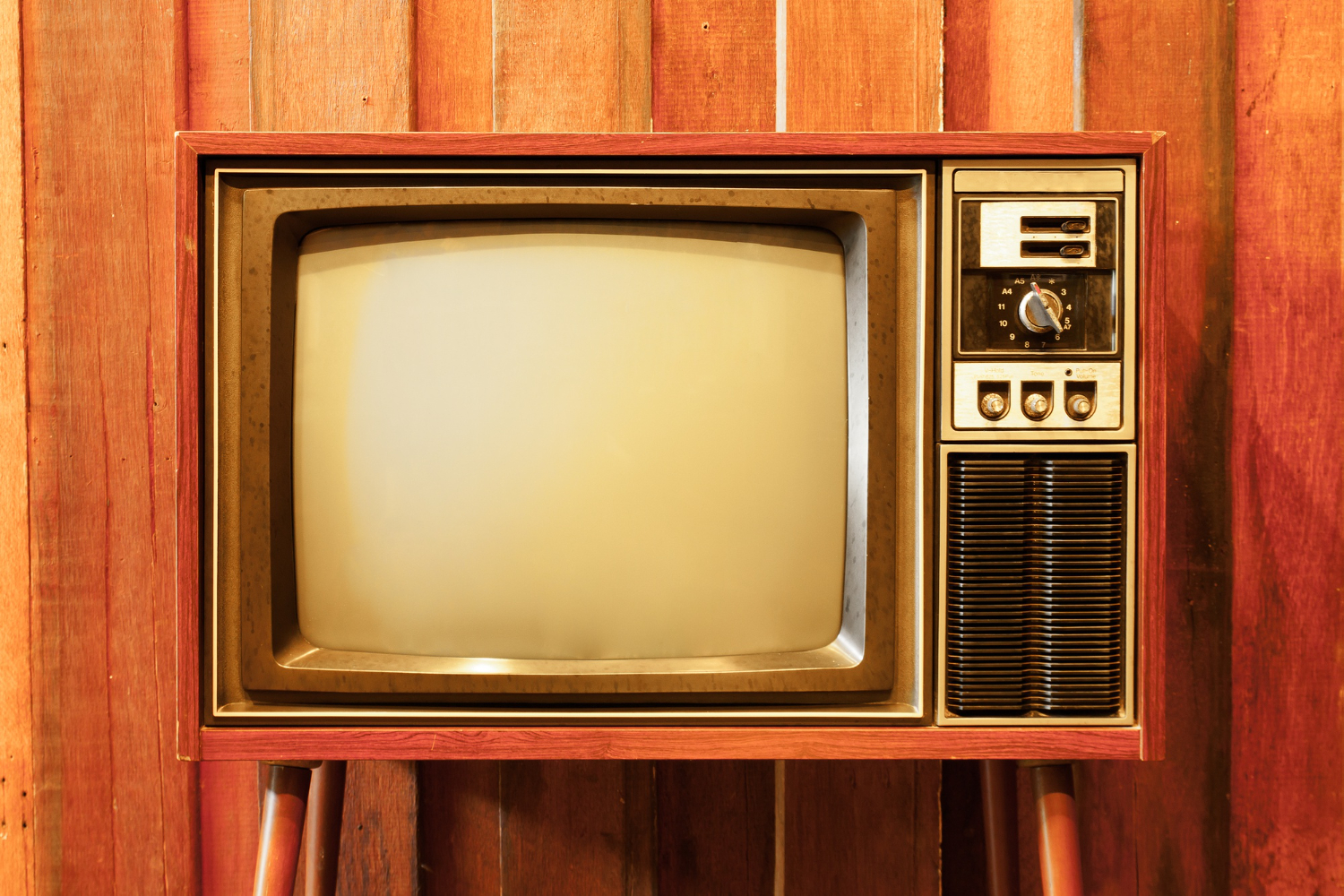
Through approximately 1985, American television consisted essentially of three broadcast networks — ABC, CBS, NBC — plus PBS and a handful of independent UHF stations. Major events like the Super Bowl drew audiences exceeding 50 percent of all American TV-owning households simultaneously. The arrival of cable, then satellite, then streaming has produced a media environment where no single program reaches even 10 percent of American households simultaneously. The 1985 single-program-universal-conversation experience is gone.
6. The Sears Christmas Wishbook
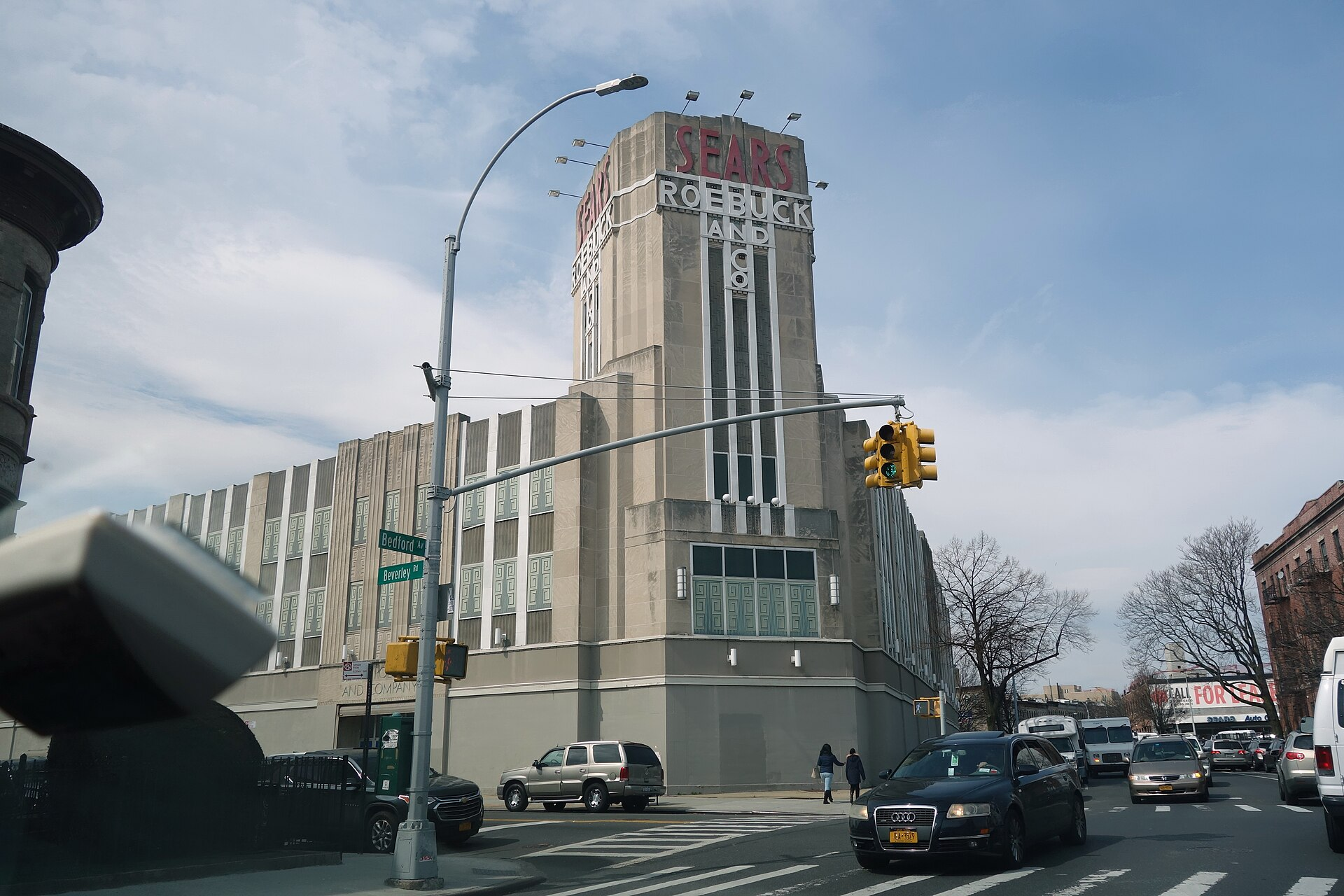
The Sears Christmas Catalog, known colloquially as the Wishbook, was an annual fall-publication catalog with hundreds of pages of toys, gifts, and household goods. American children typically spent autumn afternoons paging through the Wishbook, circling items they hoped to receive. The catalog operated from 1933 through 1993 — 60 years of continuous publication. Sears filed for bankruptcy in 2018 and now operates a vastly reduced footprint. The Wishbook itself was discontinued 33 years ago, but the cultural memory remains vivid for Americans who experienced it.
7. The Tupperware Party

The Tupperware Party — a home-based product demonstration with neighbors, where a Tupperware sales representative would present and sell food storage containers in a host’s living room — was a defining American suburban social event of the 1950s through the 1990s. The model was effective enough that “Tupperware Party” entered American English as a metaphor for any direct-selling social gathering. Tupperware Brands Corporation filed for bankruptcy in September 2024. The party model has been substantially displaced by online purchasing.
8. Drive-In Movie Theaters
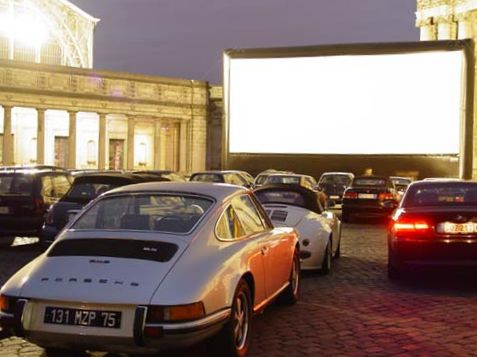
Drive-in movies peaked in the United States in 1958 with approximately 4,063 operating screens. The number fell to approximately 305 in 2020 and stabilized through the COVID-era revival at approximately 320 in 2026. The drive-in was a standard American summer evening entertainment for families with young children, with the speaker box hanging on the car window providing audio. Most American adults under 40 have never been to a drive-in theater.
9. Cassette Tape Mixtapes
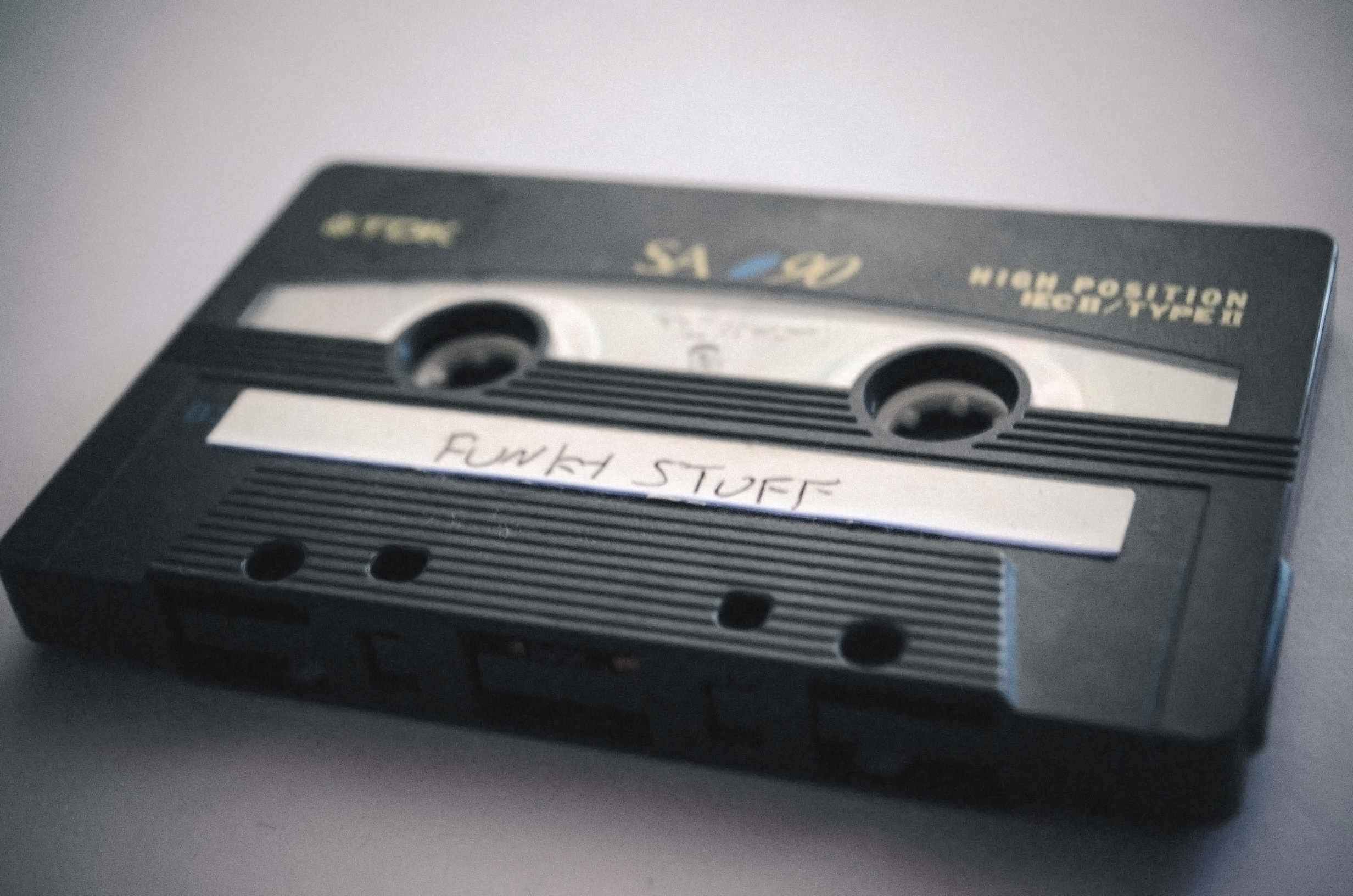
The cassette tape mixtape — a homemade compilation tape recorded by hand from radio, vinyl records, or other cassettes, given as a gift or used for personal listening — was a defining American teenage practice from approximately 1979 through 1995. The act of making a mixtape required time, music selection skill, and physical effort that the contemporary streaming-playlist equivalent does not. The cassette format has experienced minor commercial revival since 2020 but the homemade mixtape practice has not returned at meaningful scale.
10. Pay Phones on Every Corner
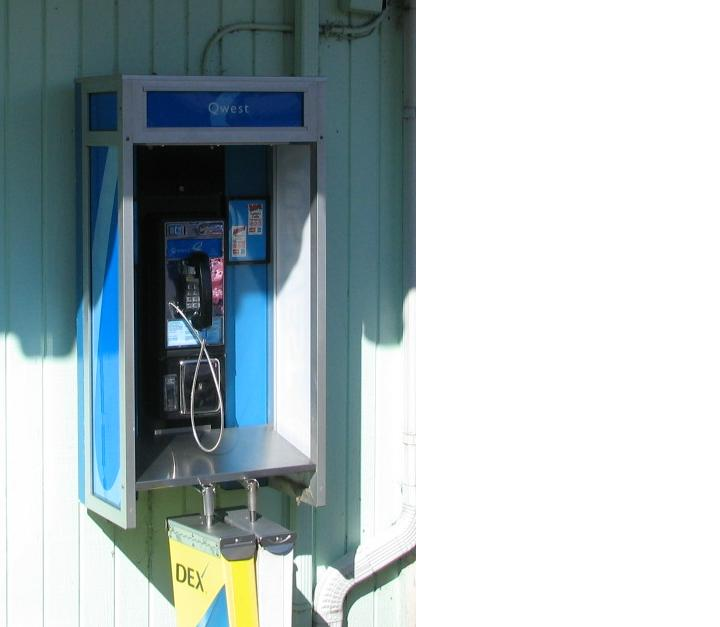
American pay phones peaked in 1995 at approximately 2.6 million units nationally. The number is approximately 95,000 in 2026, mostly concentrated in airports, prisons, hospitals, and a few remaining urban locations. The pay phone was essential infrastructure for arranging travel, calling home from school, and any communication outside the residence before cellular phones became universal. Modern American adults under 35 typically have never made a pay phone call.
11. Calling Collect to Get a Message Across
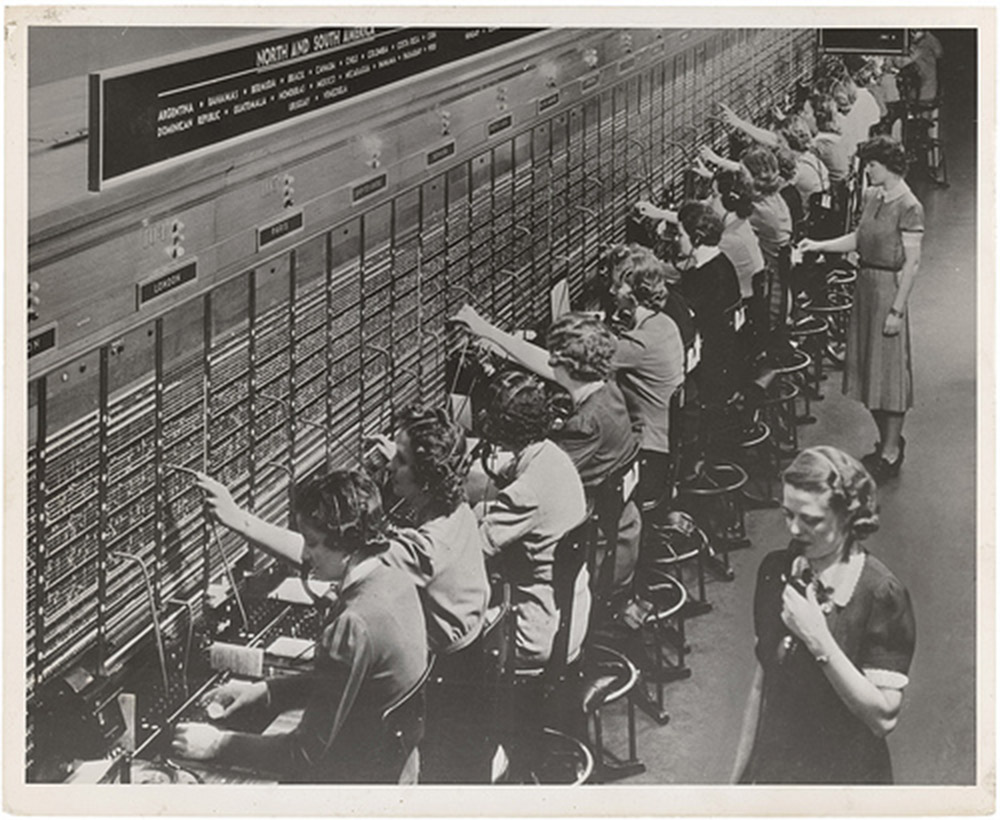
The collect call — calling someone with the charges reversed to the recipient — was a standard American family communication practice. American parents commonly instructed teenagers to “call collect” when they arrived safely at a destination, with the request to accept the call serving as the signal. The “call collect with my name as a message” trick (refusing the call but communicating the message through the operator) was widespread. Cellular phones have eliminated collect calls almost entirely.
12. Layaway Plans at the Department Store
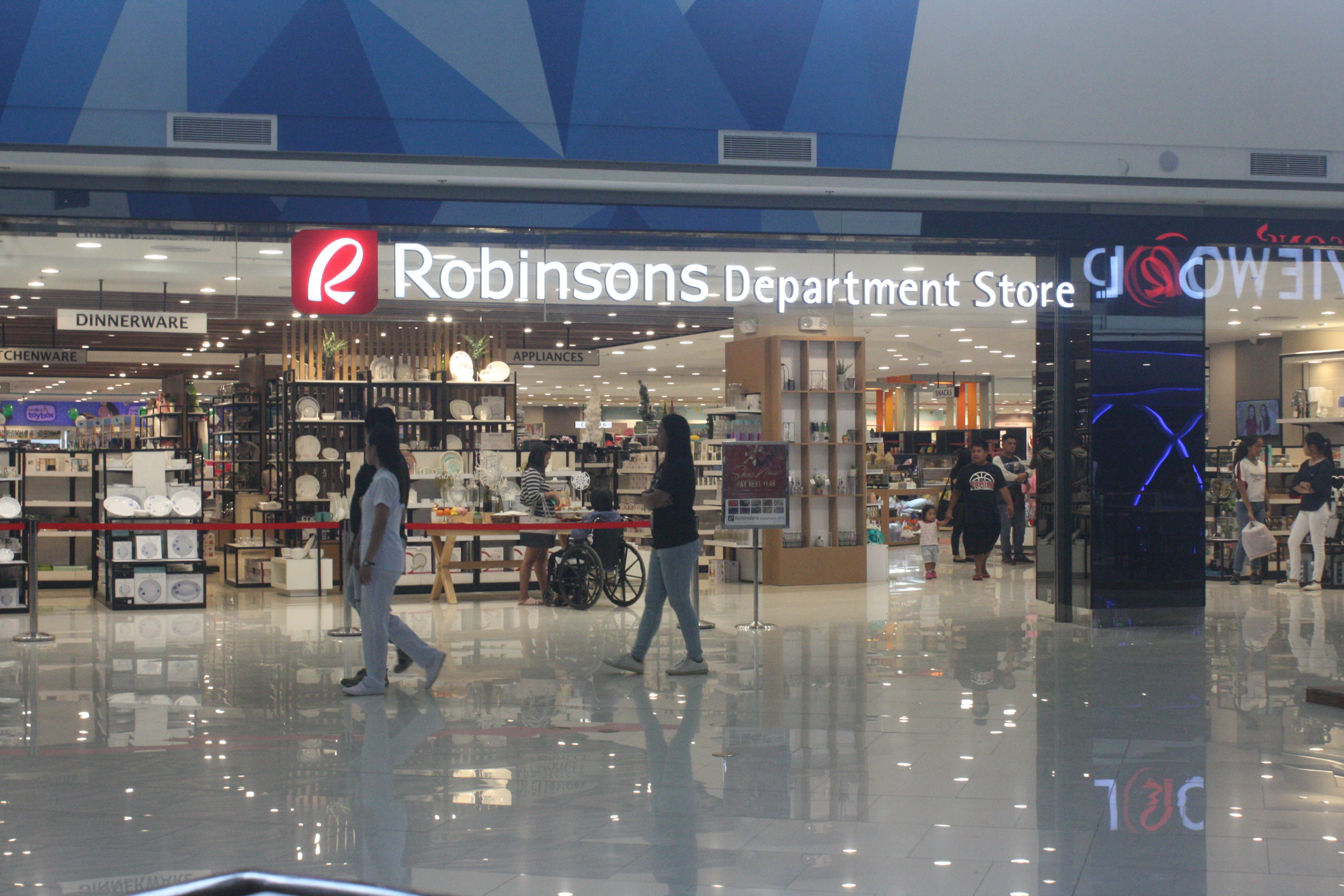
Layaway plans — paying for a purchased item over installments before taking possession — were a standard American department store offering from the Great Depression through approximately the 1990s. The customer would select an item, the store would set it aside, and the customer would pay weekly until the balance was satisfied. Walmart eliminated layaway in 2013, though it has been reintroduced periodically as a holiday-season promotion. Most American department stores eliminated layaway during the 2000s as credit cards became universal.
13. The TV Antenna on the Roof

Through approximately 1985, most American single-family homes featured a television antenna mounted on the roof, typically a long horizontal aluminum array oriented toward the nearest broadcast tower. Indoor “rabbit ear” antennas were common in apartments. The 2009 digital television transition substantially eliminated the rooftop antenna landscape, though over-the-air broadcast still requires an antenna in 2026 for free-to-air reception. Most American homes built since 1990 do not have rooftop antennas.
14. The Watergate Hearings on Daytime TV
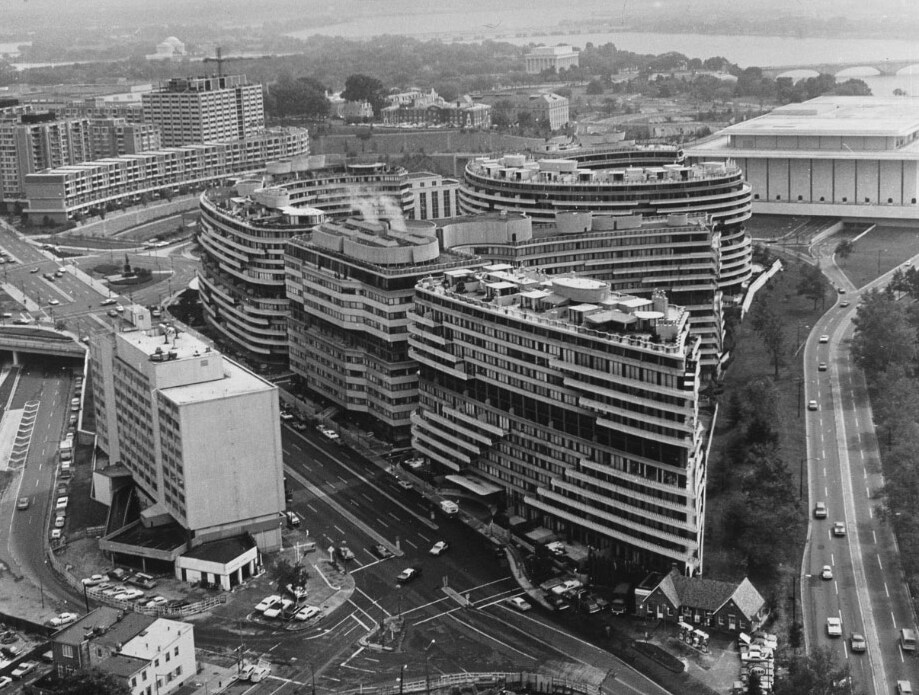
The summer 1973 Senate Watergate Committee hearings were broadcast live on daytime television by all three major networks, replacing soap operas and game shows for several weeks. The cumulative audience exceeded 85 percent of American households. The hearings produced household-name recognition for figures like Sam Ervin, John Dean, and H.R. Haldeman. No subsequent televised political event has matched the cultural saturation of the 1973 Watergate coverage.
15. The Family Photo Album as a Physical Object
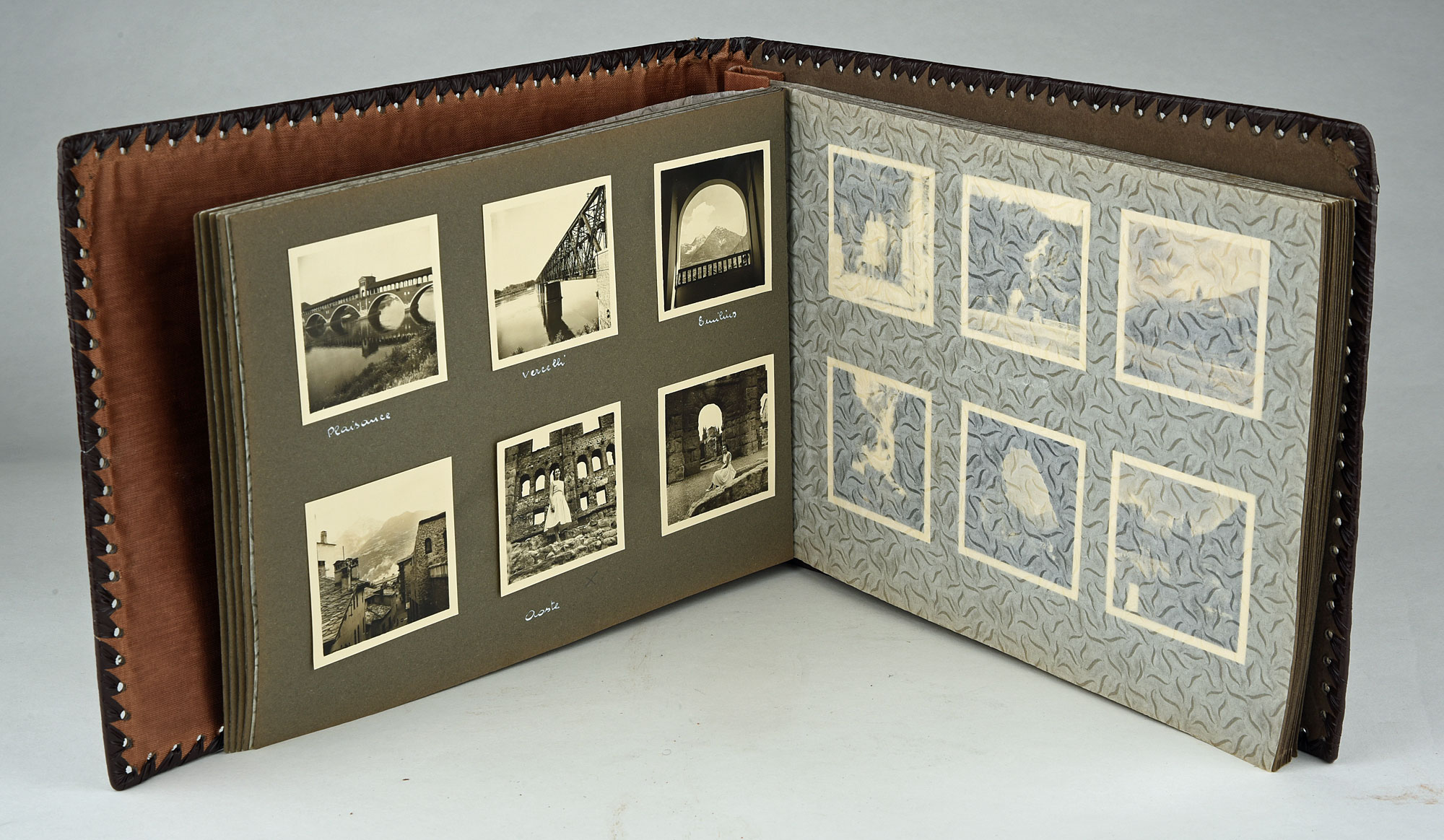
Through the 1990s, American family photos were physical objects — printed at the local drug store or photo lab, then mounted in albums with adhesive pages or in shoeboxes. The cumulative family photographic record was inventoried in physical books that could be pulled off the shelf during family visits. Modern American family photos are primarily digital, with the printed-album equivalent having substantially disappeared from contemporary households except as specialty products.
16. The Yellow Pages Doorstop
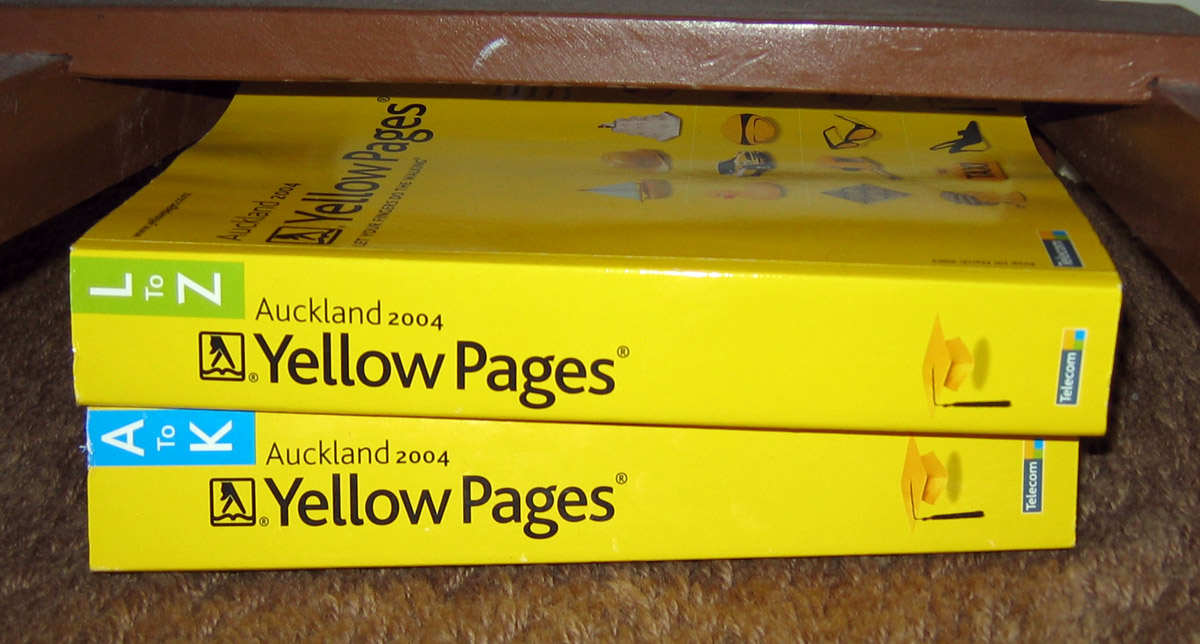
The annual Yellow Pages directory — a phone book listing every business in a given metropolitan area, organized by category — was delivered to every American household and business through approximately 2010. The directories typically ran 1,200 to 2,000 pages and weighed 4 to 8 pounds. Most American households used the directories primarily as doorstops or makeshift child booster seats by the mid-2000s. Yellow Pages distribution has substantially ceased except in certain metropolitan areas where the company still produces print volumes.
17. The Video Rental Store
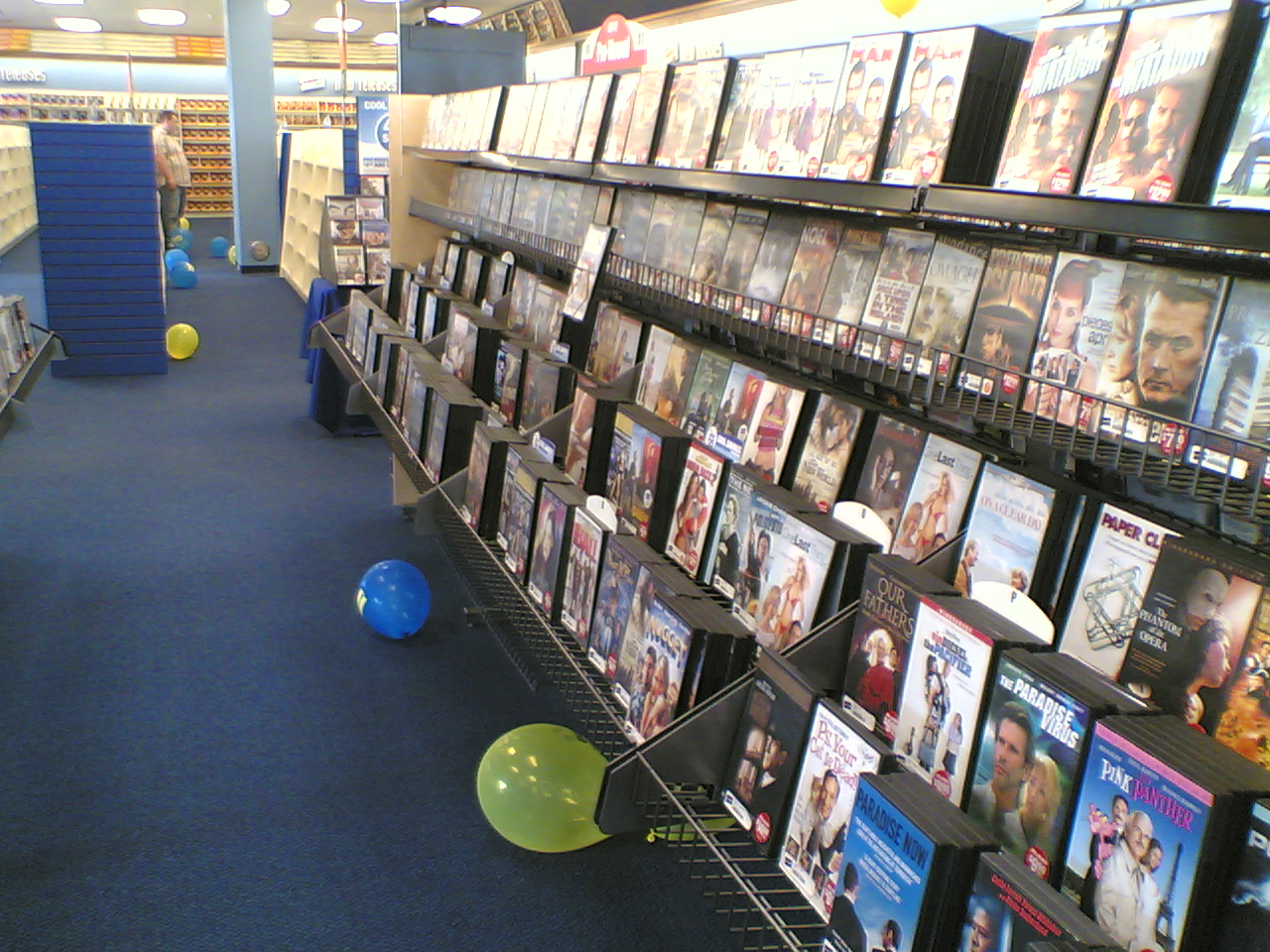
Video rental stores — primarily Blockbuster but also Hollywood Video, regional chains, and thousands of independents — were a defining American Friday-night experience from approximately 1985 through 2010. The act of walking into a Blockbuster, browsing the new releases wall, and selecting a video for the weekend was central to American suburban entertainment. Blockbuster filed for bankruptcy in 2010 and ceased operations in 2013, except for the single remaining store in Bend, Oregon. Modern American adults under 30 typically have never rented a physical video.
18. The Smoking Section at the Restaurant
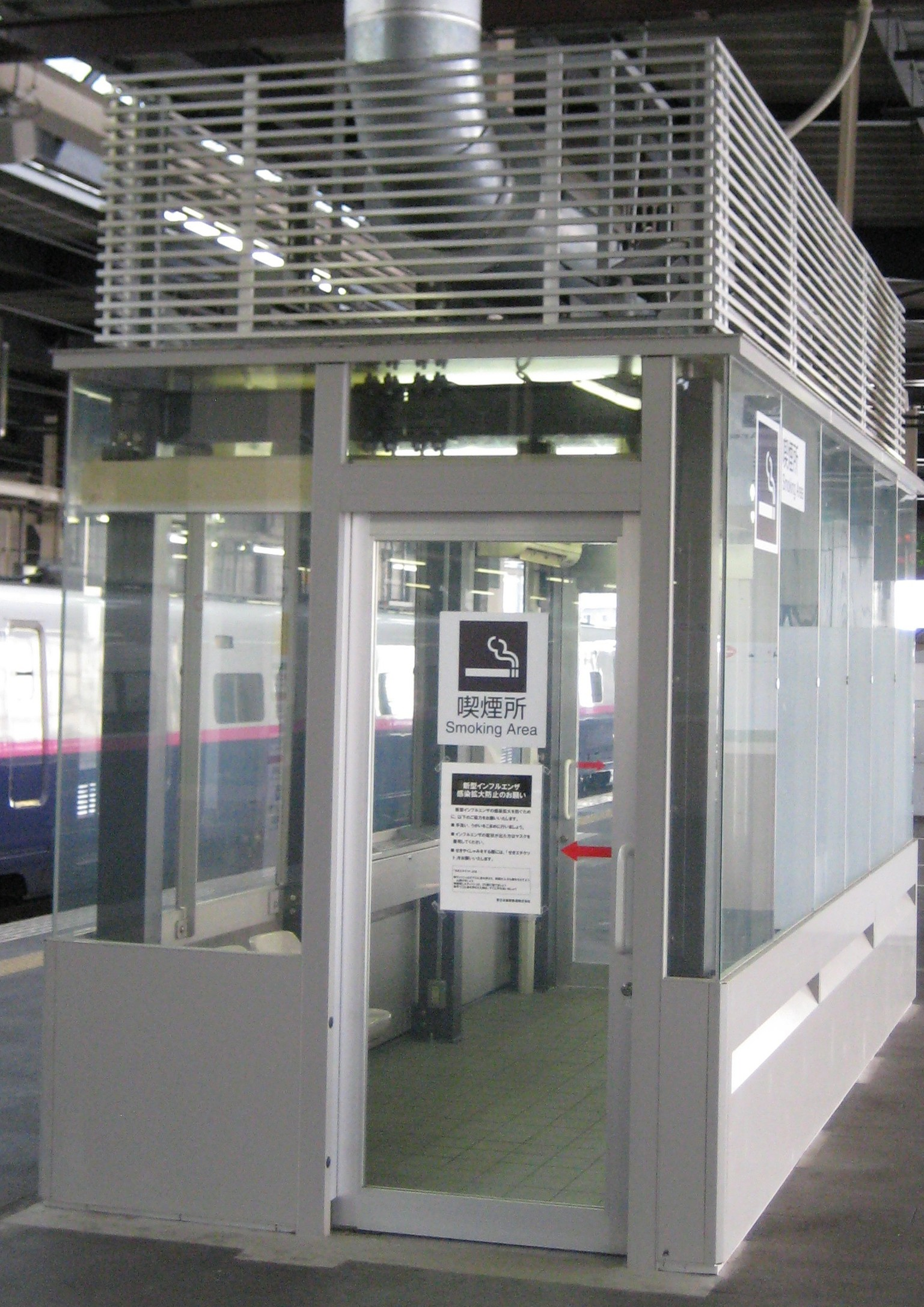
Through approximately 2005, American restaurants nationally maintained smoking sections separated from non-smoking sections, typically by partial partitions that provided minimal actual air separation. The hostess at the door asked “smoking or non-smoking?” before seating each party. State-by-state smoking bans in restaurants rolled out from California’s 1995 pioneering ban through Pennsylvania’s 2008 implementation. As of 2026, all 50 U.S. states prohibit smoking in restaurants. The “smoking or non-smoking” hostess question is gone.
19. Coin-Operated Newspaper Boxes
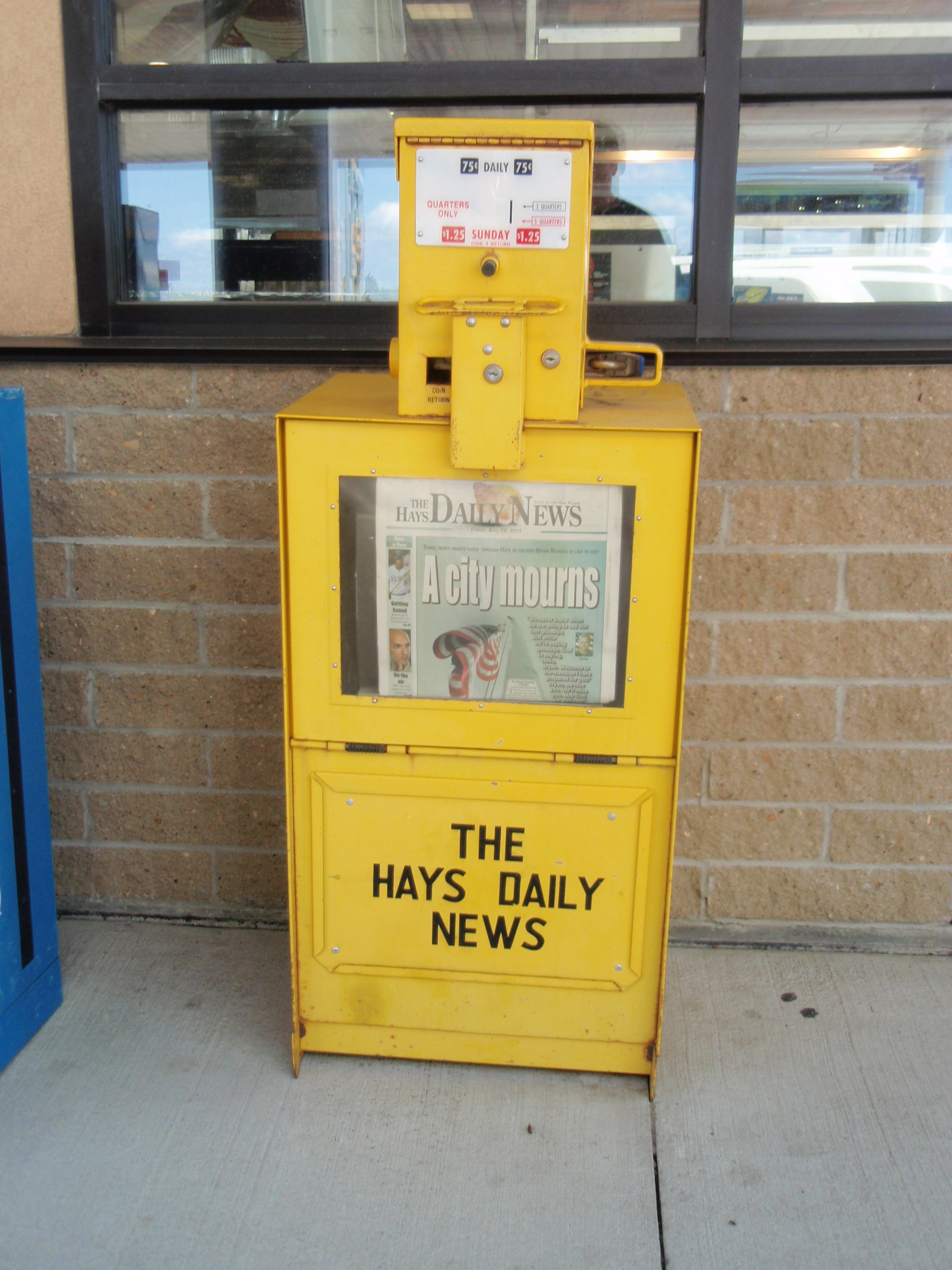
American street corners featured coin-operated newspaper vending boxes — typically blue, red, or yellow metal boxes containing the local newspaper for 25 to 75 cents per copy. The boxes were everywhere through approximately 2005. Modern American street corners contain very few newspaper boxes. The boxes that remain typically charge $1.50 to $3.00 per copy and serve a much smaller readership.
20. The Mall Walk
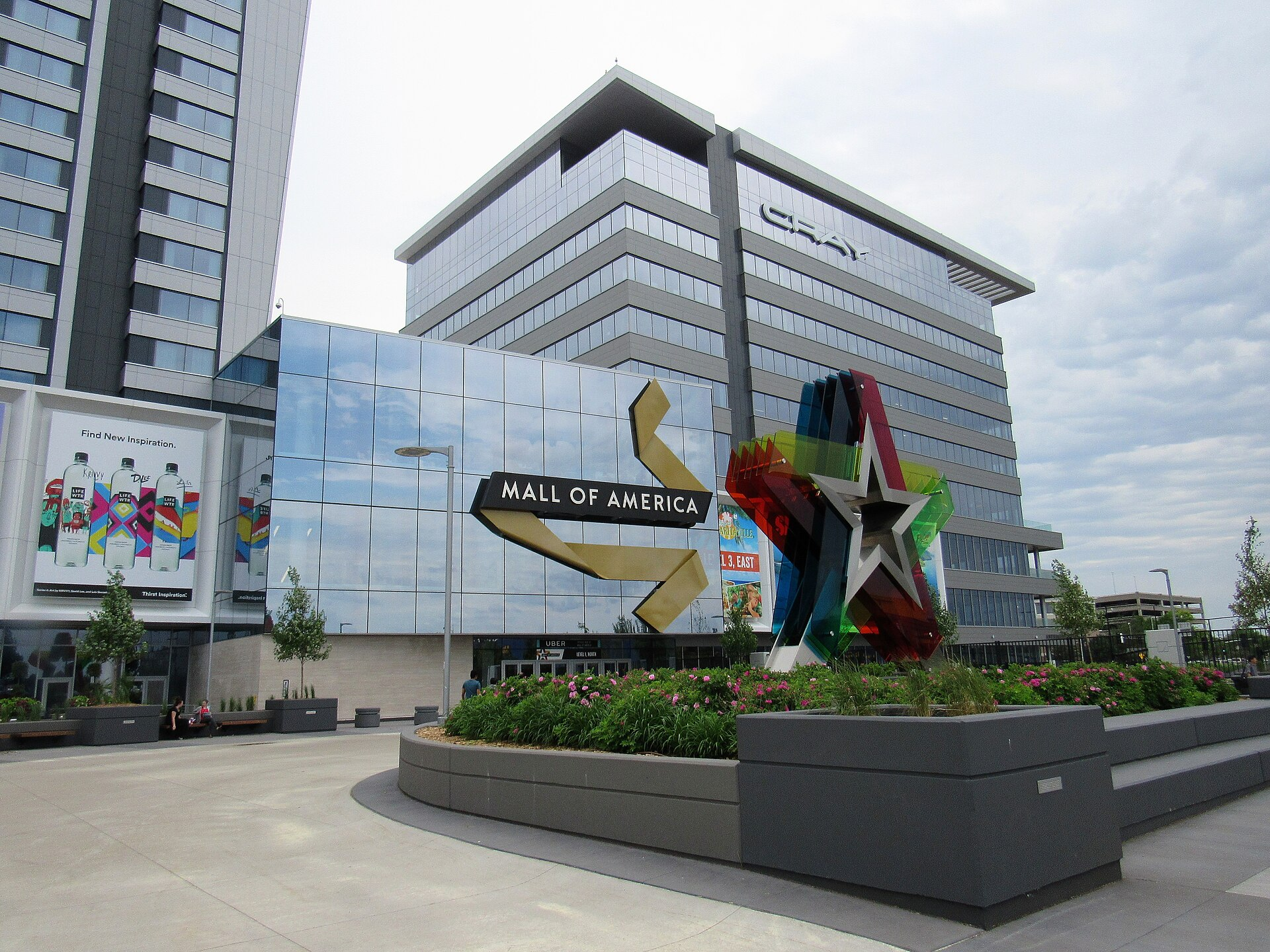
The shopping mall walk — particularly the morning mall-walking groups of older Americans using the mall corridors as climate-controlled exercise space — was a defining American practice from the 1970s through approximately 2010. The 2010s mall closures eliminated many of these walking environments. The mall walk persists in surviving mid-sized regional malls (typically with 60+ active retailers) but has substantially diminished as American shopping malls have closed or converted to mixed-use developments. The 1985 mall-walk-with-coffee was a near-universal American suburban experience.
Like our content? Follow us for more.
