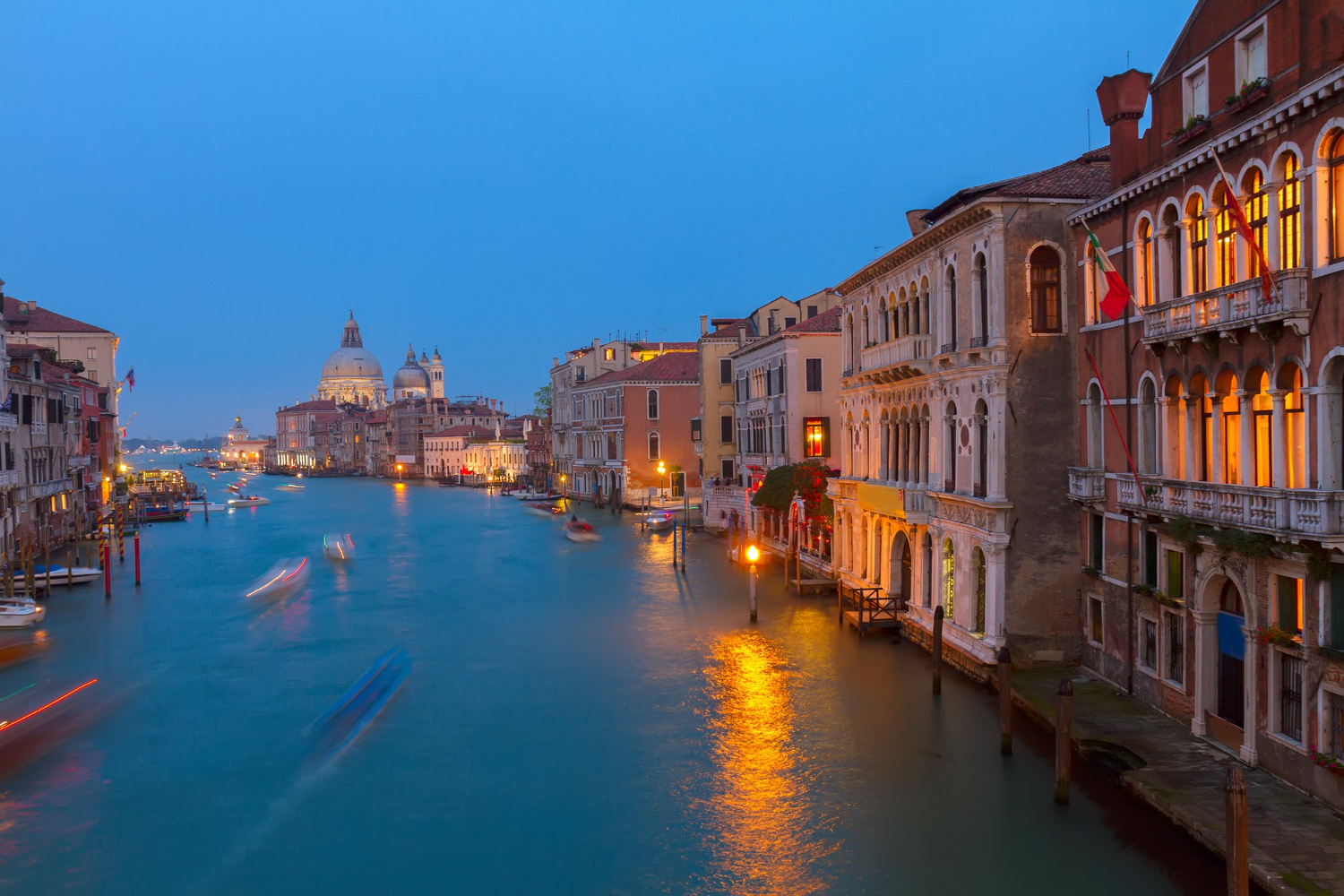
There is a bittersweet category of travel destination: places so beautiful and so threatened that experts urge people to see them while they still can. Some face the slow creep of rising seas, others the warming of the oceans, still others the sheer weight of the crowds that love them. None of this is a reason to rush carelessly around the globe, but it is a reason to travel thoughtfully, to appreciate these places deeply, and to support the efforts to protect them. Here are some of the remarkable destinations that may not look the same for future generations, and why each one matters.
Venice, Italy
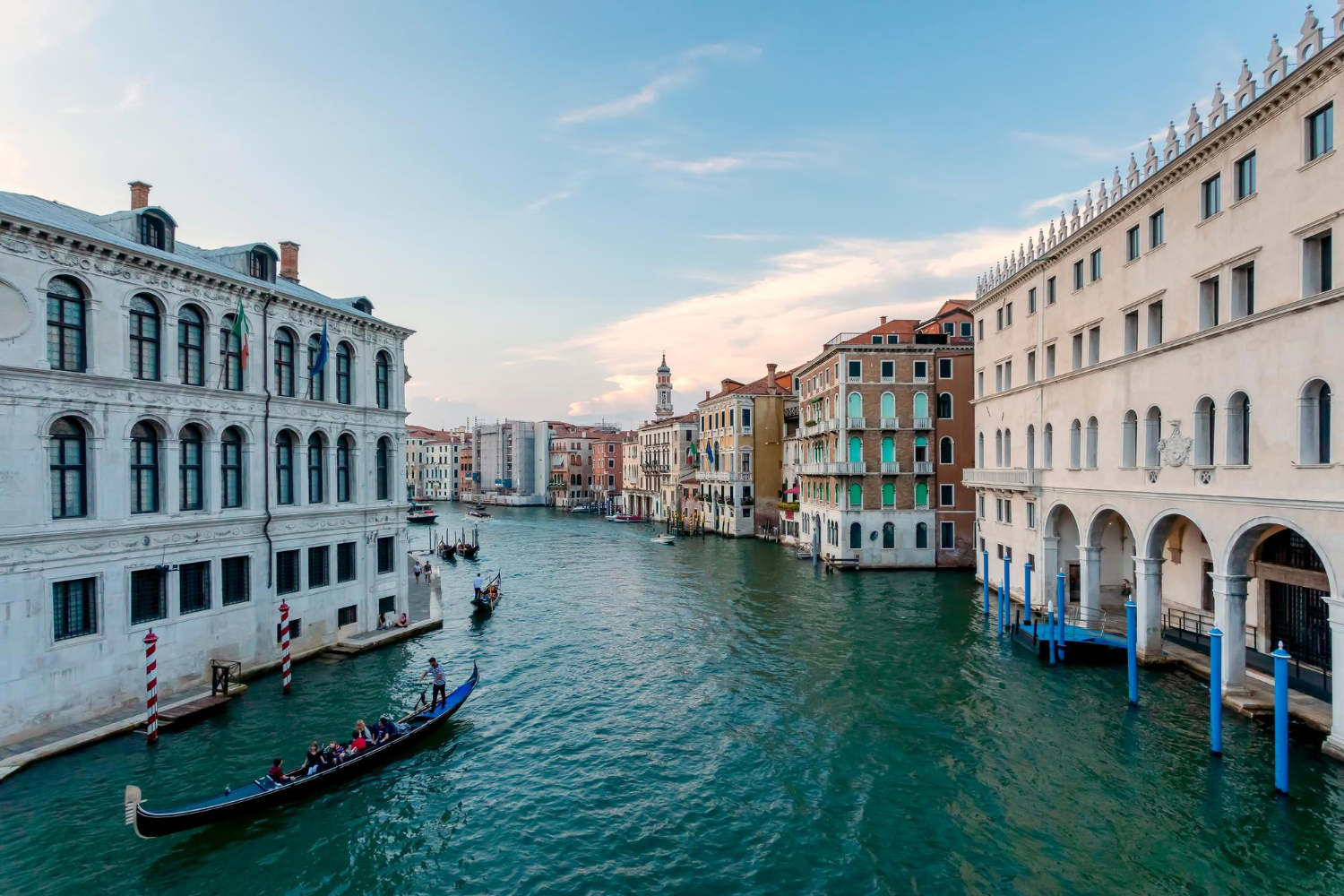
Few cities are as romantic, or as fragile, as Venice. Built across a lagoon on a foundation of ancient wooden piles, the city has always had a complicated relationship with water, but rising sea levels and increasingly frequent flooding have made that relationship more precarious than ever.
The “acqua alta,” or high water, that periodically submerges St. Mark’s Square is a vivid reminder of the threat. Combined with the pressures of overtourism and a shrinking permanent population, Venice faces real questions about its long-term future. Massive engineering projects aim to hold back the worst of the flooding, but the city remains one of the most powerful examples of a beloved place living on borrowed time.
Like our content? Follow us for more.
The Great Barrier Reef, Australia
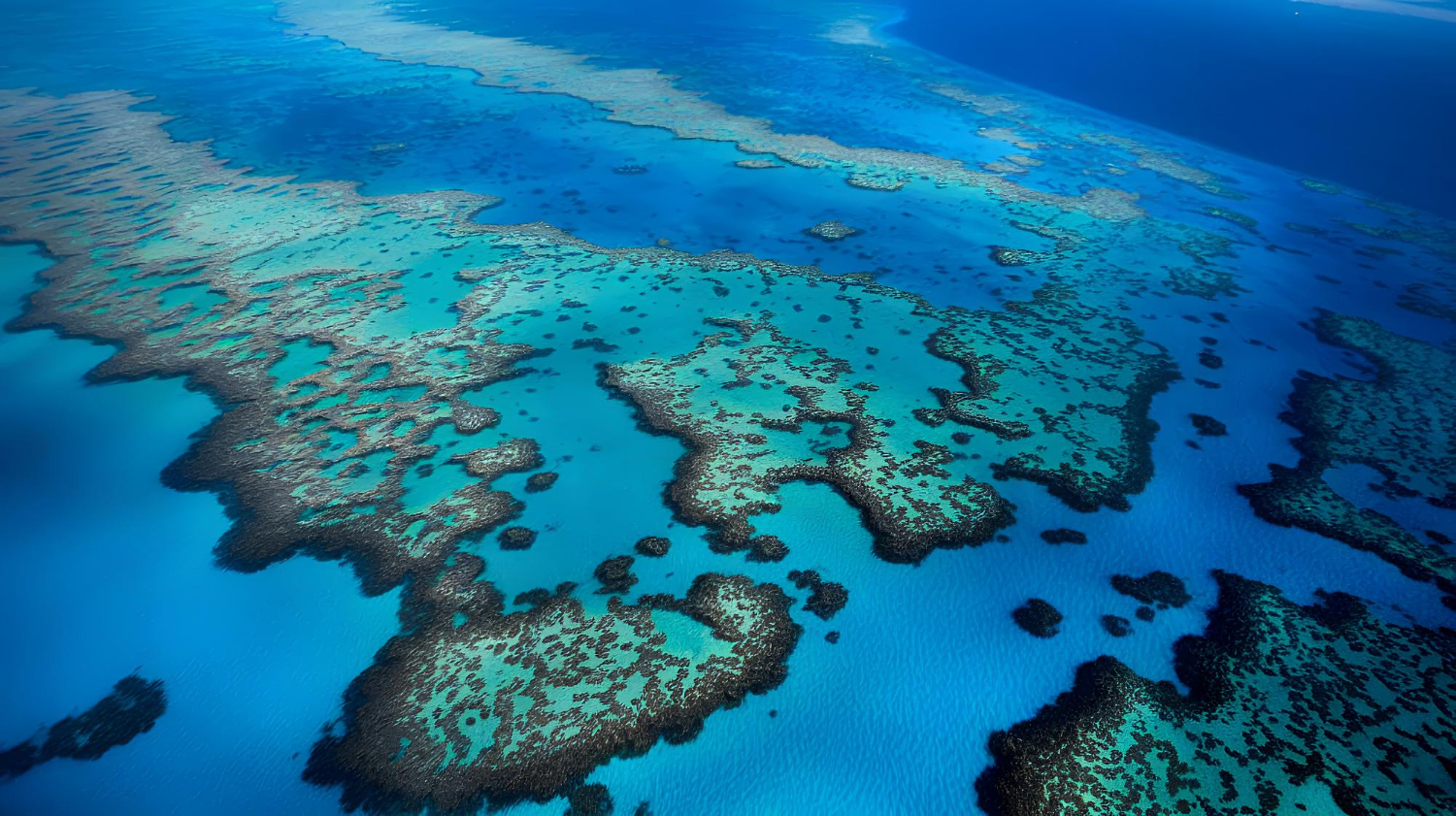
Stretching over 1,400 miles along Australia’s coast, the Great Barrier Reef is the largest living structure on earth and one of its most biodiverse ecosystems. It is also acutely vulnerable to warming and changing ocean conditions, which can cause coral bleaching, the process by which stressed corals expel the algae that give them color and life, leaving them pale and weakened.
Repeated bleaching events have damaged large sections of the reef in recent years, alarming scientists and prompting major conservation efforts. The reef is far from gone, and much of it remains spectacular, but its decline is one of the clearest warnings of how quickly a warming planet can transform an irreplaceable natural wonder. Visiting with a reputable, eco-conscious operator helps support the communities working to protect it.
The Dead Sea, Jordan and Israel
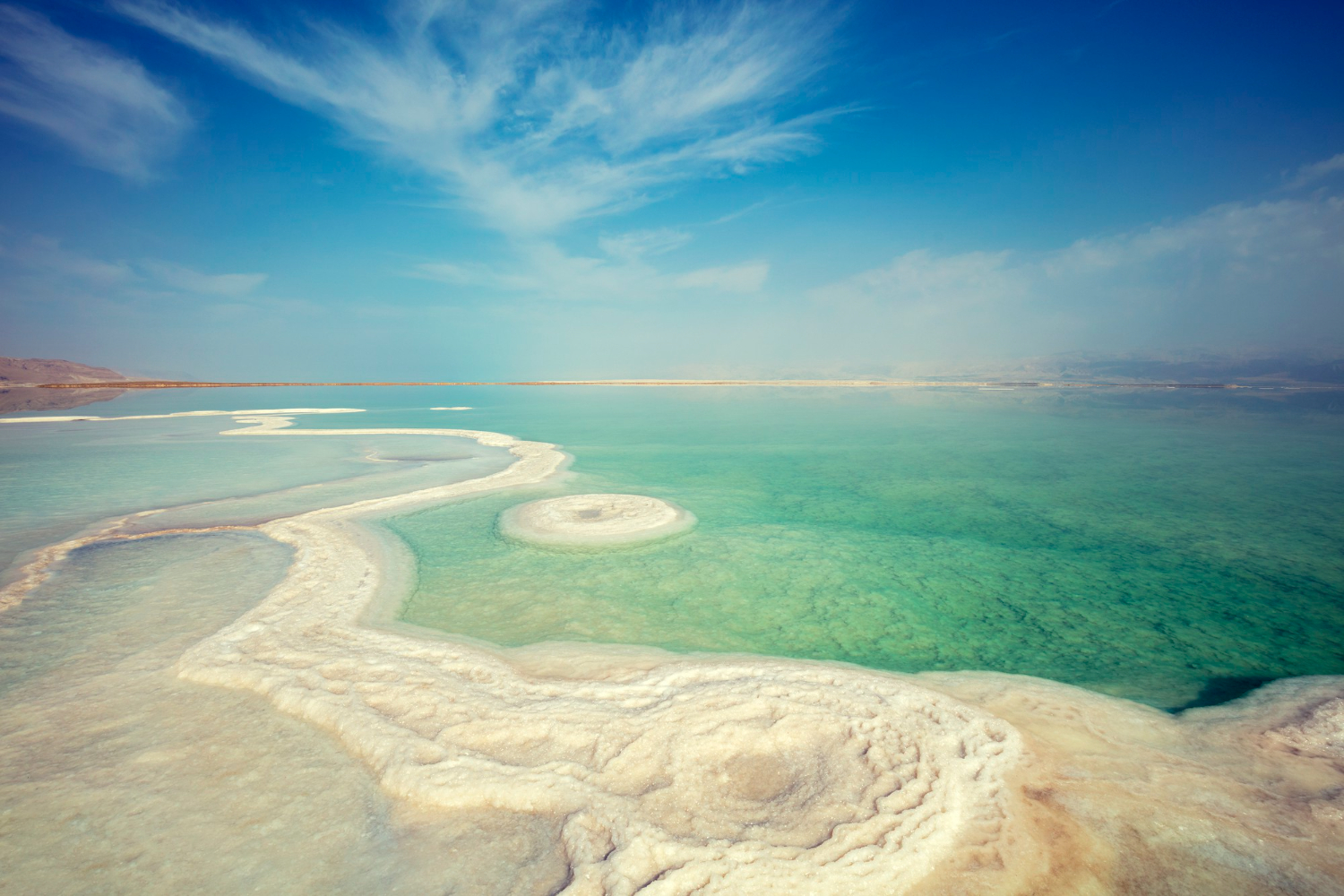
The Dead Sea, the salt lake famous for water so dense that swimmers float effortlessly, is shrinking at an alarming rate. Its surface has been dropping by more than a meter a year in recent decades, largely because the rivers that once fed it have been diverted for agriculture and drinking water.
As the water recedes, the shoreline retreats and sinkholes open up along the exposed land. The lake that has drawn visitors for thousands of years, prized for its mineral-rich mud and buoyant waters, is a fraction of its former size and continuing to contract. It remains a unique and unforgettable place to float, but it is visibly changing, and proposals to replenish it remain complex and contested.
Glaciers of the World
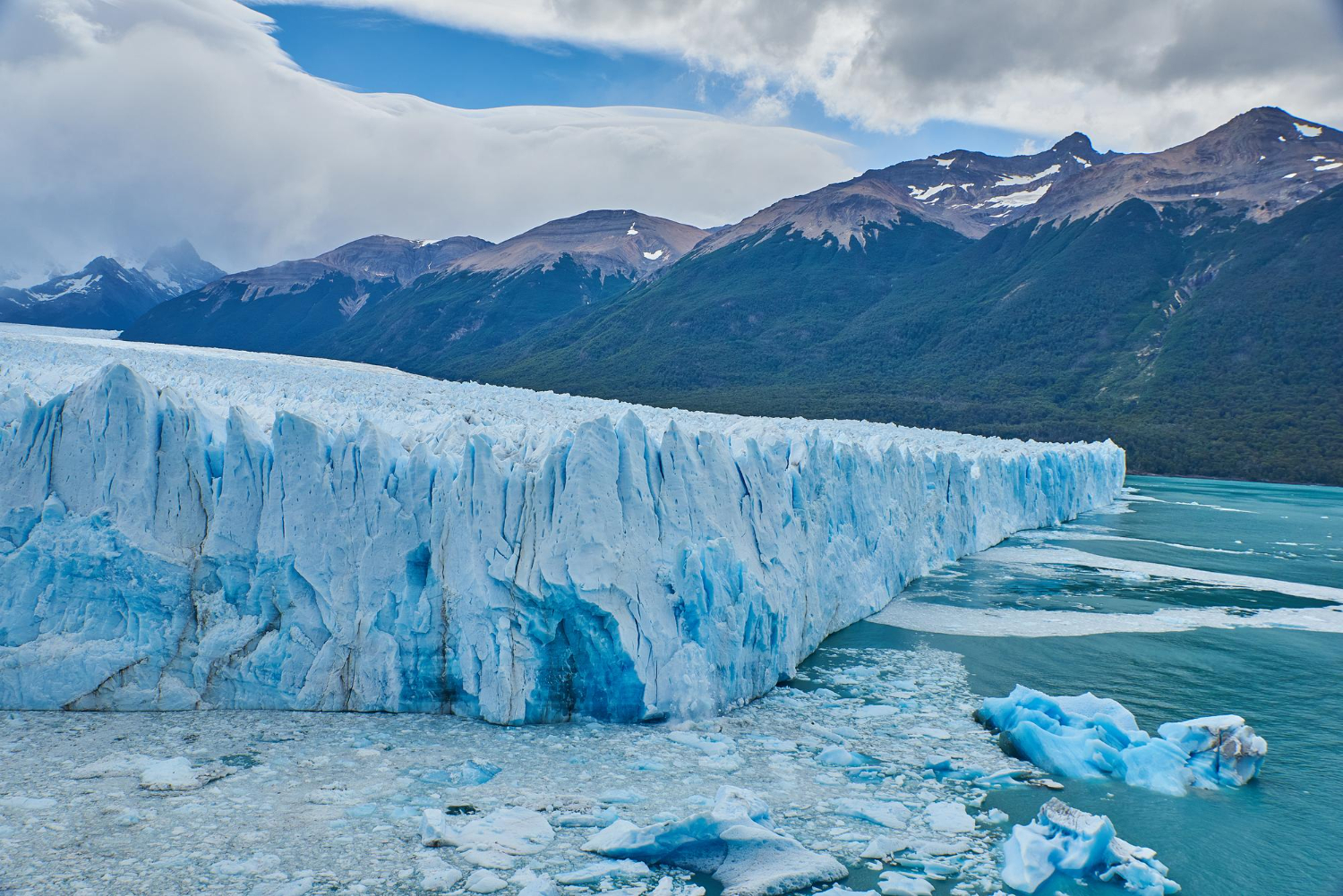
From the Alps to Patagonia to Alaska, the world’s glaciers are retreating, and some of the most famous ice fields are shadows of what they were a century ago. Glacier National Park in the United States, named for the ice that carved its dramatic landscape, has seen its glaciers shrink dramatically, with scientists projecting further losses.
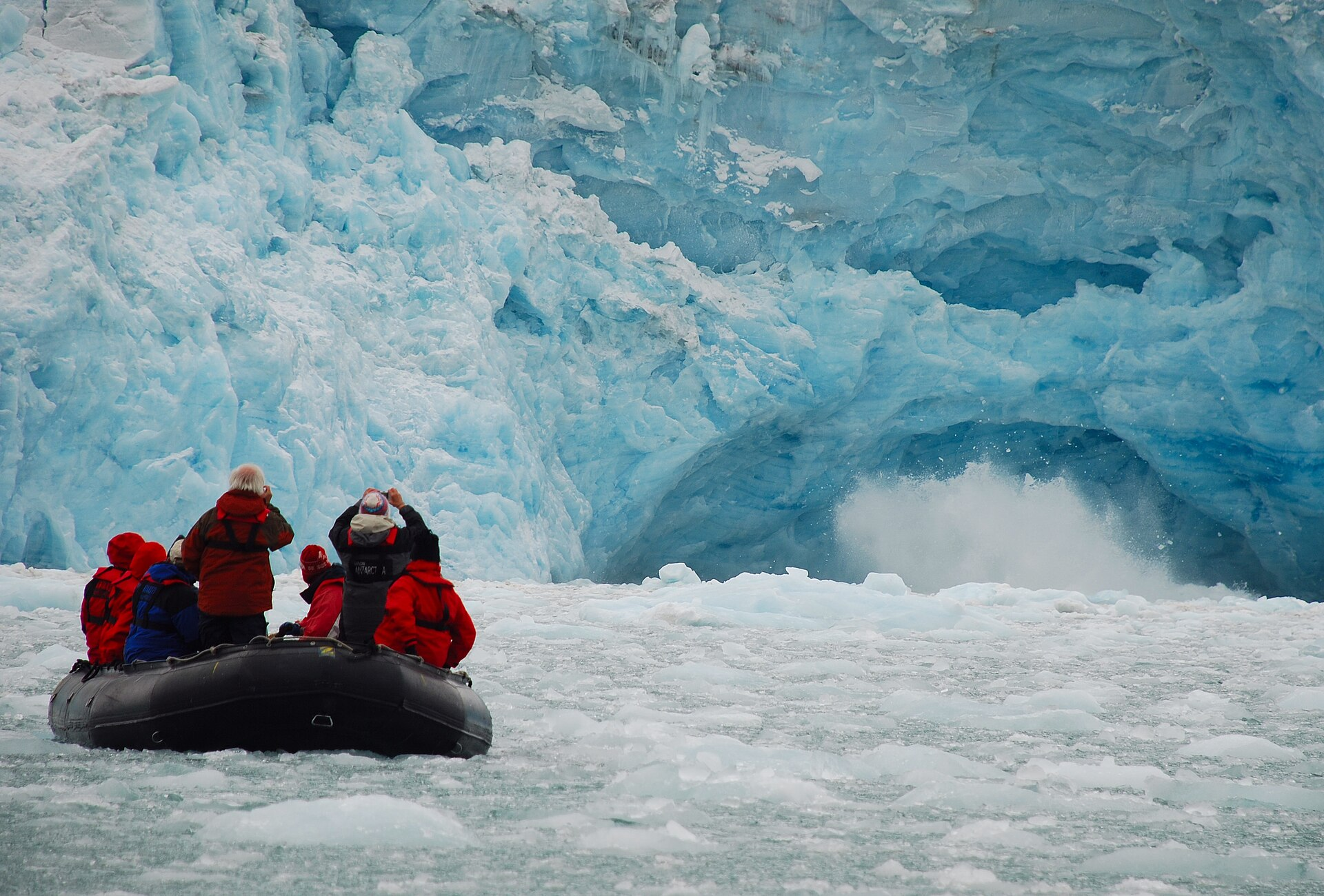
These rivers of ice are more than scenery; they store freshwater, feed rivers, and shape entire ecosystems downstream. Watching a glacier calve into the sea or hiking among towering walls of ancient ice is a humbling experience, and an increasingly poignant one. Many destinations now offer guided glacier experiences that double as lessons in the very climate changes reshaping them.
Low-Lying Island Nations
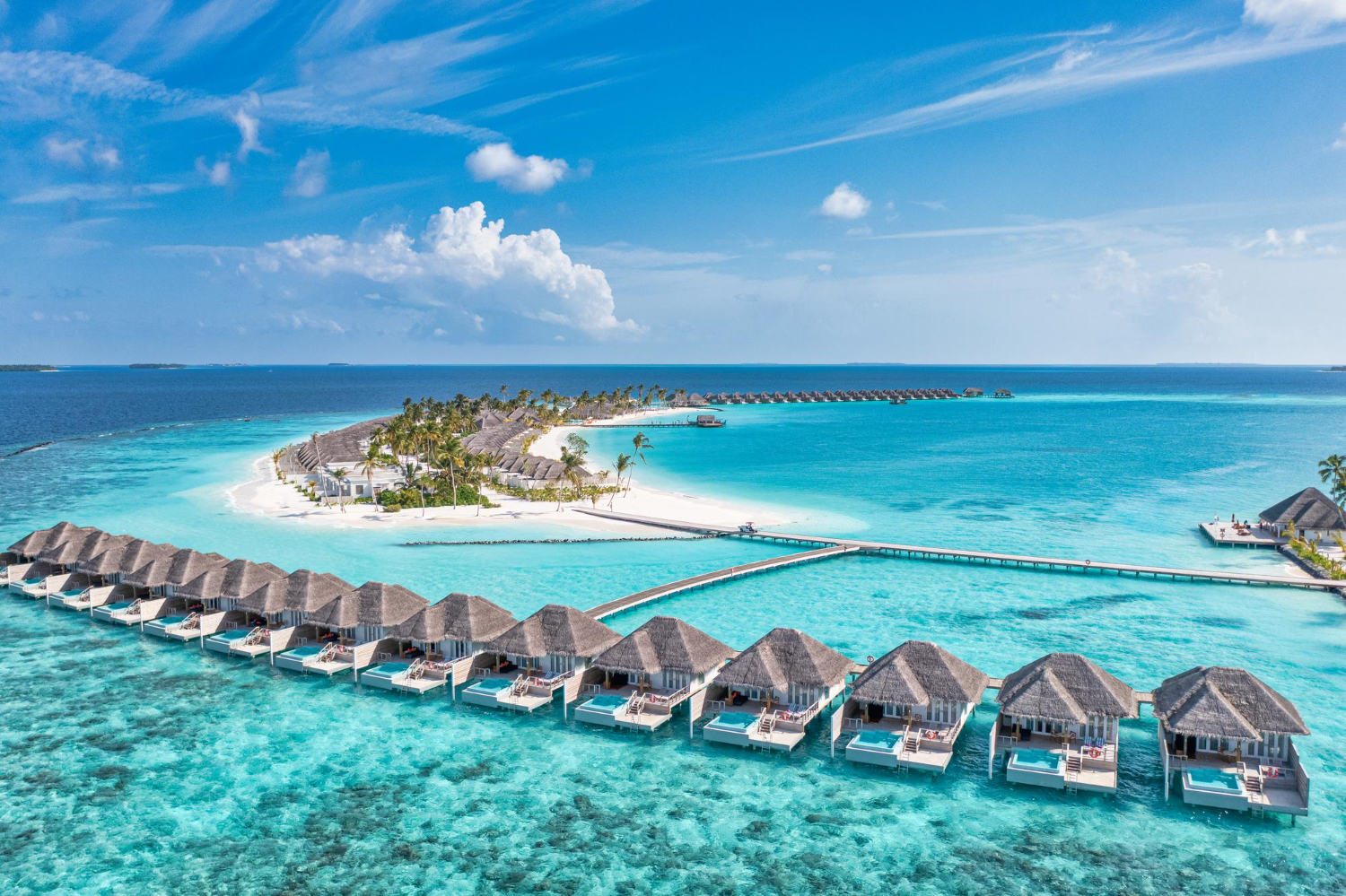
Some of the most sobering destinations on this list are entire countries. Low-lying island nations such as the Maldives, with an average elevation only a few feet above sea level, are among the most exposed places on earth to rising seas. For these nations, the threat is not abstract; it is existential.
These islands are also extraordinarily beautiful, ringed by coral reefs and turquoise lagoons, which is part of what makes their vulnerability so wrenching. Their governments have become some of the world’s loudest voices on climate action, and travelers who visit can support sustainable tourism that helps fund adaptation and conservation. They are paradises with an uncertain horizon.
Madagascar’s Forests
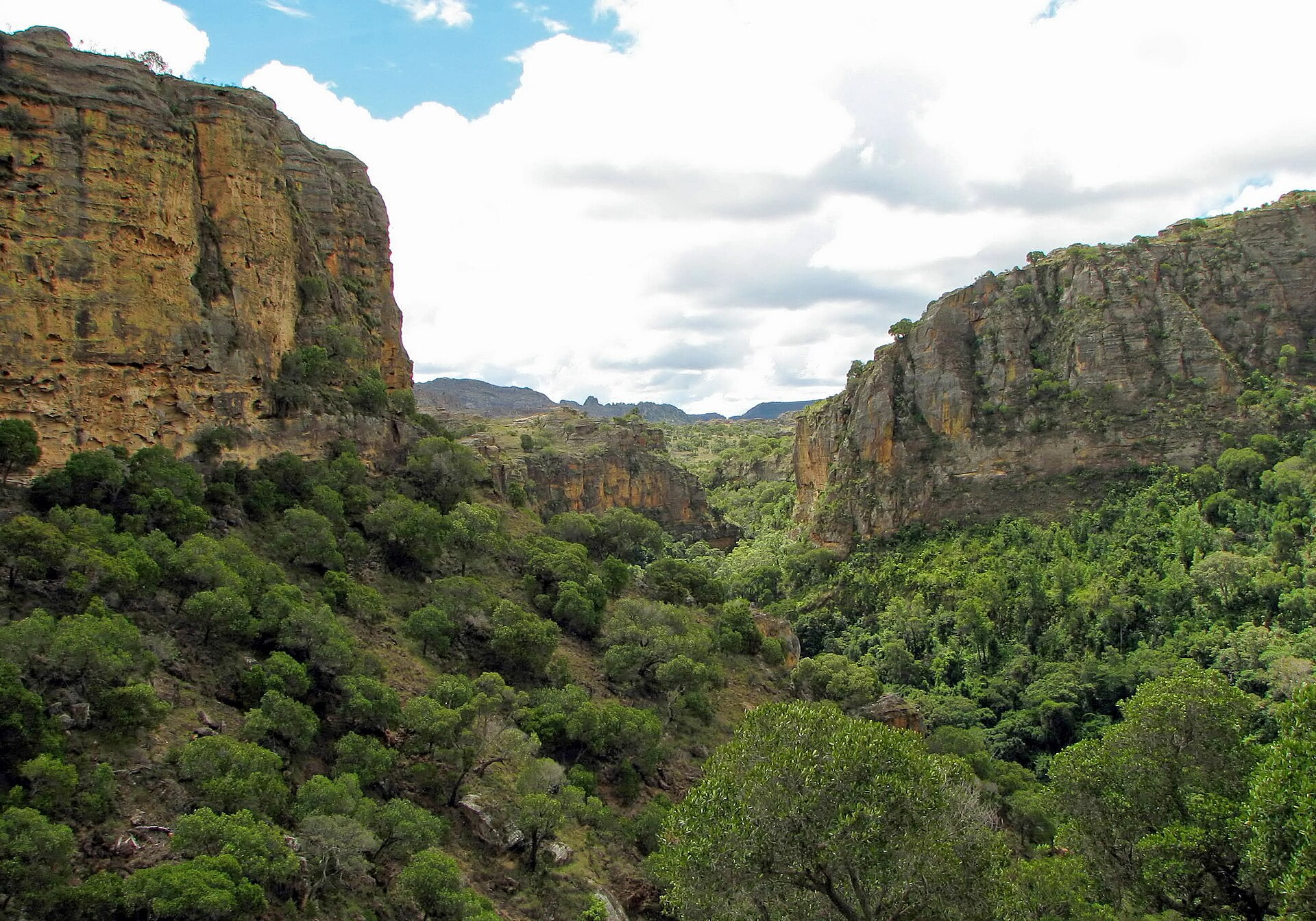
The island of Madagascar is home to plants and animals found nowhere else on earth, including its famous lemurs and the towering, otherworldly baobab trees. But deforestation, driven by agriculture and logging, has destroyed much of the island’s original forest cover, threatening countless unique species.
The loss of habitat puts many of Madagascar’s endemic creatures at serious risk, and conservationists are racing to protect what remains. For travelers, the island offers a chance to see biodiversity that exists nowhere else, while supporting ecotourism that gives local communities a stake in preserving the forests. It is a living reminder of how much we stand to lose, and how much is still worth saving.
The World’s Great Rainforests
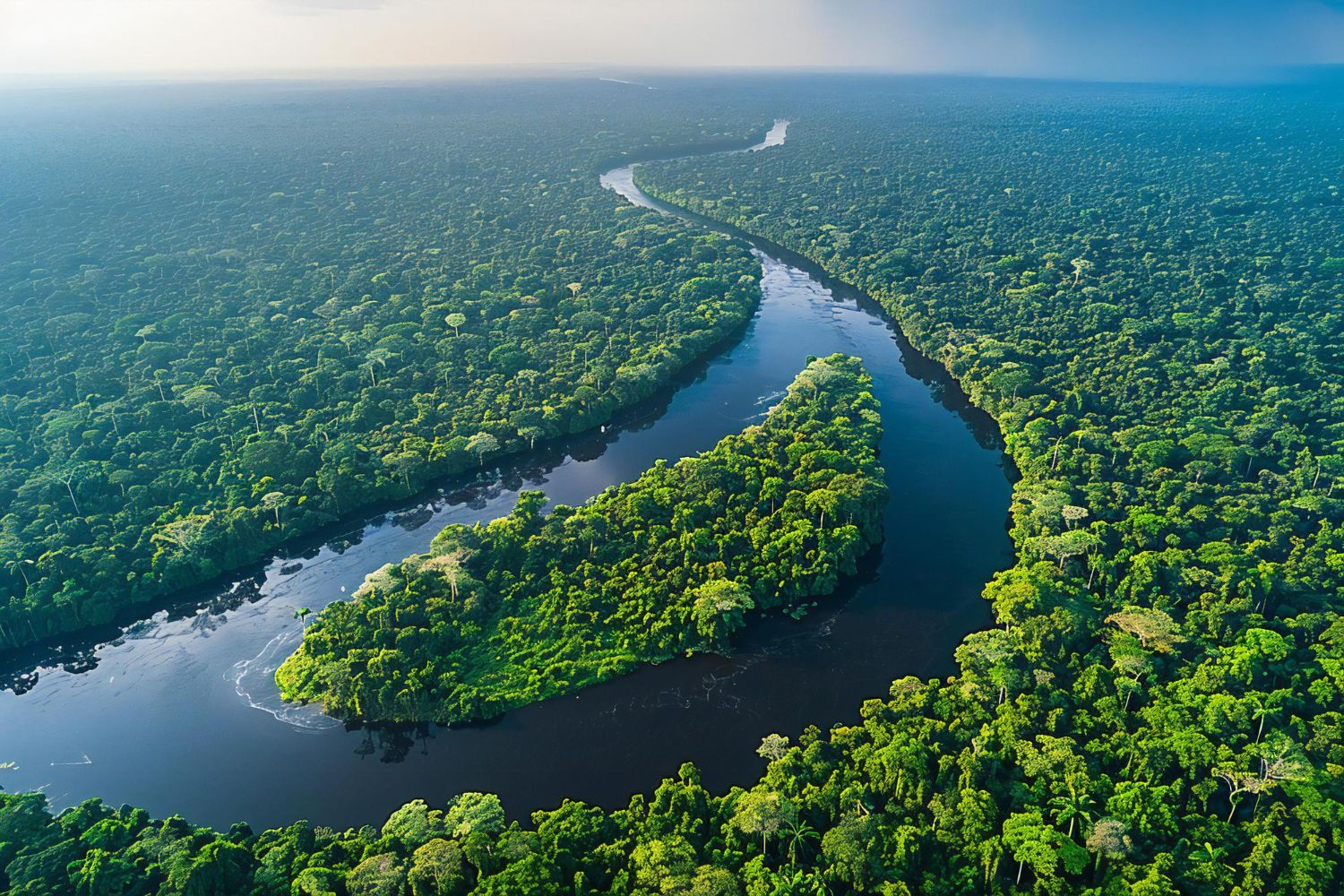
The vast tropical rainforests of the Amazon and Congo basins are among the most biodiverse places on earth and play a crucial role in regulating the planet’s climate, yet both face serious pressure from deforestation. These forests are sometimes called the lungs of the planet for the sheer volume of carbon they store and oxygen they help cycle, and the loss of large tracts has alarmed scientists worldwide.
For travelers, these forests offer encounters with biodiversity found nowhere else: extraordinary birds, primates, plants, and insects, and Indigenous cultures with deep knowledge of their environments. Responsible ecotourism, run in partnership with local and Indigenous communities, can give these forests tangible economic value as living ecosystems rather than land to be cleared, helping fund their protection. Visiting with a reputable operator, on small-group tours that respect both the environment and the people who call it home, turns a trip into a small act of support for preservation. The rainforests are not gone, and enormous areas remain magnificent and intact, but their future depends on choices being made right now, which makes experiencing them thoughtfully all the more meaningful.
How to Travel Responsibly to Fragile Places
There is an obvious tension in the idea of rushing to see threatened places, since tourism itself, and the travel required to reach them, can add to the pressures they face. The goal is not to treat this as a frantic checklist but to travel with care. That means choosing reputable, sustainable operators, respecting local rules and ecosystems, minimizing waste, and supporting the communities and conservation efforts working to protect these destinations.
It also means recognizing that the best thing many travelers can do is to leave a place better than they found it, through the choices they make and the awareness they carry home. These destinations endure in part because people care about them, and seeing them firsthand has a way of turning abstract concern into genuine commitment. If these remarkable places inspire even a fraction of their visitors to tread more lightly on the planet, then the experience becomes something more than a memory; it becomes part of the effort to make sure they last.
Like our content? Follow us for more.