

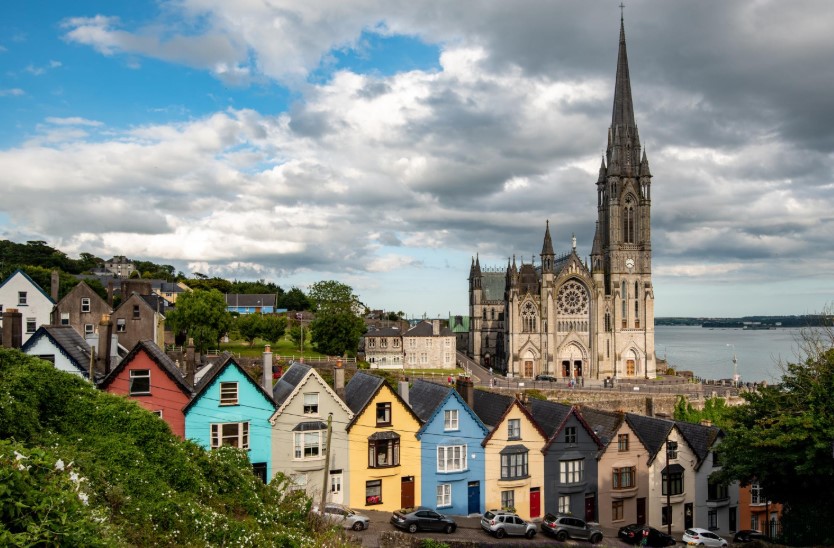

Which country is the most educated in the world? It sounds like a simple question, but the answer depends entirely on how you measure it. The most widely cited rankings come from the OECD, the international economic organization, which tracks the share of adults who have completed tertiary education, meaning a college degree, university degree, or equivalent advanced qualification. By that measure, a clear group of leaders emerges, with Canada at the top. Here is a look at the most educated nations, what unites them, and why these rankings deserve a thoughtful reading rather than a simple cheer.
Canada: The Clear Leader
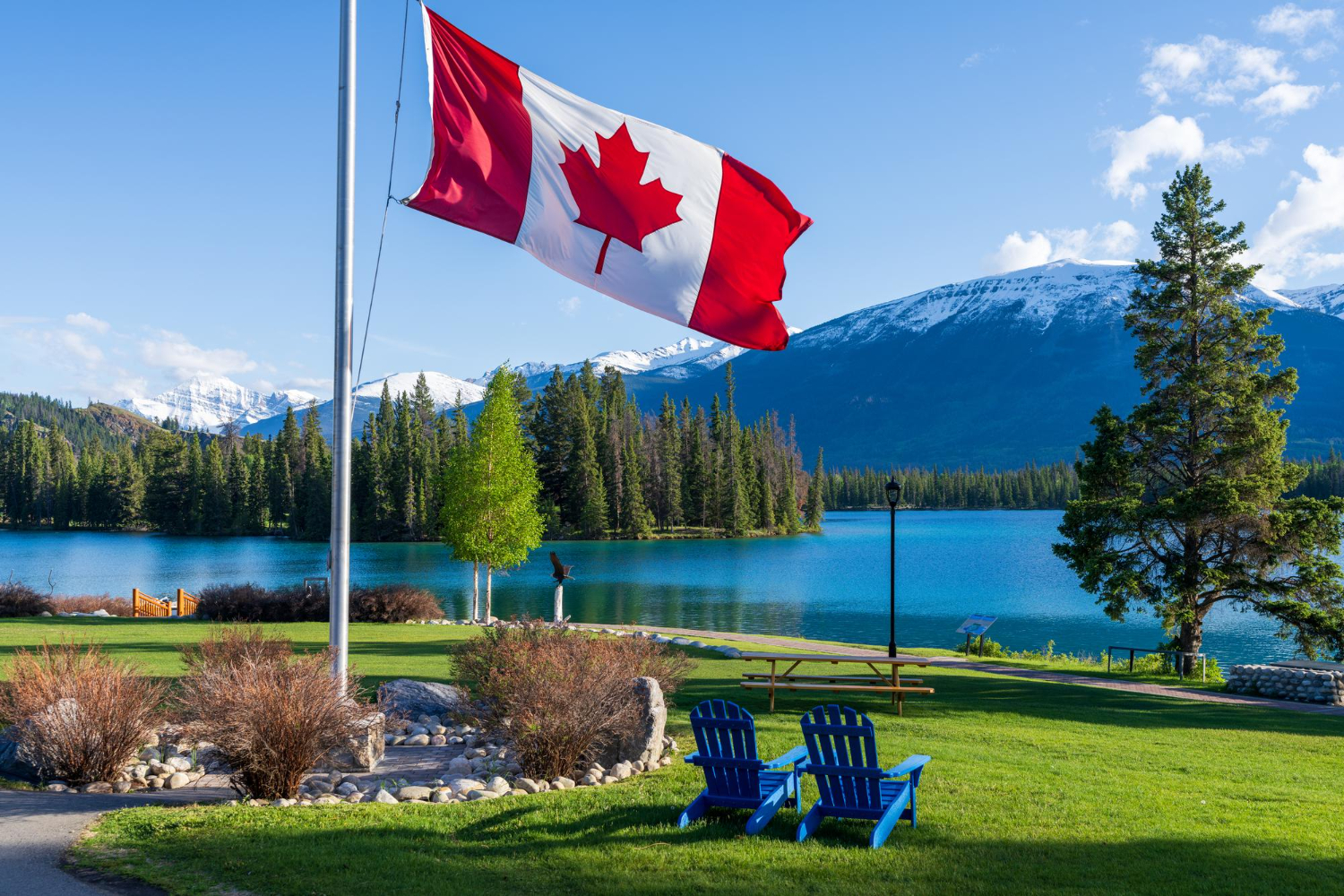
Canada consistently tops the OECD’s rankings for tertiary education attainment. Among working-age adults, roughly 65 percent hold a college or university qualification, a remarkable figure that puts the country well ahead of most of its peers. Among younger adults specifically, the share is even higher, approaching seven in ten.
Several factors help explain Canada’s lead. The country has a strong network of universities and colleges, including a robust system of two-year and vocational college programs that count toward tertiary attainment and widen access. Canada’s high levels of skilled immigration also play a role, as the country attracts large numbers of well-educated newcomers. Together, these factors give Canada one of the most highly credentialed populations anywhere in the world.
Like our content? Follow us for more.
South Korea: A Powerhouse Among the Young
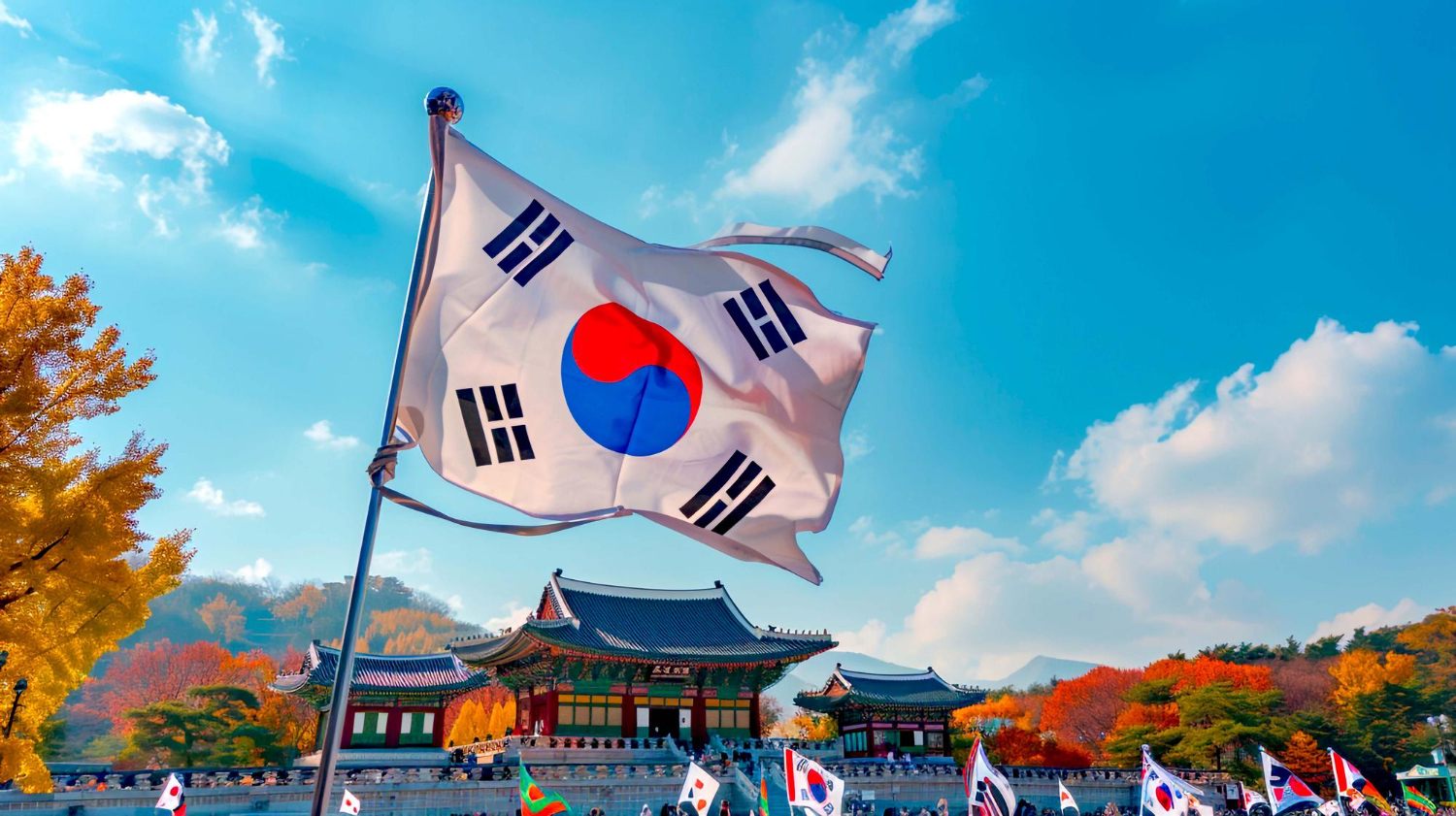
South Korea stands out especially for the education levels of its younger population. Among adults aged 25 to 34, nearly 70 percent have completed tertiary education, the highest rate in the OECD for that age group. The country’s transformation over recent decades has been extraordinary, with tertiary attainment among young adults rising dramatically since the turn of the century.
This reflects South Korea’s intense cultural emphasis on education, where academic achievement is highly prized and the pressure to attend university is famously strong. The result is a young workforce that is among the most credentialed in the world, a key ingredient in the country’s rapid rise as a technological and economic power. It is a striking example of how quickly a nation’s educational profile can change in a single generation.
Ireland, Luxembourg, and the European Leaders
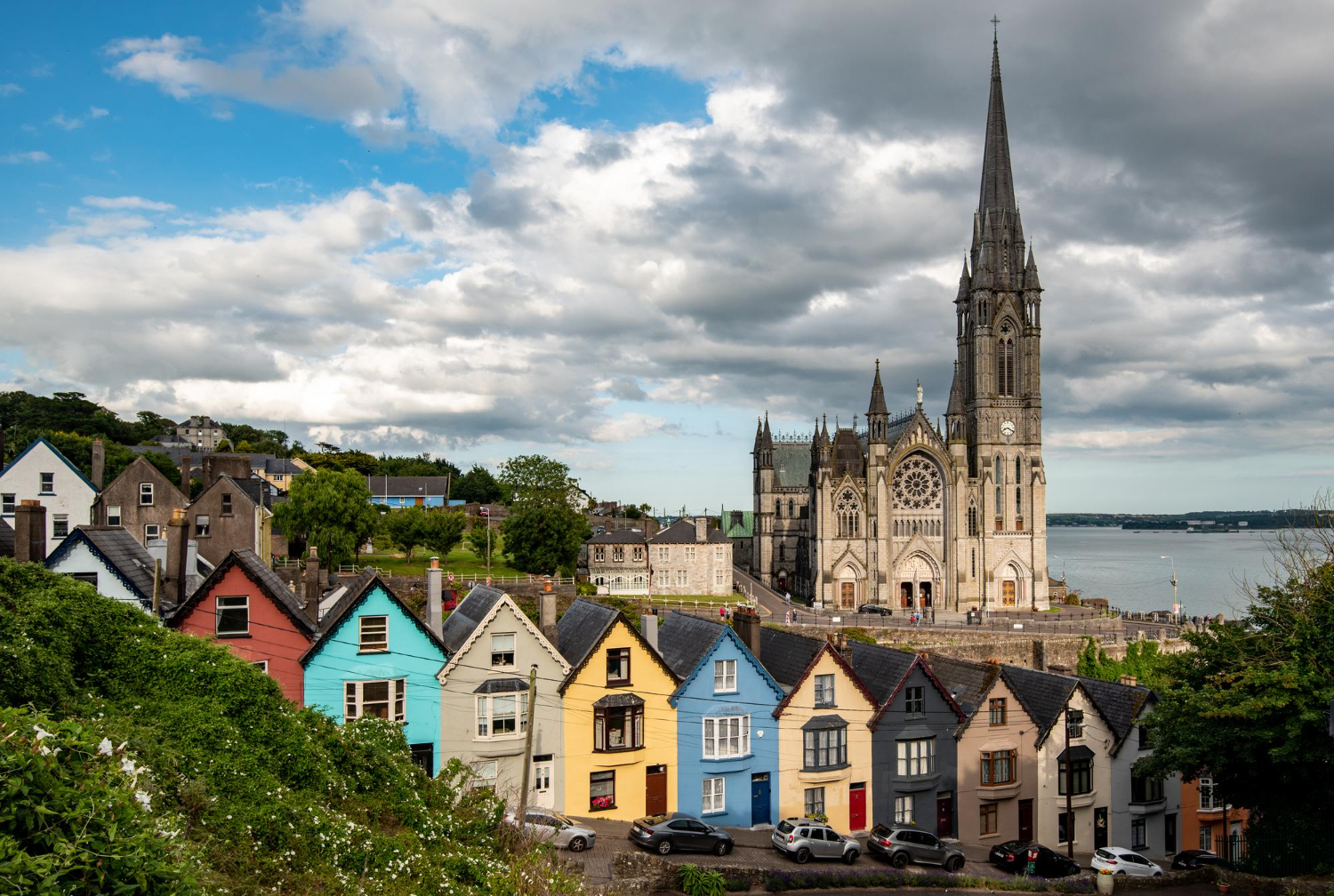
Ireland ranks among the very top countries for tertiary attainment, with well over half of adults holding a degree, and an even higher share among the young. The country’s transformation has been remarkable, climbing from relatively modest levels a few decades ago to the front ranks today, helped by investment in education and a knowledge-driven economy that attracts and rewards graduates.
Luxembourg, the United Kingdom, and Australia also feature prominently near the top, each with more than half of working-age adults holding tertiary qualifications. Several Nordic countries, including Sweden and Norway, round out the upper tier, reflecting their long-standing investment in accessible, high-quality education. These countries share a common thread: knowledge-intensive economies that both produce and attract highly educated workers.
Where the United States Stands
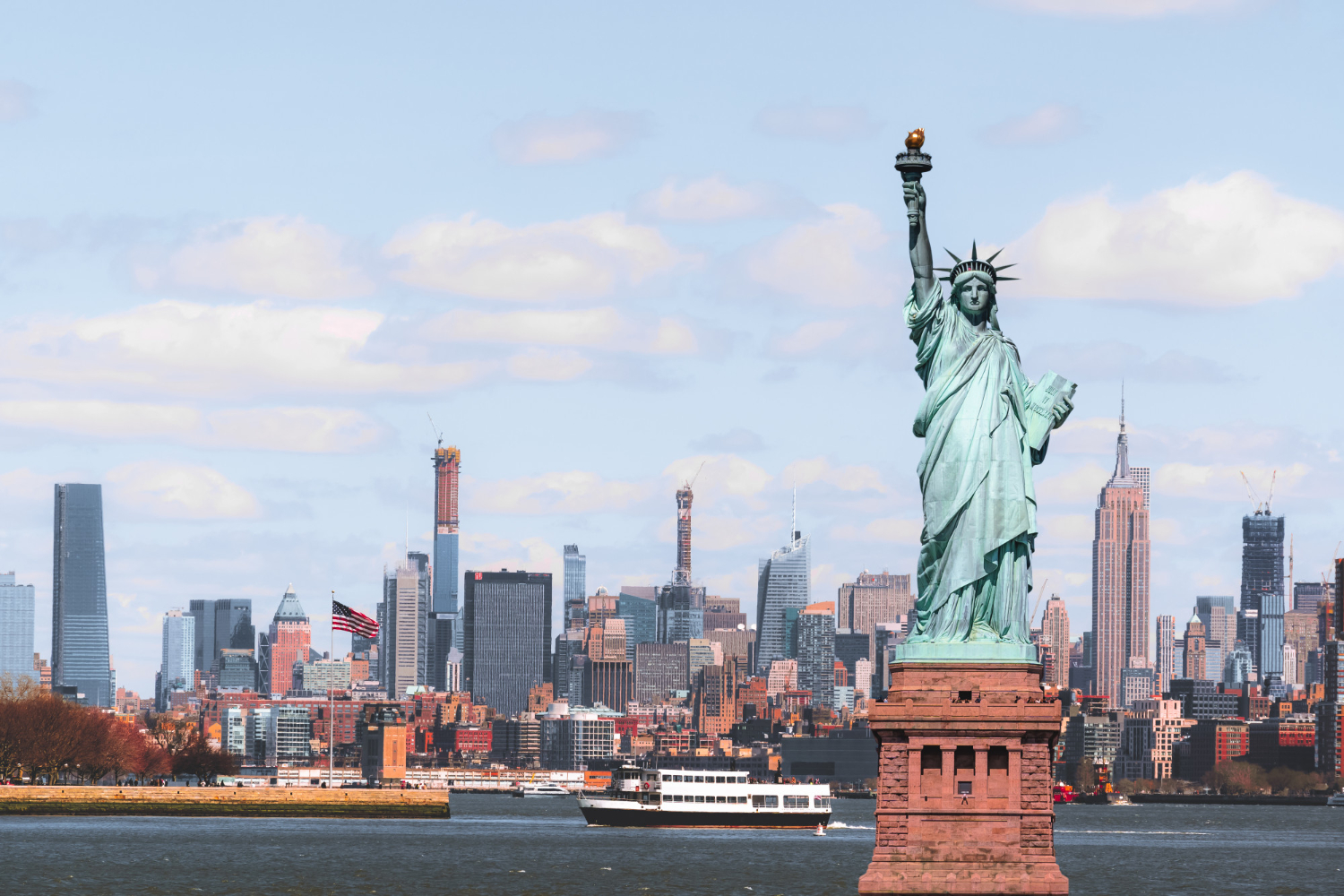
The United States sits comfortably within the top tier, with around half of working-age adults holding a tertiary qualification, placing it among the more educated nations in the world by this measure. The country’s vast and varied higher-education system, from community colleges to world-renowned research universities, produces an enormous number of graduates each year.
That said, the U.S. does not top the list the way it once did, having been overtaken by several countries that expanded access to higher education rapidly in recent decades. The American figure also masks significant internal variation and ongoing debates about the cost of higher education. Still, by the raw measure of attainment, the U.S. remains firmly among the world’s most educated countries.
An Important Caveat About Germany
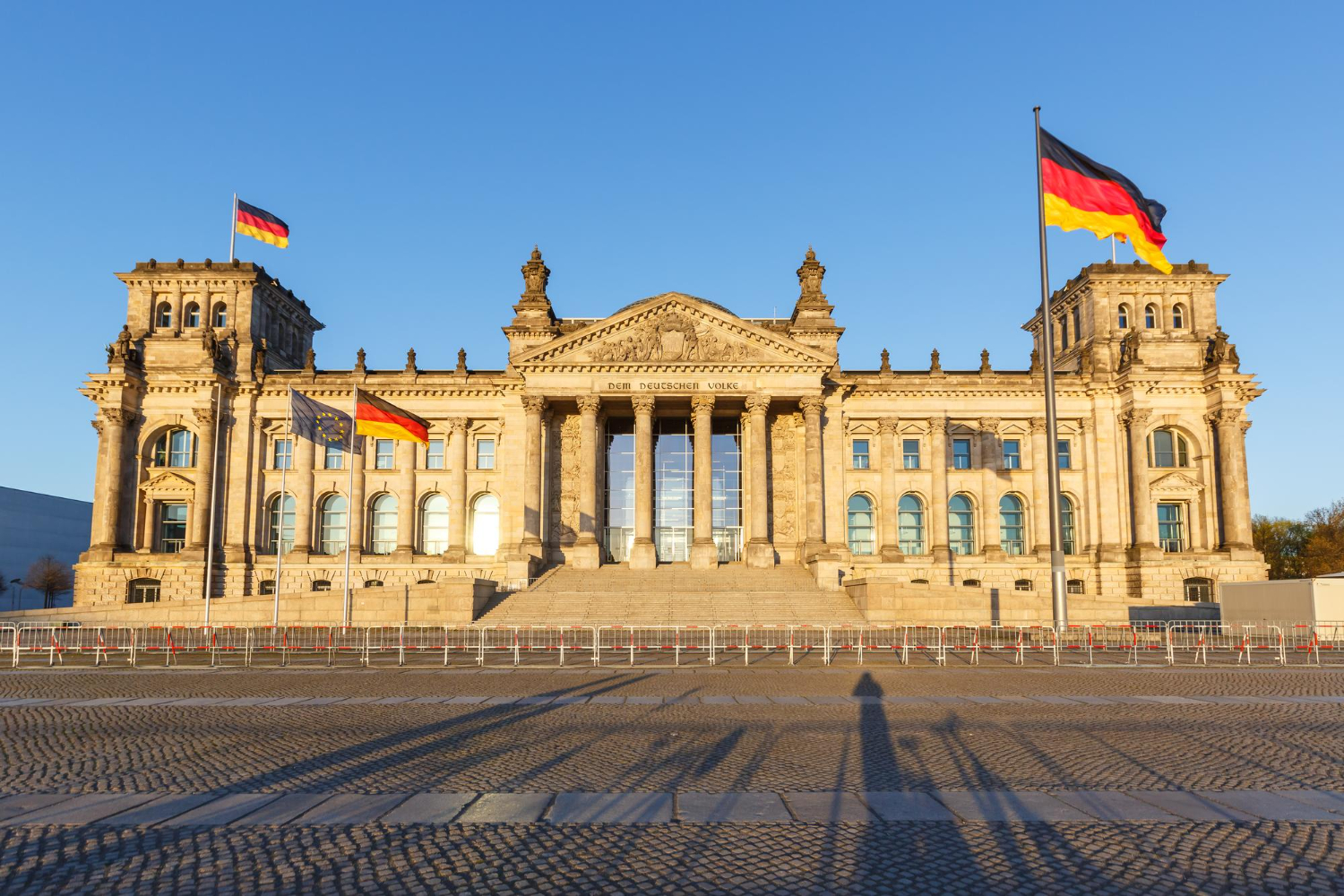
One country whose position surprises people is Germany, which ranks lower than its economic strength might suggest. This is not because Germans are less educated, but because of how the rankings are constructed. Germany has a famous and highly respected system of vocational training and apprenticeships, which routes many talented young people into skilled careers without a traditional university degree.
Because these vocational paths do not always count as “tertiary education” in the way the rankings define it, Germany’s attainment figures appear lower, even though its workforce is exceptionally skilled. This is a perfect illustration of why these rankings must be read carefully: a lower number does not necessarily mean a less capable or knowledgeable population, but sometimes simply a different and equally valid route to skills and expertise.
What These Rankings Do and Don’t Tell Us
It is essential to understand what tertiary attainment actually measures, and what it does not. The figure captures the share of adults who have completed a formal higher-education qualification. It is a “stock” measure, reflecting decades of education policy, access, and economic demand. What it does not measure is the quality of that education, the skills of graduates, the strength of a country’s universities, or, certainly, the intelligence of its people.
A high ranking signals that a large share of the population has pursued formal higher education, which can support innovation and economic growth, but it is not a verdict on a nation’s overall knowledge or capability. Countries with strong vocational traditions, like Germany, or with excellent but differently structured systems can be enormously skilled while ranking lower. The number is a useful data point, not a complete picture, and it should be read as one measure among many rather than a definitive league table of national brainpower.
What Drives a Country Up the Rankings

It is worth asking what actually pushes a country toward the top of these rankings, because the answers reveal a lot about national priorities. Accessible and affordable higher education is a major factor, countries that make college attainable to a broad share of their populations naturally see higher attainment. The presence of short-cycle and vocational tertiary programs, which count toward the totals, also lifts several leaders.
Skilled immigration plays a significant role too, as countries like Canada attract large numbers of already-educated newcomers, boosting their figures. Cultural attitudes matter enormously, as the example of South Korea shows, where the social emphasis on academic achievement drives exceptionally high participation. And sustained government investment over decades, in schools, universities, and student support, is the slow-building foundation beneath it all. The countries at the top did not arrive there by accident; they reflect long-term choices about how much to invest in education and how widely to open its doors, choices that compound over generations into a highly credentialed population.
The Bigger Picture
What the rankings do reveal is a broad and encouraging global trend: across the developed world, tertiary education has expanded dramatically over the past few decades, with the share of young adults holding degrees reaching record highs. More people are pursuing higher education than ever before, opening doors to opportunity that earlier generations never had. The leaders today, Canada, South Korea, Ireland, and the rest, show how far and how fast that expansion can go.
For anyone interested in how nations develop and compete, education levels offer a meaningful window, closely tied to economic strength, innovation, and opportunity. Read with appropriate care, the rankings highlight the countries investing most heavily in human capital and the different paths they take to get there. The real story is less about who comes first than about a world that, on the whole, is becoming more educated than at any point in history, with all the possibilities that brings.
Like our content? Follow us for more.
