


Every generation gains new abilities and loses old ones. The skills that defined a capable adult in the 1970s, the practical, hands-on competencies people simply expected of themselves and each other, have been steadily rendered optional by technology. A smartphone now does in seconds what once required real knowledge and practice. None of this is a lament that the past was better; much of what replaced these skills is genuinely useful. But it is worth pausing to notice what we have steadily stopped knowing how to do. Here is a look at the everyday skills that were common half a century ago and are vanishing today.
Reading a Paper Map and Navigating

Fifty years ago, getting anywhere unfamiliar meant reading a paper map, an essential skill that involved orienting yourself, plotting a route, estimating distances, and refolding the impossible thing afterward. People kept road atlases in their cars and knew how to use them, and asking for and following spoken directions was a normal part of life.
Turn-by-turn GPS navigation has made this skill almost entirely optional. A whole generation has grown up never needing to read a physical map or develop an internal sense of direction, simply following the voice on the phone. The ability to look at a map and understand where you are and where you are going, once basic, is becoming a specialized skill. Something of our innate sense of place may be fading along with it.
Like our content? Follow us for more.
Writing in Cursive
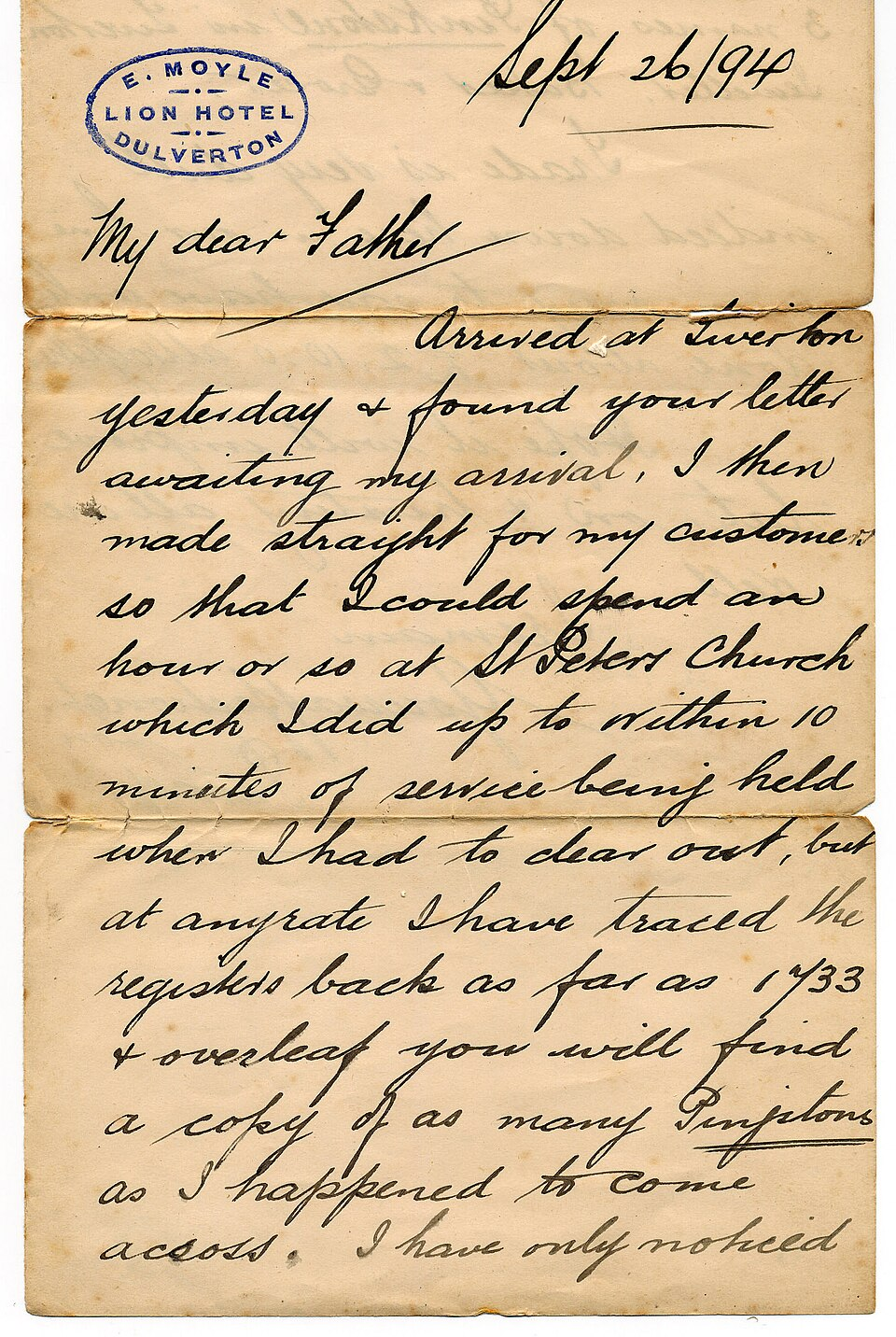
Cursive handwriting was once taught rigorously in every school and used daily by every adult. A person’s signature, their letters, their notes, all flowed in connected script that was a basic mark of education. Penmanship was a point of pride, and the ability to read and write cursive was simply assumed.
As keyboards replaced pens and many schools reduced or dropped cursive instruction, the skill has declined sharply, to the point where some young people can neither write nor easily read it. This has real consequences: historical documents and family letters written in cursive can become illegible to younger generations. The graceful loops of cursive, once universal, are becoming a quaint specialty rather than a shared language.
Balancing a Checkbook and Mental Math

Managing money in the 1970s required real numeracy. People balanced their checkbooks by hand, reconciling every transaction against the bank statement, and made change and calculated totals through mental arithmetic, often faster than a register could. Keeping track of finances was a manual, math-intensive routine.
Digital banking, instant balance checks, and card payments have made checkbook-balancing nearly obsolete and everyday mental math optional. Calculators and apps handle the numbers now. While the convenience is real, some worry that the decline of routine mental arithmetic and hands-on money management has left people less comfortable with numbers and less aware of their own spending. The mental ledger that adults once kept has been outsourced to screens.
Fixing and Maintaining Things by Hand
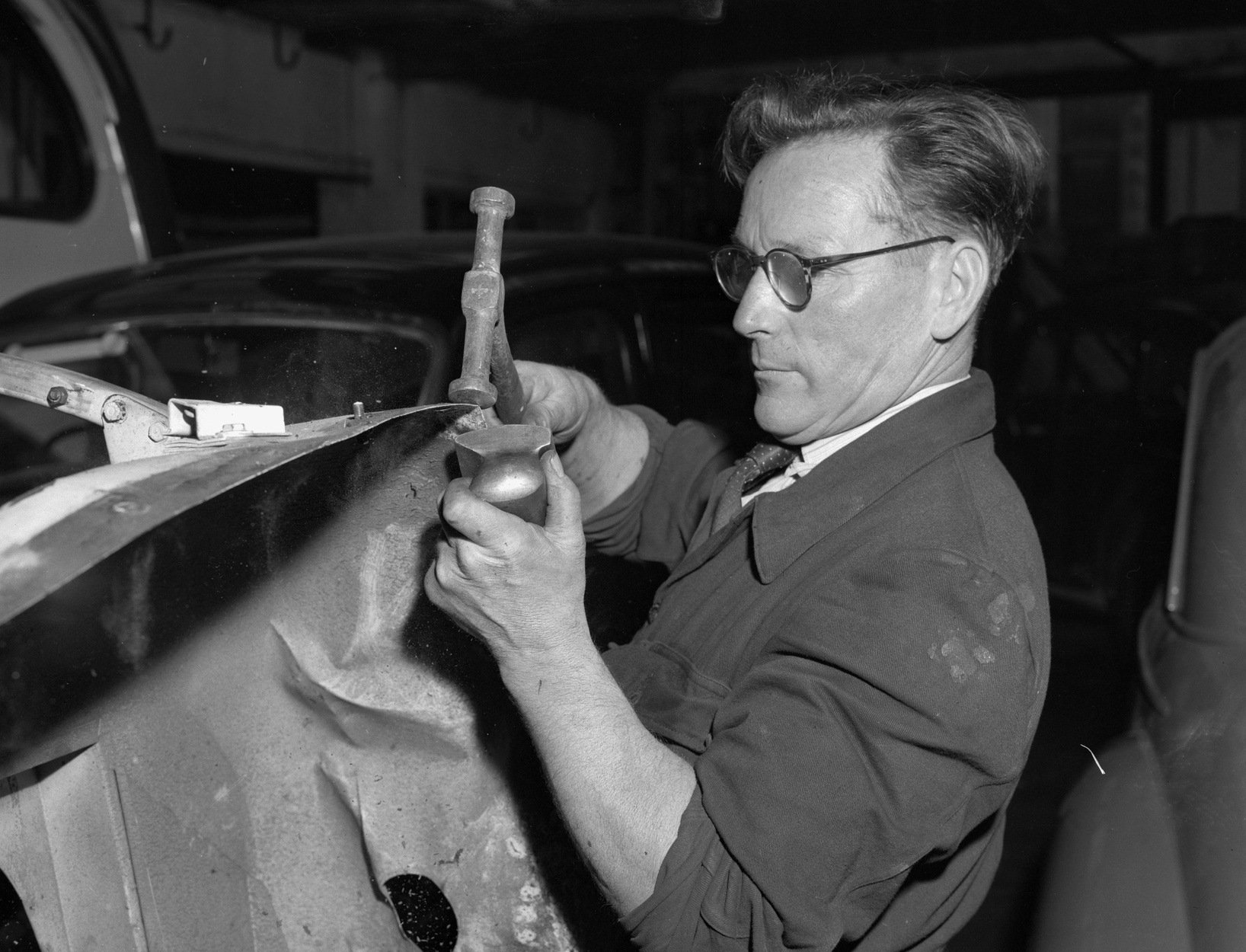
Half a century ago, a basic competence with repairs was expected of most adults. People changed their own oil, fixed leaky faucets, mended clothing, repaired small appliances, and generally tried to fix something before replacing it. Home economics and shop classes taught these skills, and a well-stocked toolbox and sewing kit were standard.
A combination of more complex, harder-to-repair products and an inexpensive, throwaway consumer culture has eroded these hands-on skills. Many people today simply replace what breaks or call a professional, and fewer learn to sew, fix, or build. The decline of everyday repair skills represents a real shift in self-reliance, though a growing “maker” and repair movement is working to keep some of these abilities alive.
Writing Letters and Remembering Phone Numbers
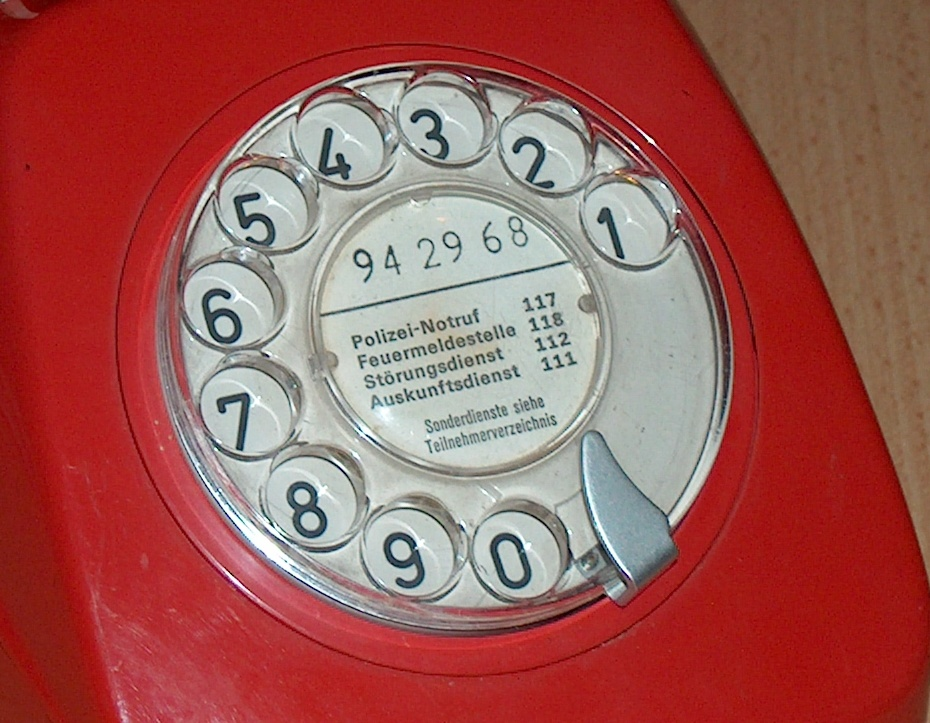
The pre-digital world demanded skills of memory and composition we have largely abandoned. People wrote letters by hand, crafting thoughtful correspondence as a normal mode of communication, and they memorized dozens of phone numbers, knowing family, friends, and key contacts by heart without any device.
Email, texting, and smartphones that store every number have made both skills unnecessary. Few people today could recite more than a handful of phone numbers from memory, and the art of the handwritten letter has faded to special occasions. Our devices have become external memories and ghostwriters, freeing us from these tasks but also steadily atrophying the mental muscles they once exercised.
Practical Knowledge: Cooking, Sewing, and Self-Sufficiency
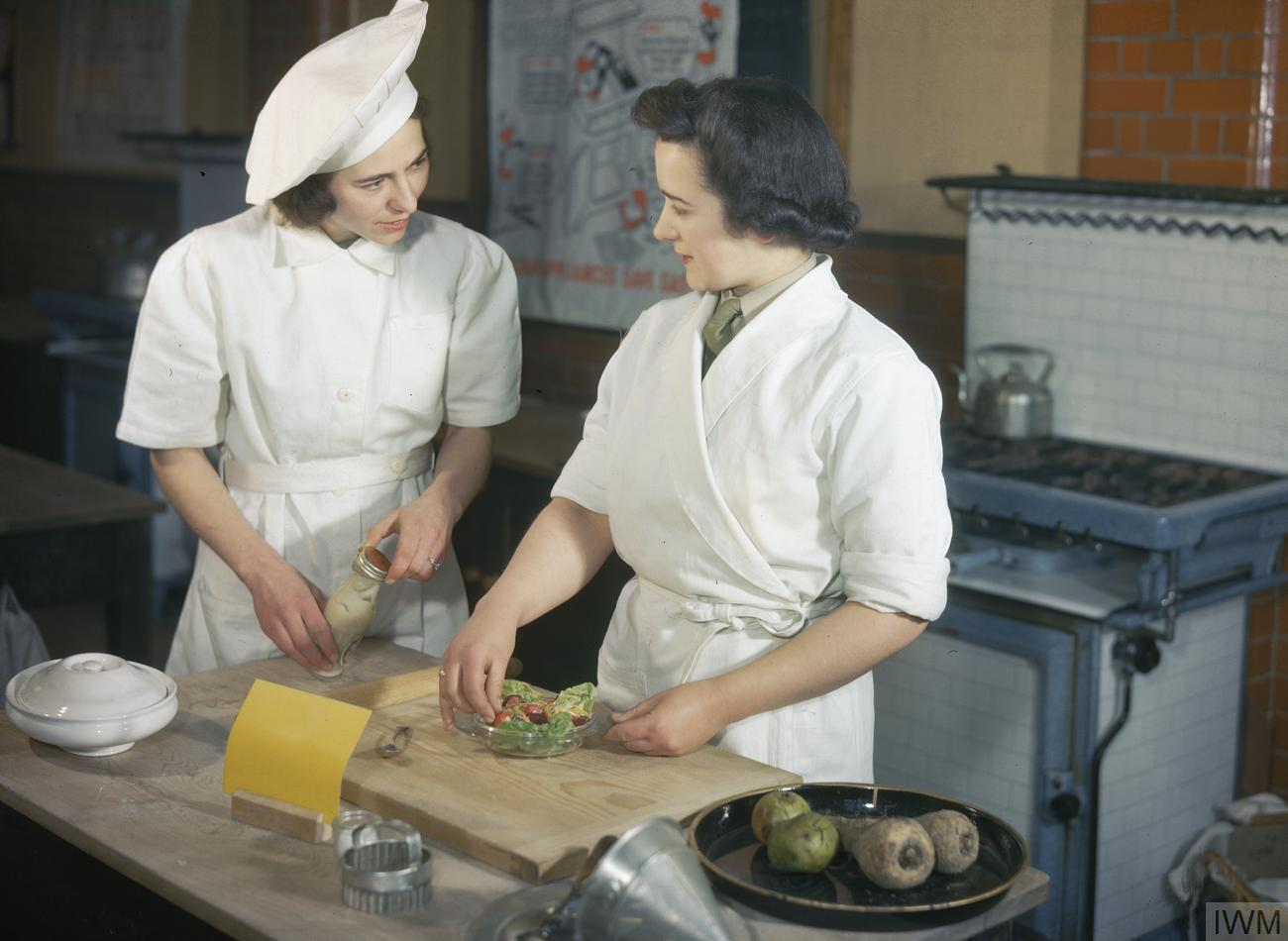
Beyond specific tasks, a broad base of practical self-sufficiency was simply more common. More people cooked every meal from scratch without recipes, sewed and mended their own clothes, gardened and preserved food, and handled a wide range of household tasks without outside help. This knowledge passed down through families as a matter of course.
Convenience foods, inexpensive ready-made goods, and busy modern schedules have reduced the necessity, and the transmission, of much of this practical knowledge. While plenty of people still cook and craft by choice, the broad baseline of everyday self-sufficiency has narrowed. The skills that once made a household largely self-reliant are now hobbies or specialties rather than universal competencies.
Teaching the Old Skills to a New Generation
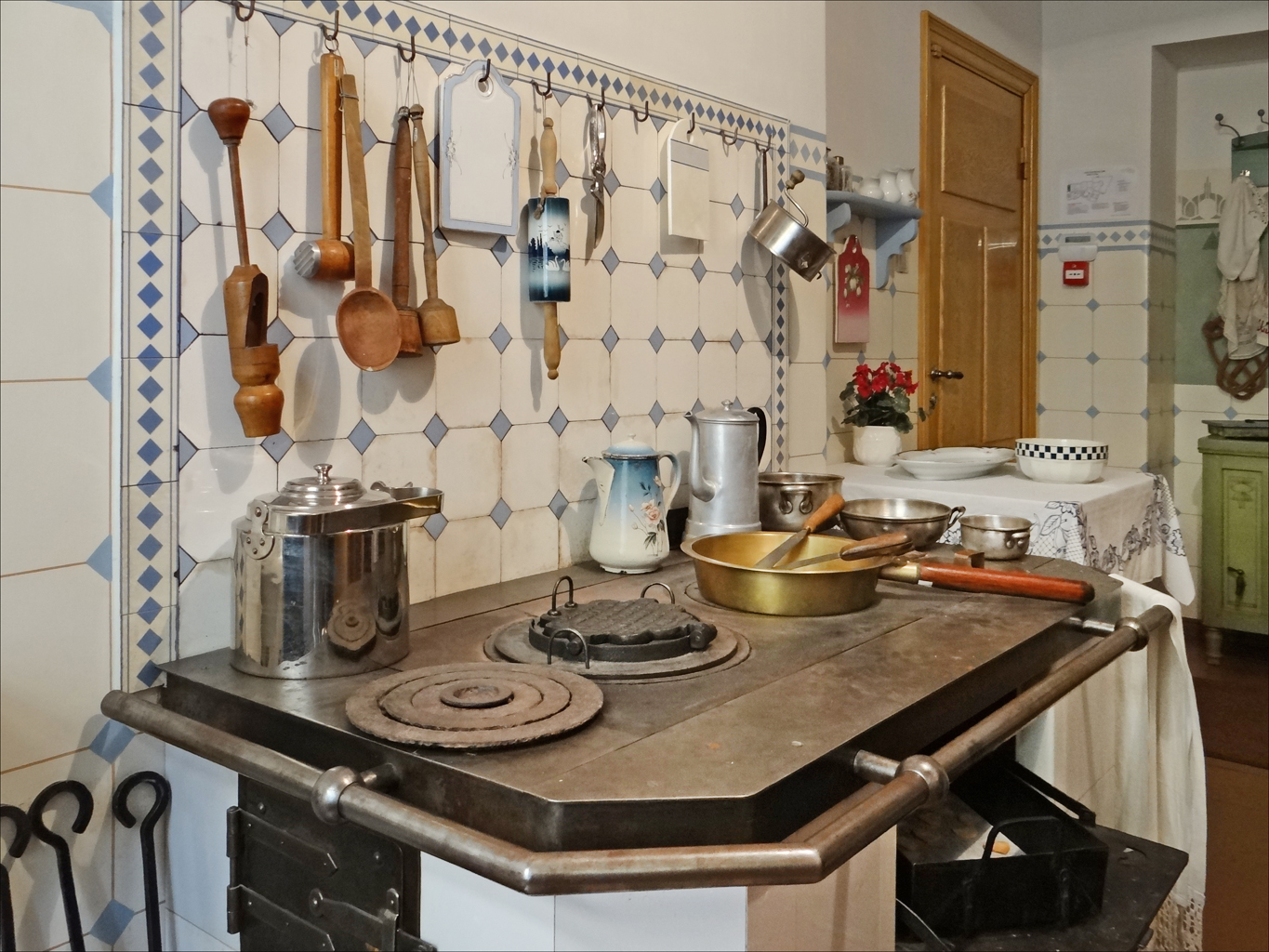
One of the more hopeful developments is a growing, deliberate effort to pass some of these fading skills on to younger generations. Recognizing that abilities like cooking from scratch, basic repairs, financial literacy, and even map-reading have genuine value, many parents, schools, and communities are working to keep them alive rather than letting them disappear entirely.
There has been a notable revival of interest in hands-on hobbies and self-sufficiency, from home cooking and gardening to sewing, woodworking, and repair culture, often among younger people drawn to the satisfaction and independence these skills provide. Online tutorials, ironically, have made learning many traditional skills easier than ever. The result is that while these abilities may no longer be universal, they are far from extinct, and a deliberate choice to learn and teach them can ensure the most valuable of them survive. The skills are there for the taking by anyone who decides they are worth having.
What the Disappearance of These Skills Tells Us

The fading of these skills is not simply a story of decline; it is the natural result of technology solving problems that once required human ability. We no longer need to read maps because GPS is better at navigation, or balance checkbooks because banking apps track everything instantly. In many cases, the technology genuinely frees us to focus on other things. Progress always involves trading old competencies for new ones.
Still, the shift is worth noticing for a few reasons. Some of these skills offer benefits beyond their practical function: mental math keeps the mind sharp, maps build spatial awareness, repairs foster self-reliance and reduce waste. There is also a resilience argument, that an over-dependence on technology leaves us helpless when it fails. And there is simply the value of knowing how to do things with our own hands and minds.
The good news is that none of these skills is truly lost; they are merely uncommon, and any of them can be relearned by anyone who chooses to. There is a growing appreciation for hands-on knowledge, from the revival of crafts to renewed interest in cooking, repair, and practical self-sufficiency. The disappearance of these everyday skills is a reminder of how quickly the basics can change from one generation to the next, and an invitation to hold onto the ones that still serve us, the ability to navigate by our own wits, work with our hands, and rely a little less on the devices in our pockets. Some old skills, it turns out, are worth keeping alive.
Like our content? Follow us for more.
