
We are surrounded by objects so familiar that we never stop to wonder about their quirks. Yet many of the things we handle every day contain clever, deliberate features, hidden details that serve a real purpose most people never learn. These are not accidents or decorations but the result of thoughtful design, safety regulations, and sometimes centuries of evolution. Once you know the reasons behind them, you can never quite look at these ordinary objects the same way again. Here is a collection of everyday things with secret purposes you have probably been overlooking your entire life.
The Tiny Hole in a Pen Cap
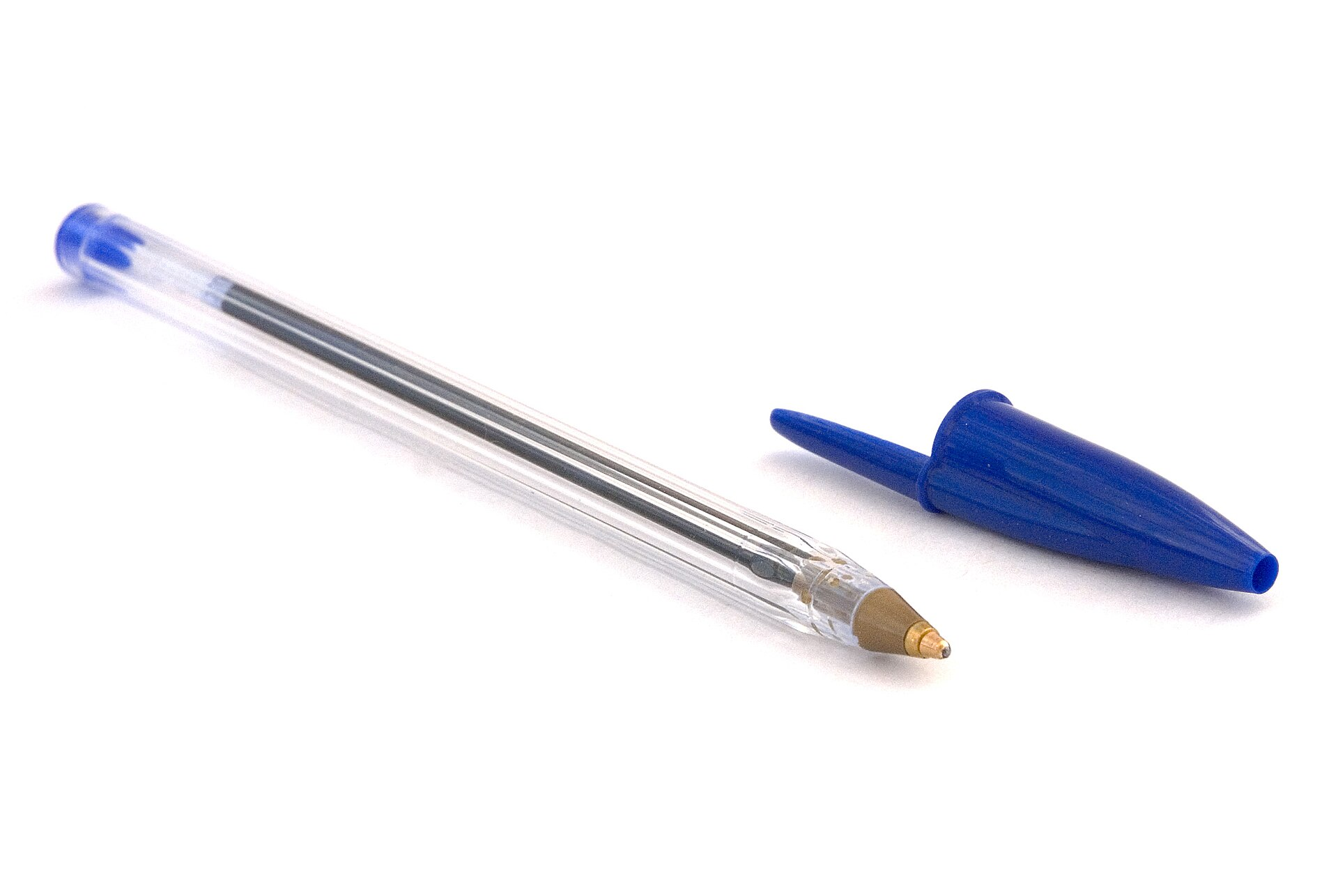
Look at the cap of a typical ballpoint pen and you will likely find a small hole in the top. Most people assume it is meaningless, or perhaps there to help the cap snap on. The real reason is a genuine safety feature: the hole is there to reduce the risk of suffocation if someone, often a child, accidentally swallows the cap.
Because people swallow pen caps surprisingly often, the hole allows air to pass through even if a cap becomes lodged in the throat, potentially preventing a tragedy. A major pen manufacturer began adding these holes as a safety standard decades ago, and they are now common across the industry. That tiny, easily overlooked opening is a small but genuine life-saving design choice.
Like our content? Follow us for more.
The Little Pocket Inside Your Jeans Pocket

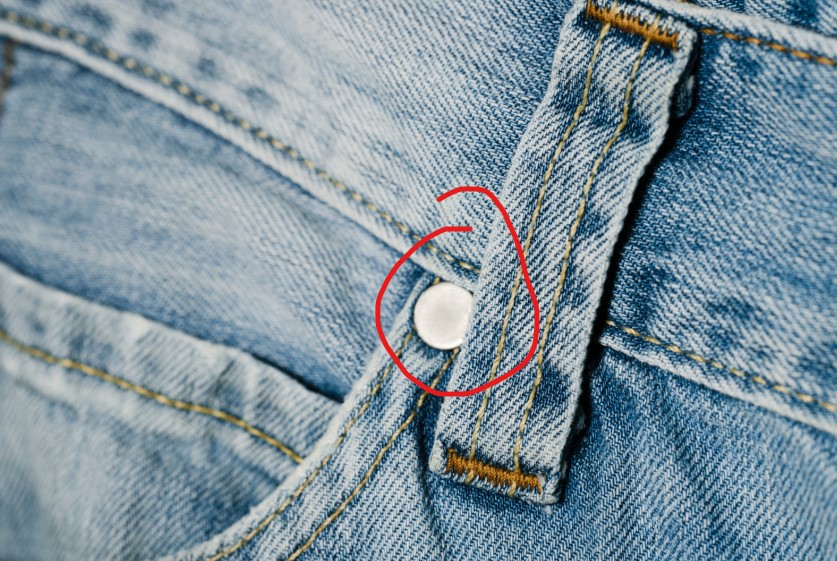
Almost every pair of jeans has a tiny pocket tucked inside the right front pocket, far too small to be useful for most modern items. Many people assume it is for coins or simply decorative, but it has a specific historical purpose: it was designed as a “watch pocket” to hold a pocket watch.
The feature dates back to the 1800s, when the famous denim pioneer introduced it so that working men, like cowboys and laborers, could safely carry their delicate pocket watches. Though pocket watches are long out of fashion, the little pocket has survived as a traditional feature of jeans for around 150 years, now used for coins, guitar picks, or nothing at all. It is a small relic of the 19th century riding on your hip.
The Rivets on Your Jeans
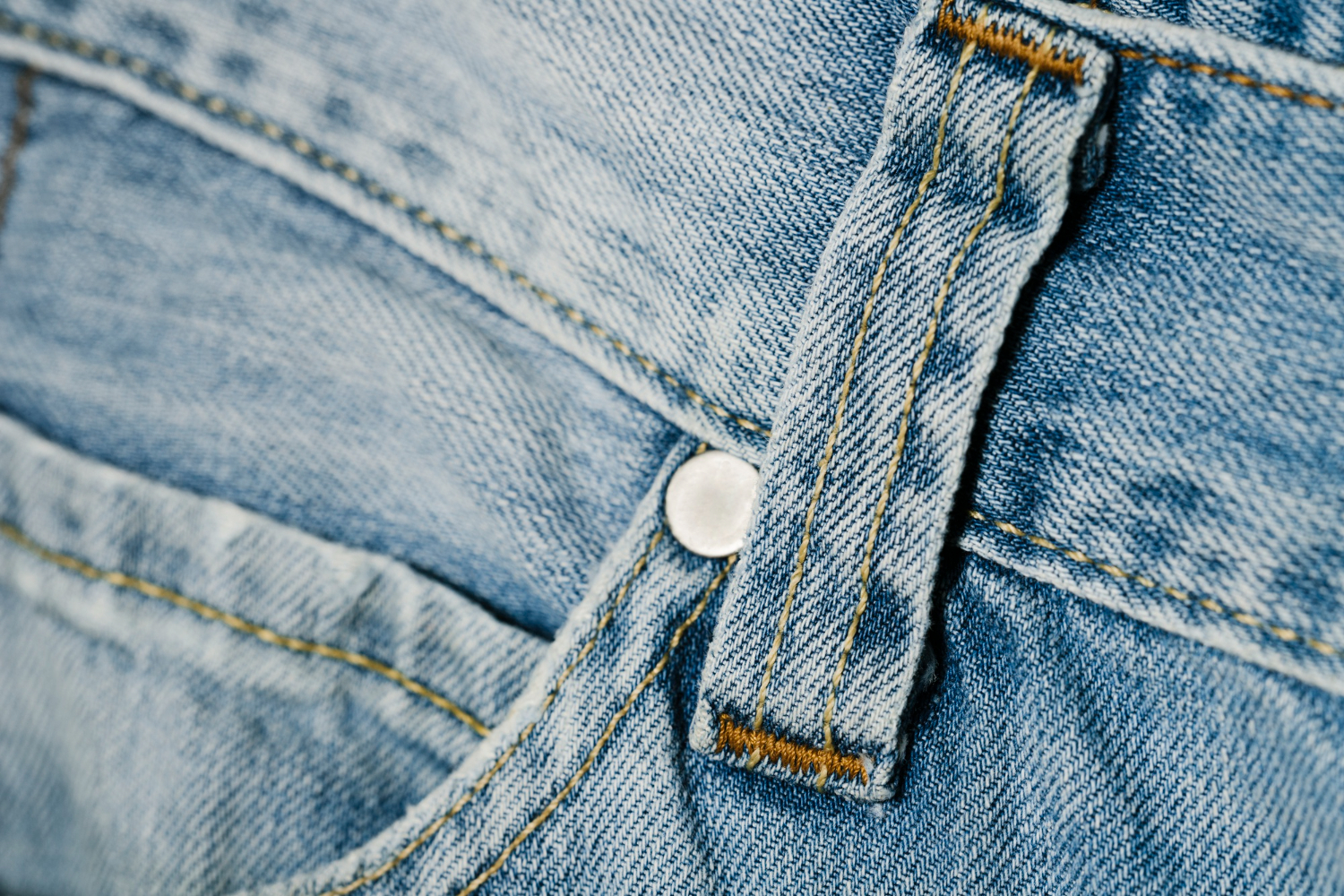
Those small metal studs, or rivets, on your jeans are not just decorative either. They were a genuine engineering innovation, placed at the points of greatest strain, like the corners of the pockets, to reinforce the fabric and keep the jeans from tearing apart.
The idea came from a tailor in the 1870s who used metal rivets to strengthen work trousers for laborers and miners, then patented the design with a denim supplier. Because the riveted jeans lasted far longer than ordinary trousers, they became wildly popular among the working class, and the rivet became a permanent feature of denim. Those little metal studs are the reason blue jeans became the durable, iconic garment they are today.
The Hole in Airplane Windows

If you have ever looked closely at an airplane window, you may have noticed a tiny hole near the bottom. Far from being a flaw or a crack, it is a deliberate and important safety feature. Airplane windows are made of multiple panes, and the small hole, in the middle pane, helps regulate air pressure.
The hole balances the pressure between the cabin and the gap between the panes, ensuring that the outer pane bears the pressure difference at altitude. This means that in the rare event of a problem, the structure is designed to fail safely, with the inner panes protecting passengers. So that tiny hole, far from being worrying, is actually a reassuring sign of careful aviation engineering, steadily doing its job on every flight.
The Small Hole in a Padlock

Many padlocks have a small hole on the bottom, which most people never notice or wonder about. It serves two practical purposes. First, it allows water to drain out of the lock, which is especially important for padlocks used outdoors, where trapped water could freeze and damage the mechanism or cause rust.
Second, the hole provides a place to apply lubricating oil to keep the lock’s internal mechanism working smoothly. This small feature reflects thoughtful design for the real conditions padlocks face, exposed to rain, weather, and time. It is a perfect example of a tiny detail that exists for entirely practical reasons most users never need to think about, but that keeps the lock functioning for years.
The Chinese Takeout Box That Unfolds Into a Plate

The classic folded paper container that Chinese takeout comes in has a clever secret: it is designed to unfold completely flat into a makeshift plate. Rather than digging your food out of a deep, awkward box, you can carefully unfold the container to lay your meal out on a flat surface.
When you are done, the design also allows the box to be refolded to store leftovers. This dual-purpose design, container for transport, plate for eating, has been hiding in plain sight at dinner tables for generations. Most people never realize their takeout box is also their dinnerware, making it one of the most satisfying hidden features of an everyday object once you discover it.
The Colored Tags on Bread Bags
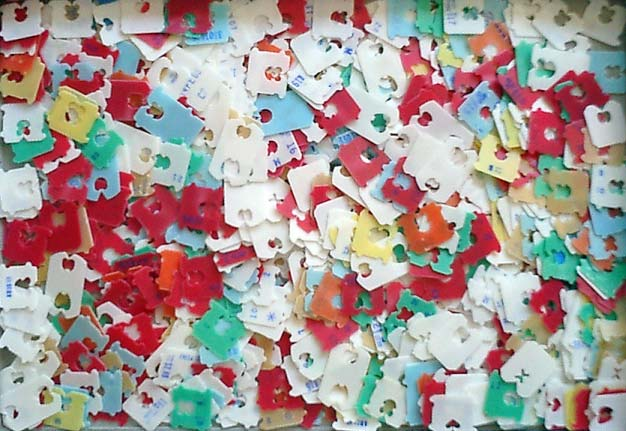
The plastic tag or twist tie that seals a loaf of bread often comes in different colors, and there is a system behind it that most shoppers never notice. The colors typically indicate which day of the week the bread was delivered fresh to the store, helping employees quickly identify and rotate stock.
While systems can vary by company, a common code follows the colors in alphabetical order matching the delivery days, an easy way for stockers to manage freshness. For shoppers in the know, the color of the bread tag can offer a clue about how fresh a loaf is. It is a behind-the-scenes logistics tool hiding in plain sight on every loaf of bread, steadily helping keep the bread aisle fresh.
The Strawberry on a Tomato Pincushion
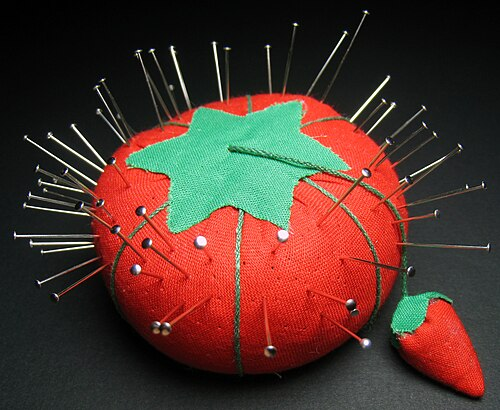
The classic sewing pincushion shaped like a red tomato often comes with a small attached “strawberry,” and that strawberry is not just decorative. It is filled with a fine abrasive material called emery, and its purpose is to clean and sharpen sewing needles and pins.
By poking a dull or sticky needle through the emery-filled strawberry, a sewer can sharpen the point and remove rust or residue, keeping their tools in good working order. This clever two-part design has been a staple of sewing kits for generations, yet many people who own one never realize the little strawberry has a job to do. It is a charming example of practical function hidden inside a familiar, decorative-seeming object.
Why Everyday Objects Hide So Many Secrets

The hidden features in everyday objects are a sign of generations of thoughtful design, problem-solving, and evolution. Many exist for safety, like the pen-cap hole and the airplane-window hole. Others are practical engineering solutions, like jeans rivets and padlock drainage holes. Some are clever logistics, like bread tags, while still others are historical holdovers, like the jeans watch pocket, that have outlived their original purpose.
What they share is that they reveal the hidden intelligence built into the world around us. Before the digital age, designers solved problems by building cleverness directly into physical objects, and much of that ingenuity is still in our hands, pockets, and kitchen drawers every day. Once you start noticing these features, you begin to see the world as a place full of small, deliberate solutions, each with a story. The next time you click a pen, pull on your jeans, or seal a loaf of bread, you might just remember the secret purpose hiding in plain sight, and appreciate the quiet thoughtfulness behind the most ordinary things.
Like our content? Follow us for more.