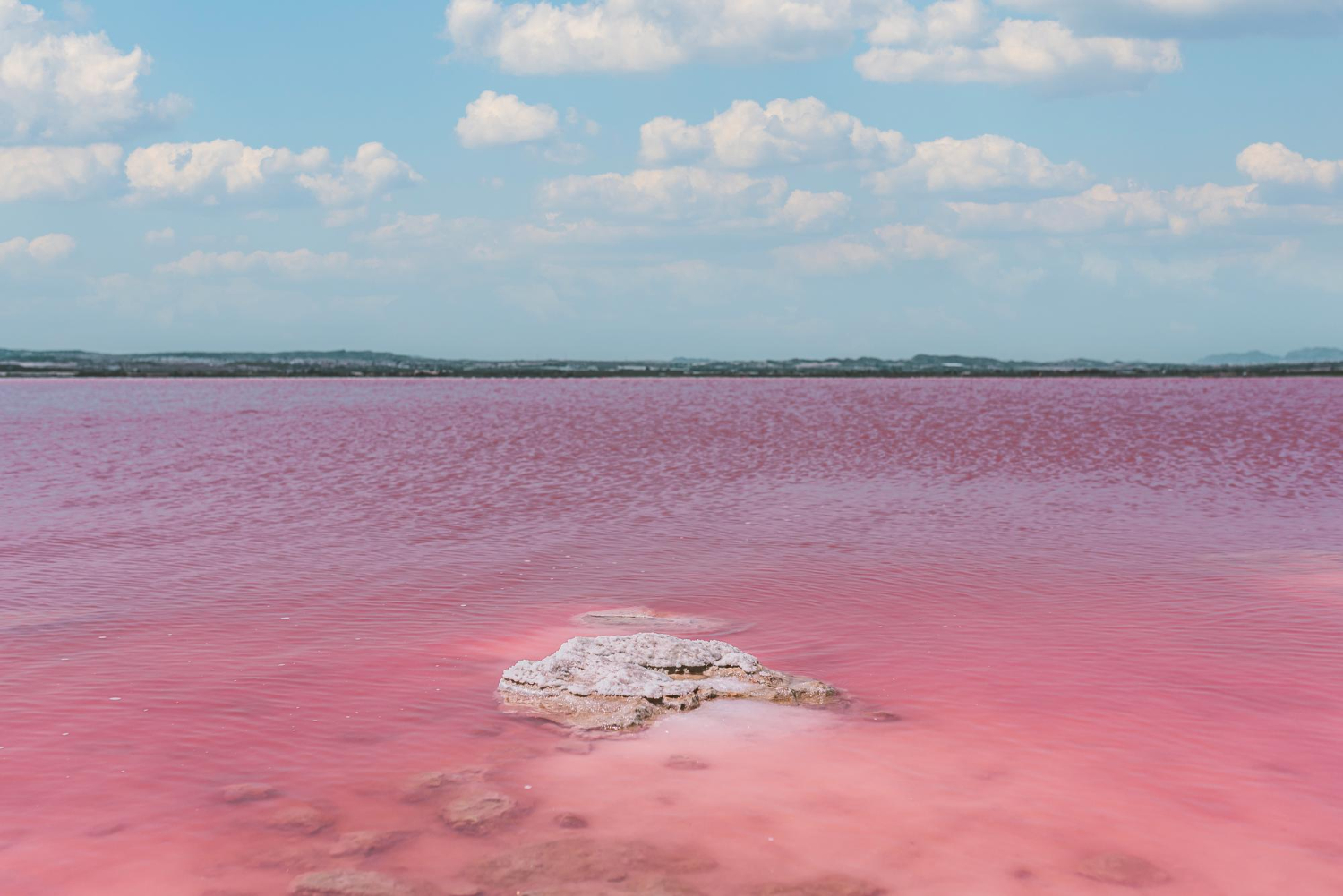
In the remote north of Tanzania, near the Kenyan border, lies a lake that looks like something from another planet. Its waters glow in shades of red and pink, its shores are crusted with white mineral deposits, and scattered along its edges are the calcified remains of birds and bats, preserved in eerie, lifelike poses as if frozen mid-motion. Lake Natron earned a sinister global reputation as the lake that “turns animals to stone,” fueled by a series of haunting photographs. But the science behind it, and the reality of those images, reveals a story far more interesting than the viral myth. Here is what makes Lake Natron one of the strangest places on Earth.
A Lake Like No Other
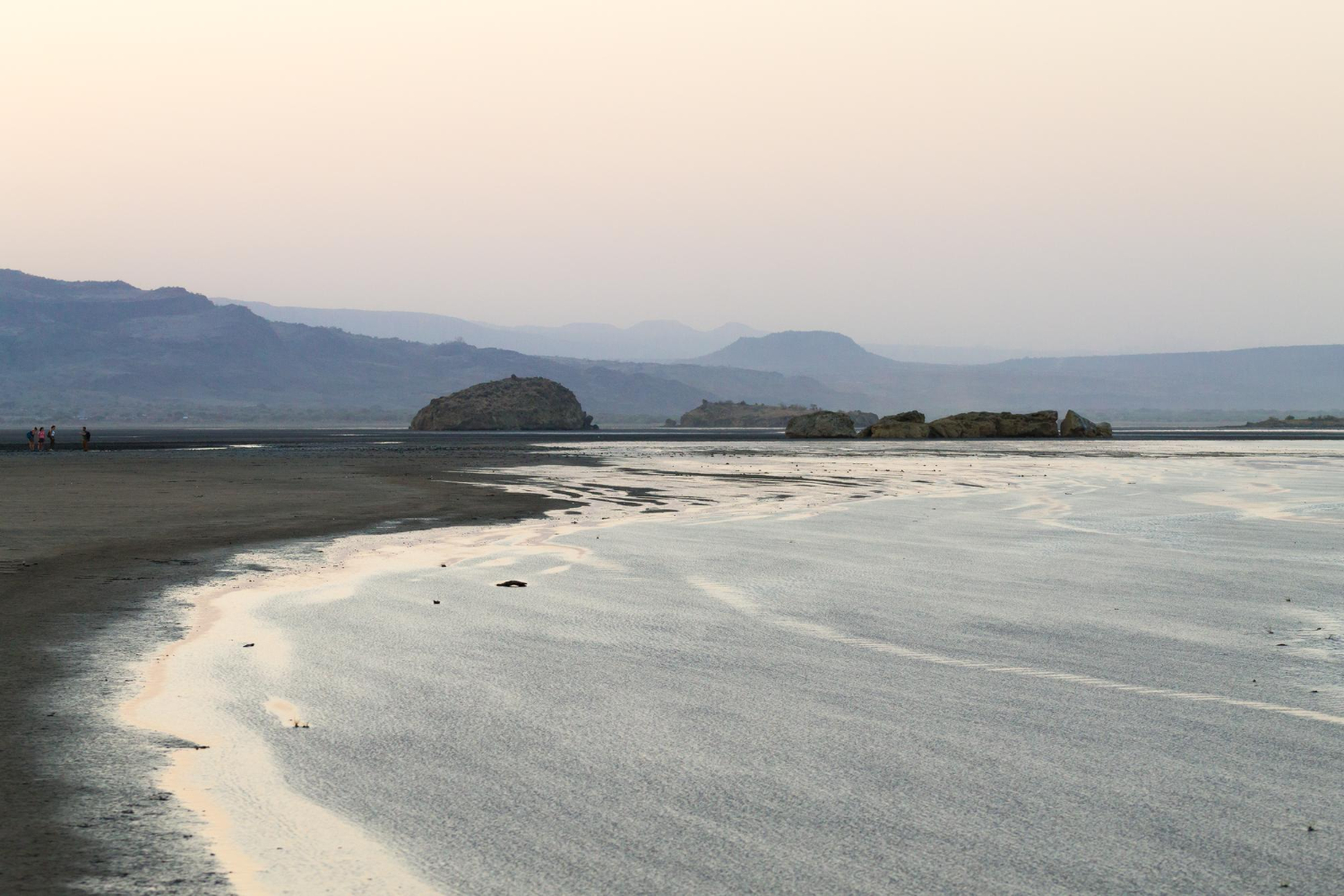
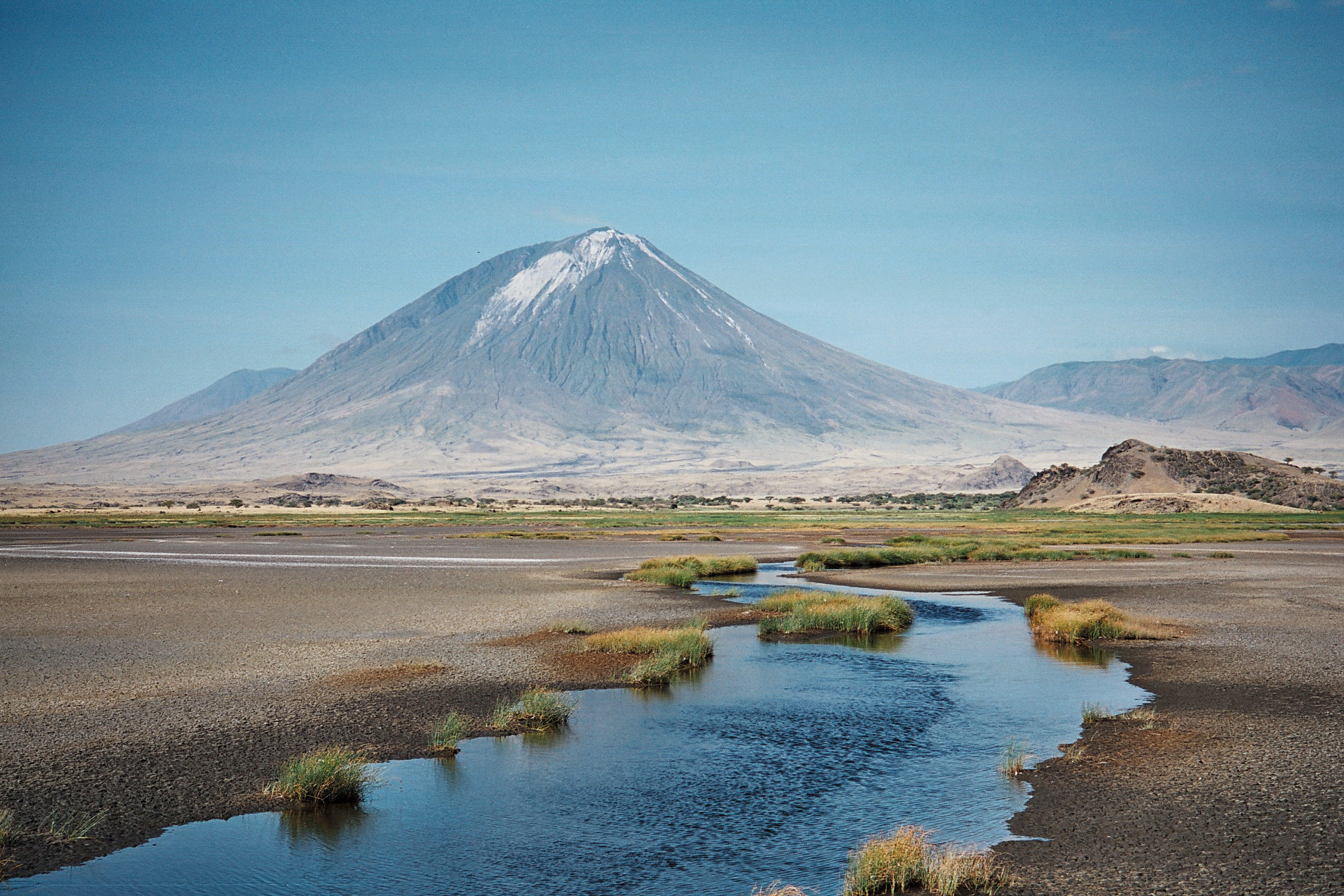
Lake Natron sits in the East African Rift, a region of intense geological activity, in the shadow of an active volcano. It is what scientists call a soda lake: water flows in from rivers and mineral-rich hot springs, but has no outlet, so it can only escape through evaporation. In the scorching heat, that evaporation concentrates the minerals left behind, above all natron, a natural compound of sodium carbonate, the same family of substances once used to mummify bodies in ancient times.
The result is water of extraordinary hostility. Lake Natron’s alkalinity can reach a pH as high as 10.5 or more, making it nearly as caustic as ammonia, corrosive enough to burn the skin and eyes of most animals. The lake is also remarkably shallow, and in the relentless sun its temperatures can climb to scalding levels, reaching well over 100 degrees Fahrenheit. Between the caustic chemistry and the heat, it is one of the most inhospitable aquatic environments anywhere on the planet.
Like our content? Follow us for more.
The Source of the Eerie Color
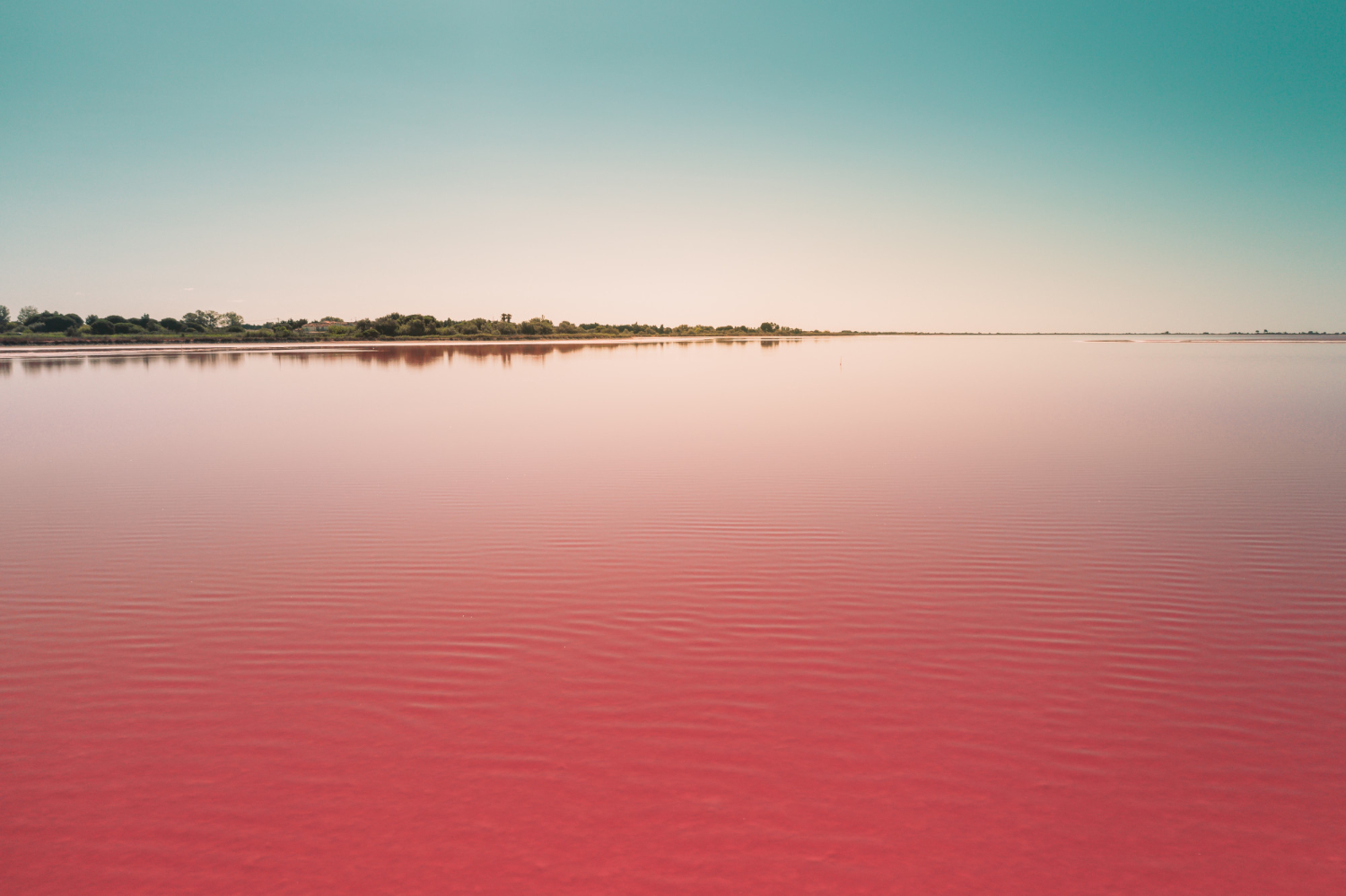
One of Lake Natron’s most striking features is its color. From above, the lake often appears in vivid shades of red, pink, and orange, an alien palette that adds to its otherworldly reputation. This dramatic coloring comes from microscopic life: salt-loving microorganisms, including certain cyanobacteria, that thrive in the extreme alkaline conditions and produce red and pink pigments.
As the water evaporates and the salinity rises, these organisms flourish and the colors intensify, painting the lake in its eerie hues. The same pigments play a crucial role in the lake’s surprising ecosystem, as we will see. Far from being a dead, lifeless place, Lake Natron’s hostile waters teem with specially adapted microscopic life, and that life is the source of both its haunting beauty and its role as a vital habitat.
The Truth About the “Petrified” Animals
Now for the famous part, and the truth behind the myth. Lake Natron became globally notorious thanks to a series of striking photographs, taken by a wildlife photographer, showing calcified birds and bats posed as if alive, their bodies hardened into eerie statues. The images spread with sensational claims that the lake instantly turns living creatures to stone.
The reality is more nuanced. The lake does not flash-petrify living animals. Instead, creatures that die in or around the caustic, mineral-laden water, often birds that misjudge the lake’s highly reflective surface and crash into it, are chemically preserved by the sodium carbonate, which calcifies and hardens their remains rather than letting them decompose. The famous photographs were created by the photographer collecting these already-dead, naturally calcified animals from the shore and carefully posing them to appear lifelike. So while the lake genuinely preserves dead animals in a stone-like state, the viral notion of a lake that turns living creatures to stone in an instant is a myth. The truth, a natural mummification process, is no less remarkable.
A Surprising Haven for Flamingos
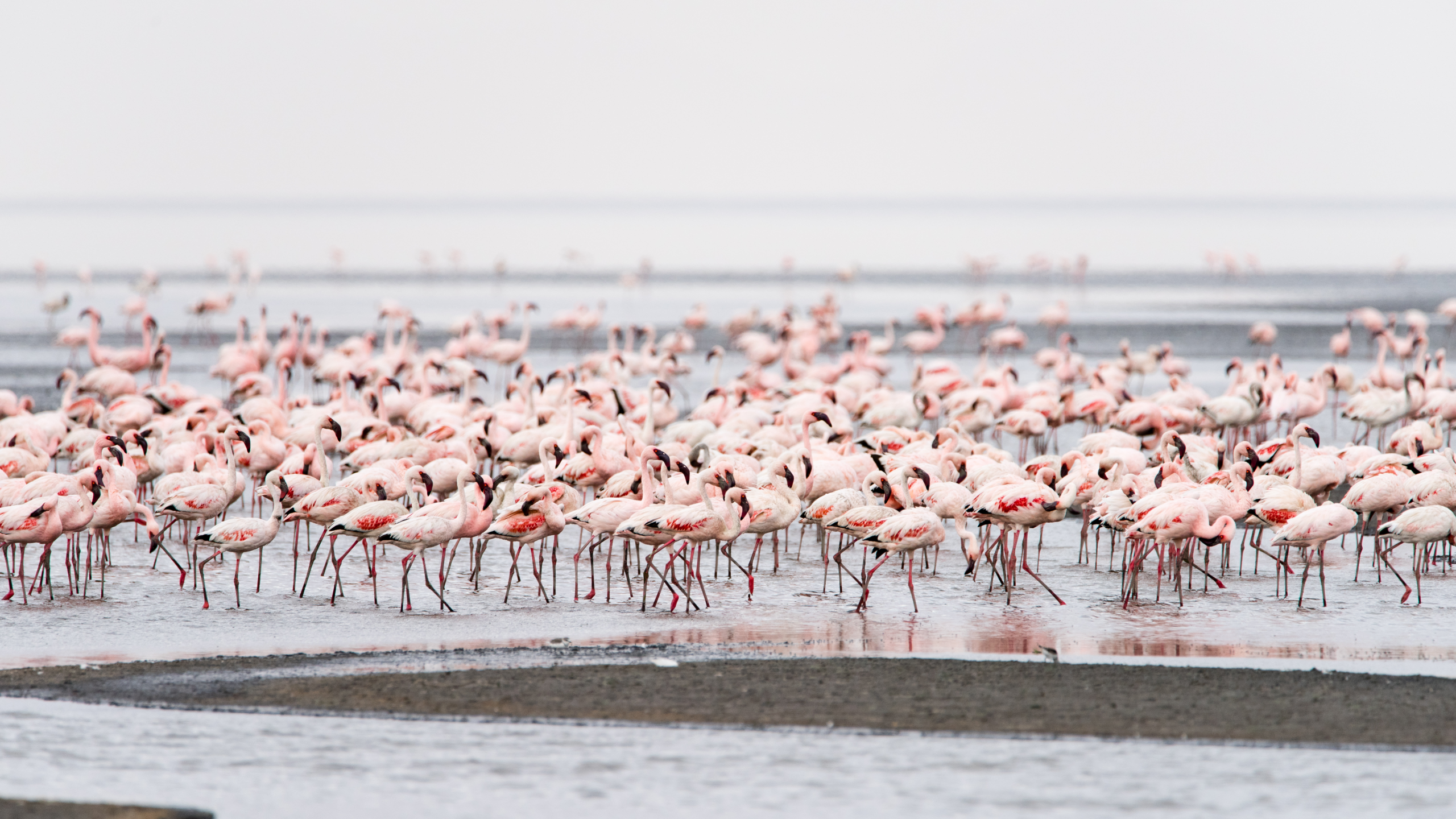
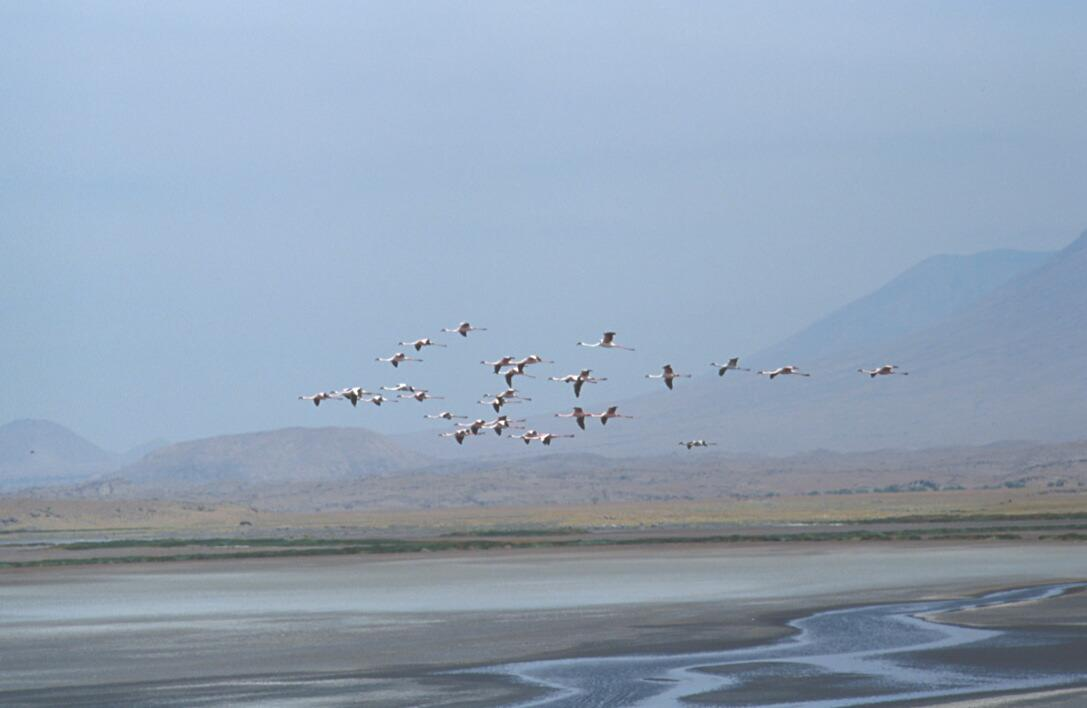
Here is the great paradox of Lake Natron: this deadly, caustic lake is also one of the most important wildlife breeding sites in all of Africa. The lake is the primary regular breeding ground in East Africa for the lesser flamingo, with as many as two and a half million of these birds depending on it. Far from avoiding the hostile water, the flamingos rely on it.
The flamingos have evolved remarkable adaptations to survive: tough, scaly skin on their legs that resists the caustic water, and special glands that help them cope with the salt. They feed on the very cyanobacteria that turn the lake red, and these pigments are what give the flamingos their famous pink color. Most importantly, the lake’s deadly conditions are a feature, not a bug: they keep predators away, allowing the flamingos to nest and raise their chicks on islands in the lake in near-total safety. The hostile water that calcifies other animals is the flamingos’ fortress.
A Fragile and Threatened Ecosystem
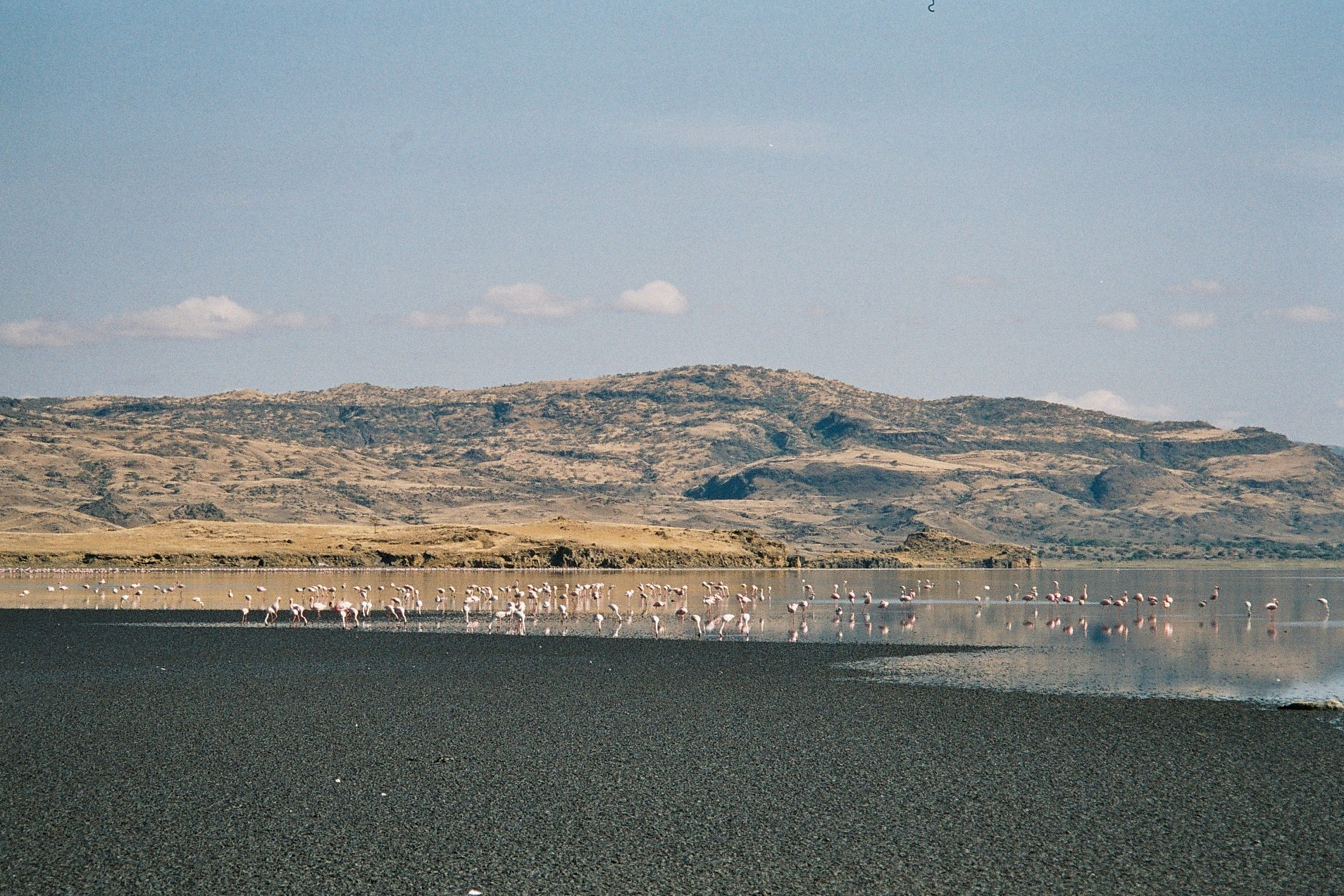
Because Lake Natron is the overwhelming breeding stronghold for the region’s lesser flamingos, it is also ecologically precious and vulnerable. Any disruption to the lake’s delicate chemistry or water levels could threaten the breeding of millions of birds, with consequences rippling across the region’s ecosystems. Proposed industrial developments and changes to the lake’s water balance have raised serious conservation concerns over the years.
This makes Lake Natron a place of genuine ecological importance, not just a viral curiosity. Conservationists have worked to protect it precisely because so much of a species depends on this single, strange, hostile lake. The lake’s role as an irreplaceable flamingo nursery underscores how the planet’s most extreme and forbidding environments can also be the most vital, a reminder that hostility to most life can mean sanctuary for the few species adapted to thrive there.
The Ancient Connection to Mummification
There is a fascinating historical thread to Lake Natron’s chemistry. The mineral that gives the lake its name and its preserving power, natron, is the very same substance that ancient Egyptian embalmers used thousands of years ago to mummify the dead. Natron’s ability to draw out moisture and resist decay made it central to one of history’s most famous preservation practices.
This gives the calcified animals of Lake Natron a poetic resonance: the lake performs, through pure natural chemistry, a version of the same preservation that ancient civilizations achieved deliberately with the same mineral. The creatures preserved on its shores are, in a sense, naturally mummified. It is a striking reminder that the processes we sometimes think of as human inventions often have natural counterparts, and that the chemistry making Lake Natron so hostile to life is the same chemistry that once helped humans preserve their dead for eternity.
Visiting the Otherworldly Lake
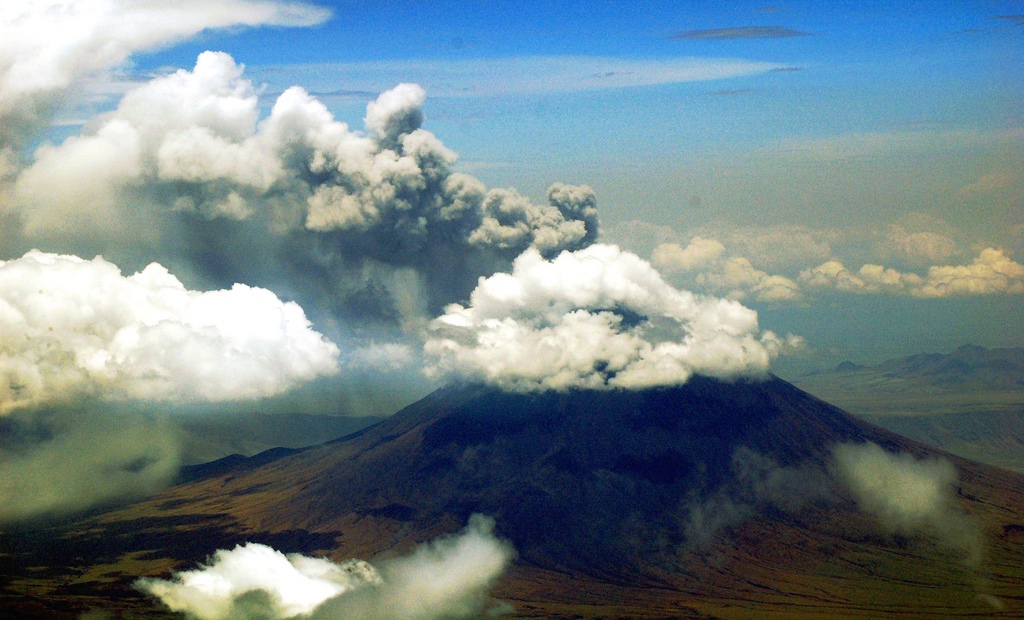
Lake Natron is remote and challenging to reach, but it draws intrepid travelers and photographers captivated by its alien beauty and the chance to witness its flamingo spectacle. The surrounding area offers dramatic landscapes, including the nearby active volcano, opportunities to see the vast flamingo populations from a respectful distance, and encounters with the local communities who live in the region.
Visitors must take the lake’s genuine dangers seriously; the caustic water is not something to wade into casually, and the environment is harsh and unforgiving. Responsible tourism here also means respecting the fragile flamingo breeding grounds and the local environment. For those who make the journey, Lake Natron offers a glimpse of one of Earth’s most extreme and beautiful places, a blood-red, scalding, caustic lake that both preserves the dead in stone and shelters millions of living birds. It is a place that defies easy description, and proof that some of the planet’s most hostile corners are also among its most wondrous.
Like our content? Follow us for more.