Imagine handing your spouse a checklist and tallying up their merits and demerits to arrive at a single score rating them as a husband or wife, from “very poor” to “very superior.” That is exactly what a real psychological test from 1939 invited couples to do. Created by a Northwestern University psychologist, the “Marital Rating Scale” has resurfaced repeatedly in the internet age, where it never fails to astonish modern readers with its frank, gendered, and often startling list of what made a good or bad spouse nearly a century ago. It is by turns funny, cringe-inducing, and genuinely illuminating. Here is the story of this remarkable historical artifact, what it actually measured, and what it reveals about how profoundly marriage and gender roles have changed.
The Man Behind the Test

The Marital Rating Scale was the creation of Dr. George W. Crane, a psychologist and physician who taught at Northwestern University in the 1930s. Crane was a man of many ventures: he ran a counseling practice, wrote a widely syndicated newspaper advice column, and even founded a matchmaking service. He was deeply interested in the question of what made marriages succeed or fail, and he approached it with the data-minded confidence of his era.
To build his test, Crane reportedly interviewed hundreds of husbands and hundreds of wives about the qualities they most valued and most disliked in their spouses. He then compiled the most frequently mentioned virtues and flaws into scorecards, assigning point values to each. The test came in two versions, a Wife’s Chart and a Husband’s Chart, each listing dozens of merits and demerits. It was, in its way, an early attempt to bring a systematic, quasi-scientific approach to evaluating marriage, though Crane himself acknowledged that the point values reflected his own personal judgment about what mattered most.
Like our content? Follow us for more.
How the Test Worked
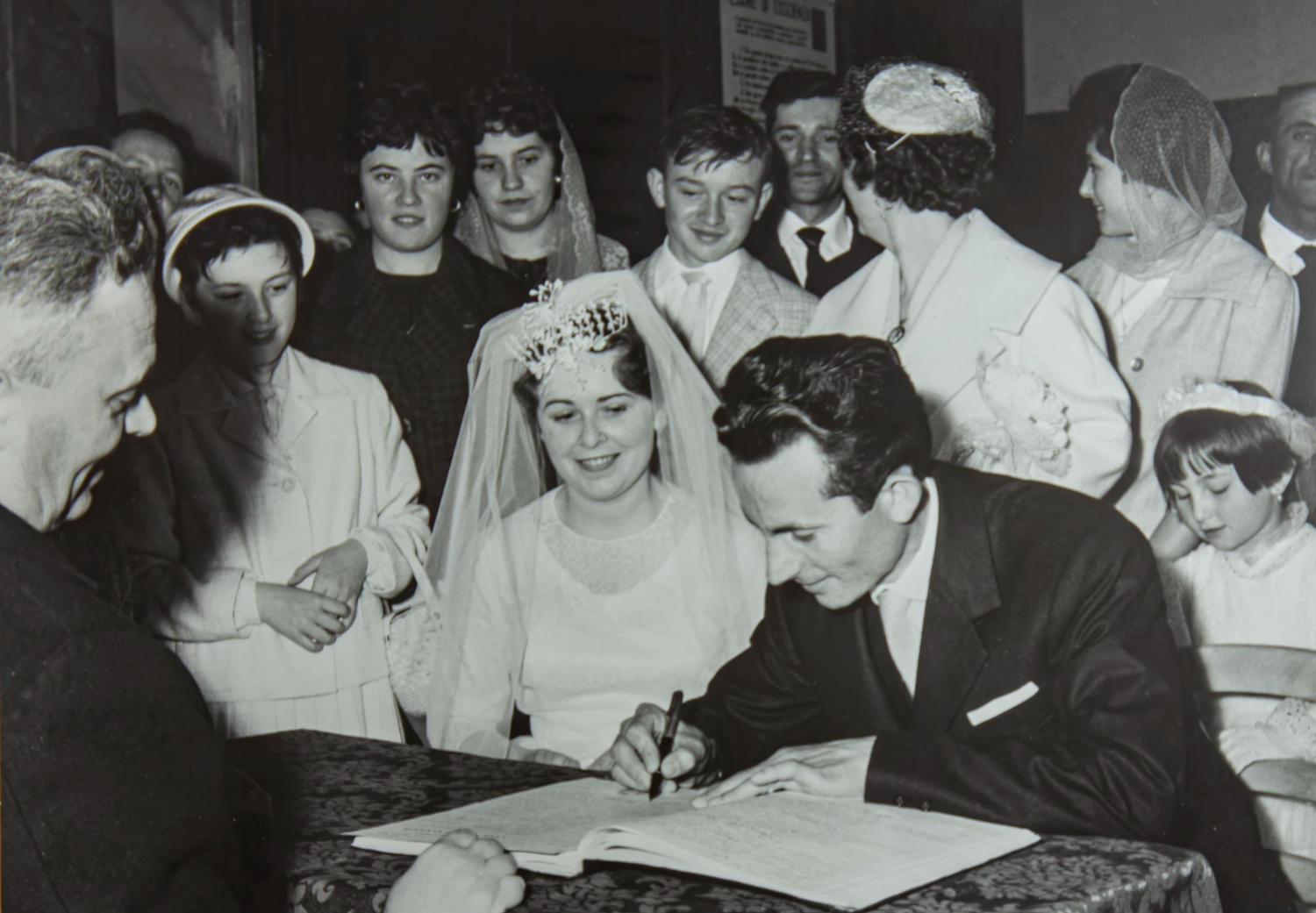
The mechanics were straightforward and a little startling. A person would go through the chart for their spouse, tallying up demerits for negative behaviors and merits for positive ones, with each item worth a certain number of points and some weighted more heavily than others. The totals were then used to place the spouse on a scale ranging from “very poor” up through “average” to “very superior.”
The idea was to give couples concrete feedback on their marriages, highlighting areas of strength and areas for improvement, in keeping with Crane’s belief that marriage could be studied and improved through systematic effort. To modern eyes, the notion of literally scoring your spouse against a standardized checklist seems extraordinary, even uncomfortable. But it reflected a particular early-20th-century faith in measurement and self-improvement, applied to the most intimate of human relationships. The result is a document that feels both quaint and oddly clinical.
What Lost a Wife Points
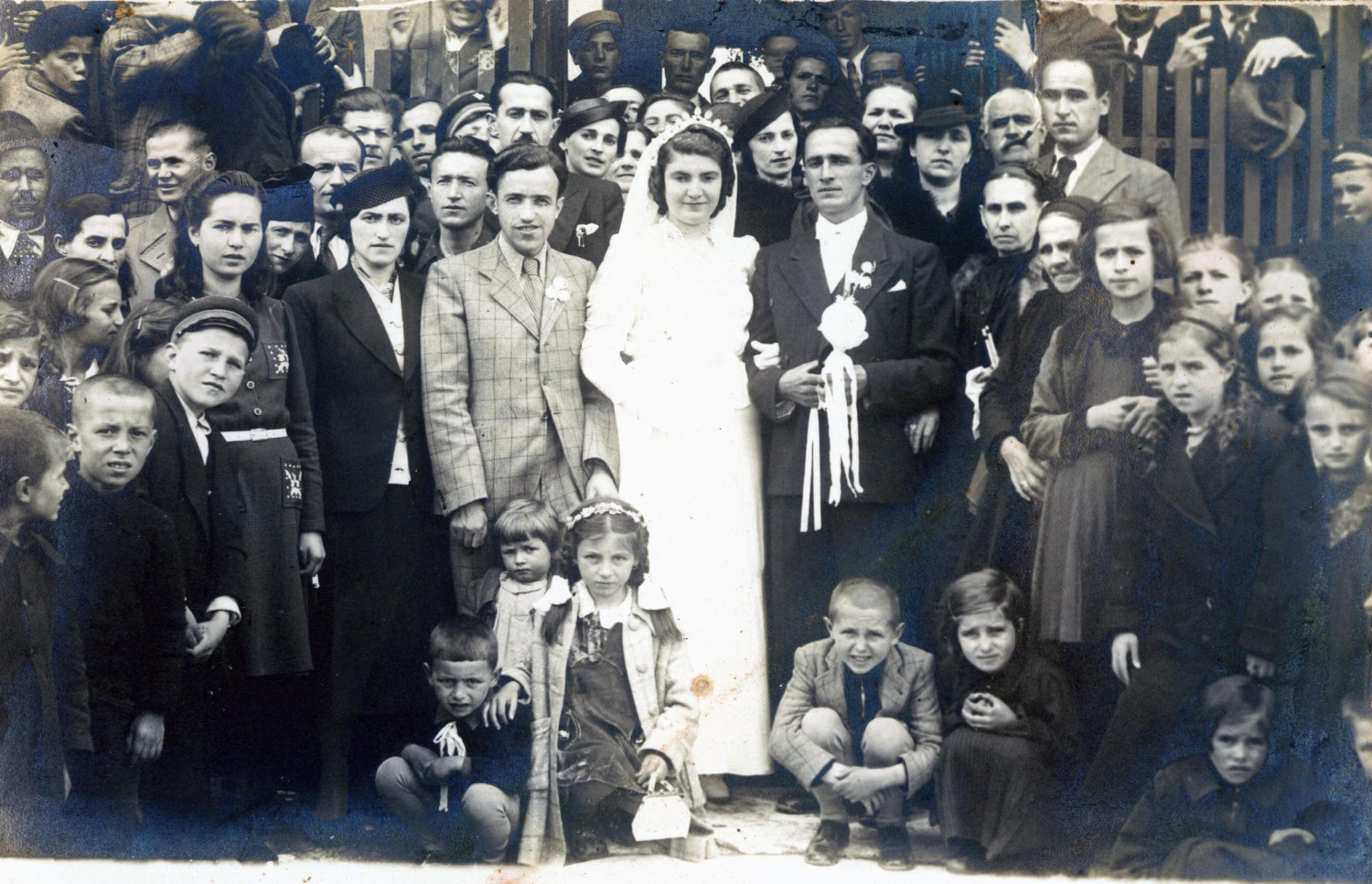
The Wife’s Chart is where the test most clearly reveals the gender expectations of its era, and where modern readers tend to gasp or laugh. Among the demerits that would lower a wife’s score were things that seem astonishing today: wearing red nail polish, being a “backseat driver,” using slang or profanity, being slow to come to bed, failing to keep up with household tasks like sewing on buttons or darning socks, and not liking children.
The list reflects a vision of the ideal wife rooted firmly in the domestic expectations of the 1930s, focused heavily on homemaking, appearance, and deference. Behaviors that today would seem entirely unremarkable, or none of a husband’s business, were treated as genuine marks against a wife’s quality. The Wife’s Chart, more than anything else in the test, captures just how dramatically expectations placed on women have shifted, and why the scale strikes modern readers as so jarring a relic of its time.
What Lost a Husband Points

Lest anyone think the test only scrutinized wives, husbands had their own chart with a list of demerits, some of which feel surprisingly relatable even today. A husband lost points for behaviors like flirting with or staring at other women while out with his wife, reading the newspaper at the dinner table, failing to phone when he would be late, criticizing his wife in public, and unfavorably comparing her to his mother or to other women.
Other husbandly demerits included things like belching without apology at the table or leaving his shoes lying around the living room, complaints that any modern partner might recognize. While the Husband’s Chart still reflects its era’s assumptions, many of its items, around courtesy, attentiveness, and respect, hold up better to modern sensibilities than the wife’s list. The contrast between the two charts itself speaks volumes about the different standards applied to men and women in marriage at the time.
What Earned a Husband Points
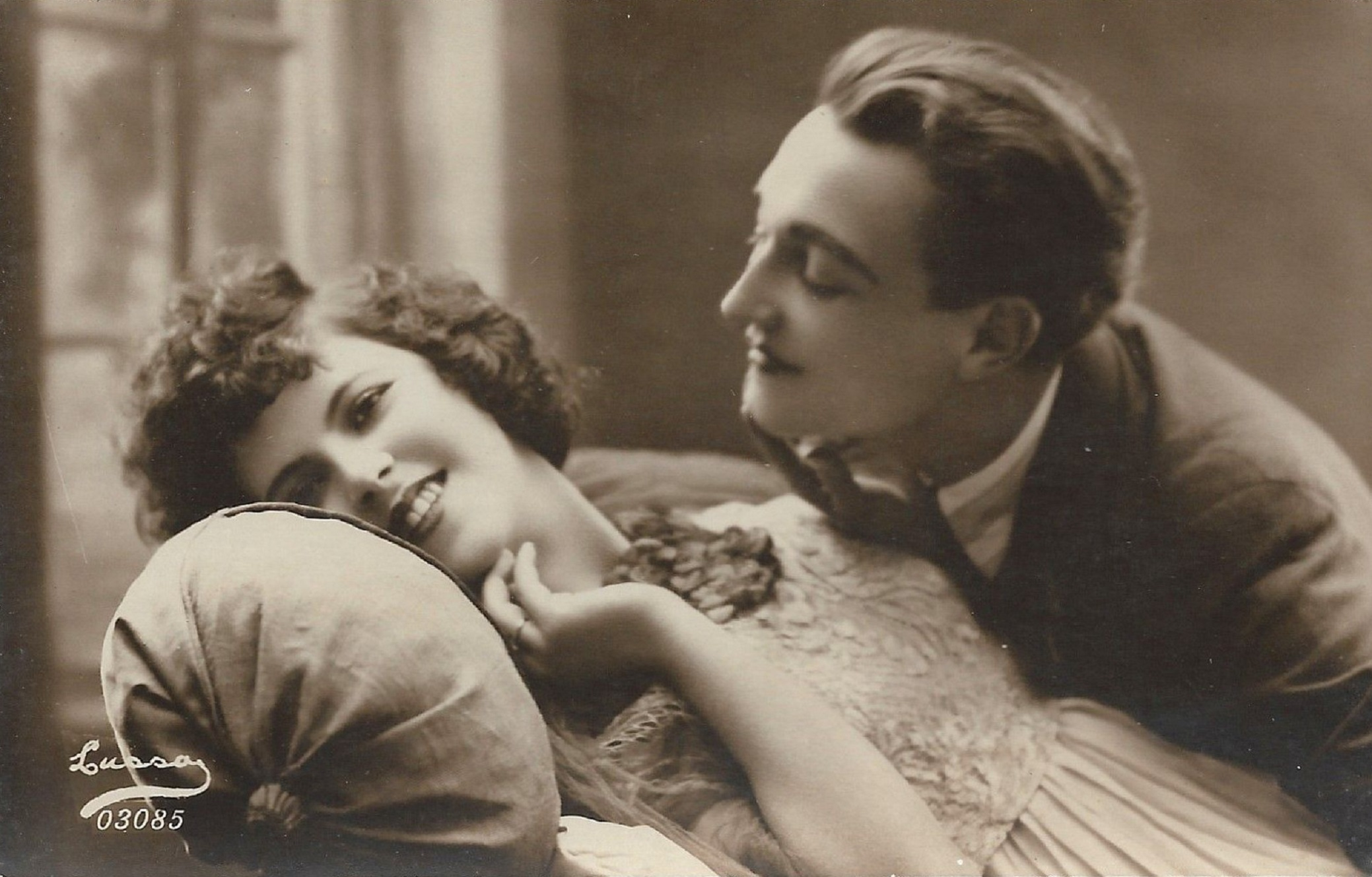
The Husband’s Chart also listed merits, the positive behaviors that would raise a man’s score, and these too are revealing. A husband earned points for things like giving his wife an ample allowance or turning over his paycheck to her, being courteous to her friends, frequently complimenting her, remembering birthdays and anniversaries, helping with dishes and the children, and taking her on a date at least once a week.
Some of these, like remembering anniversaries, taking your partner on regular dates, and being attentive and complimentary, remain genuinely good relationship advice today. Others, like the framing around allowances and paychecks, reflect the era’s assumptions about money and gender roles. The merits paint a picture of the ideal 1930s husband as a steady provider who was also considerate and attentive, a mix of expectations that feels partly timeless and partly very much of its moment. Taken together, the merit and demerit lists offer a remarkably detailed snapshot of what mid-century America thought a good marriage looked like.
A Window Into How Much Has Changed

What makes the Marital Rating Scale so compelling nearly a century later is precisely how much it reveals about change. The test reflects a world of rigid and unequal gender roles, where a wife was judged largely on domesticity, appearance, and deference, and where the very idea of formally scoring a spouse against a checklist was considered a reasonable approach to marriage. Reading it today, most people are struck by how dated, and in places how unfair, its assumptions now seem.
That sense of distance is itself the point and the value. The scale stands as a vivid historical artifact, a measure of just how far ideas about marriage, partnership, and the roles of men and women have evolved. Modern relationships are widely understood to be partnerships of equals, built on mutual respect and shared responsibilities rather than fixed, gendered expectations. Comparing the 1939 standards to today’s throws that transformation into sharp relief, which is a large part of why the test keeps going viral whenever it resurfaces.
Why It Still Fascinates Us Today
The enduring fascination with Crane’s marriage test speaks to our perennial curiosity about relationships and how the rules around them shift over time. Part of the appeal is simply entertainment, the fun and occasional horror of seeing what counted as a marital flaw or virtue in a bygone era, and imagining how we might “score” by those standards today. It is the kind of curiosity that makes people share it with a laugh and a raised eyebrow.
But beneath the amusement lies something more thoughtful: a reminder that the expectations we place on partners are shaped by culture and constantly evolving, and that what one era takes for granted, another may find baffling. The test invites reflection on how far we have come and, perhaps, on which of our own assumptions might look just as strange to future generations. Crane’s Marital Rating Scale endures as a genuinely fascinating piece of social history, a quirky, revealing, and slightly uncomfortable window into the past that tells us as much about ourselves and our own time as it does about the couples of 1939.
Like our content? Follow us for more.