
If you have ever woken in the dead of night and lain awake for an hour, convinced something is wrong with you, history has a surprising comfort to offer. For much of the human past, that very pattern was not a problem at all, it was simply how people slept. According to historical research, our ancestors across the Western world routinely slept in two separate stretches each night, divided by a stretch of quiet wakefulness, and they thought nothing of it. The idea that we should sleep for one unbroken eight-hour block is, it turns out, a relatively recent invention. Here is the remarkable story of segmented sleep, how it worked, what people did during their midnight waking hours, and why this age-old rhythm faded from memory.
The Discovery Hiding in Plain Sight
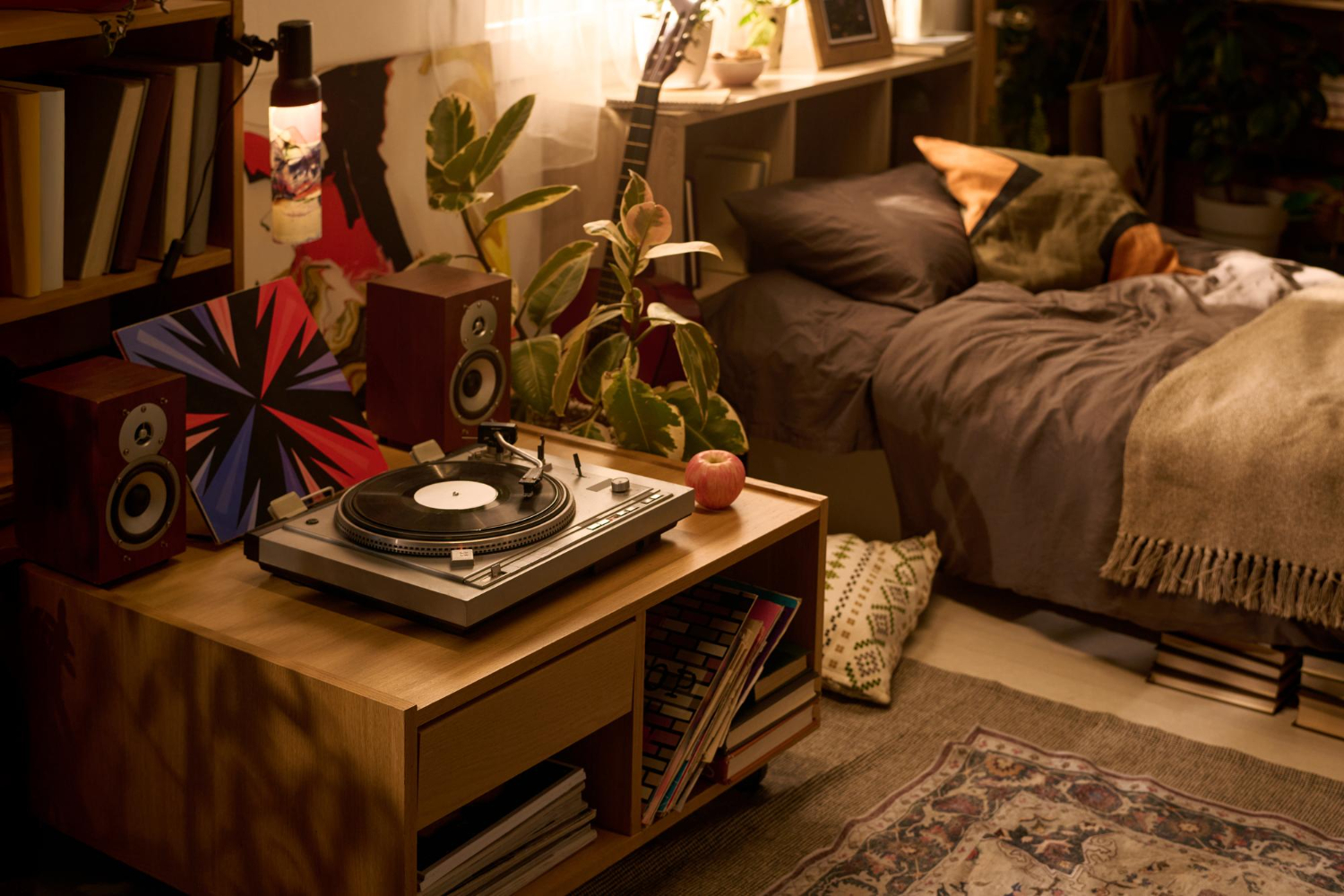
The modern understanding of historical sleep owes much to the work of historian Roger Ekirch, who, while researching the history of nighttime, stumbled upon something extraordinary. Combing through centuries of diaries, court records, medical texts, and literature, he found hundreds of references to a “first sleep” and a “second sleep,” phrases used so casually that writers clearly assumed every reader would understand them.
The references stretched back astonishingly far, with mentions appearing in works as ancient as Homer’s Odyssey and Virgil’s Aeneid, and continuing through medieval and early-modern Europe. The sheer volume and consistency of the evidence pointed to a clear conclusion: for ages, the standard way of sleeping in Western societies was not one long block but two distinct phases. It was a pattern so ordinary to our ancestors that they rarely bothered to explain it, and so forgotten today that its rediscovery genuinely surprised historians.
Like our content? Follow us for more.
How Segmented Sleep Worked
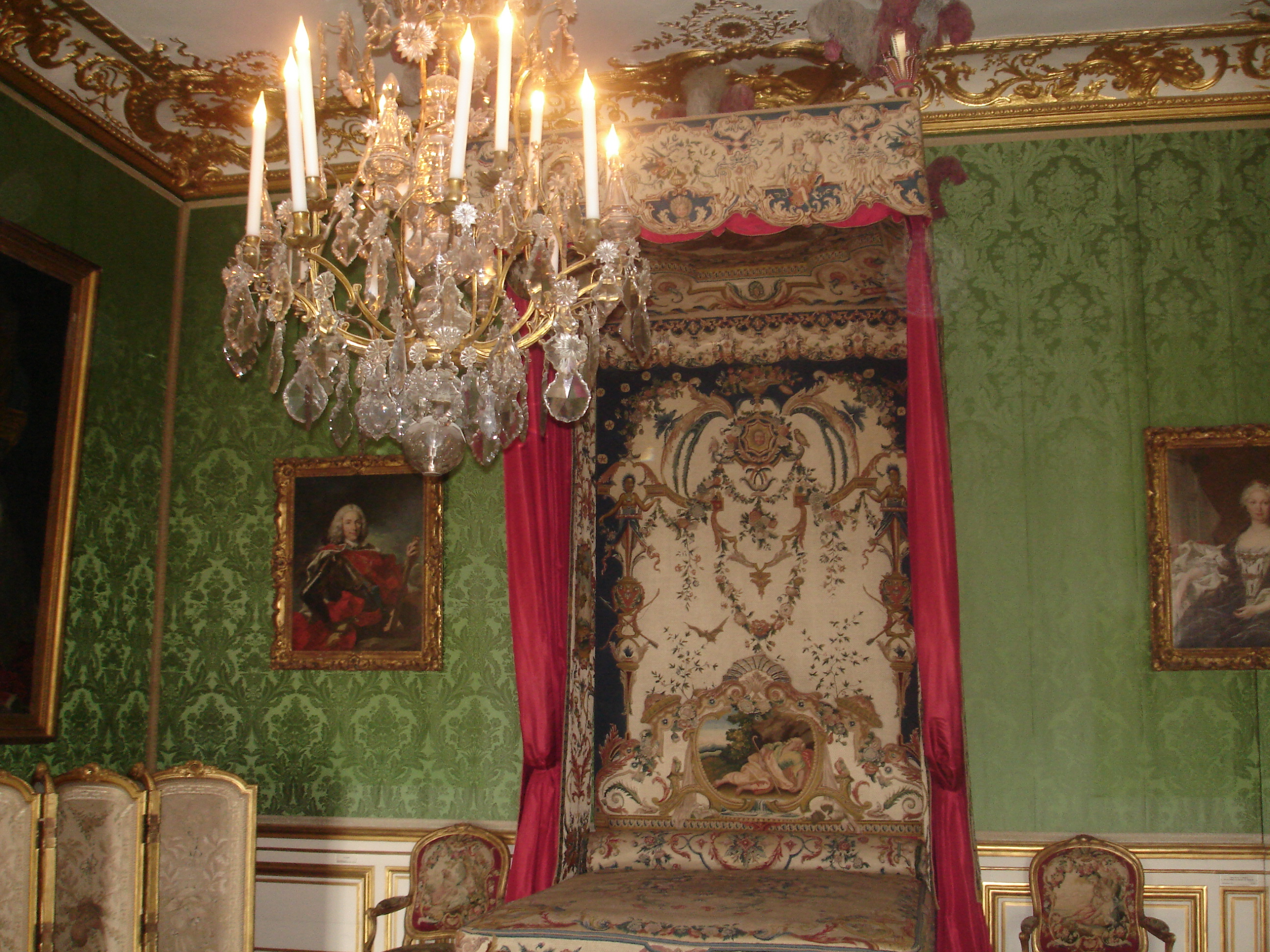
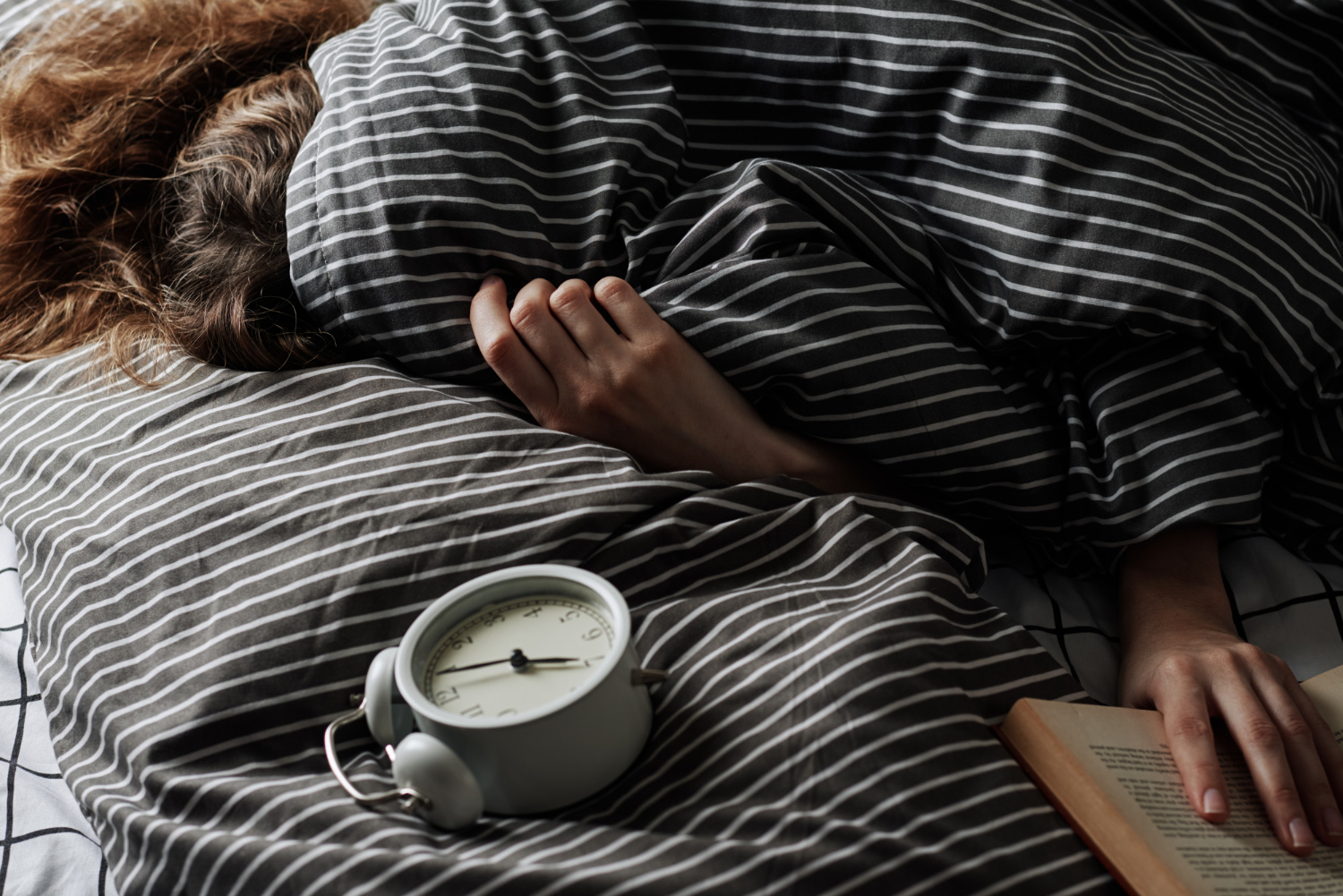
The pattern, often called biphasic or segmented sleep, followed a consistent rhythm. People would typically go to bed not long after dark, often between roughly nine and ten o’clock, and fall into their “first sleep,” lasting perhaps three to three and a half hours. Then, sometime after midnight, they would naturally wake.
This waking period, lasting an hour or more, was not seen as insomnia or a disturbance. It was an expected, accepted part of the night. After this interval of wakefulness, people would settle back down for their “second sleep,” sometimes called “morning sleep,” which carried them through until dawn. The two sleeps were roughly comparable in length, bracketing that curious middle window of nighttime alertness. To our ancestors, this was simply the natural shape of a night’s rest, as unremarkable as the rising and setting of the sun.
What People Did in the Middle of the Night
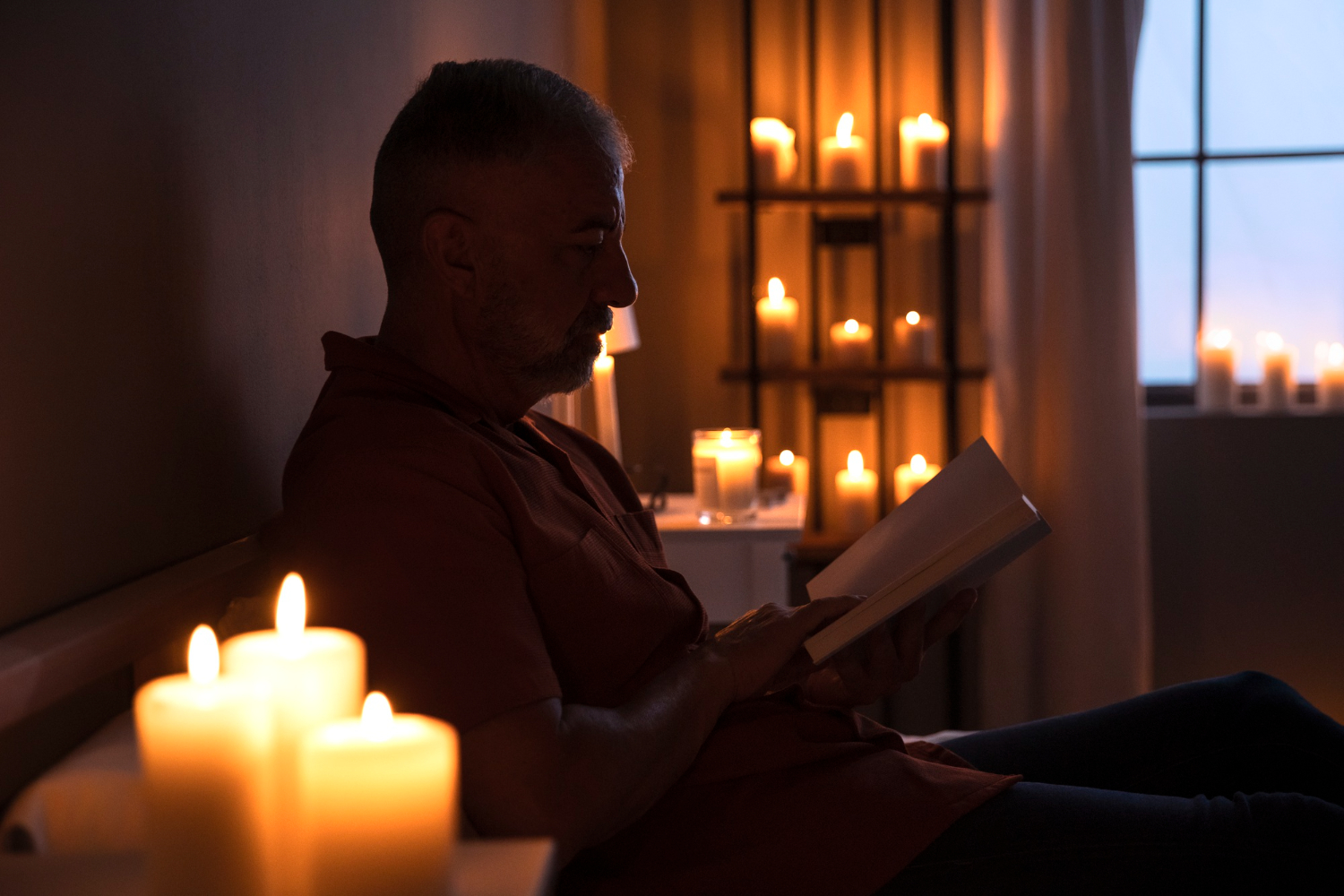
Perhaps the most fascinating aspect of segmented sleep is what people actually did during that hour or more of wakefulness between their two sleeps. Far from lying in frustrated insomnia, they used the time in all manner of ways, and the historical record describes a rich variety of nighttime activity carried out in the dark or by candlelight.
Some people rose from bed to tend to household chores, check on animals or children, or even step out to visit with neighbors. Others stayed in bed to talk with their bedfellows, reflect on the day, or contemplate the dreams from which they had just woken, which were thought to be especially vivid. Many used the quiet, still hours for prayer and meditation; remarkably, special prayer manuals from centuries past even included prayers specifically intended for this between-sleeps interval. It was, for many, a peaceful and even treasured pocket of time.
A Time for Reflection and Connection
There is something rather appealing about this lost rhythm of the night. That middle-of-the-night waking period offered a uniquely quiet, private time, free from the demands and distractions of the day. In an era without screens, electric lights, or the relentless pace of modern life, these dark, still hours provided space for reflection, intimacy, creativity, and spiritual contemplation.
People pondered their dreams while the images were still fresh, prayed in the profound stillness, or simply lay in companionable quiet with family. For couples, it was often a time of closeness. For the thoughtful, it was a time of musing and reflection. Far from being wasted, these hours were woven into the rhythm of daily life in a way that many today, exhausted and overscheduled, might genuinely envy. It was a built-in pause, a nightly interlude of calm in lives that were often physically demanding.
Why the Two-Sleep Pattern Disappeared
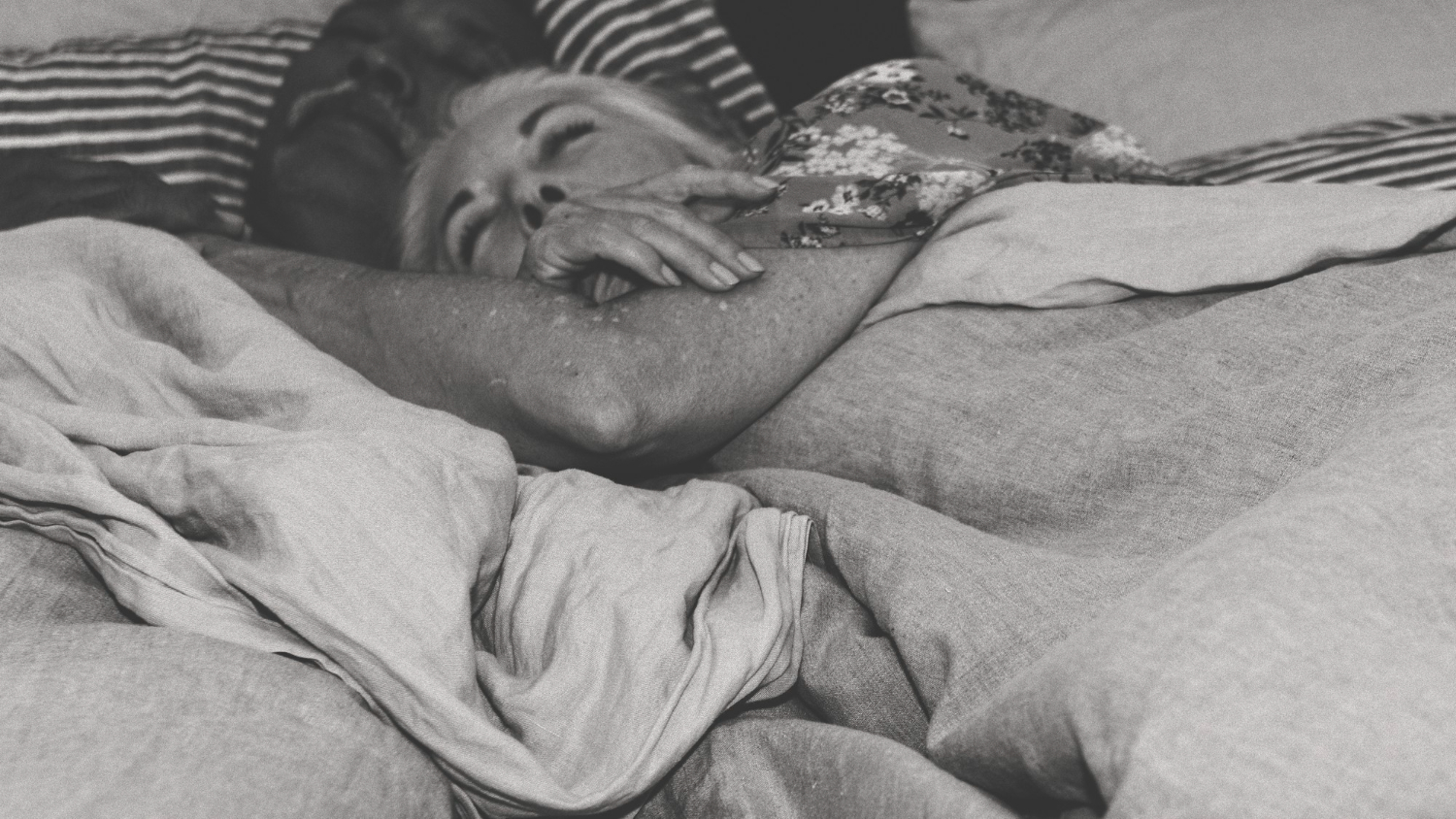
If segmented sleep was the norm for so long, what happened to it? The answer lies largely in the transformation of the modern world, beginning in the late seventeenth and eighteenth centuries and accelerating through the nineteenth. The single biggest factor was artificial light. As domestic lighting improved and streets became illuminated, the night was no longer something to be passed in darkness and sleep.
Better lighting made it more appealing to stay up later in the evening, and city streets lit by lamps made it attractive to be out and about after dark. Coffee houses began staying open through the night, and there was simply more to do in the evening hours. As bedtimes grew later, the long night available for two sleeps compressed into a shorter window, squeezing out the middle waking period. Gradually, the two sleeps merged into the single, consolidated block we now consider normal, and the old pattern faded from common practice and memory alike.
The Industrial Age and the Cult of Efficiency
The disappearance of segmented sleep was hastened by the changing values of the industrial era. As the Industrial Revolution took hold, time itself came to be seen differently, as a resource to be used efficiently rather than passed at a natural rhythm. The notion of lying awake in bed for an hour in the middle of the night came to seem like a waste of valuable time.
Night became something to be conquered and put to use, whether for work, socializing, or commerce, and the unbroken night’s sleep became the cultural ideal, valued for sending people to bed and rousing them refreshed for a productive day. By the early twentieth century, references to first and second sleep had all but vanished from everyday language. The two-sleep night, once universal, had become a forgotten relic, replaced by the modern expectation of seamless, uninterrupted slumber that so many of us now strive, and often struggle, to achieve.
What the Science Says, and What It Means for Us
Intriguingly, there is some scientific support for the idea that segmented sleep reflects a natural human tendency. In a well-known experiment in the early 1990s, researchers had subjects spend weeks without artificial light at night, and over time, many naturally settled into a segmented pattern strikingly similar to the historical one: a stretch of sleep, a period of wakefulness, and a second stretch of sleep. Ethnographic observations of some communities without modern lighting have noted similar rhythms.
It is worth noting that the segmented-sleep theory, while widely embraced by historians and the public, has also drawn some scholarly debate about how universal the practice truly was. Still, the core insight offers genuine comfort to modern readers: waking in the night may not be a disorder at all, but an echo of an ancient and natural rhythm. For anyone who lies awake at three in the morning feeling that something is wrong, history suggests a gentler interpretation, that our ancestors did the very same thing, and considered it a perfectly ordinary, even peaceful, part of the night. Of course, anyone with ongoing sleep concerns should speak with a doctor, but there is real reassurance in knowing that the restless midnight hour has a long and very human history.
Like our content? Follow us for more.