

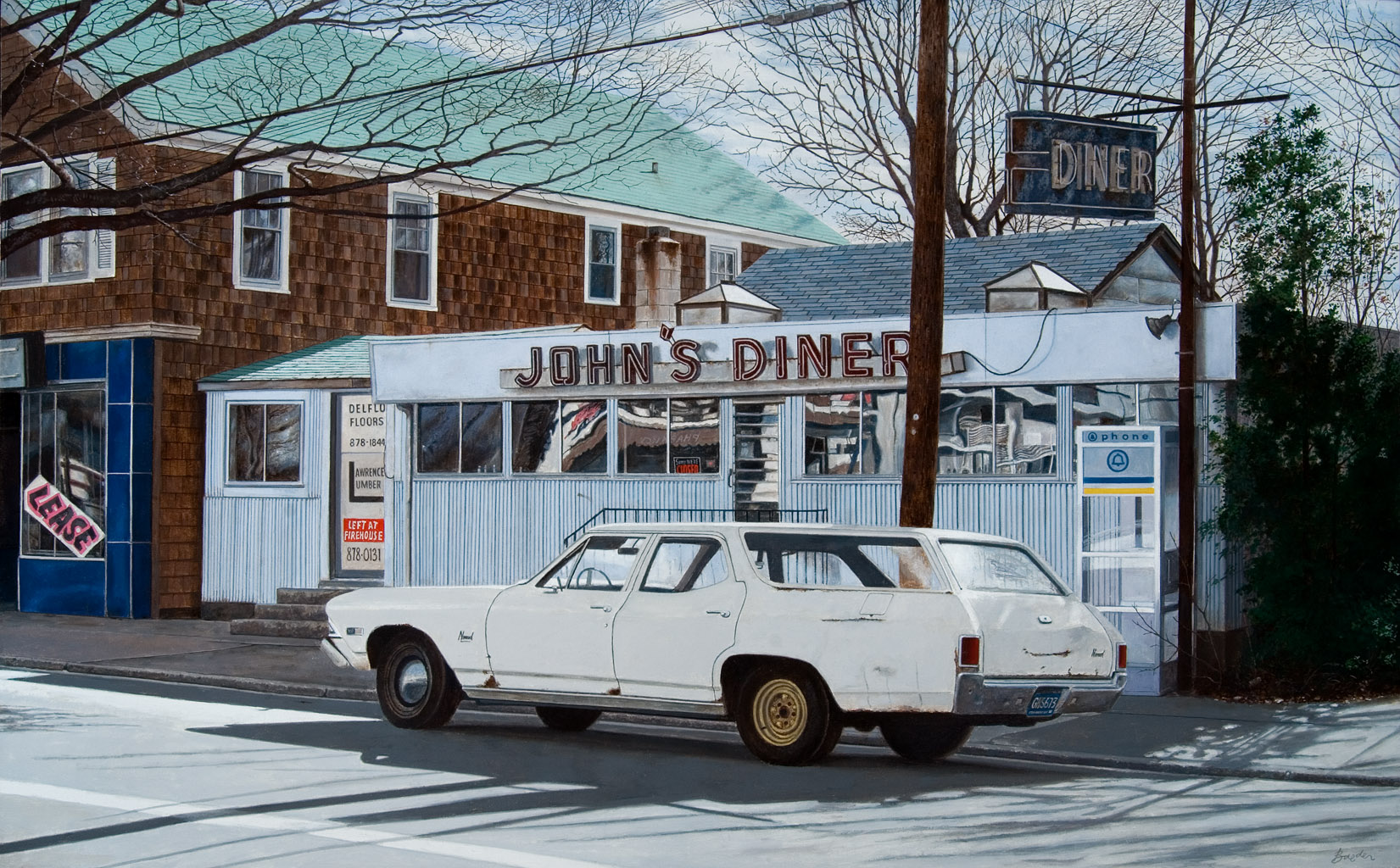
For generations, certain restaurant chains were woven into the fabric of American life, the reliable roadside stop on a family vacation, the special-occasion dinner spot, the after-game hangout. These were not just places to eat but cultural landmarks, each with its own signature dishes, distinctive look, and place in the memories of the families who frequented them. Yet the restaurant business is famously brutal, and over the decades, many once-dominant chains have shrunk to a handful of locations or disappeared entirely, victims of changing tastes, fierce competition, and shifting times. Here is a fond and nostalgic tour of the great American restaurant chains that have all but vanished, and the stories of how these familiar names faded away.
Howard Johnson’s

No vanished chain looms larger in American memory than Howard Johnson’s, instantly recognizable by its bright orange roofs and famous for its “28 flavors” of ice cream. Beginning in the 1920s as a single ice cream stand near Boston, it grew into the largest restaurant chain in the country, a true icon of mid-century American dining and a fixture of the nation’s highways.
At its peak in the 1960s and 70s, “HoJo’s” had over a thousand locations, beckoning road-tripping families with its consistent comfort food, including its legendary fried clams, and its dependable presence from coast to coast. But the rise of fast-food giants and changing travel habits gradually eroded its dominance, and locations closed one by one over the following decades. The very last Howard Johnson’s restaurant finally closed in 2022, marking the end of an era and the disappearance of one of the most beloved names in American dining history.
Like our content? Follow us for more.
The Automat
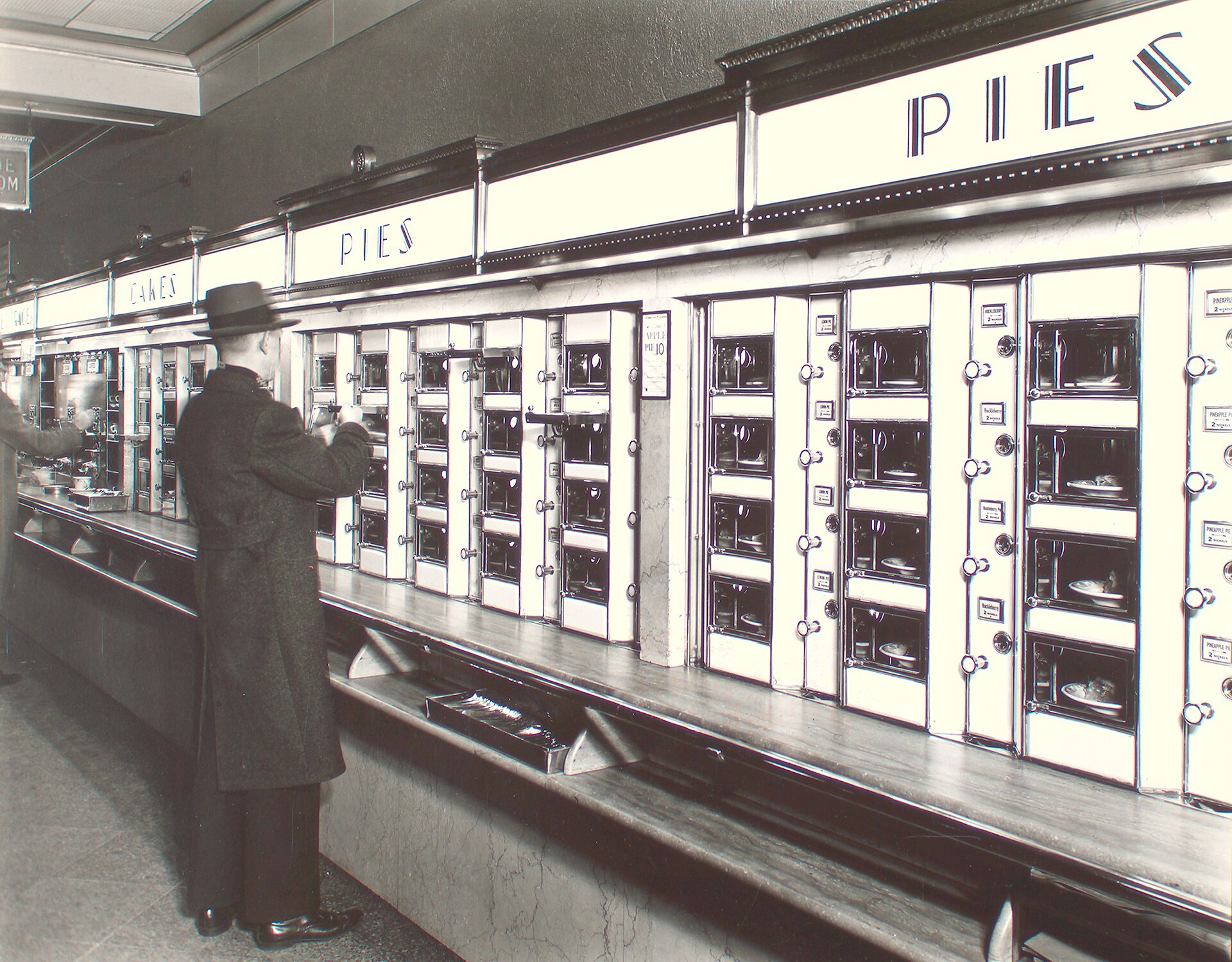
One of the most fascinating vanished dining concepts was the Automat, a marvel of its time that let customers buy prepared food from rows of small, coin-operated glass windows. You would slide your coins into a slot, turn a knob, open the little glass door, and retrieve your sandwich, slice of pie, or cup of coffee, all without a waiter in sight.
Most famous in cities like New York and Philadelphia, the Automat was a beloved institution for decades, offering affordable, quick meals in a uniquely futuristic-feeling setting that fascinated generations of diners. It was a democratic gathering place where people from all walks of life dined side by side. As fast-food restaurants and changing dining habits took over in the mid-to-late twentieth century, the Automat declined and eventually vanished entirely. It remains a beloved and frequently romanticized symbol of a bygone era of American urban life.
Burger Chef
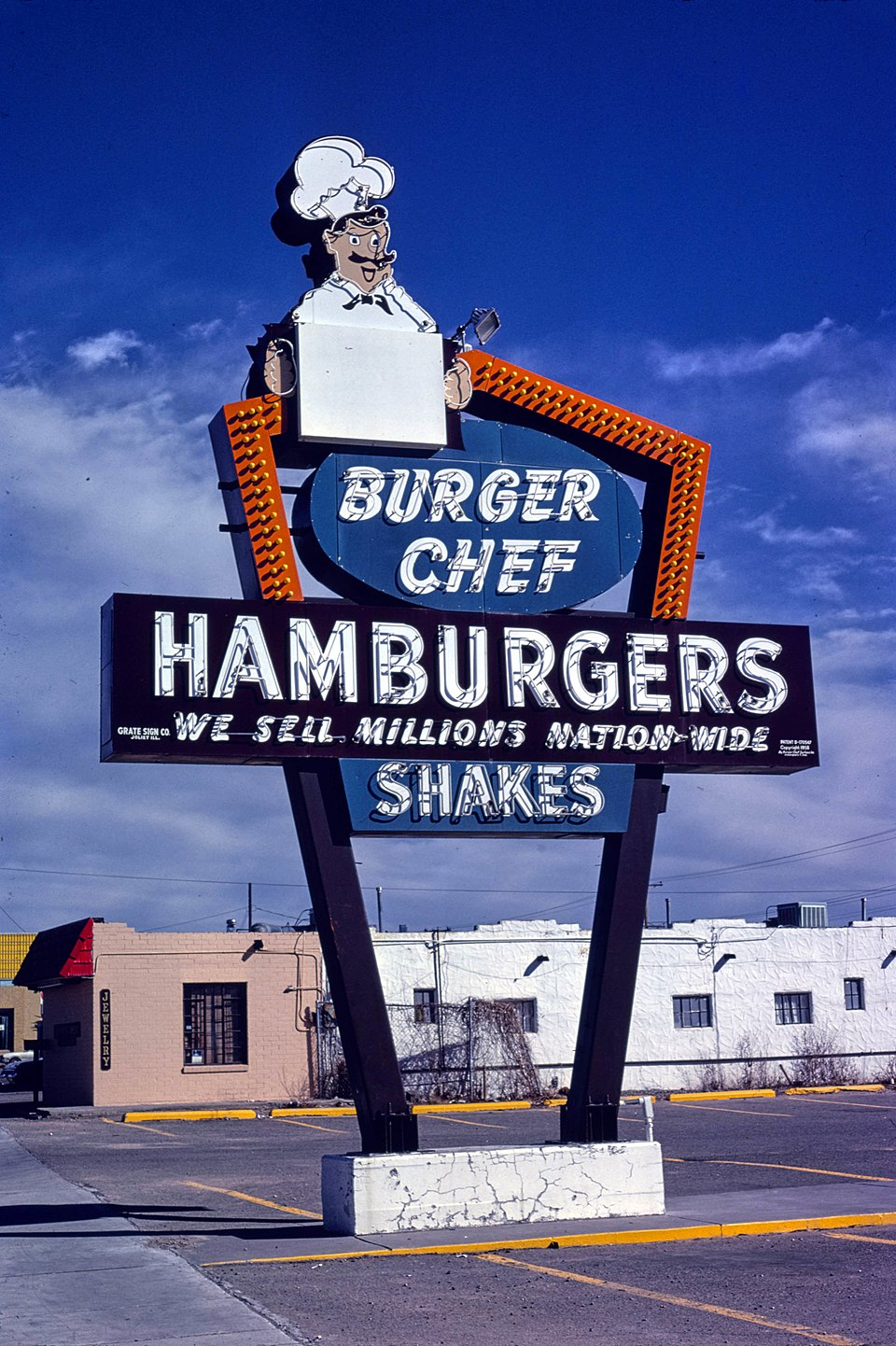
Long before today’s burger landscape took shape, Burger Chef was a true giant. Founded in the late 1950s in Indianapolis, it grew explosively to become one of the largest burger chains in the country, at one point rivaling McDonald’s in its number of locations and serving as a genuine innovator in the fast-food field.
Burger Chef pioneered ideas that are now industry standards, including an early value-meal combo and a kids’ meal that came with a toy, predating similar famous offerings. At its peak in the 1970s, it had well over a thousand locations. But a series of ownership changes and intense competition took their toll, and the chain was gradually absorbed and phased out, with the Burger Chef name finally retired in the 1990s. Its pioneering innovations live on across the industry, even as the once-mighty chain itself has faded from the landscape.
The Ground Round

A familiar family destination of the 1970s and 80s, The Ground Round offered a casual, fun dining experience that many remember fondly. Known for its relaxed, family-oriented atmosphere, the chain entertained young diners with features like a mascot clown, free popcorn and peanuts, and cartoons played on screens, making it a favorite for family outings.
Serving up American pub-style fare like burgers and sandwiches in a lively setting, The Ground Round grew to a few hundred locations at its peak. The whole experience was designed around family fun, with the entertainment and free snacks making it especially appealing to parents with children. Over the years, changing tastes and business challenges caused the chain to shrink dramatically from its heyday. For families who gathered there over baskets of popcorn, The Ground Round remains a warm and specific memory of the era’s casual dining.
Red Barn
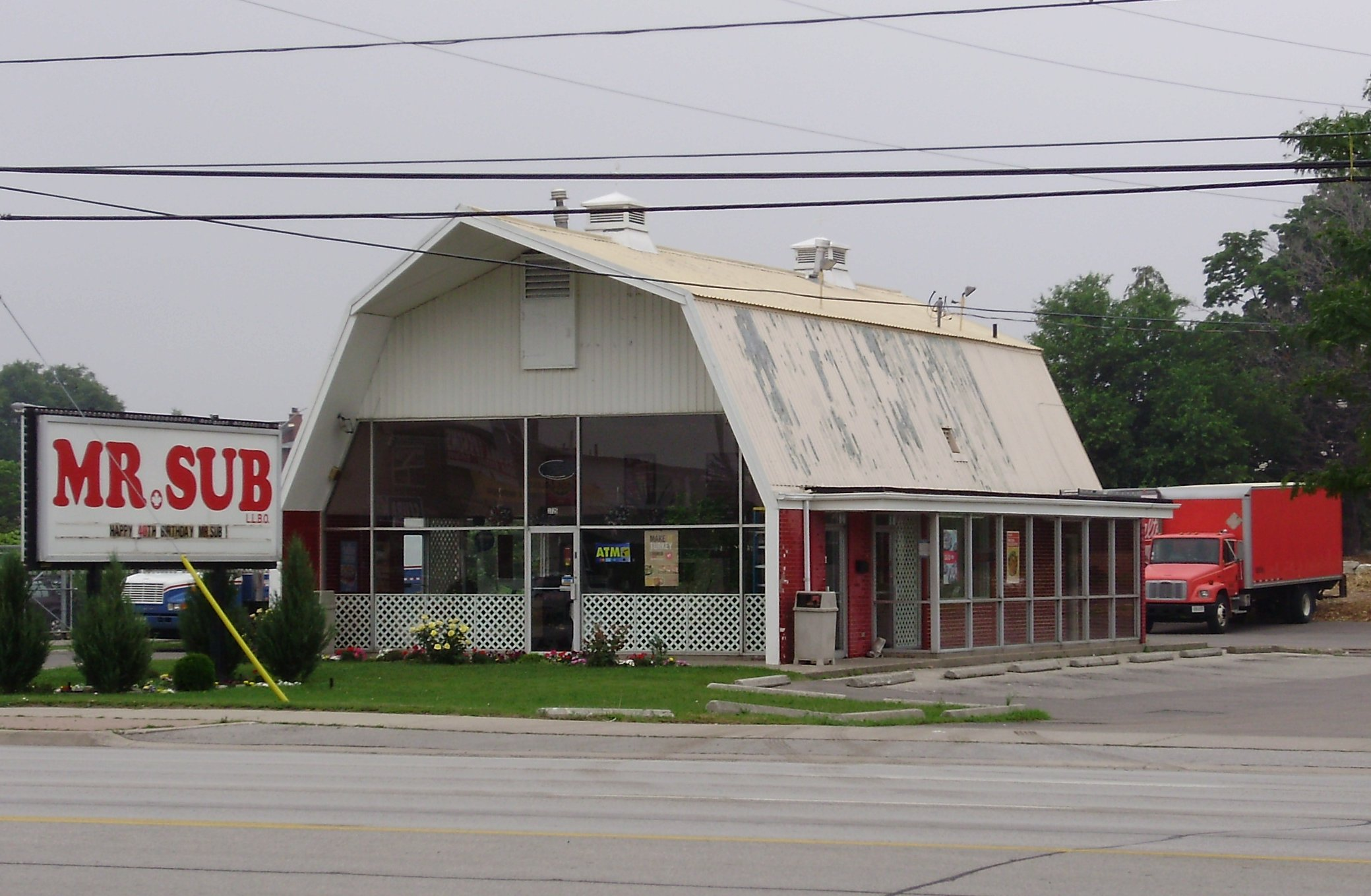
Distinctive for its buildings shaped like actual barns, the Red Barn chain was a memorable fast-food presence from the 1960s through the 1980s. The whimsical barn-shaped restaurants stood out from the competition, and the chain offered a surprisingly varied menu that included burgers, fried chicken, fish, and even an early self-service salad bar.
Known for catchy advertising and its unmistakable architecture, Red Barn carved out a loyal following during its run. But competing against the deep pockets and rapid expansion of the major burger chains proved difficult, and Red Barn gradually disappeared, with its distinctive barn buildings often repurposed by other businesses. For those who remember pulling up to the cheerful red barn for a meal, the chain is a fondly recalled and visually distinctive piece of fast-food history that has all but vanished.
The Family Steakhouses and Casual Chains
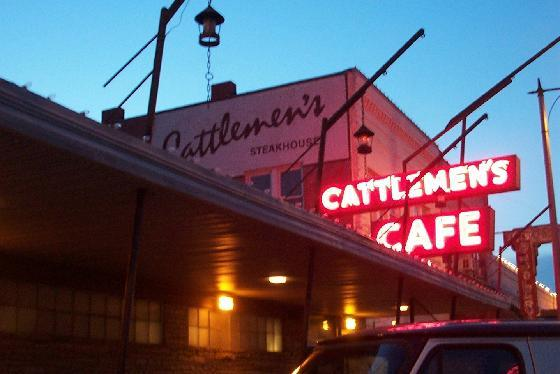
A number of once-popular sit-down chains have also faded dramatically. Family steakhouse concepts that were fixtures of the 1970s and 80s, offering affordable steak dinners in a casual setting, have largely disappeared or shrunk to a few locations. Several beloved casual-dining and theme chains that thrived in past decades have similarly dwindled.
These chains were where families gathered for special dinners, where teenagers had their first jobs, and where communities marked celebrations. Their decline reflects the intense competition and changing preferences of the restaurant industry, as well as the broader shifts in how and where Americans choose to dine out. Many of these names, once familiar across the country, now survive only in scattered locations or in memory, their disappearance leaving a gap in the dining landscape that newer concepts have filled.
The Ice Cream Parlors and Specialty Spots
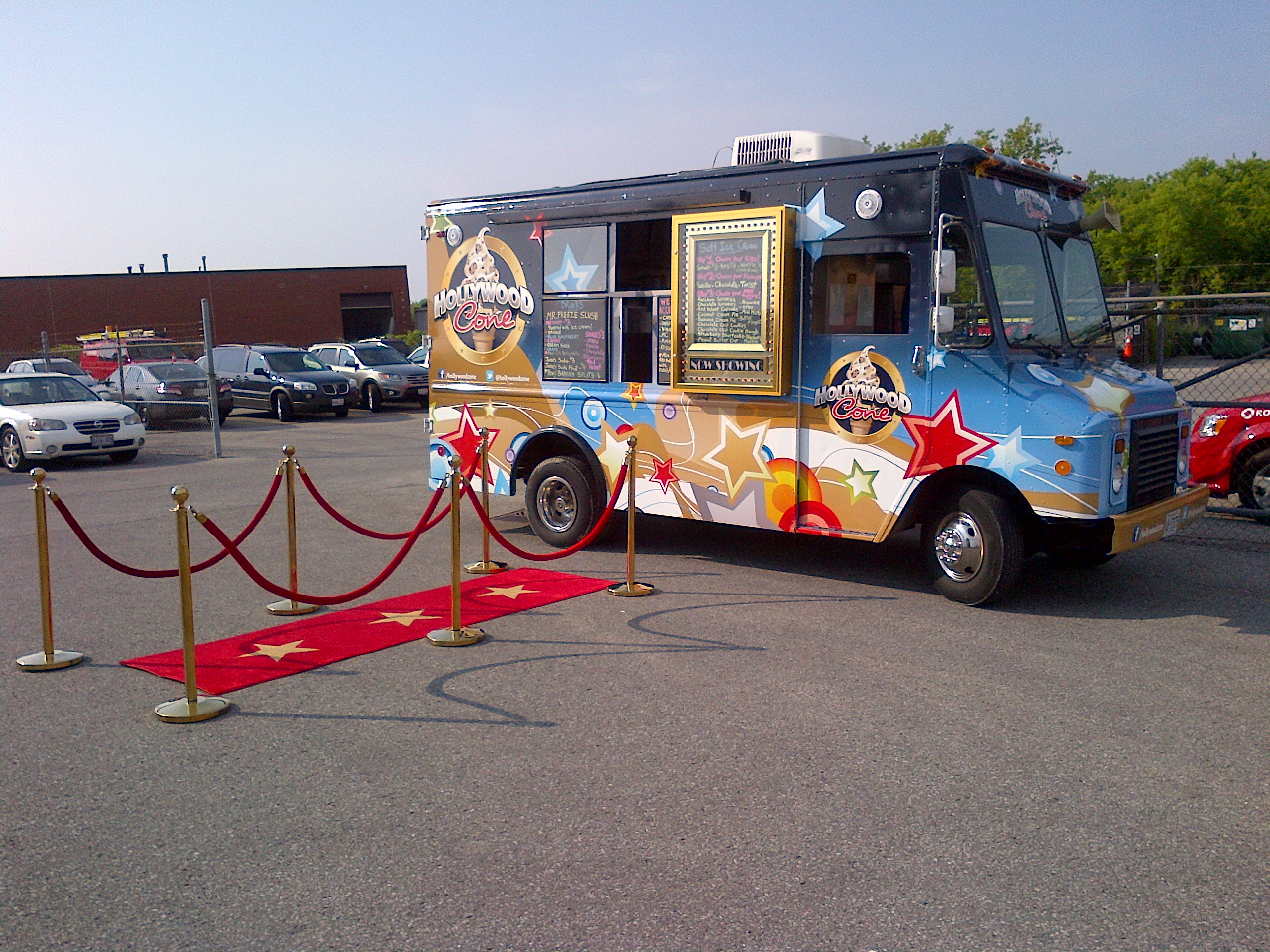
The vanished-chain landscape extends to beloved ice cream parlors, pizza-and-entertainment concepts, and specialty restaurants that defined treats and celebrations for generations. Chains that combined food with entertainment, animatronic shows, arcade games, and the like, were the sites of countless childhood birthday parties before many faded or transformed.
Classic ice cream parlors and soda-fountain-style spots, where families enjoyed sundaes and floats in a cheerful setting, have also largely given way to other formats. These specialty destinations were tied to specific joys, the birthday party, the celebratory sundae, the family treat, and their disappearance is felt by those who remember them. Together with the great roadside and burger chains, they form a whole lost world of American dining that lives on chiefly in the fond memories of the people who grew up with them.
Why These Chains Disappeared
The decline of these once-dominant chains reflects the famously unforgiving nature of the restaurant business. Intense competition, especially from the rapidly expanding fast-food giants, squeezed many older chains that could not keep pace. Frequent ownership changes, mergers, and corporate restructuring often diminished beloved brands over time, shrinking their footprints until little remained.
Changing tastes and dining habits played a major role too, as Americans’ preferences shifted and new concepts emerged to capture them. The roadside dining culture that supported chains like Howard Johnson’s changed with travel habits, while the rise of new fast-food and casual-dining formats reshaped the landscape entirely. Yet the nostalgia for these vanished chains runs deep, fueling fond reminiscences and occasional hopes for revivals. For those who grew up with the orange roofs, the coin-operated windows, and the barn-shaped buildings, these lost chains evoke warm memories of a different era of American dining.
Like our content? Follow us for more.
