In the 1970s, finishing the basement to create a “rec room” was a hallmark of the American home, a casual, kid-friendly, party-ready space separate from the formal living room upstairs. Down there, the rules relaxed, and the decor followed a distinctive formula of wood paneling, plush carpet, hand-me-down furniture, and entertainment. The basement rec room was where families gathered to play, watch television, and host, and it had a look and feel all its own. Here are the twelve things you’d reliably find in a 1970s basement rec room, counted down one by one.
1. Wood Paneling on Every Wall
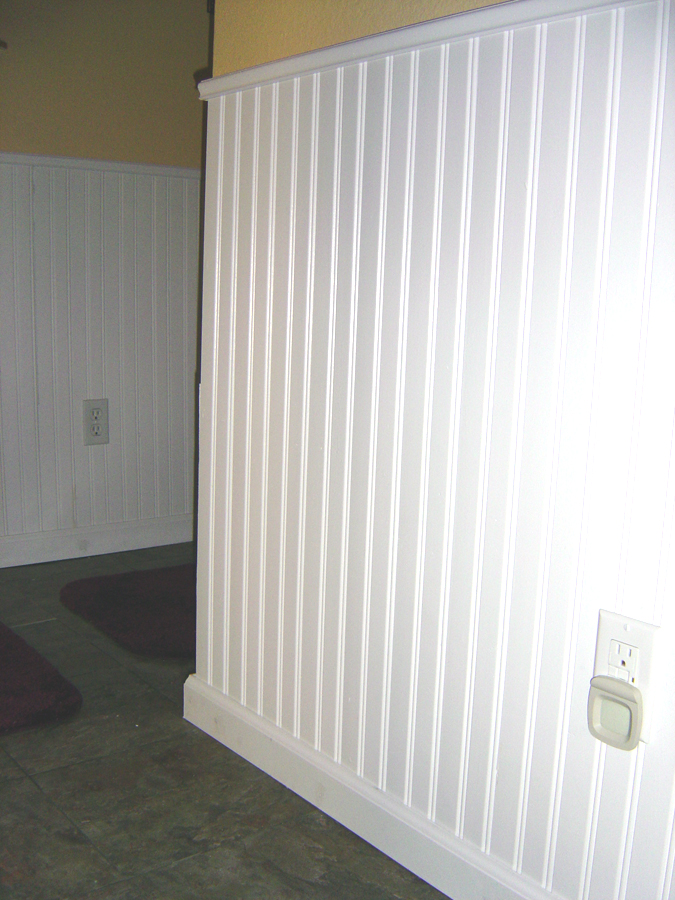
The defining feature of the rec room was wood paneling, those warm, dark sheets of faux wood grain that covered the walls and instantly transformed a bare basement into a cozy retreat. Inexpensive and easy to install, paneling was the go-to finish for the era’s basements.
Wood paneling gave the rec room its signature cabin-like warmth and was practically synonymous with the finished basement of the era. It hid rough basement walls and created an inviting space on a budget. The dark, grainy panels were everywhere. As tastes shifted toward painted drywall and lighter finishes, paneling came to feel dated, and removing it became a common renovation. But for anyone who grew up in a 1970s basement, the look of wood paneling is pure nostalgia.
Like our content? Follow us for more.
2. The Wet Bar
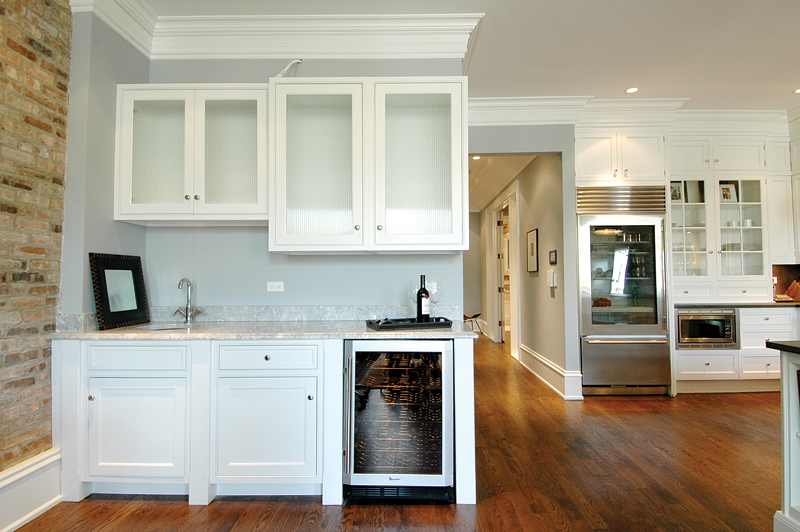
A point of pride in many rec rooms was the wet bar, a small built-in bar with a counter, a sink, and shelves for glasses and bottles, where the adults could mix drinks while entertaining. It brought a touch of grown-up sophistication to the casual basement.
The wet bar was the centerpiece of the rec room’s entertaining function, complete with barware, a cocktail shaker, and the era’s popular spirits. Hosting friends for drinks downstairs was a beloved adult pastime. The home bar reflected the decade’s social, party-ready approach to the basement. While built-in home bars have come and gone in fashion, the 1970s wet bar, with its stools and shelves of glasses, remains an iconic feature of the era’s finished basement.
3. The Ping-Pong or Pool Table
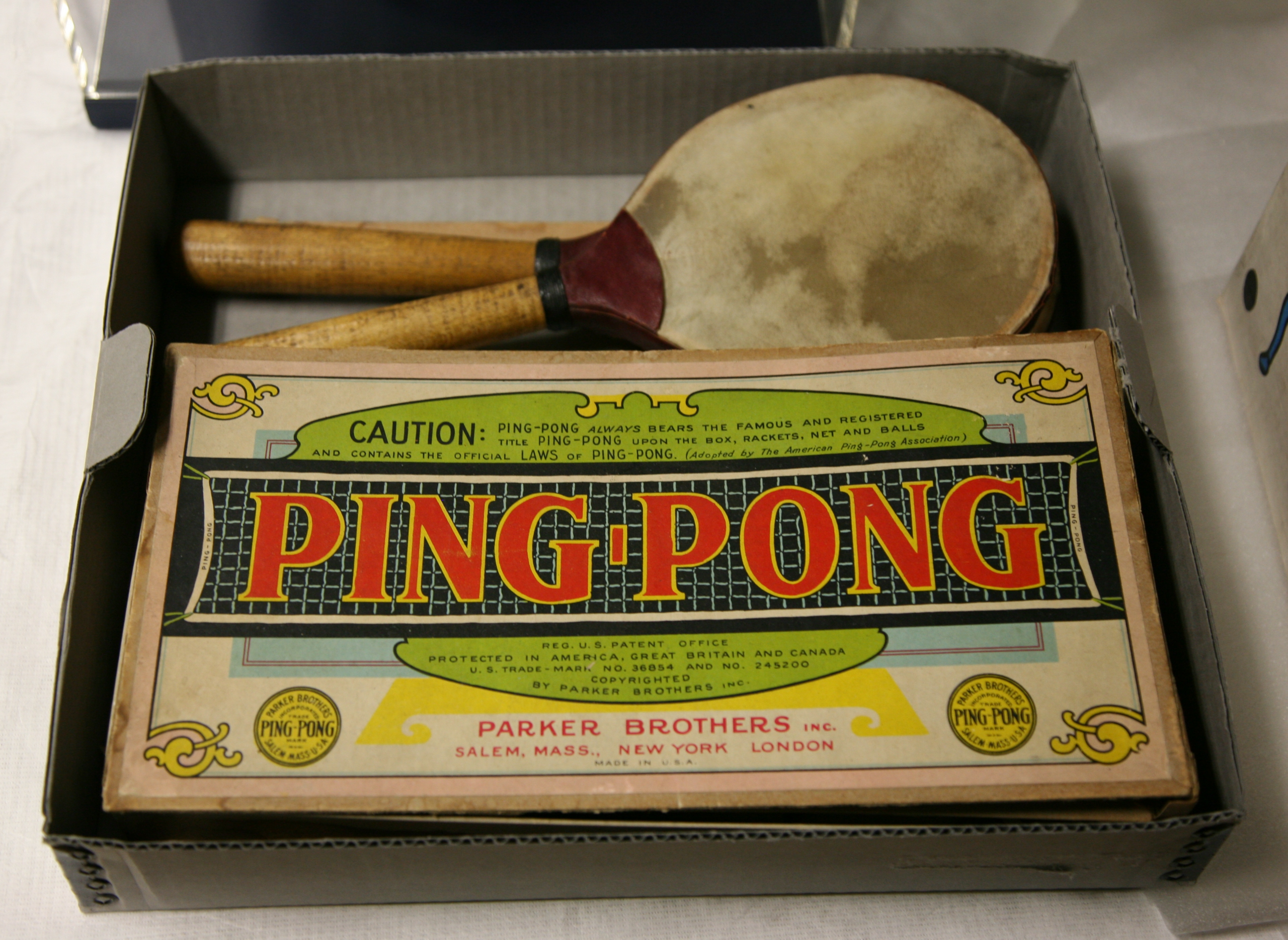
At the heart of the recreation was usually a game table, most often a ping-pong table or a pool table, around which the family gathered for endless matches. The rec room earned its name from these games, and the table was a magnet for kids and adults alike.
The ping-pong or pool table turned the basement into a genuine recreation space, hosting tournaments, casual games, and plenty of friendly competition. It was often the main attraction that drew everyone downstairs. The game table embodied the rec room’s purpose as a place to play. These tables remain popular today, but the basement game table, surrounded by family and friends in matches that could last for hours, is a cherished memory of the era’s home life.
4. Shag or Indoor-Outdoor Carpet
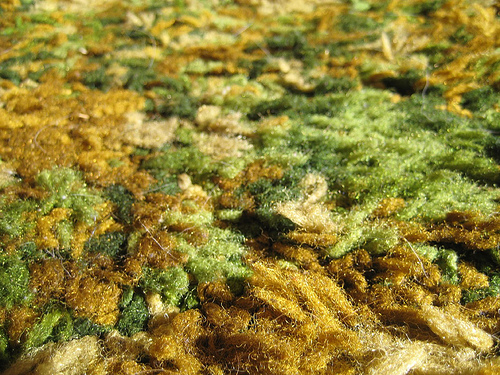
Underfoot was carpet, often plush shag in a bold color or, in more practical setups, durable indoor-outdoor carpeting that could handle the realities of a basement. Either way, the flooring added warmth and comfort to the below-ground space.
Plush shag carpet gave the rec room a soft, cozy feel and fit the decade’s love of deep-pile texture, while sturdier indoor-outdoor carpet stood up to spills and traffic. The carpet helped make the basement feel like a finished, livable room. The flooring was an essential part of transforming the space. As tastes changed and basements were updated, deep shag faded, but the memory of that soft, colorful carpet underfoot is a distinctive part of the era’s rec room.
5. The Hand-Me-Down TV
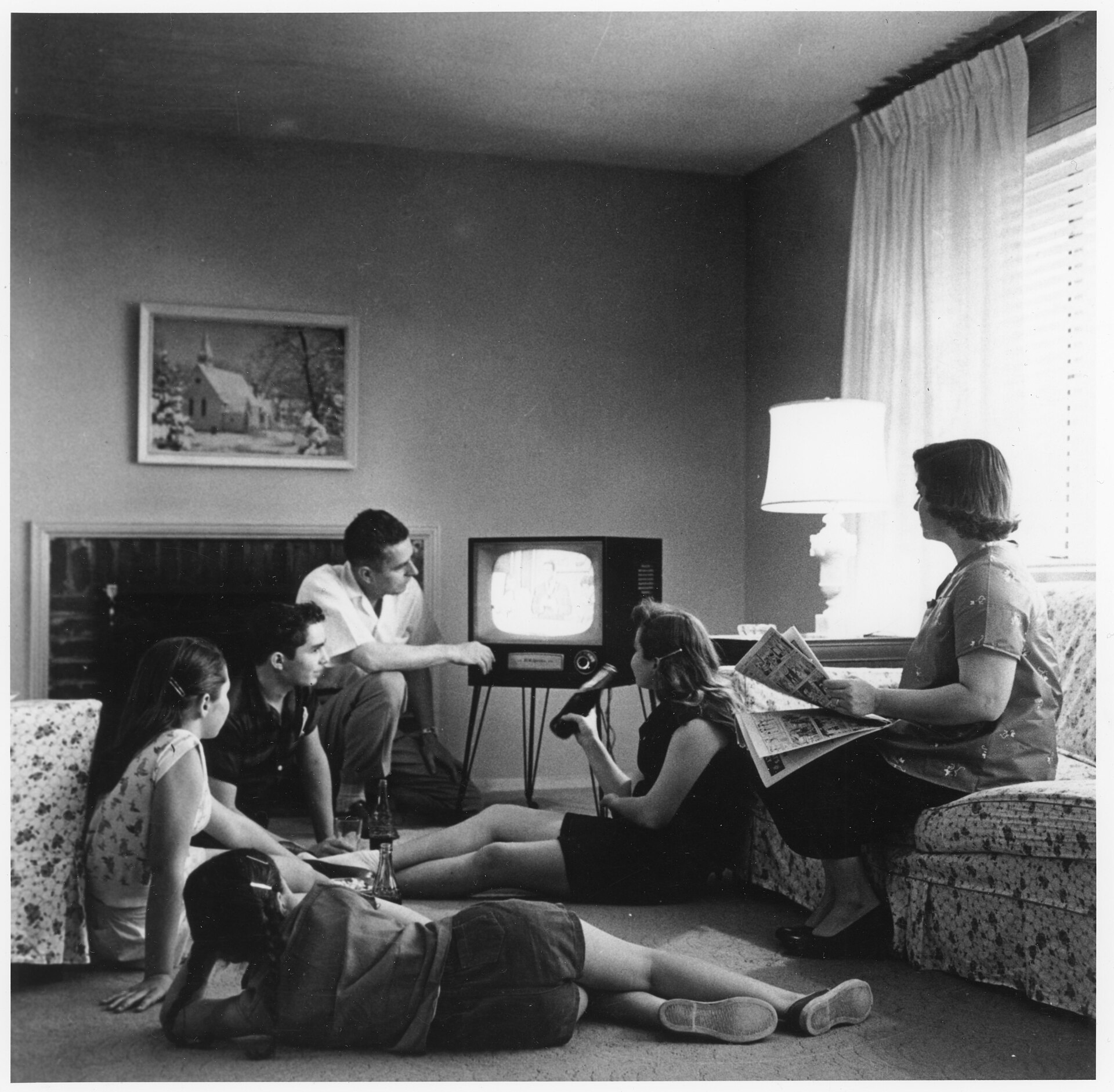
The rec room was almost always home to the family’s older television, the hand-me-down set that got demoted downstairs when a newer model arrived upstairs. Often a hefty console or an older portable, it was the focus of casual viewing and the kids’ domain.
The basement TV, freed from the formal living room, was where kids watched cartoons, families gathered for casual viewing, and the rules were a little looser. Adjusting the antenna or the dials to get a clear picture was part of the routine. The hand-me-down set anchored the rec room’s relaxed atmosphere. While televisions have transformed completely, the old set holding court in the basement is a fond and familiar memory of the era’s home.
6. The Bar Stools and Barware
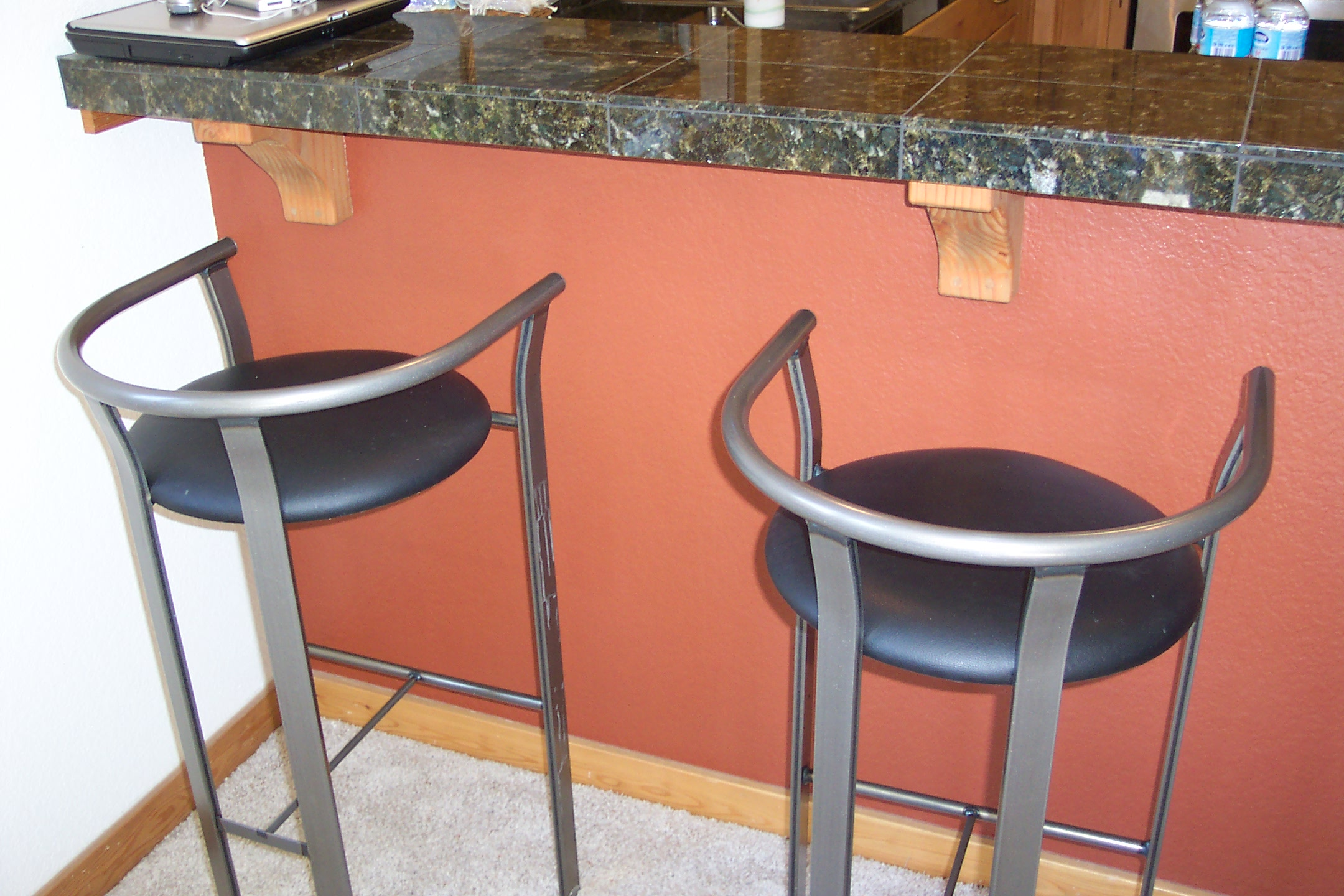
Completing the wet bar were the bar stools, often swiveling and vinyl-topped, lined up at the counter, along with the array of barware: cocktail glasses, a shaker, an ice bucket, and the accessories of home entertaining. Together they made the basement bar feel like a real lounge.
The row of vinyl bar stools invited guests to belly up to the bar, and the collection of glassware and tools let hosts mix the era’s popular drinks. Swiveling on a bar stool was a small thrill for kids. The stools and barware were essential to the rec room’s role as an entertaining space. These furnishings captured the decade’s enthusiasm for at-home hosting, and the lineup of vinyl stools at a home bar is a quintessential image of the era’s basement.
7. The Drop-Tile Ceiling
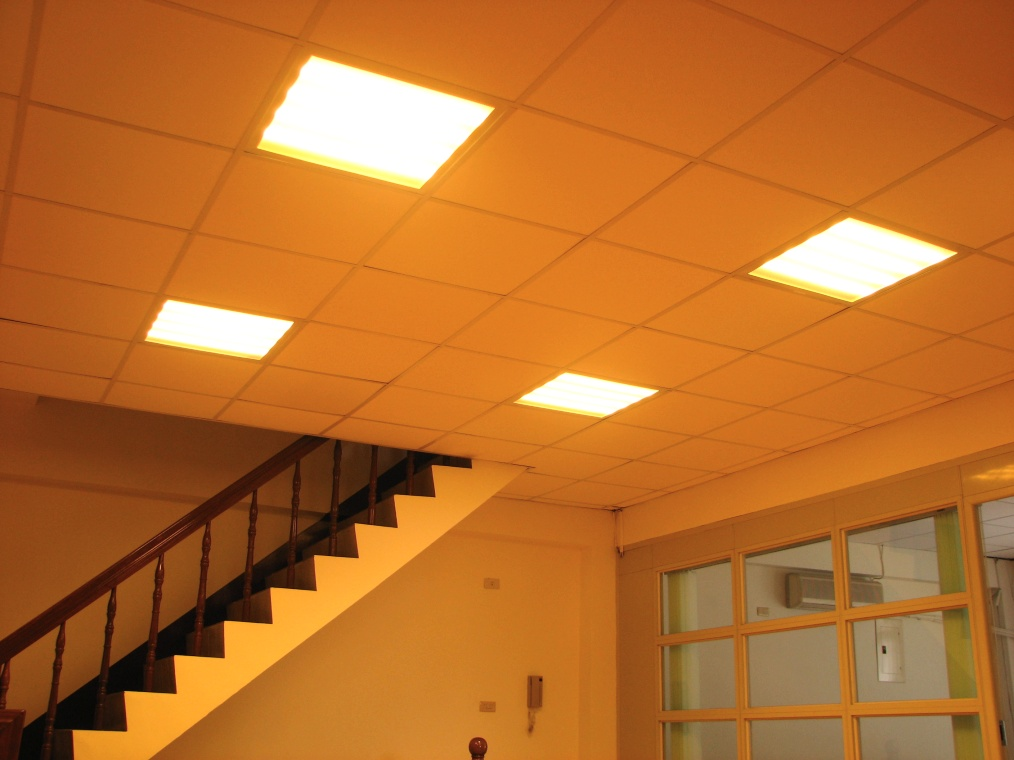
Overhead, the rec room typically featured a drop ceiling, a grid of removable acoustic tiles suspended below the basement’s pipes and ductwork. This affordable finish concealed the rough overhead infrastructure and gave the room a tidy, finished look.
The suspended tile ceiling was a practical, budget-friendly way to finish a basement, hiding the pipes and wiring while allowing access when needed. Its grid of textured tiles was a familiar sight overhead in the era’s rec rooms. The drop ceiling was a defining part of the do-it-yourself basement finish. While ceiling styles have evolved, the acoustic-tile drop ceiling remains strongly associated with the finished basements of the decade, instantly recognizable to anyone who spent time down there.
8. The Second-Hand or Sleeper Sofa
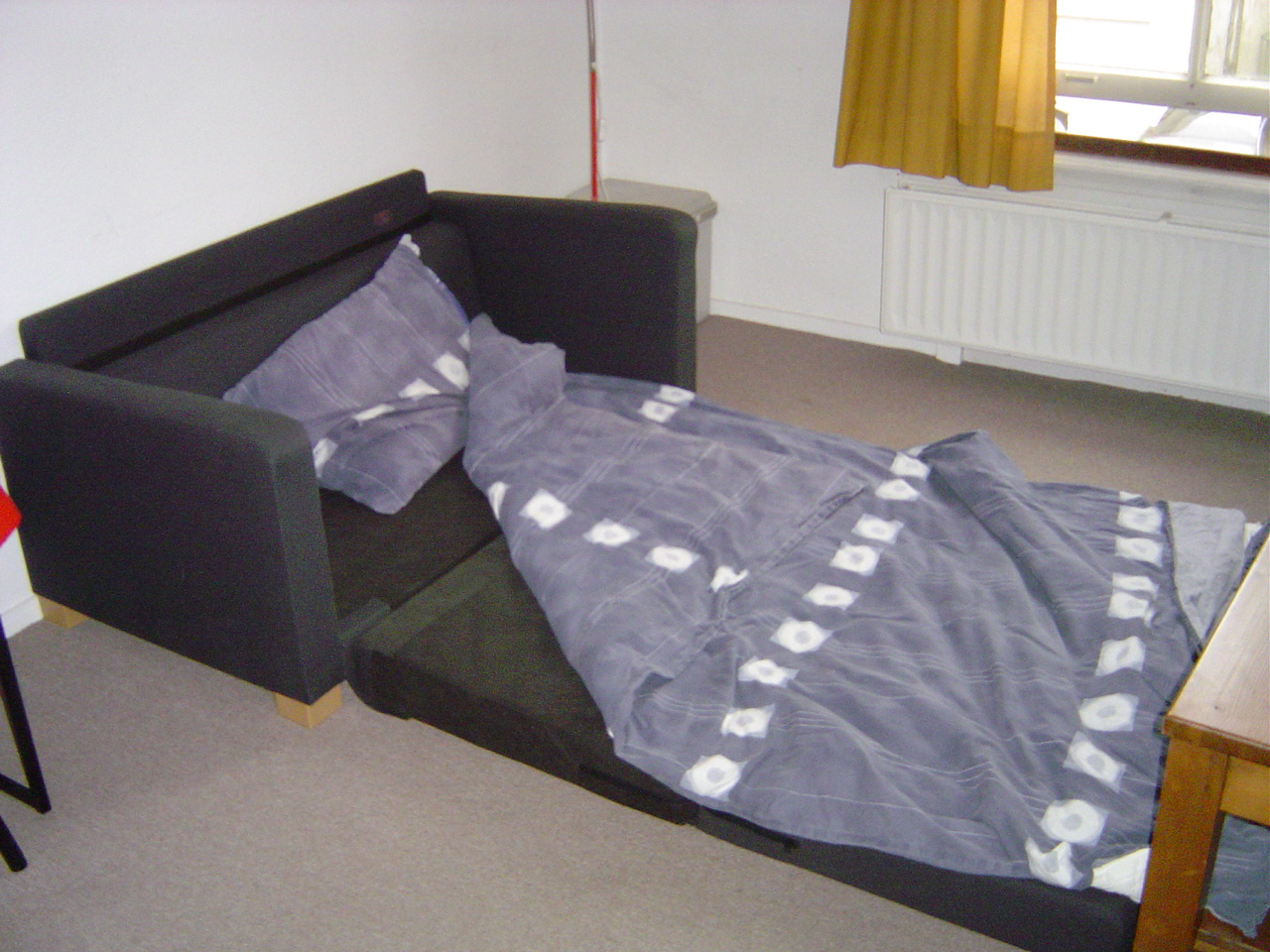
Seating in the rec room was usually casual and well-worn, often a second-hand sofa retired from upstairs or a sleeper sofa that could host overnight guests. Comfortable rather than fancy, it invited everyone to flop down and relax.
The basement sofa, free of the “good furniture” rules upstairs, was where kids sprawled to watch TV and guests bunked overnight. The sleeper sofa’s fold-out bed made the rec room double as a guest room. Its casual, lived-in comfort suited the relaxed spirit of the space. The well-worn basement couch, often a hand-me-down with a fold-out bed, is a homey and familiar piece of the era’s rec room, remembered fondly for countless lazy afternoons.
9. The Console Stereo and Records
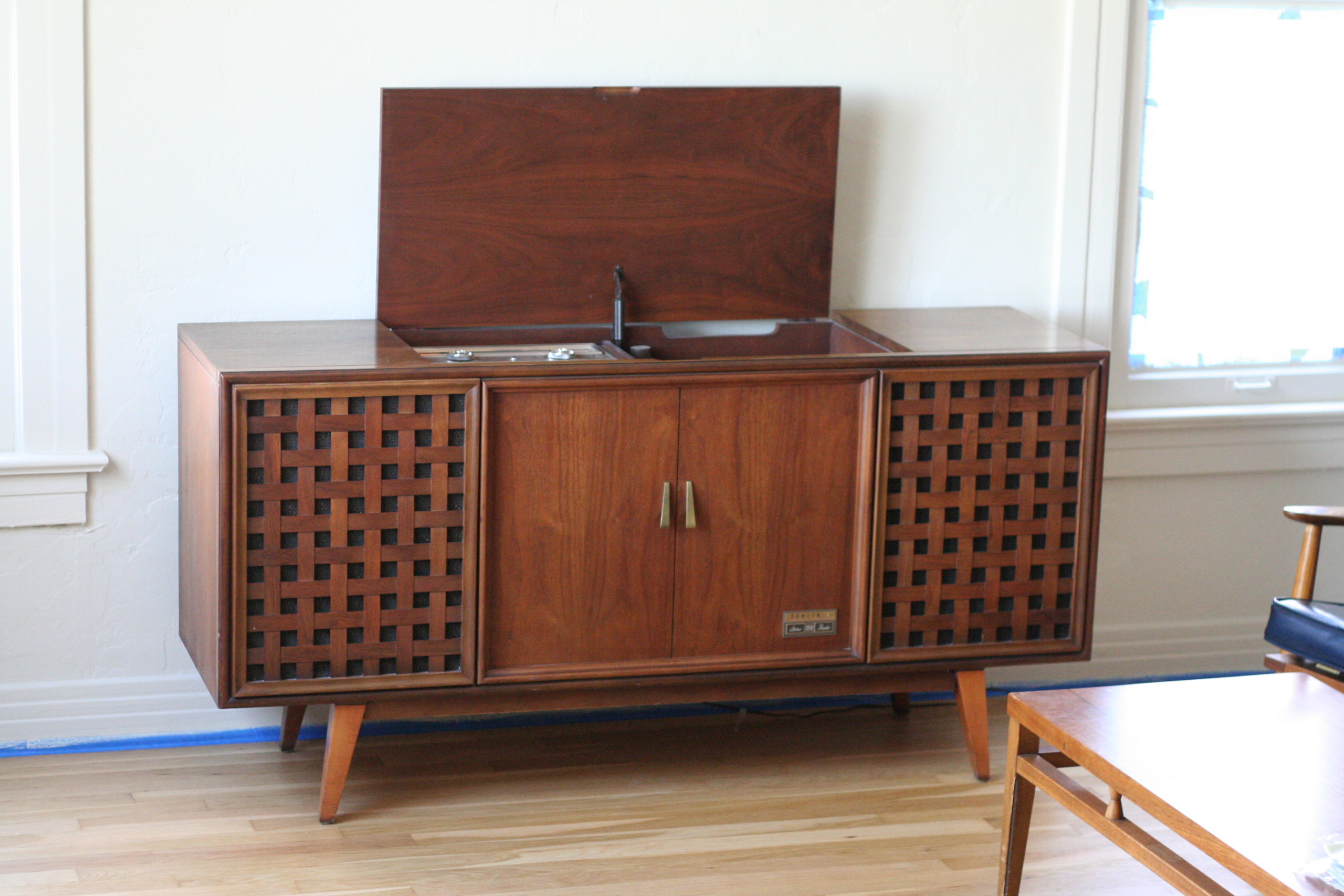
Music in the rec room came from a console stereo or a component system, often a substantial wood-cabinet unit, paired with a collection of records. The stereo provided the soundtrack for parties, dancing, and relaxed evenings in the basement.
The wood-cabinet stereo was both furniture and entertainment, and a stack of LPs nearby kept the music going through gatherings and quiet nights alike. Flipping through the record collection to choose the next album was part of the fun. The stereo made the rec room a place to listen, dance, and host. The big console stereo and its records are a beloved feature of the era’s basement, capturing the central role of music in the decade’s home entertainment.
10. Pennants, Signs, and Novelty Decor
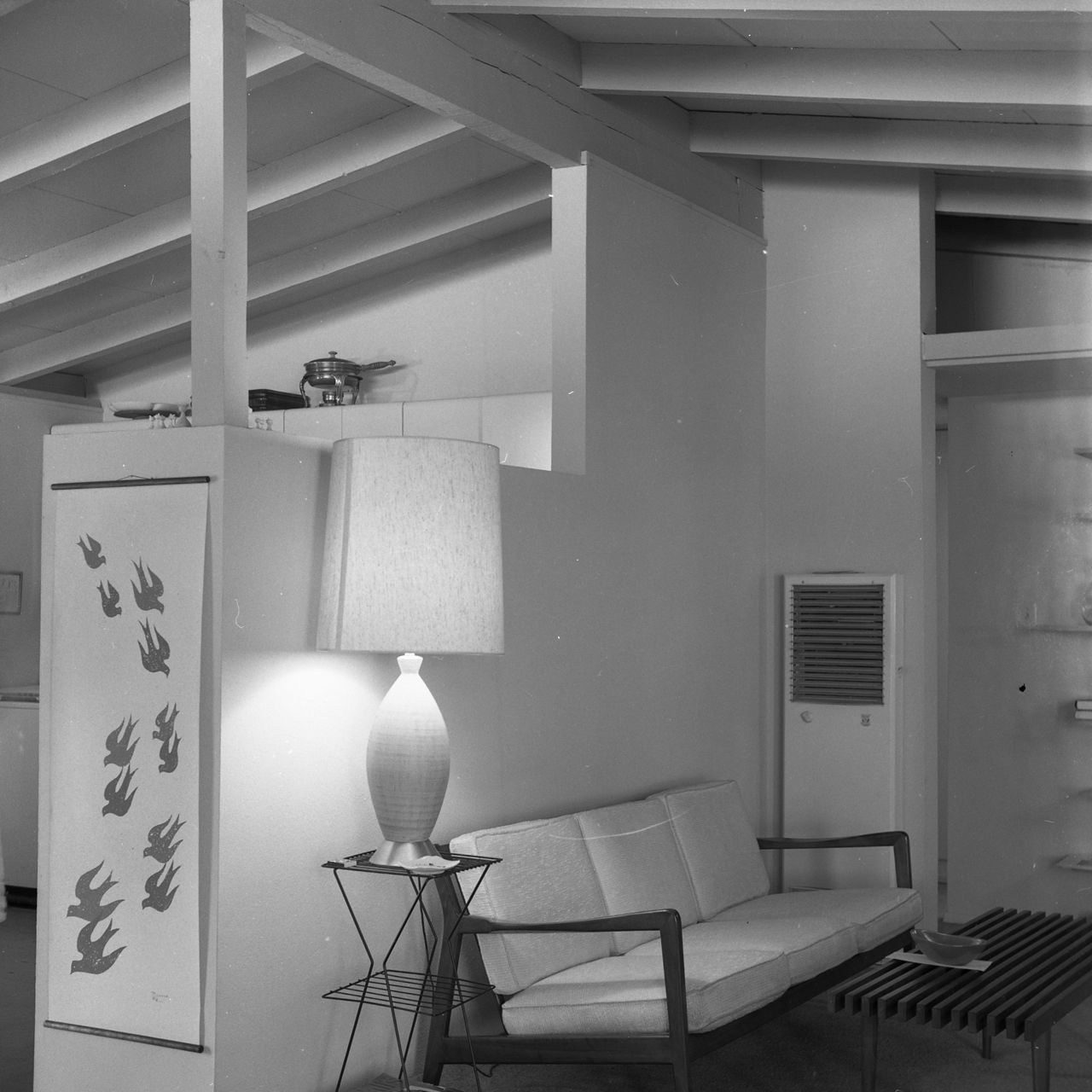
The walls of the rec room were decorated in a casual, fun style, hung with sports pennants, novelty signs, beer or soda advertisements, and other playful memorabilia. The decor was lighthearted and personal, a contrast to the formal rooms upstairs.
Sports pennants from favorite teams, lighted signs, and novelty memorabilia gave the rec room its casual, clubby personality. The decor celebrated the family’s interests and the room’s relaxed purpose. This playful approach to decoration set the basement apart from the rest of the house. The walls covered in pennants and novelty signs are a fun, evocative detail of the era’s rec room, reflecting the space’s role as a casual retreat for hobbies and hosting.
11. The Card Table and Board Games
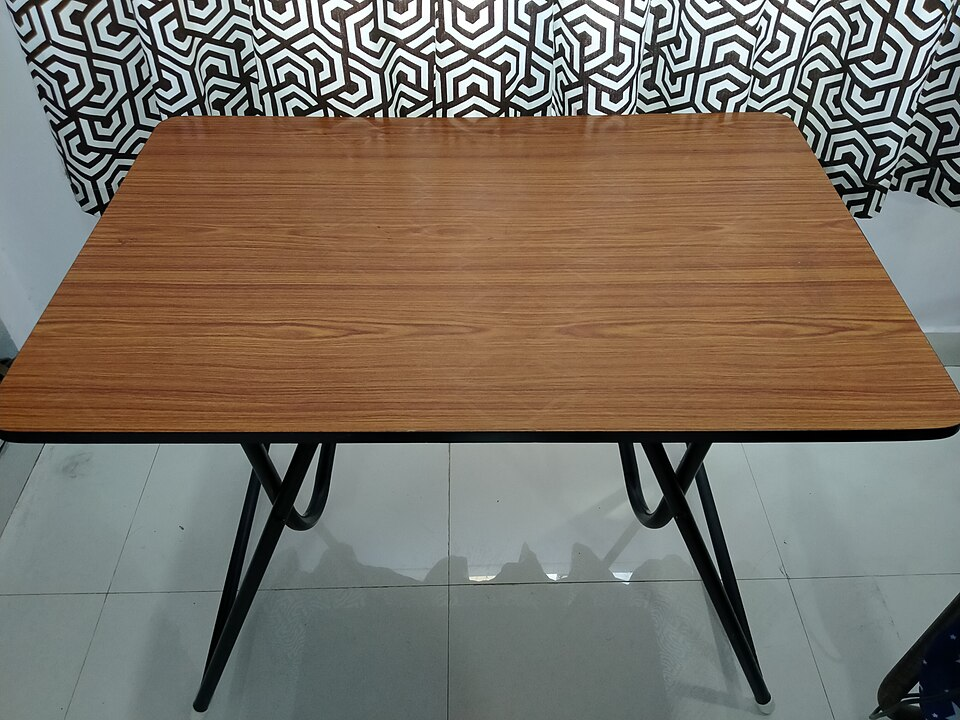
A staple of family fun was the card table, often set up with folding chairs for card games, puzzles, and the era’s popular board games. The basement was the perfect place for the family game night that defined so many evenings of the decade.
The folding card table hosted countless games of cards, sprawling jigsaw puzzles, and the board games that brought families together. A nearby shelf or closet held the stack of well-worn game boxes. The card table was the hub of low-tech family entertainment in the rec room. While game nights continue, the folding card table surrounded by family playing cards or a board game is a warm, nostalgic image of the era’s basement gatherings.
12. The Foosball Table or Pinball Machine
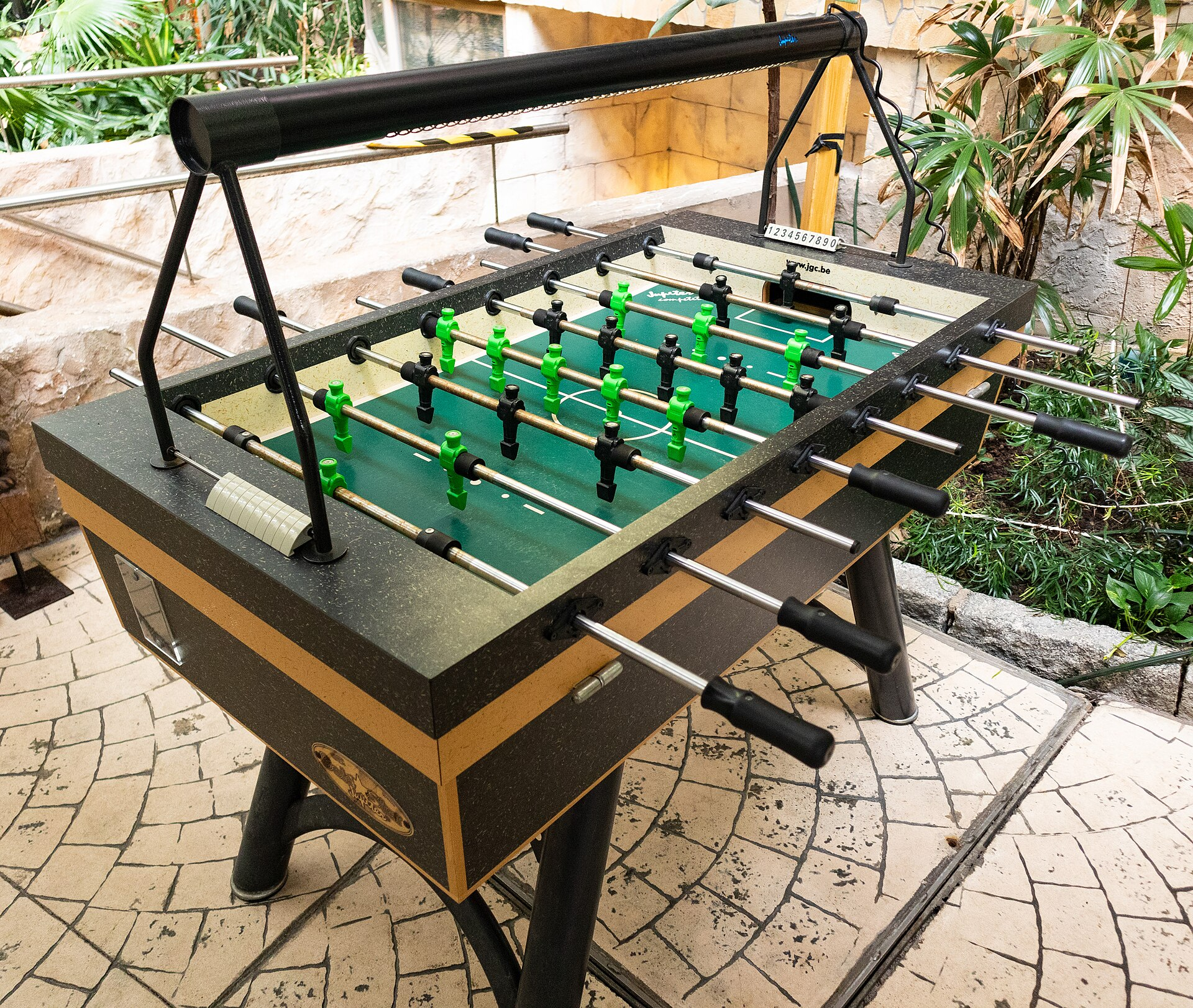
Rounding out the recreation was often a foosball table or even a pinball machine, the kind of arcade-style amusement that turned the basement into a true game room. These eye-catching attractions were the envy of the neighborhood kids.
A foosball table or a home pinball machine elevated the rec room into a genuine entertainment destination, drawing friends over for spirited games. Having one was a point of pride and a guaranteed hit at gatherings. These amusements captured the decade’s love of games and home recreation. The foosball table or pinball machine humming away in the corner is a coveted, fondly remembered feature of the most well-equipped 1970s basements.
Looking Back at the 1970s Rec Room
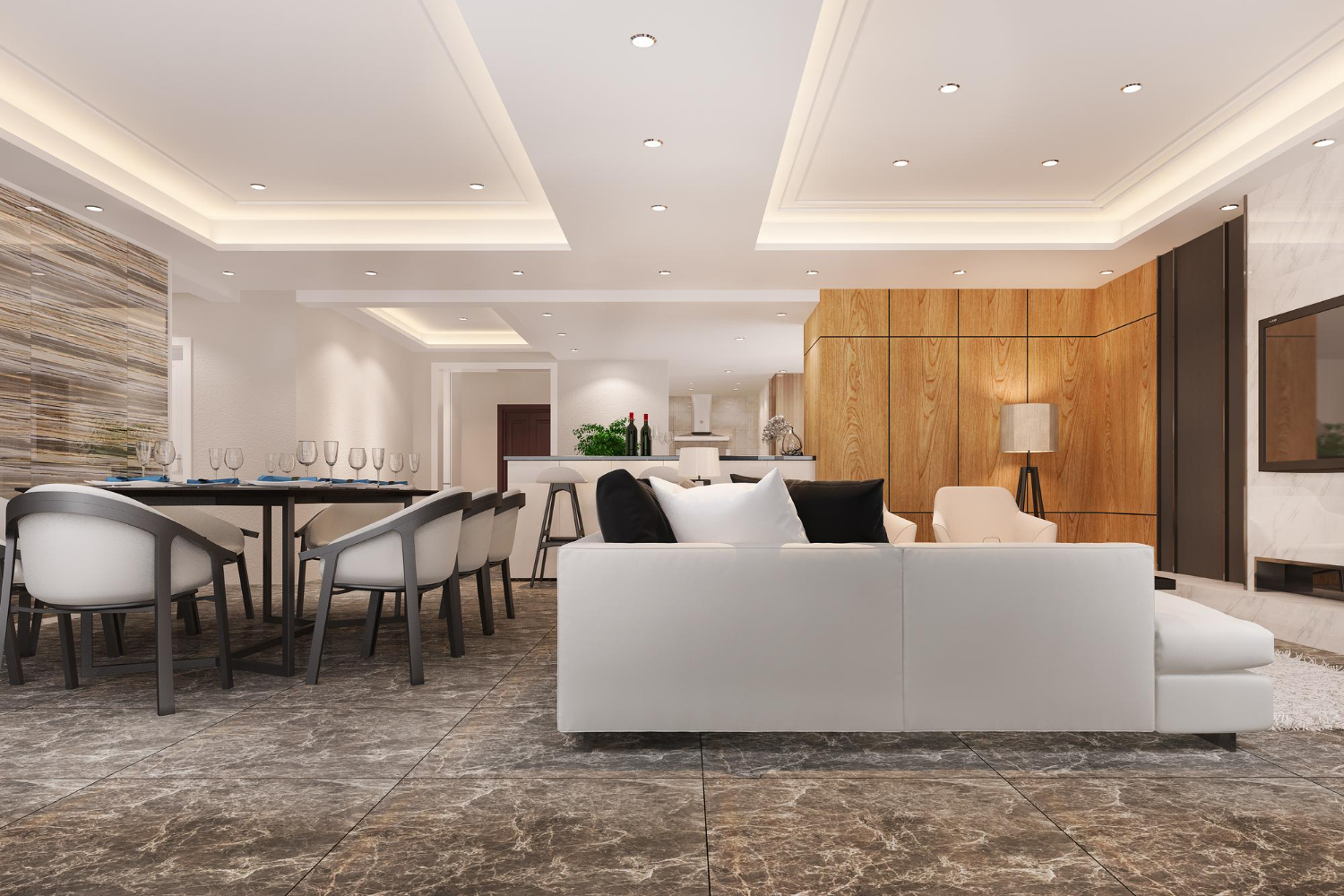
Taken together, these twelve features capture why the finished basement held such a beloved place in the 1970s home. It was the casual, fun, party-ready counterpart to the formal rooms upstairs, a space defined by wood paneling, games, comfortable hand-me-downs, and a wet bar ready for entertaining. The rec room was where families truly relaxed.
As home styles changed, the dark paneling, deep shag, and built-in wet bars gave way to lighter, more modern basement designs. The specific look of the 1970s rec room faded into memory. Yet for those who grew up playing ping-pong, watching the hand-me-down TV, and hanging out among the wood-paneled walls, the basement rec room evokes warm nostalgia for a casual, welcoming space at the heart of family life. It was, for many, the best room in the house.
Like our content? Follow us for more.