

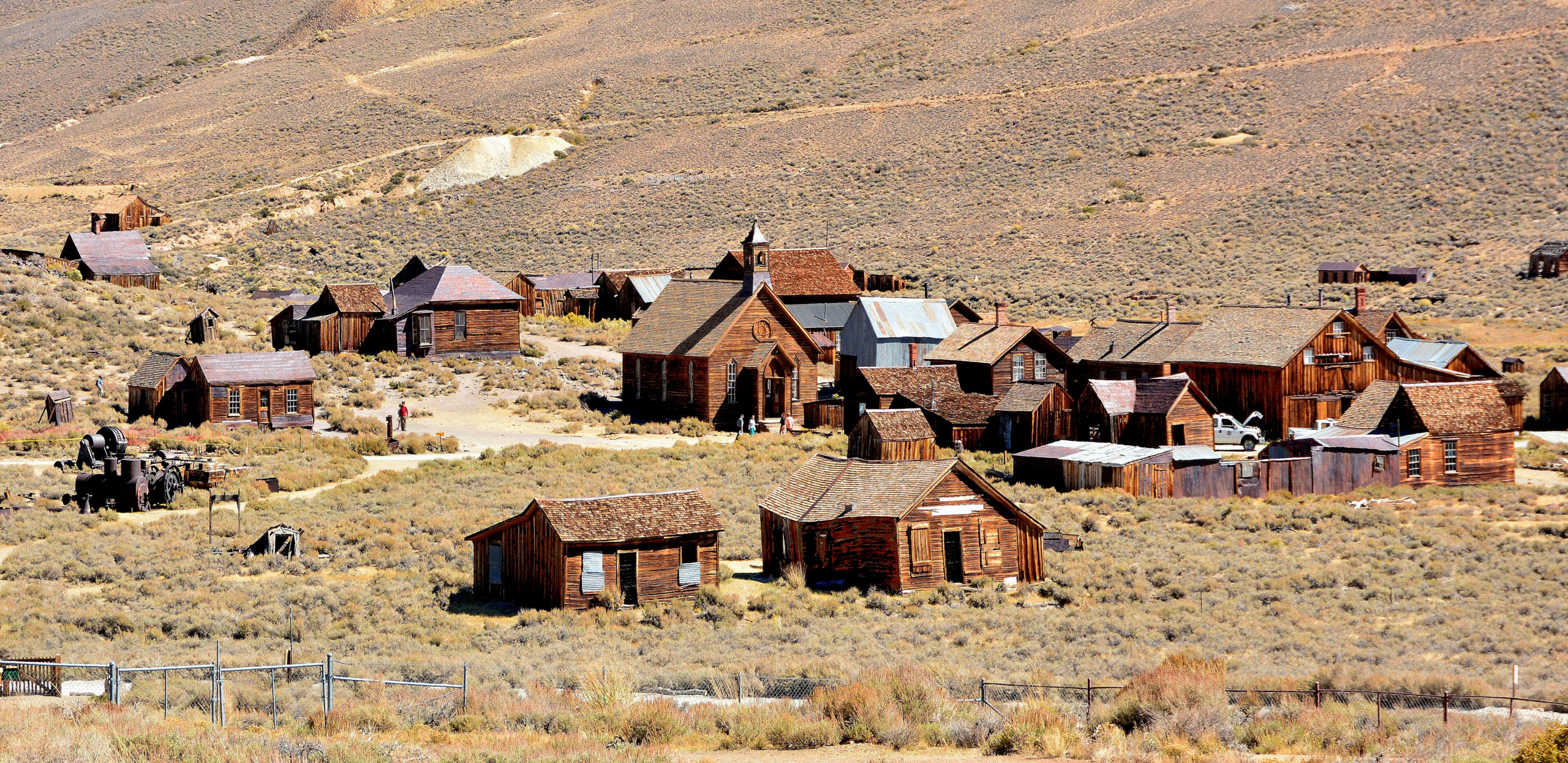
In the high desert hills northeast of Yosemite, far from any modern town, the wooden buildings of Bodie lean and weather under a wide California sky. Dust coats the furniture inside, bottles still line the shelves of the old store, and the wind howls down empty streets that once teemed with miners, merchants, and gunfighters. Bodie is a genuine ghost town, a Wild West boomtown that rose, roared, and emptied, now frozen in time and carefully preserved. It offers visitors a rare and haunting glimpse into California’s gold-rush past. Here is the story of Bodie, the town that time forgot.
A Gold Strike in the High Sierra
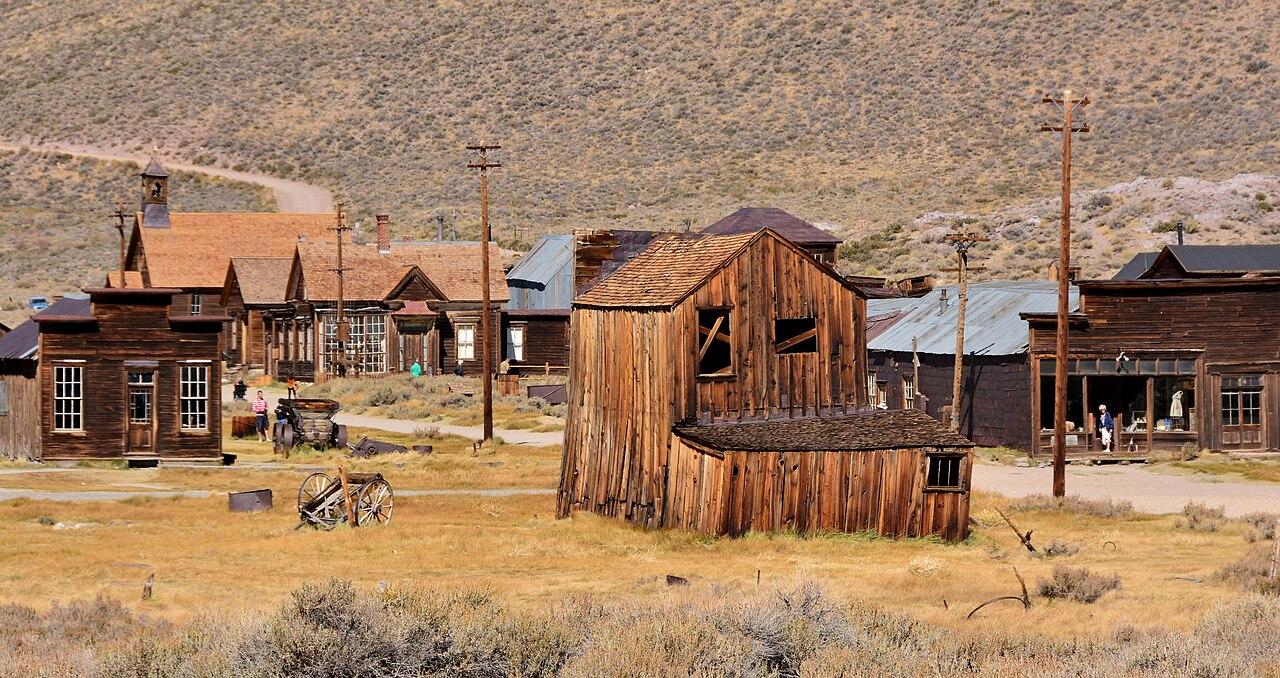
Bodie’s story began in 1859, when a small group of prospectors searching the Eastern Sierra foothills found gold in the hills north of Mono Lake. The town took its name from one of them, William, also known as Waterman, S. Bodey, who is credited with the discovery. A mill was established a couple of years later, and a small mining camp took root, home at first to only a few dozen people.
For years, Bodie remained a modest camp. Then, in 1875, a mine cave-in exposed a rich body of gold ore, and in 1877 the Standard Company bought the mine and began large-scale operations. The discovery transformed Bodie almost overnight, drawing fortune-seekers from across the country and around the world. The sleepy camp exploded into one of the wildest boomtowns in the West.
Like our content? Follow us for more.
A Roaring Boomtown
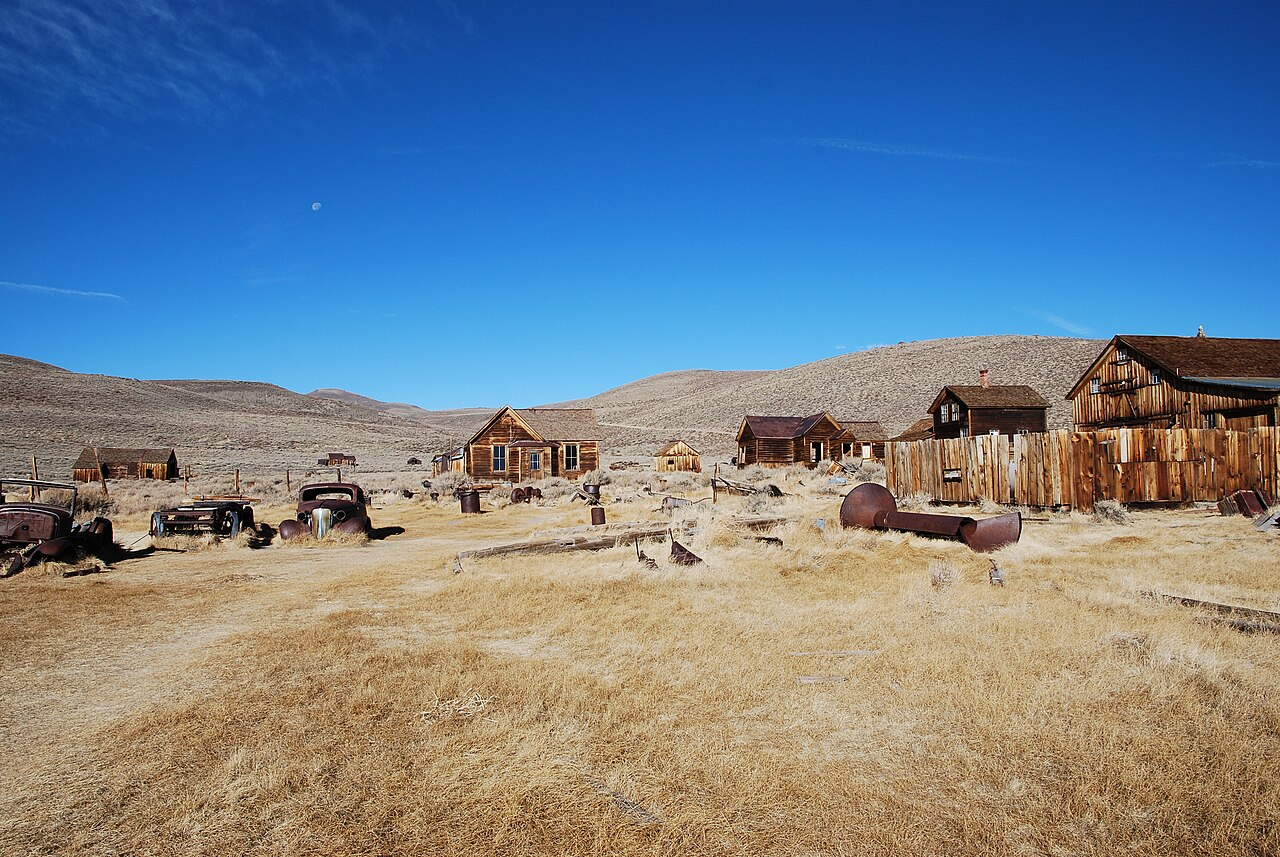
At its peak around 1879 and 1880, Bodie was home to close to 10,000 people, with as many as 2,000 buildings spread across the rolling hills. The town had dozens of saloons, along with gambling halls, dance halls, general stores, hotels, churches, a schoolhouse, and restaurants. It was a lively, round-the-clock community fueled by gold, with industrious miners and prosperous merchants rubbing shoulders with notorious gunfighters and gamblers.
Bodie earned a reputation as one of the rowdiest and most lawless towns of the era, its streets the setting for both great fortune and frequent trouble. During its richest years, the town’s mines produced many millions of dollars in gold and silver. For a brief, brilliant moment, Bodie was a thriving symbol of the gold-rush dream, a place where a person might strike it rich, or lose it all.
Decline and Abandonment
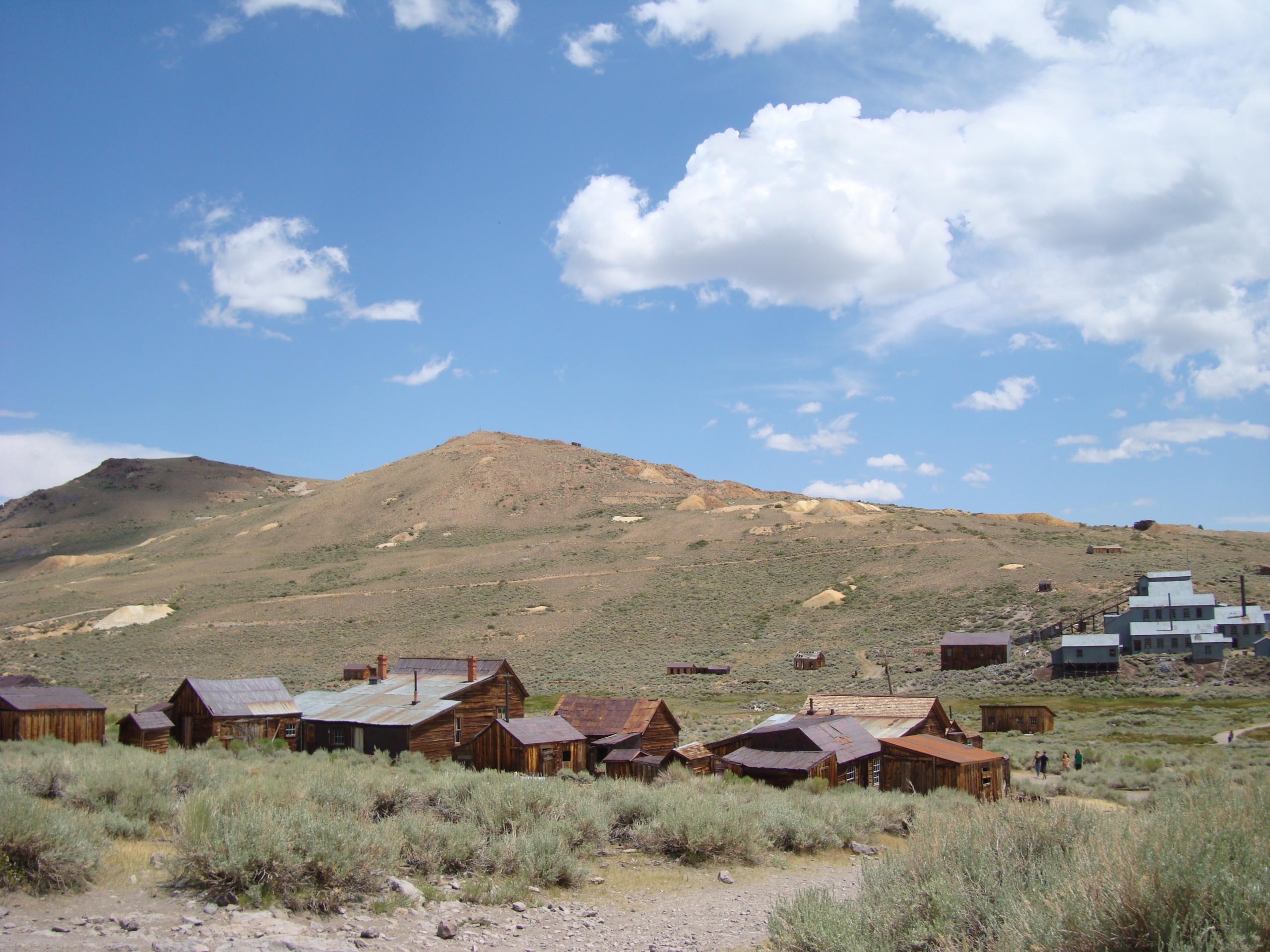
Like so many boomtowns, Bodie’s glory was short-lived. By the early 1880s, the most accessible ore was being depleted, the mines began to falter, and miners drifted away to chase strikes elsewhere. The population dwindled year by year. A fire swept through the town in 1892, and although mining saw modest revivals over the following decades, Bodie never recovered its former scale.
A second, devastating fire in 1932 destroyed roughly 90 percent of the town, leaving only a fraction of its buildings standing. By the 1940s, Bodie was essentially abandoned, and its last mine closed in 1942. The once-roaring boomtown fell silent, its remaining buildings left to the wind, snow, and high-desert sun. What survived was a small but remarkable remnant of a vanished world.
Preserved in “Arrested Decay”
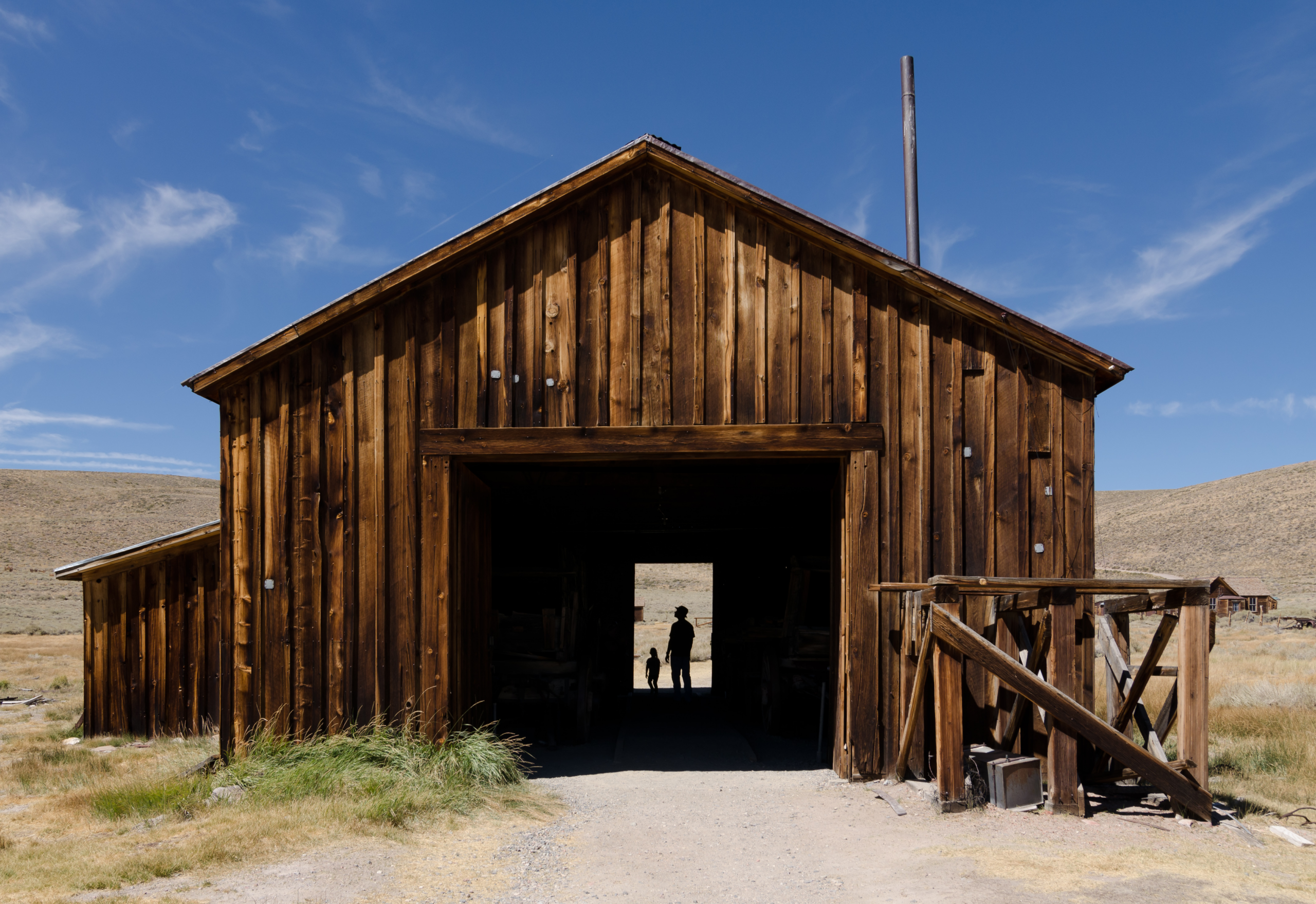
In 1962, what remained of Bodie was made a State Historic Park, and the town was also recognized as a National Historic Landmark for its significance. Rather than restoring the buildings to a polished, like-new condition, California’s park stewards chose a different and now-famous approach: preserving the town in a state of “arrested decay.” The buildings are protected from falling down or deteriorating further, but they are not fixed up; they are kept in their aged, weathered, early-1880s appearance.
The result is uniquely powerful. Roughly 100 or more original structures still stand, and their interiors remain much as they were left, stocked with goods, furniture, and the everyday objects of a town that simply emptied out. Peering through the windows of the church, the schoolhouse, the store, and the homes, visitors see dust-covered relics frozen mid-life, as if the residents had stepped away and never returned. It is this authenticity, weathered but genuine, that makes Bodie so haunting and so beloved.
Visiting Bodie Today
Today, Bodie State Historic Park draws visitors from around the world, just as the gold once did, though now they come for the ghost-town experience rather than riches. The park sits in a remote stretch of Mono County, roughly 13 miles east of Highway 395, with the final few miles on a dirt road. Set at an elevation of about 8,375 feet, the town can be cold even in summer, so visitors are advised to bring layers, water, and supplies.
To preserve the ghost-town atmosphere, there are no commercial facilities at Bodie, no food, no gas, just the town itself, a museum with a bookstore, and ranger-led talks and tours offered in season, including tours of the old stamp mill. Highlights include the preserved Main Street, the Boone Store with its original 19th-century goods still on the shelves, the Miner’s Union Hall, which serves as a museum, and the fire-scarred vault of the old bank. The park is generally open year-round, though snow can close the access road in winter.
Walking Bodie’s deserted streets is a genuine step back in time, a chance to stand in a real Wild West boomtown preserved at the moment of its abandonment. In an age of polished, reconstructed attractions, Bodie’s weathered authenticity is exactly what makes it unforgettable, a silent monument to California’s gold-rush dreams, kept just as the last residents left it.
Like our content? Follow us for more.
