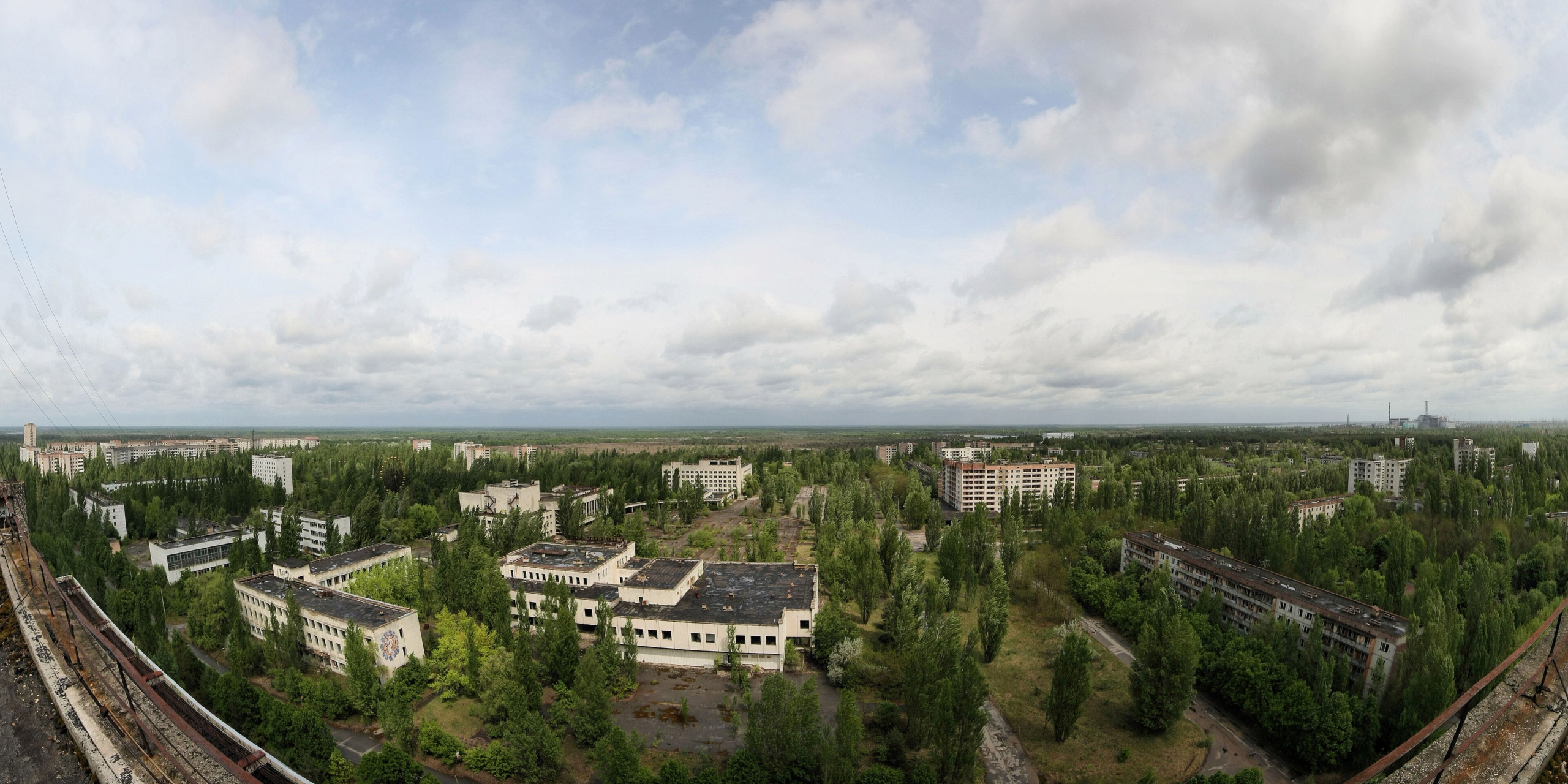
Few places capture the imagination quite like Pripyat, a Soviet city that was thriving one day and empty the next. Built to house the workers of the Chernobyl Nuclear Power Plant and their families, Pripyat was a modern, purpose-built town of nearly 49,000 people, until a catastrophe at the plant in 1986 forced its sudden and permanent evacuation. Today it stands as one of the most poignant abandoned places on Earth: apartment blocks, schools, and an amusement park left exactly as they were, slowly surrendering to the forest around them. This is the story of the city that emptied overnight, and the people who were never allowed to come home.
A Model Soviet City
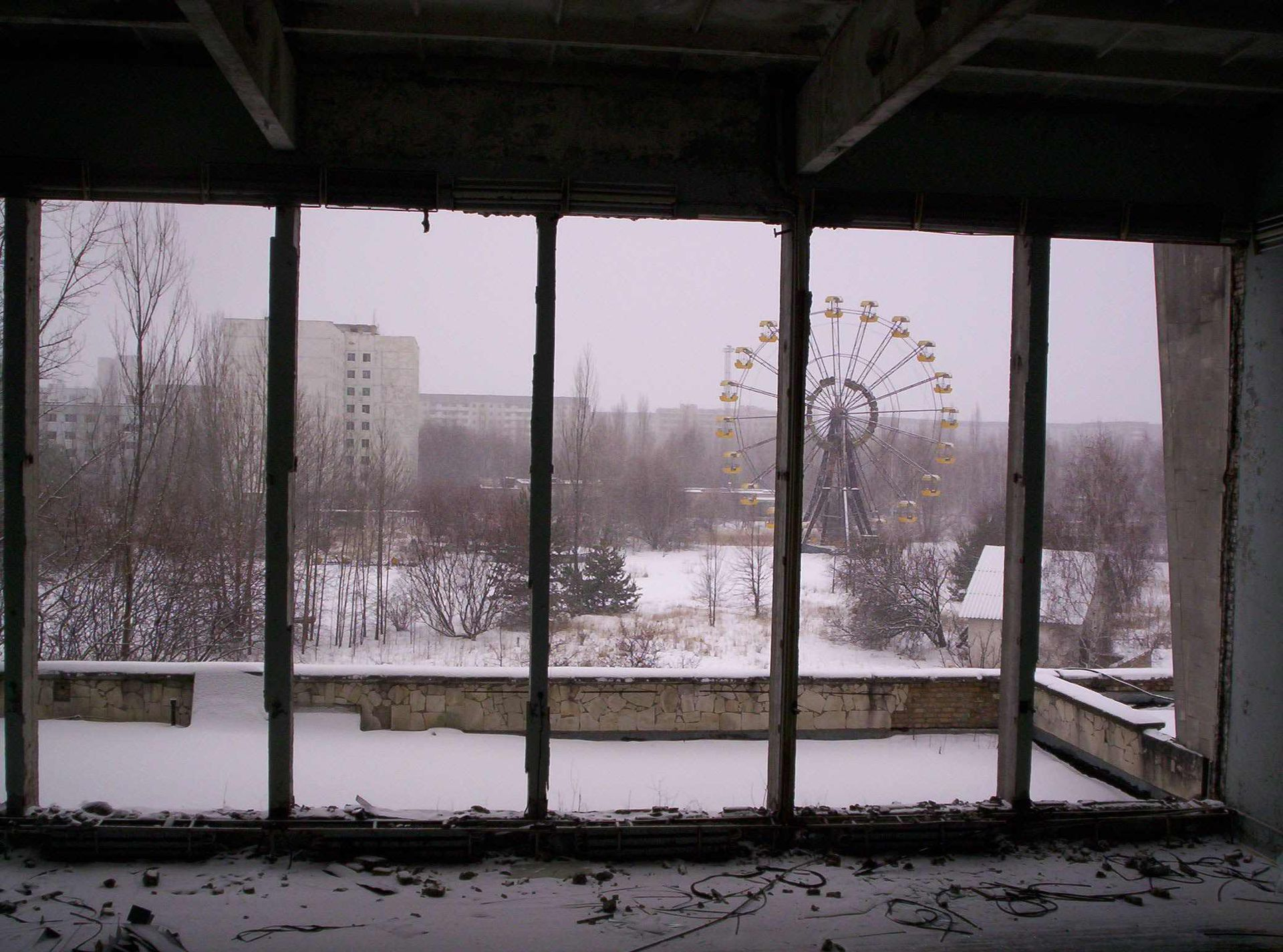
Pripyat was founded in 1970, a planned city built just a couple of miles from the Chernobyl Nuclear Power Plant in what was then Soviet Ukraine. It was designed as a showcase community for the plant’s workers and their families, a young, modern town with apartment blocks, schools, shops, a hospital, a cultural center, and even a brand-new amusement park. By 1986, its population had grown to roughly 49,000 people, with a youthful average age, full of families building their lives in a place meant to represent the bright future of Soviet industry.
That future ended abruptly in the early hours of April 26, 1986, when Reactor No. 4 at the Chernobyl plant exploded during a safety test, triggering the worst nuclear disaster in history. The accident released large amounts of radiation into the environment. Yet in the immediate aftermath, the residents of Pripyat were not told what had happened, and life in the city continued for hours as the situation grew more serious just down the road.
Like our content? Follow us for more.
Evacuated in Hours
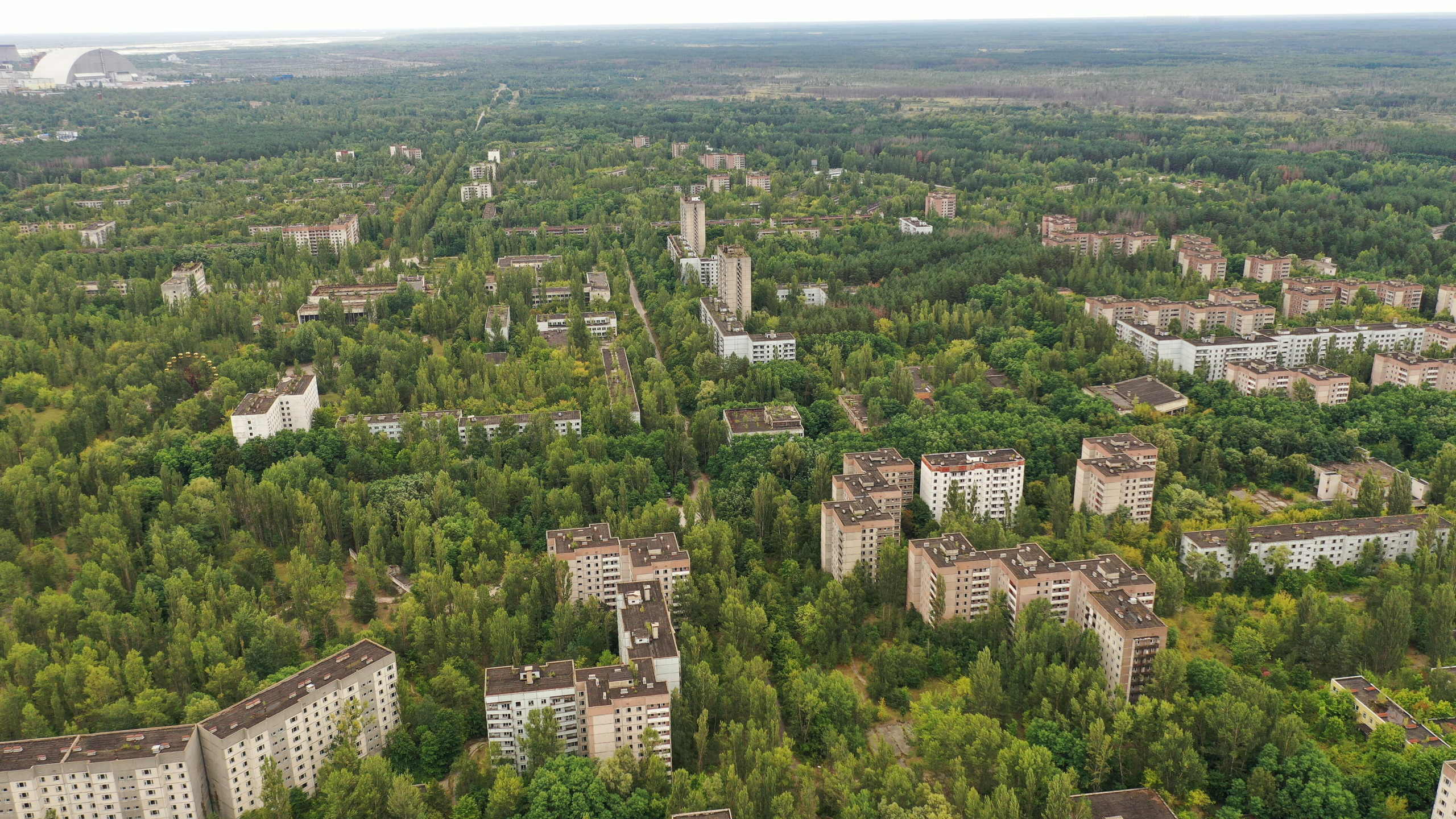
The order to evacuate Pripyat came the next day, on April 27, 1986. A massive fleet of buses arrived, and within a matter of hours the entire population, tens of thousands of people, was loaded up and driven away. Residents were told the evacuation was temporary and that they would be able to return in a few days, so most took only documents and a few essential belongings, leaving nearly everything behind.
They never came back to stay. As the scale of the contamination became clear, the evacuation zone was expanded, first to a 10-kilometer radius and then to 30 kilometers, and over the following weeks and years, well over 100,000 people were relocated from the wider region, with hundreds of thousands resettled in total. A new city, Slavutych, was built from scratch to house the plant’s workers. Pripyat itself was sealed off, left to stand empty inside what became known as the Chernobyl Exclusion Zone, a restricted area of roughly 2,600 square kilometers managed by the authorities.
A City Frozen in Time
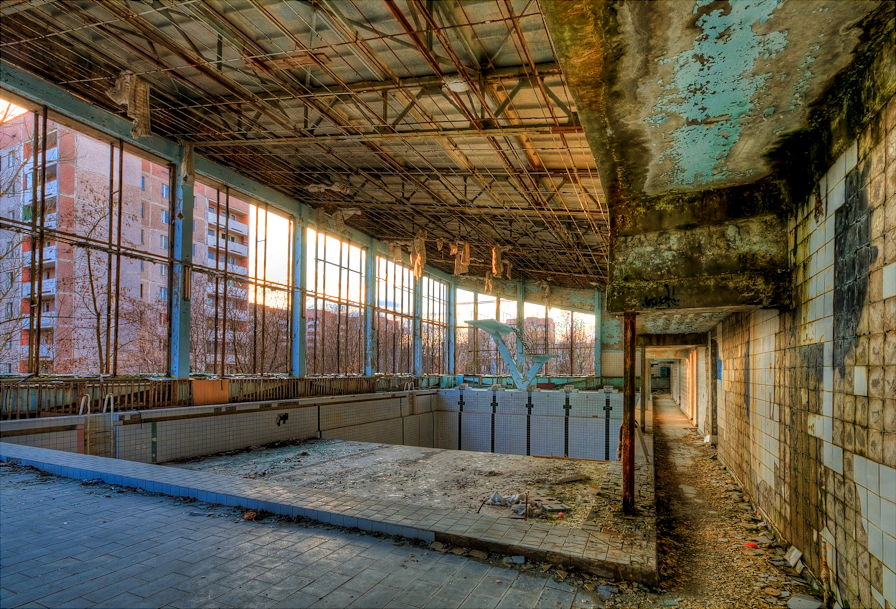
What makes Pripyat so haunting is how completely it was abandoned, and how it has remained. Because residents left believing they’d return, the city became a kind of time capsule, frozen at the moment of evacuation. Apartment blocks still hold the remnants of daily life. Schools contain rows of desks and scattered textbooks. Perhaps the most famous image is the city’s amusement park, with its Ferris wheel that was scheduled to open just days after the disaster and was never used, its carriages now rusting in silence.
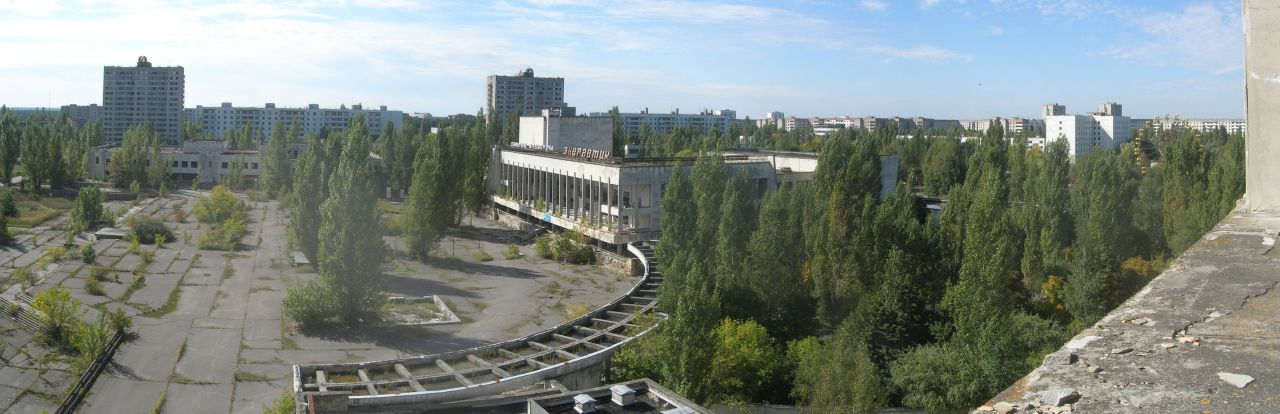
In the decades since, nature has staged a remarkable comeback. With humans gone, forests have grown up through the streets and buildings, and wildlife has flourished across the exclusion zone, which has become an accidental sanctuary. Among the animals are the descendants of pets left behind in 1986, including semi-feral dogs that still roam the area. Meanwhile, the abandoned buildings continue to decay, their interiors deteriorating year by year, and the artifacts of Soviet life slowly disappearing.
The Human Cost
Behind Pripyat’s eerie beauty lies a serious human tragedy that deserves to be remembered with respect. The Chernobyl disaster claimed lives: two people were killed at the time of the explosion, and roughly 28 to 30 plant workers and firefighters died within about three months from acute radiation exposure, with further health effects emerging in the years that followed. The disaster reshaped countless lives, displacing entire communities and leaving a lasting mark on the region.
To contain the damaged reactor, a massive structure called the New Safe Confinement was built over the site between 2016 and 2018, and the long process of cleanup is expected to continue for decades. A small number of elderly former residents, known as self-settlers, eventually returned to villages in the zone in defiance of the rules, though children are not permitted to live there, and their numbers dwindle with each passing year.
A Place That Endures
Pripyat remains one of the most powerful symbols of how quickly life can change, and of the lasting consequences of disaster. It tells a story of a thriving city silenced in an instant, of families who left thinking they’d be back within days, and of a place now caught between human history and the slow return of the natural world.
It’s important to note that Pripyat and the surrounding exclusion zone are not open to casual visitors. While the area was opened to organized, paying tours for a number of years beginning in 2011, those tours were suspended and have not resumed, and the zone remains closed to tourists. It is a restricted, contaminated area managed by the authorities, not a destination one can simply visit. For most of us, Pripyat is best understood from a respectful distance, through photographs and accounts, as a sobering monument: a city abandoned overnight, never reclaimed by its people, and a lasting reminder of one of history’s most consequential disasters.
Like our content? Follow us for more.