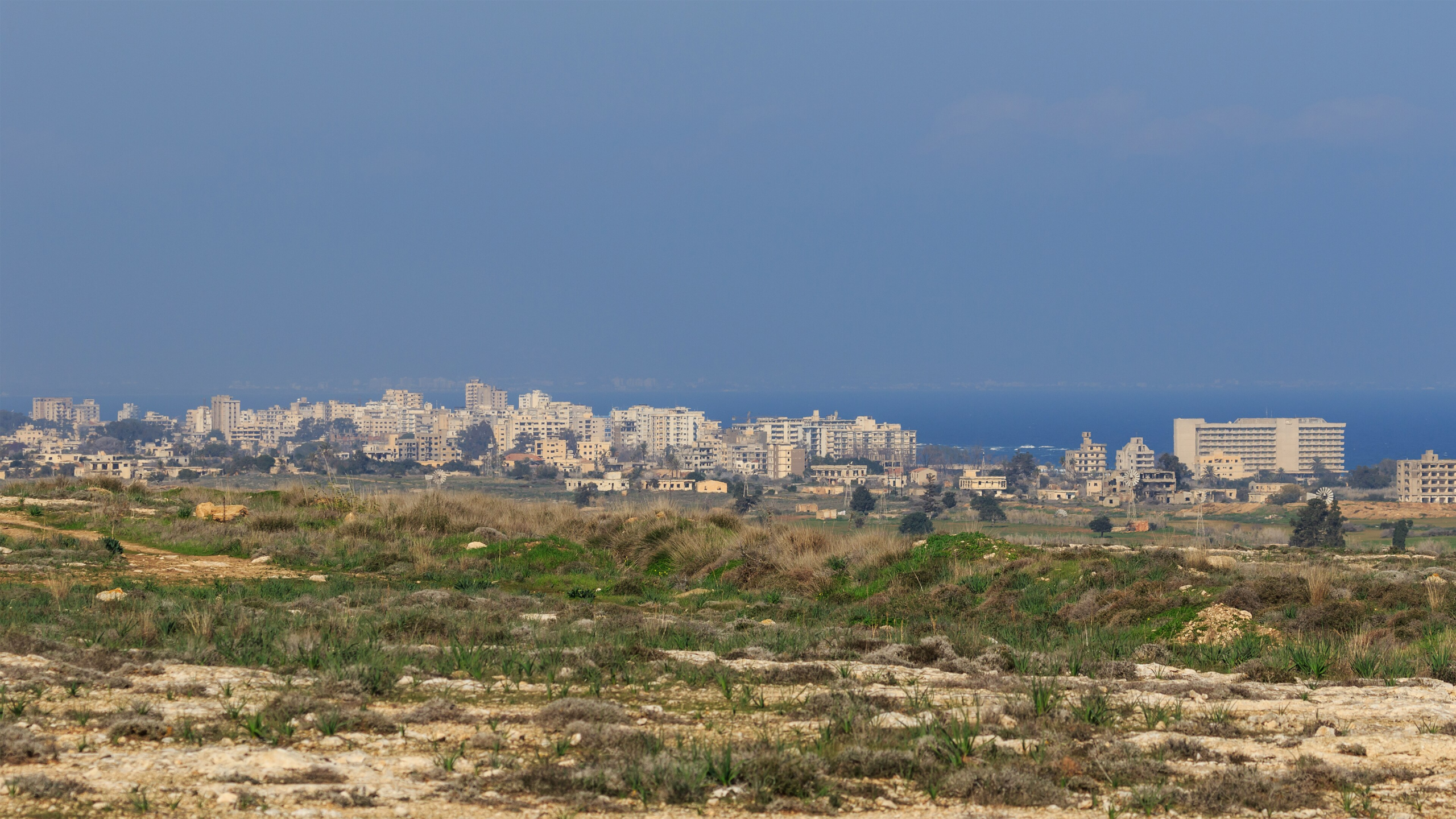
On the eastern coast of Cyprus lies one of the Mediterranean’s most haunting sights: Varosha, a once-glamorous resort district of the city of Famagusta that was abandoned virtually overnight in 1974 and left frozen in time for decades. Where sunbathers once filled golden beaches and celebrities checked into gleaming high-rise hotels, nature slowly reclaimed empty streets behind a sealed-off fence. After a controversial partial reopening in recent years, visitors can once again walk parts of this eerie ghost town, a powerful and poignant window into the island’s divided history.
The Crown Jewel of Cyprus
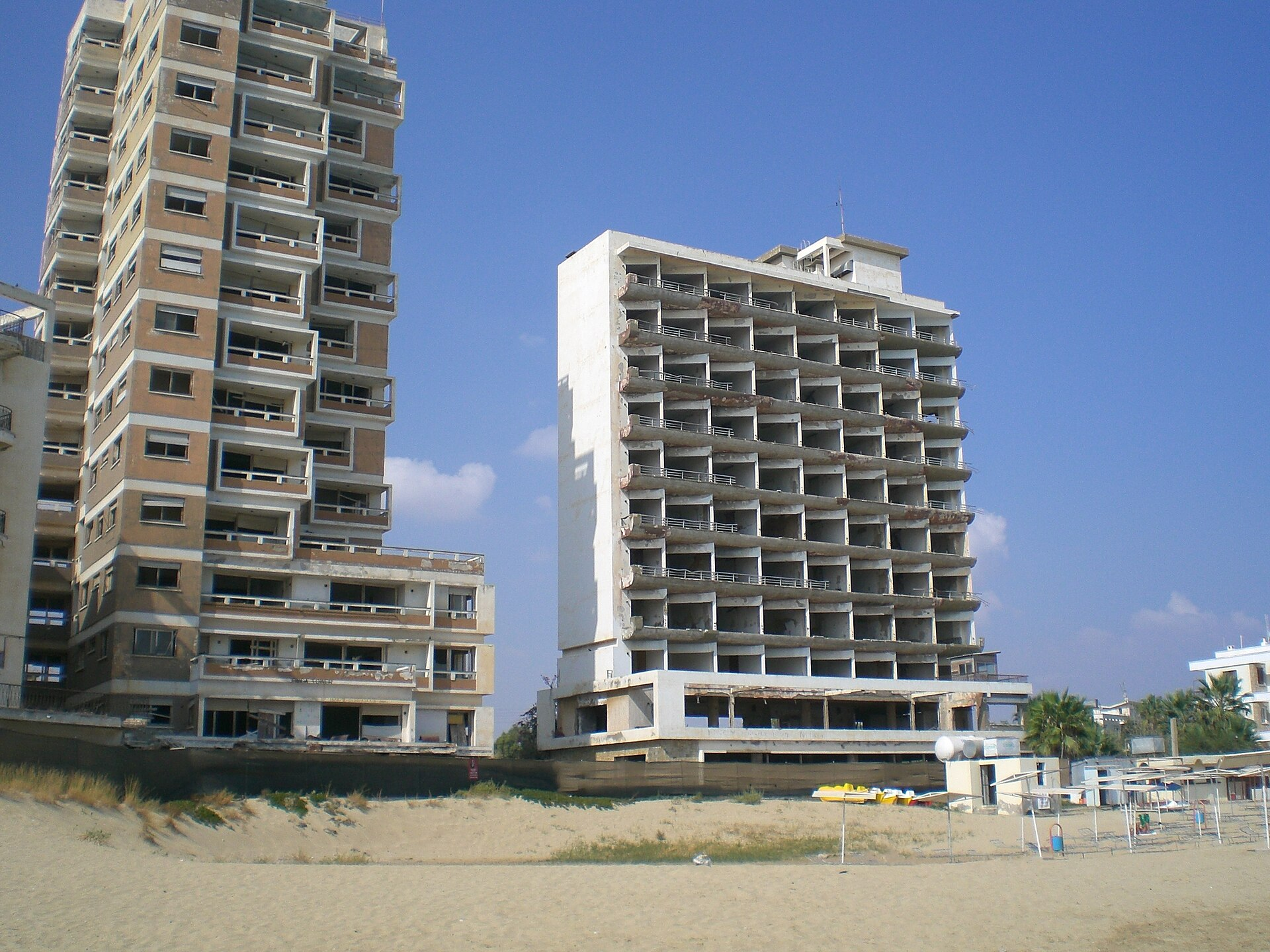
In the 1960s and early 1970s, Varosha was the dazzling heart of Cyprus’s tourism industry, often described as the crown jewel of the Mediterranean. Its beachfront was lined with modern high-rise hotels, chic boutiques, restaurants, and nightclubs, and it drew an international jet-set crowd, including world-famous celebrities of the era. With its golden sands and glittering seafront, Varosha was one of the most fashionable and sought-after holiday destinations in the region, a symbol of glamour and prosperity at the height of its brief golden age.
Like our content? Follow us for more.
Abandoned Overnight
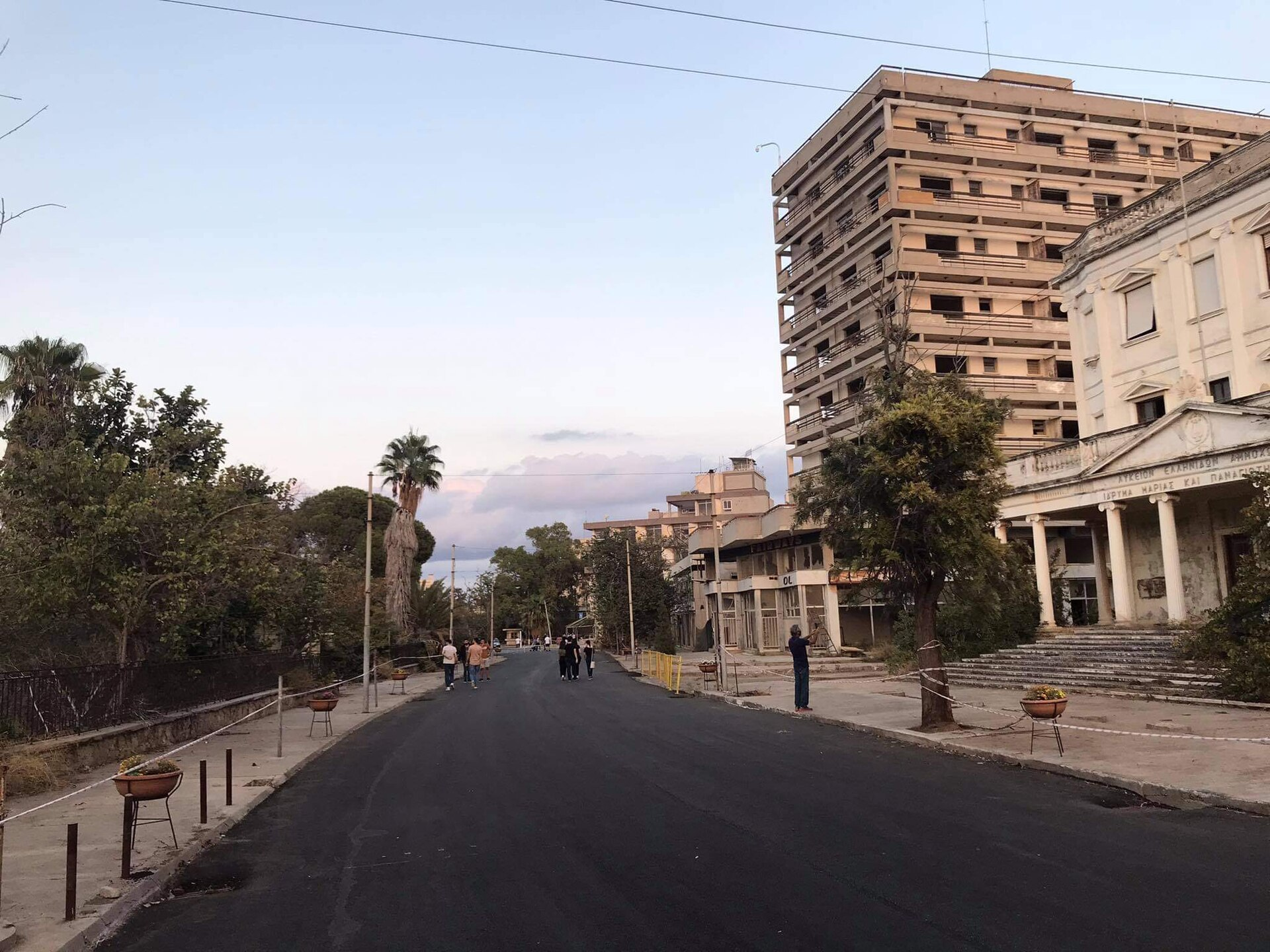
That golden age came to an abrupt end in 1974, during the conflict that led to the division of Cyprus. Amid the upheaval, the residents of Varosha, a predominantly Greek Cypriot population numbering in the tens of thousands, fled, many expecting to return within days. They never did. As the situation hardened, Varosha came under Turkish military control and was fenced off, its hotels, shops, and homes left exactly as they were. Almost overnight, a thriving resort became a sealed, empty zone, its streets silent and its buildings abandoned, with personal belongings and shop displays left frozen in place.
A Sealed Ghost Town
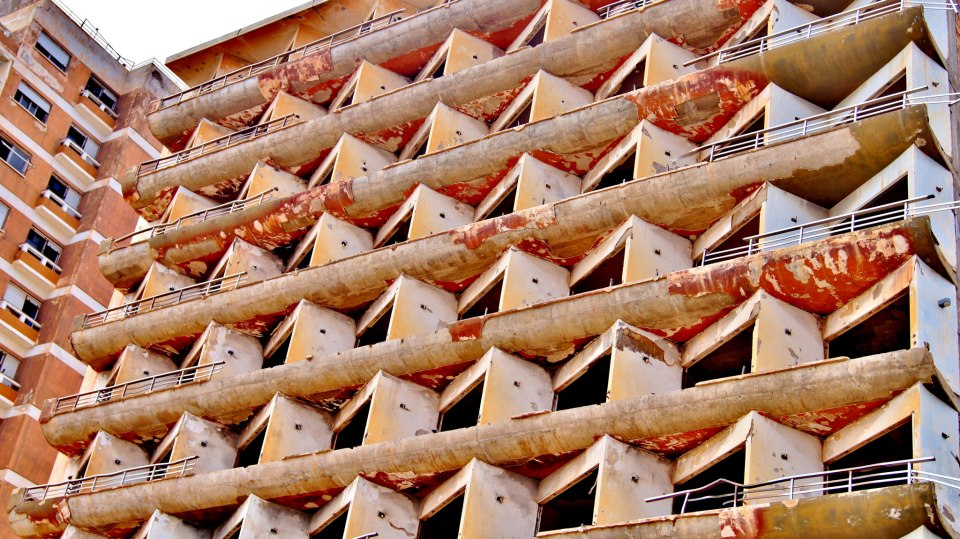
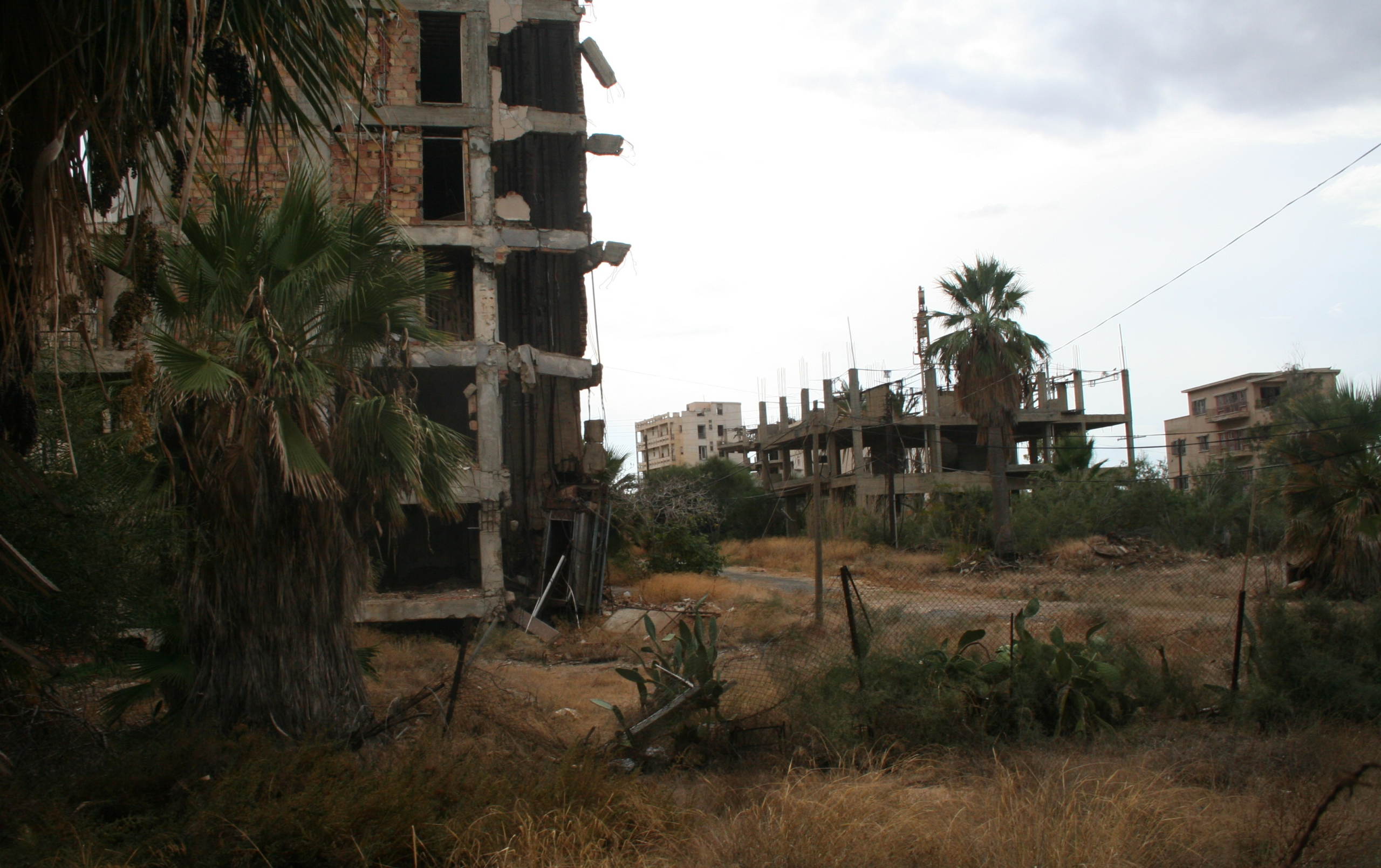
For roughly the next 46 years, Varosha remained a fenced-off military zone, off-limits to civilians, including the very people who had once lived there. Behind the barbed wire, time stood still. Plants pushed up through pavement and into hotel lobbies, paint faded and peeled, and cars sat rusting where they had been left. Shop windows reportedly still held fashions from the early 1970s. The result was an extraordinary, melancholy time capsule, an entire modern resort surrendered to silence and slowly overtaken by nature, becoming one of the world’s most famous examples of a place reclaimed by time.
A Symbol of a Divided Island
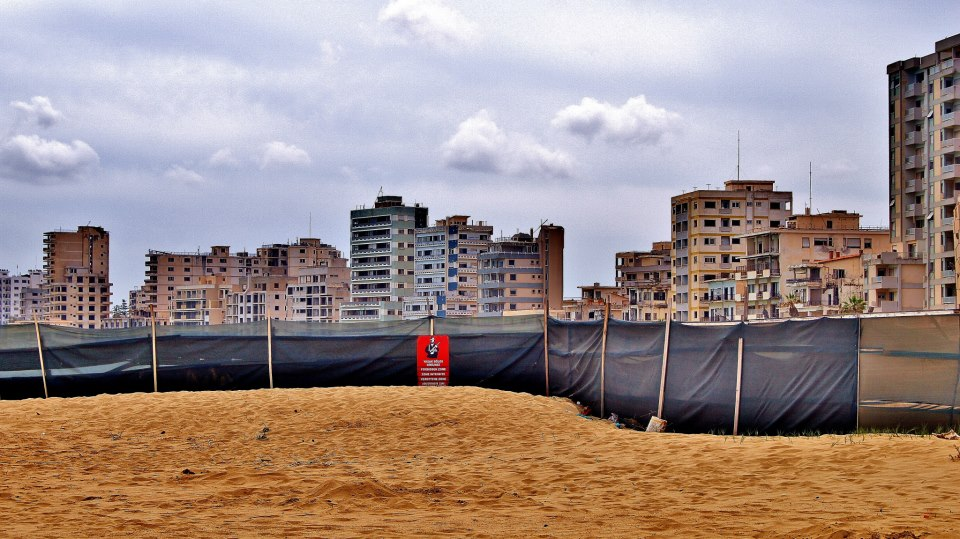
Varosha is far more than an abandoned resort; it sits at the heart of one of the world’s long-running political disputes. Its fate is bound up with the division of Cyprus into a Greek Cypriot south and a Turkish Cypriot north, a situation that remains unresolved. United Nations Security Council resolutions have addressed Varosha’s status, with the UN position holding that the area should be transferred to UN administration and that any resettlement should be only by its original inhabitants, describing settlement by others as inadmissible. The competing positions of the parties involved remain deeply contested, and Varosha has been a recurring sticking point in the island’s stalled peace negotiations. This article presents the history factually and takes no side in that ongoing dispute.
A Controversial Reopening
After decades sealed off, parts of Varosha began to reopen to visitors around 2020 and 2021, a move that proved highly controversial internationally. The reopening drew objections from those who view it as inconsistent with UN resolutions, while others framed it differently; the step remains a subject of significant international debate and competing claims. What is not in dispute is that, for the first time in nearly half a century, members of the public can now access designated areas of the district, walking or cycling along certain streets and stretches of beach that had been off-limits for a generation.
Walking Through Time
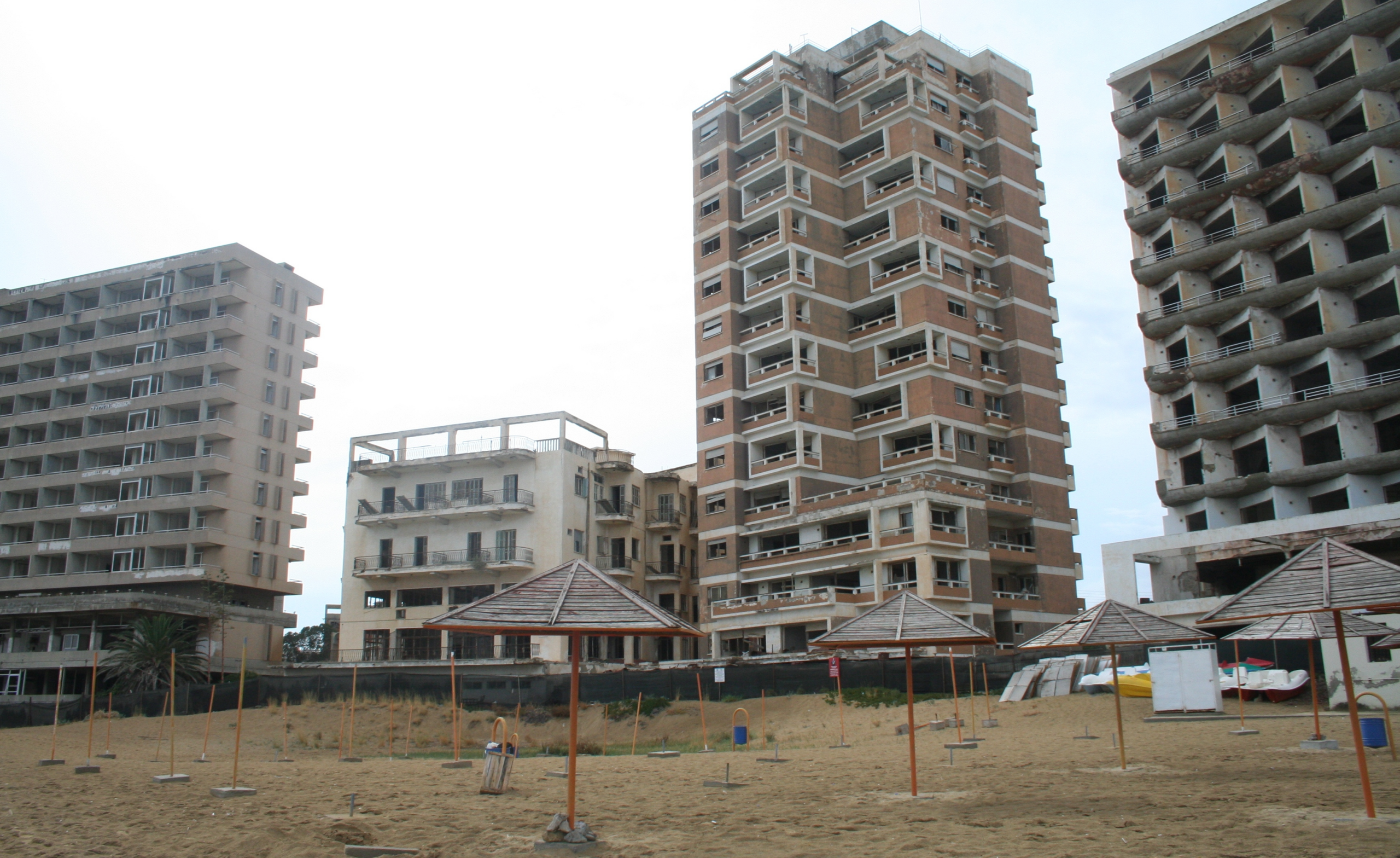
For visitors today, exploring the accessible parts of Varosha is a strange and moving experience. Designated streets and a stretch of beach can be reached on foot or by bicycle, with entry generally free, though caution signs warn that the decaying buildings could be unstable. Walking past the shells of grand hotels and shops, with the sea still glittering beyond, visitors confront a vivid contrast between the area’s glamorous past and its long abandonment. Informational panels help provide context. It is a sobering kind of sightseeing, less a holiday outing than an encounter with history, memory, and the human cost of conflict.
A Place of Reflection
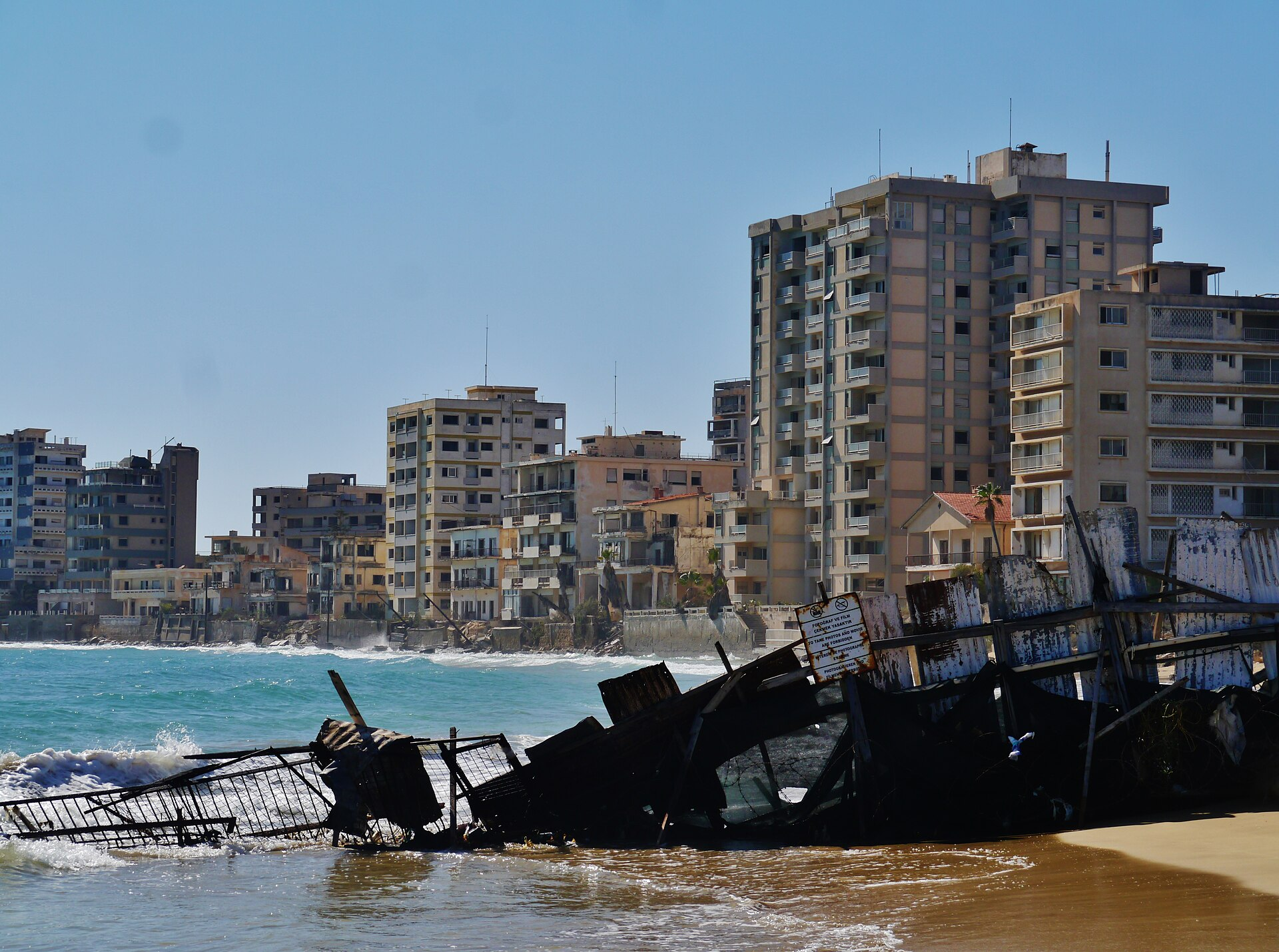
Varosha occupies an unusual place in the world of travel, sometimes discussed in the context of so-called “dark tourism,” visits to sites associated with tragedy or conflict. For many, it prompts reflection on displacement, loss, and the enduring impact of the events that emptied it. The district’s silent hotels and overgrown streets are a powerful, tangible reminder of how quickly circumstances can change a place forever, and of the people whose lives were upended. Visitors are encouraged to approach it thoughtfully and respectfully, mindful that its story is still unresolved and remains painful for many.
A Window Into Cyprus’s History
Varosha endures as one of the Mediterranean’s most extraordinary and poignant places, a frozen monument to a glamorous past and a divided present. For travelers drawn to history and the haunting beauty of abandoned places, it offers a one-of-a-kind, deeply affecting experience, often paired with visits to Famagusta’s nearby historic landmarks. More than a curiosity, it stands as a window into the complex history of Cyprus and a reminder of the lasting human consequences of conflict, a place where, amid the silence, the past speaks volumes.
Like our content? Follow us for more.