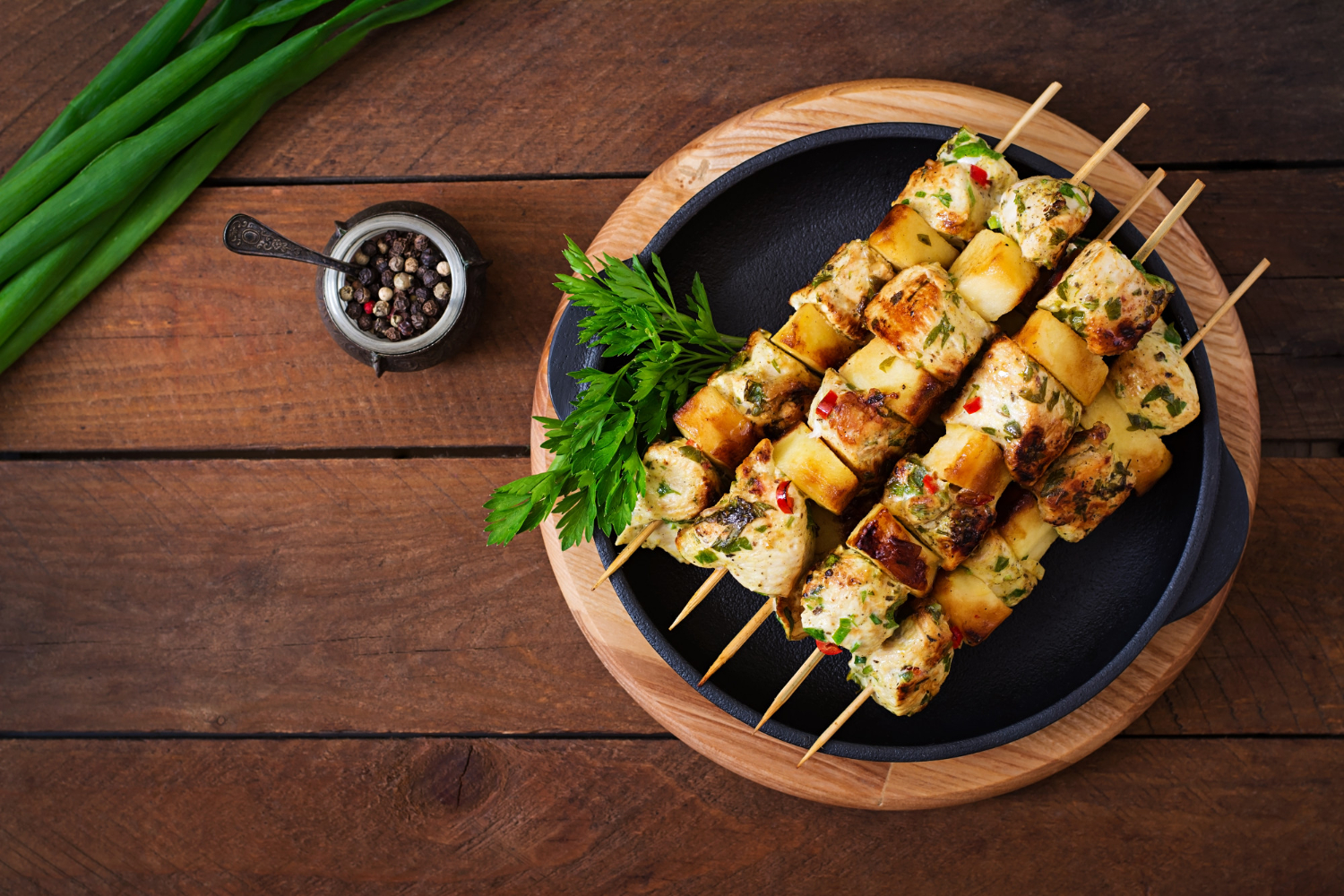
America’s food culture is remarkably regional, shaped by geography, immigration, and generations of local tradition, and in a handful of states, one dish has become so closely associated with the place that it feels like a culinary emblem. From coastal seafood shacks to smoky barbecue joints, these foods tell the story of the land and people who created them. Here are twelve foods that define their U.S. state, counted down one by one.
1. Maine: The Lobster Roll
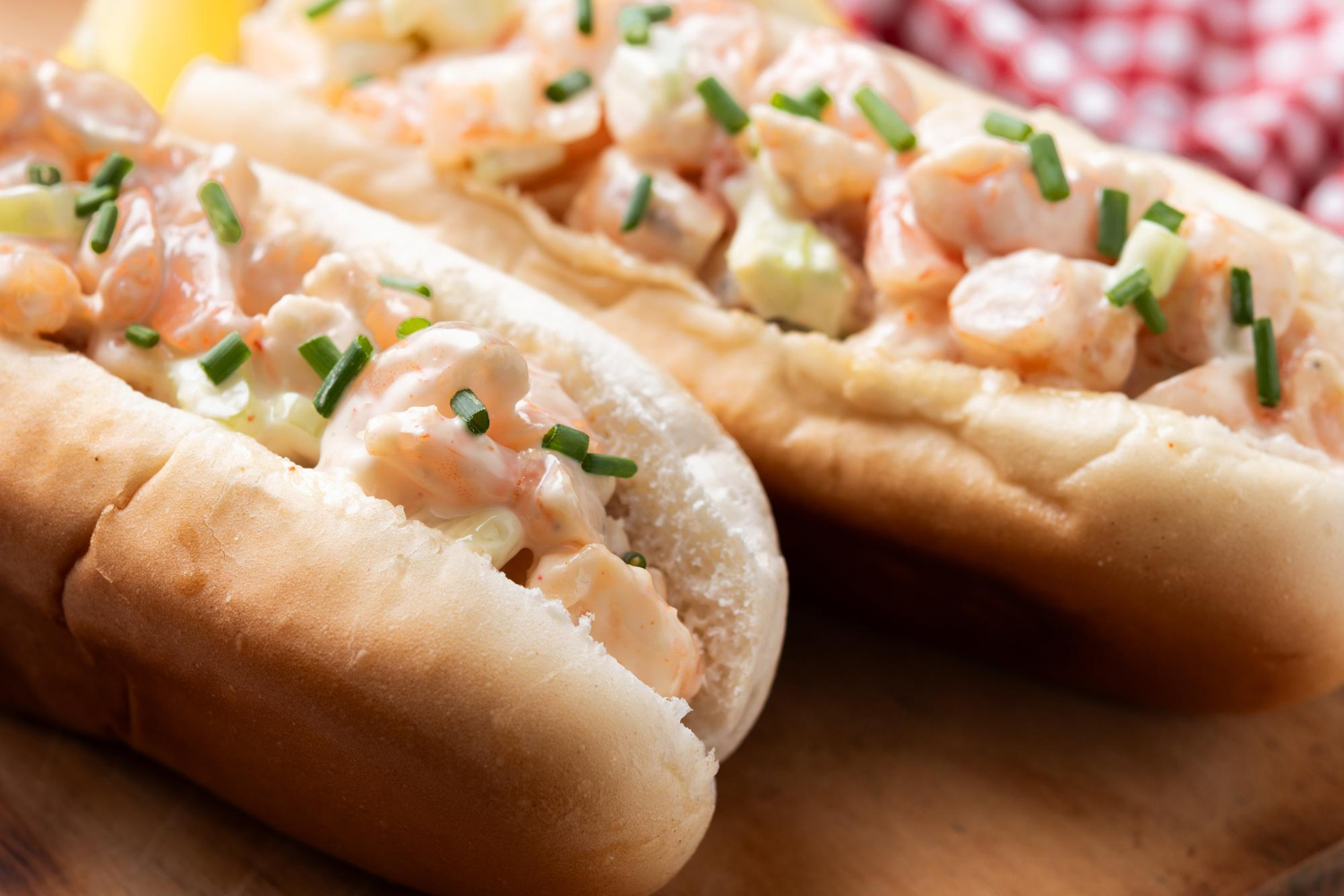
Maine is synonymous with fresh lobster. The simple roll lets the seafood shine.
Maine’s cold coastal waters have made it the heart of the American lobster industry, and nowhere is that more evident than in the state’s signature dish, the lobster roll. Chunks of sweet, fresh lobster meat, tossed simply in butter or a light mayonnaise dressing, are piled into a toasted split-top bun. The simplicity is the point, letting the quality of the seafood speak for itself. Maine’s lobster roll is the state’s undisputed culinary icon, a dish so tied to its coastal identity that ordering one anywhere else in the country still evokes the salty air and fishing villages of the Maine coast.
Like our content? Follow us for more.
2. Louisiana: Gumbo
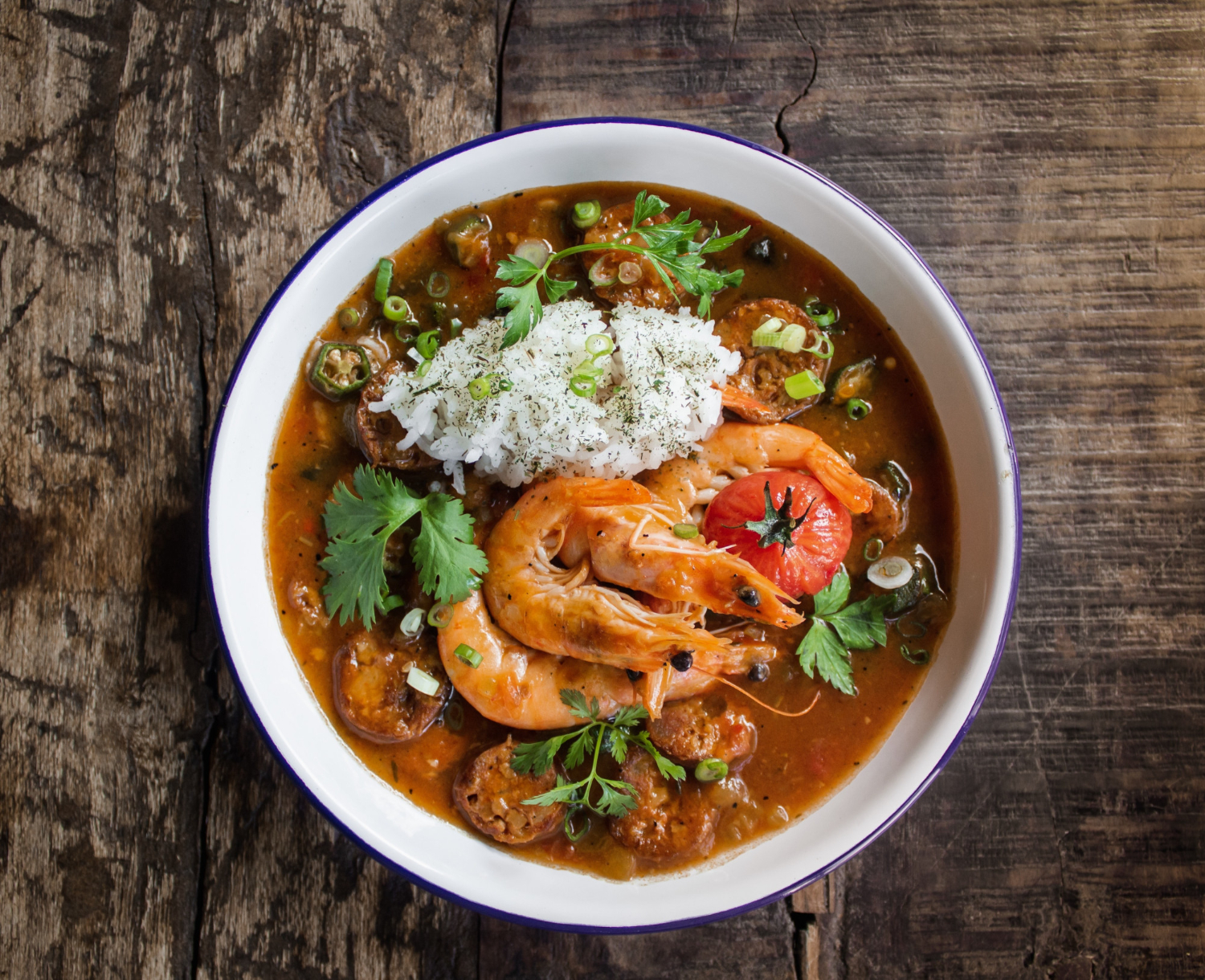
Louisiana’s gumbo blends French, African, and Caribbean influences. Every family has its own version.
Louisiana’s gumbo is a rich, complex stew built on a dark roux, the “holy trinity” of onion, celery, and bell pepper, and a mix of ingredients that might include andouille sausage, chicken, or seafood like shrimp and okra. Blending French, West African, Spanish, and Native American culinary traditions, it reflects the state’s uniquely layered history. Every family seems to have its own treasured recipe. Louisiana’s gumbo embodies the state’s culinary identity, a dish whose deep, slow-cooked flavors and cultural fusion capture the spirit of Cajun and Creole cooking that defines the region.
3. Texas: Brisket Barbecue
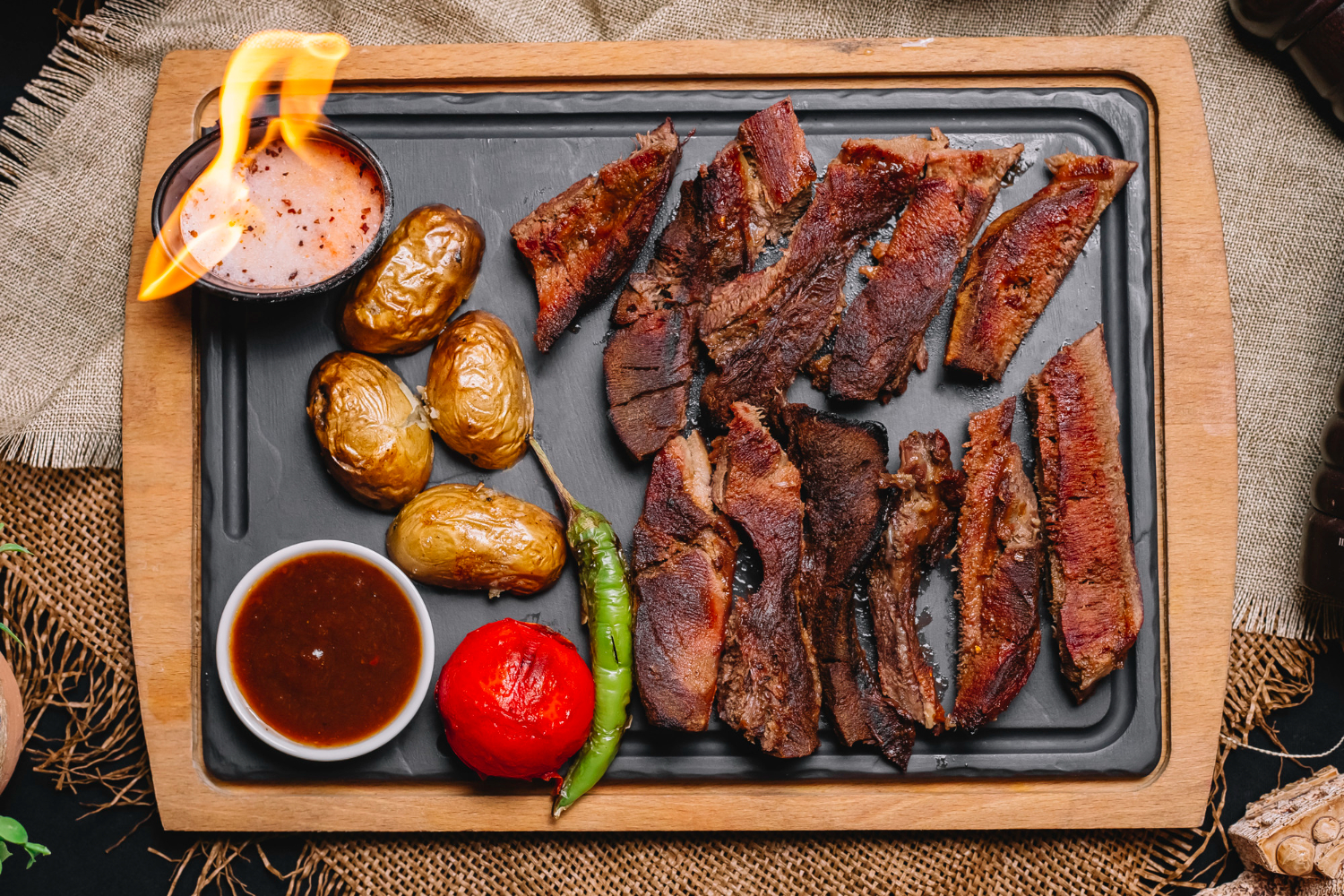
Texas built its barbecue reputation on slow-smoked brisket. Central Texas style keeps it simple.
Texas has staked its culinary reputation on barbecue, and specifically on brisket, a tough cut of beef transformed through hours of slow smoking over wood into a tender, deeply flavorful centerpiece. Central Texas style keeps seasoning simple, often just salt and pepper, letting the smoke and the meat’s quality do the work. A good brisket, sliced to reveal its signature pink smoke ring, is a point of serious local pride. Texas brisket barbecue defines the state’s food culture, a dish whose smoky, unpretentious excellence reflects the vast cattle country and pitmaster traditions at the heart of Texan identity.
4. Maryland: Crab Cakes
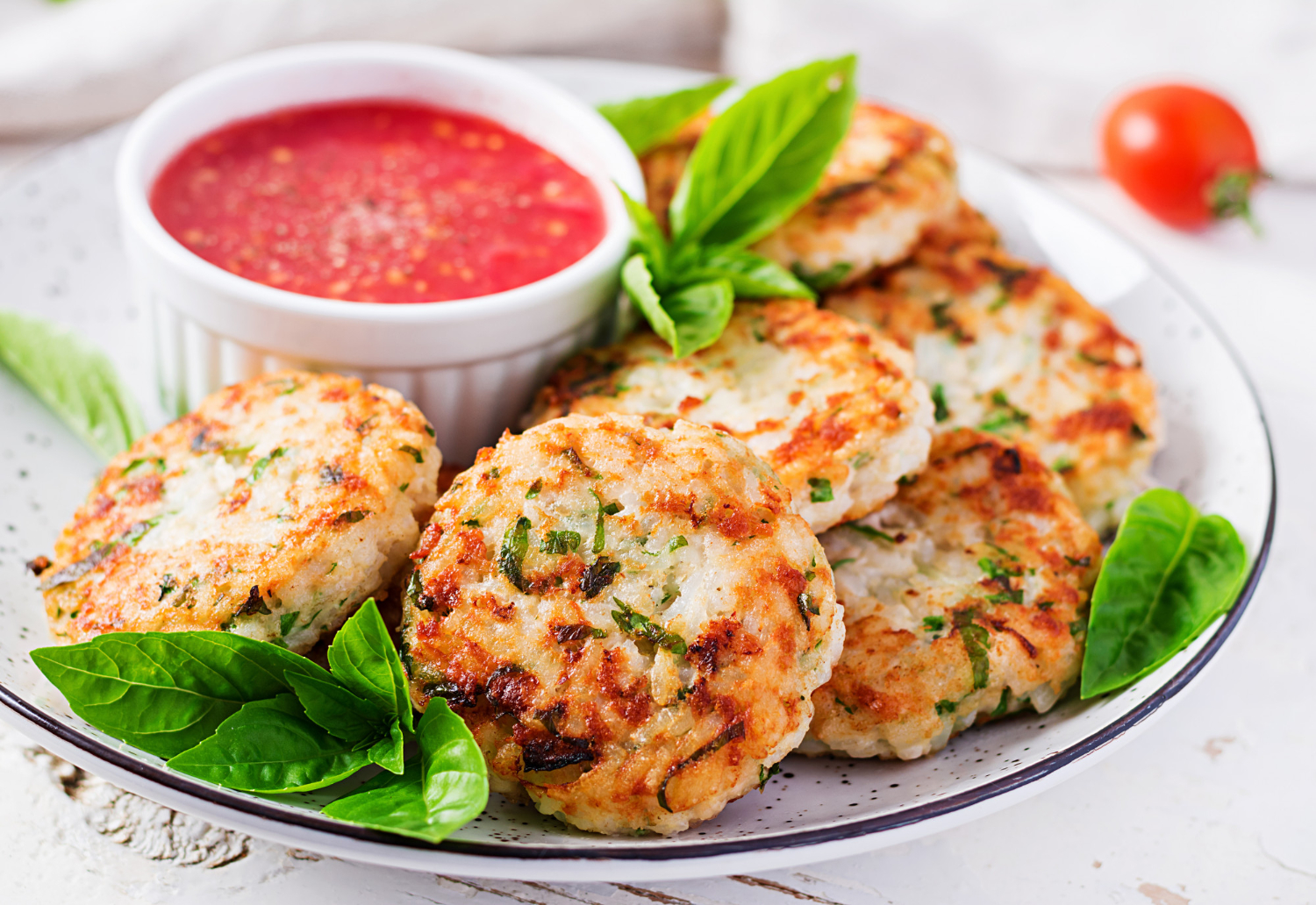
Maryland’s Chesapeake Bay yields prized blue crab. Crab cakes showcase it with minimal filler.
Maryland’s Chesapeake Bay has long been famous for its blue crab, and the state’s signature dish, the crab cake, celebrates it with as little filler as possible, just lump crab meat bound lightly with breadcrumbs, egg, and Old Bay seasoning, then pan-fried or broiled. A great Maryland crab cake is judged by how much crab, and how little else, it contains. It’s a matter of serious local debate. Maryland’s crab cake defines the state’s culinary identity, a dish built around prized local seafood that reflects the deep connection between Marylanders and the bountiful waters of the Chesapeake.
5. Wisconsin: Cheese Curds
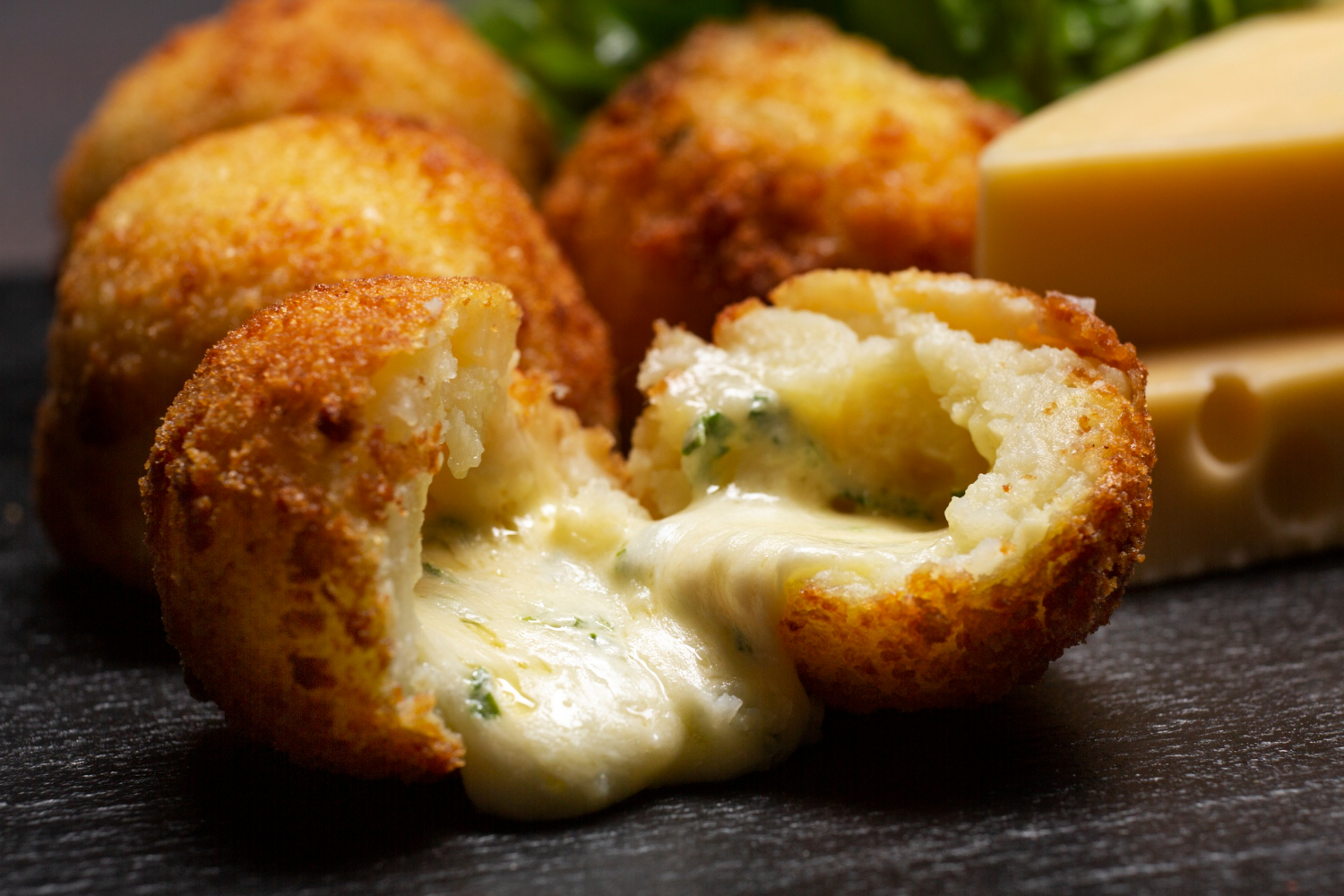
Wisconsin’s dairy heritage produces squeaky fresh cheese curds. They’re often fried for extra indulgence.
Wisconsin’s deep dairy heritage, and its nickname as America’s Dairyland, finds its most beloved expression in cheese curds, fresh, squeaky bites of curdled cheese often served plain or breaded and deep-fried into a crispy, gooey treat. The distinctive squeak against your teeth is a sign of true freshness. Cheese curds are sold everywhere from farmers markets to state fairs. Wisconsin’s cheese curds capture the essence of the state’s identity, a simple, joyful dairy snack that reflects the agricultural pride and cheesemaking craftsmanship that Wisconsin has built its reputation on for generations.
6. Georgia: Peach Cobbler
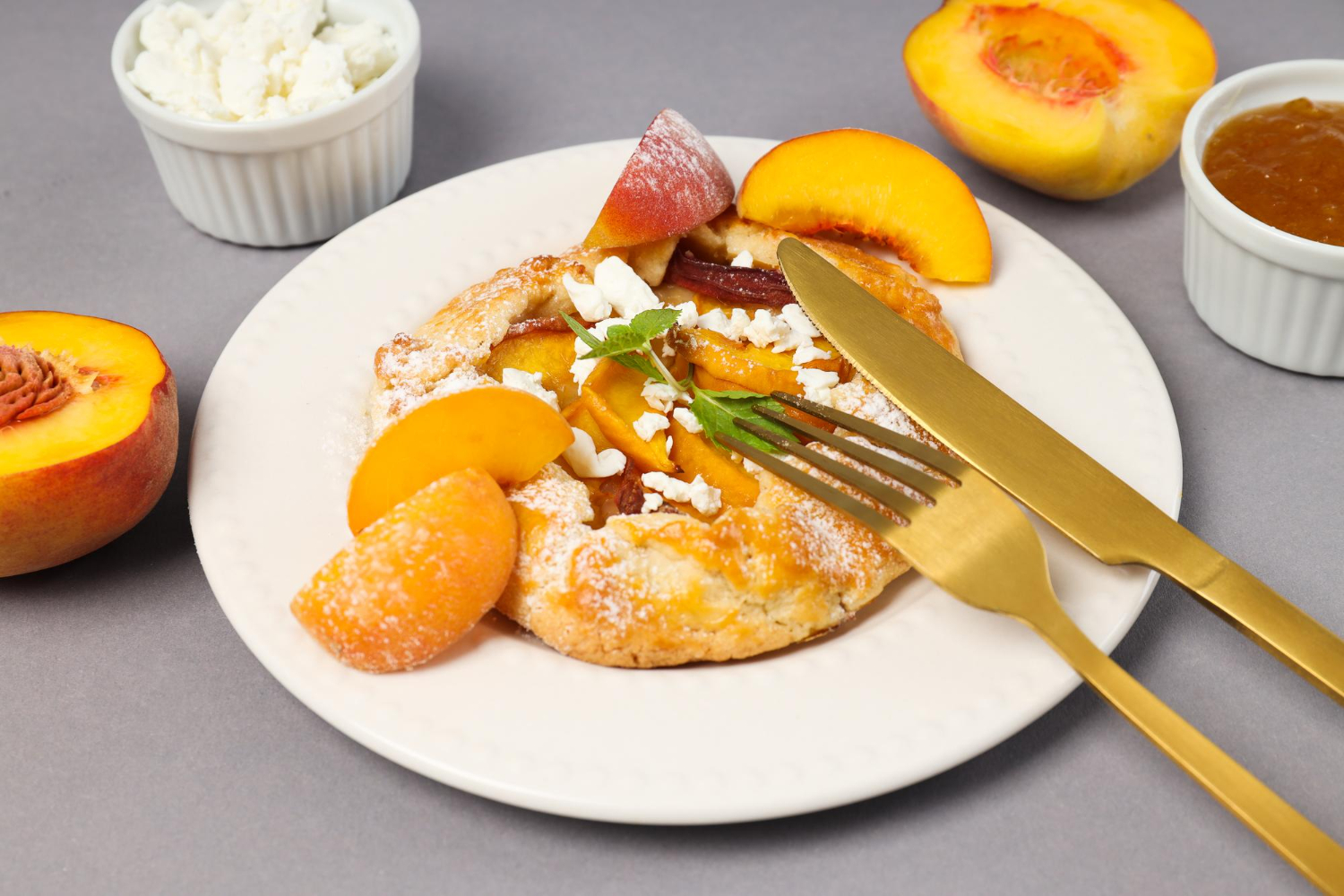
Georgia’s peach orchards inspired its beloved dessert. Warm cobbler is a summer staple.
Georgia has long been known as the Peach State, and its signature dessert, peach cobbler, celebrates the fruit in its warmest, most comforting form, sweet, juicy peaches baked beneath a buttery biscuit or pastry topping, often served warm with a scoop of vanilla ice cream. Summer peach season brings the dish to tables across the state. It’s a taste of Southern hospitality itself. Georgia’s peach cobbler defines the state’s culinary identity, a warm, homey dessert built around its most famous crop that captures the sweetness and comfort at the heart of Southern cooking traditions.
7. Illinois: Deep-Dish Pizza
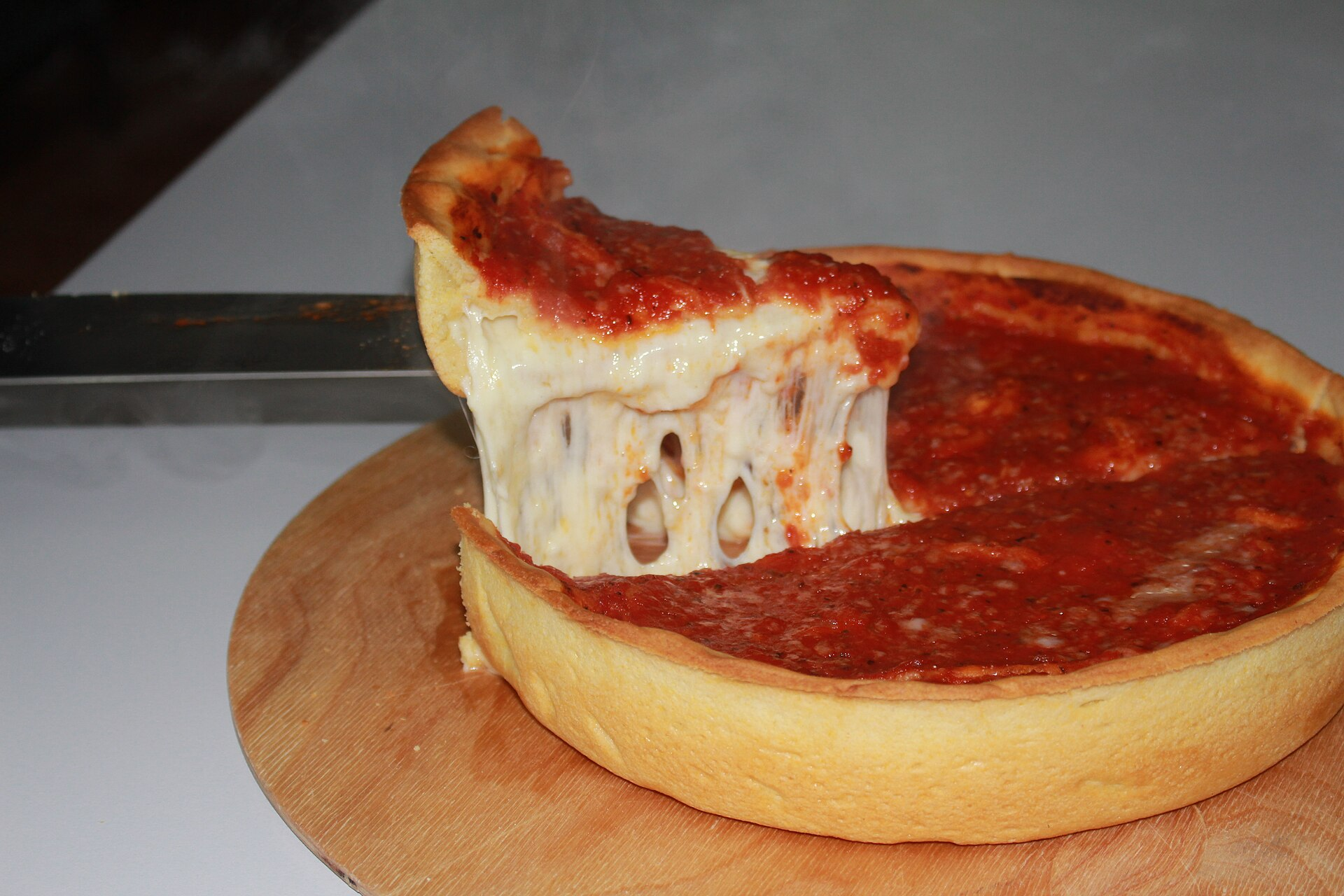
Chicago’s deep-dish pizza is a meal in itself. Its thick crust holds layers of cheese and sauce.
Illinois, and Chicago in particular, gave the world deep-dish pizza, a hearty, knife-and-fork creation built in a tall, buttery crust that holds thick layers of cheese, chunky tomato sauce, and toppings, baked until the crust turns golden and crisp. It’s less a slice than a full meal, often taking longer to bake than a traditional pizza. The reversed layering, sauce on top, is a defining trademark. Illinois’s deep-dish pizza defines the state’s food identity, a bold, substantial reinvention of pizza that reflects Chicago’s reputation for hearty, no-nonsense, larger-than-life cuisine.
8. Tennessee: Nashville Hot Chicken
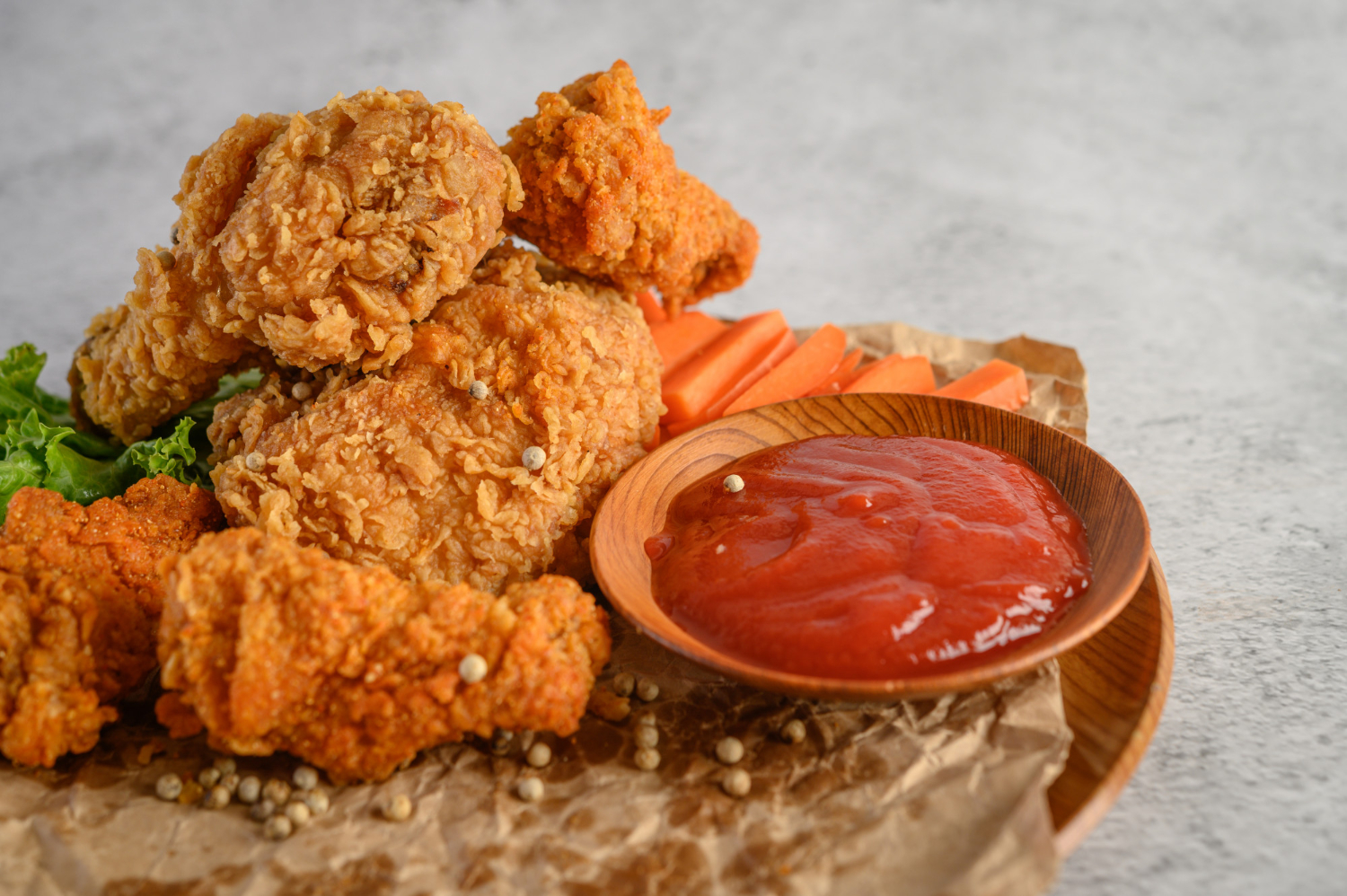
Nashville’s fiery fried chicken has gone national. Its cayenne kick started as local legend.
Tennessee’s Nashville has given American food culture one of its most fiery exports, Nashville hot chicken, fried chicken coated in a blazing cayenne pepper paste and traditionally served on white bread with pickle slices to help cut the heat. Local legend traces its origins to a jilted lover’s revenge dish that became beloved instead of despised. Its popularity has since spread nationwide. Nashville hot chicken defines Tennessee’s culinary reputation, a bold, fiery dish born from local legend that has grown from a neighborhood specialty into one of the state’s most recognized culinary exports.
9. New Mexico: Green Chile
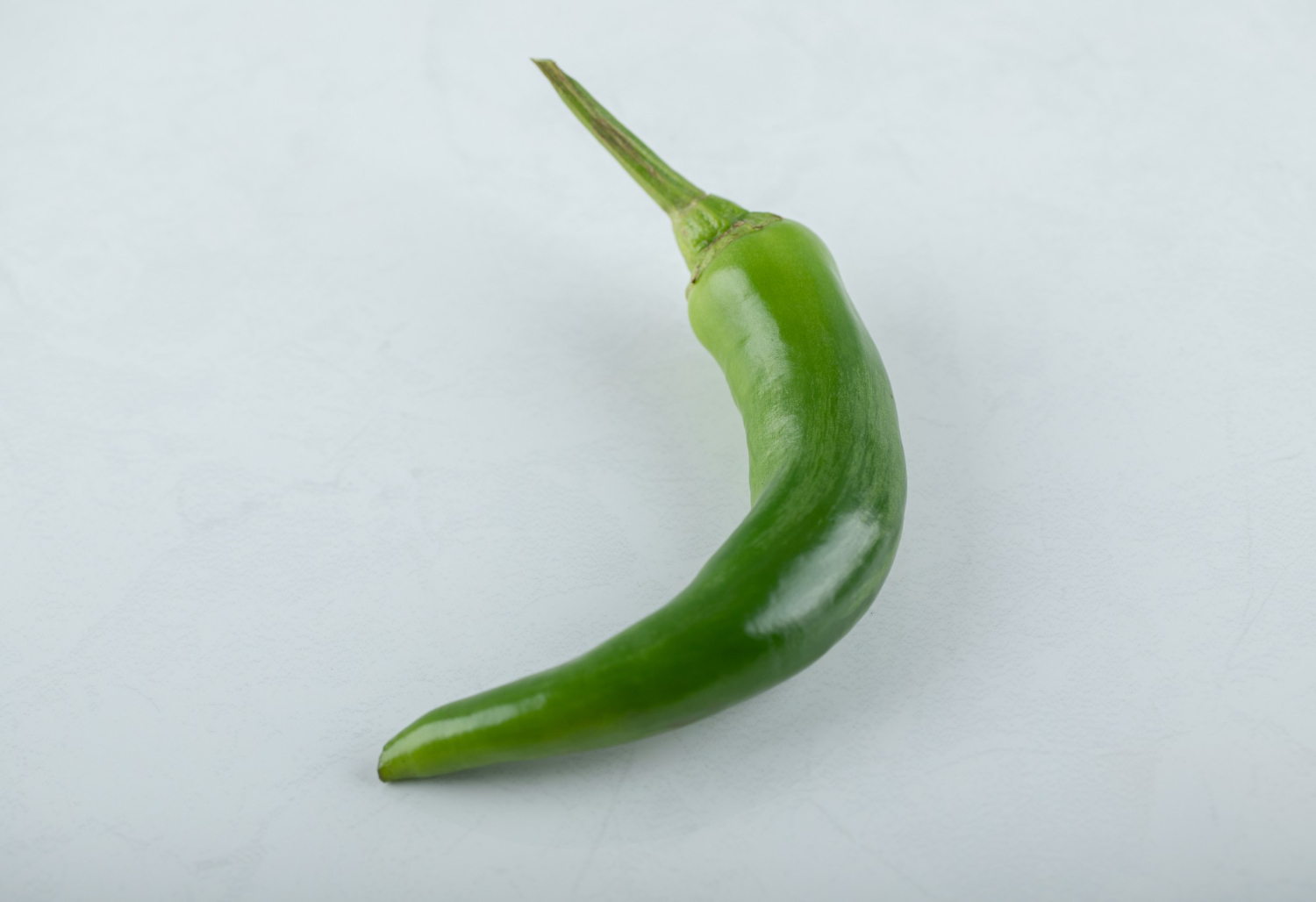
New Mexico’s official state question involves chile. Roasted green chile flavors nearly everything.
New Mexico takes its chile so seriously that “red or green?” is officially the state question, asked at nearly every restaurant to determine how a dish will be topped. Roasted Hatch green chile, smoky and earthy with a range of heat levels, gets folded into everything from burgers and eggs to the state’s distinctive enchiladas. The chile is a genuine point of statewide identity. New Mexico’s green chile defines the state’s culinary soul, a signature ingredient so central to local cuisine that it has effectively become the flavor most associated with the entire state.
10. Hawaii: Poke
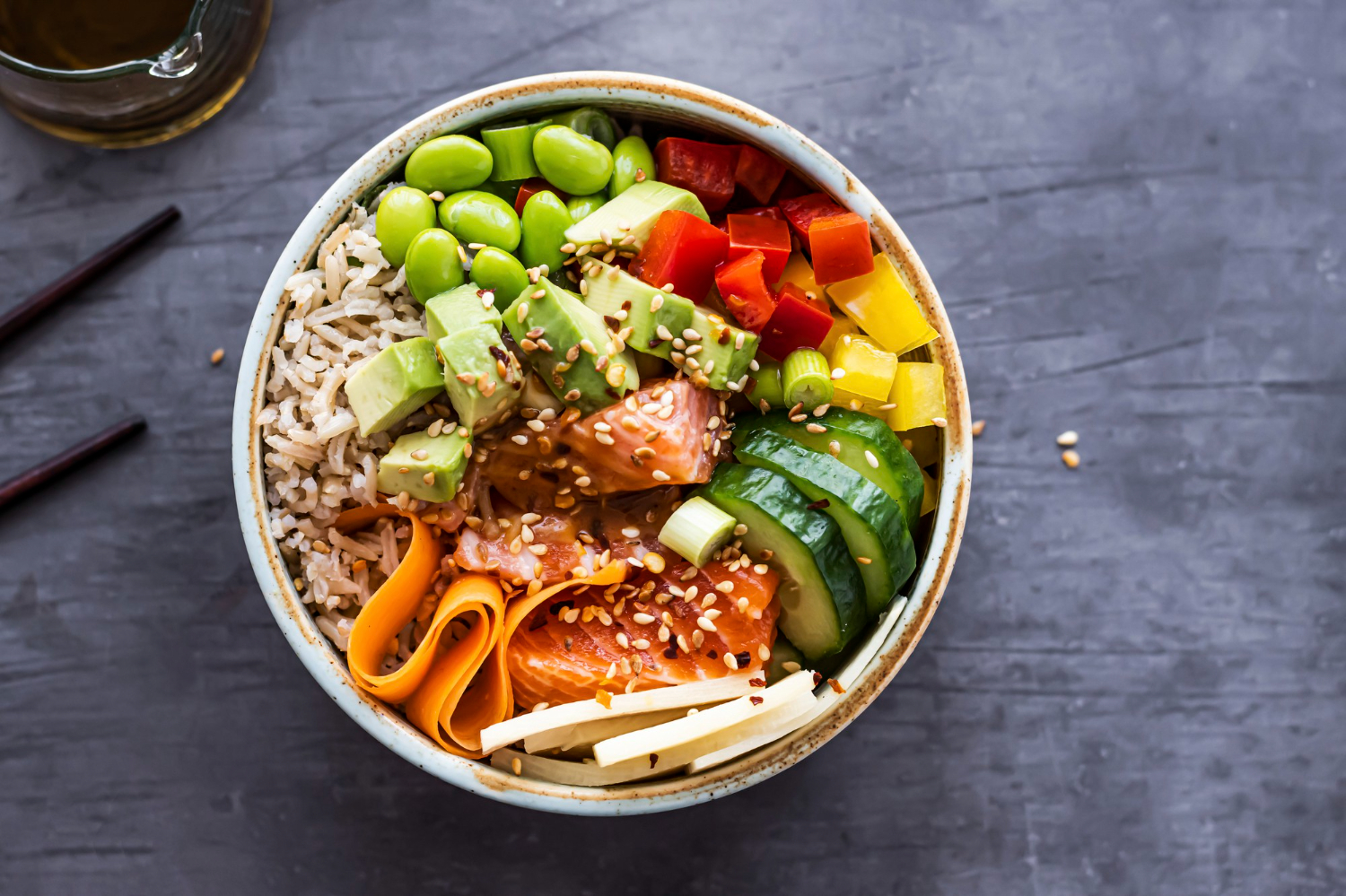
Hawaii’s poke turns fresh raw fish into a beloved local dish. It reflects the islands’ Pacific heritage.
Hawaii’s poke, cubed raw fish, traditionally ahi tuna, marinated in soy sauce, sesame oil, and seasonings, then served over rice, reflects the islands’ deep connection to the surrounding Pacific and its blend of Native Hawaiian, Japanese, and other Pacific culinary traditions. Found everywhere from grocery store counters to dedicated poke shops, it’s a genuine daily staple. Its popularity has spread well beyond the islands. Hawaii’s poke defines the state’s food identity, a fresh, simple dish rooted in local fishing traditions that captures the islands’ unique cultural fusion and deep bond with the ocean.
11. Vermont: Maple Syrup

Vermont leads the nation in maple syrup production. It flavors far more than just pancakes.
Vermont produces more maple syrup than any other U.S. state, a tradition rooted in its dense sugar maple forests and generations of family-run sugarhouses that tap trees each spring. Beyond pancakes and waffles, Vermont maple syrup flavors everything from baked beans to barbecue glazes and candy. The annual sugaring season is practically a statewide celebration. Vermont’s maple syrup defines the state’s agricultural and culinary identity, a naturally sweet product deeply tied to its forests and seasons that has become inseparable from how the rest of the country pictures Vermont itself.
12. Pennsylvania: The Cheesesteak
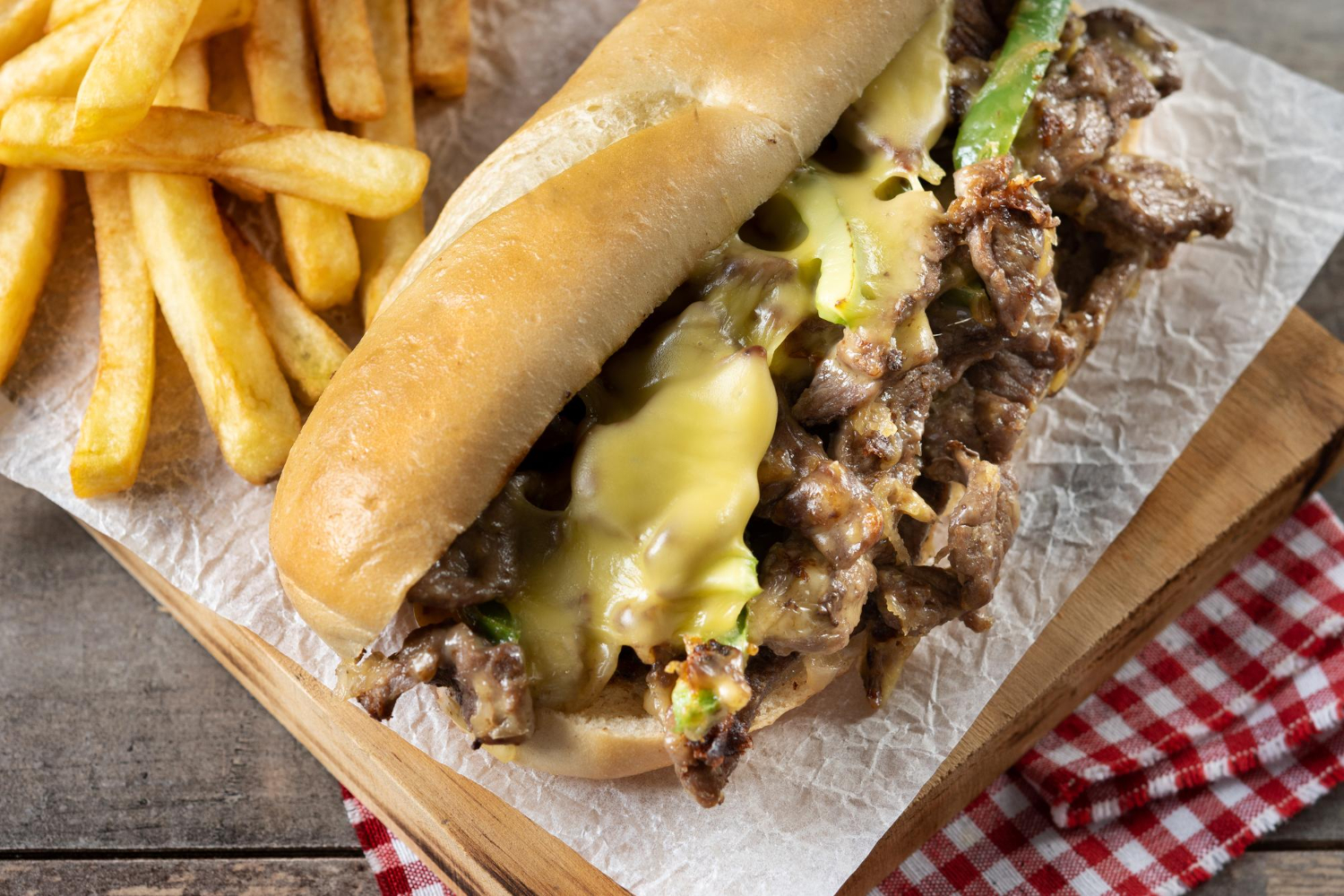
Philadelphia’s cheesesteak is a beloved sandwich icon. Rival shops fuel friendly local debate.
Pennsylvania, and Philadelphia specifically, gave America the cheesesteak, thin-sliced beef griddled with onions and topped with melted cheese, piled into a long hoagie roll. Rival shops have fueled decades of passionate, friendly debate over whose version reigns supreme, and ordering one correctly, “whiz wit” or without, is practically a local rite of passage. It’s a genuine point of civic pride. Pennsylvania’s cheesesteak defines the state’s culinary reputation, a hearty, unpretentious sandwich born on Philadelphia street corners that has become one of the most instantly recognizable regional foods in the entire country.
A Delicious Map of America
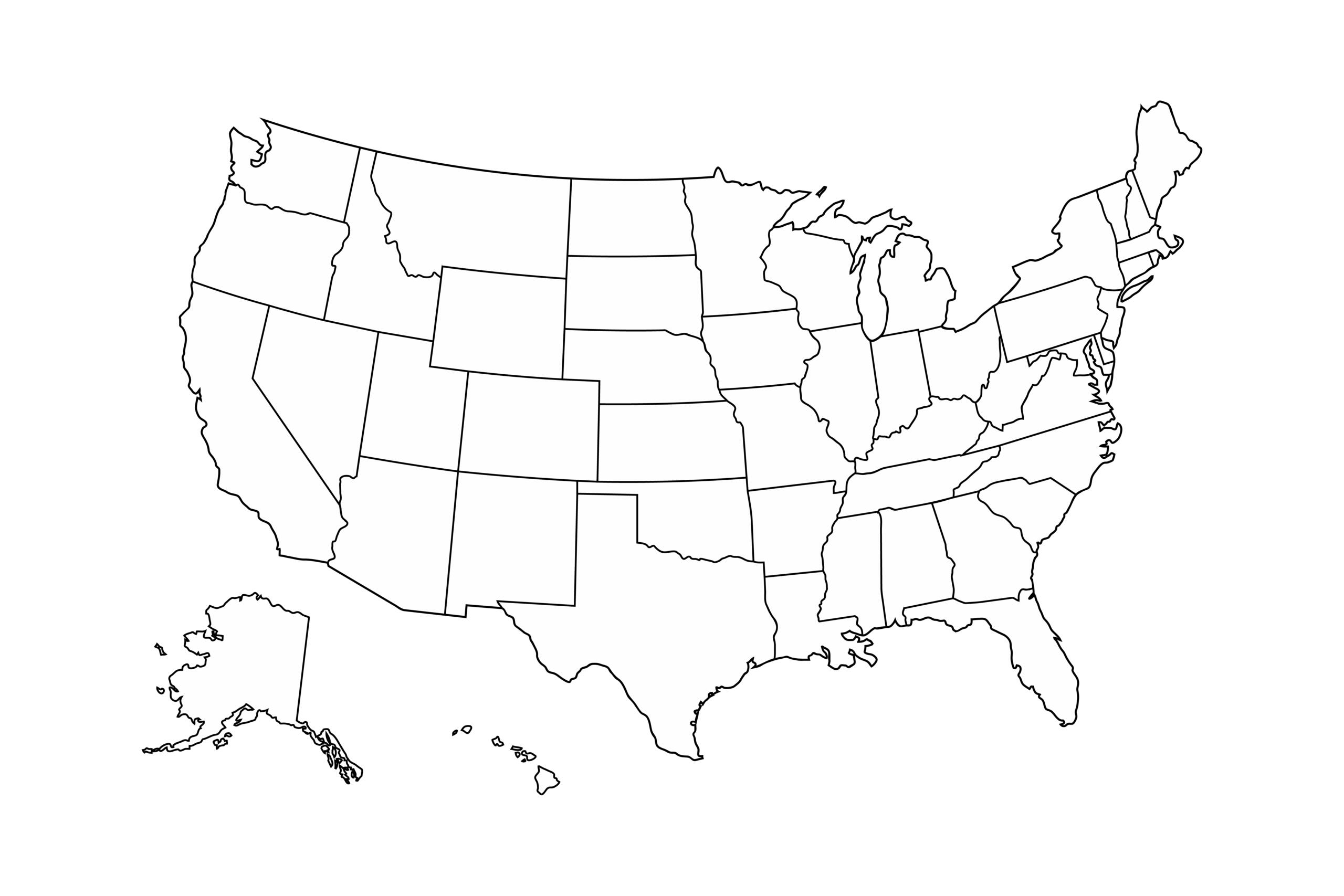
Taken together, these twelve dishes offer a delicious map of America, each one shaped by local geography, history, and generations of tradition. From Maine’s coastal lobster rolls to Hawaii’s Pacific-inspired poke, these foods show how deeply regional identity and cuisine remain intertwined across the country.
What makes these dishes so enduring is how closely they’re tied to the land, climate, and culture that produced them, coastal seafood, dairy country, chile-growing high desert, or maple-forested hills. Trying the signature dish of a state you’re visiting is one of the simplest and most rewarding ways to connect with a place. Whether you’re planning a cross-country food tour or just curious about the culinary identity of your own home state, these twelve dishes are a delicious reminder that America’s food culture is really fifty distinct stories, each one worth savoring.
Like our content? Follow us for more.