
Milk is one of those grocery staples most of us toss into the cart on autopilot, but a little attention at the store can save you from pouring sour milk down the drain days early. Dairy is perishable and sensitive to temperature, handling, and timing, and there are several telltale red flags that signal a carton you should put back. Knowing what to look for helps you bring home milk that stays fresh longer and tastes better. Here’s a practical guide to the warning signs to watch for when buying milk at the grocery store, simple checks that take seconds but can spare you waste, disappointment, and an unpleasant surprise in your morning coffee.
Red Flag: Grabbing the Front Carton
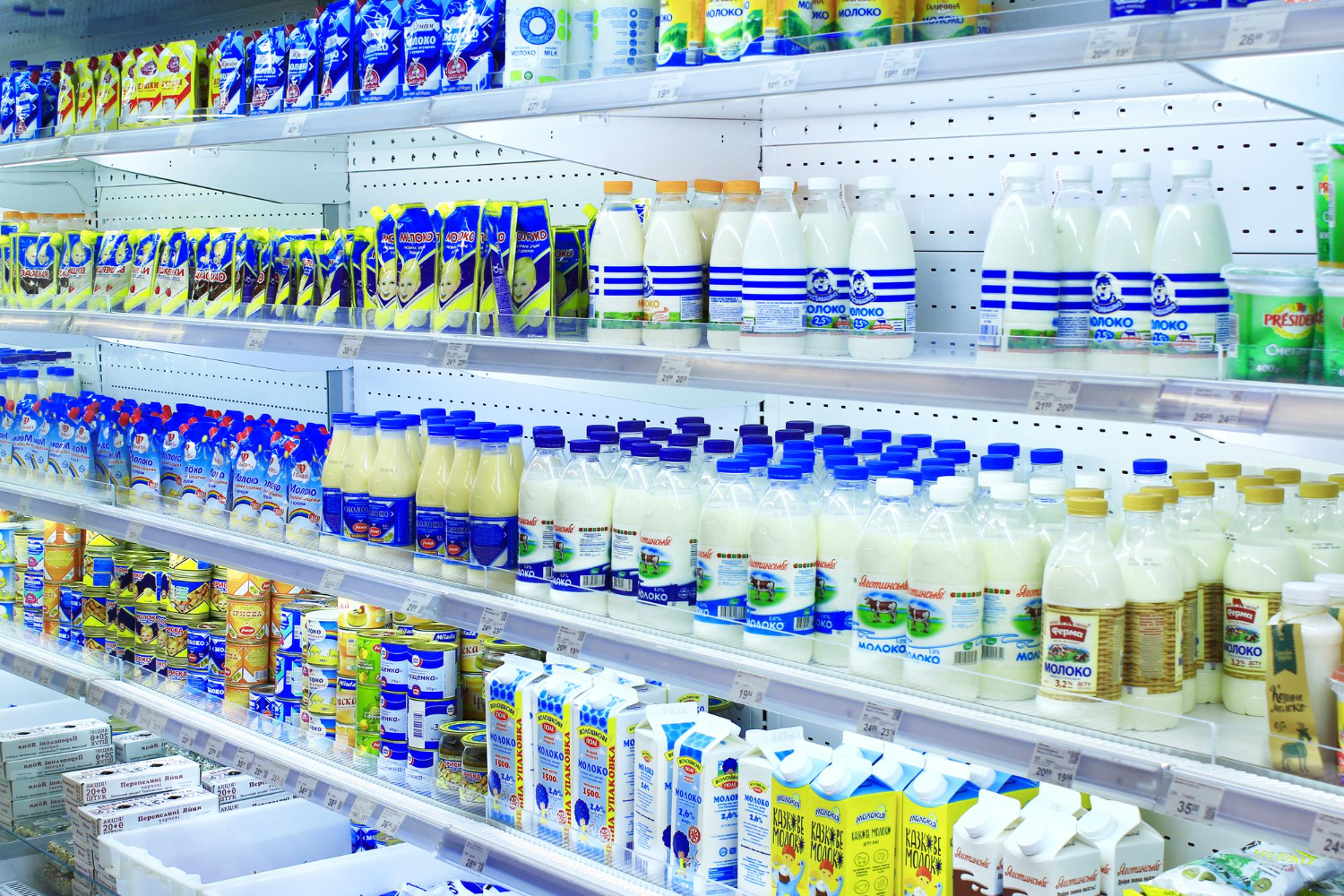
The single most common mistake shoppers make is reaching for the milk at the very front of the shelf. Stores practice stock rotation, placing the oldest cartons, those closest to their date, right up front so they sell first, while the freshest milk is stocked behind them. If you simply grab the most convenient carton, you’re often taking home the one with the least time left. The fix is easy: reach toward the back of the shelf, where the more recently stocked, later-dated milk usually lives. This one small habit can add days of freshness to your purchase, and it works for many other perishable items, too.
Like our content? Follow us for more.
Red Flag: Not Checking the Date

It sounds obvious, but plenty of people never actually look at the date before buying. Always check the date printed on the carton and choose the one with the latest date available, giving you the most time to use it at home. Keep in mind that on milk this is typically a “sell by” date meant for the store rather than a strict safety cutoff, properly refrigerated milk is often fine for several days beyond it, but starting with the freshest date still maximizes your window. Comparing dates across a few cartons takes seconds and is the most reliable way to avoid bringing home milk that’s already near the end of its run.
Red Flag: Milk That Isn’t Cold Enough

Temperature is everything with dairy. Before placing a carton in your cart, give it a quick feel: it should be genuinely cold, not cool or lukewarm. Milk that isn’t being kept sufficiently chilled has likely been sitting in a warm spot or a struggling cooler, which accelerates spoilage and shortens its life dramatically, regardless of the date. If the cartons feel less than properly cold, that’s a clear signal to skip them. Truly fresh, well-handled milk comes out of the case noticeably chilly. This simple touch test is one of the best ways to gauge whether the store has been storing its dairy the way it should.
Red Flag: Cartons Stacked Too High in the Case
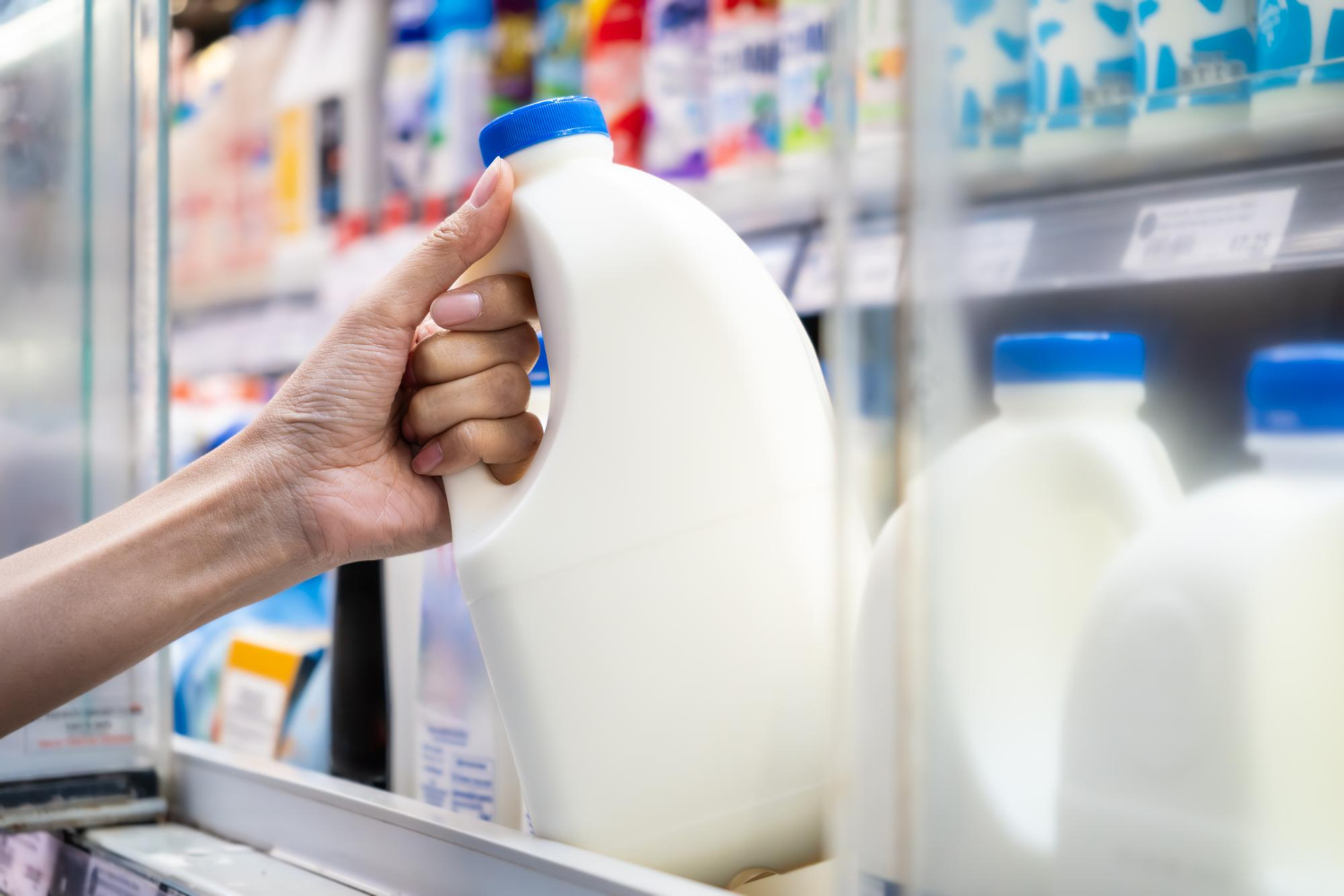
Take a look at how the milk is arranged in the cooler. Refrigerated cases have a “load line”, a marked limit indicating how high products can be stacked while still staying properly cold. Milk piled above that line, or spilling out toward the front edge of an open case, may not be getting enough cold air circulation to stay at a safe, fresh temperature. Cartons crammed too high or sitting proud of the case are a subtle red flag that the milk could be warmer than ideal. When you can, choose cartons stored well within the cold zone of the case rather than those perched at the top of an overfilled stack.
Red Flag: A Bloated or Swollen Carton
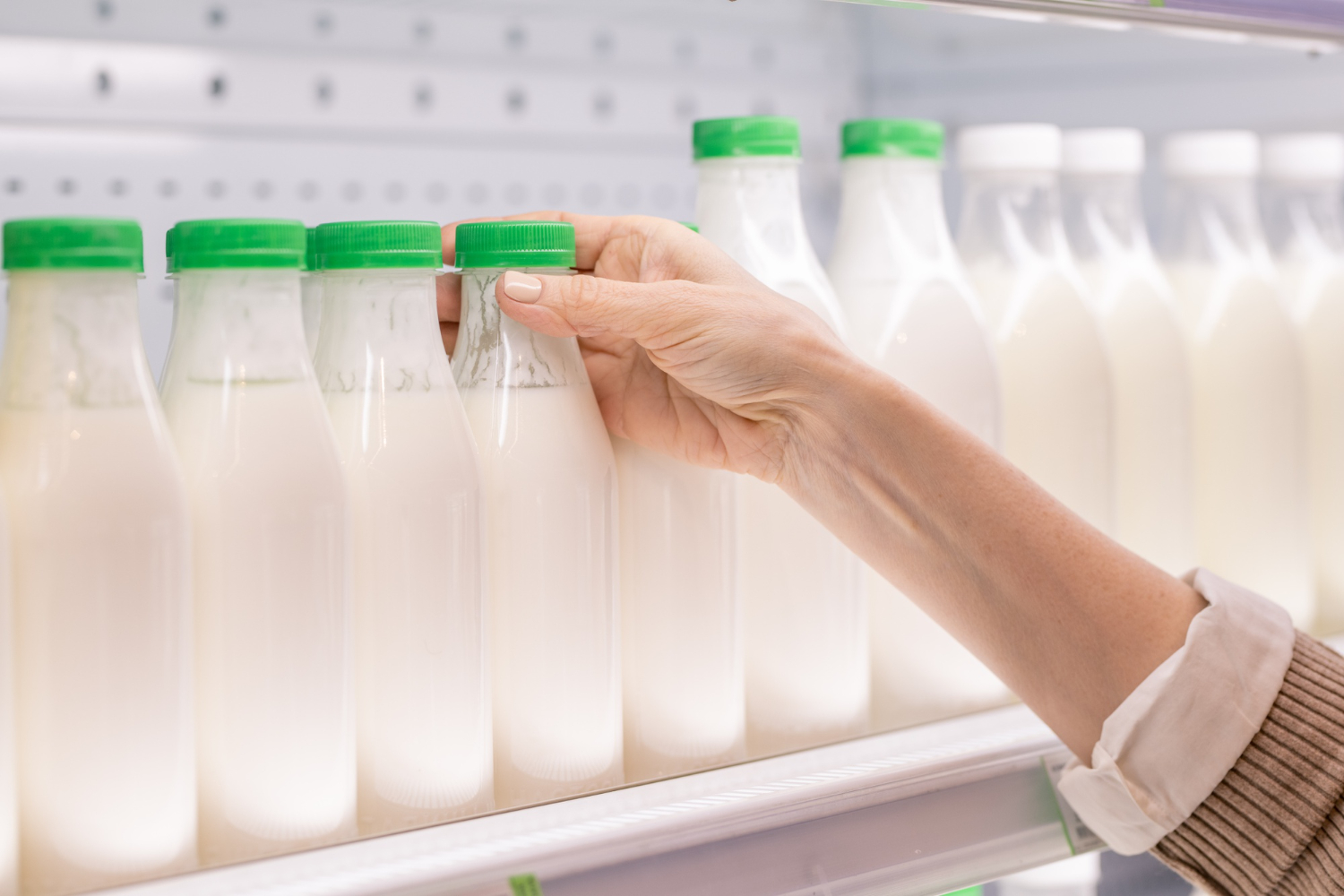
Inspect the shape of the carton or jug before buying. A container that looks bloated, swollen, or bulging is a serious warning sign, it can indicate that bacteria are already active inside and producing gas, meaning the milk has begun to spoil even before you’ve opened it. Fresh milk packaging should look normal and feel firm, not taut or ballooned. If you spot a puffed-up carton, leave it on the shelf and alert a store employee if you can. This is one of the clearest red flags that a carton has gone bad, and it’s a strong sign to check the others around it carefully, too.
Red Flag: Leaks, Drips, or Sticky Residue

Scan for any signs of leakage. A carton that’s damp, dripping, or has sticky, dried residue on the outside may have a compromised seal or a small puncture, which can let in air and bacteria and lead to faster spoilage and contamination. Sticky shelves or puddles in the case are also a hint that a nearby container has leaked. Always choose a clean, dry, fully intact carton with no signs of damage. A breached package is a direct route to milk that sours quickly or isn’t safe, so it’s well worth taking the extra second to make sure the one you pick is sealed and spotless.
Red Flag: Damaged or Dented Packaging

Beyond leaks, give the packaging a general once-over for dents, crushing, or other damage. A dented jug or a crushed carton corner can indicate rough handling that may have weakened the seal or container integrity, potentially letting in air and shortening the milk’s life. While a minor cosmetic ding isn’t always a dealbreaker, noticeably damaged packaging is best avoided in favor of a pristine carton. Sturdy, undamaged packaging helps ensure the milk inside has been protected from contamination and stays fresher longer. It’s the same principle as choosing unblemished produce: intact packaging is a good proxy for a product that’s been well cared for.
Red Flag: An Off Smell or Look (If You Can Check)

While you usually can’t open milk in the store, you can put these senses to work the moment you get home, and it’s worth doing before the carton goes in the fridge or your glass. Fresh milk should smell clean and faintly sweet and look smooth and uniformly white. Any sour or unpleasant odor, a yellowish tinge, lumps, or a curdled, separated texture are clear signs the milk has spoiled and should be discarded. Trusting your nose and eyes is the ultimate test, overriding any date on the carton. If something smells or looks off, don’t taste it to confirm, just toss it and reach for a fresh carton.
Smart Habits for Fresher Milk at Home

Bringing home good milk is only half the battle, how you handle it matters too. Get milk into the refrigerator promptly after shopping, especially in warm weather, and consider using an insulated bag for the trip home. Store milk in the main body of the fridge, on a shelf rather than in the door, where temperatures fluctuate every time it’s opened. Keep your refrigerator at or below 40°F, and always reseal the carton tightly. Pour what you need and return the carton to the cold quickly rather than leaving it out. These simple storage habits, combined with smart choices at the store, help your milk stay fresh and tasty right down to the last glass.
A Few Seconds Well Spent
None of these checks take more than a moment, but together they can dramatically improve the milk you bring home. Reach to the back for the latest date, make sure the cartons are genuinely cold and properly stacked, and inspect for bloating, leaks, and damage before you buy. Then handle and store your milk well once you’re home. With a little attention, you’ll waste less, save money, and enjoy fresher milk that lasts. The next time you’re in the dairy aisle, slow down for just a few seconds, your future self, reaching for milk that’s still perfectly fresh days later, will thank you.
Like our content? Follow us for more.