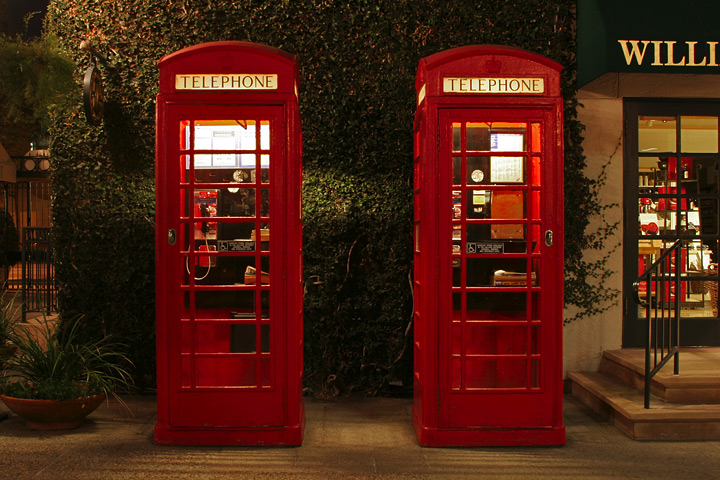
Before cell phones put a telephone in every pocket, the pay phone was a lifeline, standing on street corners, in restaurant lobbies, and inside iconic glass booths, ready whenever you needed to make a call away from home. Making a call meant carrying the right change, a small daily calculation that today’s smartphone generation never has to think about. From the coin slot to the tangled cord, the pay phone had a whole set of rituals and quirks all its own. Here are twelve things every American remembers about using a pay phone, counted down one by one.
1. Always Carrying a Pocketful of Quarters
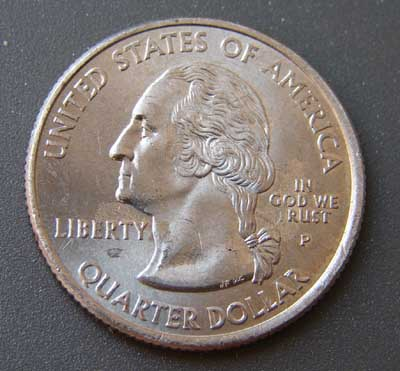
People kept coins on hand for calls. Running out of change was a real problem.
Using a pay phone meant always needing the right change, so people got in the habit of carrying a pocketful of quarters and dimes just in case. Digging through pockets or a purse for enough coins before making a call was a familiar routine, and running dry of change while stranded somewhere was a genuine minor crisis. The coins were essential currency. Always carrying a pocketful of quarters is a defining pay-phone memory, the habit of keeping coins on hand for calls that anyone who grew up before cell phones remembers, a small daily preparation that made using a pay phone possible in the first place.
2. The Iconic Glass and Metal Booth
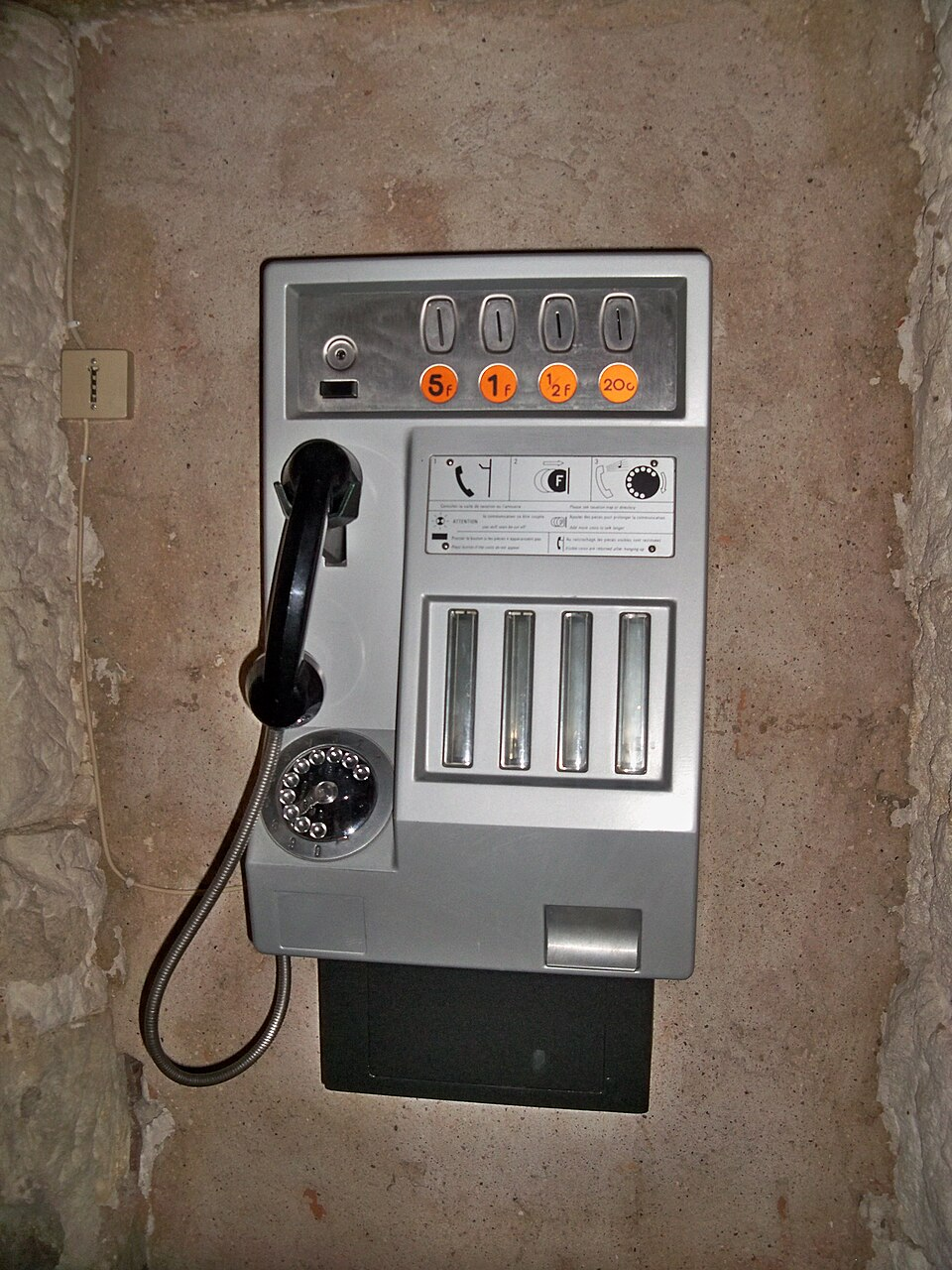
Many pay phones stood in an enclosed booth. It offered a bit of privacy and shelter.
The classic pay phone stood inside an enclosed booth, glass and metal walls offering a bit of privacy and shelter from the noise and weather outside. Stepping into the booth and pulling the door shut, or folding it, felt like entering your own small world for a few minutes. The booth was an unmistakable landmark. The iconic glass and metal booth is a beloved pay-phone memory, the enclosed structure that framed so many calls and became an instantly recognizable feature of American streets, offering a small, self-contained space that made a private conversation possible in a public place.
3. The Heavy, Tangled Metal Cord
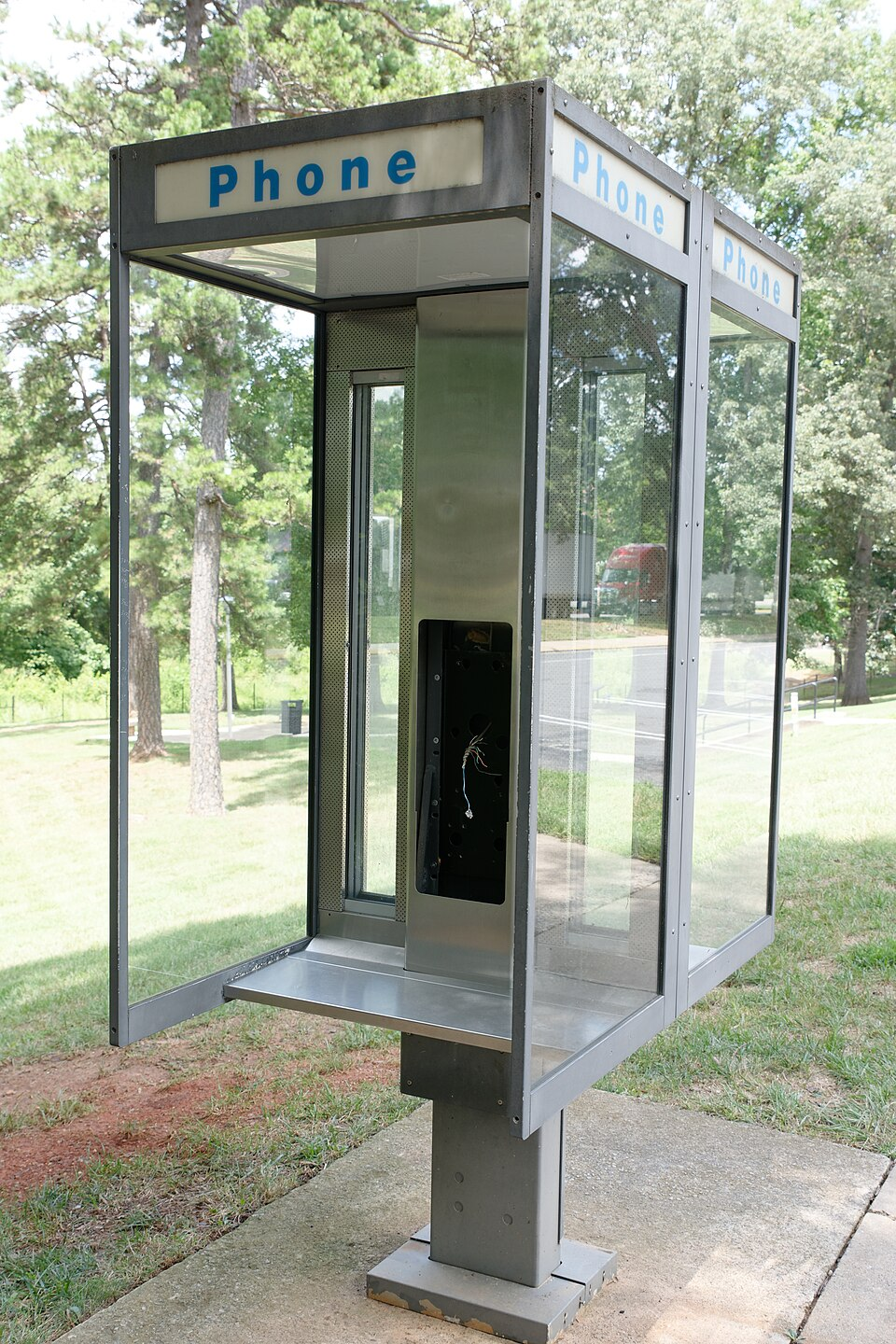
A thick metal cord connected the receiver. It was nearly impossible to vandalize.
The receiver was attached by a heavy, armored metal cord, built tough to withstand constant public use and resist being cut or yanked free. The cord was often twisted and tangled from years of use, requiring a little untangling before you could comfortably hold the receiver to your ear. It was a sturdy, no-nonsense design. The heavy, tangled metal cord is a memorable pay-phone detail, the durable connector built to survive the wear of public use, a small but distinctive feature that anyone who used a pay phone remembers fumbling with before finally getting a clear line to their ear.
4. The Tattered Phone Book Hanging Below
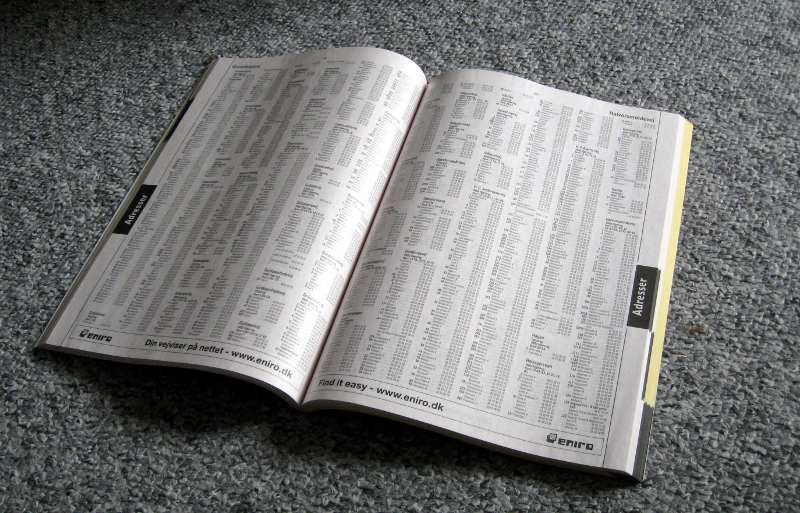
A phone book often hung nearby. Pages were frequently torn or missing.
Beneath many pay phones hung a phone book, chained or tethered in place, its pages yellowed and often torn or missing entirely from heavy use. Flipping through the tattered directory to find a number, hoping the page you needed hadn’t been ripped out, was a familiar and occasionally frustrating task. The book was a public resource, worn from constant handling. The tattered phone book hanging below is a classic pay-phone memory, the shared, well-used directory that helped callers find numbers on the spot, a resource that reflected just how central pay phones once were to everyday communication.
5. Depositing Coins and Listening for the Tone
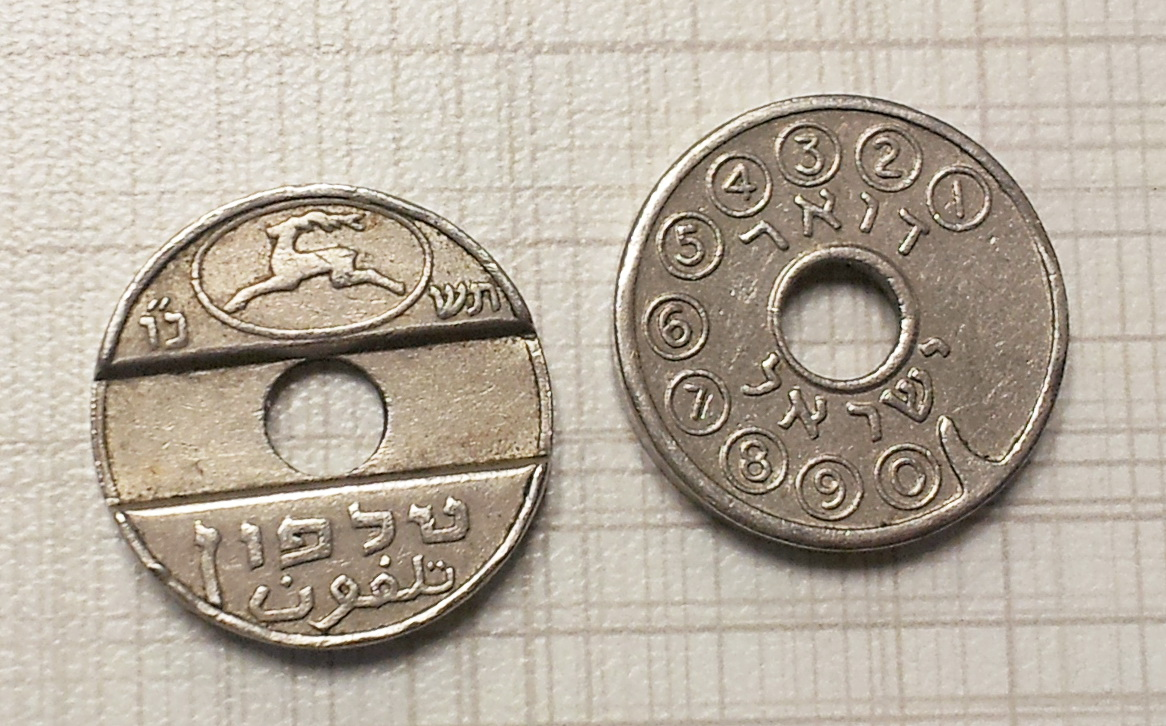
Coins clinked into the slot before dialing. A tone confirmed you could proceed.
Making a call started with depositing coins into the slot, listening to them clink down inside the machine, and waiting for a dial tone or prompt confirming you’d paid enough to proceed. The ritual of feeding coins in, sometimes fumbling to add more mid-call, was a distinctive part of the experience. Getting the amount right mattered. Depositing coins and listening for the tone is a defining pay-phone ritual, the process of paying to place a call that shaped the very rhythm of using the phone, a small transaction that made every call a conscious decision, unlike the unlimited calling most people are used to today.
6. The Operator’s Voice for Extra Time
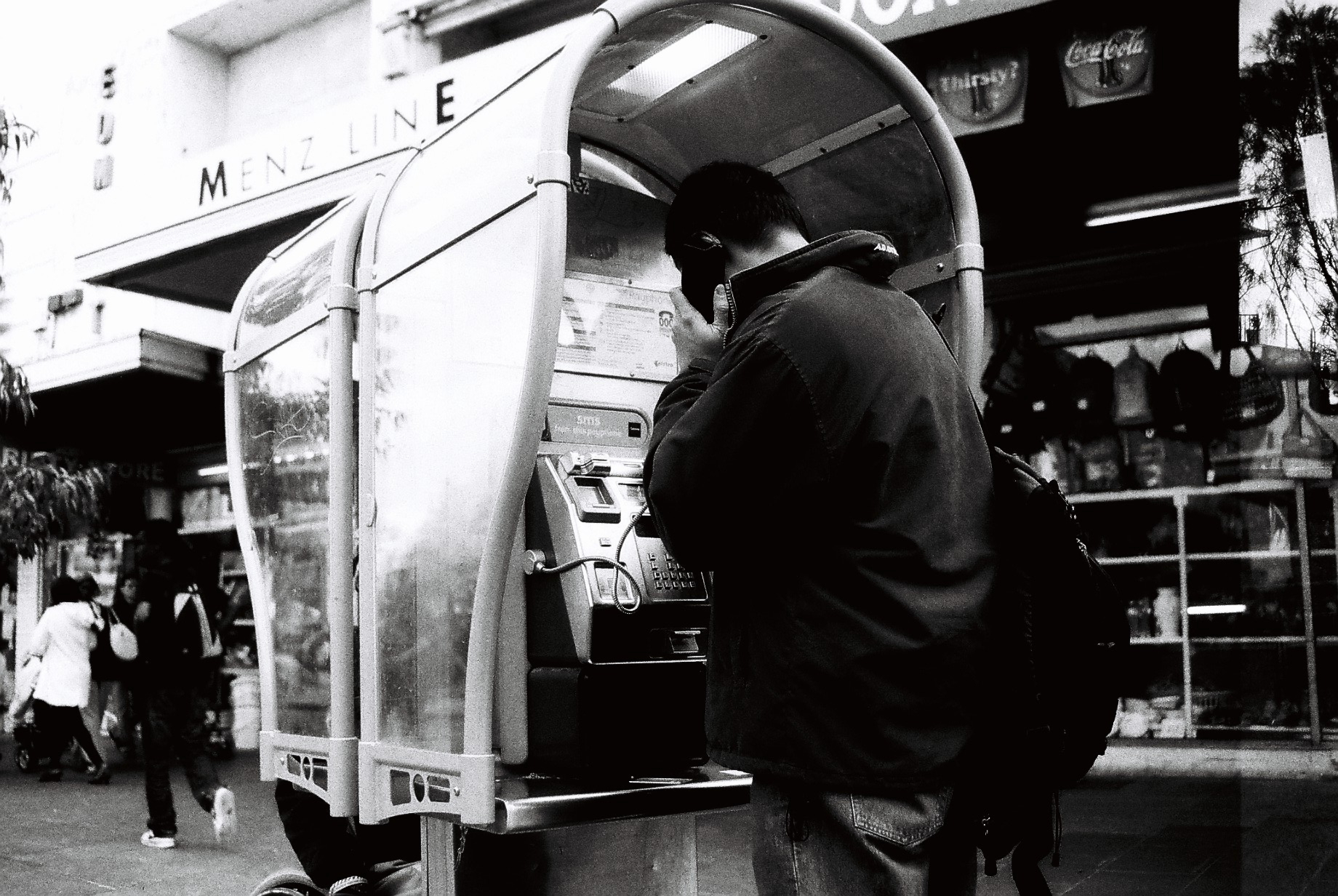
An operator often announced when more money was due. Adding coins mid-call was routine.
Longer calls often triggered an automated or live operator’s voice breaking in to announce that more money was needed to continue, prompting a scramble to feed additional coins into the slot before the line went dead. Hearing that interruption mid-conversation was a familiar, slightly stressful part of a longer call. It kept an eye on the clock for you. The operator’s voice for extra time is a memorable pay-phone experience, the periodic reminder to pay up that punctuated longer conversations, a built-in metering system that made every extended call a small negotiation with the coin slot.
7. Calling Collect When You Ran Out of Change
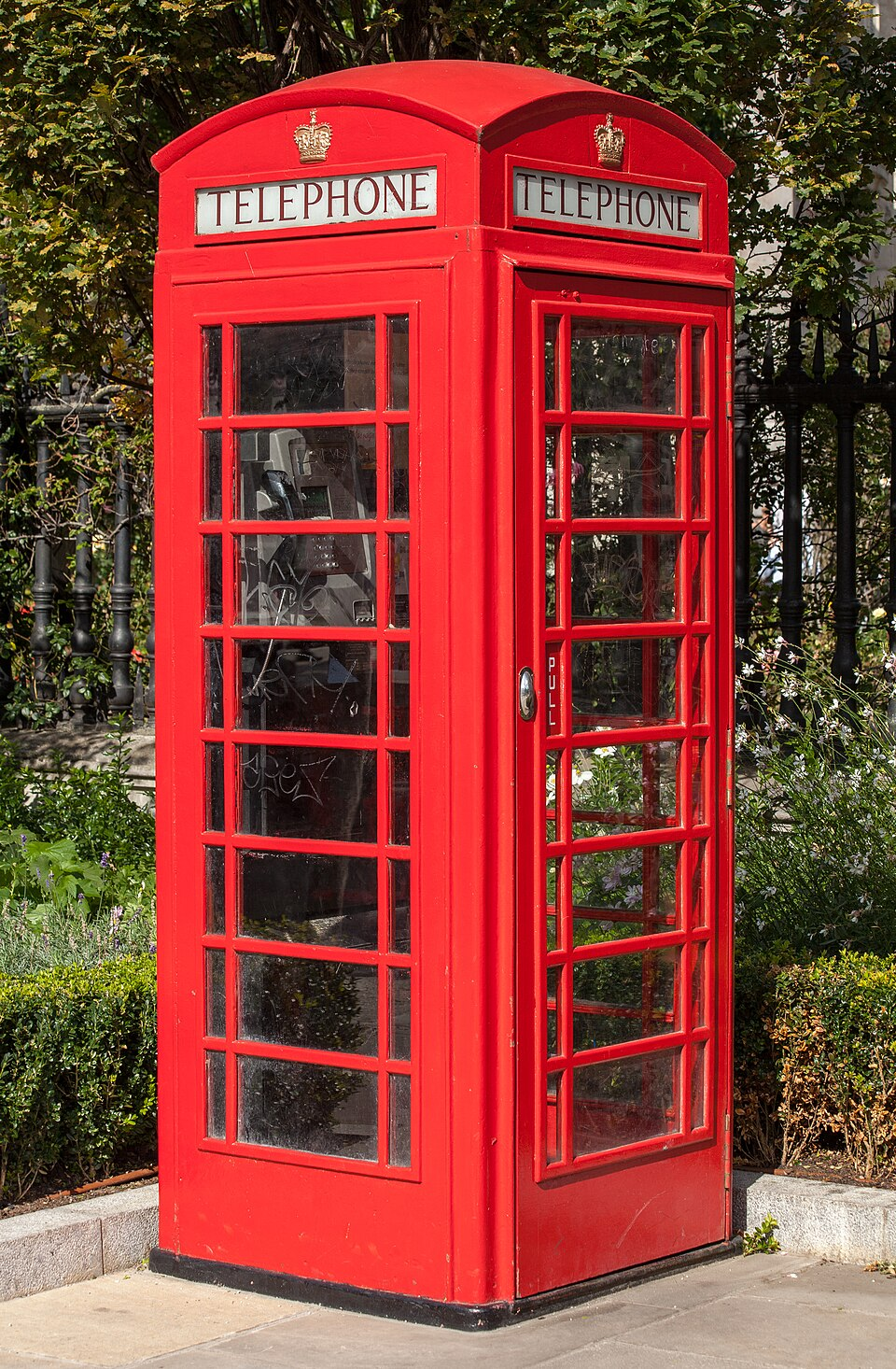
Out of coins, callers could reverse the charges. It required the other person to accept.
When you ran out of change, there was always the option to call collect, asking an operator to connect you while the person on the other end agreed to pay for the call. It was the classic backup plan for stranded travelers, kids calling for a ride, or anyone caught without cash. The collect call was a familiar safety net. Calling collect when you ran out of change is a well-remembered pay-phone option, the reverse-charge system that saved many a caller in a pinch, a clever workaround that let a conversation happen even when the coin slot had nothing left to give.
8. Memorizing Phone Numbers by Heart
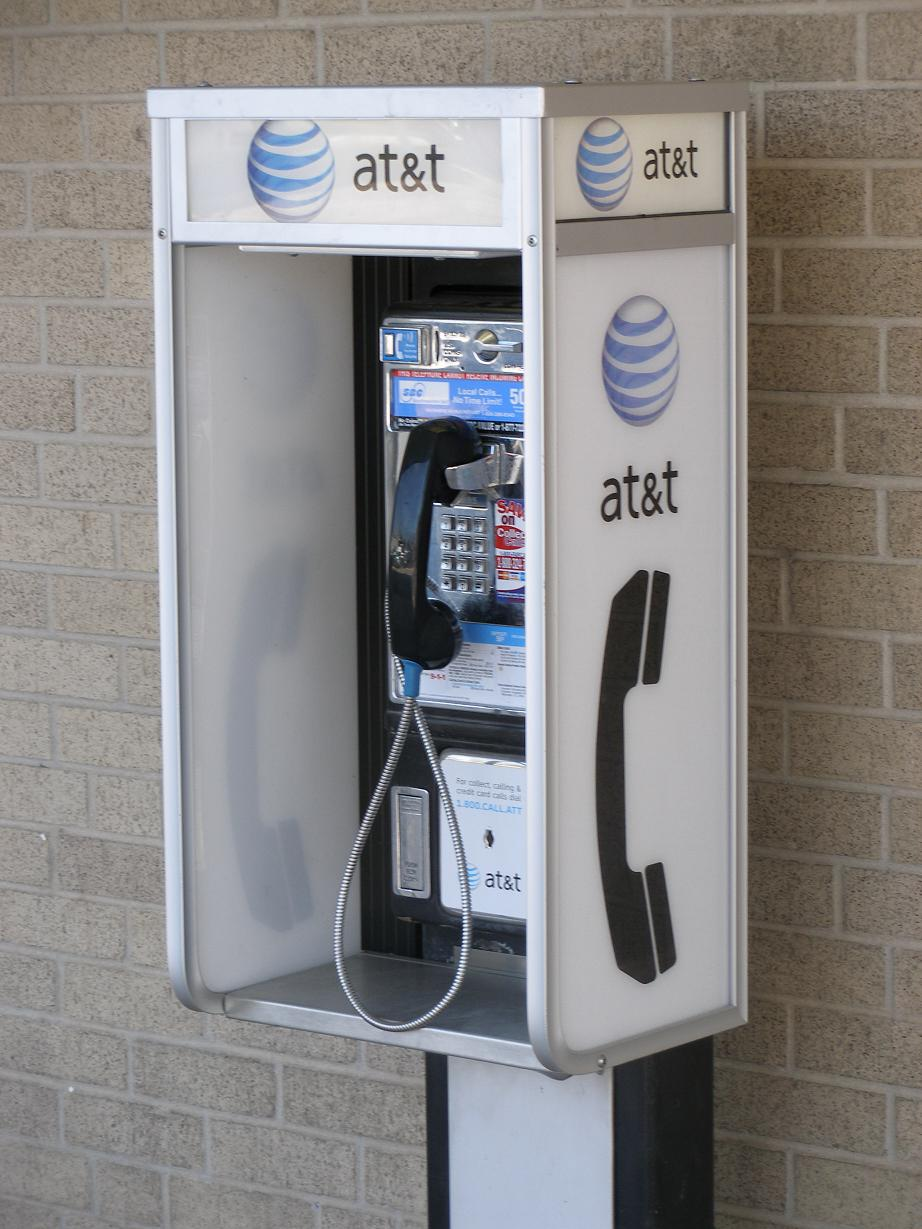
People knew important numbers from memory. There was no contact list to rely on.
Because there was no digital contact list to check, using a pay phone meant actually knowing important phone numbers by heart, home, a parent’s work line, a best friend’s house. Committing numbers to memory was simply a necessary life skill. Forgetting a number meant a hunt through that tattered phone book or a call to directory assistance. Memorizing phone numbers by heart is a notable pay-phone-era skill, the mental habit of knowing key numbers cold that nearly everyone developed out of necessity, a kind of everyday memory work that has largely faded now that phones remember numbers for us.
9. Finding One at the Gas Station or Convenience Store
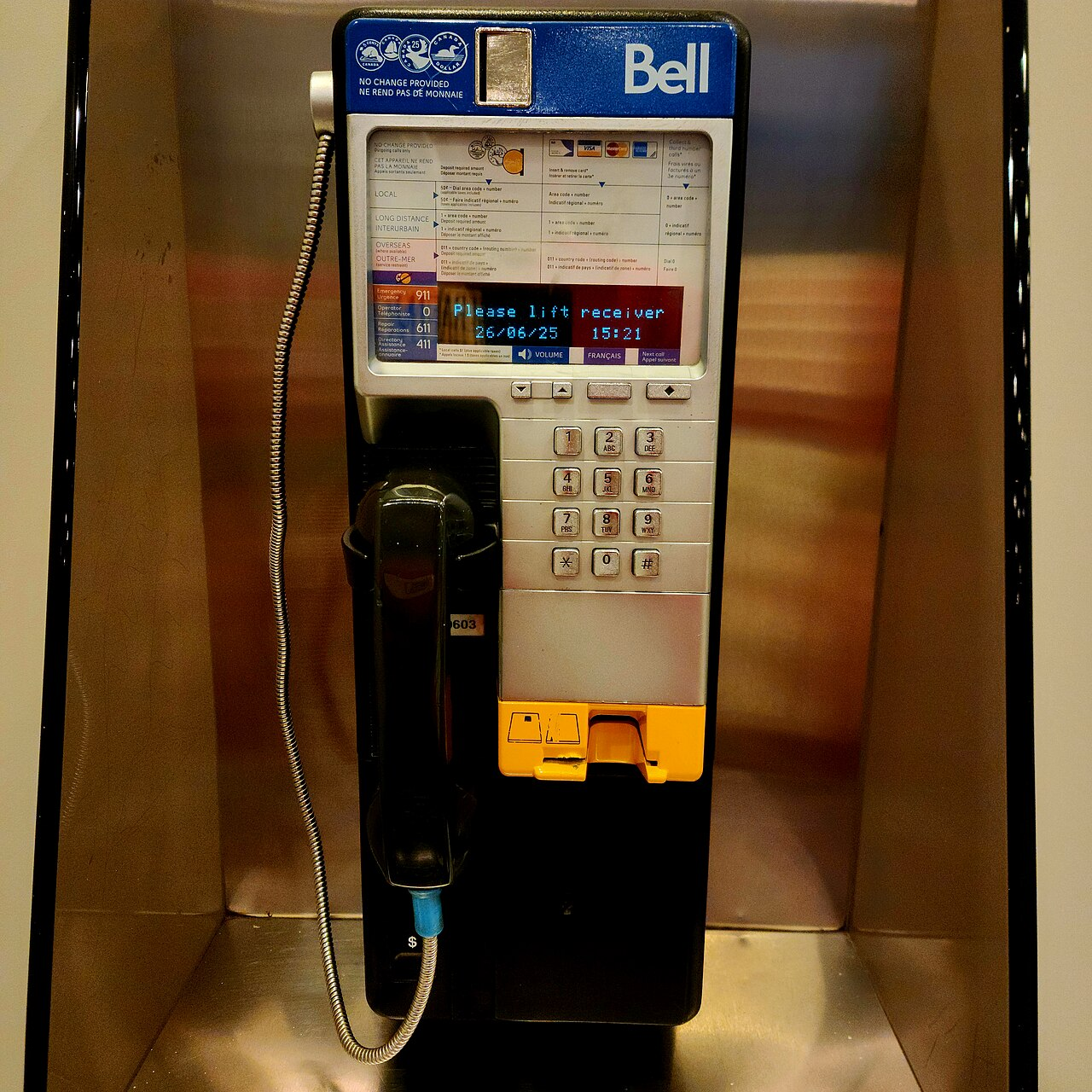
Pay phones clustered at predictable spots. Knowing where to find one mattered on the road.
Pay phones reliably turned up at gas stations, convenience stores, diners, and rest stops, and knowing where the nearest one was located was genuinely useful information, especially on a road trip. Pulling over specifically to find a pay phone to check in with family or get directions was a normal part of travel. Locating one was second nature. Finding one at the gas station or convenience store is a practical pay-phone memory, the mental map of reliable phone locations that travelers and locals alike carried around, a kind of everyday navigation that mattered far more before everyone carried a phone in their pocket.
10. The Distinctive Ring and Dial Sounds
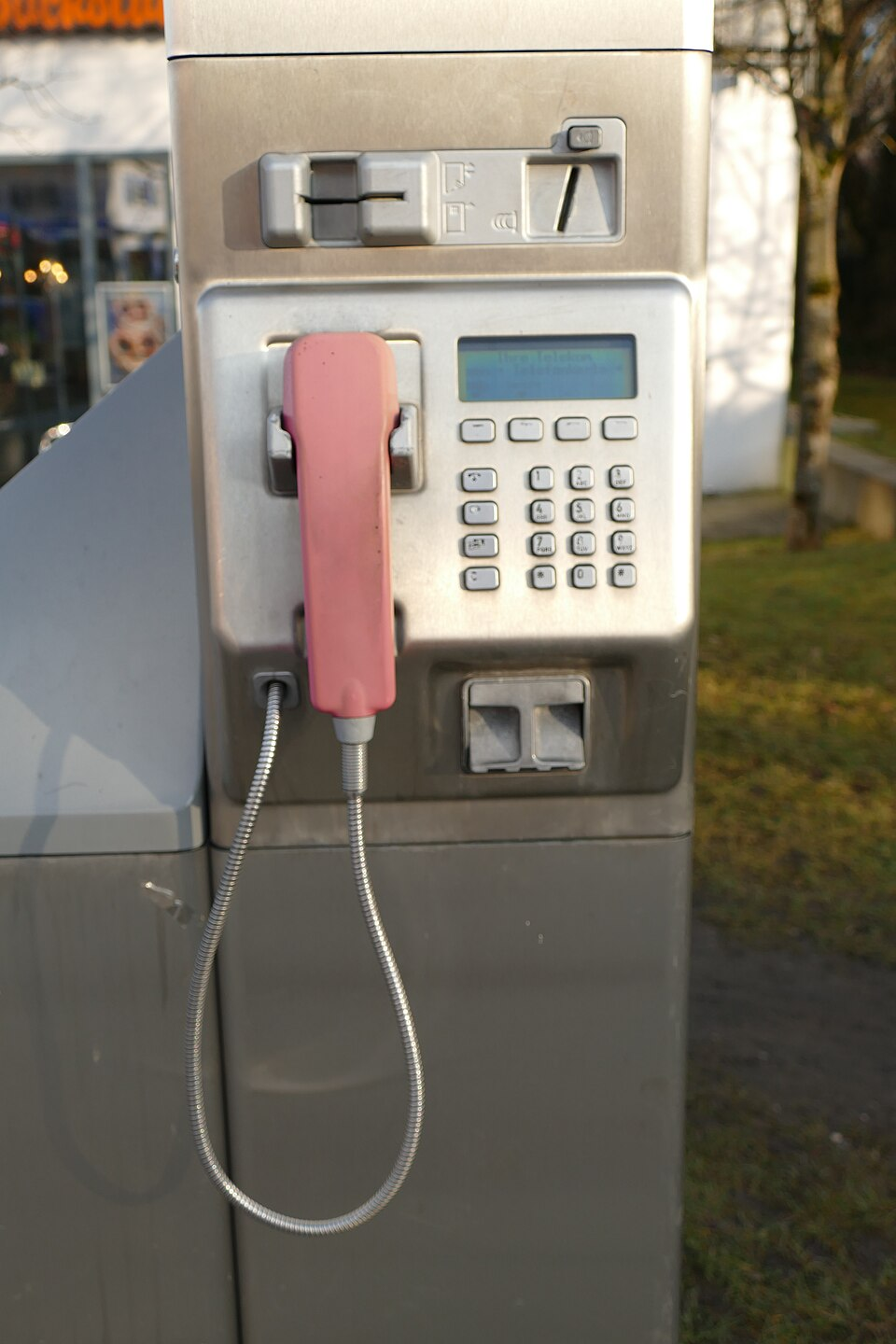
Pay phones had their own recognizable sounds. The dial tone and clicks were unmistakable.
Pay phones had their own distinctive soundscape, the steady dial tone, the beeps or clicks of dialing, and the particular ring when someone called one back. Those sounds, so different from a modern smartphone’s chimes, are instantly evocative for anyone who used them regularly. The audio was part of the experience. The distinctive ring and dial sounds are an evocative pay-phone memory, the audible cues that accompanied every call and are etched into the memory of anyone who grew up with them, a sonic signature of public communication before phones went digital and silent.
11. Waiting in Line for Your Turn
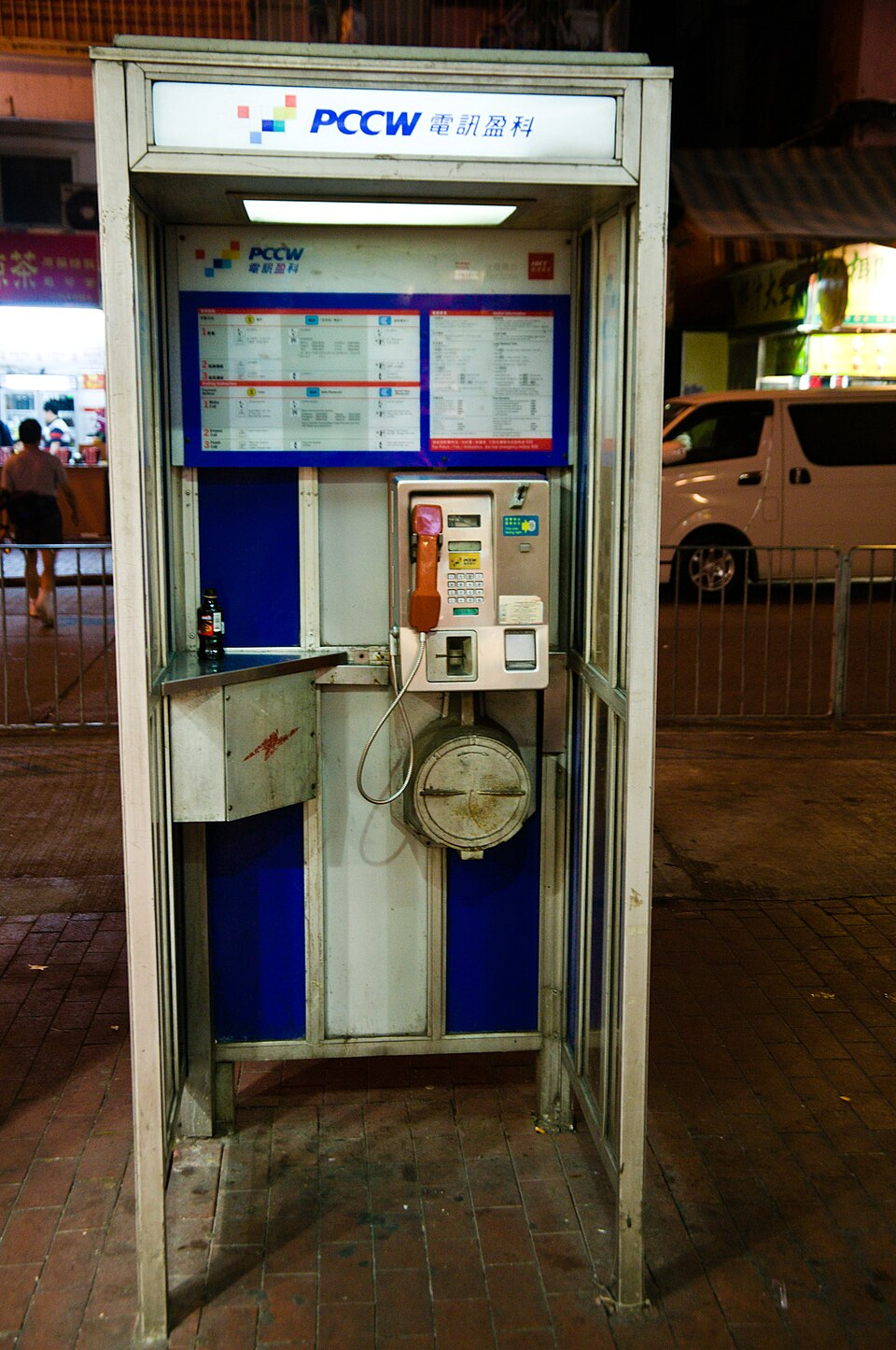
Popular pay phones drew a queue. Patience, or a pointed cough, was required.
At busy locations, using the pay phone sometimes meant waiting in line for your turn, standing nearby while someone else finished their call, occasionally tapping a foot or clearing your throat to signal it was time to wrap up. Sharing a single phone with everyone around you required a bit of patience and public courtesy. The line was a shared social experience. Waiting in line for your turn is a relatable pay-phone memory, the queue that formed at popular phones and required patience and a bit of etiquette, a small everyday negotiation that reflected how communal a resource the pay phone really was.
12. Watching Them Slowly Disappear
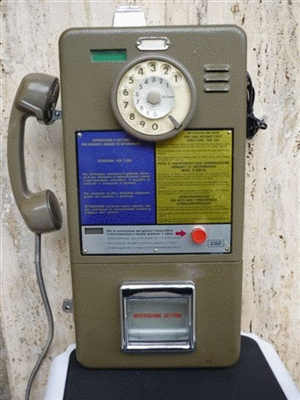
Pay phones grew rarer as cell phones spread. Spotting one today feels like a time capsule.
As cell phones became common, pay phones slowly disappeared from street corners, gas stations, and lobbies, their booths removed or left empty and unused. Spotting a surviving pay phone today feels like stumbling on a small time capsule, an ordinary object from daily life gone rare. Watching them slowly disappear is the bittersweet final chapter of the pay phone’s story, the gradual vanishing of a once-essential piece of public infrastructure, a quiet reminder of just how completely mobile phones transformed the simple act of making a call.
An Essential Piece of Everyday Life
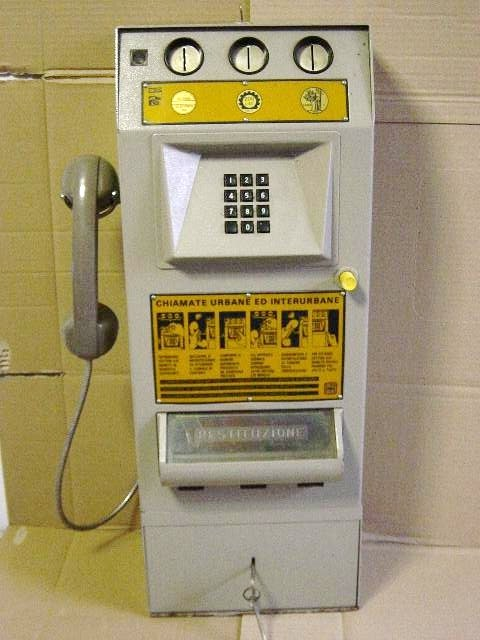
Taken together, these twelve things capture the world of the pay phone, from the pocketful of quarters and the tangled cord to the collect calls, the phone book, and the slow disappearance from American streets. It was an essential piece of everyday life, a public utility that anyone who used it remembers with real fondness.
The rise of the cell phone made the pay phone largely obsolete, transforming how people communicate and reach each other while on the go. The changes reflect one of the most dramatic technological shifts of recent decades. Yet for those who grew up depending on them, these details bring it all back: the coins, the cord, the operator breaking in to ask for more change. Looking back at using a pay phone is a nostalgic tribute to an essential piece of everyday life, when staying in touch required a pocketful of quarters and knowing exactly where the nearest phone stood.