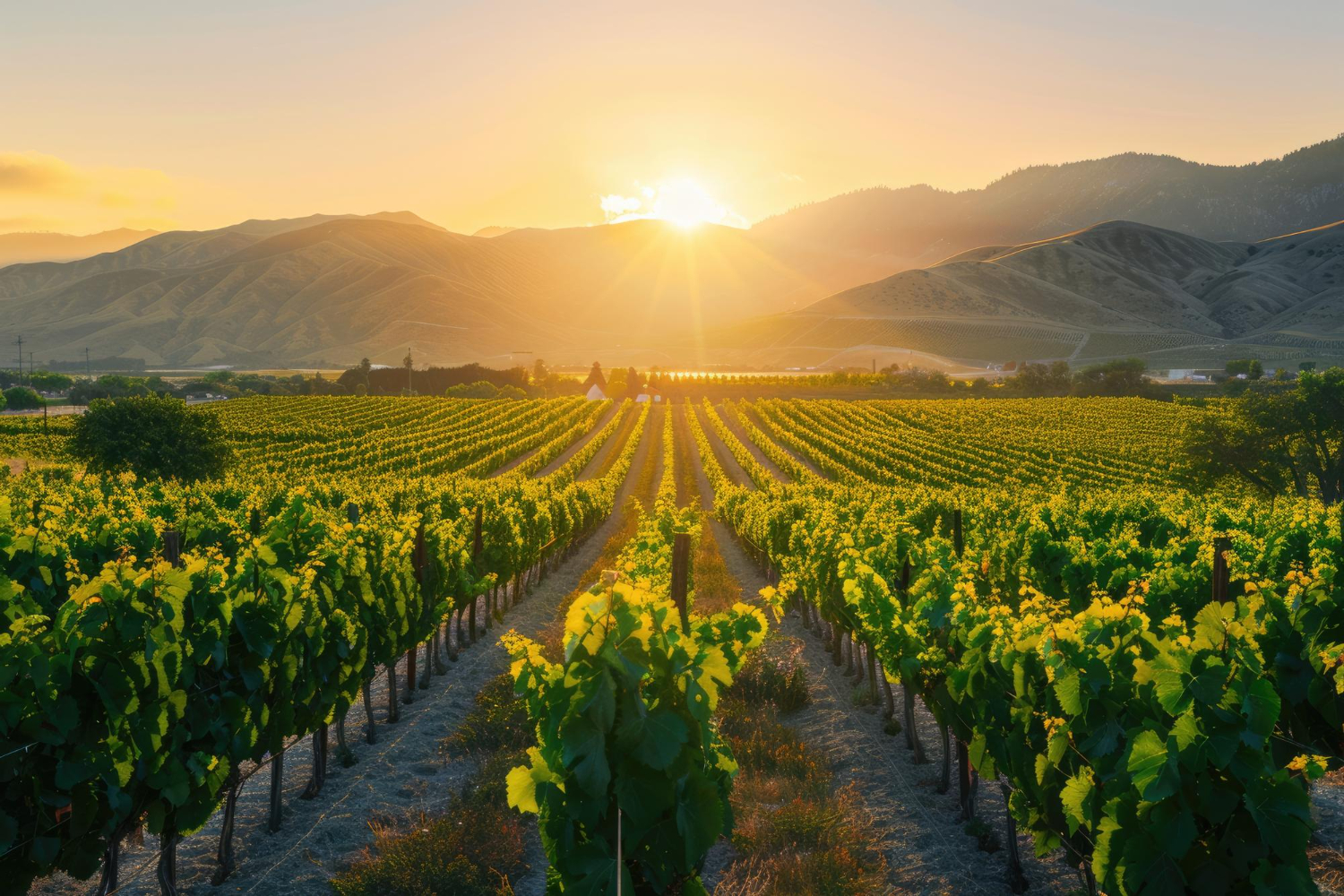
Napa and Sonoma earned their reputations for good reason, but they’re far from the only serious wine destinations in the country. From Oregon’s Pinot Noir country to the high-altitude vineyards of New Mexico, American winemaking has expanded dramatically over the past few decades. Here are nine American wine regions worth visiting beyond Napa and Sonoma, counted down one by one.
1. Willamette Valley, Oregon
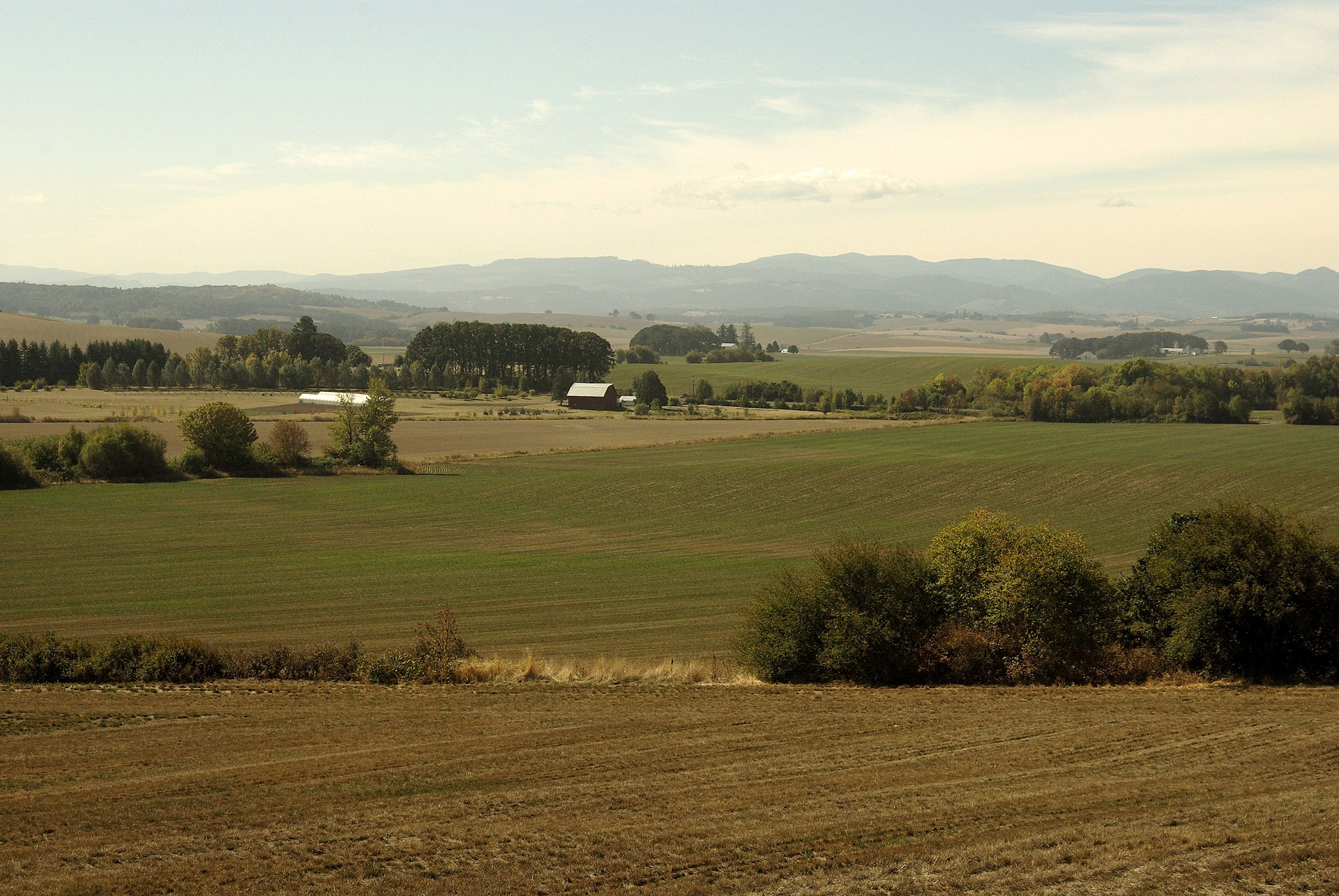
Oregon’s Willamette Valley is renowned for exceptional Pinot Noir. Its cooler climate produces a distinctly different style than California.
Oregon’s Willamette Valley has earned international acclaim for its Pinot Noir, grown in a cooler climate that produces wines with brighter acidity and more restrained fruit than their California counterparts. Small, family-owned wineries dominate the region, offering a more intimate tasting experience. Willamette Valley’s cool-climate Pinot Noir has made it one of America’s most respected wine regions among serious enthusiasts, a destination increasingly mentioned in the same breath as Burgundy for its elegant, terroir-driven style.
Like our content? Follow us for more.
2. Finger Lakes, New York
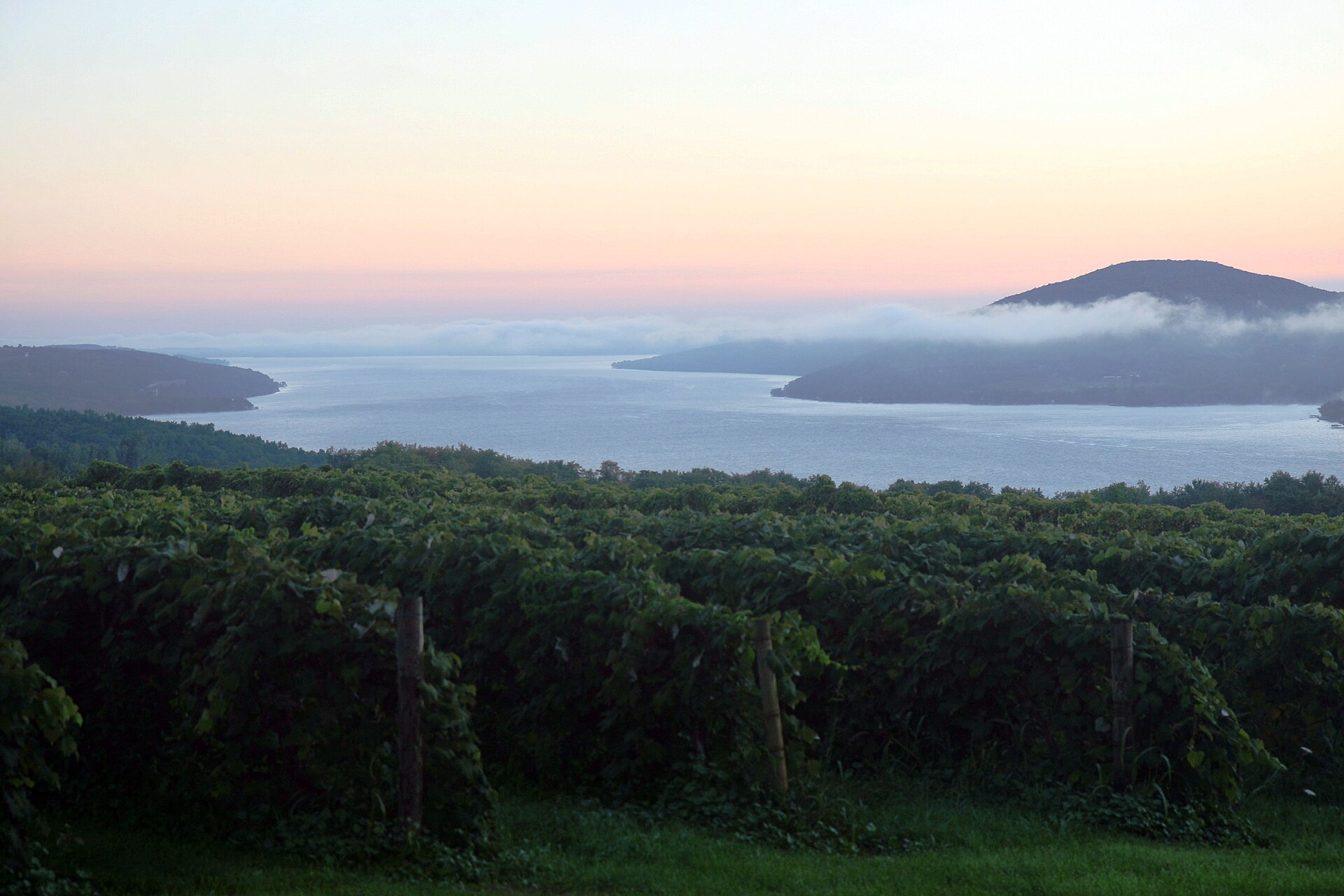
New York’s Finger Lakes region excels at Riesling. Deep glacial lakes moderate the climate for cold-hardy grape varieties.
The Finger Lakes region of upstate New York has built a strong reputation for Riesling, with the area’s deep glacial lakes moderating temperatures enough to support cold-hardy grape varieties in a climate that would otherwise be challenging for wine production. Scenic lakeside tasting rooms add to the appeal. Finger Lakes Riesling has earned genuine international recognition, proof that excellent wine production extends well beyond the traditionally warmer regions most people associate with American viticulture.
3. Walla Walla Valley, Washington
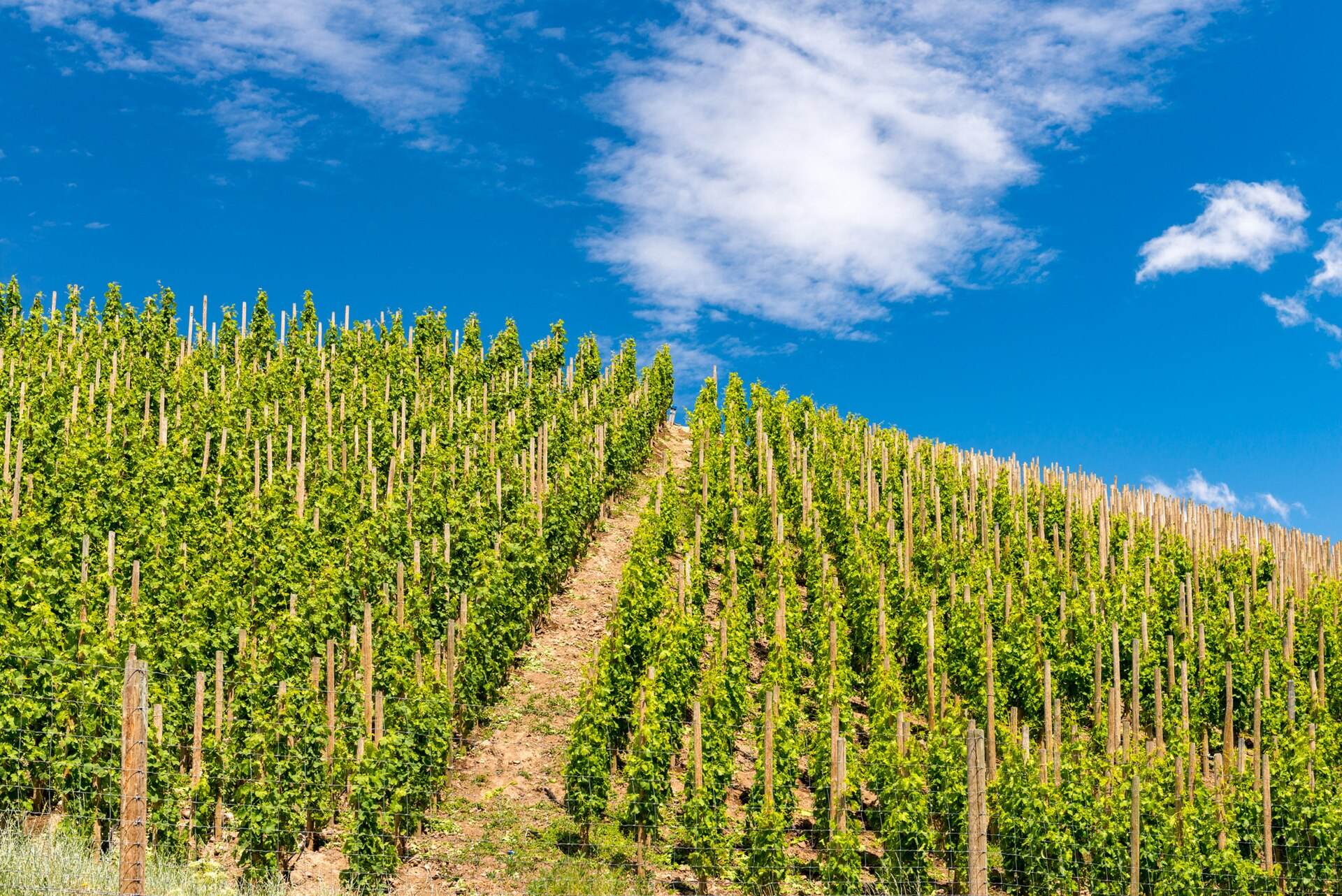
Washington’s Walla Walla Valley produces bold red wines. Its unique soil and climate rival more famous regions.
Walla Walla Valley, straddling the Washington-Oregon border, has developed a strong reputation for bold, structured red wines, particularly Cabernet Sauvignon and Syrah, grown in distinctive soil shaped by ancient volcanic activity and glacial flooding. The compact downtown area concentrates dozens of tasting rooms within walking distance. Walla Walla’s serious red wines have earned it recognition among wine critics as one of the Pacific Northwest’s most exciting regions, rivaling much better-known destinations.
4. Texas Hill Country

Central Texas has a genuinely growing wine industry. Its warm climate suits Mediterranean and Spanish grape varieties well.
Texas Hill Country, centered around Fredericksburg, has become the second most-visited wine region in the country by some measures, with a warm climate that favors Mediterranean and Spanish grape varieties like Tempranillo and Viognier rather than the cooler-climate varieties found in California. The region combines wine tasting with genuine Texas hospitality and barbecue. Texas Hill Country’s rapid growth and distinctive warm-climate wines make it a genuinely surprising and increasingly serious wine destination.
5. Virginia Wine Country
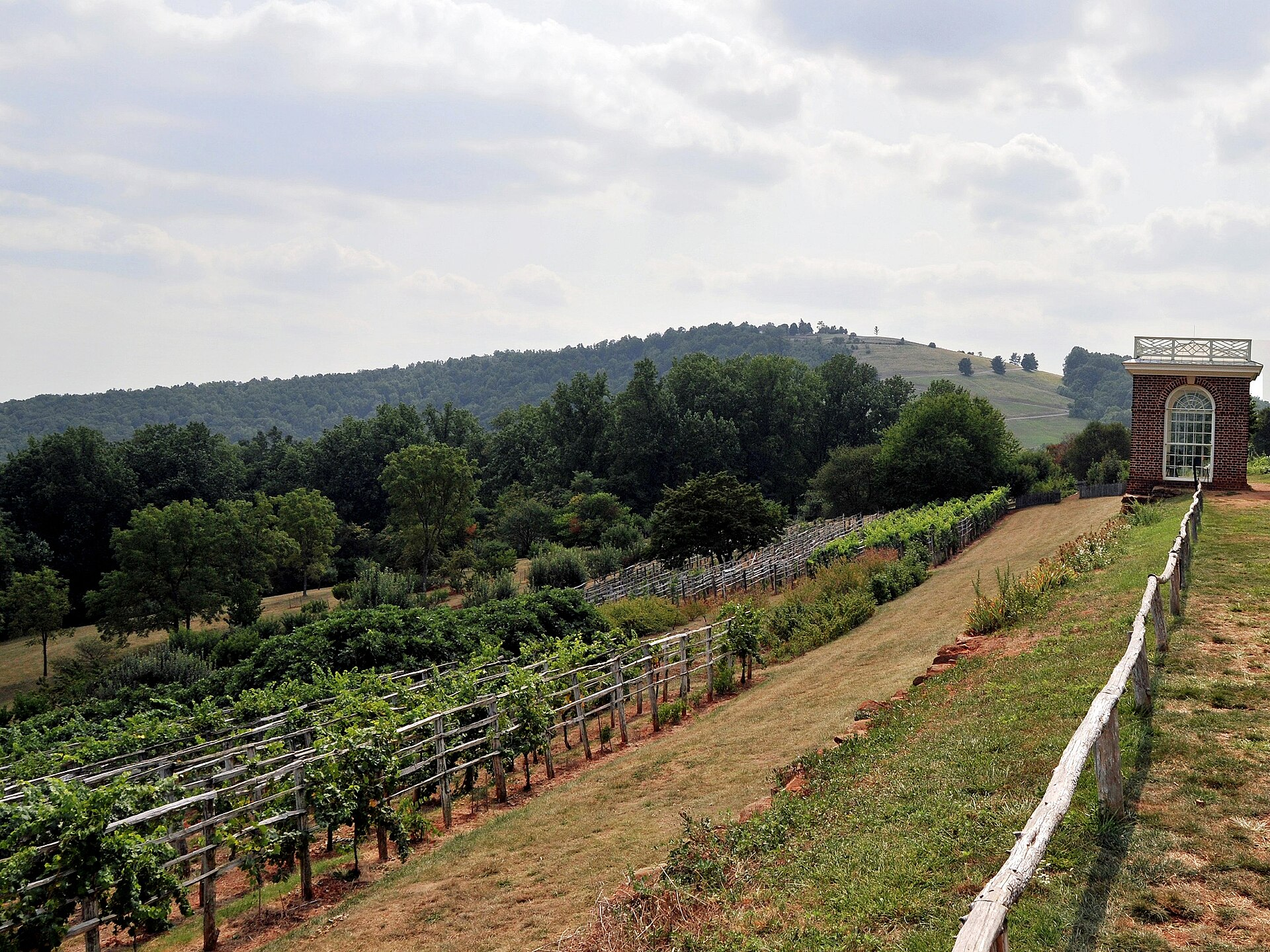
Virginia’s wine industry has grown substantially in recent decades. Its Bordeaux-style blends have earned serious critical attention.
Virginia’s wine industry, concentrated in the rolling hills near Charlottesville and the Blue Ridge Mountains, has grown dramatically over the past few decades, with Bordeaux-style red blends and Viognier earning increasingly serious critical recognition. The region’s historic ties to Thomas Jefferson, an early American wine enthusiast, add a layer of history to the visit. Virginia’s rapidly maturing wine scene offers East Coast travelers a genuinely excellent alternative to a cross-country trip to California.
6. Santa Ynez Valley, California
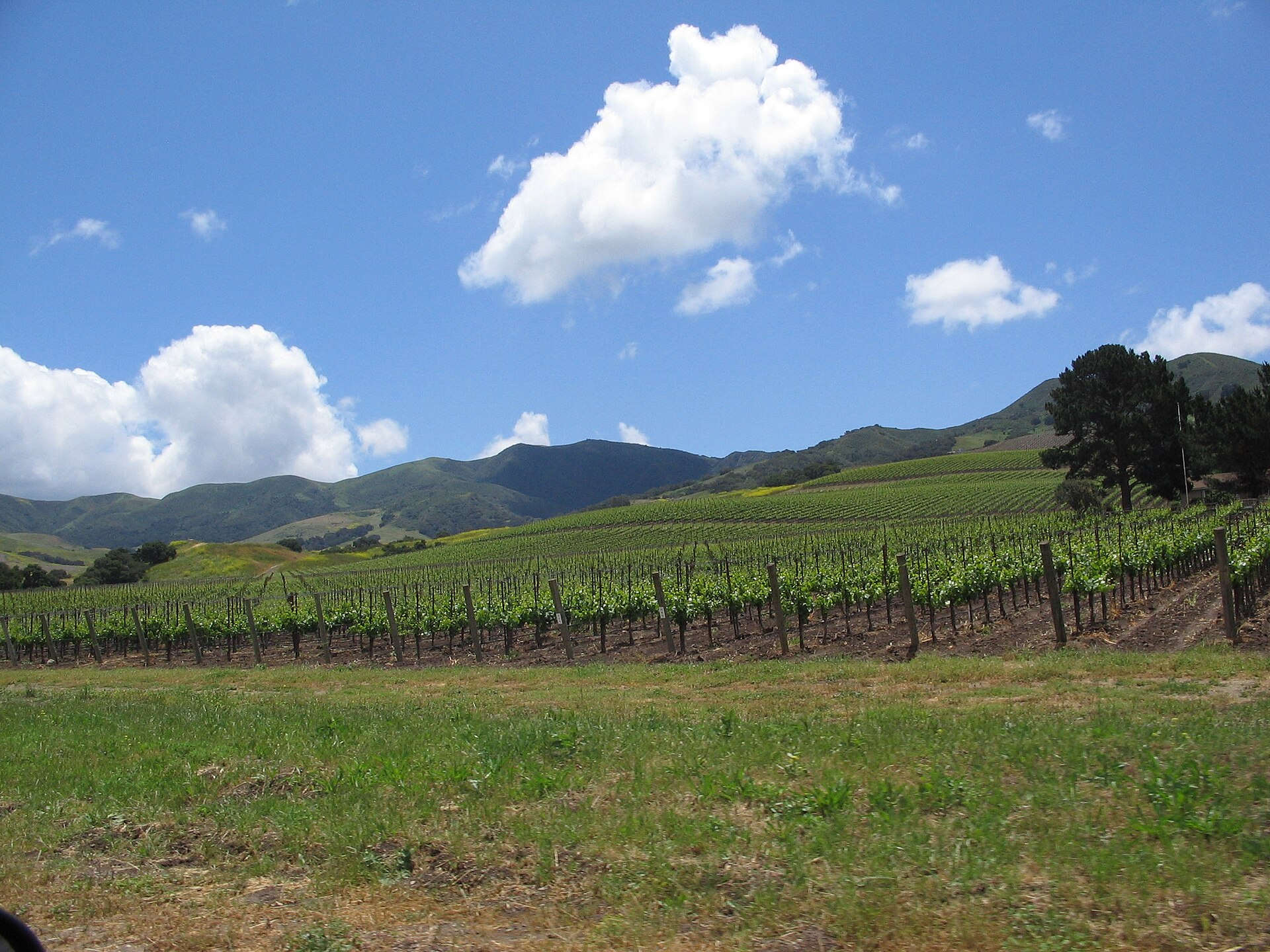
This lesser-known California region offers Napa-quality wine. It gained fame partly through a well-known film.
Santa Ynez Valley, in Santa Barbara County, offers a quieter, less crowded alternative to Napa and Sonoma while still producing excellent Pinot Noir and Rhône-style wines from a diverse range of microclimates within a relatively compact area. The region gained wider recognition after being featured in a popular wine-focused film. Santa Ynez Valley’s combination of quality and relative tranquility makes it a genuinely rewarding California wine destination for travelers seeking an alternative to the busier northern wine country.
7. Grand Valley, Colorado
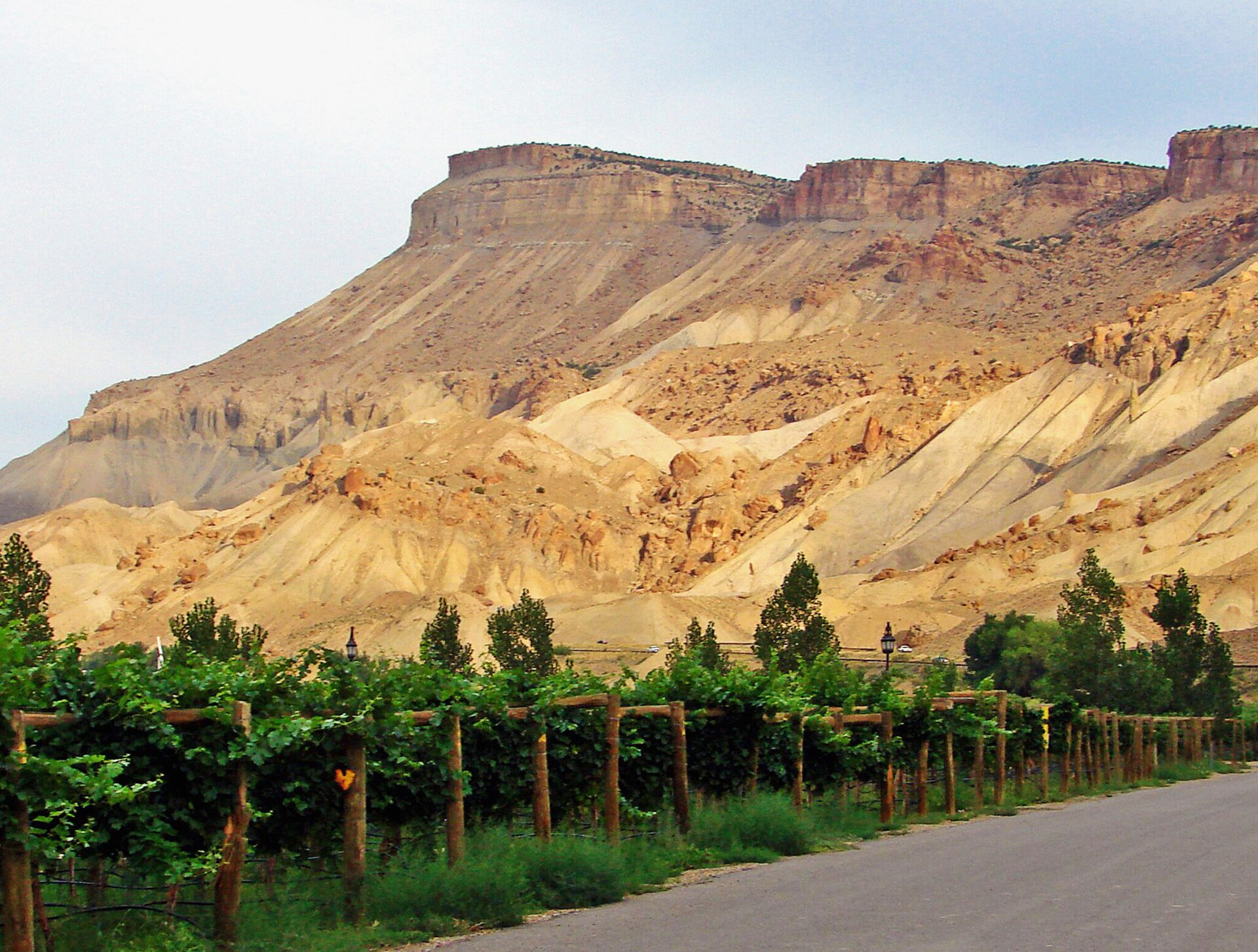
Colorado’s high-altitude wine region grows grapes at unusual elevations. Dramatic mesa scenery accompanies the tastings.
Colorado’s Grand Valley, near the town of Palisade, grows wine grapes at some of the highest elevations in the country, where intense sunlight and dramatic temperature swings between day and night produce distinctively concentrated flavors. The valley’s mesa and canyon scenery adds a striking backdrop unlike any other American wine region. Grand Valley’s high-altitude viticulture offers a genuinely unique wine-growing environment, proof that serious wine can come from unexpected corners of the American West.
8. Traverse City, Michigan
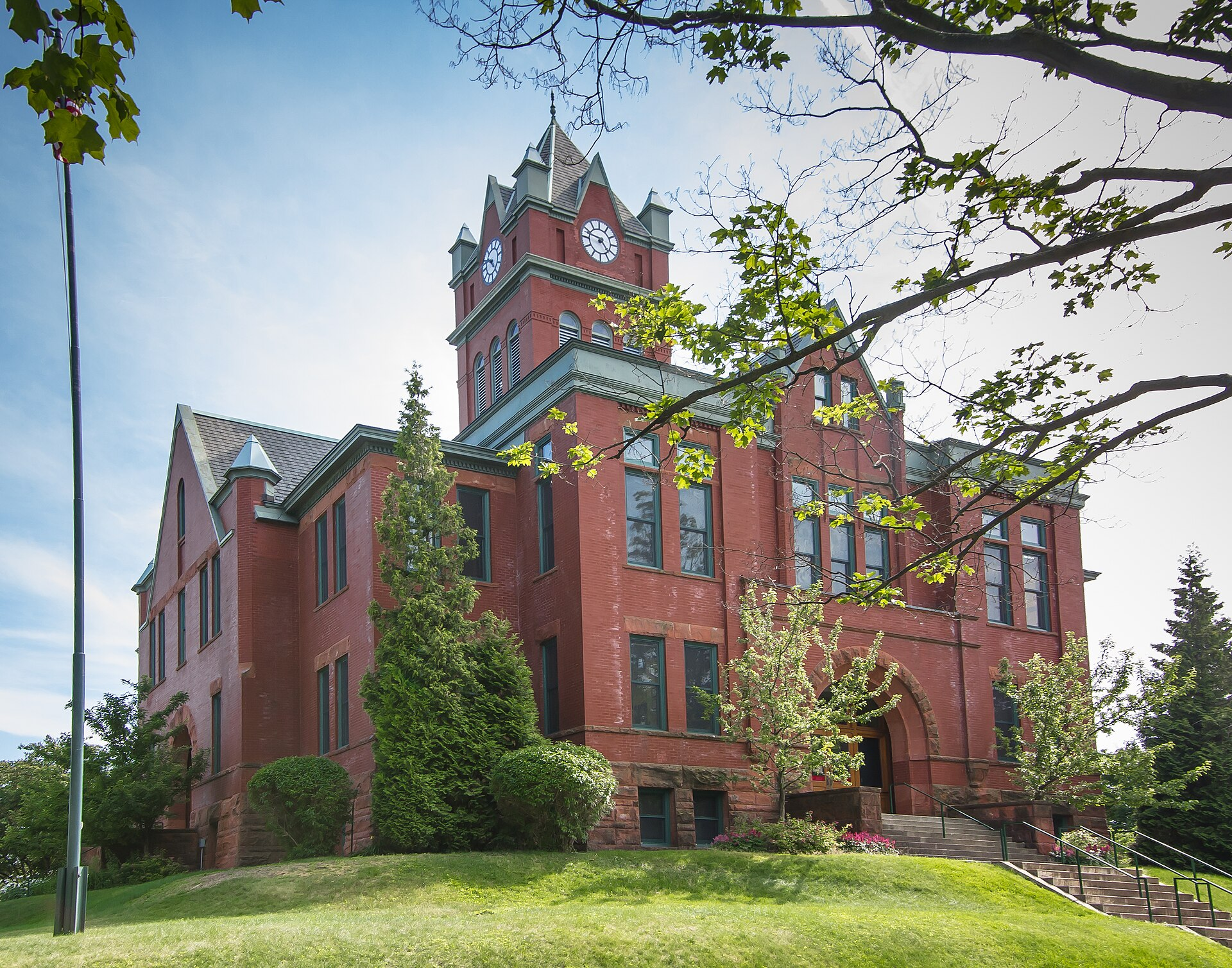
Northern Michigan produces notable cool-climate wines. Lake Michigan’s moderating effect supports the vineyards.
The Traverse City region of northern Michigan has developed a genuine cool-climate wine industry, with Lake Michigan’s moderating effect on temperature supporting Riesling, Pinot Grigio, and increasingly respected sparkling wines. The area’s cherry orchards and lakeside scenery add further appeal for visitors. Traverse City’s lake-moderated vineyards demonstrate that excellent wine production can thrive in a climate most people wouldn’t associate with viticulture at all.
9. New Mexico’s Middle Rio Grande Valley
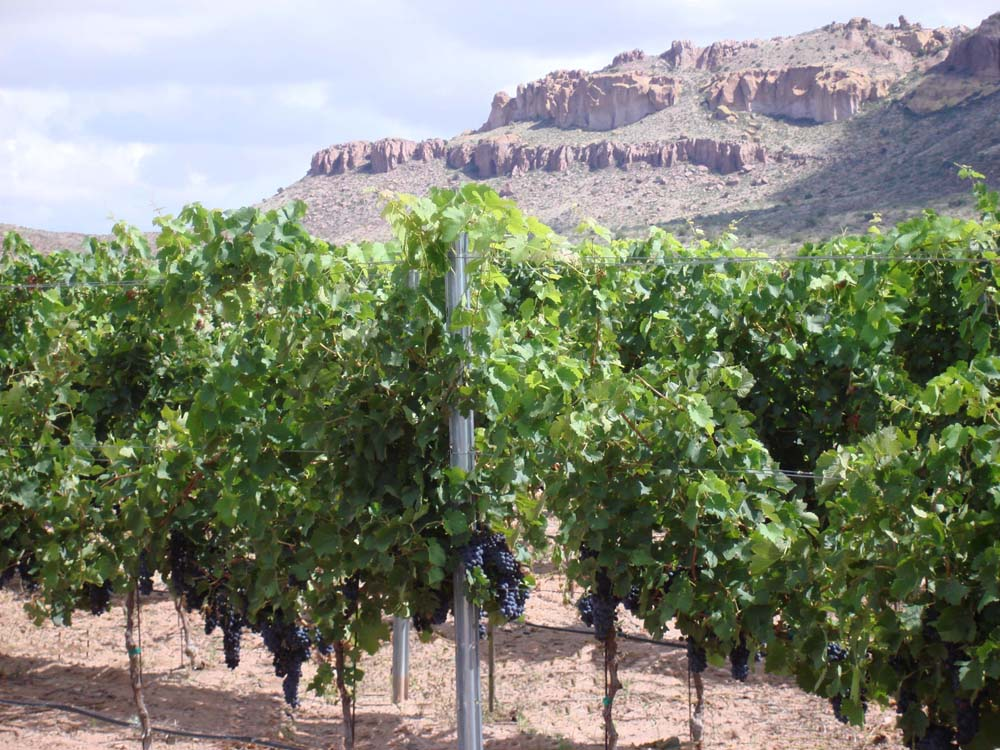
New Mexico has the oldest wine-growing history in North America. High-desert conditions produce distinctive, food-friendly wines.
New Mexico’s wine history actually predates California’s, with Spanish missionaries planting the first vines along the Rio Grande in the 16th century, making it the oldest wine-growing region in North America. Today, high-desert conditions produce distinctive, food-friendly wines that pair naturally with the region’s famous cuisine. New Mexico’s centuries-old wine heritage offers a genuinely historic angle on American wine country, a destination where deep history meets a small but increasingly serious modern wine industry.
America’s Wine Map Is Bigger Than You Think
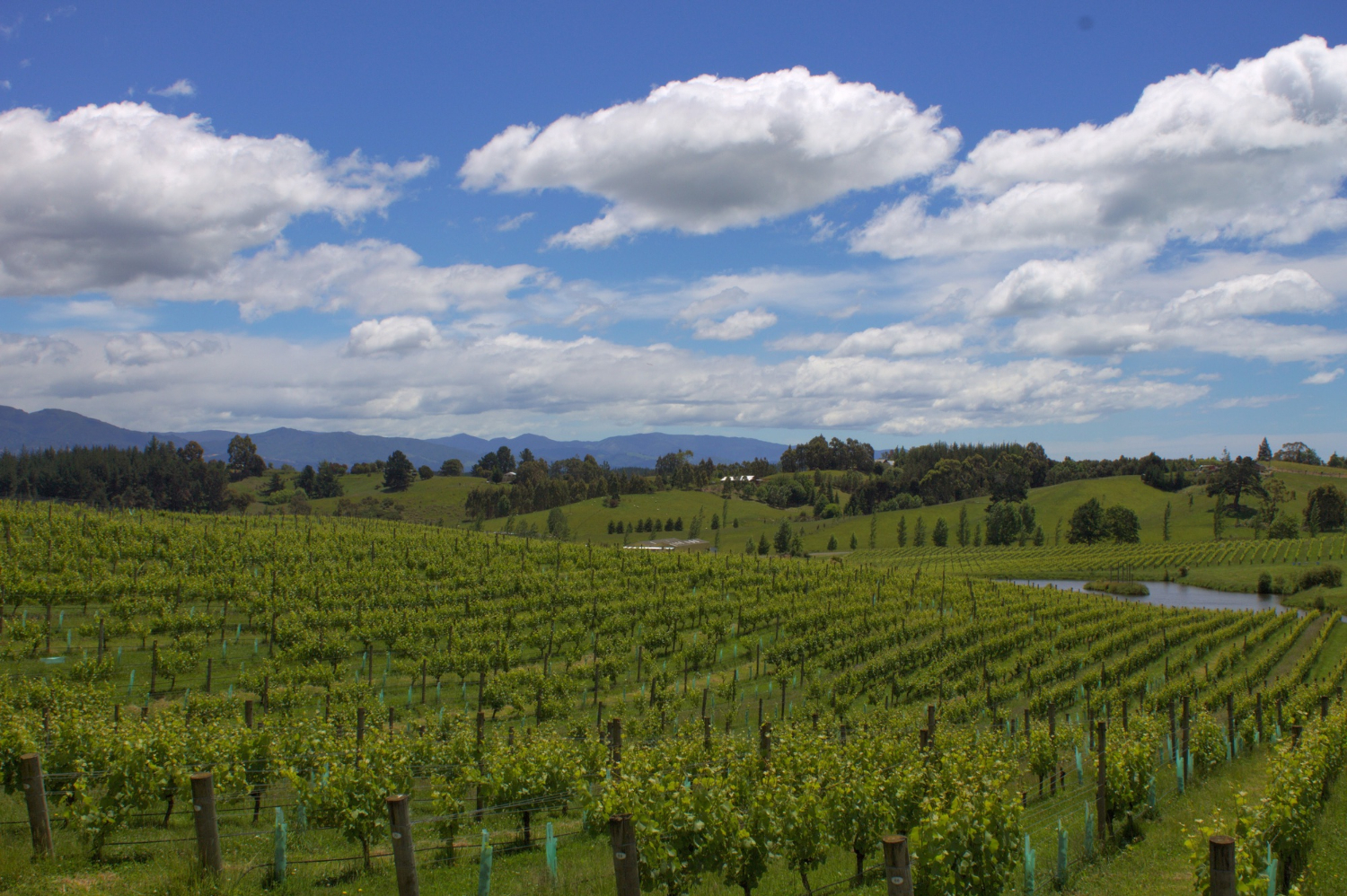
Taken together, these nine regions show just how far American wine has spread beyond its most famous California destinations, from Oregon’s elegant Pinot Noir to New Mexico’s centuries-old vineyards and Michigan’s lake-cooled cool-climate wines. Each offers genuinely excellent wine, often at a fraction of Napa’s prices and crowds.
Exploring these lesser-known regions rewards curious travelers with a more relaxed, often more personal tasting experience, since smaller wineries tend to offer more direct interaction with the winemakers themselves than the larger, more commercial operations found in the most famous destinations. Each region’s distinct climate and soil produce genuinely different wine styles, making a broader tour of American wine country a rewarding education in how much geography shapes flavor.
Many of these regions also pair wine tourism with other local attractions, Oregon’s coastline, Texas Hill Country’s German-heritage towns, or Colorado’s dramatic mesa scenery, meaning a wine-focused trip rarely needs to be just about the wine itself. Tasting fees and accommodation costs also tend to run considerably lower outside California’s most famous valleys, making a broader exploration of American wine country an appealing option for budget-conscious travelers as well.
Harvest season, typically late summer into fall depending on the region and grape variety, offers a particularly rewarding time to visit any of these areas, since many wineries open up the actual crush and harvest process to visitors during these weeks, adding an educational dimension beyond simply tasting the finished product. Spring visits, when vines are budding and the crowds are thinner, offer their own quieter appeal for travelers who prefer a more relaxed pace. For travelers willing to look beyond the single most obvious destination, America’s wine map turns out to be considerably larger, and genuinely more interesting, than Napa and Sonoma alone.
Like our content? Follow us for more.