

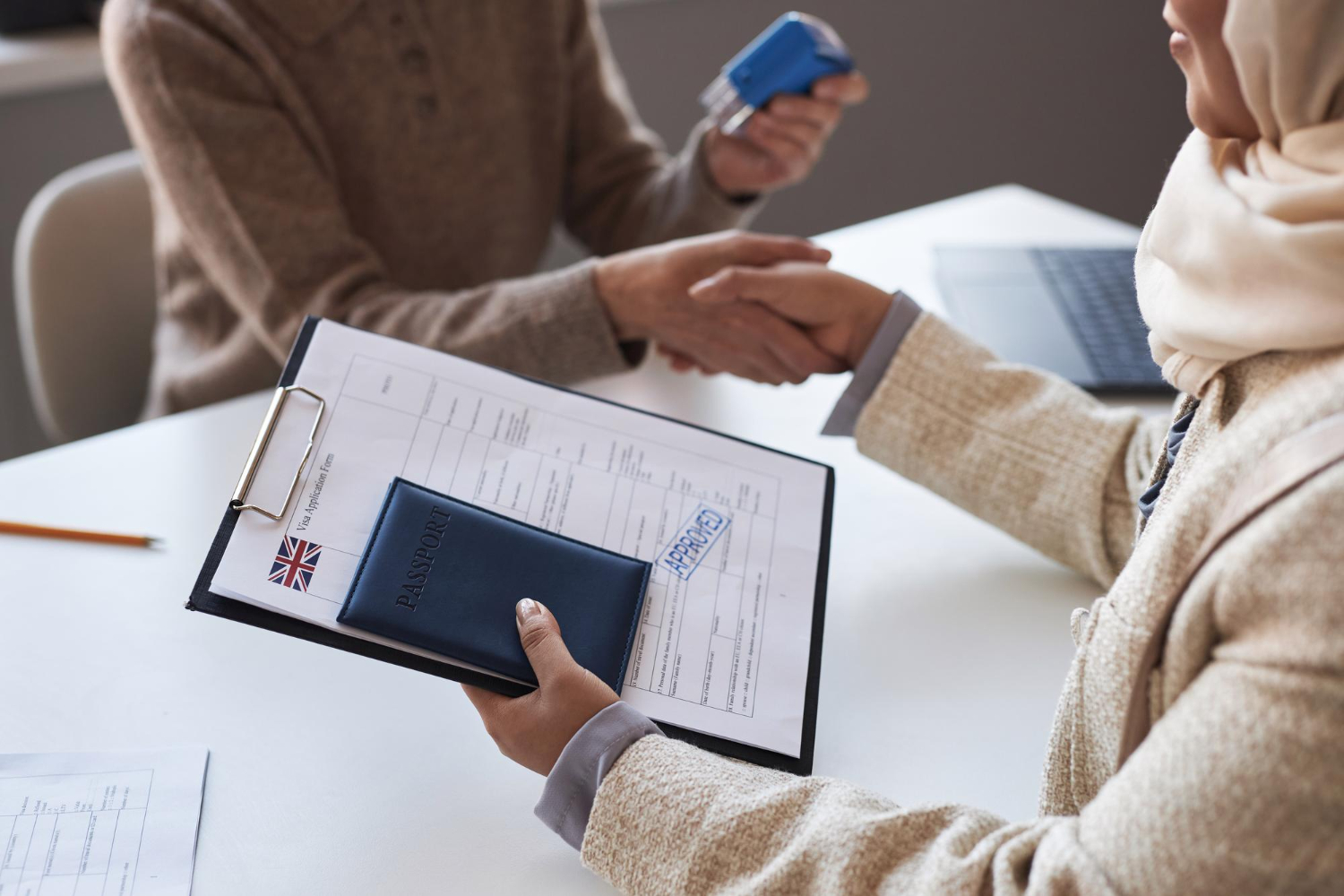
Getting a passport photo rejected has always been a common headache, but a significant rule change in early 2026 has added an entirely new category of mistake to watch for: any hint of artificial intelligence involved in creating or editing the image. With roughly one in four passport photos already rejected on first submission before this change, understanding the new requirements matters more than ever. Here are ten things to know about the new passport photo rules for 2026, counted down one by one. (Requirements reflect State Department guidance as of 2026 and may be updated; confirm current rules at travel.state.gov.)
1. AI-Edited Photos Are Now Explicitly Banned
The State Department directive covers any AI-based alteration. Detection systems are specifically trained to catch it.
Beginning in January 2026, the State Department implemented a strict ban on any passport photo that has been altered using artificial intelligence tools, including skin smoothing, background replacement, blemish removal, or facial reshaping performed by AI-powered software. The department now uses machine learning detection systems specifically trained to catch these alterations. AI-edited photos now being explicitly banned is the headline change for 2026, a rule that catches many applicants off guard since so many phone cameras apply subtle AI processing automatically and invisibly.
Like our content? Follow us for more.
2. Many Smartphones Apply AI Processing Without You Realizing It
Default camera modes often include automatic AI enhancement. This can trigger rejection even without deliberate editing.
A significant number of modern smartphones automatically apply AI-driven enhancements, portrait mode smoothing, automatic exposure correction, or background blur, by default, without the user ever deliberately choosing to edit the photo. This means a photo can be technically non-compliant even though no one intentionally altered it. Many smartphones applying AI processing without you realizing it is an important trap to understand, since the safest approach is using a phone’s standard, non-portrait camera mode rather than assuming an unedited-looking photo is actually unedited.
3. Face-Swapping and AI Composites Are Explicitly Prohibited
Combining features from multiple photos using AI is banned. This includes merging the best elements of several shots into one.
The updated rules specifically prohibit any AI-assisted compositing, combining elements from multiple photos, face-swapping onto a different background, or merging the most flattering features from several shots into a single final image. Even subtle versions of this kind of manipulation are covered under the new detection systems. Face-swapping and AI composites being explicitly prohibited closes a specific loophole some applicants had reportedly tried to exploit, ensuring the submitted photo reflects a single, genuine, unaltered moment rather than an artificially assembled best-of composite.
4. Standard Dimensional Requirements Remain Unchanged
The classic 2×2 inch size rule still applies. Head size and centering requirements are just as strict as before.
Alongside the new AI restrictions, the State Department’s longstanding dimensional requirements remain firmly in place: photos must measure exactly 2 by 2 inches, with the head measuring between 1 and 1 and 3/8 inches from chin to crown, centered within the frame. These specifications haven’t changed and remain just as strictly enforced as ever. Standard dimensional requirements remaining unchanged means the fundamentals of a compliant photo haven’t shifted, only the new prohibition on any digital manipulation has been layered on top of the existing rules.
5. Glasses Remain Banned, a Rule Dating to 2016
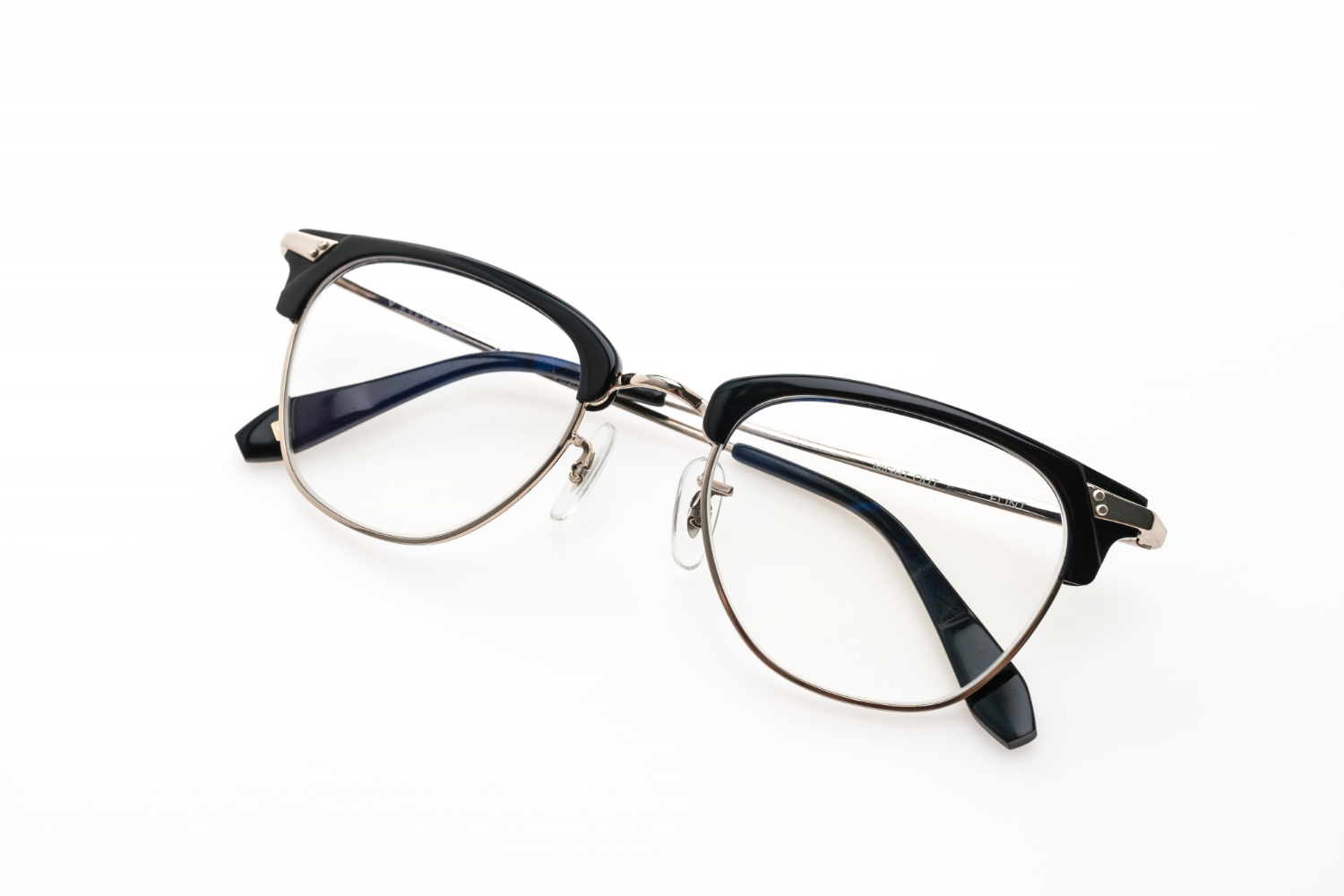
Eyewear has been prohibited in passport photos for years. This restriction predates and is separate from the new AI rules.
Glasses have been banned in U.S. passport photos since a 2016 rule change intended to improve facial recognition accuracy, a restriction that remains fully in effect and is entirely separate from the newer AI-editing prohibition. Narrow exceptions exist only for documented medical necessity, requiring a signed statement from a physician. Glasses remaining banned since 2016 is a longstanding rule worth remembering alongside the newer changes, since it continues to be one of the single most common reasons photos get rejected.
6. Photos Must Be Taken Within the Last Six Months
Older photos, even flattering or accurate ones, don’t qualify. The timing rule ensures current appearance accuracy.
A passport photo must have been taken within six months of the application date, a rule intended to ensure the image reflects an applicant’s current appearance rather than an older, if still accurate-looking, photograph. Significant changes in weight, hairstyle, or facial features can also require a fresh photo regardless of the exact date. Photos needing to be taken within the last six months is a straightforward but sometimes overlooked requirement, one worth double-checking especially for family members applying together using photos taken at different times.
7. Online Renewal Uses Different Digital Specifications
Digital uploads follow a distinct square-format spec. Eligible applicants renewing online should check this separately.
For eligible applicants using the State Department’s online passport renewal system, the digital photo specification differs somewhat from the printed 2×2 format, requiring a square color JPEG image with a minimum resolution, currently 600 by 600 pixels, uploaded directly through the renewal portal rather than mailed in printed form. Online renewal using different digital specifications is important to understand separately from the standard print rules, since applicants renewing digitally should follow the online portal’s specific upload guidance rather than the traditional printed-photo dimensions.
8. Professional Photo Services Now Emphasize AI-Free Guarantees
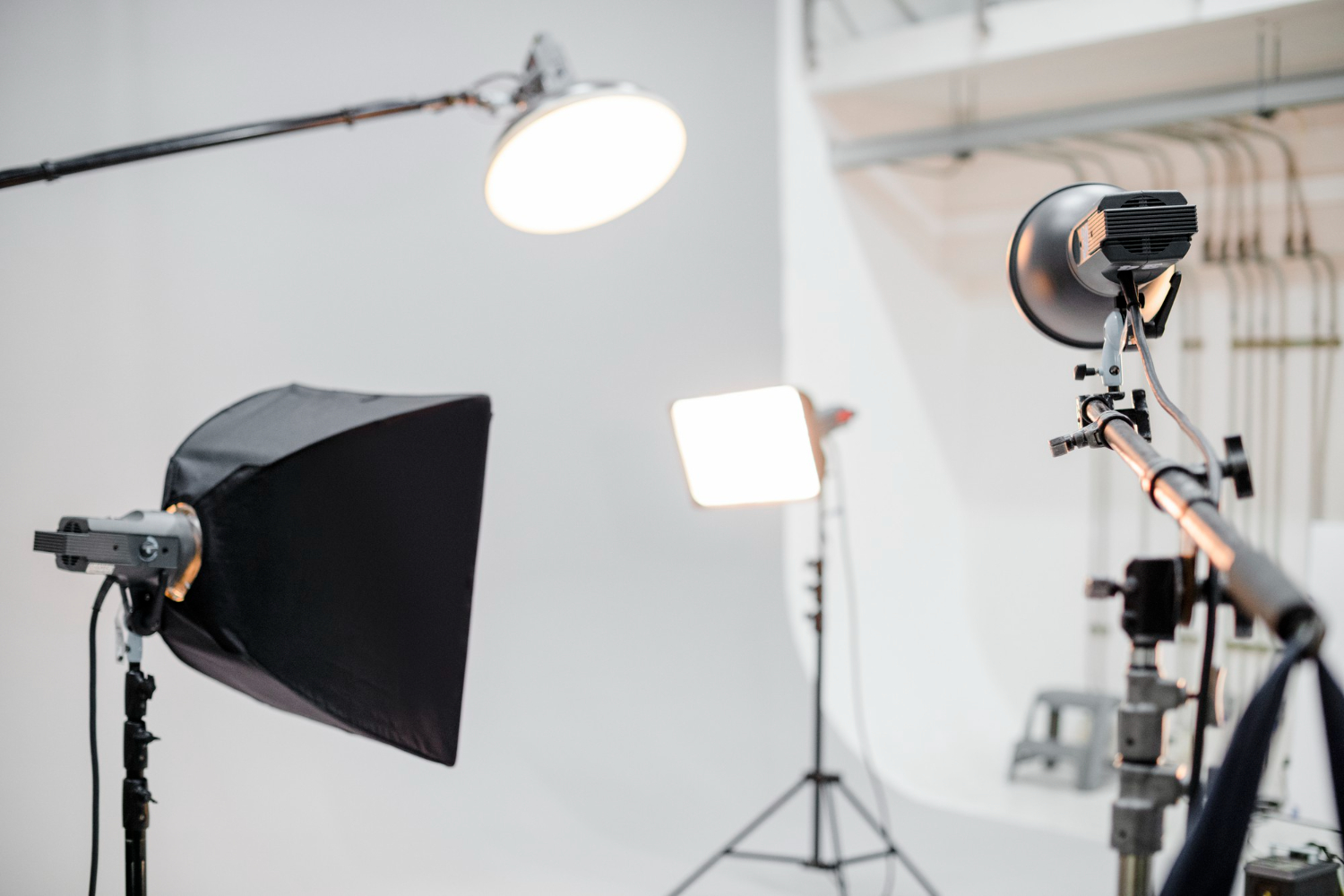
Passport photo businesses have adjusted their marketing and practices. Many now explicitly advertise non-AI equipment and processes.
In response to the new rules, many professional passport photo services, at pharmacies, shipping stores, and dedicated studios, have begun explicitly marketing their use of standard, non-AI camera equipment and unedited processing to reassure customers their photos will comply with the updated standards. Professional photo services now emphasizing AI-free guarantees reflects the industry’s quick adaptation to the new rules, giving applicants an option to avoid the uncertainty of a smartphone’s potentially automatic AI processing entirely.
9. Rejected Applications Cause Real Processing Delays
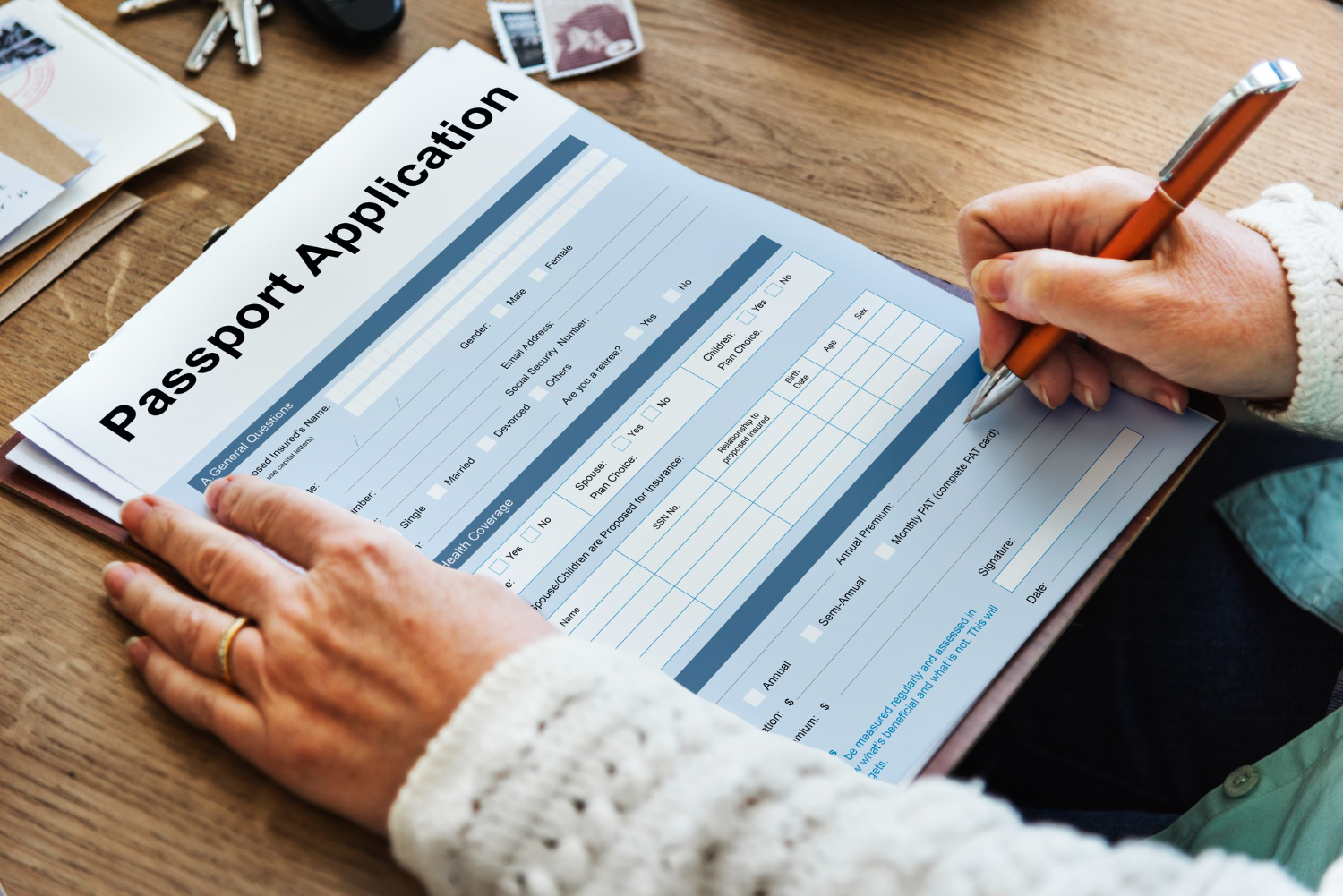
A non-compliant photo means resubmitting and restarting the wait. This can add real weeks to an already lengthy process.
An unacceptable photo remains, by the State Department’s own account, the single most common reason passport applications get placed on hold, and under the stricter 2026 detection standards, a rejected photo means resubmitting an entirely new one and effectively restarting a portion of the processing timeline. Rejected applications causing real processing delays underscores why getting the photo right the first time matters more than it might seem, since a seemingly minor photo issue can add genuinely meaningful delays to travel plans built around passport approval.
10. Verification Tools Can Check Compliance Before Submission
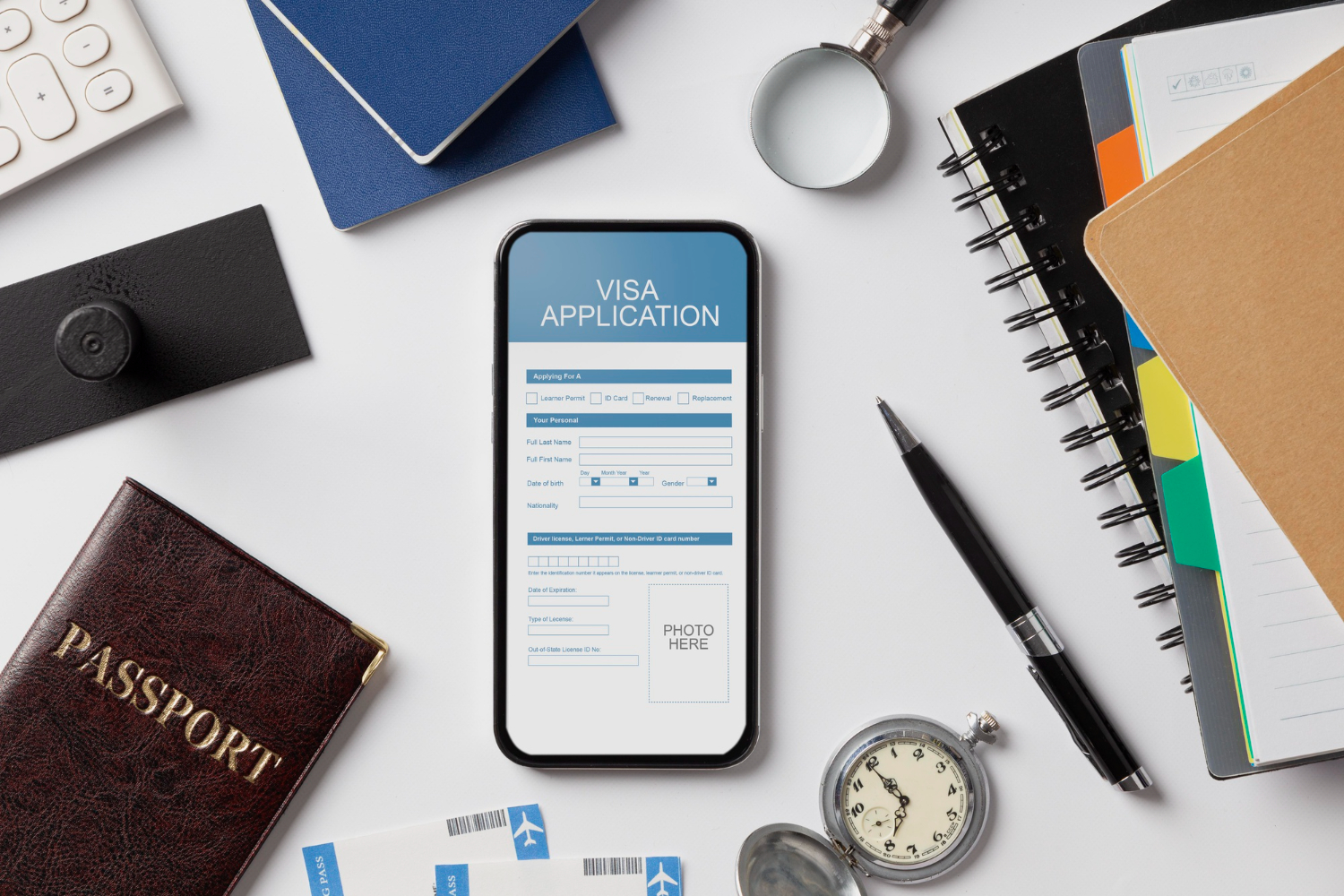
Several online and app-based tools check photos against current rules. Using one before applying can prevent a rejection.
A number of independent verification tools and apps let applicants check a photo against current passport requirements, including the new AI-detection standards, before ever submitting the application, catching potential rejection reasons in advance. The State Department’s own website also provides example photos and guidance for comparison. Verification tools checking compliance before submission offer valuable peace of mind, a proactive step that can catch a problem, including an unintentional AI alteration, before it results in an actual rejection and processing delay.
Get It Right the First Time
Taken together, these ten points show that 2026’s passport photo rules layer a genuinely significant new restriction, the AI-editing ban, on top of longstanding requirements around size, glasses, and photo age. For travelers applying for a new passport or renewal this year, understanding both the new and existing rules together is the best way to avoid a frustrating rejection.
The safest overall approach remains straightforward: use your phone’s standard camera setting rather than portrait or beauty modes, avoid any editing app entirely, ensure the background is plain white or off-white, and double-check the photo was taken within the last six months. Given how many smartphones apply AI processing automatically, deliberately seeking out these default camera settings, or opting for a professional photo service explicitly advertising AI-free equipment, is a genuinely worthwhile precaution. With a bit of care taken upfront, the passport photo can be the easiest part of the application process rather than the reason for a frustrating delay.
Like our content? Follow us for more.

![boats docked near seaside promenade]](https://travelandtannins.com/wp-content/uploads/2025/12/YfM6mqWf-unsplash-Prb-sjOUBFs-924x520.jpg)