

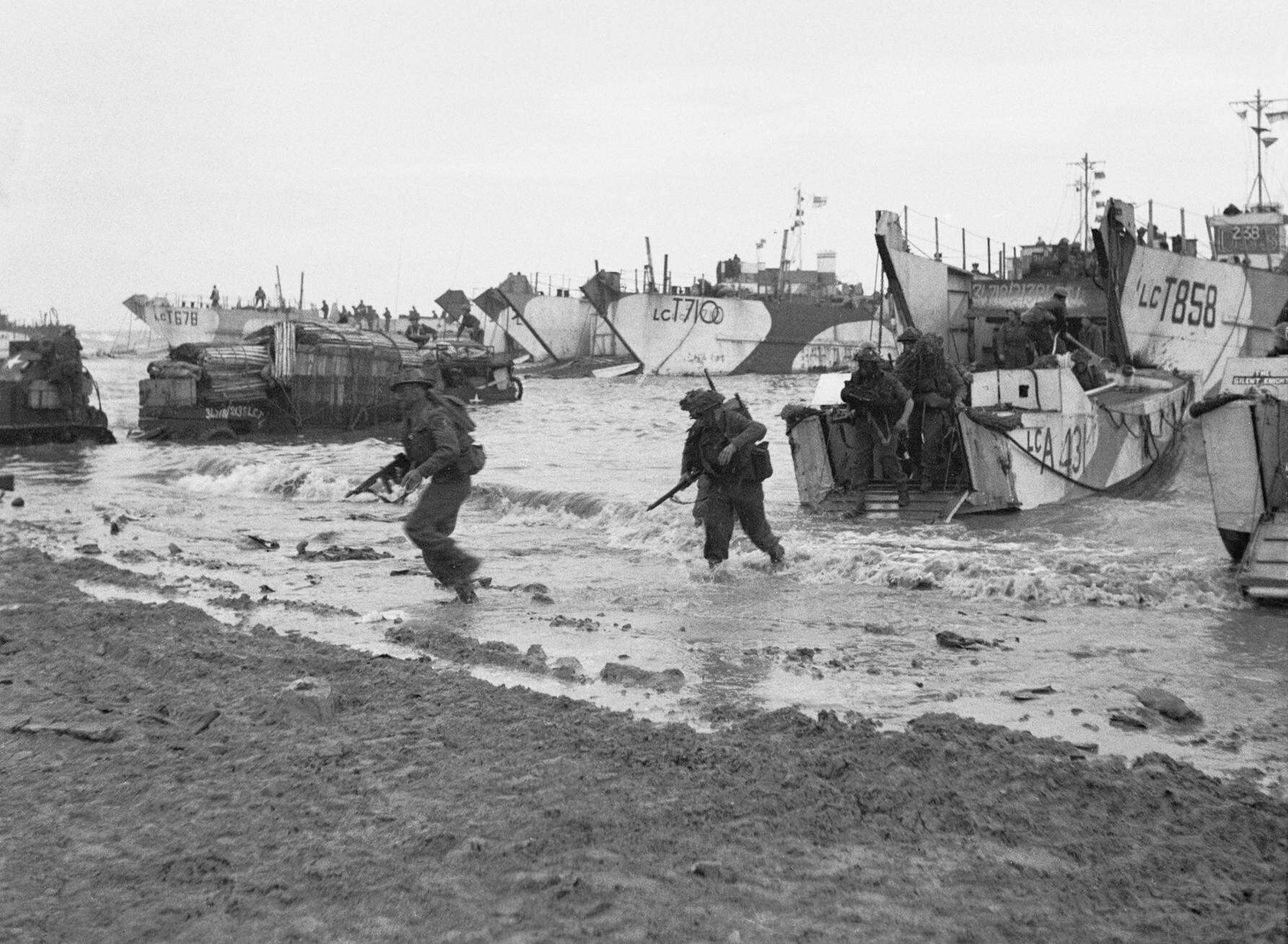
For many American travelers, a visit to Normandy carries a personal weight that few other destinations match, a chance to walk the ground where relatives, or an entire generation, fought during the June 1944 Allied invasion of occupied France. The region has developed a network of museums, cemeteries, and preserved landmarks that together offer a moving, comprehensive picture of the operation. Here are eight essential Normandy sites every American traveler should visit, counted down one by one.
1. Omaha Beach
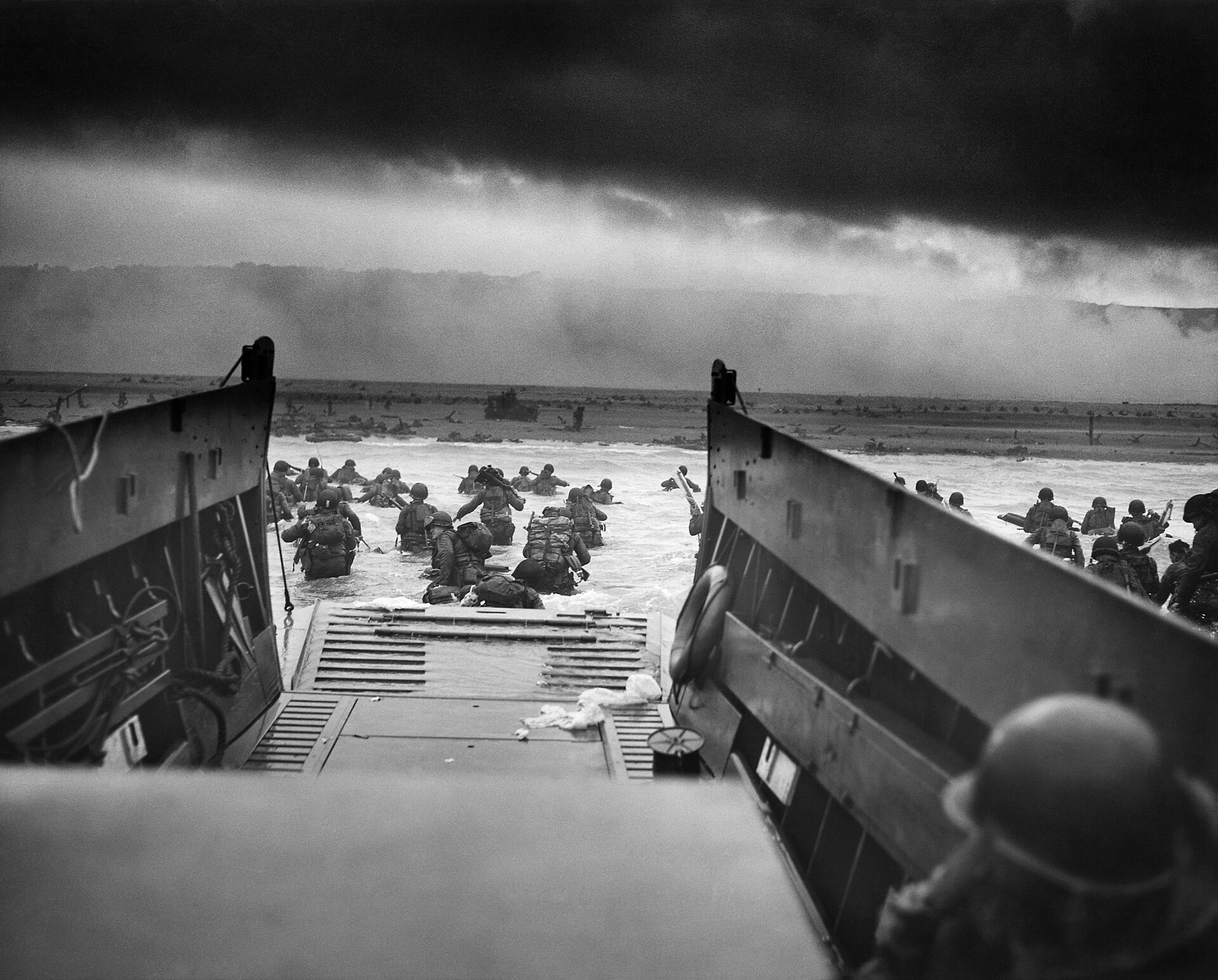
Omaha Beach saw the heaviest American casualties of D-Day. It remains the most visited of the landing beaches.
Omaha Beach, code name for the stretch of coastline where American forces faced the fiercest resistance of the entire invasion, remains the most visited of the five D-Day landing beaches. Today it’s a quiet, expansive stretch of sand backed by bluffs, with little visible trace of the events that unfolded there, making the accompanying historical markers and nearby museum essential context. Omaha Beach’s combination of natural beauty and sobering history makes it the emotional centerpiece of most Normandy visits for American travelers.
Like our content? Follow us for more.
2. The Normandy American Cemetery
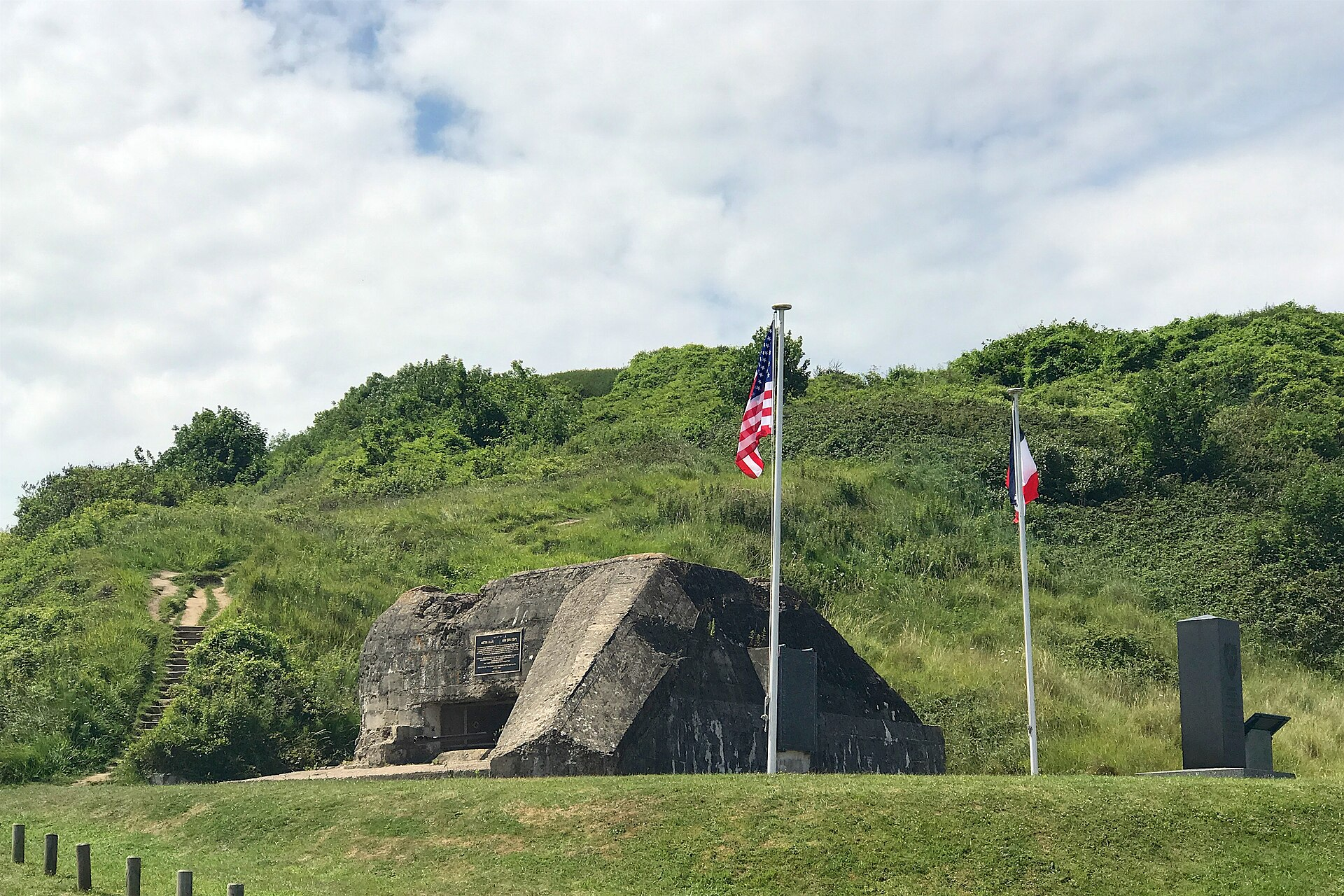
Nearly 9,400 American service members are buried at Colleville-sur-Mer. Rows of white crosses overlook Omaha Beach.
Overlooking Omaha Beach at Colleville-sur-Mer, the Normandy American Cemetery holds the graves of nearly 9,400 American service members who died during the Normandy campaign, their white marble crosses and Stars of David arranged in precise, solemn rows across manicured lawns. A visitor center provides context on the individuals buried there. The Normandy American Cemetery is widely considered the most moving single site in the region, a place of quiet remembrance that leaves a lasting impression on nearly every visitor.
3. The Airborne Museum, Sainte-Mère-Église
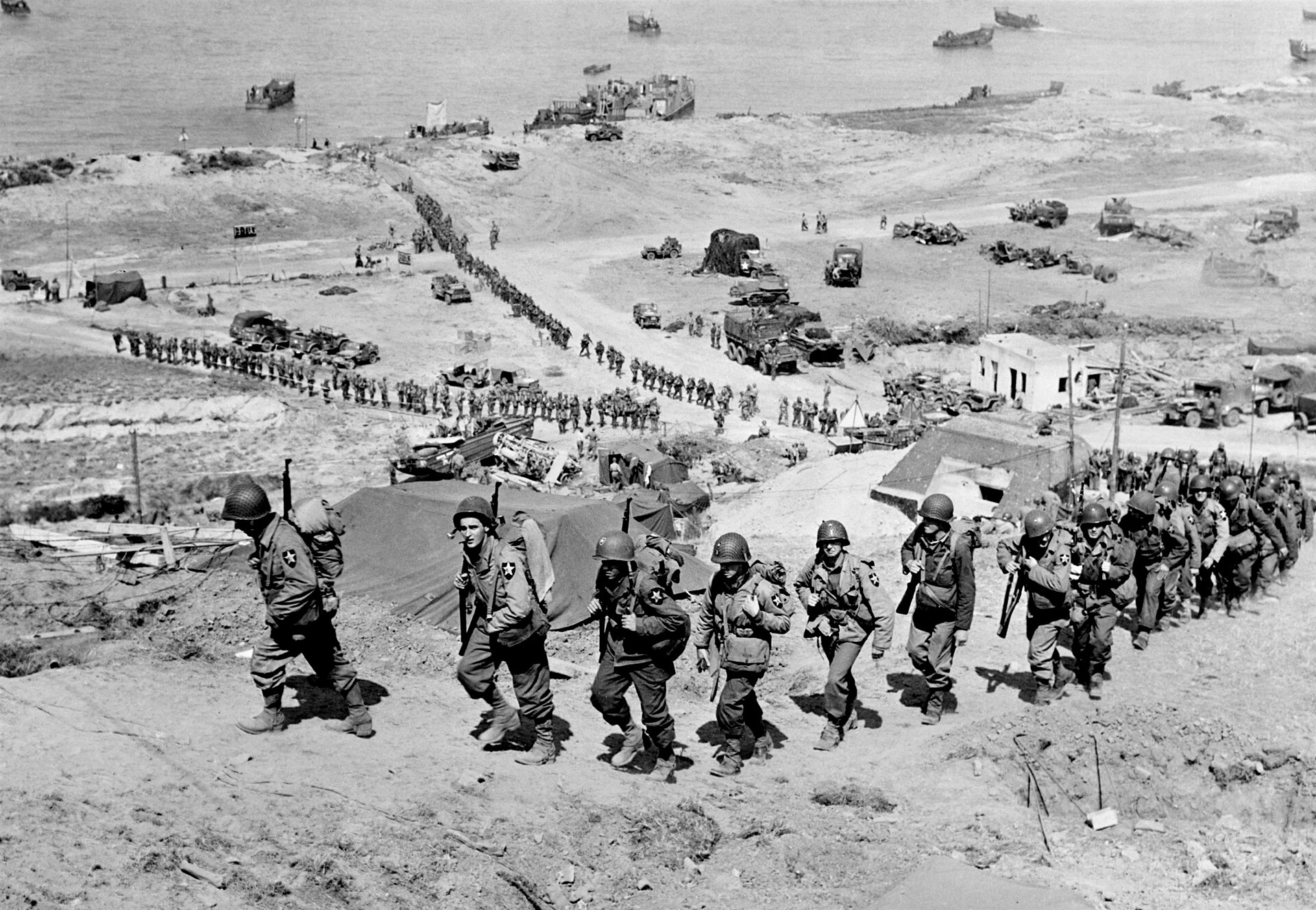
This museum honors American paratroopers who landed nearby. Sainte-Mère-Église was among the first towns liberated.
The small town of Sainte-Mère-Église holds particular significance as one of the first towns liberated during the invasion, and its Airborne Museum tells the story of the American paratroopers who dropped into the area, some famously landing on the town’s church roof. Exhibits include actual aircraft and personal artifacts from the men who served. The Airborne Museum offers a detailed, human-scale look at the airborne operations that preceded the beach landings, a compelling stop for understanding the invasion’s full scope.
4. Pointe du Hoc
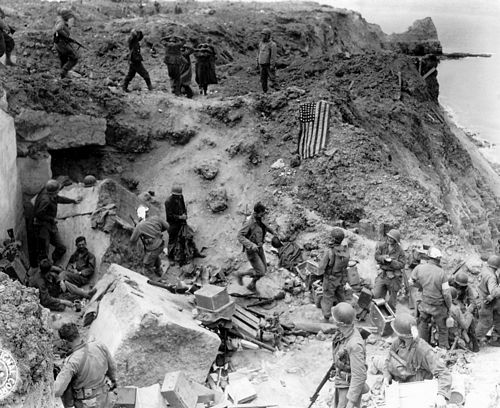
U.S. Army Rangers scaled these cliffs under fire. The bomb-cratered landscape remains largely unchanged.
Pointe du Hoc, a dramatic promontory between Utah and Omaha beaches, was the site of a daring assault in which U.S. Army Rangers scaled sheer cliffs under enemy fire to neutralize a German gun position. The site’s bomb-cratered, moon-like landscape remains largely preserved, offering a visceral sense of the battle’s intensity. Pointe du Hoc’s dramatic setting and remarkable preservation make it one of the most physically striking WWII sites anywhere in Europe.
5. Utah Beach
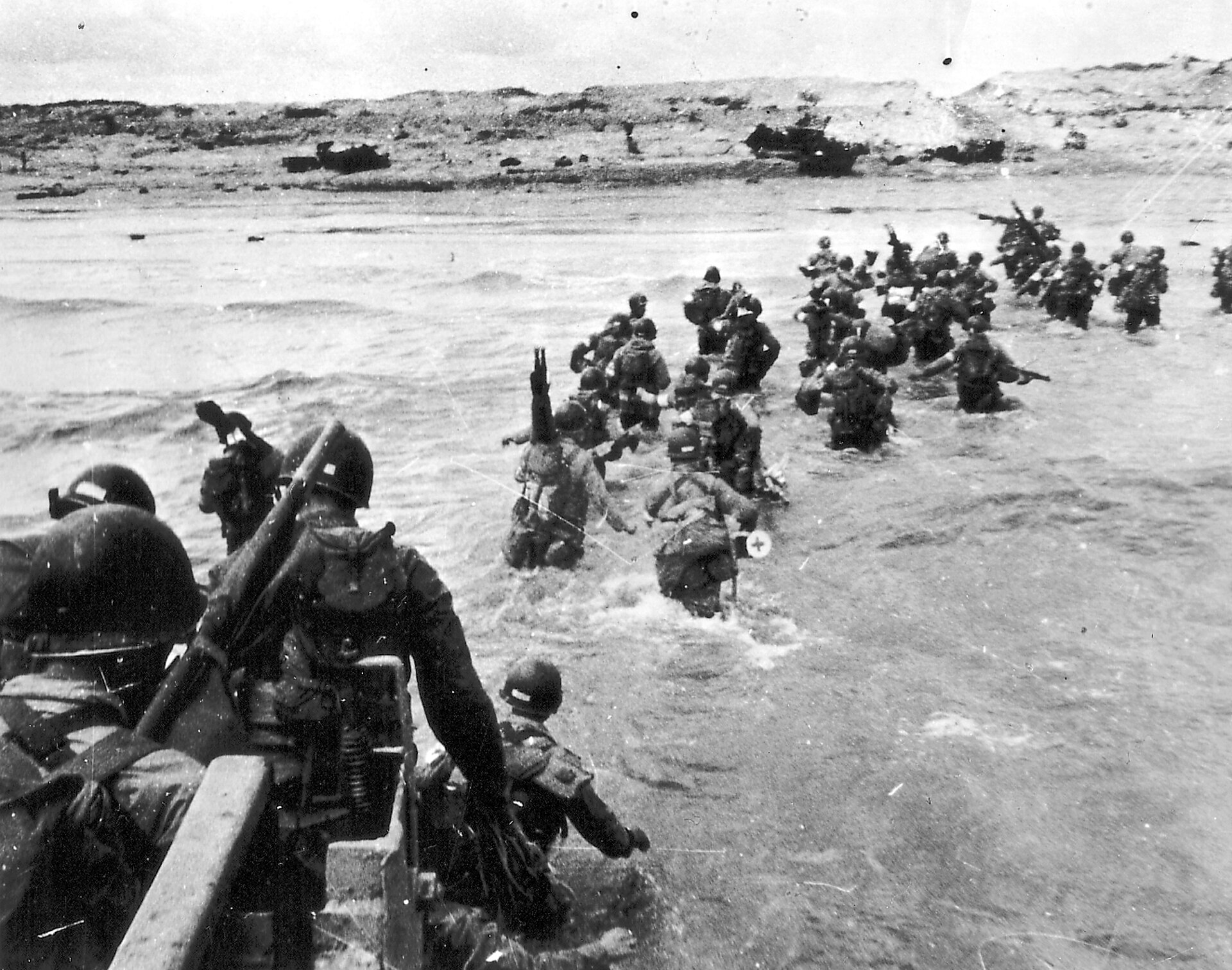
American forces landed with fewer casualties at Utah Beach. A museum built directly on the sand tells the story.
Utah Beach, the westernmost of the D-Day landing beaches, saw American forces come ashore with comparatively fewer casualties than at Omaha, though the operation still involved significant risk and coordination. The Utah Beach Museum, built directly on the site where troops landed, uses artifacts and personal accounts to tell the story of the assault. Utah Beach offers an important counterpoint to Omaha, rounding out a fuller picture of the American landing operations along the Normandy coast.
6. Bayeux and Its War Cemetery
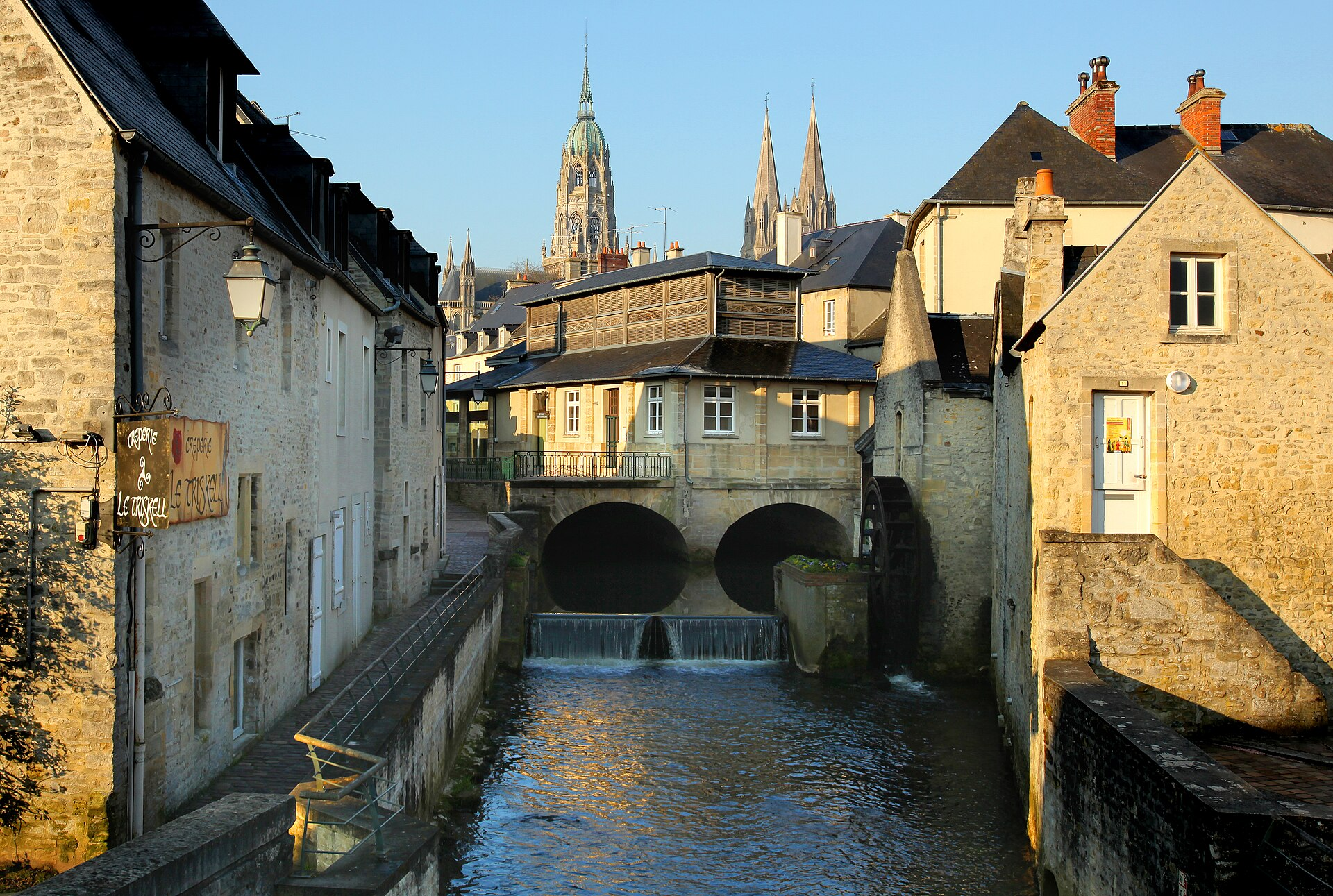
Bayeux was the first French city liberated after D-Day. It holds the largest Commonwealth war cemetery in Normandy.
Bayeux holds the distinction of being the first French city liberated following the D-Day landings, and it emerged from the war largely undamaged, preserving its medieval cathedral and charming old town. Just outside the city, the Bayeux War Cemetery, the largest Commonwealth cemetery from the Normandy campaign, honors British and other Allied forces. Bayeux’s blend of medieval charm and wartime history makes it a convenient and rewarding base for exploring the wider Normandy landing sites.
7. The Caen Memorial Museum
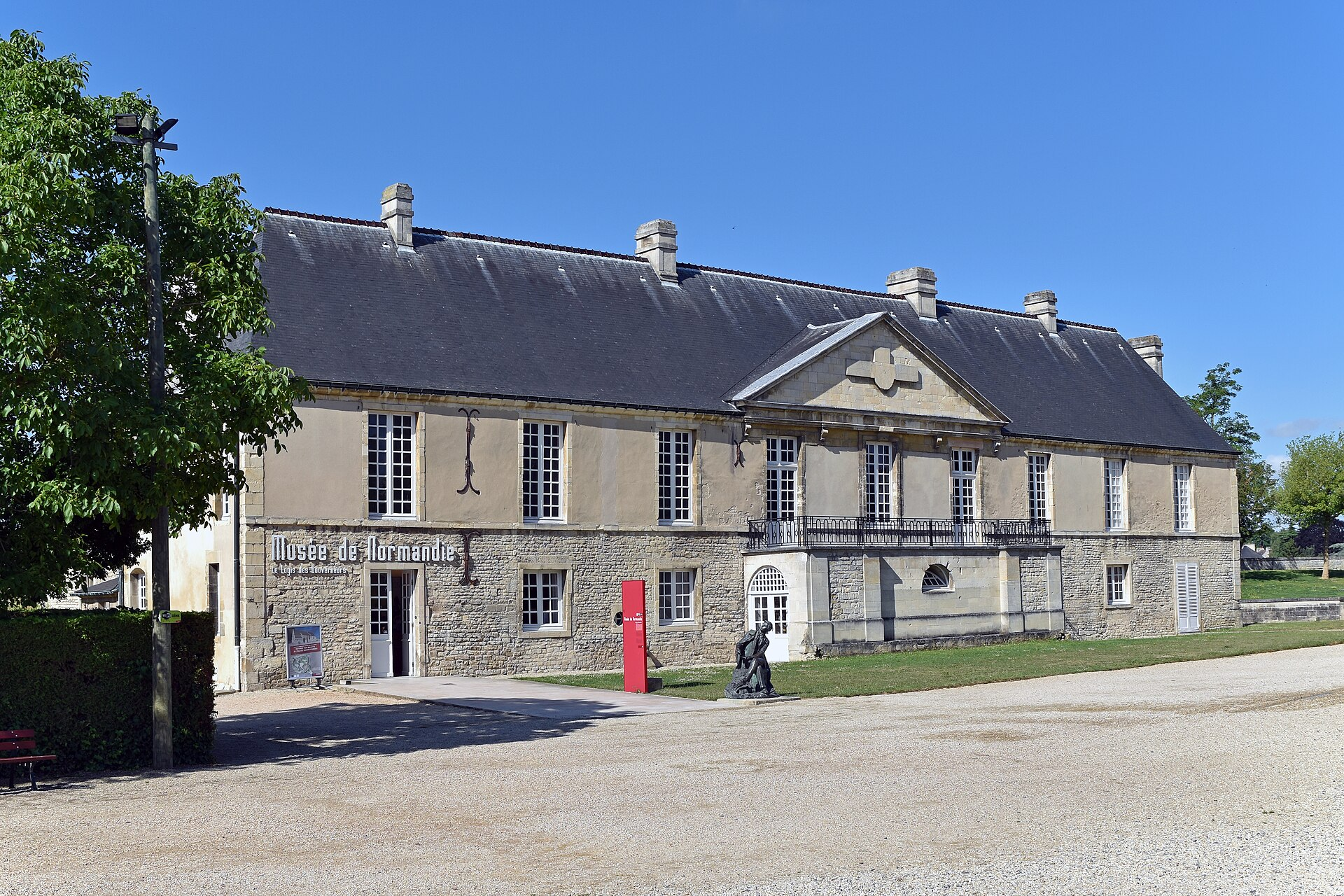
This museum provides broad historical context for the war. It covers the lead-up to D-Day and its aftermath.
The Caen Memorial Museum offers a comprehensive overview of the war’s broader context, tracing the events leading up to D-Day, the invasion itself, and the subsequent Battle of Normandy, alongside exhibits addressing the postwar pursuit of peace. It’s an excellent starting point for visitors wanting fuller historical grounding before touring the individual battle sites. The Caen Memorial Museum’s broad scope makes it a valuable complement to the more site-specific museums scattered across the Normandy coast.
8. Arromanches and the Mulberry Harbor Remains
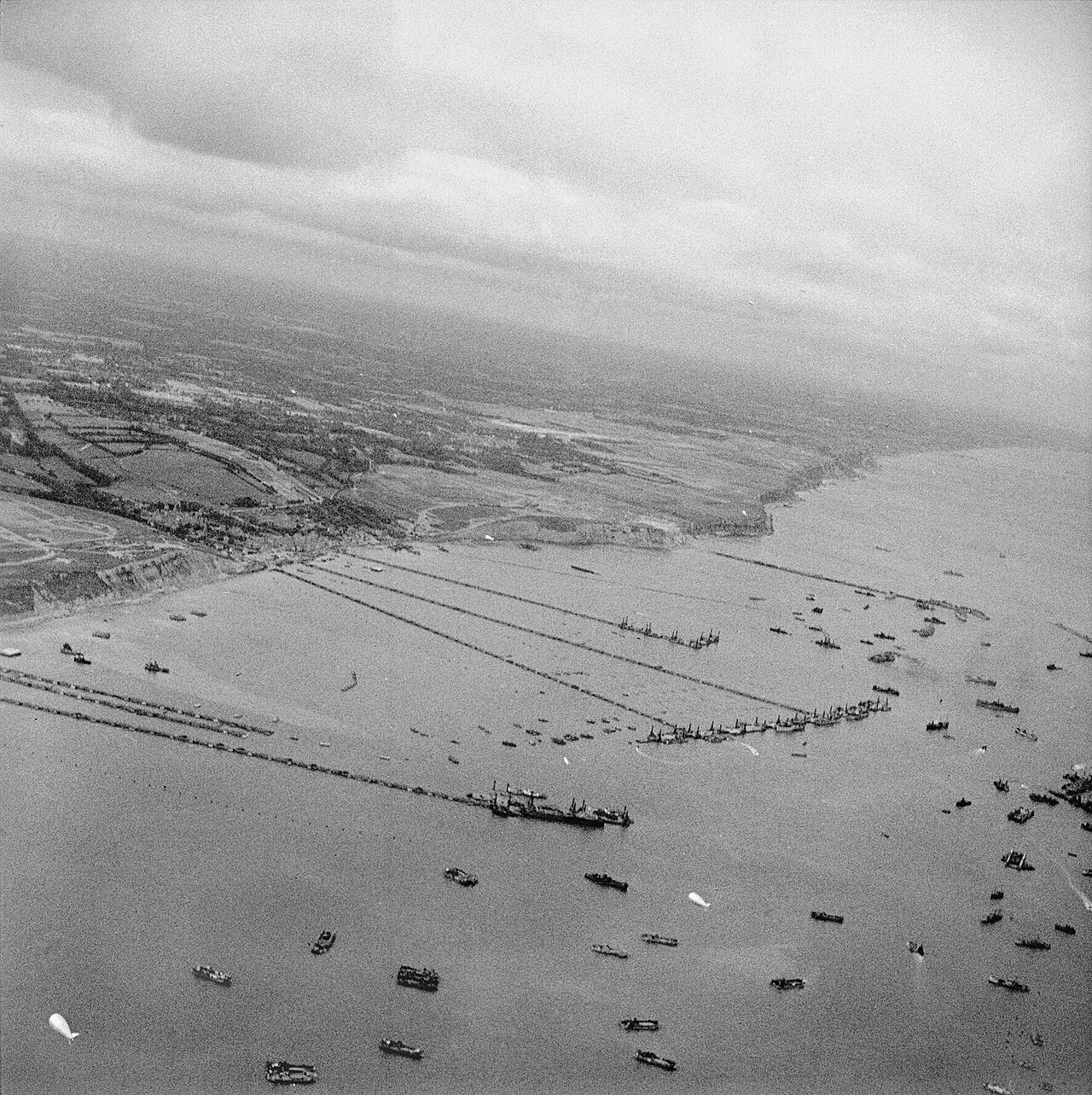
Artificial harbor remnants still sit offshore at Arromanches. They reveal an overlooked engineering triumph of the invasion.
At Arromanches, the rusted remains of an artificial “Mulberry Harbor,” a temporary port towed across the English Channel and assembled to supply Allied forces after the landings, are still visible offshore at low tide. A museum in the town explains this remarkable feat of wartime engineering, often overshadowed by the beach landings themselves. Arromanches offers a compelling look at the invasion’s overlooked logistical achievements, a reminder that D-Day’s success depended on far more than the landings alone.
Walking Ground That Shaped History
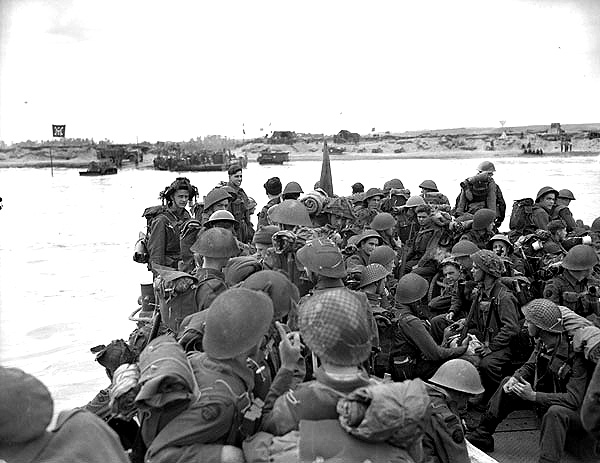
Taken together, these eight sites offer a comprehensive, moving picture of the Normandy campaign, from the beaches themselves and the American Cemetery’s rows of white crosses to the museums that provide crucial historical context. For many American travelers, especially those with family connections to WWII veterans, the trip offers a uniquely powerful sense of connection to history.
Most visitors base themselves in Bayeux or Caen and explore the surrounding sites by car or guided tour, with a full day generally recommended to cover the beaches and cemeteries without rushing, and two full days if the museums at Caen, Sainte-Mère-Église, and Arromanches are all on the itinerary. Guided tours led by knowledgeable local historians are widely available and often add meaningful context that’s easy to miss on a self-guided visit, including details about specific units, individual soldiers, and the sequence of events that a plaque alone can’t fully convey. Late spring through early fall tends to bring the most comfortable weather for walking the beaches and cemetery grounds, though the anniversary of D-Day in early June draws especially large crowds and is worth planning around if a quieter visit is the priority.
Many American visitors find that reading a bit of background on the invasion before the trip, or bringing along family stories or documents connected to a relative who served, adds real depth to the experience once standing on the actual ground where events unfolded. Local guides are often especially skilled at connecting the broader historical narrative to smaller, more personal, human-scale details that bring the story vividly to life in ways a guidebook alone simply cannot.
For travelers hoping to make a genealogical connection to a specific unit or individual soldier, the American Battle Monuments Commission maintains detailed records that can help identify exactly where a relative served or is buried, information well worth researching before the trip so that a specific grave or landing point can be located rather than simply viewed in general terms during the visit itself. Whatever the itinerary, a trip to Normandy tends to leave a genuinely lasting, unforgettable impression, a rare and profoundly moving opportunity to stand on ground that changed the entire course of the 20th century.
Like our content? Follow us for more.
